解析加密货币的燃烧和回购机制,是否会提高加密货币的价格?

老雅痞Опубліковано о 2023-01-30Востаннє оновлено о 2023-01-30

Анотація

加密货币市场在很大程度上是由于从传统市场迁移和采用金融策略以满足去中心化资产的需求而增长的。因此,我们有必要了解加密货币回购和销毁。

在项目白皮书里,我们经常会看到Crypto Burn和Crypto Buyback,每次做分析的时候我也会格外关注Burn部分。

在传统的金融市场中,自我投资一直是公司稳定价格的主要工具。加密货币市场在很大程度上是由于从传统市场迁移和采用金融策略以满足去中心化资产的需求而增长的。因此,我们有必要了解加密货币回购和销毁。
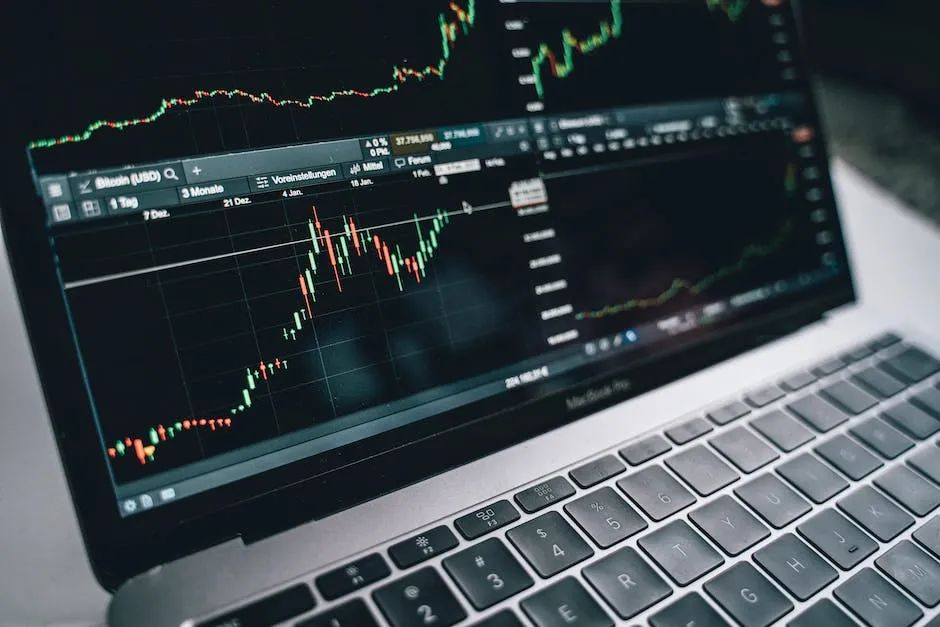
加密货币经历了价格动态的动荡,以及与市场上流通的其他代币日益激烈的竞争。这是基于区块链的项目开始应用两种类型的方法来刺激价格和控制发行的原因之一——回购和代币销毁。虽然这两个概念服务于相同的目的,但就价格影响而言,它们的机制和目标有所不同。

什么是加密货币回购和加密货币销毁?

加密货币回购和加密货币销毁的概念是指公司从市场上回购代币,然后销毁它们的做法。这样做是为了减少流通中的代币总数,并对代币的价格产生积极影响。换句话说,这种做法是提高特定代币价值的一种方式。代币持有者可以看到他们的代币价值增加,这意味着这对所有相关方都是有利的。

最早采用这种策略的是币安,它用近20%的利润回购和销毁了币安币(BNB)代币。这导致了BNB代币价格和公司整体价值的上涨。

此后,其他交易所也采用了这一做法。所有这些公司在实施了自己的回购和销毁计划后,都取得了积极的结果。

回购和销毁过程是如何运作的?

区块链网络用于验证交易的几个共识机制之一是Proof-of-burn。这是一种不浪费能源的工作证明协议,允许矿工燃烧虚拟货币的代币。然后,该协议按照烧毁的代币的比例授予采矿权。

然后,矿工将这些代币传输到一个燃烧器地址,并销毁它们。除了在燃烧之前用于挖矿的能量外,这个过程使用的资源较少,使得网络可以保持活跃和灵活。根据该过程的实施方式,你可以烧掉原生货币或BTC等属于替代链的代币。作为交换,你会得到原生货币的回报。

然而,由于资源和竞争较少,vproof-of-burn协议也减少了矿工的数量和代币供应。这可能会给大型矿工带来过多的产能,允许他们一次性销毁大量代币,从而影响价格和供应。

为了解决这个集中化问题,经常会使用衰减率。这有效地降低了单个矿工验证交易的总能力。proof-of-burn类似于权益证明,因为在这两种情况下,矿工都需要锁定他们的资产。然而,在使用权益证明挖矿后,质押者可以拿回他们的代币,这在proof-of-burn中是不可能的。

在加密货币的背景下,回购的方式是一样的。它涉及到从社区购买代币,并把它们放在开发者的钱包里。与燃烧代币不同,它不会永久地消除代币。

加密货币回购和销毁的优势

加密货币市场比传统市场经历了更高的价格波动,至少在当前的市场环境下是这样。加密市场仍处于起步阶段,导致投资者信心下降。因此,发行人需要制定一个清晰、实用、盈利和稳定的价值主张来吸引投资者。

加密货币回购和销毁如何影响加密价格?

一旦可用于二级交易,这些计划就可以支持代币价值的增长和价格稳定。

它们使代币对投资者更具吸引力。

回购和销毁计划会增加流动性,因为二级市场的需求总是更高。这导致代币的价格波动降低。

回购和销毁计划鼓励长期成长型投资者持有代币,使其价格更加稳定。

与回购和销毁相关的风险

加密货币回购和加密货币销毁策略会带来一些风险。一个风险是,进行回购的发行公司会从流通中移除过多的代币。因此,任何依赖于特定代币的加密DApp可能会“耗尽燃料”。

在回购之后,代币的价值也始终存在下跌的风险。如果发生这种情况,投资者持有的价值就会少于以前。这通常发生在团队执行的回购金额低于预期的情况下。
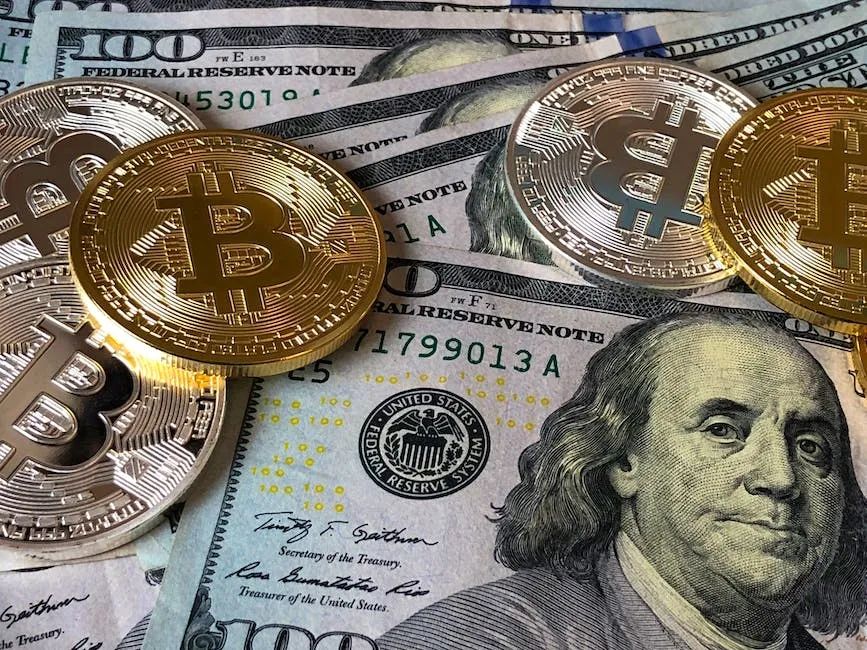
然而,与这种策略所产生的回报相比,上述两种风险都相对较低。

回购和销毁作为加密货币的事实标准

加密货币回购与股票回购或股息回购之间的主要区别在于前者是有保证且自动的。在购买传统股票的情况下,投资者不知道该公司未来是否会支付股息或回购股票。这个决定取决于公司决策者。然而,在回购和销毁的情况下,预定义的编码智能合约会执行这一过程。这意味着发行人别无选择,只能兑现承诺。所有这些都表明,回购和销毁策略将成为未来数字货币的事实标准。

总结

通过回购和销毁策略,企业无法篡改规则。投资者还可以要求提供代币销毁的证据。因此,这一过程消除了投资者方面的不确定性,并为价格稳定和长期价值增长创造了奇迹。
Пов'язані матеріали

Macroeconomic Origins of the African Payments Market Structure

Africa’s payment landscape exhibits the world’s highest mobile money penetration and fastest cryptocurrency adoption. This is not a market anomaly but a macroeconomic inevitability driven by deep structural factors: a vast, young population, heavy reliance on commodity exports and remittances generating massive cross‑border payment needs, and a chronically underdeveloped formal banking system plagued by de‑risking, high inflation, and currency instability. This vacuum has allowed mobile money (e.g., M‑Pesa) to become the primary payment channel domestically, while cryptocurrencies—particularly stablecoins—serve as a store of value against local‑currency depreciation and a lower‑cost cross‑border medium. The key divide is the Sahara: North Africa integrates with the MENA oil‑centric financial system, while Sub‑Saharan Africa, facing acute dollar shortages and fragmented currencies, is the epicenter of this fintech surge. Structural reliance on dollars, driven by trade deficits and weak local currency credibility, creates persistent dollar scarcity, which crypto and mobile payments effectively address. Efforts like the Pan‑African Payment and Settlement System (PAPSS) aim at de‑dollarization, but these alternatives will remain essential as long as underlying economic constraints—commodity dependence, limited industrialization, and financial exclusion—persist.

marsbit8 хв тому

Macroeconomic Origins of the African Payments Market Structure

marsbit8 хв тому

AAOI Defies Trend with Over 10% Surge, 'New Stock God' Serenity Predicts Potential to Double Again

On June 4th, despite a significant sell-off in the broader AI and semiconductor sector triggered by Broadcom's disappointing guidance, Applied Optoelectronics (AAOI) surged over 11%, showcasing a sharp divergence in market sentiment. Broadcom's warning about potential supply chain diversification by key customer Google and a weaker-than-expected outlook punctured the high-flying AI valuation narrative. This led to heavy selling in names like Broadcom (-12.6%) and Micron (-7%), with funds rotating into traditional industrial stocks. AAOI defied this trend. The stock has experienced high volatility recently, driven by bullish analyst coverage, notably from Rosenblatt which raised its price target to $220. Key catalysts include initial 800G optical module revenue from Amazon, potential certification from Oracle, and strong demand across its product portfolio. The company has reported cumulative orders for 800G/1.6T modules exceeding $324 million and is aggressively expanding manufacturing capacity in Texas, targeting an annualized run-rate of $1.4 billion for its module business by Q3 2027. However, AAOI's fundamentals present a mixed picture. Its Q1 2026 results missed expectations, showing a GAAP net loss, and Q2 guidance points to merely breakeven adjusted EPS. Risks include a delayed 800G production ramp to the second half of the year and high dependence on a few key cloud customers. Recent stock sales by company executives near price highs also noted. The article suggests AAOI's rally reflects a market beginning to differentiate within the AI ecosystem. While Broadcom's issues prompted a reassessment of custom ASIC and customer concentration risks, funds flowing into AAOI indicate a belief that the "physical bottleneck" narrative for optical connectivity—where supply remains tight—remains intact and is somewhat decoupled from the current sector weakness. The sustainability of AAOI's premium valuation now hinges on the successful execution of its production plans and upcoming quarterly results.

marsbit15 хв тому

AAOI Defies Trend with Over 10% Surge, 'New Stock God' Serenity Predicts Potential to Double Again

marsbit15 хв тому

Worried about AI's Self-Evolution, Anthropic Intends to Stop Training?

In early 2026, Anthropic signaled a significant shift in its public narrative regarding AI development timelines and safety. In June, its Anthropic Institute published a detailed article, "When AI builds itself," presenting internal data suggesting accelerating AI self-improvement. Key figures included over 80% of merged code being written by Claude and a 52x speedup in certain optimization tasks. The article outlined three future scenarios, with the most speculative being full recursive self-improvement (RSI), where AI autonomously builds better successors. Anthropic stated RSI is "possible" and may arrive faster than most institutions are prepared for. This narrative pivot followed a series of strategic moves. In January, CEO Dario Amodei wrote about a powerful self-improvement feedback loop. In February, Anthropic revised its Responsible Scaling Policy, removing a core commitment to pause training if capabilities outstripped safety controls, citing the risk of falling behind competitors. This change coincided with reported pressure from the US Department of Defense. By May, Anthropic's valuation had soared to $965 billion. Anthropic's stance was mirrored by other industry leaders. DeepMind CEO Demis Hassabis adjusted his AGI timeline to "by 2029" and admitted to using provocative language like "foothills of the singularity" to create urgency. OpenAI also released a model claiming a key role in its own creation process. The article's carefully calibrated tone—presenting dramatic data alongside qualifying footnotes—exemplifies a balancing act between signaling technological acceleration and managing commercial, regulatory, and safety imperatives. External experts offered contrasting interpretations of the same data, from warnings of catastrophic risk akin to Chernobyl to skepticism that current automation merely handles "grunt work," not genius. The coordinated narrative shift among top labs highlights the complex interplay between perceived technical inflection points and strategic communication aimed at investors, regulators, and the public.

marsbit17 хв тому

Worried about AI's Self-Evolution, Anthropic Intends to Stop Training?

marsbit17 хв тому

Торгівля

Спот
Ф'ючерси
活动图片