# Debt Articoli collegati

Il Centro Notizie HTX fornisce gli articoli più recenti e le analisi più approfondite su "Debt", coprendo tendenze di mercato, aggiornamenti sui progetti, sviluppi tecnologici e politiche normative nel settore crypto.

Global Long-Term Bonds Break Down: The Fiscal Illusion of the Low-Interest Era is Collapsing

Global long-term bonds are experiencing a widespread breakdown, as the fiscal illusion of the low-interest-rate era collapses. Sovereign yields are hitting multi-year highs in the US, UK, Japan, and France, signaling a market repricing driven by a common reality: unsustainable debt and deficits outpacing economic growth, compounded by renewed inflationary pressures from energy shocks. The direct trigger is the blockade of the Strait of Hormuz, which has pushed oil prices higher and reignited inflation fears. This squeezes central bank policy space, with expectations shifting from future rate cuts to potential hikes. The core "fiscal Ponzi scheme" is becoming evident—governments rely on new debt to service existing obligations, but as growth lags and borrowing costs rise, investors demand higher yields. Key developments include the US 30-year yield surpassing 5% for the first time since 2007, with tepid auction demand; Japan's 30-year yield reaching 4%, threatening its long-standing low-rate financial system; and political paralysis in the UK and France making meaningful fiscal consolidation unlikely. The marginal buyer for US debt is also shifting from foreign central banks to more price-sensitive private investors. While debt managers may adjust issuance, fundamental drivers—deteriorating fiscal paths, persistent inflation, and constrained central banks—remain. The market is conclusively repricing the end of the low-interest-rate financing model for highly indebted developed economies.

marsbit2 giorni fa 09:01

Global Long-Term Bonds Break Down: The Fiscal Illusion of the Low-Interest Era is Collapsing

marsbit2 giorni fa 09:01

Plummeting Around 12%, Duan Yongping's Bottom-Fishing CoreWeave Turns into a Fierce Battlefield Between Bulls and Bears

On May 8th, AI cloud computing provider CoreWeave (CRWV) plunged 11.4% following its Q1 2026 earnings report, intensifying the polarized market view on the stock. While revenue doubled year-over-year to $2.08B and its Remaining Performance Obligations (RPO) surged to nearly $100B, its net loss also widened to $740M. The key trigger was a weaker-than-expected Q2 revenue forecast, coupled with rising costs that compressed adjusted operating margin to just 1%. The bull thesis centers on CoreWeave's massive order backlog, deep strategic ties with NVIDIA as a key customer and investor, and client diversification with major names like Anthropic and Meta. Supporters point to its 'hyperscale' status and over $20B in recent financing. Bears highlight the "growth at all costs" model: despite soaring revenue, losses are expanding, capital expenditures are massive (~$6.8B in Q1), and total debt has ballooned to around $25B. Significant insider selling by executives adds to skepticism. This contrast is embodied by investor Duan Yongping (known as "China's Buffett"), who initiated a small, exploratory position (~0.12% of his portfolio) in Q4 2025 near the stock's lows, viewing it as a speculative bet on the AI infrastructure chain. The upcoming Q2 report is seen as a critical test for management's promise of a profit margin rebound. CoreWeave remains a battleground stock where long-term narrative clashes with near-term financial reality.

marsbit05/09 09:15

Plummeting Around 12%, Duan Yongping's Bottom-Fishing CoreWeave Turns into a Fierce Battlefield Between Bulls and Bears

marsbit05/09 09:15

Berkshire Hathaway and SoftBank: One Must Die

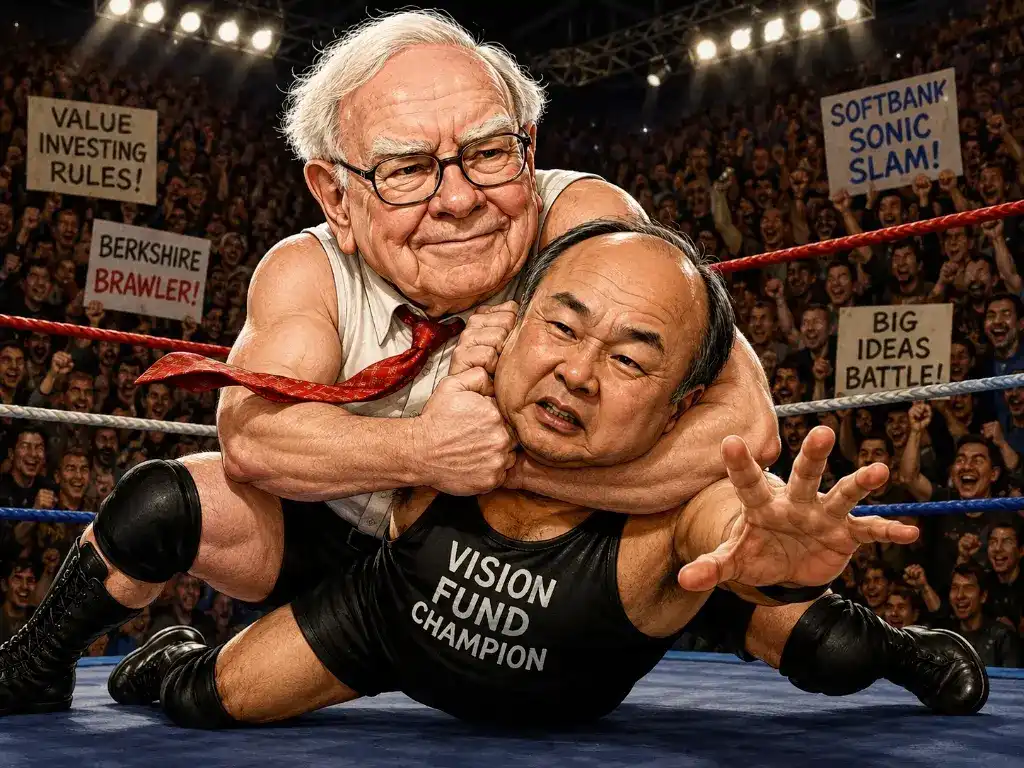
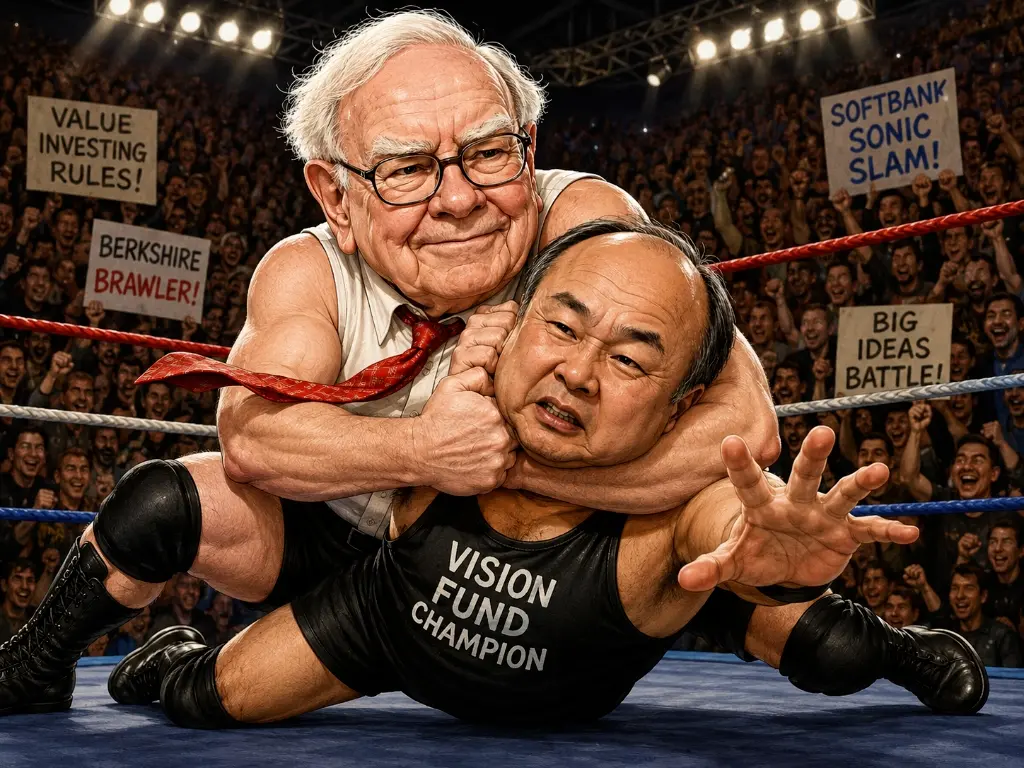
"Berkshire Hathaway vs. SoftBank: One Must 'Die'" In May 2026, with half-empty seats at its annual meeting, Berkshire Hathaway, under new CEO Greg Abel, faces investor pressure over its massive $397.4 billion cash pile—nearly 40% of its market cap. This hoard, largely in US Treasuries, resulted from 14 consecutive quarters of net equity sales, including massive Apple divestments. Abel inherits Buffett's "nothing looks attractive" stance in an expensive market likened to "a casino next to a church." However, Berkshire's significant underperformance versus the S&P 500 and a future of sustained high valuations could force a historic choice: returning capital via special dividends or breaking up the conglomerate. Berkshire's "death" would be a slow, existential one—the erosion of its value-investing identity post-Buffett. Conversely, SoftBank, led by Masayoshi Son, is in a frantic race against debt. It has pledged a staggering $64.6 billion for a 13% stake in OpenAI, financed by escalating parent-company debt (over ¥16.3 trillion), a historic $40 billion bridge loan, and the fire-sale of assets like Nvidia, T-Mobile, and Alibaba shares. The plan hinges on a successful OpenAI IPO and the $100 billion listing of its Roze AI unit to refinance. Son's high-wire act faces three correlated triggers for potential collapse: an OpenAI IPO delay or stumble, a sharp de-rating of its key liquid asset Arm (trading at 70x forward P/E), or a failure to refinance the massive 2027 bridge loan at increasingly costly rates. The conclusion: One philosophy must "die." In a prolonged bull market, SoftBank could triumph, realizing Son's AI vision, while Berkshire's conservative model fades into irrelevance. In a downturn, SoftBank's leveraged bet could unravel violently, while Berkshire's fortress balance sheet survives. Their fates are inversely tied to the market cycle's turn.

marsbit05/08 17:07

Berkshire Hathaway and SoftBank: One Must Die

marsbit05/08 17:07

Berkshire Hathaway and SoftBank: One Must Die

Berkshire and SoftBank: A Tale of Two Extremes The article presents a speculative future (set in 2026) contrasting the investment philosophies and potential fates of Berkshire Hathaway and SoftBank Group. Under new CEO Greg Abel, Berkshire sits on a massive cash pile of nearly $400 billion, built by selling assets like Apple stock over many quarters. Buffett and now Abel deem the market overvalued and refuse to invest, leading to significant underperformance. The "disease" of too much cash poses an existential threat to Berkshire's identity as a capital allocator, potentially forcing a future breakup or special dividend if the bull market persists. Its "death" would be a slow, dignified fading of its legendary investment narrative. In stark contrast, SoftBank's Masayoshi Son is all-in on a high-stakes gamble. To fund a colossal $64.6 billion (and growing) investment in OpenAI, SoftBank has aggressively leveraged itself. It has sold core holdings like Nvidia, T-Mobile, and Alibaba, taken on over $100 billion in parent-level debt, and secured a record $40 billion bridge loan. The survival strategy hinges on a successful OpenAI IPO and the high valuation of its Arm holdings. However, this creates multiple interconnected risks: an OpenAI IPO delay, a correction in Arm's lofty valuation, or a credit market freeze. Any of these could trigger a liquidity crisis. SoftBank's potential "death" would be swift and dramatic. The core thesis is that in this speculative market, one extreme strategy—Berkshire's paralyzing caution or SoftBank's all-or-nothing leverage—will likely prove unsustainable. One may lose its soul, the other may face financial rupture.

链捕手05/08 06:14

Berkshire Hathaway and SoftBank: One Must Die

链捕手05/08 06:14

Bitcoin Treasury Companies That Promised Never to Sell Are Now Selling. Why?

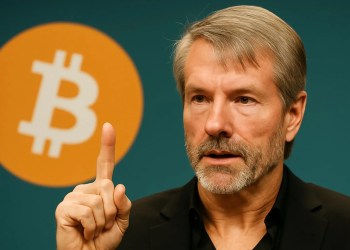
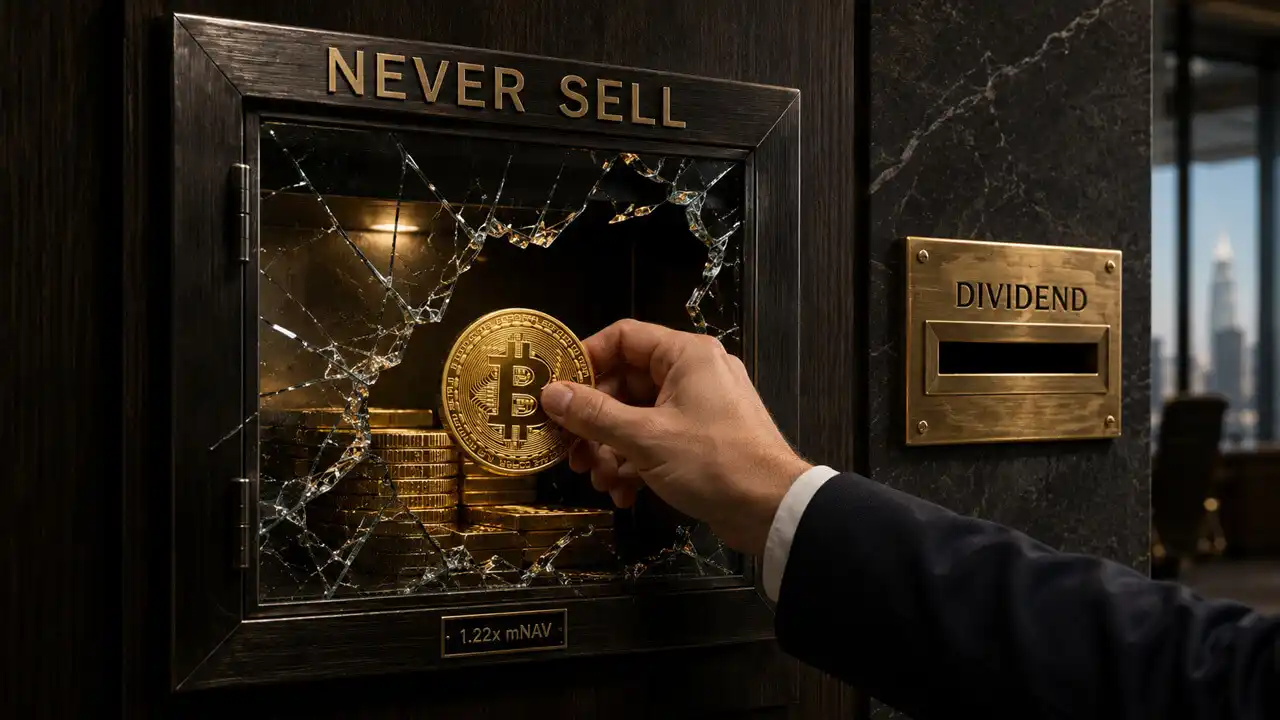
The narrative of "never selling" Bitcoin treasuries is unraveling as major holders pivot to using BTC as a liquidity tool. MicroStrategy has formally integrated selling Bitcoin into its financial framework, stating it will sell when beneficial—for instance, to pay dividends if its mNAV ratio falls below 1.22x. CEO Michael Saylor outlined a model where selling BTC is preferable to equity issuance under certain conditions, based on quantified thresholds like a 2.3% annual Bitcoin appreciation break-even. Similarly, Marathon Digital (MARA) sold 15,133 BTC to repay convertible debt, framing it as "balance sheet optimization." Sequans Communications has sold Bitcoin for two consecutive quarters to service maturing convertible bonds, using its BTC holdings as collateral and operational liquidity amidst revenue declines. The shift redefines these companies from pure "belief-based reserves" to leveraged treasuries where capital management decisions—driven by debt obligations, financing costs, and shareholder returns—can override holding dogma. The future path hinges on Bitcoin's price: a bull market above $112,000 would ease financing pressure and absorb tactical sales, while a drop toward $50,000–$58,000 could force more defensive selling to meet liabilities, potentially creating a downward spiral of selling pressure and price declines. Investors must now price in debt maturities, collateral calls, and specific financial triggers alongside Bitcoin exposure.

marsbit05/08 04:51

Bitcoin Treasury Companies That Promised Never to Sell Are Now Selling. Why?

marsbit05/08 04:51

Ray Dalio's Latest Interview: Can the U.S. Still Escape the Cycle of Decline?

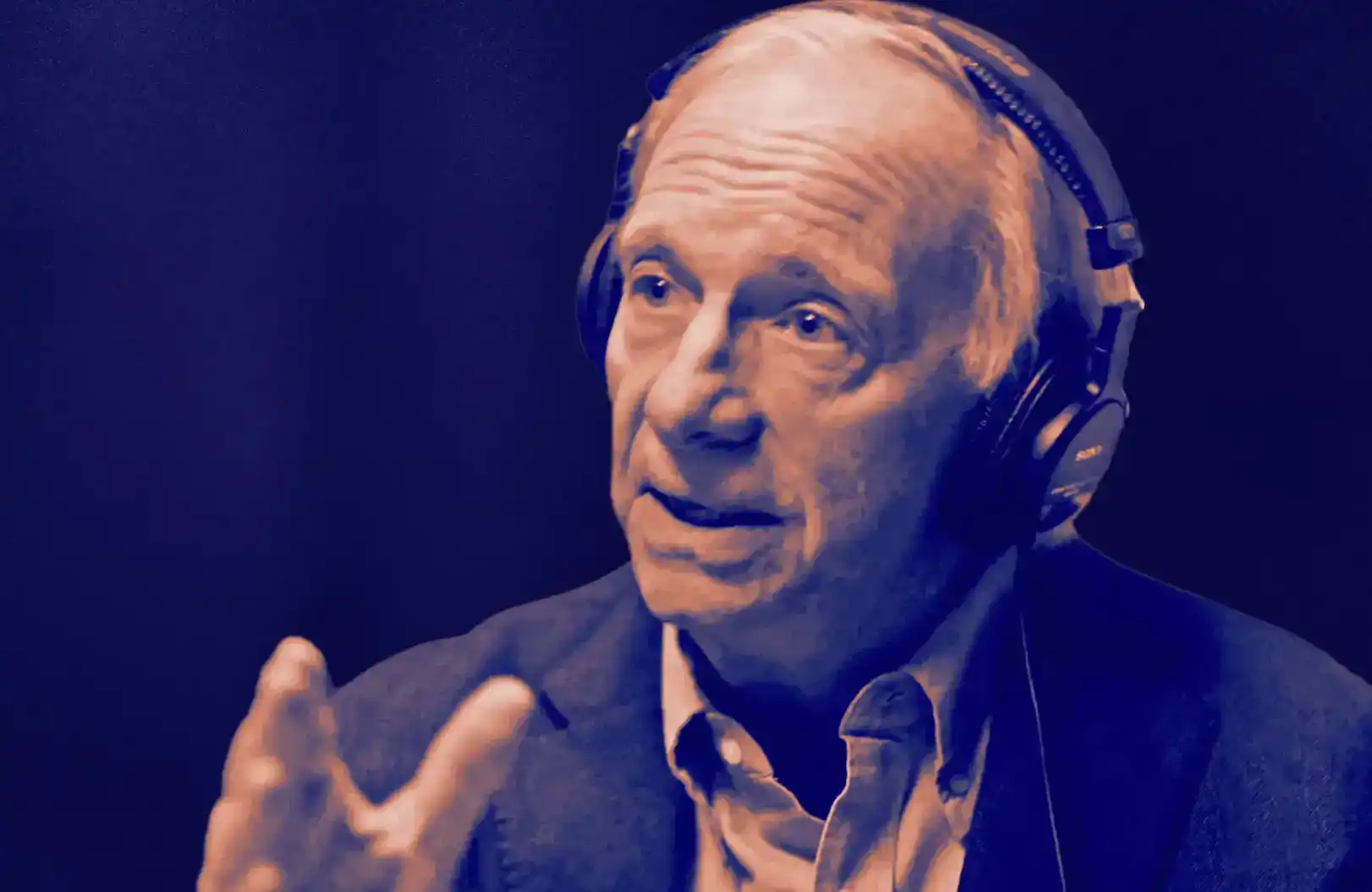
In a comprehensive interview, Ray Dalio, founder of Bridgewater Associates, analyzes whether the US can escape its historical "great cycle" of decline. He argues the nation faces a confluence of structural pressures, not a single crisis. Key points include: 1. **The Debt Cycle:** Unsustainable fiscal deficits and rising debt-to-income ratios are eroding national capacity, constraining spending on defense, welfare, and global commitments. 2. **Internal Political & Social Conflict:** Deep wealth gaps and value differences fuel intense political polarization. Addressing deficits becomes a zero-sum political battle over "who pays and who benefits," making consensus nearly impossible. 3. **Erosion of the World Order:** The post-1945 US-led, rules-based international system is breaking down, reverting to a state of great-power competition and conflict where raw power, not multilateral rules, resolves disputes. 4. **Currency & Safe Assets:** While the Chinese yuan may gain use as a medium of exchange, Dalio doubts it will become a primary global store of wealth. In an era of fiat currency debasement, assets like gold are regaining prominence as safe havens. 5. **AI's Dual Role:** Artificial Intelligence could boost productivity and help manage debt, but it also risks exacerbating wealth inequality, job displacement, and geopolitical tensions. Dalio concludes the US is in a period of increasing disorder, with debt, domestic strife, and international realignments converging. The critical factors for national recovery are foundational: improving education and civic素养, fostering social cohesion and productivity, and avoiding war—both civil and international. The path forward depends less on markets and more on these fundamental societal choices.

marsbit05/08 04:32

Ray Dalio's Latest Interview: Can the U.S. Still Escape the Cycle of Decline?

marsbit05/08 04:32

活动图片