Saya bukan seorang penjudi, juga tidak mengerti sensasi berdebar-debar saat menatap grafik K-line. Namun ketika CNN dan CNBC masing-masing mengumumkan bahwa mereka akan memasukkan odds digital dari pasar prediktif ke dalam siaran berita langsung, saya merasa seolah-olah kita sedang dipermainkan oleh sebuah 'kebenaran' baru.
Crypto bro sedang berkhotbah: jajak pendapat tradisional akan digantikan, para ahli adalah pendeta dari zaman lama, hanya odds yang dibangun dengan uang sungguhan yang dapat mencerminkan kebijasan kolektif dan kebenaran realitas. Namun logika transaksi yang dibentuk oleh pasar prediktif sesuai dengan 'kontes kecantikan' yang ditulis Keynes, Anda tidak lagi peduli siapa yang paling cantik, Anda hanya peduli 'siapa yang menurut orang lain paling cantik'. Konsep kecantikan itu sendiri 'terdekonstruksi', seperti urinoir yang diletakkan Duchamp di museum. Pasar prediktif akan terus berakselerasi, kehilangan kendali, sampai semakin banyak orang yang mulai 'short' terhadap kegilaan ini, 'short' terhadap narasi pasar prediktif itu sendiri.

Bursa dan kasino adalah dua dunia yang jelas berbeda. Petani khawatir harga pangan turun, pabrik pengolahan makanan di hilir khawatir harga naik, sehingga mereka datang ke pasar derivatif, mencari orang yang bersedia mengambil risiko. Karena kebutuhan yang berbeda, transaksi pun dapat mengalir.
Namun dalam konteks pasar prediktif, lindung nilai alami seperti ini tidak ada. Hal ini menyebabkan di pasar, selain market maker, hanya ada uang pintar yang memiliki informasi orang dalam dan penjudi yang pasti akan dipanen: jika pihak lawan yang memiliki keunggulan informasi bersedia bertransaksi dengan Anda pada harga ini, maka transaksi ini kemungkinan besar merugikan bagi Anda. Begitu 'uang bodoh' habis, likuiditas akan cepat mengering. Karena pelaku perdagangan orang dalam diizinkan untuk ada dalam jumlah besar, pasar prediktif tanpa pasokan penjudi yang terus-menerus adalah skema Ponzi baru yang tidak dapat mempertahankan dirinya sendiri.
Dalam sistem alami, nilai termometer tidak akan mengubah suhu udara, tidak peduli bagaimana kita bertaruh, Komet Halley tetap akan kembali tepat waktu. Namun dalam sistem sosial, probabilitas itu sendiri memiliki kekuatan untuk 'memutar posisi realitas', keserakahan pengamat dapat mengubah realitas yang diamati.
Ethereum dapat menjamin 'keamanan ekonomi' jaringan blockchain melalui mekanisme pemotongan staking, tetapi pasar prediktif sama sekali tidak dapat menjamin 'keamanan sosial'. Sebaliknya, ia bahkan memberi imbalan kepada perusak.
Jika seorang miliarder memasang taruhan besar pada suatu peristiwa ekstrem, ia sebenarnya memberikan dukungan dana untuk hasil tersebut, dan menggunakan sinyal probabilitas pasar untuk menciptakan kepanikan atau konsensus. Dana yang sangat besar dapat membentuk energi potensial yang besar, secara terbalik membungkus pemberitaan media dan mempengaruhi kepercayaan publik, memaksa hasil yang penuh ketidakpastian untuk runtuh menjadi bentuk yang diinginkan oleh si penarik.
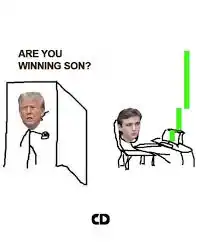
Kaito yang ingin menjadi pusat distribusi informasi, akhirnya menjadi stasiun penyiaran yang hanya mengeluarkan noise. Pasar-pasar prediktif mengklaim diri sebagai teleskop untuk mengintip masa depan, tetapi tidak dapat menghentikan diri menjadi papan iklan yang menciptakan masa depan.
Banyak orang merasa, dengan melonggarnya regulasi dan membanjirnya modal, pasar prediktif pasti akan menjadi tren besar berikutnya. Tetapi segala sesuatu selalu berlebihan.
Orang-orang secara bertahap menyadari bahwa kita berada di puncak siklus 'budaya perjudian'.
Finansialisasi menyeluruh hanya akan membawa kehampaan. Orang pada akhirnya akan bosan dengan stimulasi dopamin frekuensi tinggi ini, dan kembali ke pengalaman hidup. Kita mulai mematikan layar, pergi hiking, menyentuh tanah yang nyata, membaca buku cetak, membangun hubungan yang mendalam di luar layar.

'Short' terhadap pasar prediktif, sebenarnya tidak hanya 'long' terhadap 'subjektivitas manusia', tetapi juga 'long' terhadap 'kehidupan'.
Karena tidak dapat kembali ke masa lalu, maka mungkin satu-satunya jalan keluar adalah berhenti menghabiskan waktu di meja judi virtual, berbalik, dan melangkah ke dalam sinar matahari.