Автор: Pix
Компиляция: Saoirse, Foresight News
В мире криптовалют часто говорят: «Не твой ключ — не твои монеты». Звучит убедительно, и это действительно так. Но за этой фразой скрывается зеркальная логика: «Только твой ключ позволяет владеть твоей криптовалютой».
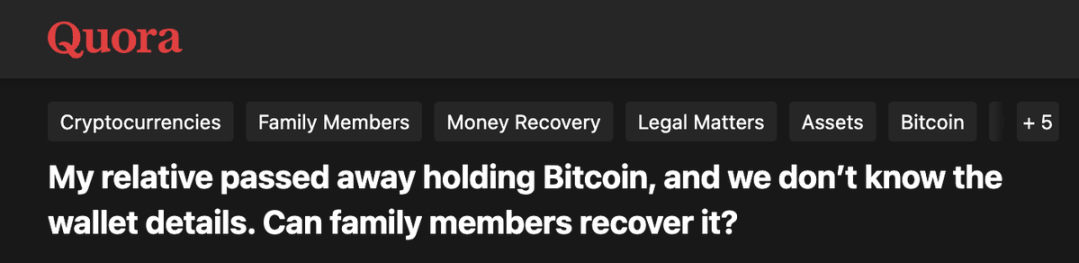
Если никто другой не знает, как получить доступ к вашему кошельку, то в момент, когда вы перестанете дышать, ваша криптовалюта фактически «перестанет существовать». Конечно, это не буквальное исчезновение — она останется в блокчейне, но с экономической точки зрения это то же самое, что и сжигание.
Насколько велик этот «покупатель смерть»?
Сегодня большинство держателей криптовалюты молоды, в основном в возрасте от 28-29 до 40 с небольшим лет.
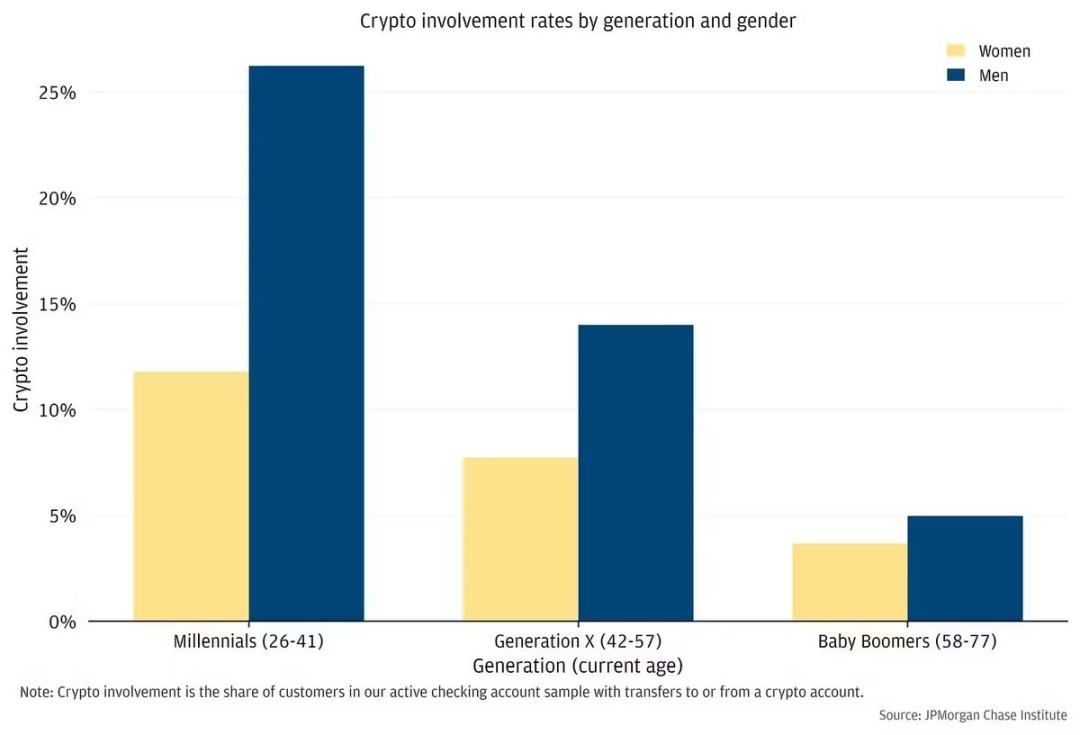
Держателей старше пенсионного возраста очень мало, поэтому проблема утери криптовалюты из-за смерти легко упускается из виду. Но даже так, данные впечатляют:
-
Ежегодно в мире умирает около 60 миллионов человек (исходя из общего населения мира около 8 миллиардов);
-
В мире около 500 миллионов держателей криптовалюты (примерно 1 из 16 человек);
-
Поскольку держатели криптовалюты в среднем моложе общего населения мира, их уровень смертности также ниже, консервативно оценивается примерно в 0,2% в год;
-
Исходя из этого, из 500 миллионов держателей ежегодно умирает около 1 миллиона человек (500 млн × 0,2%).
В настоящее время большая часть криптовалюты хранится самостоятельно, и владельцы редко планируют ее наследование. Даже если только 10% кошельков умерших окажутся недоступными из-за незнания способа доступа, ежегодно будет теряться около 100 000 кошельков. Если консервативно предположить, что средний баланс этих кошельков составляет всего 20 000 долларов, то ежегодно из обращения будет выходить около 2 миллиардов долларов криптовалюты. И со временем эта цифра будет только расти — ведь молодое поколение тоже стареет.

Ежегодный процент криптовалюты, «уничтожаемой» смертью, от общего объема
Это подводит нас к ключевому вопросу: если преимущество самостоятельного хранения криптовалюты заключается в отсутствии посредников, то как передать эти активы, не возвращая посредников?
Передача активов, которые не были designed для «передачи»
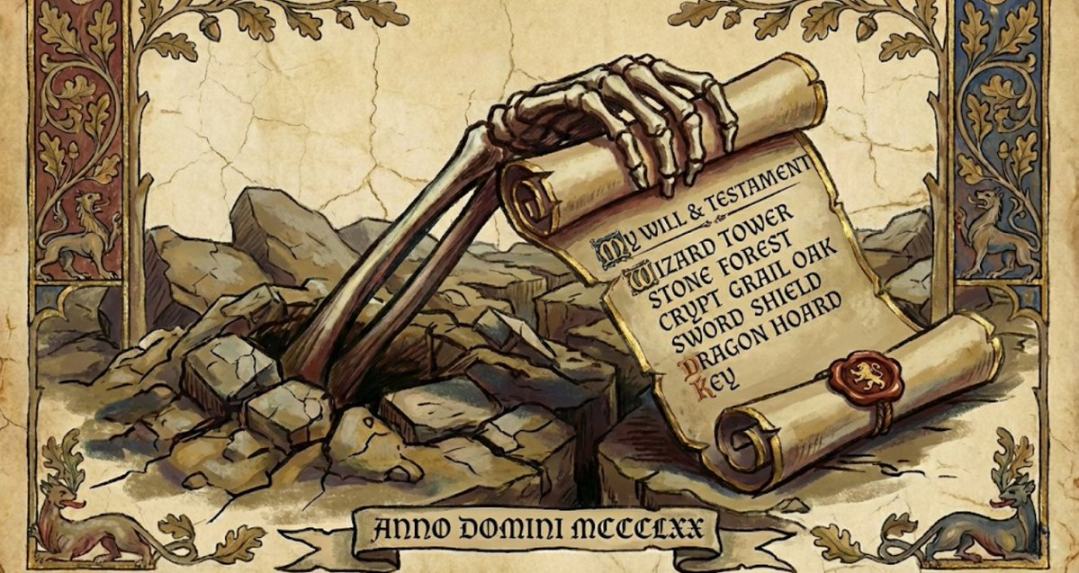
Большинство современных решений склоняются к двум крайностям: либо простые, но хрупкие, например, хранение сид-фразы в банковской ячейке (легко потерять, легко украсть); либо безопасные, но настолько сложные, что никто не хочет их использовать. Оба варианта неидеальны, поэтому я использую компромиссный метод — простой трехэтапный метод наследования, который легко запомнить, трудно взломать, доступен в любое время и в любом месте и гарантирует 100% некастодиальность (т.е. не требует依赖 посредников). Конкретные шаги如下:
Шаг 1: Создание专属 одностраничного网站
Создайте одностраничный сайт с использованием «редкого доменного имени», состоящего из 3-4 слов — такое доменное имя обычные люди вряд ли введут в поисковую строку, но оно должно иметь личное значение для вас, чтобы его было легче запомнить.同时提前支付 10 年以上的网站 хостинга и настройте автоматическое продление, чтобы确保网站长期 доступен.
Шаг 2: Преобразование сид-фразы в цифровую строку с помощью шифрования
Сначала выберите любимую книгу, найдите самого распространенного издателя этой книги и купите 10 экземпляров (确保每本书的页码、排版完全一致). Затем преобразуйте每个单词 сид-фразы вашего криптокошелька в цифровую строку: для каждого单词 в сид-фразе найдите его положение в книге и запишите «номер страницы - номер строки - позиция слова в строке». Например, «112, 3, 5» означает «5-е слово в 3-й строке на странице 112». Преобразуйте все单词 сид-фразы этим методом в цифровые строки.
Шаг 3: Загрузка цифровых строк на专属网站
Просто опубликуйте преобразованные цифровые строки в виде списка на созданном вами专属网站, в следующем формате:
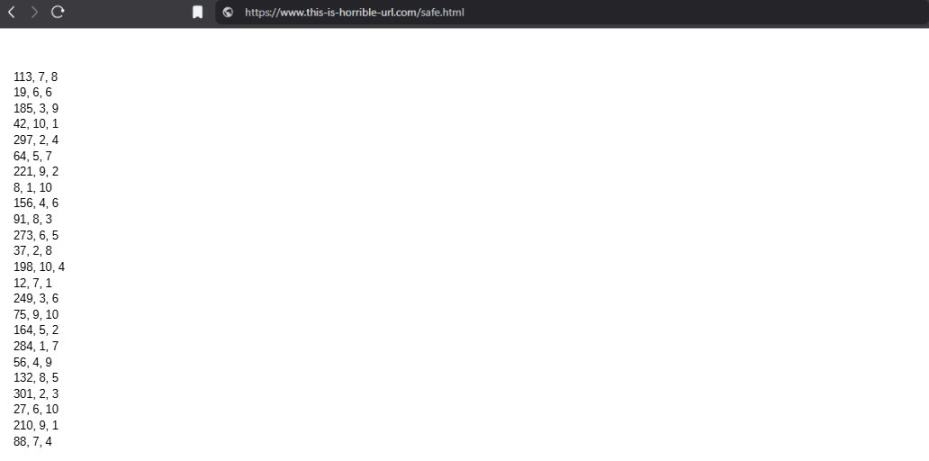
Кстати, это реальная цифровая строка, соответствующая сид-фразе, за которой стоит 500 долларов криптовалюты. Однако доменное имя网站 вымышленное, а реальная сид-фраза скрыта в某本书中. Подсказка только одна: я обожаю хорошие детективы, желаю всем «удачи в поиске сокровищ»~
Я знаю, что это может показаться «перестраховкой», некоторые也许 посчитают это ненужным, но этот метод действительно обеспечивает безопасность и одновременно делает передачу активов более гибкой. Вы можете进一步提高 безопасность, например, используя редкие книги или самостоятельно распечатанные копии книг для хранения информации о положении сид-фразы; конечно, вы也可以不这么麻烦 — просто положите аппаратный кошелек (Ledger) и металлическую пластину с выгравированной сид-фразой в сейф. Иначе ваша криптовалюта может в конечном итоге быть просто «пожертвована» блокчейну (т.е. навсегда выйдет из обращения).