Manus tái khởi động cuộc đời, liệu có thể tái khởi động các quy tắc trò chơi cho AI vươn ra biển lớn?

marsbitPubblicato 2026-08-14Pubblicato ultima volta 2026-08-14

Introduzione

Toàn bộ giới AI gần như đã lãng quên Manus thì họ đã trở lại. Ngày 11/8, Manus thông báo trên trang chủ về việc khôi phục tư cách công ty độc lập và tiếp tục phục vụ người dùng toàn cầu. Điều này diễn ra ngay sau khi "Quy định về Đầu tư Ra nước ngoài của Nhà nước" (Nghị định 837) chính thức có hiệu lực từ ngày 1/7. Sự kiện Manus, từ khi nổi tiếng vào tháng 3/2025, bị Meta thâu tóm rồi bị cơ quan quản lý Trung Quốc dừng giao dịch, cho đến khi được các cổ đông cũ mua lại, đã trở thành một trường hợp điển hình cho bài học về sự tuân thủ quy định. Các chuyên gia chỉ ra vấn đề cốt lõi của Manus là "thay đổi cấu trúc công ty một cách cơ hội" trong thời kỳ quy định còn mơ hồ, thay vì thiết lập một cơ cấu pháp lý minh bạch ngay từ đầu. Sự cố này không làm nguội lòng các nhà đầu tư đối với AI hướng ra thị trường nước ngoài, nhưng khiến họ kỹ lưỡng hơn. Xu hướng hiện nay là các công ty khởi nghiệp AI phải lựa chọn rõ ràng giữa việc tập trung vào thị trường nội địa Trung Quốc hoặc thị trường nước ngoài. Việc thiết lập một cơ cấu công ty tuân thủ ngay từ giai đoạn đầu tiên đã trở thành yêu cầu bắt buộc. Nghị định 837 nhấn mạnh sự tuân thủ kép: các doanh nghiệp vừa phải tuân thủ các quy định của Trung Quốc, vừa phải đáp ứng các yêu cầu về an toàn dữ liệu và kinh doanh của thị trường mục tiêu. Một ví dụ thành công được đưa ra là ccMonet.AI, một công ty AI về tài chính có trụ sở chính và chủ thể thương mại đặt tại Singapore ngay từ ngày đầu thành lập. Ngoài ra, lựa chọn giữa thị trường ...

Văn | Phòng thí nghiệm AI Xia Guang, Tác giả | Li Xiaotian

Khi cả làng AI sắp quên mất nó, Manus đã trở lại.

Ngày 11 tháng 8, Manus đã đăng một bức thư gửi người dùng trên trang web chính thức: sắp khôi phục tư cách công ty độc lập, tiếp tục phục vụ người dùng toàn cầu. Trong thư không đề cập đến tiến độ cụ thể của việc các cổ đông cũ như Tencent, ZhenFund mua lại cổ phần, giọng điệu kìm nén đến mức gần như không gợn sóng. Chi tiết duy nhất đáng chú ý ẩn trong phần phụ lục: để đáp ứng yêu cầu quy định của một số khu vực cụ thể, dữ liệu của người dùng được tạo ra sau ngày 29 tháng 12 năm 2025 sẽ bị xóa từ ngày 23 đến 24 tháng 8 - ngày đó chính là ngày Meta tuyên bố mua lại Manus. Dùng một ranh giới dữ liệu để vẽ dấu chấm hết cho mối quan hệ mua bán này, theo một nghĩa nào đó, đây cũng là cách chia tay lịch sự nhất giữa Manus và Meta.

Từ cơn sốt một đêm vào tháng 3 năm 2025, đến việc bán mình cho Meta với định giá 2-3 tỷ USD vào cuối năm, rồi đến tháng 4 năm 2026 bị cơ quan quản lý Trung Quốc đình chỉ giao dịch, cuối cùng được các cổ đông cũ trong nước mua lại và giành lại độc lập, Manus đã dùng hơn một năm để trải qua một cách nén chặt những tình tiết mà hầu hết các công ty khởi nghiệp cả đời chưa chắc đã trải qua hết. Và thời điểm nó tái khởi động này, lại vừa khớp sau một sự kiện khác: "Quy định của Hội đồng Nhà nước về Đầu tư Nước ngoài" (Nghị định số 837 của Hội đồng Nhà nước) đã chính thức có hiệu lực từ ngày 1 tháng 7.

Đặt hai sự việc này cạnh nhau để xem, sẽ thú vị hơn nhiều so với việc chỉ xem riêng từng sự việc.

Một quy định mới, một ví dụ phản diện

Nghị định 837 được thông qua tại phiên họp thứ 83 của Ủy ban Thường vụ Hội đồng Nhà nước ngày 17 tháng 4 năm 2026, gồm 34 điều, quy định rõ phạm vi áp dụng của đầu tư nước ngoài, mục đích là "thúc đẩy mở cửa cao cấp, thúc đẩy phát triển chất lượng cao cho đầu tư nước ngoài", đồng thời "bảo vệ chủ quyền, an ninh, lợi ích phát triển của quốc gia". Quy định nhấn mạnh nhà đầu tư được hưởng quyền tự chủ đầu tư nước ngoài theo pháp luật, có thể tự quyết định, tự chịu rủi ro, tự chịu lỗ lãi - nhưng tiền đề của quyền tự chủ là phải hợp pháp, tuân thủ ngay từ khi thiết lập cơ cấu.

Ellen (người trước đây chủ trì đầu tư cho quỹ đô la Mỹ ở Trung Quốc), hiện đang làm dịch vụ đầu tư và tăng trưởng cho AI vươn ra biển lớn tại Singapore, cho rằng quy định mới này và sự kiện Manus gần như là hai mặt của cùng một logic: chính sách đang làm rõ giới hạn, còn Manus lại vừa đạp phải thời kỳ giới hạn còn mờ nhạt. Theo cô, vấn đề của Manus không phải là thiếu tiền, cũng không phải thiếu người dùng, mà là "đổi vỏ để đầu cơ" - công ty chỉ hoàn thành việc chuyển từ chủ thể Trung Quốc sang chủ thể Singapore trong thời kỳ chính sách mờ nhạt, không suy nghĩ rõ ràng về cơ cấu tuân thủ ngay từ khi thành lập, cộng thêm bản thân sản phẩm quá nổi tiếng, đã thu hút sự chú ý vượt xa dự kiến trong thời kỳ cửa sổ nhạy cảm.

Nhận định này cũng phù hợp với bản chất công nghệ của chính Manus: Nhà khoa học trưởng Ji Yichao thừa nhận công khai, Manus được xây dựng dựa trên khả năng của các mô hình bên ngoài như Claude, Qwen và nhiều công nghệ mã nguồn mở khác, lợi thế cạnh tranh cốt lõi không nằm ở một đoạn mã nền tảng mà người khác không viết được, mà nằm ở khả năng tích hợp sản phẩm và tâm lý người dùng được xây dựng tiên phong vào tháng 3 năm 2025.

Nói cách khác, Manus không có rào cản công nghệ để trả giá cho sự nổi tiếng, một khi bị phản tác dụng bởi vấn đề cơ cấu và sự chú ý của dư luận, hầu như không có không gian đệm.

Sau Manus, thế nào mới là "vươn ra biển lớn vững chắc"?

Sự sụp đổ của Manus không có nghĩa là con đường vươn ra biển lớn tự nó là không thể đi được. Đặt trong thị trường hiện tại để xem, ít nhất có hai tầng thực tế đáng được mổ xẻ.

Trước hết, giới vốn đầu tư không hề nguội lạnh nhiệt tình vì sự kiện Manus. Theo Ellen giới thiệu, các quỹ đô la Mỹ hàng đầu ở Singapore và Úc, đang chuyên tuyển các quản lý đầu tư nói tiếng Trung bản địa, để khai thác các dự án của nhà khởi nghiệp AI Trung Quốc vươn ra biển lớn; logic đầu tư của các quỹ đô la Mỹ trong nước cũng không thắt chặt rõ rệt vì sự kiện Manus, vốn vẫn đang tích cực rót vào các dự án hướng đến thị trường nước ngoài - sự căng thẳng địa chính trị không làm tiền ít đi, mà làm tiền trở nên kén chọn hơn.

Đồng thời, việc tuân thủ trở nên đặc biệt quan trọng. Giới đầu tư bây giờ chọn lựa về cơ cấu: một loại dự án ngay từ khi thành lập đã định vị thị trường toàn cầu, trực tiếp sử dụng chủ thể nước ngoài; loại khác là kiểu "đổi vỏ muộn" như Manus, sau khi nghiệp vụ làm lớn mới chuyển ra ngoài. Loại trước là thiết kế, loại sau là cứu chữa, cái giá của việc cứu chữa thường là những lỗ hổng tuân thủ không bao giờ vá hết - đây cũng là lỗ hổng mà Nghị định 837 muốn bịt: doanh nghiệp vừa phải giữ vững ranh giới đỏ ở phía Trung Quốc, vừa phải đáp ứng an ninh dữ liệu và tuân thủ nghiệp vụ của thị trường mục tiêu, tuân thủ kép không có bài toán lựa chọn nào để làm.
Nguồn ảnh: Trang web chính thức Manus

Nhưng việc đặt cơ cấu lên trước rất dễ bị lẫn lộn với một thao tác nông cạn hơn khác - đổi địa chỉ đăng ký, giả làm một "công ty nước ngoài". Ranh giới này, nhà đầu tư Zhu Xiaohu đã nói rất thẳng thắn trong một sự kiện công khai trước đó: "Bất kể bạn chuyển công ty đến đâu, nhà đầu tư, khách hàng đều biết, vẫn sẽ coi bạn là công ty Trung Quốc, giả bộ là vô dụng." Ví dụ ông đưa ra cũng rất chua xót: gần đây có mấy công ty chuyển trụ sở sang Mỹ, hy vọng đổi địa chỉ là có thể lấy được tiền từ Silicon Valley, kết quả huy động vốn không thành, lại quay đầu tìm nhà đầu tư Trung Quốc, "chuyển trắng".

Về vấn đề này, Ellen đã chia sẻ với Phòng thí nghiệm AI Xia Guang một trường hợp đối chiếu có thể làm nhóm tham chiếu với Manus: công ty tài chính nguyên sinh AI base Singapore ccMonet.AI - hướng đến doanh nghiệp vừa và nhỏ làm sổ sách kế toán, đối chiếu, tự động hóa thuế, chủ đạo "Xử lý AI + Kiểm toán bởi kế toán viên có chứng chỉ", đã phục vụ hơn 1000 khách hàng doanh nghiệp, đã triển khai tại Singapore, Mỹ, Anh. Chủ thể pháp lý 2ND BRAIN PTE. LTD. đăng ký tại Singapore, người sáng lập Hua Mao là nhà khởi nghiệp liên tiếp trải dài cả Trung Quốc và Singapore, từ năm 2022 trụ sở chính và chủ thể kinh doanh ngay từ ngày đầu thành lập đã đặt tại Singapore, nghiên cứu phát triển thuê ngoài cho đội ngũ trong nước, tận dụng lợi thế hiệu quả cao của nghiên cứu phát triển Trung Quốc, cơ cấu tuân thủ đã hoàn thành ngay từ điểm xuất phát, không cần đợi công ty lớn lên rồi mới quay đầu bổ sung bài học.

Thị trường đang lựa chọn một trong hai, hình thái sản phẩm cũng đang theo đó phân liệt

Ngoài ra, Ellen còn đề cập đến một xu hướng cấu trúc hơn: các công ty khởi nghiệp AI đang bị đẩy vào sự lựa chọn nhị nguyên "hoặc là đào sâu thị trường trong nước, hoặc là tập trung thị trường nước ngoài", độ khó của việc cố gắng làm cả hai đầu là cực kỳ lớn.

Đằng sau đó là một nhận thức thực tế. Một nhà đầu tư gần gũi với Manus nói với giới truyền thông, "Đối với nhân tài đỉnh cao mà nói, tính lưu động là không tồn tại, hễ bạn muốn đi khởi nghiệp, sự khởi nghiệp này nhất định phải thuộc về một thời gian và không gian cụ thể. Những nhà khởi nghiệp thế hệ mới của Trung Quốc hiện nay, với tư cách là những người thông minh nhất trong đám đông, họ nên có đủ khả năng giải đọc những sự việc này."

Điều này cũng có nghĩa là doanh nghiệp phải sớm làm rõ định vị của chính mình. Nếu đi theo lộ trình "Trong nước làm nghiên cứu phát triển, nước ngoài làm bán hàng", phương án tối ưu là công ty nước ngoài chỉ phụ trách bán hàng, công nghệ cốt lõi hoàn toàn giữ lại trong nước, tránh né vấn đề tuân thủ xuất khẩu, chuyển giao công nghệ từ nguồn gốc. Chỉ cần nghiệp vụ bán hàng nước ngoài biểu hiện ổn định, hoặc sản phẩm dựa trên mô hình mã nguồn mở, việc huy động vốn nước ngoài, lên sàn sau này của doanh nghiệp sẽ không tồn tại trở ngại lớn. Nhưng nếu muốn đóng gói nhất thể hóa nghiên cứu phát triển với bán hàng nước ngoài, để giành định giá cao hơn, thì phải làm rõ chủ thể doanh nghiệp thuộc Trung Quốc hay Mỹ, hai bên sẽ đối mặt với yêu cầu kiểm soát xuất khẩu công nghệ Trung Quốc hoàn toàn khác nhau, cần phải lên kế hoạch toàn diện trước.

Mà đối với doanh nghiệp AI vươn ra biển lớn, sự lựa chọn giữa đường đua To B và To C, là mệnh đề chiến lược then chốt ngang bằng với việc định vị thị trường chủ thể.

Theo quan điểm của Zhu Xiaohu, hướng đến người dùng C, các nhà khởi nghiệp Trung Quốc trên thị trường toàn cầu "hoàn toàn không có đối thủ" - trong mười năm qua, những ứng dụng tiêu dùng có thể đạt quy mô mười tỷ đô la Mỹ, hầu như đều xuất phát từ đội ngũ Trung Quốc, đây cũng là lý do các VC Mỹ gần đây không mấy đầu tư vào đường đua Consumer. Nhưng hướng đến đầu doanh nghiệp, đặc biệt là bán cho doanh nghiệp lớn Mỹ, Go-to-Market là một trận chiến cứng, chuỗi mua sắm của doanh nghiệp dài, thiết lập niềm tin chậm. Ông đưa ra ranh giới chia cắt là ARR 50 triệu USD: trước đó dựa vào sản phẩm thúc đẩy tăng trưởng (PLG) có thể duy trì, sau đó phải chuyển sang bán hàng thúc đẩy tăng trưởng (SLG), xây dựng đội ngũ bán hàng có thể thâm nhập vào mạng lưới quan hệ địa phương, bước này đối với người sáng lập Trung Quốc mà nói độ khó tăng vọt.

Kết luận của Zhu Xiaohu đại diện cho sự đồng thuận hiện tại của nhiều nhà đầu tư tuyến đầu: cơ cấu tuân thủ quyết định liệu có thể sống sót hay không, còn năng lực sản phẩm và năng lực sinh lợi mới quyết định sống tốt thế nào. Sau khi Nghị định 837 có hiệu lực, "đặt cơ cấu lên trước" sẽ từ lựa chọn của người thông minh trở thành bài học bắt buộc của tất cả mọi người, còn Manus đã dùng trọn vẹn một năm trải nghiệm kịch tính của mình để chứng minh một điều - thời kỳ cửa sổ không chờ người, thời kỳ chính sách mờ nhạt nhìn như là cơ hội, cái giá thường phải trả sau khi cửa sổ đóng lại mới thanh toán xong.

Crypto di tendenza

Domande pertinenti

QManus gặp phải những vấn đề chính nào dẫn đến tình huống hiện tại?

AVấn đề chính của Manus được bài viết chỉ ra là 'đầu cơ thay vỏ' – tức chuyển đổi chủ thể từ Trung Quốc sang Singapore trong thời kỳ chính sách chưa rõ ràng, thay vì thiết lập một cơ cấu tuân thủ hợp pháp ngay từ đầu. Công ty không có rào cản công nghệ thực sự (dựa nhiều vào mô hình bên ngoài như Claude, Qwen và mã nguồn mở) để đối phó với sự giám sát chặt chẽ và quan tâm dư luận quá mức trong giai đoạn nhạy cảm, dẫn đến hậu quả nghiêm trọng khi cửa sổ cơ hội đóng lại.

QQuy định mới của Quốc vụ viện (Sắc lệnh số 837) nhấn mạnh điều gì đối với hoạt động đầu tư ra nước ngoài?

ASắc lệnh số 837 của Quốc vụ viện, có hiệu lực từ ngày 1 tháng 7, nhấn mạnh việc 'thúc đẩy mở cửa cao cấp và phát triển chất lượng đầu tư ra nước ngoài', đồng thời 'bảo vệ chủ quyền, an ninh và lợi ích phát triển quốc gia'. Quy định khẳng định quyền tự chủ đầu tư của nhà đầu tư, nhưng tiền đề là phải tuân thủ pháp luật ngay từ khi thiết lập cơ cấu doanh nghiệp, đảm bảo tuân thủ kép cả theo quy định của Trung Quốc và thị trường mục tiêu.

QTheo bài viết, các công ty AI nên lựa chọn chiến lược xuất khẩu như thế nào sau sự kiện Manus?

ABài viết chỉ ra rằng các công ty AI đang bị đẩy vào sự lựa chọn nhị phân: hoặc tập trung sâu vào thị trường nội địa, hoặc chuyên tâm vào thị trường nước ngoài. Cố gắng cân bằng cả hai là rất khó. Để xuất khẩu thành công, cần 'thiết lập cơ cấu từ trước': ngay từ ngày đầu thành lập, chủ thể pháp lý và trụ sở thương mại chính nên đặt ở thị trường mục tiêu (ví dụ Singapore), trong khi có thể tận dụng hiệu quả của đội ngũ R&D tại Trung Quốc. Tránh tình trạng 'thay vỏ muộn' như Manus.

QNhà đầu tư Chu Xiaohu đưa ra sự khác biệt nào giữa thị trường To C và To B cho các công ty AI xuất khẩu?

AChu Xiaohu chỉ ra sự khác biệt rõ ràng: Đối với thị trường người tiêu dùng (To C), các nhà sáng lập Trung Quốc 'không có đối thủ' trên toàn cầu, với nhiều ứng dụng thành công trị giá hàng chục tỷ USD. Tuy nhiên, đối với thị trường doanh nghiệp (To B), đặc biệt là bán cho các tập đoàn lớn ở Mỹ, là một trận chiến khó khăn. Mốc quan trọng là doanh thu hàng năm lặp lại (ARR) 50 triệu USD: trước đó có thể dựa vào tăng trưởng dẫn dắt bởi sản phẩm (PLG), sau đó bắt buộc phải chuyển sang tăng trưởng dẫn dắt bởi bán hàng (SLG) và xây dựng đội ngũ bán hàng địa phương, điều này là thách thức lớn đối với các nhà sáng lập Trung Quốc.

QBài viết đề cập đến dự án ccMonet.AI như một ví dụ đối chiếu với Manus. ccMonet.AI có điểm mạnh gì?

AccMonet.AI được nêu làm ví dụ đối chiếu thành công với Manus. Công ty này có trụ sở chính và chủ thể thương mại đặt tại Singapore ngay từ ngày đầu thành lập (dưới tên pháp lý 2ND BRAIN PTE. LTD.). Người sáng lập là một doanh nhân kỳ cựu hoạt động ở cả Trung Quốc và Singapore. Họ tận dụng lợi thế hiệu quả của đội ngũ R&D tại Trung Quốc, nhưng cơ cấu tuân thủ đã được hoàn thiện từ điểm khởi đầu, không phải 'chắp vá' sau khi công ty đã phát triển. Điều này giúp họ tránh được những rắc rối về tuân thủ mà Manus gặp phải.

Letture associate

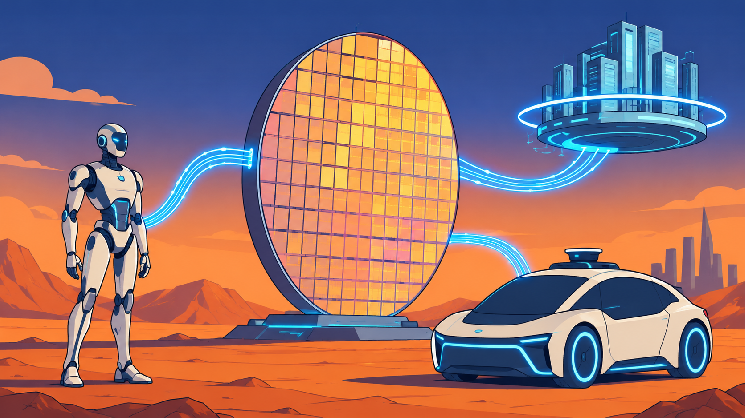
Elon Musk Building Terafab: The Largest Chip Factory for AI, Robots, and Space Data Centers

Elon Musk's SpaceX and Tesla have launched the Terafab project to build a massive semiconductor facility in Grimes County, Texas. The plant, exceeding 9.3 million square meters, aims to integrate logic chip manufacturing, memory production, advanced packaging, and testing. The initial phase requires $16.8 billion in capital investment, with a long-term goal of producing over 1 terawatt of computing power annually. This capacity will support Tesla's Optimus robots and Cybercab autonomous vehicles, as well as SpaceX's orbital data centers. Texas Governor Greg Abbott confirmed the project's start in August 2026, highlighting 3,000 new jobs and a $30 million state grant. Elon Musk emphasized the strategic advantage of combining logic, memory, and packaging under one roof. Musk called the future complex the "largest and most valuable building on Earth," with an area roughly 50 times that of the Pentagon. Intel is the key technology partner, with plans to use its 14A process node for chip production. This partnership aims to diversify supply chains currently dominated by TSMC. The project aligns with the U.S. Pax Silica initiative to secure semiconductor supply chains. An AI analysis notes the project's scale and potential challenges, comparing it to delays seen in other U.S. megafab projects like Intel's Ohio facility. It questions whether Terafab can avoid similar pitfalls related to timelines, budgets, workforce, and supply chain stability. The facility's success could significantly shift the global semiconductor balance and strengthen the U.S. position in the tech race.

cryptonews.ru1 h fa

Elon Musk Building Terafab: The Largest Chip Factory for AI, Robots, and Space Data Centers

cryptonews.ru1 h fa

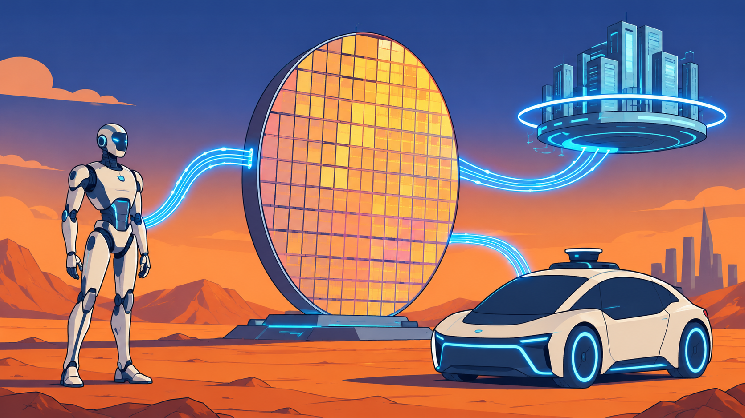
Elon Musk is Building Terafab: The Largest Chip Plant for AI, Robots, and Space Data Centers

Elon Musk's SpaceX and Tesla have launched the massive Terafab project to build a semiconductor plant in Grimes County, Texas. Spanning over 9.3 million square meters, the facility will integrate logic chip and memory production, advanced packaging, and testing. The initial phase requires $16.8 billion in capital investment, with a long-term goal of producing over 1 terawatt of computing power annually. This output is intended to supply Tesla's Optimus robots and Cybercab autonomous vehicles, as well as SpaceX's orbital data centers. Texas Governor Greg Abbott confirmed the project's start on August 6, 2026, highlighting the creation of 3,000 jobs and a $30 million grant from the Texas Enterprise Fund. Musk emphasized the strategic advantage of combining chip design, memory production, and packaging under one roof to accelerate hardware development. He stated the fully built complex would be "the largest and most valuable building on Earth," about 50 times larger than the Pentagon. An estimated 25% of production is earmarked for Tesla's robotics, with 75% for SpaceX's space-based AI systems. Earlier tax documents suggested a total project cost of up to $119 billion, but this has not been officially confirmed. Intel is the key technology partner, with plans to use its 14A process node for chip manufacturing. This partnership aims to diversify supply chains and reduce dependence on dominant foundries like TSMC. The initiative aligns with the broader U.S. Pax Silica program, which seeks to build secure international semiconductor supply chains with allied nations. An AI-driven analysis notes that megafab projects, such as Intel's delayed Ohio facility, often face schedule and budget overruns. While Terafab represents a significant step toward U.S. semiconductor self-sufficiency and could shift the global tech balance, its success will depend on factors like skilled labor availability, energy supply, and supply chain stability. The final outcome may not be clear until the late 2030s.

cryptonews.ru1 h fa

Elon Musk is Building Terafab: The Largest Chip Plant for AI, Robots, and Space Data Centers

cryptonews.ru1 h fa

"AI God of Stocks" Blowup Dragged Down, Jane Street Suffered Massive 15 Billion Loss in July, First Monthly Loss in a Decade

Jane Street, a major proprietary trading firm, suffered an estimated $15 billion loss in July, marking its first monthly loss in about a decade. The loss was primarily triggered by the blow-up of the AI-focused hedge fund Situational Awareness, which faced massive margin calls amid a sharp sell-off in AI and semiconductor stocks in July. Jane Street, an investor in the fund, was significantly impacted. Compounding the loss were substantial declines in Jane Street's own Asian non-AI equity long positions, which had performed well earlier in the year. The firm described the losses as a concentrated reversal of previously successful trading strategies in AI and tech sectors. Despite the historic monthly loss, Jane Street's net trading income for the year to date remains strong at over $40 billion. In response, the firm stated it has become more selective in risk-taking, closing specific losing exposures and reducing risk in other strategies. Coinciding with the loss, Jane Street is undergoing a major debt refinancing of approximately $14.6 billion, led by JPMorgan. The move aims to shift more debt from public markets to private investors like Pimco and Fidelity, accepting higher costs for greater flexibility and less public disclosure. The Situational Awareness incident highlights systemic risks in the prime brokerage ecosystem, where leveraged bets on crowded AI trades can lead to forced liquidations and market volatility. Jane Street's subsequent risk reduction and debt restructuring are seen as key responses to this costly lesson.

marsbit1 h fa

"AI God of Stocks" Blowup Dragged Down, Jane Street Suffered Massive 15 Billion Loss in July, First Monthly Loss in a Decade

marsbit1 h fa

Trading

Spot

Articoli Popolari

Cosa è $S$

Comprendere SPERO: Una Panoramica Completa Introduzione a SPERO Mentre il panorama dell'innovazione continua a evolversi, l'emergere delle tecnologie web3 e dei progetti di criptovaluta gioca un ruolo fondamentale nel plasmare il futuro digitale. Un progetto che ha attirato l'attenzione in questo campo dinamico è SPERO, denotato come SPERO,$$s$. Questo articolo mira a raccogliere e presentare informazioni dettagliate su SPERO, per aiutare gli appassionati e gli investitori a comprendere le sue basi, obiettivi e innovazioni nei domini web3 e crypto. Che cos'è SPERO,$$s$? SPERO,$$s$ è un progetto unico all'interno dello spazio crypto che cerca di sfruttare i principi della decentralizzazione e della tecnologia blockchain per creare un ecosistema che promuove l'impegno, l'utilità e l'inclusione finanziaria. Il progetto è progettato per facilitare interazioni peer-to-peer in modi nuovi, fornendo agli utenti soluzioni e servizi finanziari innovativi. Al suo interno, SPERO,$$s$ mira a responsabilizzare gli individui fornendo strumenti e piattaforme che migliorano l'esperienza dell'utente nello spazio delle criptovalute. Questo include la possibilità di metodi di transazione più flessibili, la promozione di iniziative guidate dalla comunità e la creazione di percorsi per opportunità finanziarie attraverso applicazioni decentralizzate (dApps). La visione sottostante di SPERO,$$s$ ruota attorno all'inclusività, cercando di colmare le lacune all'interno della finanza tradizionale mentre sfrutta i vantaggi della tecnologia blockchain. Chi è il Creatore di SPERO,$$s$? L'identità del creatore di SPERO,$$s$ rimane piuttosto oscura, poiché ci sono risorse pubblicamente disponibili limitate che forniscono informazioni dettagliate sul suo fondatore o fondatori. Questa mancanza di trasparenza può derivare dall'impegno del progetto per la decentralizzazione—un ethos che molti progetti web3 condividono, dando priorità ai contributi collettivi rispetto al riconoscimento individuale. Centrando le discussioni attorno alla comunità e ai suoi obiettivi collettivi, SPERO,$$s$ incarna l'essenza dell'empowerment senza mettere in evidenza individui specifici. Pertanto, comprendere l'etica e la missione di SPERO rimane più importante che identificare un creatore singolo. Chi sono gli Investitori di SPERO,$$s$? SPERO,$$s$ è supportato da una varietà di investitori che vanno dai capitalisti di rischio agli investitori angelici dedicati a promuovere l'innovazione nel settore crypto. Il focus di questi investitori generalmente si allinea con la missione di SPERO—dando priorità a progetti che promettono avanzamenti tecnologici sociali, inclusività finanziaria e governance decentralizzata. Queste fondazioni di investitori sono tipicamente interessate a progetti che non solo offrono prodotti innovativi, ma contribuiscono anche positivamente alla comunità blockchain e ai suoi ecosistemi. Il supporto di questi investitori rafforza SPERO,$$s$ come un concorrente degno di nota nel dominio in rapida evoluzione dei progetti crypto. Come Funziona SPERO,$$s$? SPERO,$$s$ impiega un framework multifunzionale che lo distingue dai progetti di criptovaluta convenzionali. Ecco alcune delle caratteristiche chiave che sottolineano la sua unicità e innovazione: Governance Decentralizzata: SPERO,$$s$ integra modelli di governance decentralizzati, responsabilizzando gli utenti a partecipare attivamente ai processi decisionali riguardanti il futuro del progetto. Questo approccio favorisce un senso di proprietà e responsabilità tra i membri della comunità. Utilità del Token: SPERO,$$s$ utilizza il proprio token di criptovaluta, progettato per servire varie funzioni all'interno dell'ecosistema. Questi token abilitano transazioni, premi e la facilitazione dei servizi offerti sulla piattaforma, migliorando l'impegno e l'utilità complessivi. Architettura Stratificata: L'architettura tecnica di SPERO,$$s$ supporta la modularità e la scalabilità, consentendo un'integrazione fluida di funzionalità e applicazioni aggiuntive man mano che il progetto evolve. Questa adattabilità è fondamentale per mantenere la rilevanza nel panorama crypto in continua evoluzione. Coinvolgimento della Comunità: Il progetto enfatizza iniziative guidate dalla comunità, impiegando meccanismi che incentivano la collaborazione e il feedback. Nutrendo una comunità forte, SPERO,$$s$ può affrontare meglio le esigenze degli utenti e adattarsi alle tendenze di mercato. Focus sull'Inclusione: Offrendo basse commissioni di transazione e interfacce user-friendly, SPERO,$$s$ mira ad attrarre una base utenti diversificata, inclusi individui che potrebbero non aver precedentemente interagito nello spazio crypto. Questo impegno per l'inclusione si allinea con la sua missione generale di empowerment attraverso l'accessibilità. Cronologia di SPERO,$$s$ Comprendere la storia di un progetto fornisce preziose intuizioni sulla sua traiettoria di sviluppo e sui traguardi. Di seguito è riportata una cronologia suggerita che mappa eventi significativi nell'evoluzione di SPERO,$$s$: Fase di Concettualizzazione e Ideazione: Le idee iniziali che formano la base di SPERO,$$s$ sono state concepite, allineandosi strettamente con i principi di decentralizzazione e focus sulla comunità all'interno dell'industria blockchain. Lancio del Whitepaper del Progetto: Dopo la fase concettuale, è stato rilasciato un whitepaper completo che dettaglia la visione, gli obiettivi e l'infrastruttura tecnologica di SPERO,$$s$ per suscitare interesse e feedback dalla comunità. Costruzione della Comunità e Prime Interazioni: Sono stati effettuati sforzi attivi di outreach per costruire una comunità di early adopters e potenziali investitori, facilitando discussioni attorno agli obiettivi del progetto e ottenendo supporto. Evento di Generazione del Token: SPERO,$$s$ ha condotto un evento di generazione del token (TGE) per distribuire i propri token nativi ai primi sostenitori e stabilire una liquidità iniziale all'interno dell'ecosistema. Lancio della Prima dApp: La prima applicazione decentralizzata (dApp) associata a SPERO,$$s$ è stata attivata, consentendo agli utenti di interagire con le funzionalità principali della piattaforma. Sviluppo Continuo e Partnership: Aggiornamenti e miglioramenti continui alle offerte del progetto, inclusi partnership strategiche con altri attori nello spazio blockchain, hanno plasmato SPERO,$$s$ in un concorrente competitivo e in evoluzione nel mercato crypto. Conclusione SPERO,$$s$ rappresenta una testimonianza del potenziale del web3 e delle criptovalute di rivoluzionare i sistemi finanziari e responsabilizzare gli individui. Con un impegno per la governance decentralizzata, il coinvolgimento della comunità e funzionalità progettate in modo innovativo, apre la strada verso un panorama finanziario più inclusivo. Come per qualsiasi investimento nello spazio crypto in rapida evoluzione, si incoraggiano potenziali investitori e utenti a ricercare approfonditamente e a impegnarsi in modo riflessivo con gli sviluppi in corso all'interno di SPERO,$$s$. Il progetto mostra lo spirito innovativo dell'industria crypto, invitando a ulteriori esplorazioni delle sue innumerevoli possibilità. Mentre il percorso di SPERO,$$s$ è ancora in fase di sviluppo, i suoi principi fondamentali potrebbero effettivamente influenzare il futuro di come interagiamo con la tecnologia, la finanza e tra di noi in ecosistemi digitali interconnessi.

395 Totale visualizzazioniPubblicato il 2024.12.17Aggiornato il 2024.12.17

Cosa è $S$

Cosa è AGENT S

Agent S: Il Futuro dell'Interazione Autonoma in Web3 Introduzione Nel panorama in continua evoluzione di Web3 e criptovalute, le innovazioni stanno costantemente ridefinendo il modo in cui gli individui interagiscono con le piattaforme digitali. Uno di questi progetti pionieristici, Agent S, promette di rivoluzionare l'interazione uomo-computer attraverso il suo framework agentico aperto. Aprendo la strada a interazioni autonome, Agent S mira a semplificare compiti complessi, offrendo applicazioni trasformative nell'intelligenza artificiale (AI). Questa esplorazione dettagliata approfondirà le complessità del progetto, le sue caratteristiche uniche e le implicazioni per il dominio delle criptovalute. Cos'è Agent S? Agent S si presenta come un innovativo framework agentico aperto, progettato specificamente per affrontare tre sfide fondamentali nell'automazione dei compiti informatici: Acquisizione di Conoscenze Specifiche del Dominio: Il framework apprende in modo intelligente da varie fonti di conoscenza esterne ed esperienze interne. Questo approccio duale gli consente di costruire un ricco repository di conoscenze specifiche del dominio, migliorando le sue prestazioni nell'esecuzione dei compiti. Pianificazione su Lungo Orizzonte di Compiti: Agent S impiega una pianificazione gerarchica potenziata dall'esperienza, un approccio strategico che facilita la suddivisione e l'esecuzione efficiente di compiti complessi. Questa caratteristica migliora significativamente la sua capacità di gestire più sottocompiti in modo efficiente ed efficace. Gestione di Interfacce Dinamiche e Non Uniformi: Il progetto introduce l'Interfaccia Agente-Computer (ACI), una soluzione innovativa che migliora l'interazione tra agenti e utenti. Utilizzando Modelli Linguistici Multimodali di Grandi Dimensioni (MLLM), Agent S può navigare e manipolare senza sforzo diverse interfacce grafiche utente. Attraverso queste caratteristiche pionieristiche, Agent S fornisce un framework robusto che affronta le complessità coinvolte nell'automazione dell'interazione umana con le macchine, preparando il terreno per innumerevoli applicazioni nell'AI e oltre. Chi è il Creatore di Agent S? Sebbene il concetto di Agent S sia fondamentalmente innovativo, informazioni specifiche sul suo creatore rimangono elusive. Il creatore è attualmente sconosciuto, il che evidenzia sia la fase embrionale del progetto sia la scelta strategica di mantenere i membri fondatori sotto anonimato. Indipendentemente dall'anonimato, l'attenzione rimane sulle capacità e sul potenziale del framework. Chi sono gli Investitori di Agent S? Poiché Agent S è relativamente nuovo nell'ecosistema crittografico, informazioni dettagliate riguardanti i suoi investitori e sostenitori finanziari non sono documentate esplicitamente. La mancanza di approfondimenti pubblicamente disponibili sulle fondazioni di investimento o sulle organizzazioni che supportano il progetto solleva interrogativi sulla sua struttura di finanziamento e sulla roadmap di sviluppo. Comprendere il supporto è cruciale per valutare la sostenibilità del progetto e il suo potenziale impatto sul mercato. Come Funziona Agent S? Al centro di Agent S si trova una tecnologia all'avanguardia che gli consente di funzionare efficacemente in contesti diversi. Il suo modello operativo è costruito attorno a diverse caratteristiche chiave: Interazione Uomo-Computer Simile a Quella Umana: Il framework offre una pianificazione AI avanzata, cercando di rendere le interazioni con i computer più intuitive. Mimando il comportamento umano nell'esecuzione dei compiti, promette di elevare le esperienze degli utenti. Memoria Narrativa: Utilizzata per sfruttare esperienze di alto livello, Agent S utilizza la memoria narrativa per tenere traccia delle storie dei compiti, migliorando così i suoi processi decisionali. Memoria Episodica: Questa caratteristica fornisce agli utenti una guida passo-passo, consentendo al framework di offrire supporto contestuale mentre i compiti si sviluppano. Supporto per OpenACI: Con la capacità di funzionare localmente, Agent S consente agli utenti di mantenere il controllo sulle proprie interazioni e flussi di lavoro, allineandosi con l'etica decentralizzata di Web3. Facile Integrazione con API Esterne: La sua versatilità e compatibilità con varie piattaforme AI garantiscono che Agent S possa adattarsi senza problemi agli ecosistemi tecnologici esistenti, rendendolo una scelta attraente per sviluppatori e organizzazioni. Queste funzionalità contribuiscono collettivamente alla posizione unica di Agent S all'interno dello spazio crittografico, poiché automatizza compiti complessi e multi-fase con un intervento umano minimo. Man mano che il progetto evolve, le sue potenziali applicazioni in Web3 potrebbero ridefinire il modo in cui si svolgono le interazioni digitali. Cronologia di Agent S Lo sviluppo e le tappe di Agent S possono essere riassunti in una cronologia che evidenzia i suoi eventi significativi: 27 Settembre 2024: Il concetto di Agent S è stato lanciato in un documento di ricerca completo intitolato “Un Framework Agentico Aperto che Usa i Computer Come un Umano”, mostrando le basi per il progetto. 10 Ottobre 2024: Il documento di ricerca è stato reso pubblicamente disponibile su arXiv, offrendo un'esplorazione approfondita del framework e della sua valutazione delle prestazioni basata sul benchmark OSWorld. 12 Ottobre 2024: È stata rilasciata una presentazione video, fornendo un'idea visiva delle capacità e delle caratteristiche di Agent S, coinvolgendo ulteriormente potenziali utenti e investitori. Questi indicatori nella cronologia non solo illustrano i progressi di Agent S, ma indicano anche il suo impegno per la trasparenza e il coinvolgimento della comunità. Punti Chiave su Agent S Man mano che il framework Agent S continua a evolversi, diversi attributi chiave si distinguono, sottolineando la sua natura innovativa e il potenziale: Framework Innovativo: Progettato per fornire un uso intuitivo dei computer simile all'interazione umana, Agent S porta un approccio nuovo all'automazione dei compiti. Interazione Autonoma: La capacità di interagire autonomamente con i computer attraverso GUI segna un passo avanti verso soluzioni informatiche più intelligenti ed efficienti. Automazione di Compiti Complessi: Con la sua metodologia robusta, può automatizzare compiti complessi e multi-fase, rendendo i processi più veloci e meno soggetti a errori. Miglioramento Continuo: I meccanismi di apprendimento consentono ad Agent S di migliorare dalle esperienze passate, migliorando continuamente le sue prestazioni e la sua efficacia. Versatilità: La sua adattabilità attraverso diversi ambienti operativi come OSWorld e WindowsAgentArena garantisce che possa servire un'ampia gamma di applicazioni. Man mano che Agent S si posiziona nel panorama di Web3 e delle criptovalute, il suo potenziale per migliorare le capacità di interazione e automatizzare i processi segna un significativo avanzamento nelle tecnologie AI. Attraverso il suo framework innovativo, Agent S esemplifica il futuro delle interazioni digitali, promettendo un'esperienza più fluida ed efficiente per gli utenti in vari settori. Conclusione Agent S rappresenta un audace passo avanti nell'unione tra AI e Web3, con la capacità di ridefinire il modo in cui interagiamo con la tecnologia. Sebbene sia ancora nelle sue fasi iniziali, le possibilità per la sua applicazione sono vaste e coinvolgenti. Attraverso il suo framework completo che affronta sfide critiche, Agent S mira a portare le interazioni autonome al centro dell'esperienza digitale. Man mano che ci addentriamo nei regni delle criptovalute e della decentralizzazione, progetti come Agent S giocheranno senza dubbio un ruolo cruciale nel plasmare il futuro della tecnologia e della collaborazione uomo-computer.

827 Totale visualizzazioniPubblicato il 2025.01.14Aggiornato il 2025.01.14

Cosa è AGENT S

Come comprare S

Benvenuto in HTX.com! Abbiamo reso l'acquisto di Sonic (S) semplice e conveniente. Segui la nostra guida passo passo per intraprendere il tuo viaggio nel mondo delle criptovalute.Step 1: Crea il tuo Account HTXUsa la tua email o numero di telefono per registrarti il tuo account gratuito su HTX. Vivi un'esperienza facile e sblocca tutte le funzionalità,Crea il mio accountStep 2: Vai in Acquista crypto e seleziona il tuo metodo di pagamentoCarta di credito/debito: utilizza la tua Visa o Mastercard per acquistare immediatamente SonicS.Bilancio: Usa i fondi dal bilancio del tuo account HTX per fare trading senza problemi.Terze parti: abbiamo aggiunto metodi di pagamento molto utilizzati come Google Pay e Apple Pay per maggiore comodità.P2P: Fai trading direttamente con altri utenti HTX.Over-the-Counter (OTC): Offriamo servizi su misura e tassi di cambio competitivi per i trader.Step 3: Conserva Sonic (S)Dopo aver acquistato Sonic (S), conserva nel tuo account HTX. In alternativa, puoi inviare tramite trasferimento blockchain o scambiare per altre criptovalute.Step 4: Scambia Sonic (S)Scambia facilmente Sonic (S) nel mercato spot di HTX. Accedi al tuo account, seleziona la tua coppia di trading, esegui le tue operazioni e monitora in tempo reale. Offriamo un'esperienza user-friendly sia per chi ha appena iniziato che per i trader più esperti.

1.6k Totale visualizzazioniPubblicato il 2025.01.15Aggiornato il 2026.06.02

Come comprare S

Discussioni

Benvenuto nella Community HTX. Qui puoi rimanere informato sugli ultimi sviluppi della piattaforma e accedere ad approfondimenti esperti sul mercato. Le opinioni degli utenti sul prezzo di S S sono presentate come di seguito.

活动图片