解读2026年山寨币周期:资本正在逃离大盘币吗?

ambcrypto2026-07-08 tarihinde yayınlandı2026-07-08 tarihinde güncellendi

Özet

本文探讨了2026年山寨币周期中资本是否正从高市值代币流出。当前数据显示,山寨币整体市值虽有小幅上升,但相对于比特币的表现创下历史最差纪录,表明市场流动性并未广泛扩散至整个山寨币领域,而是集中在少数高信念的叙事板块。 具体来看,约40%的山寨币价格仍低于历史高点,而60%虽保持在前期高点之上,暗示市场强度仅存在于特定板块和资产。以太坊(ETH)在第三季度初表现强势,其相对于比特币的比率上升常被视为山寨币周期启动的早期信号。然而,山寨币整体相对于比特币的严重弱势,引发本轮周期是否不同的疑问——即流动性可能仅流入少数主要资产,而非引发广泛的山寨币行情。 分析师警告投资者需保持选择性。以太坊、Solana等主要高市值山寨币仍远低于历史高点,而资金正明显流向如Robinhood Chain等特定叙事板块,其总锁仓价值(TVL)在24小时内飙升超过150%。相比之下,许多主要高市值生态系统的TVL仍接近多月低点。 总结而言,资本呈现选择性流动特征,多数高市值山寨币持续落后。尽管以太坊显示出技术性强劲,但如果流动性继续保持选择性,高市值山寨币在下半年可能持续承压。

资本轮动并未显示出明确的迹象,预示着一个更广泛的山寨币周期的开始。

然而,这个周期看起来有所不同。链上数据显示,山寨币正经历着对比特币 [BTC] 有记录以来最差的表现。这表明流动性并未扩散到整个山寨币市场,而是轮动到少数高确信度的赛道,而大多数资产的表现继续落后于比特币。

为了更直观地理解这一点,山寨币的总市值目前约为8700亿美元,第三季度迄今上涨了4%。然而,CryptoQuant 最近的一份报告显示,40%的山寨币交易价格仍低于其历史高点,这表明尽管市场的某些部分持续上涨,但许多资产甚至未能恢复。
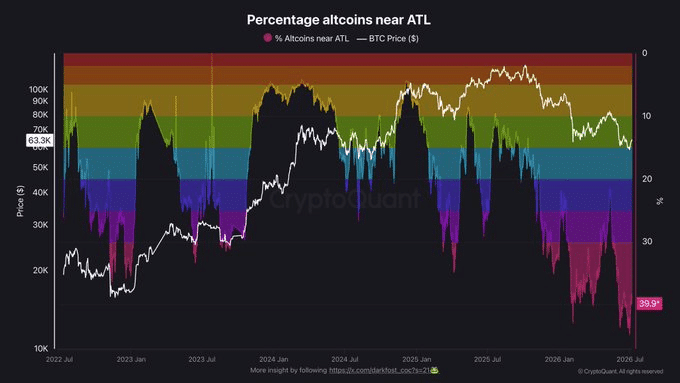
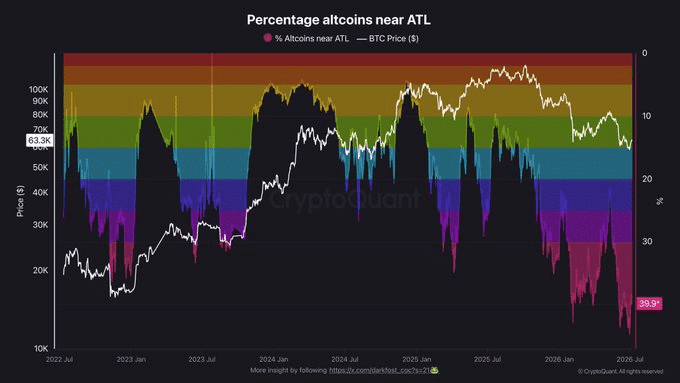
来源:CryptoQuant

从另一个角度来看,60%的山寨币仍保持在前期高点之上,这表明力量集中在特定的赛道和资产,而非整个山寨币市场。

从技术角度看,以太坊 [ETH] 的主导地位在第三季度开局强劲,涨幅超过4%,而比特币的主导地位仅增长了0.7%。作为最大的山寨币,以太坊相对于比特币更强的资金流入表明,投资者开始轮动进入山寨币。

历史上,在市场波动期间,ETH/BTC 比率的上升通常被视为山寨币周期开始成形的早期信号。然而,山寨币正经历着对比特币有记录以来最大的表现不佳,这引发了一个问题:这个周期是否不同,流动性只流入少数主要资产,而以太坊难以触发更广泛的山寨币周期?

为什么基于赛道的山寨币上涨可能让大盘币掉队

分析师们正在市场各处发出警告信号。

这是在 CryptoQuant 最近的报告之后出现的,分析师们在报告中敦促投资者要更加“有选择性”,因为山寨币正经历着对比特币有记录以来最强的表现不佳。展望未来,关键问题是投资者是否会重拾风险偏好,重新进入山寨币,尤其是大盘币。

从技术角度来看,主要的大盘币交易价格仍远低于其历史高点。例如,以太坊仍下跌超过60%,而 Solana 下跌超过70%,这表明即使是领先的山寨币也尚未完全恢复。与此同时,Robinhood Chain 的总锁定价值(TVL)在过去24小时内飙升超过150%,达到创纪录的1.08亿美元。
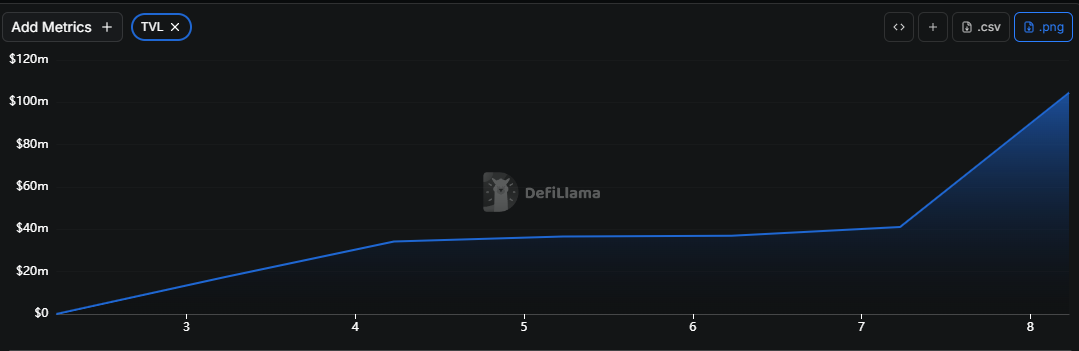
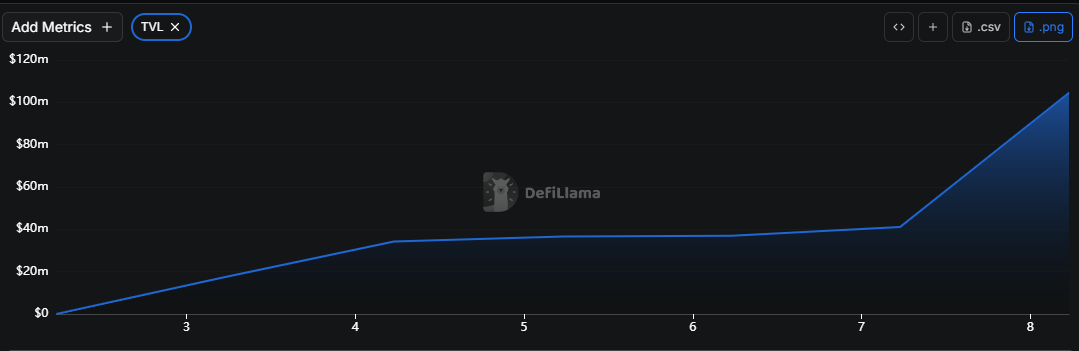
来源:DeFiLlama

相比之下,许多大盘币生态系统的 TVL 仍接近数月低点,这显示了流动性实际流向何处。更重要的是,这些资金流入伴随着 ROBIN 在第三季度迄今上涨超过30%,这强化了投资者正轮动进入高确信度叙事的观点。

这自然将焦点放在了以太坊近期的强势上。

尽管以太坊对比特币表现出相对强势,但其链上基本面仍然疲软,这表明这一走势可能更多是技术性的而非结构性的。如果资本继续流入选择性的山寨币叙事,主要大盘山寨币面临的压力可能会在今年下半年持续增加。


最终总结

  • 资本正在选择性流动,而许多大盘山寨币继续落后。
  • 以太坊正显示出技术性强势,但如果流动性保持选择性,大盘币可能仍将面临压力。

İlgili Sorular

Q根据文章,当前的2026年山寨币周期与传统周期有何不同?

A当前的周期显示出不同的特点。链上数据显示,山寨币相对于比特币(BTC)的表现处于历史最差水平,这表明市场流动性并未广泛扩散到整个山寨币市场,而是流向了少数几个具有高确信度的板块,而大部分山寨币资产的表现仍落后于比特币。

Q文章中引用的CryptoQuant报告揭示了关于山寨币表现的什么关键数据?

ACryptoQuant报告指出,尽管山寨币总市值在第三季度迄今上涨了4%,但仍有40%的山寨币价格低于其历史最高点。这意味着许多资产未能跟随市场部分板块的反弹而复苏。

Q以太坊(ETH)在第三季度的表现如何?这通常被视为什么信号?

A在第三季度初,以太坊(ETH)的主导地位强势开局,涨幅超过4%,而比特币(BTC)的主导地位仅上涨了0.7%。作为最大的山寨币,ETH相对于BTC获得更强的资金流入,表明投资者可能开始轮动至山寨币。历史上,在市场波动期间,上升的ETH/BTC比率通常被视为山寨币周期开始形成的早期信号。

Q文章提到哪个特定生态系统的总锁定价值(TVL)近期大幅飙升?这说明了什么?

A文章提到,Robinhood Chain的总锁定价值(TVL)在过去的24小时内飙升超过150%,达到创纪录的1.08亿美元。与此同时,许多主要高市值公链生态系统的TVL仍处于数月低点附近。这说明了市场流动性正流向特定的、具有高确信度的叙事(如Robinhood Chain),而非广泛流入高市值山寨币。

Q根据文章的总结,资本流动的主要特点是什么?这对高市值山寨币意味着什么?

A资本流动具有选择性,主要流向特定的板块和叙事,而许多高市值的山寨币(如以太坊、Solana)价格仍远低于历史高点,表现持续落后。这意味着,如果流动性继续保持选择性,而不是广泛流入整个市场,那么主要的高市值山寨币在2026年下半年可能仍将面临压力。

İlgili Okumalar

Yen Hits 40-Year Low, What Will Japan Use to Price in Shorts?

The Japanese yen is hovering near a 40-year low against the U.S. dollar, with the USD/JPY pair approaching 164 in July. Japanese Finance Minister Shunichi Suzuki has issued stern warnings of potential "bold" action to counter disorderly market movements, placing the 163-165 range in focus as a key policy test zone for authorities. The yen's weakness extends beyond dollar strength, as evidenced by its low trade-weighted index, which pressures import costs and inflation—particularly with elevated oil prices. This dynamic increases the likelihood of further Bank of Japan (BoJ) rate hikes. The Ministry of Finance is first aiming to raise the cost for yen short-sellers through verbal intervention and the threat of action, rather than immediately altering fundamentals. While direct FX intervention remains a high-barrier option, slower-moving factors like potential BoJ rate hikes and asset rebalancing by Japan's Government Pension Investment Fund (GPIF) could provide more sustained support for the yen. The core risk for carry trades—which involve borrowing low-yielding yen to invest in higher-yielding assets—is not an imminent unwind but a sudden spike in yen volatility. As policymakers deploy a mix of warnings, rate hike expectations, and potential fund flows, the cost and risk of shorting the yen are increasing. The 163-165 zone is becoming an area where policy responses could trigger a broader repricing, making the yen a more critical variable for global risk asset leverage.

marsbit13 dk önce

Yen Hits 40-Year Low, What Will Japan Use to Price in Shorts?

marsbit13 dk önce

In the Second Half of 2026, Commodities Enter an Era of 'High-Frequency Black Swans'

Heading into the second half of 2026, Citigroup warns that the commodities market is entering an era of "High-Frequency Black Swans," where extreme, paradigm-shifting events are becoming increasingly common. The report outlines major tail-risk scenarios beyond its baseline forecasts. The highest-impact scenario is a prolonged US-Iran conflict disrupting Gulf energy infrastructure and key shipping chokepoints, potentially causing a sustained 5-10 million barrel per day oil supply deficit and pushing crude prices above $200/barrel. Other geopolitical risks include stricter sanctions on Russian energy, which would hit gas markets harder than oil, particularly liquefied natural gas (LNG). A high-probability risk is a global scramble by governments to stockpile critical minerals. Large-scale strategic buying, particularly of copper, could drive prices above $20,000/ton. For gold, Citigroup sees near-term downside risk towards $3,800/ounce before a potential long-term rally to $6,000/ounce, supported by central bank demand and de-dollarization trends. An extreme El Niño weather pattern poses a medium-probability, high-impact threat to agriculture, potentially sending cocoa prices back to $10,000/ton and sugar above 20 cents/pound. The AI boom presents a dual-sided risk: a bust would hurt metals and power demand, while sustained growth would exacerbate structural deficits in copper and aluminum. Two other significant scenarios are the finalization of Russia's Power of Siberia 2 gas pipeline to China, which could depress Asian LNG prices to $5-6/MMBtu in the 2030s, and an extreme application of the Monroe Doctrine blocking Americas oil exports, which could create a price split with global benchmarks soaring above $100/barrel while regional benchmarks crash. The overarching conclusion is that traditional supply-demand analysis may fail in a market where such high-impact, interconnected shocks are becoming more frequent.

marsbit13 dk önce

In the Second Half of 2026, Commodities Enter an Era of 'High-Frequency Black Swans'

marsbit13 dk önce

İşlemler

Spot
活动图片