Gã Khổng Lồ Kho Bạc Solana Chuyển 455,784 SOL Đến Coinbase Prime: Động Thái Bán Ra?

bitcoinistPublished on 2026-06-06Last updated on 2026-06-06

Abstract

Công ty Kho bạc Solana lớn nhất, Forward Industries, đã chuyển 455.784 SOL (trị giá khoảng 31,87 triệu USD) vào Coinbase Prime. Động thái này được xem là dấu hiệu có thể công ty đang tìm cách bán ra, khi danh mục đầu tư của họ đang lỗ nặng. Công ty đã mua vào 6,83 triệu SOL với giá trung bình 232,08 USD từ tháng 9/2025, nhưng giá SOL hiện chỉ quanh 65 USD, khiến khoản đầu tư trị giá ban đầu ~1,59 tỷ USD hiện chỉ còn khoảng 452 triệu USD. Đây không phải là trường hợp duy nhất, khi nhiều công ty kho bạc tiền điện tử lớn khác như Strategy (Bitcoin) và Bitmine (Ethereum) cũng đang chịu khoản lỗ hàng tỷ USD do thị trường suy giảm từ quý 4/2025. Trong tuần qua, giá SOL đã giảm hơn 19%.

Công ty nắm giữ kho bạc Solana lớn nhất đã gửi một lượng SOL đáng kể đến Coinbase Prime, một dấu hiệu tiềm năng cho thấy công ty này có thể đang tìm cách bán ra.

Forward Industries Đã Thực Hiện Một Lượt Gửi Solana Lớn Đến Coinbase

Như được làm nổi bật bởi thám tử on-chain Lookonchain trong một bài đăng trên X, Forward Industries đã chuyển một phần Solana của họ đến Coinbase Prime, bộ phận tập trung vào tổ chức của sàn giao dịch tiền điện tử Coinbase.

Forward Industries là một công ty thiết kế và sản xuất đã chuyển hướng sang mô hình chiến lược kho bạc SOL vào năm ngoái. Công ty ngay lập tức trở thành chủ sở hữu doanh nghiệp lớn nhất của loại tiền điện tử này sau khi nhận được sự hậu thuẫn từ những cái tên nổi bật như Galaxy Digital, Jump Crypto và Multicoin Capital.

Tuy nhiên, phần lớn việc tích lũy của công ty xảy ra trong thời kỳ đỉnh điểm của năm 2025. “Kể từ khi khởi động chiến lược kho bạc Solana vào tháng 9 năm 2025, Forward Industries đã chi ~1,59 tỷ USD để mua 6,83 triệu $SOL với giá $232,08,” Lookonchain ghi nhận. Hiện tại, tài sản này đang giao dịch ở mức thấp hơn nhiều so với mức giá này, có nghĩa là công ty đang thua lỗ đáng kể.

Cụ thể hơn, 6,83 triệu token mà Forward mua hiện chỉ trị giá 452 triệu USD. Kho bạc của công ty đang thua lỗ nặng có thể là lý do tại sao họ đã thực hiện một lần gửi tiền đến Coinbase Prime.
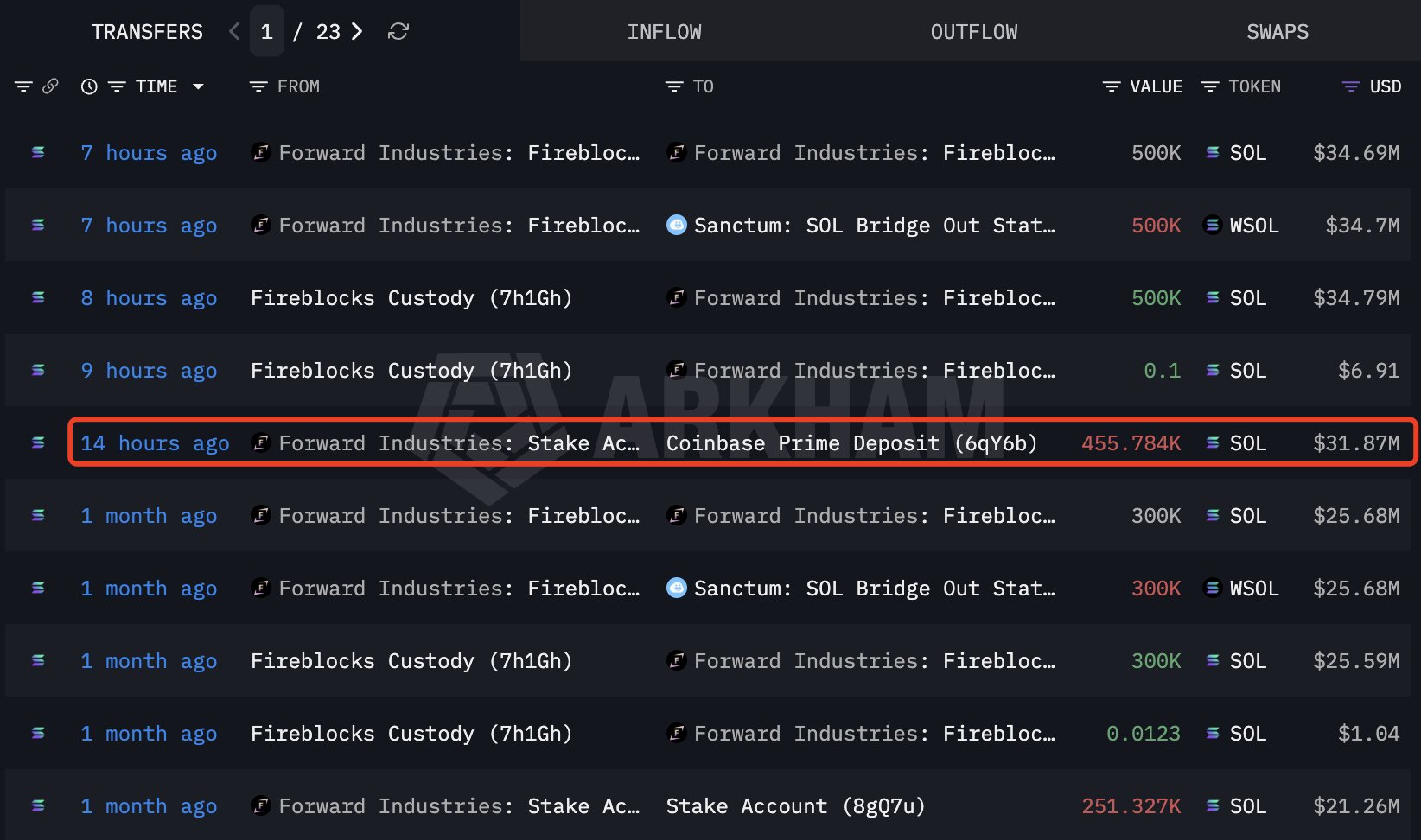
Lịch sử giao dịch của Forward Industries | Nguồn: @lookonchain trên X

Từ bảng trên, có thể thấy giao dịch gửi tiền này, liên quan đến tổng cộng 455.784 SOL, đã diễn ra sau một tháng không có hoạt động từ gã khổng lồ kho bạc Solana. Vào thời điểm chuyển khoản xảy ra, những token này trị giá 31,87 triệu USD. Mặc dù đây không phải là một số tiền nhỏ, nhưng nó vẫn chỉ là một phần rất nhỏ trong tổng số tài sản nắm giữ của công ty.

Cho đến nay, công ty chưa có bất kỳ thông báo chính thức nào về mục đích đằng sau động thái này, nhưng có thể họ đang tìm cách bán số coin, do tình trạng tồi tệ của lượng dự trữ. Forward không phải là công ty kho bạc duy nhất gặp khó khăn gần đây. Như Lookonchain đã chia sẻ trong một bài đăng khác trên X, các công ty nắm giữ tài sản kỹ thuật số lớn khác cũng đang chịu thua lỗ đáng kể.
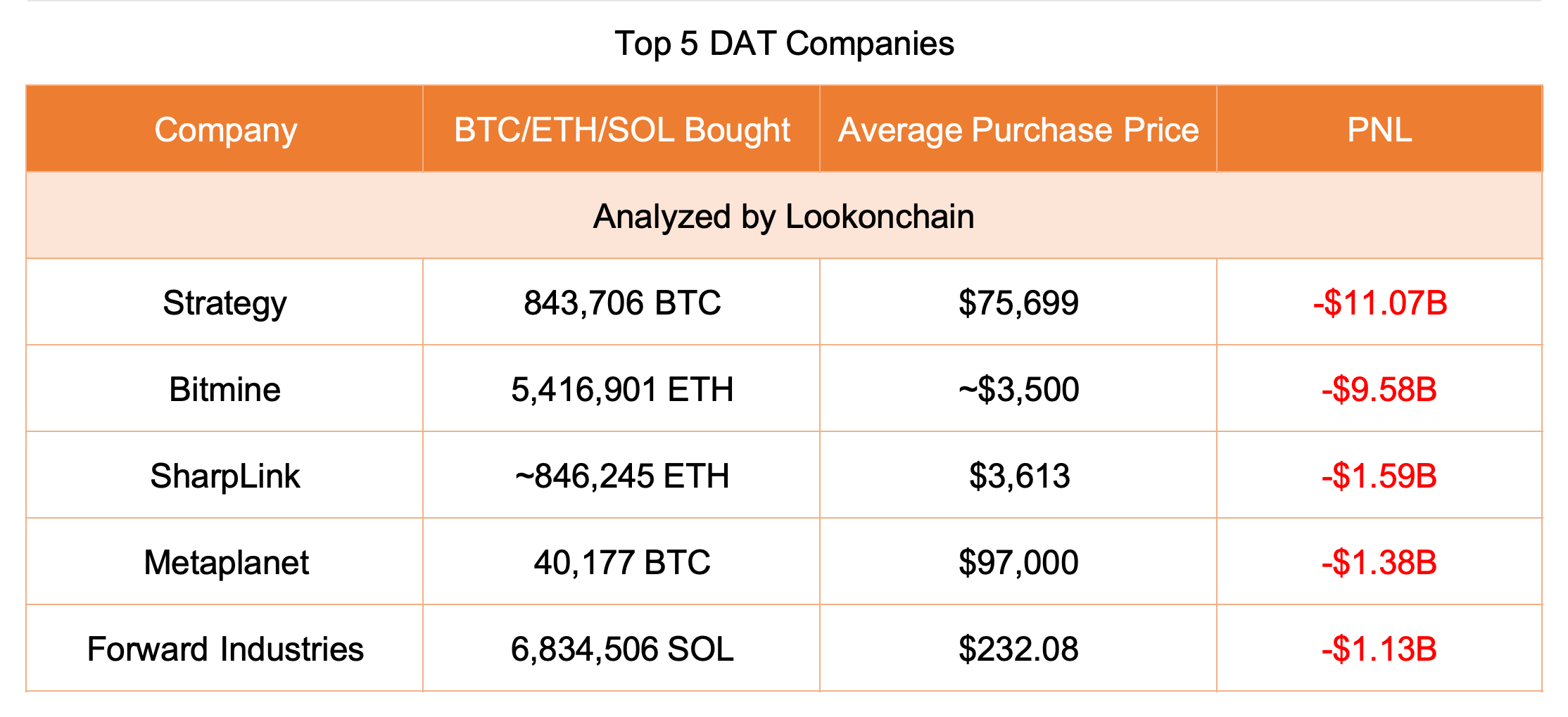
Top 5 công ty kho bạc tài sản kỹ thuật số trên thế giới | Nguồn: @lookonchain trên X

Strategy, công ty kho bạc Bitcoin lớn nhất, đã mất hơn 11 tỷ USD trên lượng nắm giữ của mình. Tương tự, Bitmine của Ethereum cũng thua lỗ hơn 9,58 tỷ USD. Lý do tất cả các công ty này đều thua lỗ lớn đương nhiên nằm ở sự chuyển dịch giảm giá trong lĩnh vực tiền điện tử kể từ quý 4 năm 2025.

Nếu động thái mới nhất của Forward thực sự là để bán, thì đây sẽ không phải là công ty duy nhất đưa ra quyết định này; Strategy cũng đã thực hiện một giao dịch bán BTC gần đây, phá vỡ chuỗi tích lũy đã được duy trì kể từ tháng 12 năm 2022.

Giá SOL

Tại thời điểm viết bài, Solana đang giao dịch quanh mức 65 USD, giảm hơn 19% trong tuần qua.

Có vẻ như giá của đồng coin này đã giảm gần đây | Nguồn: SOLUSDT trên TradingView


Related Questions

QForward Industries đã chuyển bao nhiêu SOL đến Coinbase Prime theo thông tin trong bài viết?

AForward Industries đã chuyển 455.784 SOL đến Coinbase Prime.

QVì sao Forward Industries có thể muốn bán SOL của mình?

AVì công ty đang chịu khoản lỗ đáng kể trên kho bạc của mình. Họ đã mua SOL ở mức trung bình $232,08, trong khi giá hiện tại thấp hơn nhiều, khiến tài sản của họ bị mất giá trị.

QBài viết cho biết tổng cộng Forward Industries đã mua bao nhiêu SOL?

AForward Industries đã chi khoảng 1,59 tỷ USD để mua 6,83 triệu SOL kể từ khi triển khai chiến lược kho bạc Solana vào tháng 9 năm 2025.

QCông ty nào là công ty kho bạc Bitcoin lớn nhất được nhắc đến và họ đang lỗ bao nhiêu?

ACông ty kho bạc Bitcoin lớn nhất được nhắc đến là Strategy. Họ đang lỗ hơn 11 tỷ USD trên danh mục nắm giữ của mình.

QGiá SOL tại thời điểm bài viết được công bố là bao nhiêu và đã giảm bao nhiêu phần trăm trong tuần trước đó?

ATại thời điểm bài viết, Solana được giao dịch quanh mức 65 USD, giảm hơn 19% trong tuần qua.

Related Reads

Behind HYPE's Repeated Record Highs, the 'Minions' in the Ecosystem Can't Keep Up

While HYPE, the native token of the Hyperliquid ecosystem, surges to new all-time highs above $76 and attracts significant institutional ETF inflows, a starkly different reality unfolds within its HyperEVM application layer. Multiple core DeFi protocols across lending, NFTs, stablecoins, and DEXs have announced shutdowns between May and June. The article argues HYPE functions more like an "application stock" than a traditional ecosystem token. Its value is anchored to the trading fees from Hyperliquid's core perpetual contracts platform (HyperCore), which boasts a diversified revenue stream from crypto, commodities, and indices. Approximately 97% of protocol fees fund buybacks and burns of HYPE. This means HYPE's price is largely decoupled from the health of projects built on HyperEVM. The closures of significant projects like lending protocol HypurrFi (peak TVL >$300M) and NFT marketplace Drip.Trade highlight a structural tension. Hyperliquid's minimalist philosophy offers infrastructure without official grants, liquidity support, or marketing coordination for HyperEVM projects. This forces protocols into a fiercely competitive environment from day one. Furthermore, the success of HyperCore creates a liquidity vacuum, and mechanisms like HIP-3 (allowing direct perpetual market deployment) divert user attention and capital away from application-layer projects. The stronger the core perpetual trading business becomes, the more difficult it is for peripheral "DeFi lego" projects to survive and capture value, despite the flagship token's rising price.

Foresight News25m ago

Behind HYPE's Repeated Record Highs, the 'Minions' in the Ecosystem Can't Keep Up

Foresight News25m ago

Conversation with Arthur Hayes: AI Has Drained Market Liquidity, BTC Will Be Below 100k by Year-End

In this June 2026 podcast interview, BitMEX co-founder Arthur Hayes explains his decision to sell his major crypto holdings (HYPE, NEAR, Worldcoin, Zcash). His rationale is based on a macro view linking oil prices, the Iran conflict, US politics, and an impending AI bubble burst. Hayes argues that high oil prices, driven by the ongoing war, will pressure domestic US inflation. To salvage the Republican Party's chances in the midterm elections, he believes Donald Trump may pivot to a populist, anti-AI stance—advocating for taxes and regulation—which would deflate the AI investment narrative. He sees the AI sector, particularly massive capital expenditure on data centers, as having absorbed nearly all excess market liquidity (around $1.5 trillion in debt issuance since 2025), starving other assets like Bitcoin. He highlights the upcoming SpaceX IPO at a ~$1.8 trillion valuation and 100x price-to-sales ratio as a potential tipping point. If these hyped IPOs underperform, it could shatter market confidence in AI. In such a scenario, all risk assets, including crypto, would fall together as correlations converge to 1 during a broad correction. Hayes has moved his portfolio into Treasuries and energy stocks (like ExxonMobil), predicting Bitcoin will be below $100k by year-end. He sees a potential crypto bull market only after the AI frenzy cools, liquidity stops flowing exclusively into AI, and possibly after a significant market downturn prompts new monetary stimulus.

marsbit36m ago

Conversation with Arthur Hayes: AI Has Drained Market Liquidity, BTC Will Be Below 100k by Year-End

marsbit36m ago

Fed's Internal Doves Flock to Hawkish Stance, Warsh's Debut "Between a Rock and a Hard Place"

U.S. Federal Reserve officials who previously advocated for rate cuts, including Governor Christopher Waller, have recently shifted their stance, with many now not ruling out the possibility of future rate hikes. This sets a challenging stage for new Fed Chair Kevin Warsh's first policy meeting. Appointed by President Trump based on his dovish views, Warsh now faces a committee where the debate has pivoted from "when to cut" to "whether to hike," driven by persistent inflation above 3%, a strong labor market, and supply-side pressures from AI infrastructure demands and geopolitical tensions. Key figures illustrate the shift. Governor Waller, once concerned about employment, now says data has pushed him toward considering rate increases. Even moderate voices like Governor Lisa Cook, while expecting inflation to ease, have indicated readiness to hike if it fails to do so. Long-time hawks such as regional Fed presidents Beth Hammack, Lorie Logan, and Neel Kashkari have grown more vocal, arguing that the real policy rate is effectively falling and that action may soon be needed. The upcoming Fed meeting is expected to keep rates steady but will likely remove the "easing bias" from its statement, signaling a neutral stance between cuts and hikes. The quarterly "dot plot" is anticipated to show most officials projecting no cuts this year, with some potentially indicating hikes. Chair Warsh, a critic of the Fed's reliance on forward guidance like the dot plot, must navigate communicating this pivot using tools he has questioned, all while steering policy in a direction counter to the preferences of the president who appointed him. The consensus suggests the Fed's next move could well be a rate increase.

marsbit1h ago

Fed's Internal Doves Flock to Hawkish Stance, Warsh's Debut "Between a Rock and a Hard Place"

marsbit1h ago

The Trillion-Yuan Market Cap 'Yi Zhong Tian': Who is the True Value King?

The article analyzes the three leading Chinese optical module companies, collectively nicknamed "Yi Zhong Tian": Xinyisheng, Zhongji Innolight, and TFC Optical Communication. It evaluates their "cost-performance" not by current stock price, but through three lenses: PEG ratio (growth vs. valuation), earnings quality, and premium/discount for certainty. Xinyisheng shows the most attractive PEG ratio and high profitability, but its valuation reflects discounts for risks like high customer concentration and reliance on overseas markets. Zhongji Innolight, the most expensive, commands a premium for its market leadership, dominant share in key products like 800G/1.6T modules, and higher earnings certainty, though it faces geopolitical risks. TFC Optical, as an upstream component supplier ("water seller"), has the highest gross margin and bets on the long-term CPO/NPO architecture trend, but trades at a high valuation with more stable, less explosive growth. The core argument is that while these companies dominate module assembly, the true profit pool and technological moat lie upstream in laser and switch chips, currently controlled by U.S. firms like Lumentum and Coherent. The long-term "cost-performance" for these Chinese leaders hinges on whether the domestic industry, exemplified by companies like Yuanjie Technology, can successfully move up the value chain into high-power laser chips. Otherwise, their high growth may remain confined to the lower-margin assembly segment.

marsbit1h ago

The Trillion-Yuan Market Cap 'Yi Zhong Tian': Who is the True Value King?

marsbit1h ago

Trading

Spot
Futures

Hot Articles

Discussions

Welcome to the HTX Community. Here, you can stay informed about the latest platform developments and gain access to professional market insights. Users' opinions on the price of SOL (SOL) are presented below.

活动图片