Web3 空投简史:盘点十二个标志性的反撸项目

marsbitPublished on 2026-04-14Last updated on 2026-04-14

Abstract

Web3空投曾被视为暴富机会,但2023至2026年间,项目方与用户关系恶化,空投沦为“反撸”工具。本文盘点12个标志性案例: 1. **Hop Protocol**:首创社区举报女巫机制,引发用户互害,开启链上互信崩塌。 2. **Blast**:推出积分制锁仓模式,规则频繁更改,用户收益低于无风险理财。 3. **LayerZero**:要求用户自首换取部分空投,严苛审查导致真实用户被清零。 4. **zkSync**:空投规则黑箱操作,早期贡献者颗粒无收,L2空投信任彻底崩溃。 5. **Infinex**:公售机制突变,高估值和强制锁仓消耗社区信任。 6. **Linea**:无限期任务折磨用户,“黑奴式”交互导致参与度暴跌。 7. **Grass**:DePIN项目白嫖用户带宽资源,收益无法覆盖成本。 8. **Monad**:L1测试网空投比例极低,大量用户被严查后仅获微薄回报。 9. **Babylon**:在比特币链上复制质押模式,高Gas费导致用户亏损。 10. **Backpack**:刷量活动后突袭KYC审查,华人项目信任危机加剧。 11. **EdgeX**:Perp DEX空投暴露老鼠仓,散户手续费贡献被明抢。 12. **Genius**:空投领取需锁仓一年或销毁70%,成为压垮用户的最后一根稻草。 空投泡沫破裂迫使市场回归理性:仅靠投机无法持续,真正有价值的产品才能赢得信任。这是Web3的涅槃,也是用户从贪婪中清醒的转折点。

作者:Biteye

曾经,币圈的空投是令人血脉偾张的「暴富神话」,是 Uniswap、ENS、Arbitrum 时代,早期用户与项目方相互成就,布道者与建设者共享红利,构成了一段短暂却真实存在过的“黄金蜜月”。

然而,将时钟拨过 2023 至 2026 年,巨量资本的入场、专业工作室的极致内卷,项目方胃口的无限膨胀,空投赛道彻底变味。

「交互得福报」沦为了「赛博收割场」,撸毛从早期红利变成了一场系统性的反向收割。

散户被重新定义:免费的测试员、低价的流动性提供者、以及源源不断的数据生产者。

在长期规则不透明、预期反复重写的环境中,最终迎来的往往不是奖励,而是被清零、被稀释,甚至被直接淘汰。

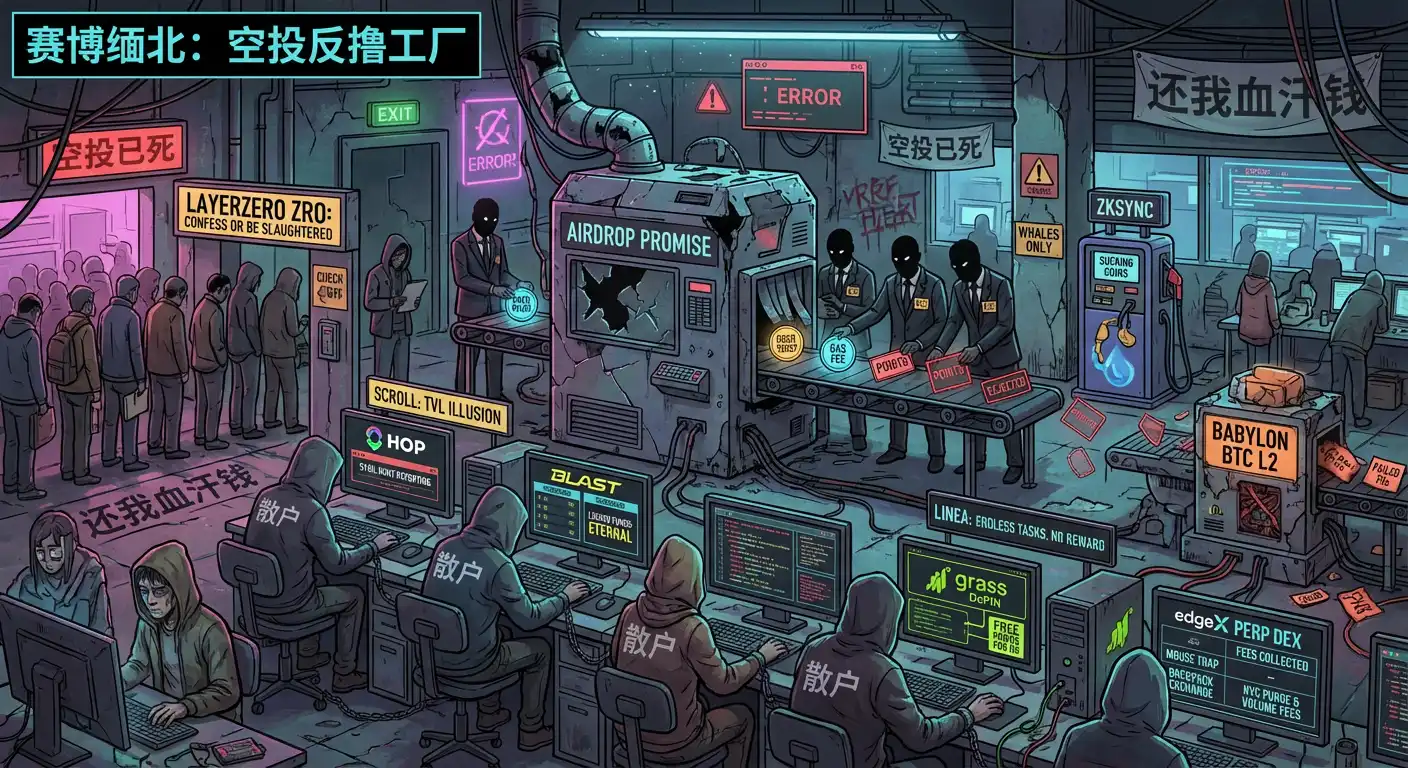
本文,我们盘点空投史上 12 个标志性「反撸」项目,复盘信任是如何一步步被消耗殆尽的。

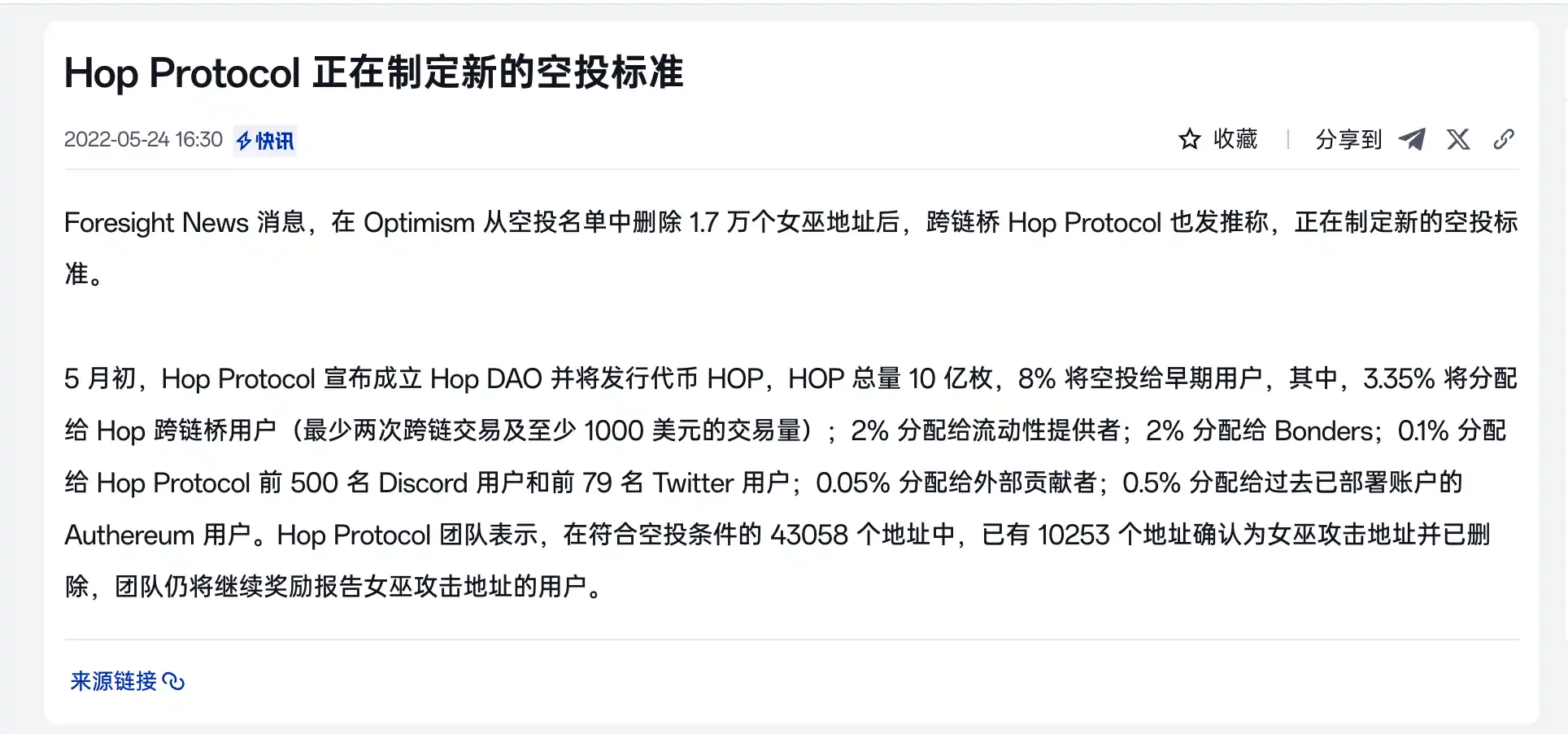
1. Hop Protocol (HOP):开启「女巫」时代。

反撸过程:跨链桥明星 HOP 首创了令人毛骨悚然的“社区举报女巫(Sybil)”机制。规则极其蛊惑人心:举报者可分走被举报地址的份额。恍惚间还以为几千年前搞连坐告奸的商鞅穿越到了Web3。

反撸特点:群众斗群众的底层互害。 项目方将链上地址关联性审查的脏活累活交给了用户,利用人性的贪婪挑动社区互咬,甚至将举报名单直接上传 GitHub 供全行业“复用”。

深远影响: HOP 之后,查女巫成了所有发币项目的「政治正确」,链上交互从「体验去中心化产品」变成了极致内耗的猫鼠游戏。打击女巫本身有其必要性,但把审查责任完全甩给社区、甚至鼓励互害的做法,严重破坏了社区生态。
2. Blast:万恶的「积分制」之父

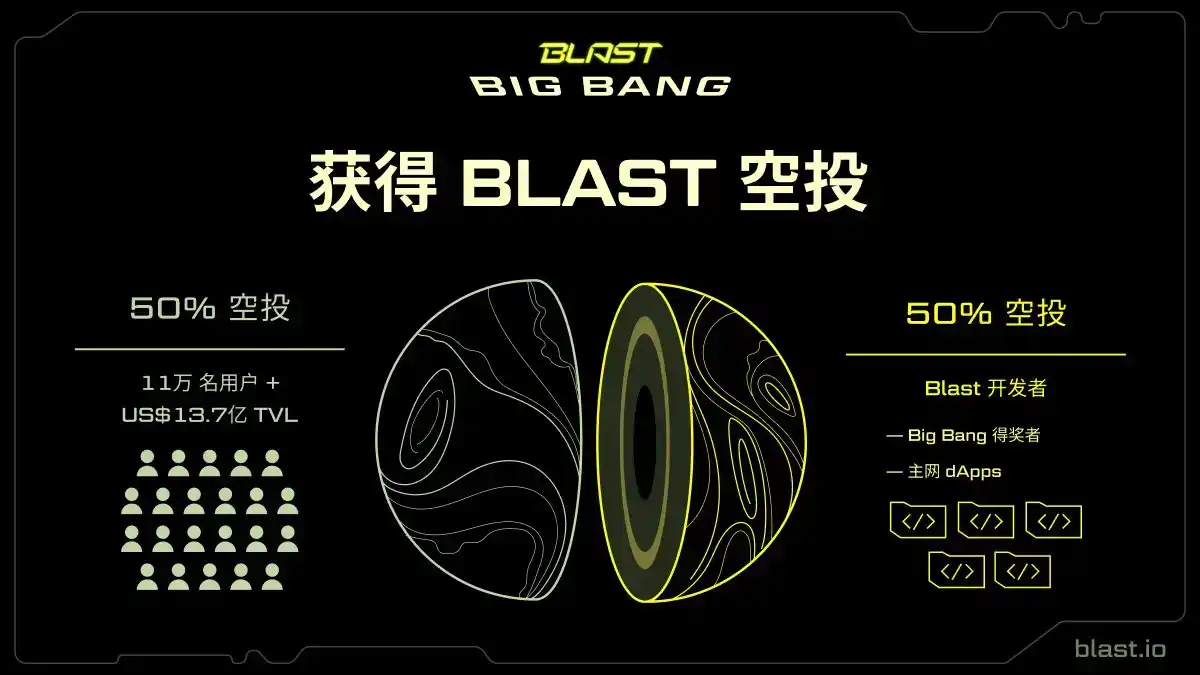
反撸过程:顶着Paradigm顶级光环的Blast抛弃传统交互模式,要求用户锁仓ETH或稳定币换取“积分”。规则多次朝令夕改,大户和顶级NFT玩家获利丰厚,而普通用户锁仓数月后,代币收益甚至跑不赢同期无风险理财利息。

反撸特点:资金盘化与盲盒博弈。 用户在无尽的 FOMO 中被裹挟,成了项目方 TVL 数据的免费提款机。

深远影响:自 Blast 起,「积分套娃」成为行业标配。积分制本意是希望用户长期参与,但规则频繁调整和收益严重失衡,最终让用户对项目失去信任。Web3撸毛人沦为 Web2 打工仔,Web3 引以为傲的去中心化精神在资本的算计下彻底死亡。
3. LayerZero (ZRO):信任崩塌的临界点

反撸过程:长达18个月的跨链交互让用户烧掉巨额Gas费后,项目方在发币前夕推出史上最严苛的女巫审查,甚至要求用户“主动自首”换取部分保留份额,否则直接清零。大量真实活跃用户和小型工作室被清零。

反撸特点:极致傲慢的“有罪推定”。 项目方吃干抹净了用户贡献的天价手续费,转头却把用户当贼一样防范和羞辱。

深远影响: LayerZero 亲手摧毁了“多链交互”的宏大叙事。女巫刷量需要审查,但“有罪推定+自首机制”的粗暴执行,进一步加速了信任崩塌。从此,臭企鹅遗臭万年,「反撸」成为悬在所有撸毛人头顶的达摩克利斯之剑。散户彻底明白:在绝对的解释权面前,你的努力一文不值。
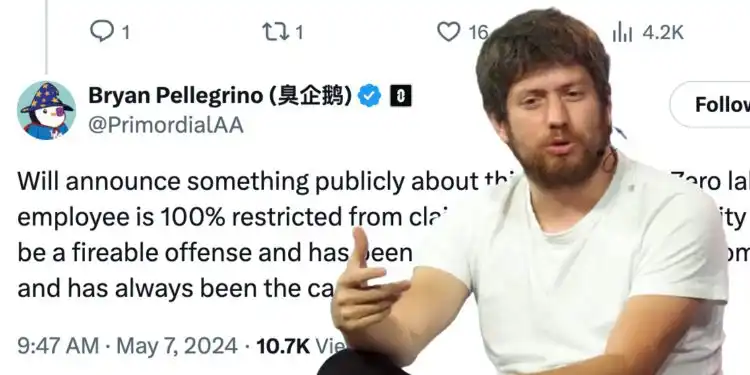
4. zkSync (ZK):L2 交互空投时代的彻底落幕

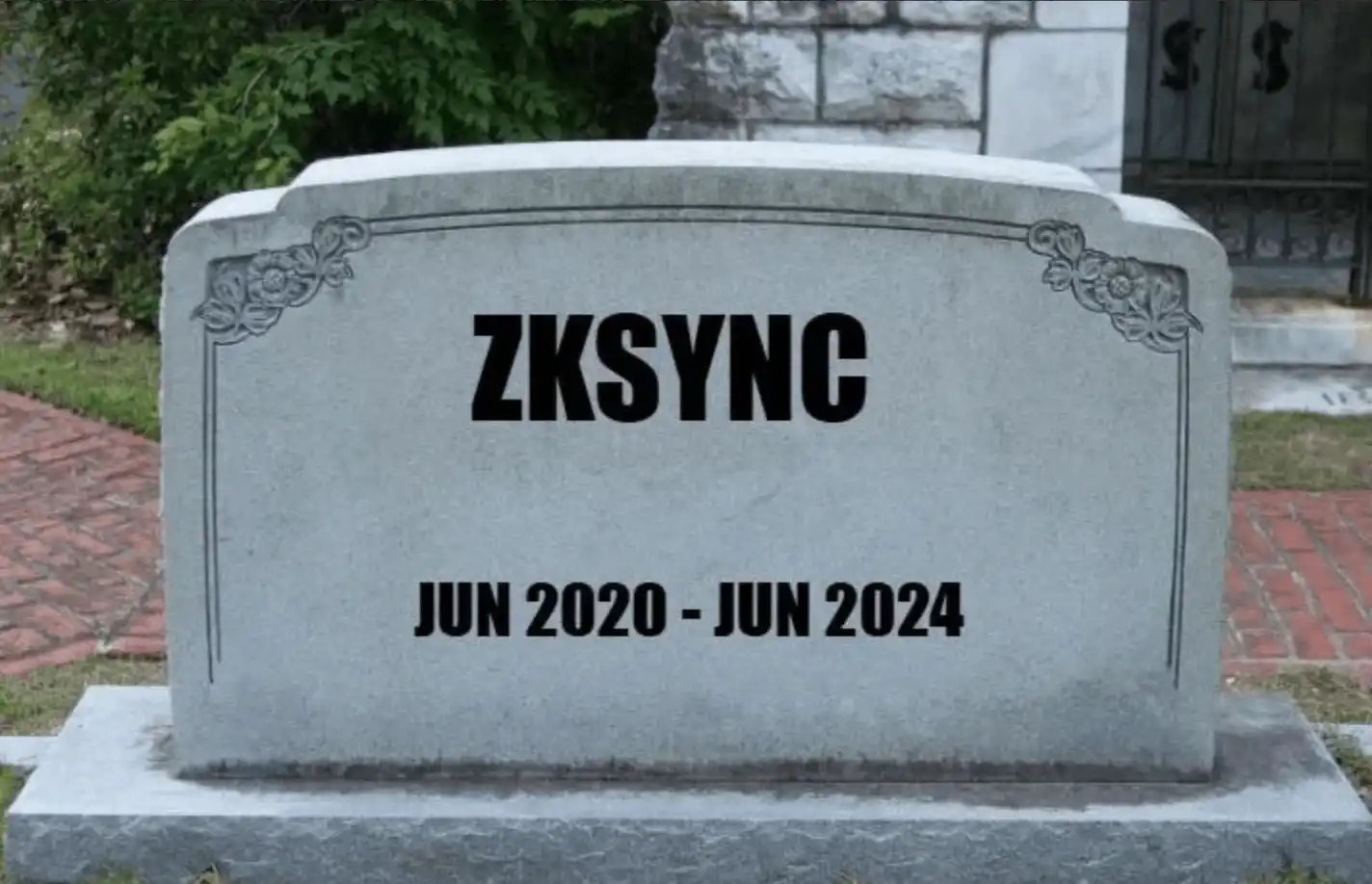
反撸过程:作为曾经的四大 L2 天王之一,zkSync 吊足了社区长达几年的胃口。在吸纳了上亿美元的 Gas 费贡献后,其空投规则却上演了惊天黑箱:大幅削弱交易笔数和活跃度的权重,转而以「特定时间的资金留存」作为核心门槛。这导致海量陪伴项目成长的长线交互用户颗粒无收,反而是内部老鼠仓和突击存钱的新号吃到了巨额份额。

反撸特点:用「活跃度」骗 Gas,再用「资金量」踢人出局。

深远影响:zkSync极其难看的吃相让整个市场对 L2 空投彻底绝望。控制女巫和刷量军团有必要性,但规则黑箱让真正早期贡献者寒心。此后上线的新 L2 直接面临「无人问津」的窘境,再也没有散户愿意去当免费的链上劳工了。
5. Infinex:公售机制崩盘

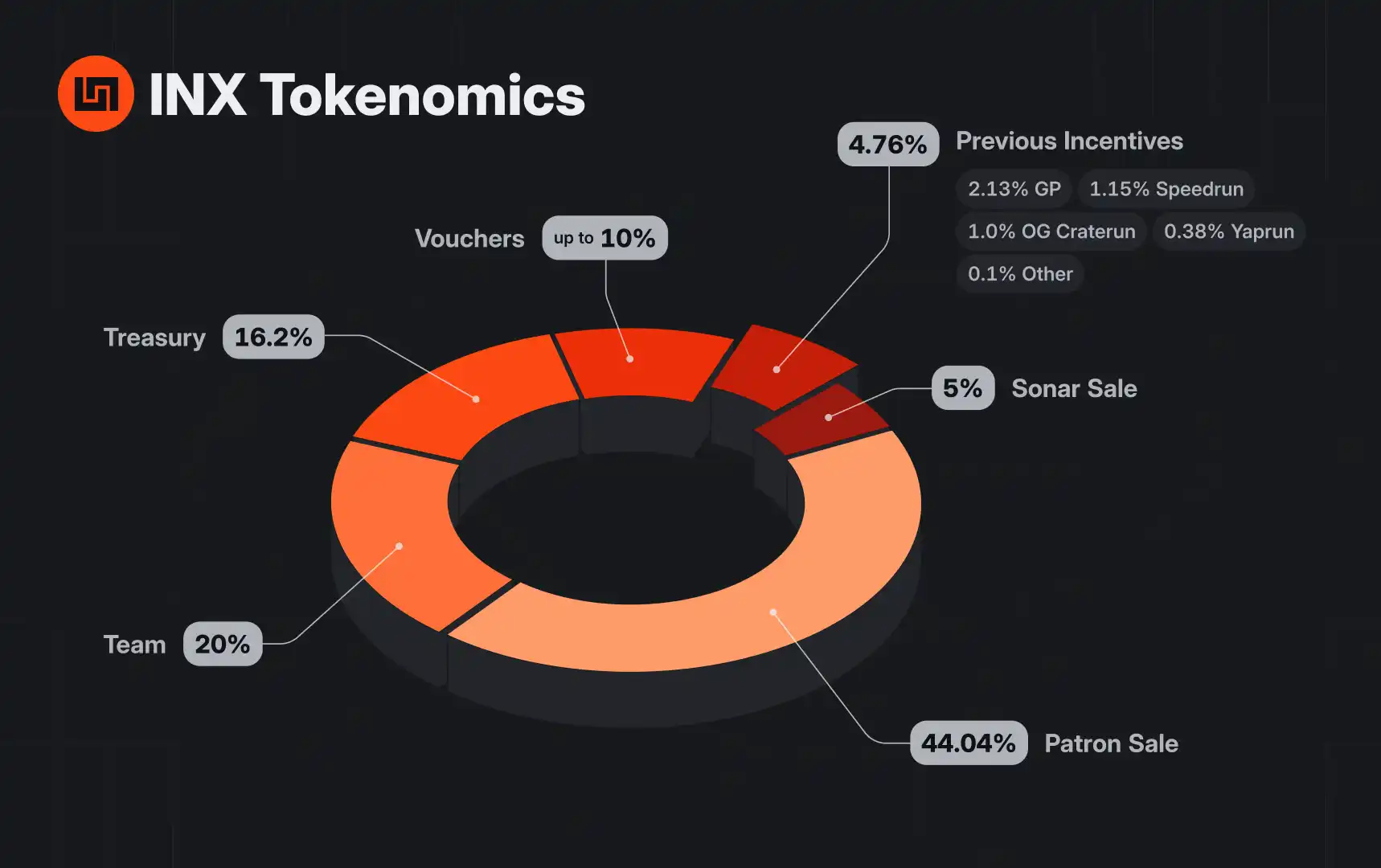
反撸过程:作为Synthetix创始人Kain Warwick背书的跨链DeFi聚合平台,Infinex 曾是社区眼中的“正统性”代表。它通过 Patron NFT 和长达数月的积分活动,诱导用户投入大量资金与精力。然而,2026 年 1 月公售开启时,社区等来的却是极高的 FDV 估值、极其离谱的“强制一年锁仓”以及混乱的分配逻辑。公售首日参与度惨遭滑铁卢,项目方被迫在唾骂声中多次紧急“打补丁”修改规则。

反撸特点:高期待下的“公售反转”。这种先用 NFT 叙事画饼、后在公售机制上临时变卦的操作,让长期支持者的投入瞬间变成了被锁死的沉没成本。

深远影响:Infinex 事件让“NFT+积分换公售”的模式彻底暴露风险,收获了社区对项目方家人的无限问候。
6. Linea:「黑奴」一词自Linea始

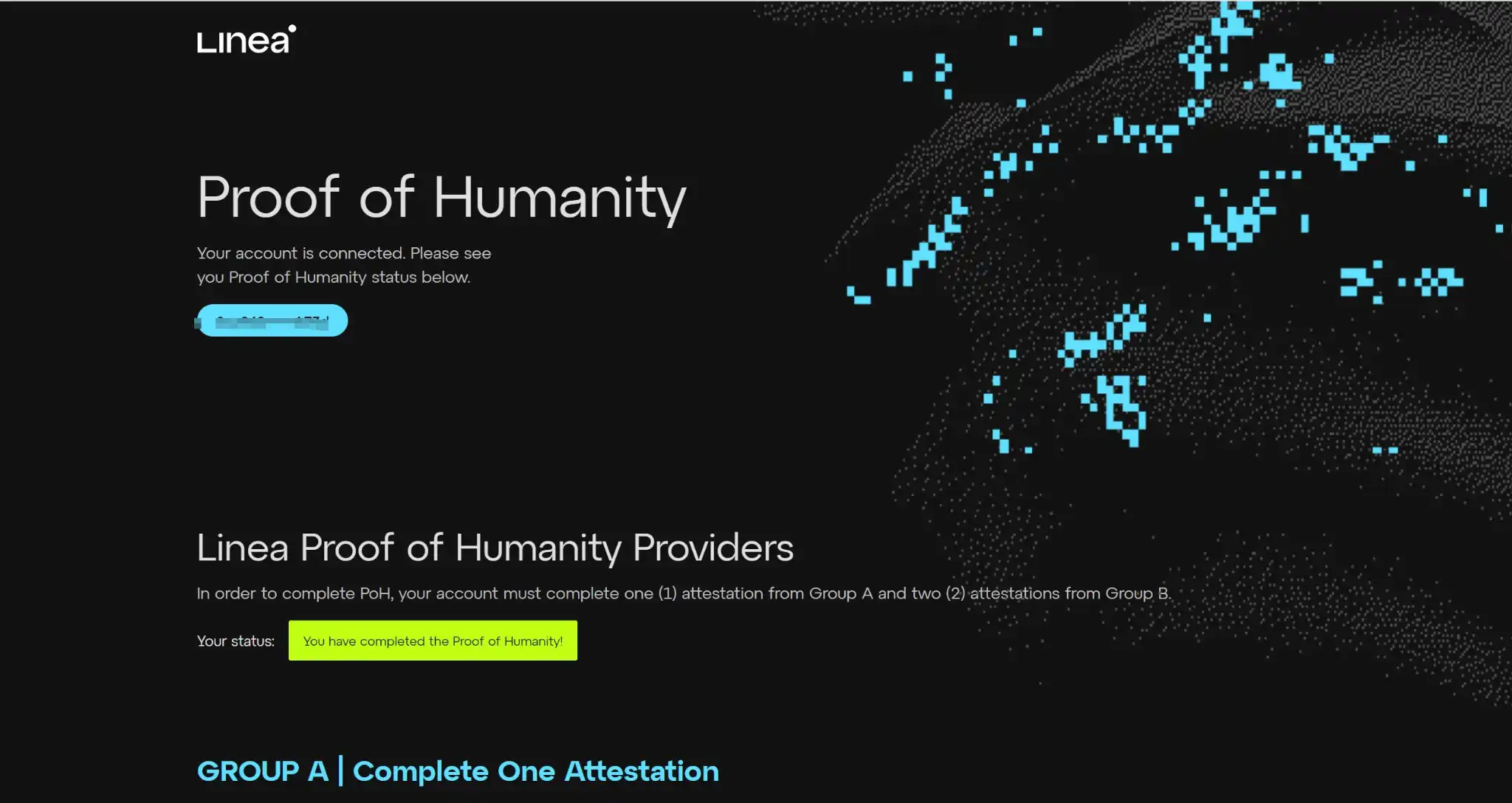
反撸过程:将 PUA 艺术发挥到了令人发指的境地:推出了长达两年、期数多到离谱的 Galxe 奥德赛任务。用户需要像黑奴一样不停地答题、跨链、Swap、铸造毫无流动性的垃圾 NFT,最后还要被迫配合做极其繁琐的 KYC。

反撸特点:无限期延长的疲劳战。 永远在做任务,永远在攒 LXP 积分,永远在被PUA,主网发币却永远遥遥无期。

深远影响: Linea 让「做任务得空投」变成了一项时薪极低、精神折磨极大的全职工作。大量用户因此心力交瘁直接退圈,也宣告了 OAT(链上成就代币)叙事的彻底破产。
7. Grass:DePIN 的免费发电机

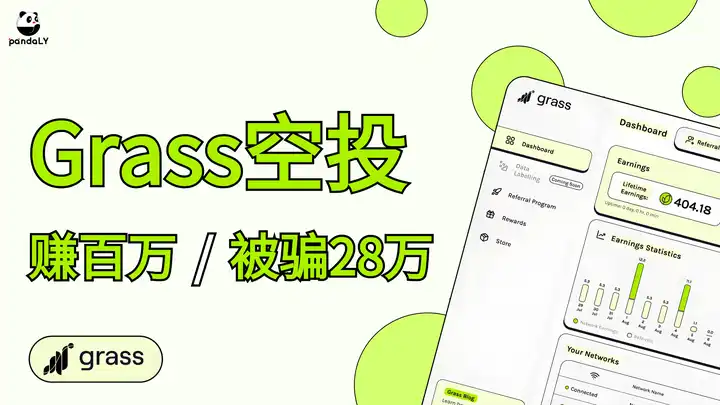
反撸过程:作为 DePIN 赛道的明星,鼓励用户挂机贡献闲置带宽。无数人为了刷分,24 小时开着电脑,甚至自掏腰包购买海外纯净 IP。结果发币时,项目方将绝大多数份额自留或分配给 VC,散户辛辛苦苦挖了几个月的代币,卖掉后的钱连电费和代理 IP 的成本都覆盖不了。

反撸特点:空手套白狼。 披着 Web3 建设的外衣,明目张胆地白嫖 Web2 用户的物理资源。

深远影响:Grass 的反撸让市场清醒地认识到,很多所谓的 DePIN 项目本质上就是「白嫖软件」,直接导致后续同类项目的散户参与度出现断崖式下跌。
8. Monad:L1空投终结者

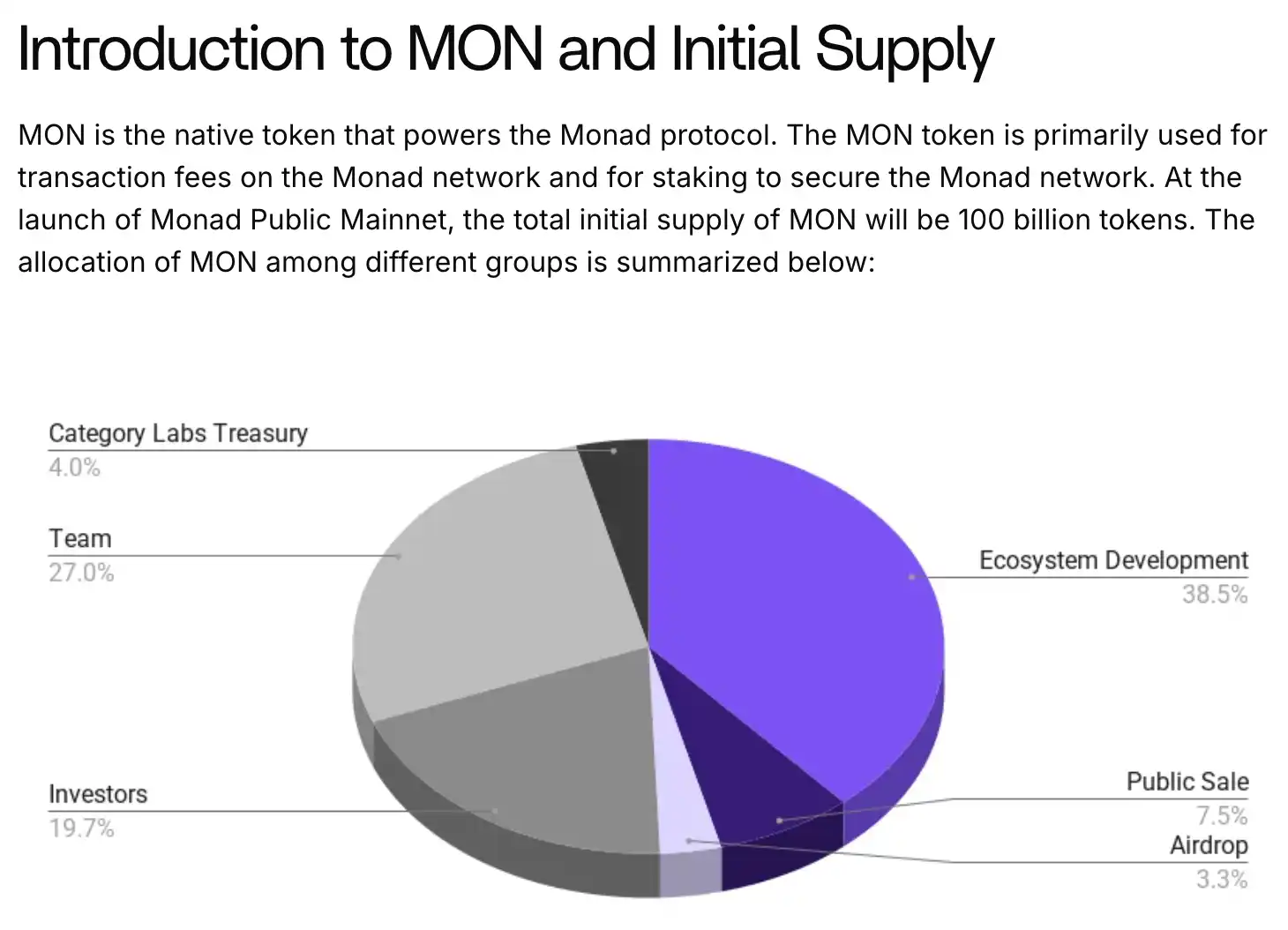
反撸过程:作为备受期待的高性能L1项目,Monad吸引社区长期测试网交互。2025年10月推出MON空投,虽然开放23万地址申领,但社区整体分配比例仅约3.3%,大量真实测试网用户被严格女巫审查清零或仅获微薄份额,而KOL和部分早期关联方获得大量配额。

反撸特点:高期待后的极低配与严苛审查。项目方用技术叙事吸引了大量测试网用户,然后把币都发给了KOL。

深远影响: Monad事件让社区对新L1项目的空投预期进一步降低。虽然早期宣布测试网不算,但过程中不制止,TGE时毛都没有,让真正早期贡献者感到被辜负。此后类似高性能L1的参与热情显著下降,加速了L1赛道从「百花齐放」到「谨慎观望」的转变。
9. Babylon:比特币生态的水土不服与东施效颦

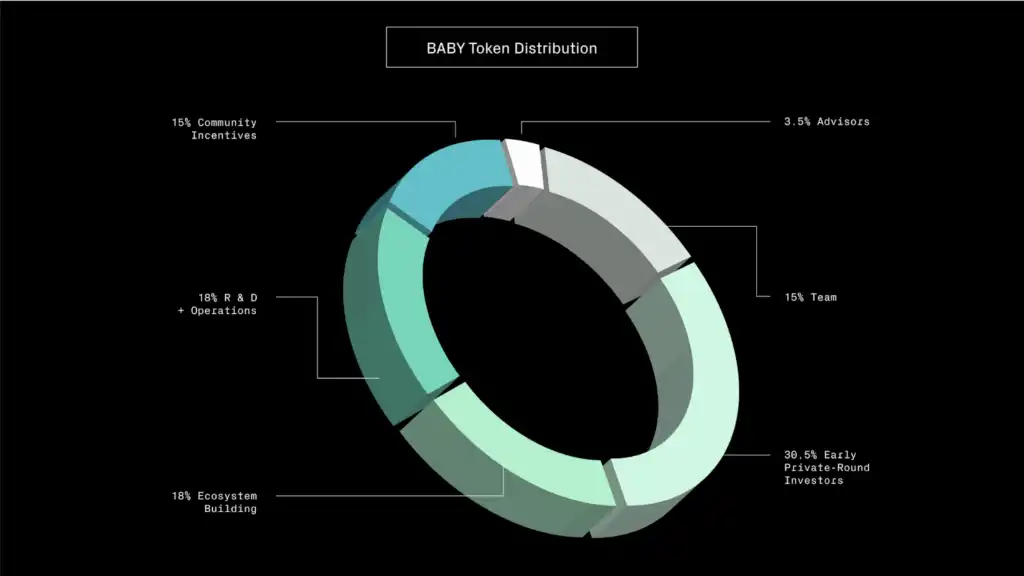
反撸过程:试图将以太坊的质押玩法硬生生搬到比特币网络上。在主网活动期间,由于 BTC 链的容量限制和极高的网络拥堵,大量散户付出了天价的矿工费却依然质押失败,直接造成真金白银的亏损。而那些侥幸质押成功的用户,在锁仓半年后无奈地发现,空投收益甚至远不如直接在交易所做波段或买理财。

反撸特点:极其高昂的试错成本。 在不支持智能合约的 BTC 链上强行制造 FOMO 情绪,最终让散户被高昂的 Gas 费无情反噬。

深远影响:给过热的 BTC L2 赛道泼了一盆极寒的冷水。 它用血的教训证明:简单复制以太坊的 PUA 模式在比特币生态根本行不通,此举严重消耗了比特币老玩家对新兴生态的信任与耐心。
10. Backpack:疯狂刷量的反噬与「国人盘」的信任危机

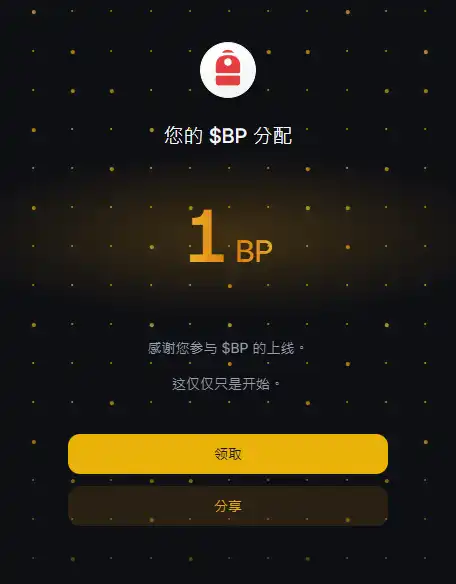
反撸过程:募资3700万美元的 Backpack 推出“交易量=积分”活动,PUA社区两年。TGE前夕突袭严格KYC与「一机一IP」黑箱猎巫,大批账户被清零。幸存者同样惨烈:有大户刷量150亿美元耗费30万美元手续费,仅换回15万美元代币(净亏50%),用户的真金白银直接转化为项目方的利润。

反撸特点:简单粗暴的“反向抽水”。刷量确实需要严格审查,但发币了才审,就是明晃晃的打着空投幌子赚取手续费。且代币BP上线首周暴跌68%,用户在无尽的刷量中被悄悄吸干。

深远影响:华人创业者形象彻底坍塌。中国区成重灾区,“国人盘=反撸”的刻板印象深深烙印在社区心中,导致后续华人主导的 Web3 项目在冷启动时面临前所未有的信任危机。
11. EdgeX:Perp DEX 的没落

反撸过程:在 L2 暴雷后,需真金白银交手续费的 Perp DEX 曾被散户视为空投最后的港湾。虽然有Lighter开了个好头,但等到edgeX TGE 时:老用户耗费数十万刀手续费仅换来价值不足千刀的空投,而 80 多个毫无交互记录的“老鼠仓”新地址却狂揽近 1 亿美元份额。随后链上侦探实锤其做市商黑灰产关联,官方账号直接关评失联,留下一地鸡毛。

反撸特点:老鼠仓明抢,散户当数据奶牛,项目方连装都不装。

深远影响:EdgeX 的闹剧让 Perp DEX 的刷量叙事彻底崩盘,顶级机构背书沦为高级收割的代名词。散户彻底绝望,聪明钱加速回流 CEX 或 L1 原生。
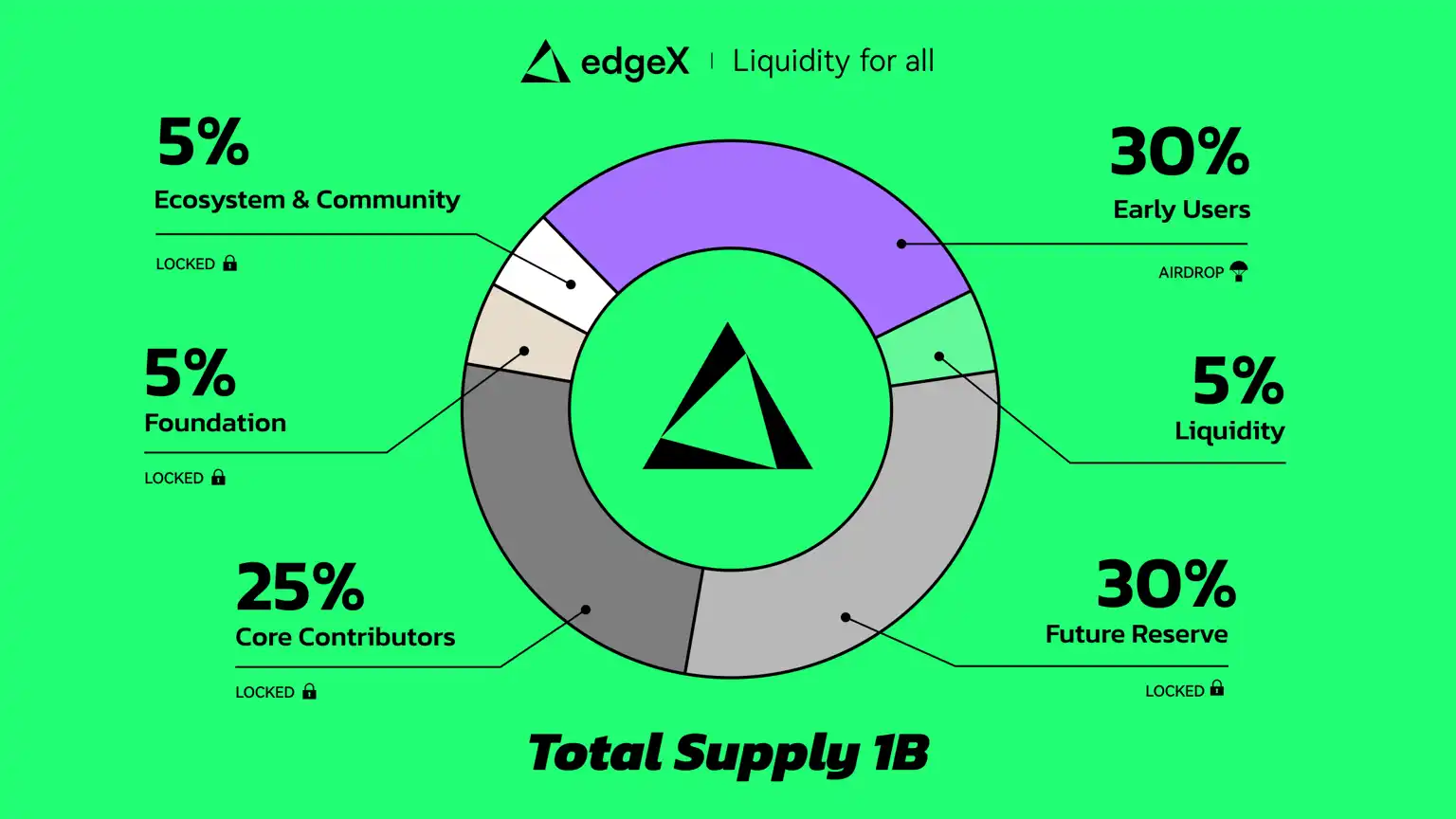
12. Genius: 压倒撸毛党的最后一根稻草

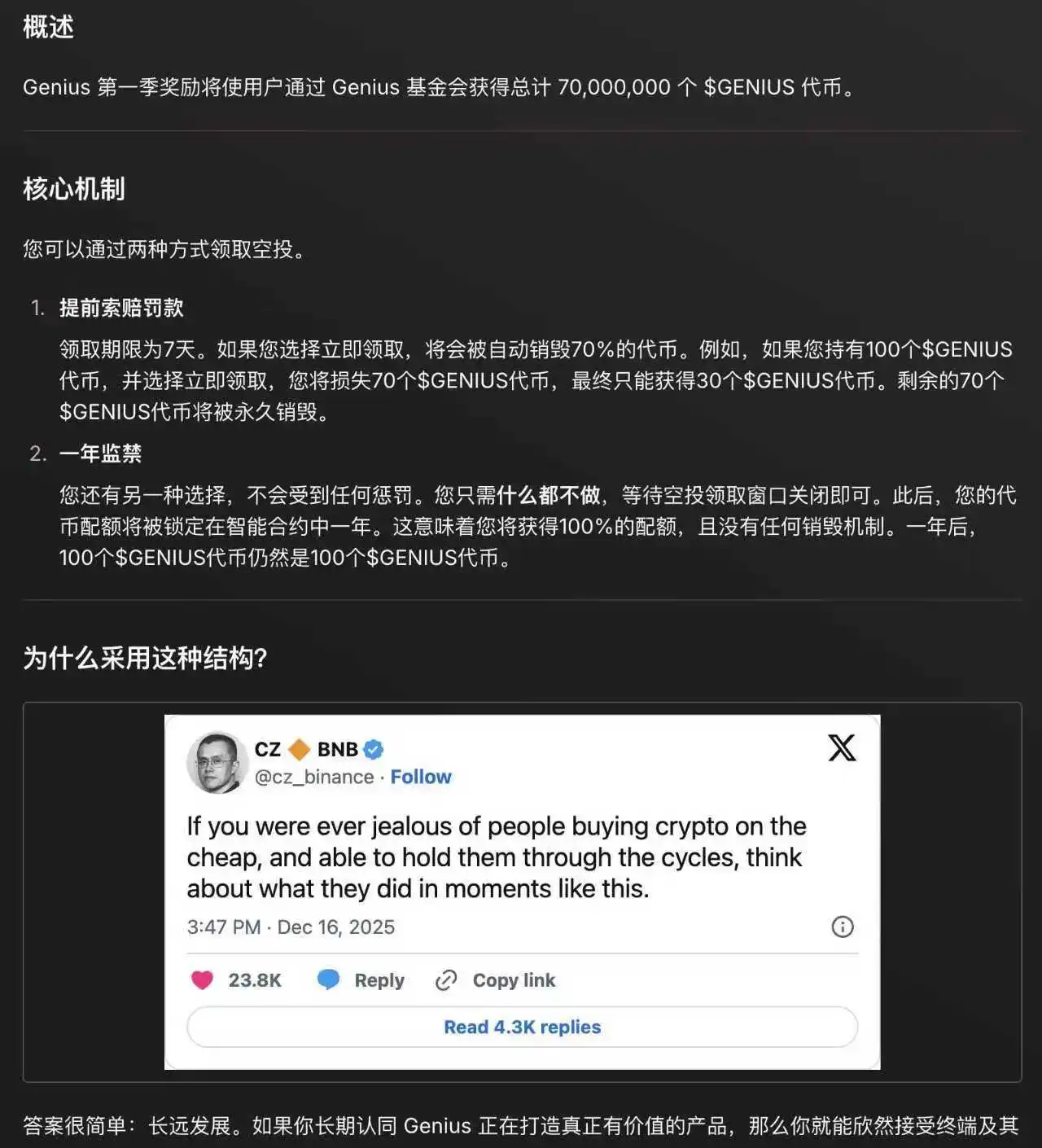
反撸过程:Genius被视为最后希望,然而社区疯狂刷交易量后,TGE迎来反转大礼包:7天内立即领取空投将自动销毁70%代币,最多拿30%;或选择锁仓一年才能拿全额。在汹涌的舆论压力下,项目方随后紧急推出“退款”选项 - TGE后48小时内,用户可选择100%销毁空投额度,换取Genius收取的手续费退款。

反撸特点: 用户冲着信任溢价投入真金白银,却在最后关头被通知“要么拿零头走人,要么再陪项目方耗一年”

深远影响: Genius的骚操作让「顶级站台叙事」彻底祛魅。被社区称为「压倒撸毛党的最后一根稻草」。
结语:壮士断腕,正本清源

从 HOP 的猎巫名单,到 Blast 的积分套娃,再到 LayerZero 的自首屠杀......这十二个项目方共同书写了一部荒诞而残酷的币圈散户血泪史。

但真相或许更加残酷:这不仅是一场蓄谋已久的收割,更是一场关于投机与贪婪的共业。

长期以来,撸毛圈只关心“发不发币、空投怎么分”,不在意产品是否有真实PMF、能否产生可持续营收。项目方则精准抓住这份贪婪 - 你图空投,他图你的本金和手续费。

如今,空投泡沫破裂,无数人被“反撸”得血肉模糊。这固然惨烈,但也未尝不是一次壮士断腕式的出清。

市场终于被迫回归常识:靠空投预期吸引来的流量终究是镜花水月,真正有PMF的产品才值得投入时间和资金。

这是空投的末日,也是web3的涅槃。那些靠PUA和黑箱起家的项目方,终将被用户用脚投票淘汰;而那些真正愿意与社区共建、回归价值本身的项目,反而会在废墟中赢得更珍贵的信任。

对撸毛人而言,这是一次痛苦的教训,也是一次清醒的转身。

Trending Cryptos

Related Questions

Q文章中提到,哪个项目开启了「女巫」时代,并首创了社区举报机制?

AHop Protocol (HOP) 开启了「女巫」时代,并首创了社区举报机制,鼓励用户互相举报以分走被举报地址的空投份额。

QBlast 项目对空投模式的主要影响是什么?

ABlast 引入了「积分制」空投模式,要求用户锁仓资产换取积分,规则频繁更改,导致用户收益低下,并推动了空投的资金盘化和盲盒博弈趋势。

QLayerZero (ZRO) 的空投发放过程引发了什么争议?

ALayerZero 在发币前实施了史上最严苛的女巫审查,要求用户「主动自首」以保留部分空投份额,否则直接清零,大量真实用户和小型工作室被误伤,加剧了社区信任崩塌。

QzkSync (ZK) 的空投规则被批评的主要原因是什么?

AzkSync 空投规则黑箱操作,大幅削弱交易笔数和活跃度权重,转而以「特定时间的资金留存」为核心门槛,导致早期交互用户颗粒无收,而内部老鼠仓和突击存钱的新号获得巨额份额。

Q文章称哪个项目是「压倒撸毛党的最后一根稻草」?其反撸特点是什么?

AGenius 被称为「压倒撸毛党的最后一根稻草」。其反撸特点是:用户在 TGE 后被通知,7天内领取空投将自动销毁70%代币(仅获30%),或选择锁仓一年才能拿全额,最终在舆论压力下推出「退款」选项,但已严重消耗用户信心。

Related Reads

When the World Cup Collides with Agents: From Web2 to Web3, How Are Wallets Evolving into Agentic Wallets?

World Cup as a Catalyst for Agentic Wallets: From Web2 to Web3 This article explores how the World Cup provides a real-world scenario for observing the evolution of digital wallets from simple asset managers towards "Agentic Wallets"—intelligent, AI-powered interfaces. Using the example of prediction markets like Polymarket, it illustrates how AI Agents can lower the barrier to Web3 interaction. Instead of navigating complex DApps, users can express intent in natural language (e.g., "I think Portugal will win") within platforms like Discord or web pages. The Agent then interprets this intent, finds the relevant market, and seamlessly guides the user through the on-chain transaction via their wallet. The core shift is from wallets as mere "function menus" for signing transactions to "intent interpreters" that understand user goals. The article highlights parallel developments in traditional finance, such as Mastercard's "Agent Pay" and WeChat Pay's AI tests, which focus on granting AI controlled, authorized, and auditable payment capabilities. This underscores a broader trend of AI entering the financial layer. However, the article emphasizes that the primary challenge for Agentic Wallets in Web3 is not automation but establishing clear security boundaries. Unlike traditional systems with chargebacks, on-chain transactions are often irreversible. Therefore, future wallets must ensure users retain ultimate control and comprehension. They need to transparently communicate an Agent's permissions, spending limits, authorized durations, and provide easy ways to pause or revoke access. The World Cup experiments represent early steps toward wallets that are not just applications but ubiquitous, intelligent interfaces that simplify Web3 while keeping users securely in control.

marsbit1h ago

When the World Cup Collides with Agents: From Web2 to Web3, How Are Wallets Evolving into Agentic Wallets?

marsbit1h ago

Options Don't Work in DeFi? Vitalik Might Not Agree

For years, the prevailing view has been that options struggle to gain traction in DeFi due to complexity, fragmented liquidity, and lack of natural demand compared to products like perpetual futures. However, a recent algorithmic stablecoin design proposed by Vitalik Buterin presents a different perspective, using options not as a standalone trading product, but as foundational infrastructure for other financial instruments. In this design, one unit of ETH is split into two components: a "stable" side (P) that retains value up to a specified strike price, and an "upside" side (N) that captures all appreciation above that strike. Combined, they always equal one ETH, eliminating debt, margin, and liquidation risks inherent in typical collateralized debt position (CDP) stablecoins. The stable component essentially mimics the payoff of a covered call option. To function as a stablecoin, this structure requires continuously rolling deep in-the-money calls, which introduces challenges like rollover slippage, predictable transaction flow vulnerable to front-running, and persistent liquidity needs. A core hurdle is finding consistent buyers for the leveraged ETH upside exposure (N). While it offers leverage without funding rates or liquidation, it must compete with simpler alternatives like direct call options or perpetuals. The system's scalability depends on a sustained demand for this specific form of leverage. The author draws parallels to their experience with Rysk, where earlier versions of DeFi options protocols struggled. The breakthrough came with Rysk V12, which aligns incentives: asset holders generate yield by selling covered calls against their holdings, while market makers efficiently acquire the desired option exposure. This demonstrates that options can find product-market fit when embedded as a risk distribution and pricing engine within structured products, stablecoins, or yield-generating assets, rather than marketed as a complex direct trading instrument. Vitalik's proposal reinforces this architectural approach—using fully collateralized, non-custodial, and physically settled options as a fundamental building block. The real opportunity for options in DeFi may lie not in becoming the next perpetual swap, but in powering the next generation of on-chain financial products.

marsbit1h ago

Options Don't Work in DeFi? Vitalik Might Not Agree

marsbit1h ago

Conversation with Investor Zheng Di: MicroStrategy's Coin Sale Experiment, AI Economy, and Opportunities in US Stocks

Frontier tech investor Zheng "Didier" Di discusses the recent Bitcoin price drop, the financial strategy shift at MicroStrategy, the AI-driven surge in U.S. stocks, and the evolving role of crypto exchanges. Didier posits that the recent BTC decline stems less from macro factors or ETF outflows, and more from market repricing due to MicroStrategy's new financial structure. Following a wave of preferred stock and debt issuance (STRC, STRZ, etc.), MicroStrategy must now manage cash flow to pay dividends, potentially leading to a market expectation of sustained, small-scale BTC sales to maintain its "per-share bitcoin neutral" principle. Didier views this as a financial "experiment" testing market capacity for such recurring sell pressure, which, while creating near-term structural headwinds, likely avoids a true "death spiral" absent major new external shocks. Shifting to AI, Didier argues that tokens are becoming the new form of labor, with AI models and compute (tokenized inputs) increasingly replacing human roles in execution and middle-management. This drives enterprise efficiency and higher margins, fueling the sustained rally in U.S. semiconductor, data center, and infrastructure stocks. He foresees an emerging "machine economy" where automated agents transact and collaborate on-chain. Regarding crypto exchanges offering U.S. equities, Didier sees this as a natural evolution. With few crypto-native assets generating lasting value, exchanges are pivoting towards real-world assets (RWAs) like stocks and bonds. This doesn't necessarily cannibalize crypto but reflects a maturing industry focusing on blockchain's core utilities: decentralized choice and efficient settlement. He notes that trading logic for crypto natives doesn't need to drastically change, as meme-driven and fundamentalist strategies find analogs in U.S. markets. The "1011 event" (likely referring to a major market crash) severely damaged crypto market liquidity, marking a probable end to the altcoin speculative cycle, with capital flowing towards the deeper liquidity of U.S. markets. For the macro outlook, Didier is cautious about near-term market pressure from potential mega-IPOs (e.g., SpaceX) and the U.S. midterm elections, which could bring more regulatory scrutiny. Long-term, he remains bullish on AI's productivity gains and its convergence with blockchain/Web3, predicting a shift from speculative frenzy to a more institutionalized, industrial phase for the crypto sector.

marsbit2h ago

Conversation with Investor Zheng Di: MicroStrategy's Coin Sale Experiment, AI Economy, and Opportunities in US Stocks

marsbit2h ago

Playnance’s $GCOIN Lists on KoinBX Amid Rapid Growth in India

Playnance's native token, $GCOIN, has been listed on the cryptocurrency exchange KoinBX as of June 18. This move aims to enhance accessibility for its rapidly growing community, particularly in India, where the blockchain-powered Web3 iGaming ecosystem has gained significant traction. Over 130 partners in Playnance's "Be the Boss" program have built communities engaging thousands of active players in the region. The "Be the Boss" model allows participants to create and manage their own gaming communities, earning rewards tied to community activity. CEO Pini Peter noted India's high engagement, with community leaders successfully building player networks. One partner, Dr. Nicolas, reported earning over $57,000 through the program in recent months, highlighting both the financial rewards and the opportunity to grow an engaged community. $GCOIN serves as the ecosystem's core utility token, incentivizing participation and aligning the interests of players and community leaders ("Bosses"). The listing on KoinBX is part of Playnance's strategy to expand globally, increasing the token's utility and accessibility by combining community ownership, gamified engagement, and blockchain-based incentives. Founded in 2020, Playnance is a Web3 iGaming infrastructure company focused on creating live, non-custodial, on-chain products to onboard mainstream users. It currently processes approximately one million transactions daily, aiming to simplify the user experience while maintaining full on-chain transparency.

TheNewsCrypto3h ago

Playnance’s $GCOIN Lists on KoinBX Amid Rapid Growth in India

TheNewsCrypto3h ago

Trading

Spot
Futures

Hot Articles

Learn Quick Buy Tokens

HTX Quick Buy/Sell is a form of transaction between fiat money and cryptos, where you don't have to manually choose a buyer or seller.

4.2k Total ViewsPublished 2023.08.15Updated 2024.02.18

Learn Quick Buy Tokens

How to Buy QUICK

Welcome to HTX.com! We've made purchasing Quickswap (QUICK) simple and convenient. Follow our step-by-step guide to embark on your crypto journey.Step 1: Create Your HTX AccountUse your email or phone number to sign up for a free account on HTX. Experience a hassle-free registration journey and unlock all features.Get My AccountStep 2: Go to Buy Crypto and Choose Your Payment MethodCredit/Debit Card: Use your Visa or Mastercard to buy Quickswap (QUICK) instantly.Balance: Use funds from your HTX account balance to trade seamlessly.Third Parties: We've added popular payment methods such as Google Pay and Apple Pay to enhance convenience.P2P: Trade directly with other users on HTX.Over-the-Counter (OTC): We offer tailor-made services and competitive exchange rates for traders.Step 3: Store Your Quickswap (QUICK)After purchasing your Quickswap (QUICK), store it in your HTX account. Alternatively, you can send it elsewhere via blockchain transfer or use it to trade other cryptocurrencies.Step 4: Trade Quickswap (QUICK)Easily trade Quickswap (QUICK) on HTX's spot market. Simply access your account, select your trading pair, execute your trades, and monitor in real-time. We offer a user-friendly experience for both beginners and seasoned traders.

3.6k Total ViewsPublished 2024.03.29Updated 2026.06.02

How to Buy QUICK

Discussions

Welcome to the HTX Community. Here, you can stay informed about the latest platform developments and gain access to professional market insights. Users' opinions on the price of QUICK (QUICK) are presented below.

活动图片