全球资产暴跌:霍尔木兹、芯片,和一个韩国假期

marsbitPubblicato 2026-03-04Pubblicato ultima volta 2026-03-04

Introduzione

2026年2月28日,美以联军对伊朗发动大规模空袭,导致伊朗最高领袖哈梅内伊身亡,引发全球市场剧烈震荡。黄金、白银、比特币等所谓“避险资产”并未如预期上涨,反而出现大幅下跌。黄金一度冲高后回落超4%,白银单日暴跌8%,比特币先跌后震荡。美元指数则上涨1.1%,成为资金避险的唯一赢家。 韩国股市因假期休市后于周二开盘即熔断,KOSPI指数单日暴跌7.24%,市值蒸发约2570亿美元。市场暴跌主要由于散户杠杆过高、融资余额膨胀,以及地缘政治冲击触发流动性危机。三星、SK海力士等芯片巨头股价大跌,进一步暴露韩国作为全球AI芯片供应链关键节点的结构性脆弱性。 文章指出,尽管“去美元化”和“debasement trade”(抗货币贬值交易)是近年主流叙事,但在急性地缘危机中,美元仍是全球流动性最深、最可靠的避险资产。伊朗民众在危机中大量通过加密货币兑换美元稳定币,进一步验证了这一现实。长期来看,美元的结构性问题依然存在,但短期危机中,其流动性优势无可替代。

2 月 28 日,美以联军对伊朗发动"史诗烈怒"行动,空袭超过 2000 个目标,最高领袖哈梅内伊在袭击中身亡。

这是过去几十年里中东地区发生的最大地缘政治事件。

全球资本等了整整一个周末,等着验证一个问题:那些押了两年的叙事,是不是真的。黄金是乱世硬资产吗?比特币是数字黄金吗?debasement trade 是真命题还是叙事泡沫?

结果出来了。

黄金先涨到 5400 美元,然后和股票一起跌超 4%。白银单日暴跌 8%。比特币先跌后震荡,最终回到原地。美元指数涨了 1.1%。
叙事压力测试

过去两年,加密和宏观圈流行一套几乎无懈可击的叙事:美国债务失控、美元长期贬值、黄金和 BTC 是对冲货币稀释的硬资产,两者合称"debasement trade"。2025 年,这套叙事的数据支撑看起来无比坚实——黄金全年涨超 50%,BTC 最高触及 12.6 万美元,美元指数跌了将近 11%,创下 50 年来最差上半年表现。Citadel 的 Ken Griffin 在公开场合反复提这个词,BlackRock 的 BTC ETF 资产管理规模逼近千亿美元。

这套叙事最核心的隐含假设是:当真正的危机到来,人们会离开美元,奔向硬资产。

上周末,这个假设第一次迎来了真实烈度的压力测试。

周一开盘,黄金确实先涨了——伦敦金盘中最高摸到 5418 美元,几乎追平 1 月底的历史高点。但随后,随着油价持续飙升、通胀预期重燃、市场开始重新定价美联储降息路径,一切反转。黄金当天收跌,周二进一步下砸超 4%,回到 2 月 20 日以来的低点。

白银更惨。周一冲破 96 美元,周二单日跌幅一度逼近 8%。

原因并不复杂。油价暴涨意味着通胀预期上升,通胀预期上升意味着美联储降息空间收窄,降息预期收窄意味着美元走强,美元走强是黄金和白银的直接对手盘。加上全场风险资产同步抛售触发的强制平仓,黄金和白银在"最应该涨的时候"成了流动性最好、最容易砸的仓位。

这不是第一次了。2022 年俄乌战争开打,BTC 没有避险,跟着纳斯达克一路跌;黄金初期上涨,随后被获利盘砸下来——同样的剧本,更大的烈度。

BTC 的处境更尴尬。战争打响那个周末,crypto 市场是唯一还在交易的市场。BTC 从 6.6 万美元附近先跌破 6.4 万,随后快速反弹,在周一传统市场开盘前已经基本填坑。表面上看,这是"韧性"。但真相是:机构资金还没进场,靠的是散户和套利盘在震荡中寻找方向。周二随着全场继续下跌,BTC 再度承压,在 6.8 万美元附近横盘,既没有展现"数字黄金"该有的上涨,也没有"风险资产"该有的大幅下跌——它只是......在那里晃。
霍尔木兹,芯片,和一个韩国假期

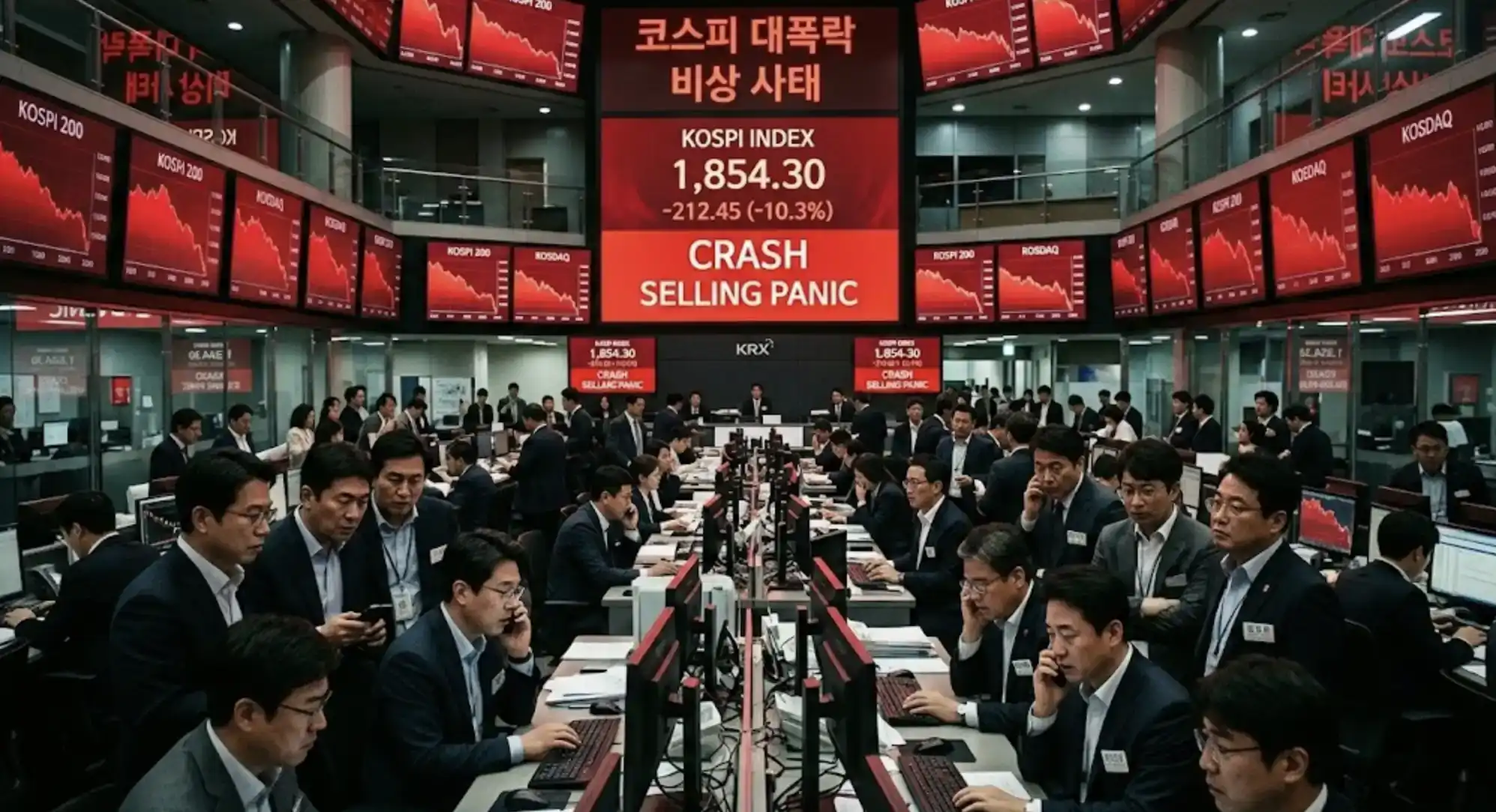
首尔的踩踏来得格外猛烈,有一个结构性原因:周一是三一节,韩国全国放假,交易所没开门。

恐慌在周末积累,找不到出口。周二早上 9 点钟,三天假期里所有没能执行的抛售,在同一秒砸了下来。KOSPI 开盘直接触发熔断预警,最终收跌 7.24%,单日蒸发约 3770 亿韩元市值,折合约 2570 亿美元。

这是 2024 年 8 月日元 carry trade 危机以来最大的单日跌幅。那一次,KOSPI 单日暴跌 8.77%,触发机制是美国非农数据崩了+日本央行意外加息,属于金融杠杆层面的系统性解绑。这一次,直接导火索是地缘政治——但背后同样有一根绷紧的弦,只是材质不同。

过去一年半,韩国散户经历了一轮史诗级 FOMO。KOSPI 从 2024 年底的 2400 点,一路涨到今年 2 月底突破 6000 点,14 个月涨幅接近 150%。有券商把目标价调到了 7000、甚至 8000。开户数量在今年 1 月突破了 1 亿——一个 5000 万人口的国家,有 1 亿个股票账户。韩国政府甚至把"KOSPI 5000"写进了施政纲领,作为一项国家政策目标。

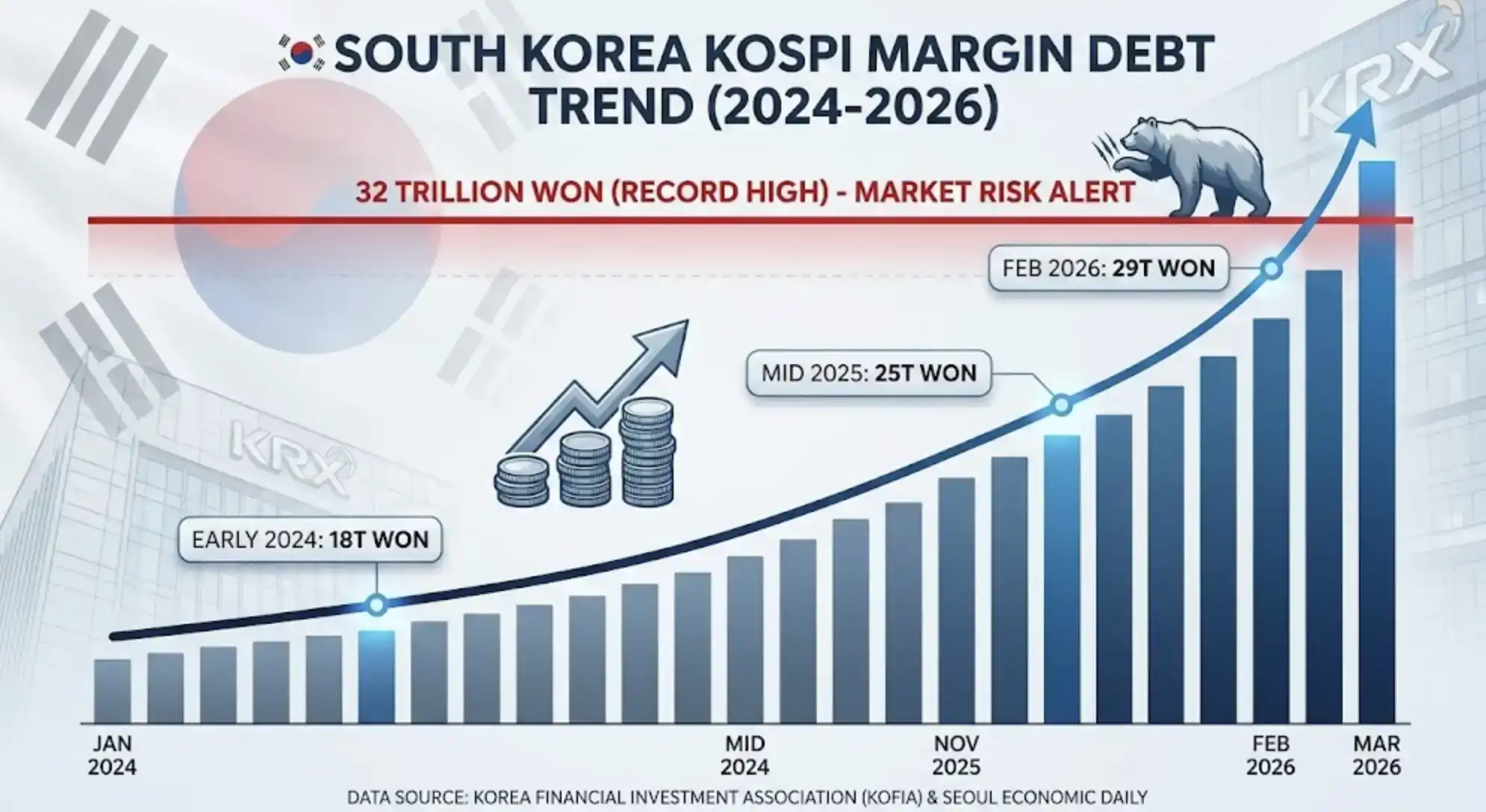
与此同时,融资余额也在同步膨胀。截至事发前,韩国场内融资贷款余额超过 32 万亿韩元,约合 224 亿美元,是 2021 年以来的最高水平。股票质押贷款余额另有 26 万亿韩元,两者合计接近 370 亿美元。市场恐慌指数 VKOSPI 早在 2 月底就已经飙到 54,是"正常"水平的两倍以上——整个市场在创出新高的同时,fear gauge 已经进入了极端恐惧区间。

这种结构,遇到急性冲击,就会发生教科书式的流动性挤压。

股价下跌触发保证金警告,券商启动强制平仓,平仓进一步压低股价,压低的股价触发更多保证金警告——一个自我强化的反馈循环。外资在这一天净卖出超过 5.17 万亿韩元,约合 35 亿美元,是今年最大单日净卖出。散户则做了相反的事:在踩踏中抄底,继续加仓杠杆 ETF,押注反弹。

亚洲其他市场同步受压。日经 225 当天跌 3%,其中丰田跌 5.5%、索尼跌 4.3%。香港恒生跌 2.1%,在亚太区领跌。泰国证交所宣布对大部分证券暂停卖空。整个亚太 MSCI 指数下跌约 2%。

但最核心的结构性脆弱,还是在首尔。

这场跌的不只是股票。跌的是 KOSPI 这个被反复叙事为"AI 超级周期最佳代理标的"的市场。三星电子跌近 10%,跌破 20 万韩元的关键心理支撑位。SK Hynix 跌 11.5%。这两家公司合计贡献了 KOSPI 约 40% 的市值,也是全球 AI 芯片供应链最关键的两个节点——三星是全球最大 DRAM 和 NAND 闪存制造商,SK Hynix 是 HBM 高带宽内存的核心供应商,英伟达 AI GPU 里用的内存,大部分从这里出来。

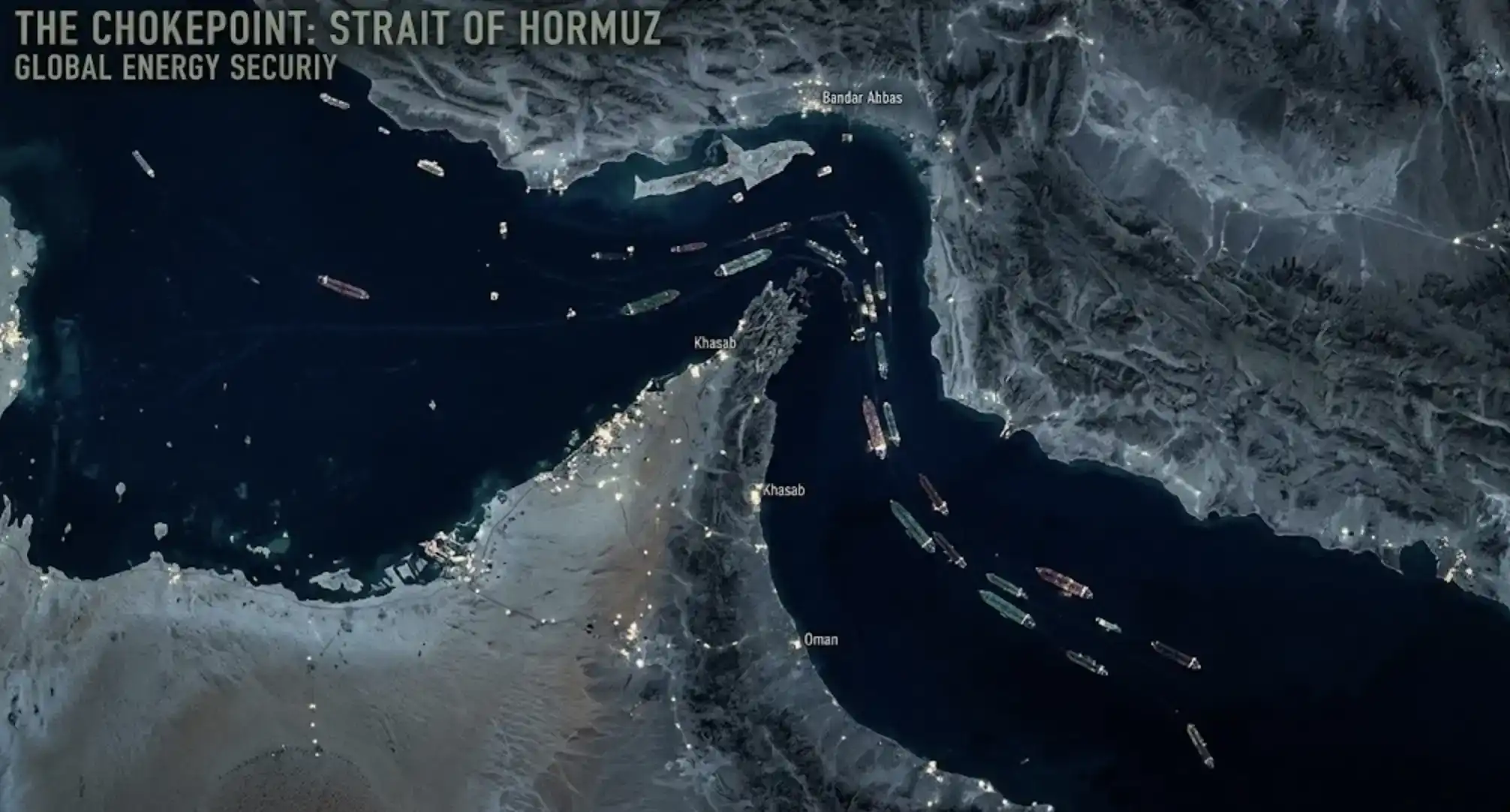
这些工厂都在韩国。韩国每天要进口 276 万桶石油,大部分来自波斯湾,走霍尔木兹海峡。

伊朗宣布过关闭霍尔木兹,又撤回了这个声明。但保险公司已经单方面投票:战争险暂停承保,船运公司停止调度。一个没有正式宣布的封锁,正在实际运转。

就在市场踩踏的同时,另一个消息悄悄浮出水面:三星位于德克萨斯州泰勒市的美国晶圆厂,量产时间表再度推迟,从 2026 年延到了 2027 年。这家被视为美国"芯片回流"战略核心资产的工厂,建在德克萨斯的沙漠里——但它需要的油,还是从波斯湾过来的。
美元赢了,所有人都输了

现在来说那个最让人不舒服的结论。

整个周期里,"去美元化"是最主流的宏观叙事之一。美元的全球储备货币份额已经跌破 47%,各国央行用创纪录的速度增持黄金,BRICS 搭建 mBridge 跨境结算平台,链上稳定币规模从 2050 亿美元扩张到 3000 亿美元以上。圈内几乎所有人都在以某种方式押注:美元的黄金时代结束了,下一个时代属于多极化、硬资产、去中心化。

然后战争打响,美元指数涨了 1.1%,创下去年 5 月以来最大单日涨幅。

这一天,全场同步抛售:股票跌、债券跌、黄金跌、白银跌、大宗商品跌。流向只有一个方向:美元。

这就是流动性挤压的本质。不是因为美元变好了,是因为美元是全球金融体系里流动性最深的资产。急性危机里,当所有人同时需要出门,美元是最宽的那扇门。杠杆平仓需要美元,保证金补充需要美元,跨境资产出逃的第一步也是美元。没有别的选项有这个体量。

伊朗给了这套逻辑一个最清晰的注脚。

伊朗里亚尔从年初至今已贬值超 30%。Nobitex 是伊朗最大的加密交易所,处理着伊朗超过 87% 的链上加密活动。空袭开始后数分钟内,Nobitex 的提币量飙升 700%(Elliptic 数据)。Chainalysis 追踪了资金去向:大量流出资金,最终落地于历史上接受伊朗流入的境外交易所,继续兑换成 USDT 和 USDC。

在真正的货币危机现场,人们用加密网络做的事,是逃进美元。

这不是说 debasement trade 是假命题。美国的债务问题、通胀问题、美元购买力的长期侵蚀,这些结构性压力是真实存在的。黄金长期跑赢的逻辑,没有被这一次压力测试推翻。

但这次告诉了我们一件事:debasement trade 是一个慢变量的叙事,它需要时间的刻度才能成立。而地缘政治冲击是急变量,它只有一个刻度——今天。

两套时间框架放在同一个时刻,慢变量让位。

美元赢了。下一次危机,大概率还是美元赢。直到某一天,它不赢了——但那一天,大概率不是今天这种戏剧性的开场。

Domande pertinenti

Q文章中提到,全球资产在2月28日事件后普遍下跌,但哪种资产反而上涨了?

A美元指数上涨了1.1%,创下去年5月以来最大单日涨幅。

Q为什么韩国股市(KOSPI)在事件后遭遇了特别猛烈的下跌?

A因为周一是韩国的三一节假期,交易所休市,导致恐慌情绪在周末积累,无法通过交易释放。周二开盘后,所有积压的抛售压力同时爆发,触发了流动性挤压和熔断机制。

Q文章指出,在真正的危机中,人们使用加密网络主要做了什么?

A人们使用加密网络(如伊朗的Nobitex交易所)大量提币,并将资金兑换成美元稳定币(如USDT和USDC),实质上是逃向美元寻求避险。

Q为什么黄金和白银在事件发生后先涨后跌?

A初期因避险情绪上涨,但随后因油价飙升推高通胀预期,市场重新定价美联储降息路径,导致美元走强。美元走强是黄金和白银的直接对手盘,加上风险资产全面抛售引发的强制平仓,导致其价格下跌。

Q文章认为‘debasement trade’(抗货币贬值交易)的叙事为什么在这次压力测试中未能成立?

A因为‘debasement trade’是一个基于长期慢变量(如债务问题、美元购买力侵蚀)的叙事,需要时间验证。而地缘政治冲击是急变量,在急性危机中,流动性最深的美元成为首选避险资产,导致硬资产叙事让位。

Letture associate

Focus: Five Leading AI Stocks on Nasdaq

The report analyzes five Nasdaq-listed AI infrastructure stocks—Micron (MU), MaxLinear (MXL), AMD, Lumentum (LITE), and Vicor (VICR)—as distinct plays within the AI capital expenditure chain, rather than a single "AI trade." While all benefit from AI data center spending, they differ in their specific roles (e.g., memory, computing, optics, power, connectivity), financial resilience, and risk profiles. The author argues that the key question is not whether the AI narrative remains intact, but whether capital expenditure translates into real orders, earnings justify valuations, and portfolios can withstand high volatility. Historical data shows these stocks have significantly outperformed benchmarks but also experienced deeper drawdowns (~28% to -32%), highlighting their high-beta, high-volatility nature. An investment framework is proposed: core positions (e.g., MU, AMD) for stocks with stronger fundamental evidence; satellite positions (e.g., LITE, VICR) for high-potential, high-volatility names; and cautious observation (e.g., MXL) for smaller-cap ideas with unproven financials. The emphasis is on disciplined, phased buying during pullbacks—only when price corrections align with intact fundamentals and available risk budget—rather than emotional "buy-the-dip" strategies. Overall, AI infrastructure offers long-term potential, but success requires strict position sizing, role definition for each holding, and preparedness for significant volatility.

marsbit33 min fa

Focus: Five Leading AI Stocks on Nasdaq

marsbit33 min fa

Will UNI Reach $100 in Four Years? Will Standard Chartered's Prediction Come True?

TL;DR: - According to reports, Standard Chartered Bank has published a research report on Uniswap, setting a 2030 price target of $100 for the UNI token. - The bank's core logic is that the tokenization of assets will drive demand for open DeFi liquidity, and Uniswap could capture significant trading volume and fee revenue. - However, most institutional-grade tokenized products are permissioned, and the example of BlackRock's BUIDL shows that DeFi still faces significant access barriers. Standard Chartered's $100 target for UNI by 2030 is based on the hypothesis that tokenized assets will grow massively and a significant portion will flow into open DeFi markets, requiring decentralized exchange platforms like Uniswap for liquidity. The bank forecasts tokenized assets could reach $4 trillion by 2028, with up to 30% in DeFi by 2030. The key question is whether tokenized assets like treasuries and funds will trade in open, decentralized markets or remain within closed, permissioned institutional systems. This directly impacts Uniswap's potential growth. A real-world example is BlackRock's BUIDL fund, which, while using UniswapX for trading, is strictly limited to pre-approved, whitelisted institutional participants. This highlights the current trend: institutions may leverage DeFi infrastructure but maintain strict control over access and transfers. Furthermore, for UNI's value to rise significantly, Uniswap must establish a clear value-capture mechanism, such as the approved fee switch and token burn proposal. Regulatory and interoperability hurdles also persist, as noted by bodies like the Financial Stability Board. In summary, Standard Chartered's bold prediction hinges on the future flow of tokenized asset liquidity. While it signals institutional recognition of DeFi's potential, the path to $100 depends on overcoming current permissioned models and enabling truly open, cross-asset liquidity pools on platforms like Uniswap.

Foresight News37 min fa

Will UNI Reach $100 in Four Years? Will Standard Chartered's Prediction Come True?

Foresight News37 min fa

Odaily Editorial Team Tea Talk (June 17)

Odaily Editorial Team Casual Chat (June 17) This is an informal column sharing real-time thoughts from Odaily's editorial team on industry news, data, and events. The content is based on actual investment and observations, does not constitute investment advice, and aims to expand perspectives. Azuma shared recent operations: small-scale buys in crypto (mainly BTC) at relatively high levels, a small addition to HOOD stock, and participation in World Cup prediction markets. He also discussed Hyperliquid, noting that while its token HYPE has performed well, its high price may hinder the expansion of its HIP-3 ecosystem by making market creation cost-prohibitive, potentially limiting the platform to just one major market (trade.xyz). Suzz emphasized the importance of a calm mindset in investing, stating that markets offer perpetual opportunities. He warned against "hindsight bias," where past opportunities seem obvious, and stressed that the present always holds new chances for those with the right knowledge and temperament. Golem analyzed SpaceX's acquisition of AI tool Cursor's parent company, Anysphere, for $60 billion paid entirely in SpaceX stock. He speculated whether Musk's interests might work to keep SpaceX's trading volume and market cap high in the short term to reduce the actual equity cost of the deal, noting current high retail investor enthusiasm. Wenser shared a market outlook: cautiously bullish on BTC, monitoring SpaceX stock post-IPO for a potential rise, observing World Cup trends favoring strong teams, and noting the continued strength of Japanese and Korean stocks. He highlighted Anthropic's potential for a massive future IPO and the defensive investment logic in "picks and shovels" AI infrastructure. Qin Xiaofeng discussed trading HYPE around $56-$70, viewing the $50-$60 range as long-term support due to Hyperliquid's dominance in on-chain traditional asset trading and its substantial fee revenue used to buy back HYPE. On ETH, he noted a divide between disappointed crypto natives and bullish traditional investors like Tom Lee, personally viewing current ETH prices as undervalued.

Odaily星球日报48 min fa

Odaily Editorial Team Tea Talk (June 17)

Odaily星球日报48 min fa

Under the Shock of Oil Prices and Inflation, Which Country Will Be the First to Sell Off Its Gold Reserves?

The article draws a parallel between the 2003 North American blackout and the potential collapse of the global financial system, framing the US dollar and Treasury market as the world's economic "power grid." It argues that the closure of the Strait of Hormuz is creating a shockwave, starting with oil-importing emerging markets like Turkey, India, and Indonesia. As oil prices rise, these nations are forced to sell dollar-denominated assets—first US Treasuries, then potentially their gold reserves—to afford fuel. Turkey is highlighted as a key case, having sold nearly 90% of its Treasuries and begun tapping gold reserves when oil was between $70-$105/barrel. The article warns that if prices spike to $150-$160/barrel, global buffers like oil inventories and strategic reserves will be depleted. This could trigger a cascade: vulnerable nations, having exhausted assets, could face economic and political collapse (like Sri Lanka in 2022). Their forced asset sales would drive US Treasury yields higher, potentially past a critical threshold (around 5%), forcing the US to choose between a bond market crash or hyperinflation through massive money printing. Ultimately, the piece posits that the dollar's long-term decline is inevitable. The first domino to fall will likely be a fragile emerging market, signaling the start of a chain reaction that eventually threatens the core of the dollar system. The conclusion advises holding tangible assets like gold and energy, which cannot be printed, as a hedge against currency devaluation.

marsbit1 h fa

Under the Shock of Oil Prices and Inflation, Which Country Will Be the First to Sell Off Its Gold Reserves?

marsbit1 h fa

Trading

Spot
Futures
活动图片