Variant Founder: Everything is a Market, the Endgame of Finance is 'Invisible'

marsbitОпубліковано о 2026-02-23Востаннє оновлено о 2026-02-23

Анотація

Jesse Walden, founder of Variant Fund, argues that crypto is fundamentally about finance—but in a radically expanded sense. He identifies three core drivers reshaping finance: mass participation, permissionless markets, and programmable endpoints. Mass participation is lowering barriers, intertwining finance with culture as trading becomes a form of expressive, accessible engagement. Permissionless innovation allows new markets to emerge outside traditional systems, forcing regulatory evolution—as seen with prediction markets, stablecoins, and ICOs. Programmable markets, combined with AI, are evolving from outputs into infrastructure. Markets generate real-time, hard-to-fake data that AI and applications can consume as APIs, enabling new products and automated decision-making. Ultimately, finance is transitioning from a vertical industry to a horizontal, invisible infrastructure layer embedded into the fabric of culture and technology.

Author: Jesse Walden, Founder of Variant

Compiled by: Yuliya, PANews

Editor's Note: Variant Fund founder Jesse Walden presents the forward-looking view that "everything is a market" in this article, arguing that cryptocurrency is expanding the boundaries of finance into the cultural realm, becoming a horizontal infrastructure layer. The article explores the three core drivers—mass participation, permissionless innovation, and market programmability—to discuss how finance is evolving into a ubiquitous infrastructure, and paints a future vision of finance becoming invisible as crypto technology integrates with artificial intelligence.

Full text below:

There has been much debate about whether cryptocurrency is purely for finance or has a grander purpose. My view is: yes, cryptocurrency is for finance. But the key point is that the connotation of finance is becoming much broader than commonly understood.

Behind this transformation lie three fundamental drivers:

  • Mass Participation: As market access barriers lower, finance is increasingly intertwining with and being deeply influenced by culture.

  • Permissionless Markets: This force acts as an agent of change, allowing global users to exhibit new behavioral patterns and, in the process, forcing regulators and traditional institutions to evolve.

  • Programmable Endpoints: Financial markets are evolving from discrete venues into APIs. They embed economic data, generate real-time information that other systems cannot produce and is extremely difficult to fake, and are seamlessly available for use by AI Agents.

Mass participation changes who uses markets; permissionless innovation changes which markets can exist; and the programmability of new markets opens up a new design space for how we (and AI agents) use them.

In summary, as value in the world becomes increasingly software-based, finance is undergoing a radical transformation, requiring us to adopt a more expansive perspective on its endgame.
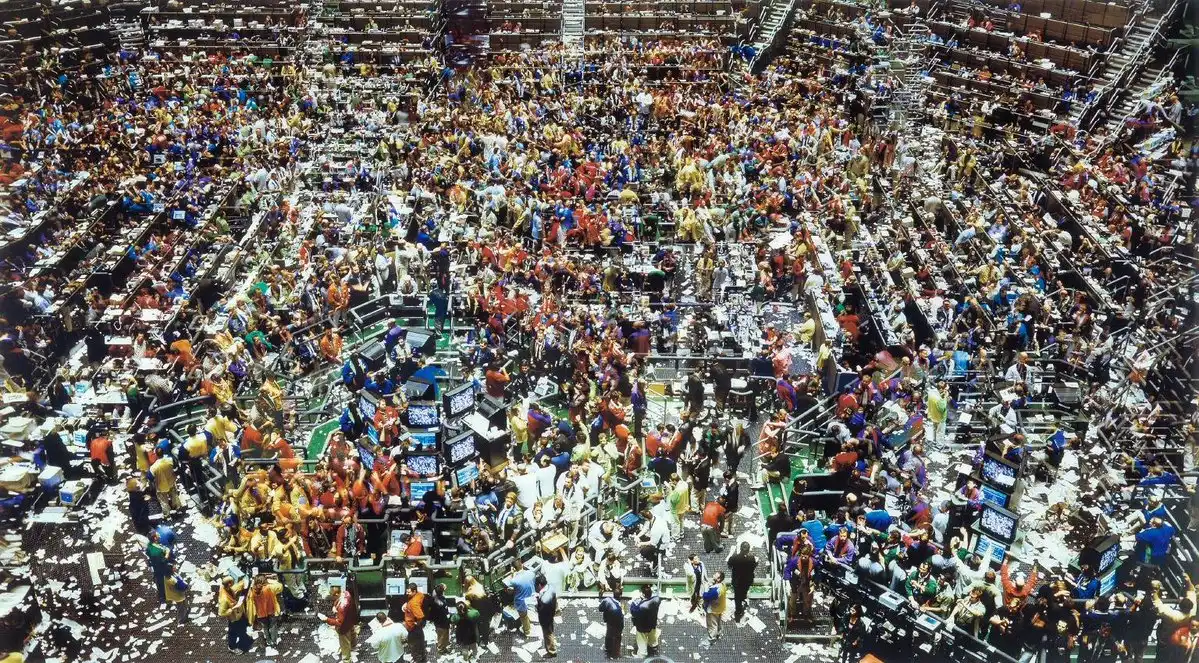
Towards a Billion Traders

In 2020, Variant proposed the vision of the "Ownership Economy" at its inception, aiming to make a billion users become owners: owning their identity, funds, data, and the products and services they use daily. Today, user ownership has been realized in some important but vertical software areas, primarily focused on financial attributes: such as store-of-value assets (BTC/ETH), decentralized blockchains, and financial markets (Solana, Uniswap, Morpho, Hyperliquid)—we are fortunate to be investors in these projects.

In hindsight, the 2020 thesis was correct: people want economic upside in things they understand and care about. But I originally thought this would extend to all products users engage with daily, similar to employee stock options; however, the opportunity turned out to be making a "stake" in anything you have conviction in.

Today, "trading" has become a broader, non-skeuomorphic way for users to participate in economic upside (and downside). It turns out that trading provides more immediate and expressive feedback compared to owning digital identity, money, data, or platforms.

Trading is often the gateway to participating in broader markets. Many of the talented people I've met in crypto follow a similar growth trajectory:

  • Learning a lesson on a volatile altcoin;

  • Learning to manage risk like a trader;

  • Eventually becoming a more mature long-term investor.

Even failed experiences are meaningful: a gambler who loses everything becomes a trader if they decide to only bet on what they understand; a trader becomes an investor if they develop conviction and extend their time horizon.

We can view this continuum of risk-taking through the lens of Maslow's hierarchy of needs:

  • Gambling and trading satisfy lower-level needs: security (escaping economic hardship by making a big win), or a sense of belonging (like WallStreetBets trying to fight Citadel, or you and your friends betting on a team).

  • Investing is closer to self-actualization and purpose at the top. Owning a home is the American Dream; investing in a company is expressing belief in its future. But it's hard to achieve this conviction if your attention is still focused on lower-level needs.

PANews Note: WallStreetBets (WSB) is a famous subreddit known as a hub for retail investors famous for high-risk, aggressive investing, and meme stock trading. It is renowned for encouraging the use of leveraged options trading and pursuing short-term, high returns, gaining global financial notoriety in 2021 for orchestrating the GameStop (GME) short squeeze. Citadel is a top-tier hedge fund and financial services company, known for its rigorous risk control and high returns, and is one of the most influential financial giants on Wall Street.
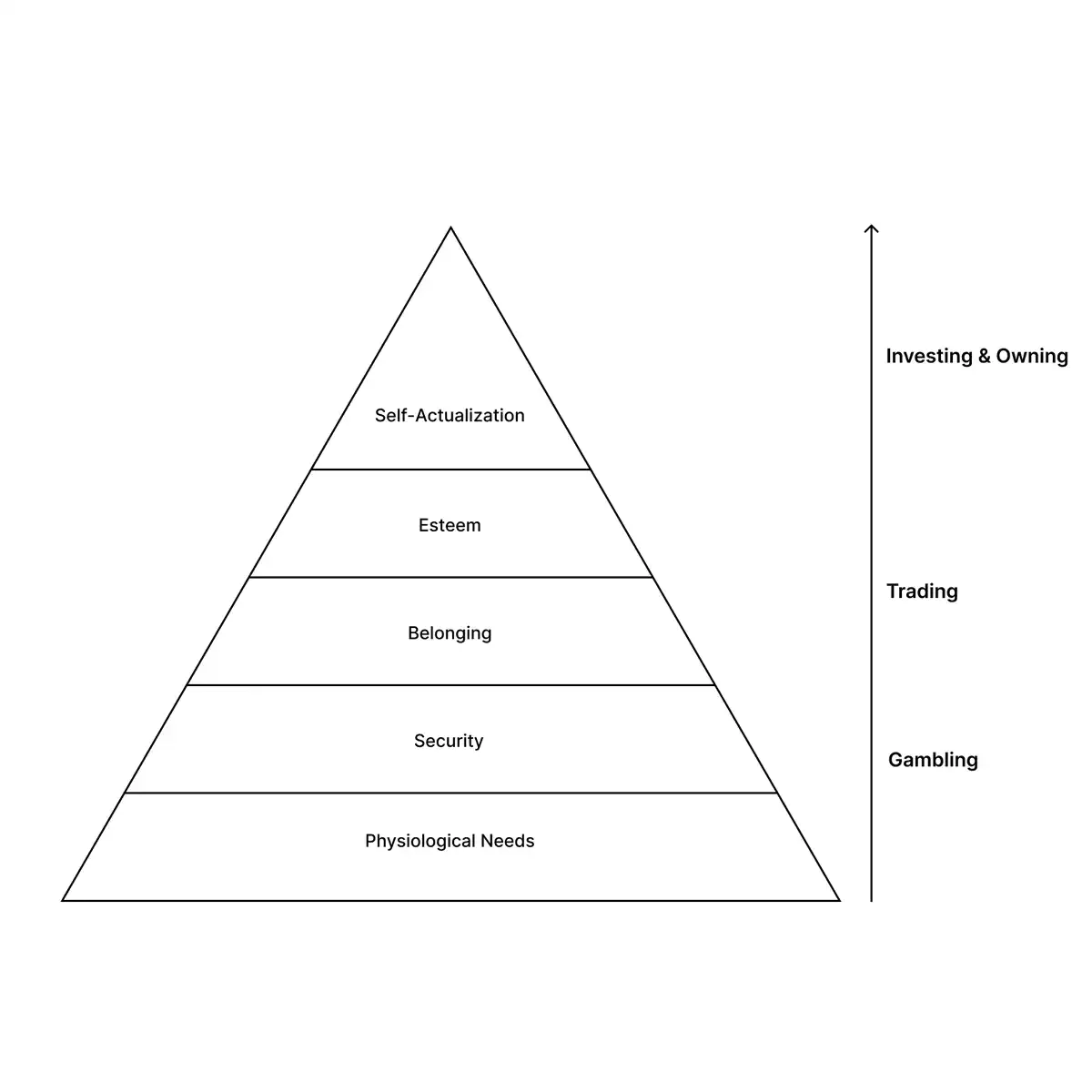
Due to short timeframes and high volatility, trading can satisfy more urgent needs for more people. And, because permissionless markets can exist for almost anything—from derivatives to memes to political outcomes—the channels for people to access economic gains have never been broader.

In many of these markets, life experience can (at least briefly) become an advantage. A kid who understands TikTok trends understands memes better than Citadel; a player living in a virtual economy understands the game better than a game analyst.

The old adage "invest in what you know" is becoming increasingly feasible today. The result is that market participation is no longer a professional career but a mass-participation culture with its own status games, memes, heroes, villains, subcultures, and language. Due to this newfound expressiveness and accessibility, financial markets are increasingly intertwining with culture. And culture—from trends to political events—is increasingly expressed through markets.

(Image: Balenciaga S2023 fashion show at the New York Stock Exchange)

We are witnessing exponential expansion of global economic access through stablecoins; at the other end of the spectrum, financial risk-taking through trading and markets is also expanding, moving towards a scale of a billion daily active traders.

Markets as Agents of Change

In the 1960s, the average holding period for stocks was over 8 years. By 2020, this average had fallen to less than a year. This is the world we live in today: a mass-participation market where trading has become the main artery for people trying to capture economic gains.

This world hasn't entirely emerged within the boundaries of the traditional financial system. New markets have been built primarily outside, often intentionally and out of necessity. Leveraging new technology and free markets to pressure regulators and institutions is one of the most reliable patterns for the adaptation and evolution of traditional systems.

As I wrote in the original thesis:

"The history of protocol adoption follows a pattern: first, early adopters use the new protocol to do things that were impossible before the new technology enabled them. This new behavior often involves breaking the rules. Then, the winning strategy for founders is to build products that make these new patterns accessible to a broader audience."

A classic example is BitTorrent, invented in 2003. It enabled streaming, and at its peak, piracy via this protocol accounted for a third of total internet traffic. Later, Spotify productized streaming by striking compliant deals (and actually used BitTorrent technology underneath initially).

Cryptocurrency is doing to value what BitTorrent did to information: remaking it permissionlessly.

  • Prediction Markets: Polymarket operated for years on offshore crypto rails when prediction markets were banned in the US. Today, thanks to new regulatory clarity, they have a mobile app in the US (though not on-chain).

  • Stablecoins: Similarly survived in a regulatory gray area, initially bootstrapping liquidity on offshore exchanges. Last year, the GENIUS bill brought them inside the system.

  • ICOs & Fundraising: In 2017, ICOs enabled permissionless crowdfunding when early-stage venture investment was restricted. A hostile SEC subsequently cracked down, but this highlighted a problem: the returns from technological innovation and growth were captured privately, with diminishing opportunities for public participation in the upside. But this year, Congress is working on market structure legislation in the CLARITY Act, explicitly allowing founders to raise funds broadly via public token sales and share ownership.

Permissionless markets constantly try to "break the rules," allowing people to access the economic gains of private companies (wouldn't you want to own a piece of Claude or ChatGPT?). Robinhood recently tried to launch tokenized exposure to private companies like OpenAI and SpaceX on crypto rails in Europe and applied to the SEC to bring private market funds to US retail investors. Startups are trying to offer synthetic exposure to private companies through novel products.

This could be a path back to the original "Ownership Economy" thesis, where users actually get economic exposure to the products and services they use daily. But as we've seen with other markets, forcing regulatory change takes time and often relies on scaled and proven market demand.

More directly, I expect we will see many new, net-add markets take off, which raises the question: what is the full design space of these new markets? How are they different from previous ones? And who, or what, is trading and consuming them?

Markets as APIs

What makes this moment different from previous waves of financial innovation is the simultaneous expansion of two representations in software:

  • Cryptocurrency (Crypto): Provides the most powerful rails for new markets—permissionless creation, programmable settlement, composable liquidity, and global access, with costs rapidly approaching zero. Now, we can tokenize and trade things that were previously illiquid, inaccessible, or simply didn't exist.

  • Artificial Intelligence (AI): Makes it possible to build, model, and automate things that were previously unmanageable.

Crypto + AI creates a combinatorial design space: every price generated by a market is a signal an AI can act on, and every new thing an AI can model is an object a market can use to price.

Arguably, intelligence is the ability to predict or make informed decisions. Markets and crypto provide the best "prediction" mechanisms we know. AI can use these prices to understand and simulate the future and make decisions.

This design space is why markets are evolving from "outputs" to "infrastructure." The last decade, crypto built the underlying infrastructure enabling an explosion of new markets. The next decade, markets will increasingly become infrastructure themselves; endpoints consumed as inputs by applications and agents.
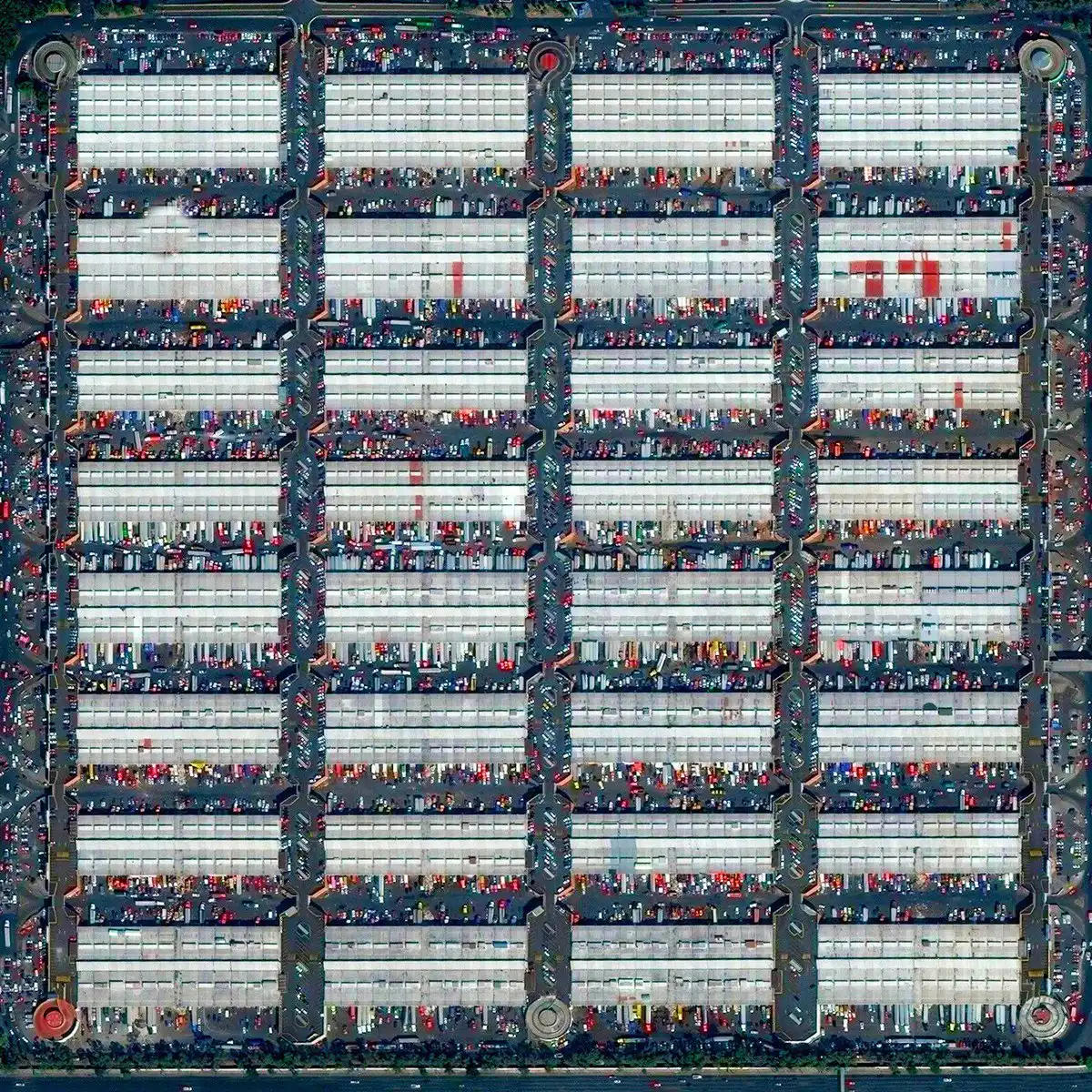
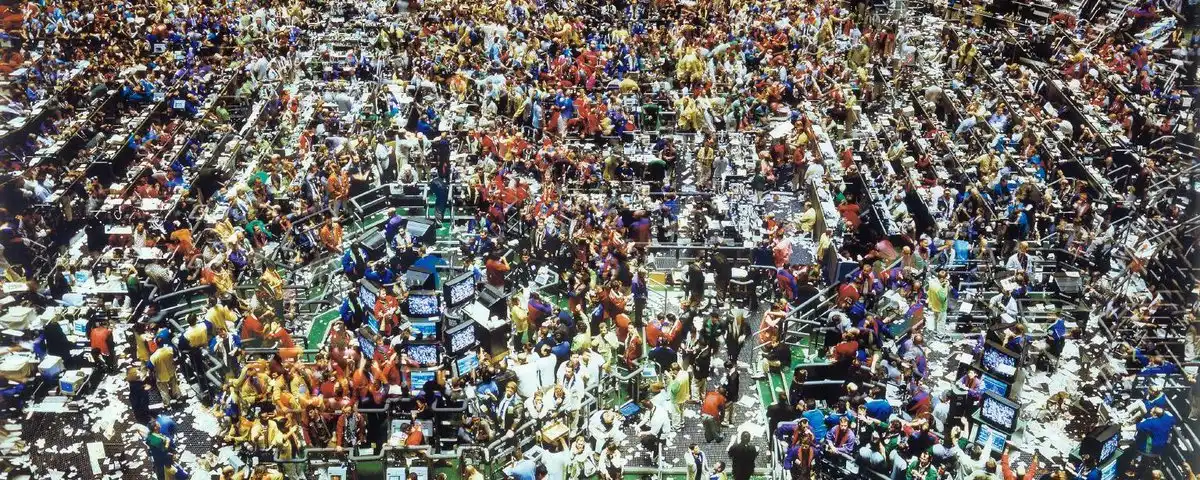
(Image: Central de Abasto food wholesale market in Mexico City)

Traditional APIs return stored data. As APIs, markets generate real-time data through adversarial competition between participants willing to risk capital on their convictions. This makes markets more expressive than ordinary APIs; they don't just provide information, they generate it. And because the information generated by markets is costly to produce, it is also harder to fake.

On-chain markets are even superior to traditional APIs because, by default, they are permissionless and composable (anyone can call them), globalized, and use standardized interfaces.

Composing markets directly into products has already begun in finance, known as the "DeFi Mullet": fintech products with familiar front-end experiences built on DeFi back-end rails, like Morpho vaults. Coinbase's borrow and earn products offer users dynamic interest rates, which are paid or earned by querying Morpho's on-chain lending markets. Users enjoy these features without needing to understand the underlying lending market dynamics.

Beyond financial services, Polymarket's odds for the Golden Globes are a recent intuitive example of this phenomenon. The API provides real-time prices, composed into entertainment products (the market accurately predicted 26 out of 27 winners).

As we tokenize more of the world's value and bring new markets on-chain, this pattern will expand beyond fintech wrappers or live event odds. Although not currently on-chain, Apple's "Clean Energy Charging" is an illustrative mainstream example. In the US, when you plug in your phone to charge, Apple uses real-time predictions of grid carbon intensity to schedule charging times for maximum energy and cost efficiency. You never see the underlying energy market, but Apple's product is calling an endpoint for market data, using its signal as an input to make decisions and optimize the product.

MetaDAO, a crowdfunding platform powered by prediction markets, takes this idea further. When faced with a governance decision, it creates two conditional markets: one assuming the token price if the proposal passes, another if it fails. Whichever market price is higher determines the outcome: the proposal automatically takes effect or is rejected. The DAO no longer decides by voting but calls upon markets to make decisions, with participants betting real money on the future outcome they believe is better. Here, the underlying market is not just an input to the decision but the decision mechanism itself.

If you assume all finance and markets are becoming programmable while AI is becoming more powerful, then holding an expansive view of finance's endgame is reasonable and exciting. Price signals, prediction market outcomes, on-chain capital flows, etc., will become inputs that any application or agent can read, interpret, and act upon. If an agent can earn a penny more than its inference cost by creating or participating in a market, it becomes rational to do so.

When we factor in the consumption and market participation of AI agents, "a billion active traders" might be a severe underestimate of the scale of the future.

The Endgame of Finance

Finance is undergoing a transformation from a unique vertical industry into a horizontal foundational layer.

As markets become more expressive and accessible, finance is embedding itself into culture, and culture itself is increasingly expressed through finance. Simultaneously, as markets become permissionless software, they accelerate their role as agents of change, opening new opportunities for users seeking economic upside (and downside) in things they understand and love. And users will also want their AI agents to participate in markets to improve their lives.

As markets become more programmable, finance is becoming increasingly ubiquitous as a new building block of information infrastructure. The most successful infrastructure is often invisible, and finance is on a path to being woven into the fabric of everything.

This is why I'm willing to hold an extremely grand, expansive perspective on the endgame of "finance."


Пов'язані питання

QWhat are the three fundamental drivers behind the expansion of finance's meaning according to Jesse Walden?

AThe three fundamental drivers are: 1) Mass participation, as lower market access barriers intertwine finance with culture; 2) Permissionless markets, which act as change agents allowing global users to exhibit new behaviors; 3) Programmable endpoints, where financial markets evolve from discrete venues into APIs embedded with economic data.

QHow does the author describe the evolution of a participant's journey in the crypto space?

AThe author describes a common trajectory: starting with a lesson from a volatile altcoin, learning to manage risk like a trader, and eventually maturing into a long-term investor. Even failed experiences are meaningful, transforming a gambler into a trader who bets on what they know, and then into an investor with conviction and a longer time horizon.

QWhat role do permissionless markets play in driving regulatory and institutional change?

APermissionless markets, often built outside traditional financial systems, act as change agents by allowing new behaviors that 'break the rules.' This forces regulators and traditional institutions to adapt and evolve. Examples include prediction markets (Polymarket), stablecoins, and ICOs, which eventually lead to new legislation and regulatory clarity after demonstrating proven market demand.

QHow does the combination of Crypto and AI create a new design space for markets?

ACrypto provides the infrastructure for permissionless, programmable, and globally accessible markets, while AI enables the modeling and automation of previously unmanageable things. This combination creates a design space where every price generated by a market becomes actionable data for AI, and every new thing AI can model becomes an object that markets can price. Markets evolve from outputs to infrastructure, serving as APIs that applications and AI agents can consume.

QWhat is the ultimate vision for the future of finance as presented in the article?

AThe ultimate vision is that finance is transitioning from a distinct vertical industry into a horizontal infrastructure layer that becomes 'invisible.' It is increasingly embedded into culture and expressed through it, driven by mass participation and permissionless innovation. As markets become more accessible and programmable, finance will integrate into the fabric of everything, serving as a universal information infrastructure for both humans and AI agents to consume and act upon.

Пов'язані матеріали

What Are the Highlights of Ethereum's Most Important Glamsterdam Upgrade This Year?

Ethereum's upcoming Glamsterdam upgrade, a major mid-year update, focuses on execution-layer improvements, building upon the data-layer enhancements of the previous Fusaka upgrade. The core features include ePBS (enshrined Proposer-Builder Separation) and BAL (Block Access List). ePBS (EIP-7732) formally bakes the separation of block building and validation roles into the protocol, moving away from reliance on third-party relays. This aims to reduce trust assumptions, prevent centralization at the validator level, and improve network efficiency. BAL allows block builders to pre-declare which accounts and storage locations a block's transactions will access, enabling validators to prepare data and verify transactions in parallel, significantly boosting throughput. Additional changes include gas fee re-pricing and multi-dimensional gas, which are expected to lower costs for average users while increasing overall network capacity (though potentially raising costs for some developers). For stakers, the upgrade promises a clearer income model and greater block selection power, smoothing out MEV rewards. However, the full potential of ePBS is dependent on a future upgrade (Hegotá) to implement FOCIL (Fork Choice-Enforced Inclusion Lists), which would give validators a final tool to combat transaction censorship. Potential challenges include the upgrade's high complexity, the risk of new forms of validator centralization, and the fact that toxic MEV (e.g., front-running) may persist, merely shifting elsewhere. Ultimately, Glamsterdam represents a significant step in Ethereum's commitment to decentralization, potentially increasing its trust and adoption.

marsbit39 хв тому

What Are the Highlights of Ethereum's Most Important Glamsterdam Upgrade This Year?

marsbit39 хв тому

Ripple's 'Backdoor' Access to the Heart of Wall Street: Is XRP's Spring Coming?

Ripple, through its institutional platform Ripple Prime (formerly Hidden Road), has been added to the participant list of the National Securities Clearing Corporation (NSCC), a subsidiary of the Depository Trust & Clearing Corporation (DTCC). This grants Ripple direct access to the core clearing and settlement infrastructure of Wall Street, marking a significant step toward mainstream financial integration. The move allows Ripple Prime to clear over-the-counter (OTC) trades for institutional clients through the NSCC’s central counterparty system, reducing counterparty risk and improving efficiency. Ripple acquired Hidden Road in 2025, gaining an established pipeline serving over 300 institutional clients with approximately $3 trillion in annual trading volume. The development has sparked speculation within the XRP community about the potential use of the XRP Ledger (XRPL) for settling institutional transactions. If even a fraction of the cleared assets were settled on XRPL, it could significantly increase network activity and demand for XRP, building on Ripple’s existing On-Demand Liquidity (ODL) solution. However, challenges remain, including regulatory hurdles, the need to build trust among traditional financial institutions, and competition from other blockchain projects. While this infrastructure upgrade may not cause immediate price movements, it positions XRP as a potential settlement layer for institutional assets, shifting its value proposition from a payment token to a foundational component in the convergence of crypto and traditional finance.

marsbit41 хв тому

Ripple's 'Backdoor' Access to the Heart of Wall Street: Is XRP's Spring Coming?

marsbit41 хв тому

Торгівля

Спот
Ф'ючерси

Популярні статті

Що таке $S$

Розуміння SPERO: Комплексний огляд Вступ до SPERO Оскільки ландшафт інновацій продовжує еволюціонувати, виникнення технологій web3 та криптовалютних проектів відіграє ключову роль у формуванні цифрового майбутнього. Один з проектів, який привернув увагу в цій динамічній сфері, — це SPERO, позначений як SPERO,$$s$. Ця стаття має на меті зібрати та представити детальну інформацію про SPERO, щоб допомогти ентузіастам та інвесторам зрозуміти його основи, цілі та інновації в рамках web3 та крипто-сектору. Що таке SPERO,$$s$? SPERO,$$s$ — це унікальний проект у криптопросторі, який прагне використати принципи децентралізації та технології блокчейн для створення екосистеми, що сприяє залученню, корисності та фінансовій інклюзії. Проект розроблений для полегшення взаємодії між користувачами новими способами, надаючи їм інноваційні фінансові рішення та послуги. У своїй основі SPERO,$$s$ прагне надати можливості індивідам, забезпечуючи інструменти та платформи, які покращують користувацький досвід у криптовалютному просторі. Це включає в себе можливість більш гнучких методів транзакцій, сприяння ініціативам, що підтримуються спільнотою, та створення шляхів для фінансових можливостей через децентралізовані додатки (dApps). Основна концепція SPERO,$$s$ обертається навколо інклюзивності, прагнучи зменшити розриви в традиційній фінансовій системі, використовуючи переваги технології блокчейн. Хто є творцем SPERO,$$s$? Особистість творця SPERO,$$s$ залишається дещо невідомою, оскільки є обмежені публічно доступні ресурси, що надають детальну інформацію про його засновників. Ця відсутність прозорості може бути наслідком зобов'язання проекту до децентралізації — етики, яку багато проектів web3 поділяють, ставлячи колективні внески вище за індивідуальне визнання. Зосереджуючи обговорення навколо спільноти та її колективних цілей, SPERO,$$s$ втілює суть наділення без виділення конкретних осіб. Таким чином, розуміння етики та місії SPERO є більш важливим, ніж ідентифікація єдиного творця. Хто є інвесторами SPERO,$$s$? SPERO,$$s$ підтримується різноманітними інвесторами, починаючи від венчурних капіталістів до ангельських інвесторів, які прагнуть сприяти інноваціям у крипто-секторі. Зосередження цих інвесторів зазвичай узгоджується з місією SPERO — пріоритет надається проектам, які обіцяють технологічний прогрес у суспільстві, фінансову інклюзію та децентралізоване управління. Ці інвесторські фонди зазвичай зацікавлені в проектах, які не лише пропонують інноваційні продукти, але й позитивно впливають на спільноту блокчейн та її екосистеми. Підтримка з боку цих інвесторів підкріплює SPERO,$$s$ як значного конкурента в швидко змінюваній сфері крипто-проектів. Як працює SPERO,$$s$? SPERO,$$s$ використовує багатогранну структуру, яка відрізняє його від традиційних криптовалютних проектів. Ось деякі ключові особливості, які підкреслюють його унікальність та інноваційність: Децентралізоване управління: SPERO,$$s$ інтегрує моделі децентралізованого управління, надаючи користувачам можливість активно брати участь у процесах прийняття рішень щодо майбутнього проекту. Цей підхід сприяє відчуттю власності та відповідальності серед членів спільноти. Корисність токена: SPERO,$$s$ використовує свій власний криптовалютний токен, розроблений для виконання різних функцій в екосистемі. Ці токени дозволяють здійснювати транзакції, отримувати винагороди та полегшувати послуги, що пропонуються на платформі, підвищуючи загальну залученість та корисність. Шарова архітектура: Технічна архітектура SPERO,$$s$ підтримує модульність та масштабованість, що дозволяє безперешкодно інтегрувати додаткові функції та додатки в міру розвитку проекту. Ця адаптивність є надзвичайно важливою для збереження актуальності в постійно змінюваному крипто-ландшафті. Залучення спільноти: Проект підкреслює ініціативи, що підтримуються спільнотою, використовуючи механізми, які стимулюють співпрацю та зворотний зв'язок. Підтримуючи сильну спільноту, SPERO,$$s$ може краще задовольняти потреби користувачів та адаптуватися до ринкових тенденцій. Фокус на інклюзію: Пропонуючи низькі комісії за транзакції та зручні інтерфейси, SPERO,$$s$ прагне залучити різноманітну базу користувачів, включаючи осіб, які раніше не брали участі в крипто-просторі. Це зобов'язання до інклюзії узгоджується з його загальною місією наділення через доступність. Хронологія SPERO,$$s$ Розуміння історії проекту надає важливі уявлення про його розвиток та етапи. Нижче наведено пропоновану хронологію, що відображає значні події в еволюції SPERO,$$s$: Етап концептуалізації та ідеації: Початкові ідеї, що стали основою SPERO,$$s$, були сформовані, тісно пов'язані з принципами децентралізації та фокусом на спільноті в індустрії блокчейн. Запуск білого паперу проекту: Після концептуального етапу був випущений комплексний білий папір, що детально описує бачення, цілі та технологічну інфраструктуру SPERO,$$s$, щоб залучити інтерес та зворотний зв'язок від спільноти. Створення спільноти та ранні залучення: Активні зусилля були спрямовані на створення спільноти ранніх прихильників та потенційних інвесторів, що полегшило обговорення цілей проекту та отримання підтримки. Подія генерації токенів: SPERO,$$s$ провів подію генерації токенів (TGE) для розподілу своїх рідних токенів серед ранніх прихильників та встановлення початкової ліквідності в екосистемі. Запуск початкового dApp: Перший децентралізований додаток (dApp), пов'язаний з SPERO,$$s$, став доступним, дозволяючи користувачам взаємодіяти з основними функціями платформи. Постійний розвиток та партнерства: Безперервні оновлення та вдосконалення пропозицій проекту, включаючи стратегічні партнерства з іншими учасниками блокчейн-простору, сформували SPERO,$$s$ у конкурентоспроможного та еволюціонуючого гравця на крипто-ринку. Висновок SPERO,$$s$ є свідченням потенціалу web3 та криптовалют для революціонізації фінансових систем та наділення індивідів. Завдяки зобов'язанню до децентралізованого управління, залучення спільноти та інноваційно спроектованих функцій, він прокладає шлях до більш інклюзивного фінансового ландшафту. Як і з будь-якими інвестиціями в швидко змінюваному крипто-просторі, потенційним інвесторам та користувачам рекомендується ретельно досліджувати та обдумано взаємодіяти з поточними подіями в SPERO,$$s$. Проект демонструє інноваційний дух крипто-індустрії, запрошуючи до подальшого дослідження його численних можливостей. Хоча подорож SPERO,$$s$ ще триває, його основні принципи можуть справді вплинути на майбутнє того, як ми взаємодіємо з технологією, фінансами та один з одним у взаємопов'язаних цифрових екосистемах.

73 переглядів усьогоОпубліковано 2024.12.17Оновлено 2024.12.17

Що таке $S$

Що таке AGENT S

Агент S: Майбутнє автономної взаємодії в Web3 Вступ У постійно змінюваному ландшафті Web3 та криптовалюти інновації постійно переосмислюють, як люди взаємодіють з цифровими платформами. Один з таких новаторських проектів, Агент S, обіцяє революціонізувати взаємодію людини з комп'ютером через свою відкриту агентну структуру. Прокладаючи шлях для автономних взаємодій, Агент S прагне спростити складні завдання, пропонуючи трансформаційні застосування в штучному інтелекті (ШІ). Це детальне дослідження заглиблюється в складності проекту, його унікальні особливості та наслідки для сфери криптовалюти. Що таке Агент S? Агент S є революційною відкритою агентною структурою, спеціально розробленою для вирішення трьох основних викликів в автоматизації комп'ютерних завдань: Набуття специфічних знань у галузі: Структура інтелектуально навчається з різних зовнішніх джерел знань та внутрішнього досвіду. Цей подвійний підхід дозволяє їй створити багатий репозиторій специфічних знань у галузі, покращуючи її продуктивність у виконанні завдань. Планування на довгих горизонтах завдань: Агент S використовує планування з підкріпленням досвіду, стратегічний підхід, який полегшує ефективний розподіл та виконання складних завдань. Ця функція значно підвищує її здатність ефективно та результативно управляти кількома підзавданнями. Обробка динамічних, неоднорідних інтерфейсів: Проект представляє Інтерфейс Агент-Комп'ютер (ACI), інноваційне рішення, яке покращує взаємодію між агентами та користувачами. Використовуючи багатомодальні великі мовні моделі (MLLMs), Агент S може безперешкодно орієнтуватися та маніпулювати різноманітними графічними інтерфейсами користувача. Завдяки цим новаторським функціям Агент S надає надійну структуру, яка вирішує складнощі, пов'язані з автоматизацією людської взаємодії з машинами, прокладаючи шлях для численних застосувань у ШІ та за його межами. Хто є творцем Агент S? Хоча концепція Агент S є фундаментально новаторською, конкретна інформація про його творця залишається невідомою. Творець наразі невідомий, що підкреслює або початкову стадію проекту, або стратегічний вибір зберегти засновників у таємниці. Незважаючи на анонімність, акцент залишається на можливостях та потенціалі структури. Хто є інвесторами Агент S? Оскільки Агент S є відносно новим у криптографічній екосистемі, детальна інформація про його інвесторів та фінансових спонсорів не задокументована. Відсутність публічно доступних відомостей про інвестиційні фонди або організації, що підтримують проект, викликає питання щодо його фінансової структури та дорожньої карти розвитку. Розуміння підтримки є критично важливим для оцінки стійкості проекту та потенційного впливу на ринок. Як працює Агент S? В основі Агент S лежить передова технологія, яка дозволяє йому ефективно функціонувати в різних умовах. Його операційна модель побудована навколо кількох ключових функцій: Взаємодія з комп'ютером, подібна до людської: Структура пропонує розширене планування ШІ, прагнучи зробити взаємодії з комп'ютерами більш інтуїтивними. Імітуючи людську поведінку при виконанні завдань, вона обіцяє підвищити досвід користувачів. Наративна пам'ять: Використовується для використання високорівневого досвіду, Агент S використовує наративну пам'ять для відстеження історій завдань, тим самим покращуючи свої процеси прийняття рішень. Епізодична пам'ять: Ця функція надає користувачам покрокові інструкції, дозволяючи структурі пропонувати контекстуальну підтримку в міру виконання завдань. Підтримка OpenACI: Завдяки можливості працювати локально, Агент S дозволяє користувачам зберігати контроль над своїми взаємодіями та робочими процесами, узгоджуючи з децентралізованою етикою Web3. Легка інтеграція з зовнішніми API: Його універсальність і сумісність з різними платформами ШІ забезпечують те, що Агент S може безперешкодно вписатися в існуючі технологічні екосистеми, роблячи його привабливим вибором для розробників та організацій. Ці функціональні можливості колективно сприяють унікальному положенню Агент S у крипто-просторі, оскільки він автоматизує складні, багатоступеневі завдання з мінімальним втручанням людини. У міру розвитку проекту його потенційні застосування в Web3 можуть переосмислити, як відбуваються цифрові взаємодії. Хронологія Агент S Розробка та етапи Агент S можуть бути узагальнені в хронології, яка підкреслює його значні події: 27 вересня 2024 року: Концепція Агент S була представлена в комплексній науковій статті під назвою “Відкрита агентна структура, яка використовує комп'ютери як людина”, що демонструє основи проекту. 10 жовтня 2024 року: Наукова стаття була опублікована на arXiv, пропонуючи детальне дослідження структури та її оцінки продуктивності на основі бенчмарку OSWorld. 12 жовтня 2024 року: Було випущено відеопрезентацію, що надає візуальне уявлення про можливості та особливості Агент S, ще більше залучаючи потенційних користувачів та інвесторів. Ці маркери в хронології не лише ілюструють прогрес Агент S, але й вказують на його прихильність до прозорості та залучення громади. Ключові моменти про Агент S У міру розвитку структури Агент S кілька ключових характеристик виділяються, підкреслюючи її новаторський характер та потенціал: Інноваційна структура: Розроблена для забезпечення інтуїтивного використання комп'ютерів, подібного до людської взаємодії, Агент S пропонує новий підхід до автоматизації завдань. Автономна взаємодія: Здатність автономно взаємодіяти з комп'ютерами через GUI означає стрибок до більш інтелектуальних та ефективних обчислювальних рішень. Автоматизація складних завдань: Завдяки своїй надійній методології він може автоматизувати складні, багатоступеневі завдання, роблячи процеси швидшими та менш схильними до помилок. Безперервне вдосконалення: Механізми навчання дозволяють Агенту S покращуватися на основі минулого досвіду, постійно підвищуючи свою продуктивність та ефективність. Універсальність: Його адаптивність до різних операційних середовищ, таких як OSWorld та WindowsAgentArena, забезпечує його здатність служити широкому спектру застосувань. Оскільки Агент S займає своє місце в ландшафті Web3 та криптовалюти, його потенціал покращити можливості взаємодії та автоматизувати процеси означає значний прогрес у технологіях ШІ. Завдяки своїй інноваційній структурі Агент S є прикладом майбутнього цифрових взаємодій, обіцяючи більш безперешкодний та ефективний досвід для користувачів у різних галузях. Висновок Агент S представляє собою сміливий крок вперед у поєднанні ШІ та Web3, з можливістю переосмислити, як ми взаємодіємо з технологією. Хоча проект все ще на ранніх стадіях, можливості для його застосування є величезними та переконливими. Завдяки своїй комплексній структурі, що вирішує критичні виклики, Агент S прагне вивести автономні взаємодії на передній план цифрового досвіду. У міру того, як ми заглиблюємося в сфери криптовалюти та децентралізації, проекти, подібні до Агент S, безсумнівно, відіграватимуть ключову роль у формуванні майбутнього технологій та співпраці людини з комп'ютером.

291 переглядів усьогоОпубліковано 2025.01.14Оновлено 2025.01.14

Що таке AGENT S

Як купити S

Ласкаво просимо до HTX.com! Ми зробили покупку Sonic (S) простою та зручною. Дотримуйтесь нашої покрокової інструкції, щоб розпочати свою криптовалютну подорож.Крок 1: Створіть обліковий запис на HTXВикористовуйте свою електронну пошту або номер телефону, щоб зареєструвати обліковий запис на HTX безплатно. Пройдіть безпроблемну реєстрацію й отримайте доступ до всіх функцій.ЗареєструватисьКрок 2: Перейдіть до розділу Купити крипту і виберіть спосіб оплатиКредитна/дебетова картка: використовуйте вашу картку Visa або Mastercard, щоб миттєво купити Sonic (S).Баланс: використовуйте кошти з балансу вашого рахунку HTX для безперешкодної торгівлі.Треті особи: ми додали популярні способи оплати, такі як Google Pay та Apple Pay, щоб підвищити зручність.P2P: Торгуйте безпосередньо з іншими користувачами на HTX.Позабіржова торгівля (OTC): ми пропонуємо індивідуальні послуги та конкурентні обмінні курси для трейдерів.Крок 3: Зберігайте свої Sonic (S)Після придбання Sonic (S) збережіть його у своєму обліковому записі на HTX. Крім того, ви можете відправити його в інше місце за допомогою блокчейн-переказу або використовувати його для торгівлі іншими криптовалютами.Крок 4: Торгівля Sonic (S)Легко торгуйте Sonic (S) на спотовому ринку HTX. Просто увійдіть до свого облікового запису, виберіть торгову пару, укладайте угоди та спостерігайте за ними в режимі реального часу. Ми пропонуємо зручний досвід як для початківців, так і для досвідчених трейдерів.

699 переглядів усьогоОпубліковано 2025.01.15Оновлено 2025.03.21

Як купити S

Обговорення

Ласкаво просимо до спільноти HTX. Тут ви можете бути в курсі останніх подій розвитку платформи та отримати доступ до професійної ринкової інформації. Нижче представлені думки користувачів щодо ціни S (S).

活动图片