Pyth 迈向第二阶段:通过链下数据实现机构级商业化

深潮Pubblicato 2025-09-02Pubblicato ultima volta 2025-09-03

Pyth Network 正从 DeFi 数据基础设施进入第二阶段发展,通过推出机构级订阅服务,旨在重构 500 亿美元市场数据行业,成为金融数据的"真实来源"

自 2021 年成立以来,Pyth 一直在重新定义金融市场数据的基础设施与分发方式。其目标始终是成为金融数据的“真实来源”(source of truth)。如今,Pyth 正迈入其第二阶段:拟推出面向机构的产品、扩展代币使用场景,并与传统金融(TradFi)进行更深层整合。

Pyth 的设计初衷,是要把“一切事物的价格”带到“所有地方”——这个概念看似简单,却在历史上始终难以真正实现。互联网已经民主化了内容获取:CD 被流媒体取代,地方媒体被全球应用取代;但在金融数据基础设施领域,这种范式转变仍未真正发生。

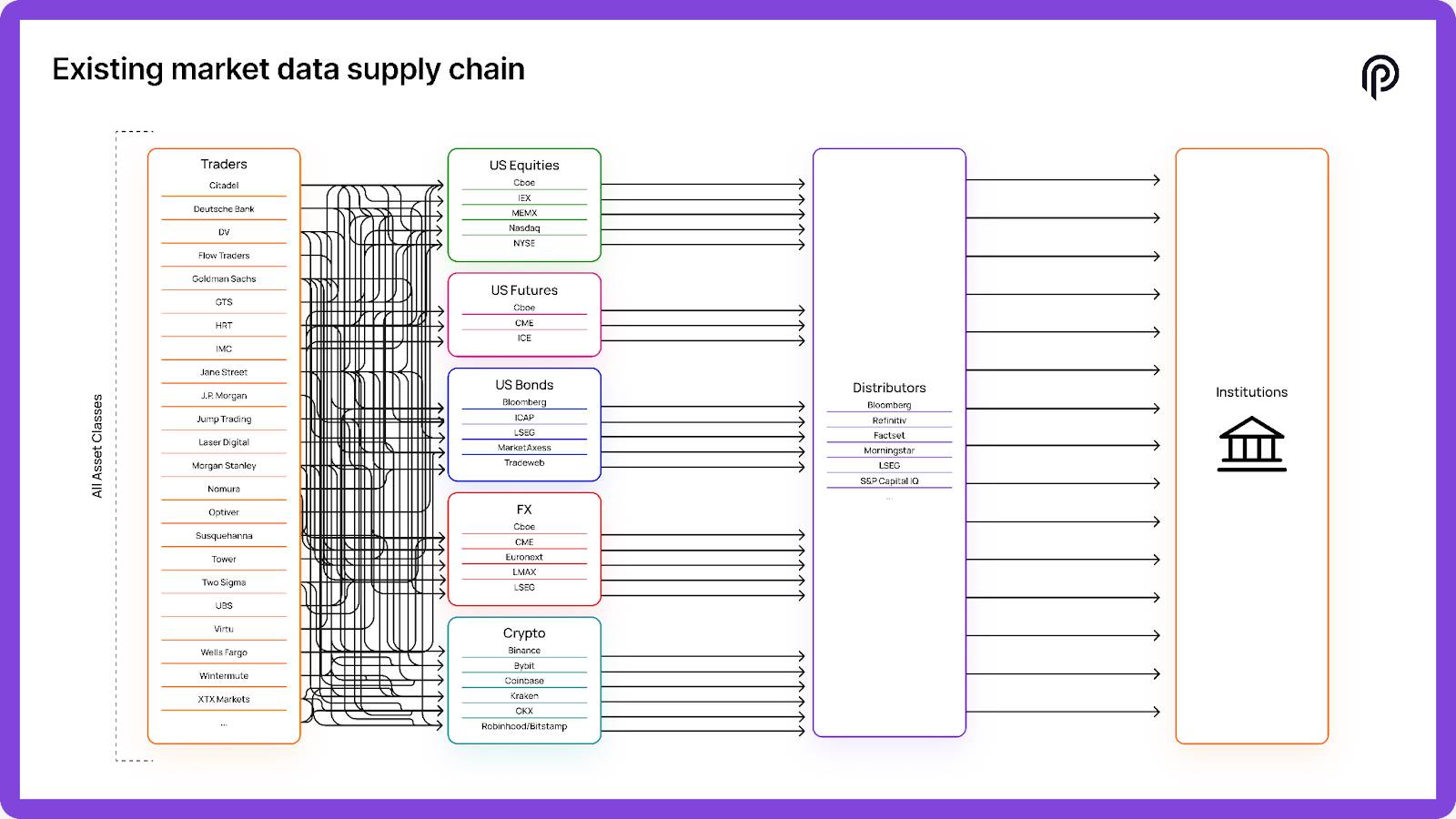
当下的机构仍受制于遗留系统,不得不向 Bloomberg、Refinitiv 等中介每年支付数十亿美元费用。而这些聚合商又从各类交易所获取数据——这些交易所本身在地理、资产类别与交易场所层面呈现孤岛式结构,数据割裂。结果就是:即便其他领域已广泛数字化,市场数据生态仍然是守旧且碎片化的模式。
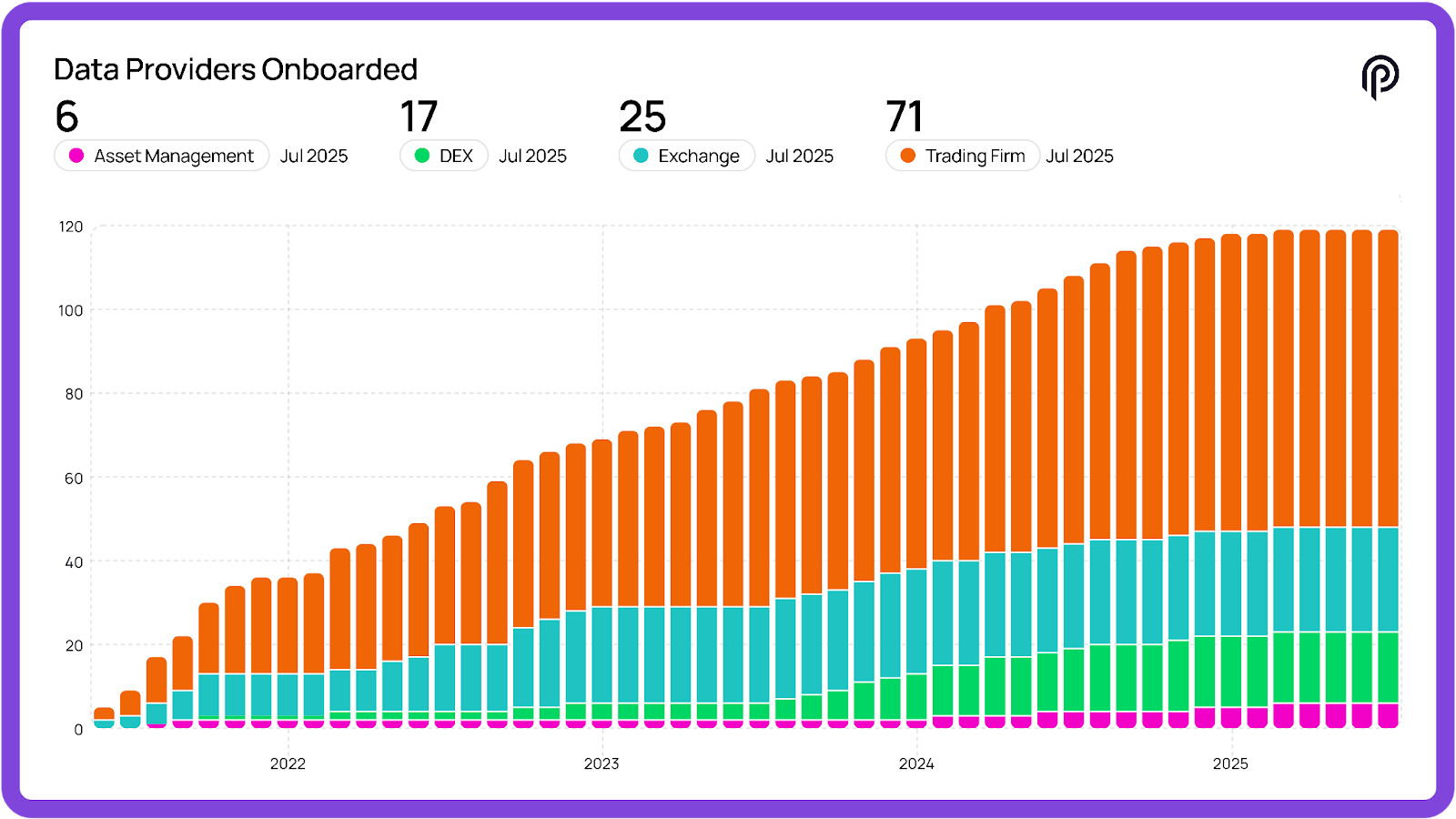
Pyth 之所以采用区块链技术去构建“真实来源”,是因为既有系统无法在无许可环境中提供可信数据。Pyth 最初只是在一组交易公司与交易所之间做数据聚合,如今已发展为数以百计的机构,把其专有市场数据发布到同一个网络上。累计成交量已超 1.6 万亿美元,在 DeFi 衍生品领域拥有 60%+ 的市场份额,完成 600+ 集成,并与美国商务部建立合作。Pyth 的分发覆盖度已将其置于最具影响力的协议之列。

更重要的是:Pyth 已成为全球最强健、且最具价值的机构级市场数据储备库。

第一阶段(Phase 1)在 DeFi 生态中验证了产品与市场适配性,并通过创建全新的市场数据经济模型,为第二阶段奠定基石。提案中的下一阶段聚焦:扩大 DAO 收入、拓展相邻市场、提升整个 Pyth 网络的价值累积。

其价值主张最直观的证明是什么?——愈来愈多链上与链下应用正在主动寻求付费获取 Pyth 数据,Pyth 正在重塑市场数据供应链。
最关键的是:机构正在主动寻求 Pyth 数据;我们已进入一个新产品开发的最后阶段,该产品可能会重新定义整个金融行业的市场数据形态。

机构每年大约为“所需全部市场数据”花费 500 亿美元。从为数十亿美元交易定价,到驱动交易大厅的行情看板,市场数据是机构金融运转的燃料。但现行模式慢、昂贵、极度碎片化。若 Pyth 仅能获取其中 1%,即意味着每年 5 亿美元的经常性收入(ARR)。但 Pyth 的目标不仅是这 5 亿美元,而是要赢下这片市场,并为整个网络带来可持续价值。

第一阶段:搭建基础设施、主导 DeFi、建立最有价值的数据源

Pyth 的第一章聚焦于一个目标:构建并扩展可验证、可分发机构级数据的链上基础设施。

贡献者团队正稳步实现该使命,数据本身已有说服力。凭借 DeFi 衍生品 60%+ 市场份额与累计 1.6 万亿美元交易量,Pyth 已处于一个最佳位置:随着更多现实世界资产(RWA)被代币化,其将捕获指数级增长与价值累积。我们愿景中的未来:包括来自美国商务部的经济数据在内的一切数据,都通过 Pyth Network 得到验证,并发布至每一条区块链。这部分业务模型会继续繁荣,并持续强化其“链上数据真实来源”的定位。
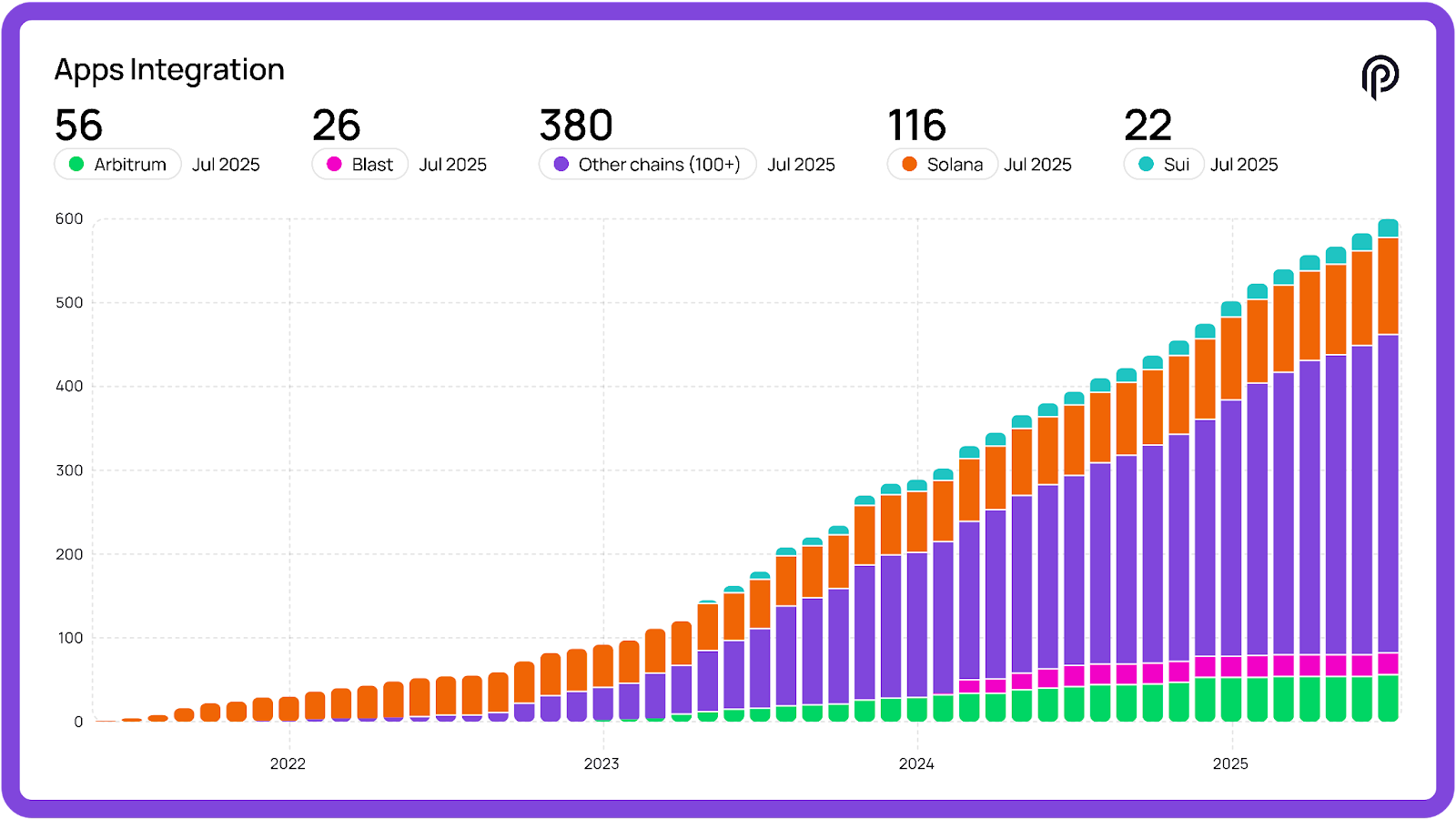
随着时间推进,当数据以带有证明的安全消息(proof-backed secured messages)形式传递给各处智能合约,链上费用将逐步提高。今年早些时候,DAO 已批准在数十条区链上逐步提升验证费用,该过程会伴随更多数据的接入而继续。Pyth 的采用速度将随着以下驱动加速:接入更多区块链、进入新市场、增强信任参数、以及即将到来的“大规模代币化”趋势。我们预期会有更多数据持续上链,而且其中大多数会利用 Pyth 完成验证与分发。

迄今为止,Pyth 已实现如下成就:

  • 集成 600+ 协议,覆盖 100+ 区块链

  • 提供 1,800+ 价格馈送(Price Feeds),其中 900+ 为现实世界资产

  • 成为各大主流区块链生态按交易量计算的第一预言机

Pyth 的差异化优势:

  • 来自全球顶级交易公司与交易所的专有数据:DRW、Jump、Jane Street、Optiver、HRT、SIG、IMC、Virtu、GTS、Flow、Cboe、LMAX、MEMX、MIAX、IEX 等

  • 跨资产全覆盖:加密资产、股票、外汇、大宗商品、利率——统一网络交付

  • 全球化视角:打破地域数据孤岛,统一多地域行情

  • 毫秒级更新:满足高性能交易环境需求

  • 获美国商务部选定,用于链上验证与分发美国经济数据

第一阶段证明:产品已在规模层面有效。现在进入第二阶段:重新定义市场数据经济,成为金融行业跨域的“真实来源”。

第二阶段:释放 500 亿美元市场机遇

Pyth 现在已准备好进入第二阶段,其起点是:让首个“由机构构建、为机构服务”的市场数据网络开始实现货币化。

全球市场数据行业年规模 500 亿美元以上,由少数传统巨头主导,它们:

  • 在过去 3 年内将价格上调 50%+

  • 对同一产品向部分客户收取高达他人 5 倍的费用

  • 以地域与资产类别人为割裂访问路径

  • 对新进入的专业金融服务玩家设置壁垒

过去 25 年市场数据成本的上涨幅度,远远跑赢其他主要资产类别。
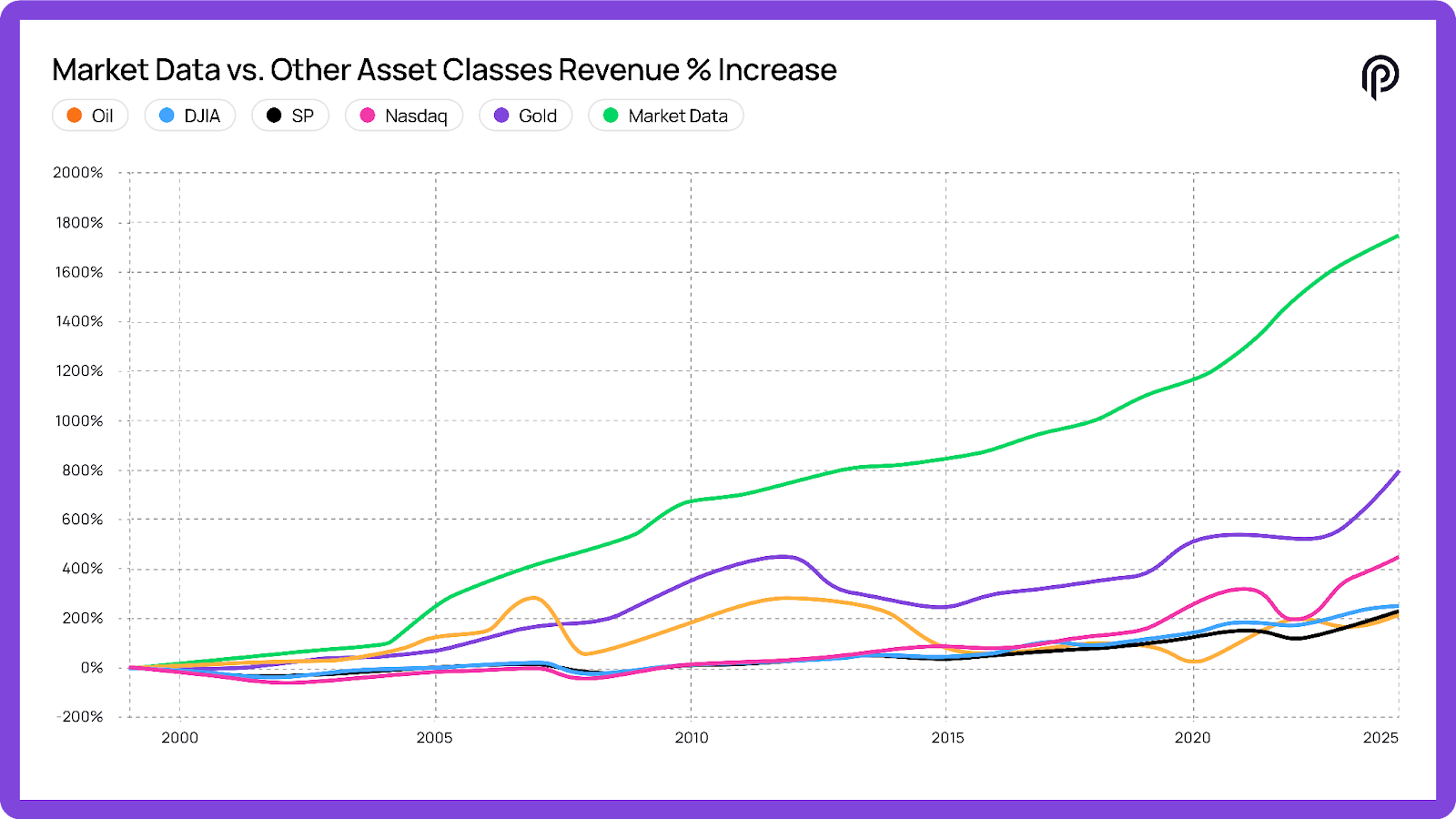
该领域已成熟到“可被重构”的节点;全球范围中负责定价与推动市场运转的公司,正与 Pyth 协作构建解决方案。以下是他们的痛点:

  • 交易所只能看到自身订单簿(市场切片),往往局限在一个地区或一个资产类别

  • 各交易所售卖的专有数据流,忽略了其他场所成交,形成盲区

  • Bloomberg、Refinitiv 等数据巨头将这些不完整数据打补丁拼接,再以昂贵、打包、缺乏灵活性的形式售卖

  • 生成最快、最准价格的交易公司,对其数据所产生的商业价值却无法获益

核心结构性缺陷:

  • 最有价值的价格在“上游”生成(尚未抵达交易所前),但大部分收入却流向更下游的中间商与再分销商
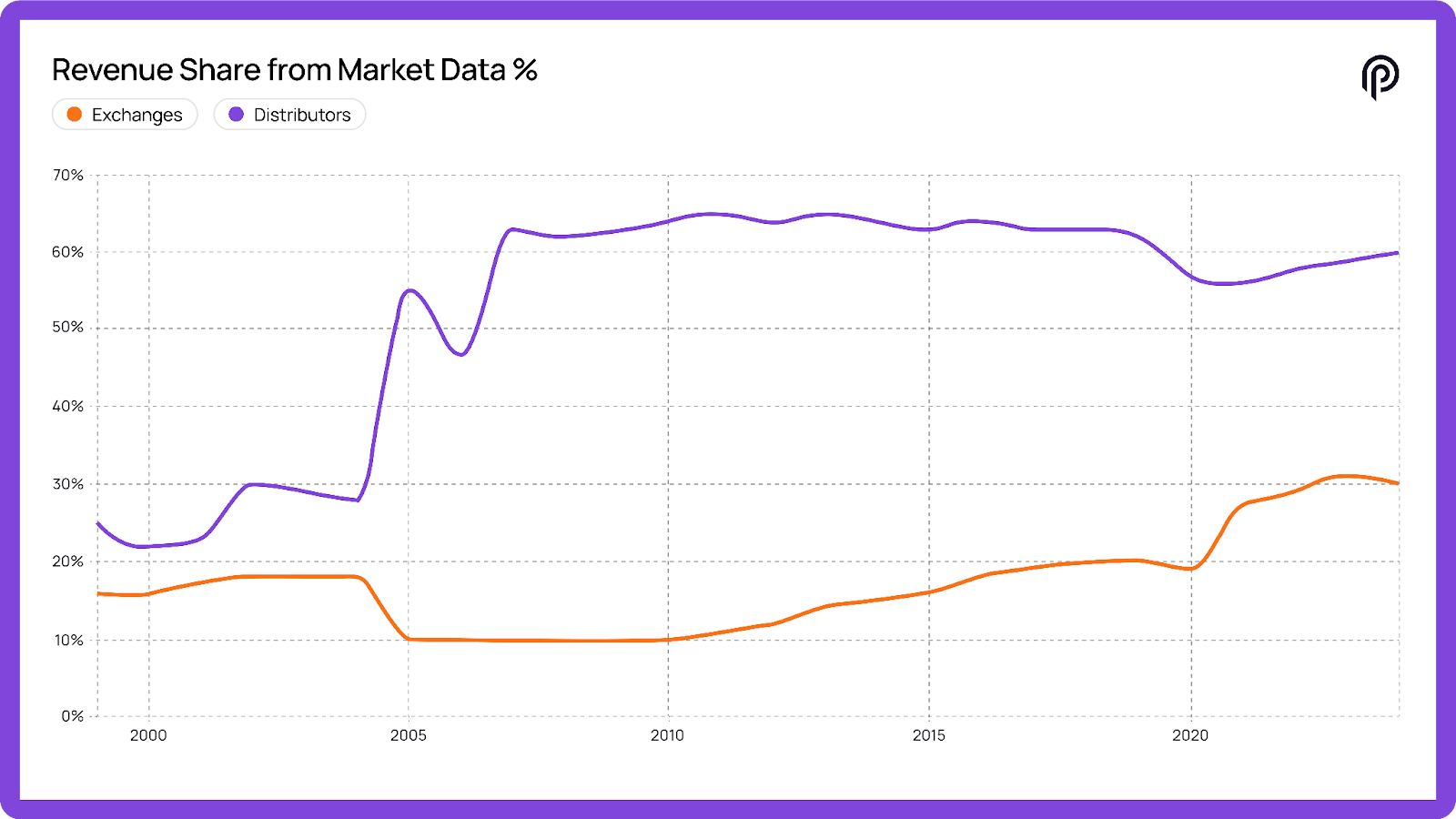
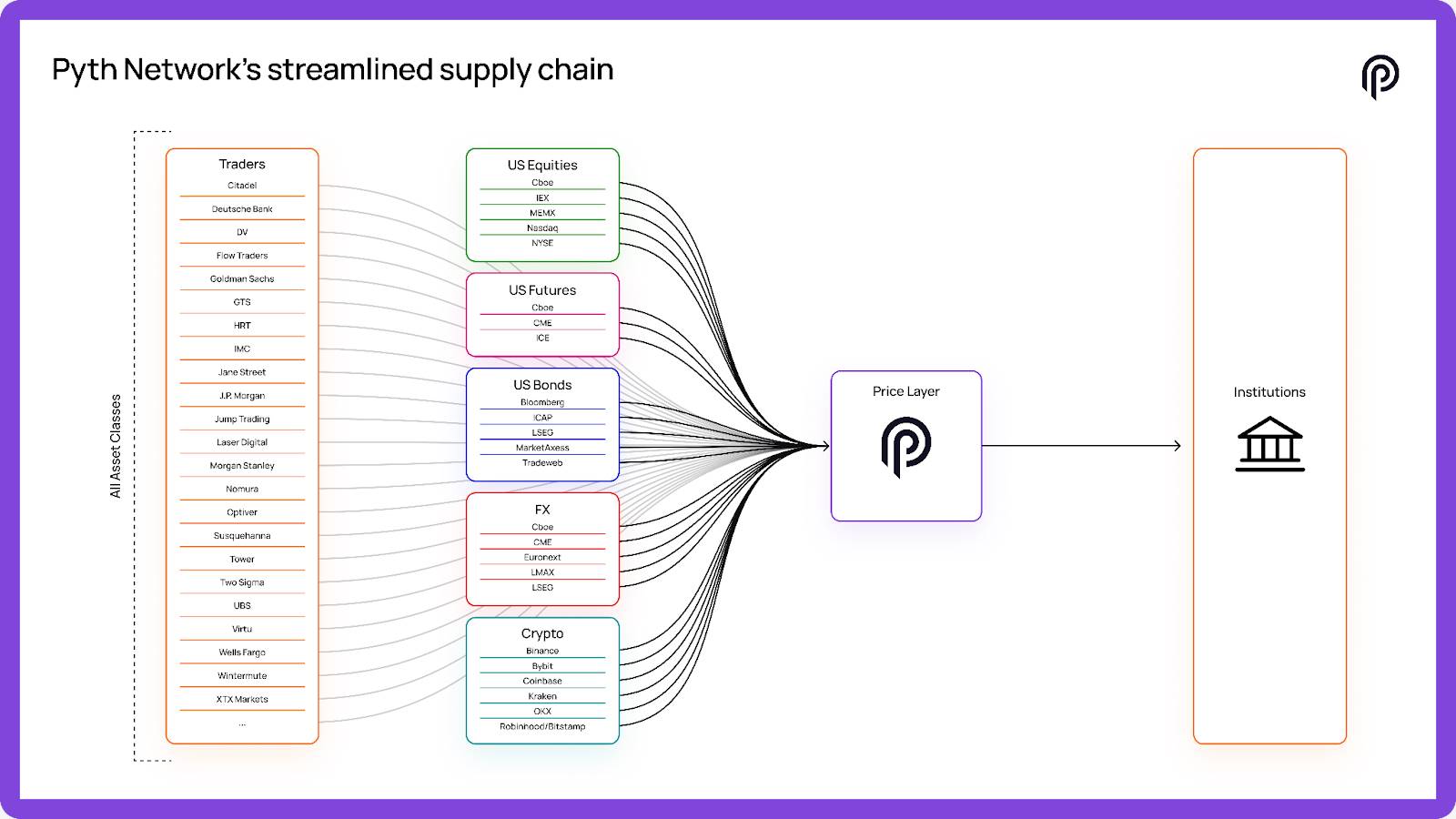
Pyth 的新产品,有潜力简化全球市场数据访问路径,赋能机构使用更具专业化的数据,并重塑市场数据经济结构。

该产品延续 Pyth 直接从“源头”收集机构级数据的创新模式,并在性能、可达性、资产覆盖等维度做增强。此种“上游优先”模式修复了传统市场数据的根本缺陷:在数据被切割、加价、延迟之前即捕获其价值,并将价值回流给数据的真实生产者。

拟议的订阅型产品将把纯市场数据直接输送到链外既有工作流中,适用场景包括:

  • 风险模型与分析

  • 清算与结算系统

  • 政府监管与合规流程

  • 会计与报告工具

  • 行情展示与终端屏幕

  • 历史数据研究

设想一个世界:从全球最大机构到个人交易者,任何人都可通过 Pyth Network 购买全面而定制化的专业市场数据。支付方式可多样:美元、链上稳定币或 PYTH 代币。这种灵活性让潜在订阅用户扩展至数百万量级。

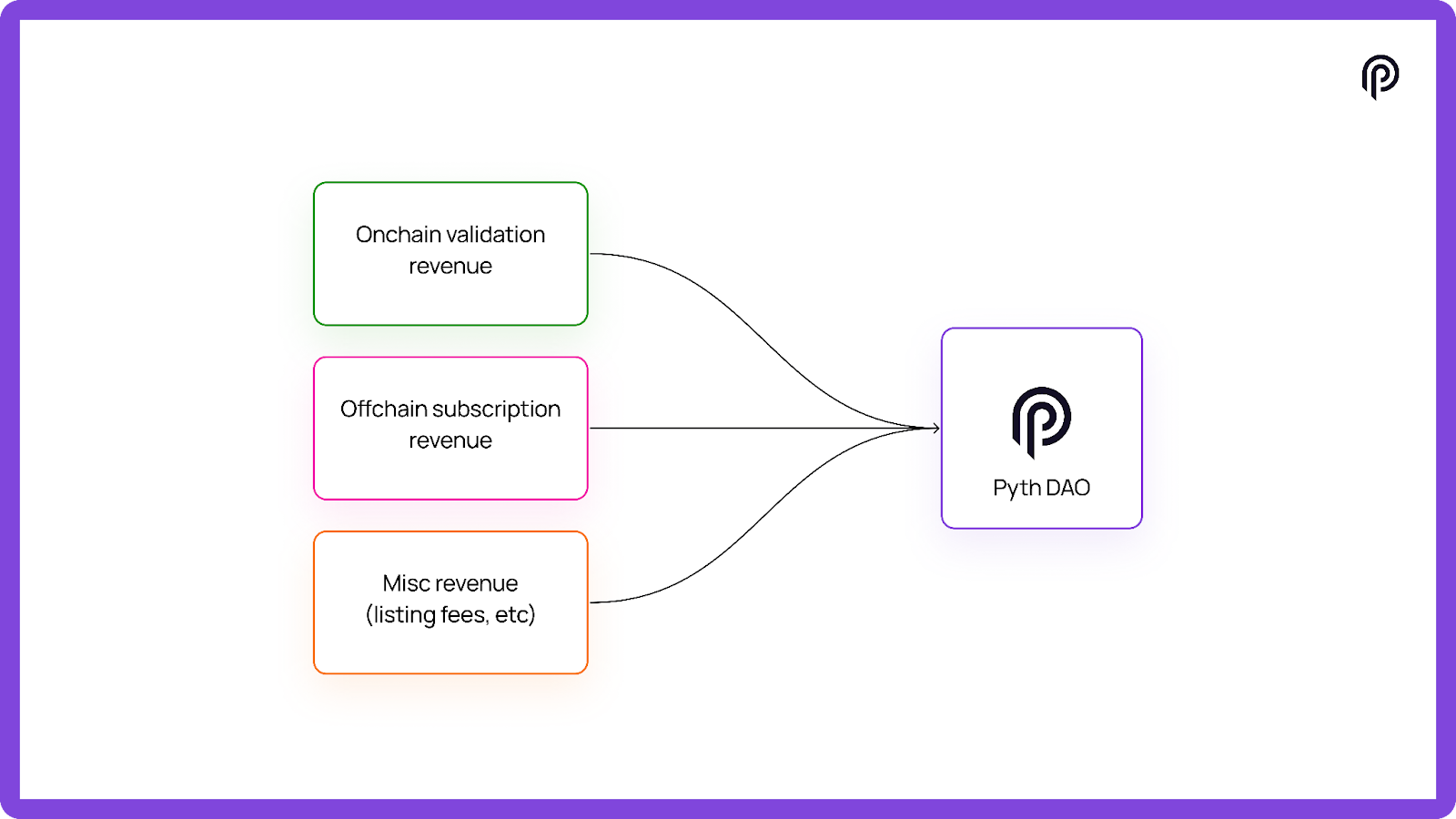
拟议方案中,订阅收入将流入 Pyth DAO,由 DAO 决定如何最优再部署,以强化网络并对齐贡献者激励。治理论坛正在探讨的可能路径包括:代币回购、收入分享模型、以及奖励发布者(publishers)、用户、质押者与持有人等机制。随着采用度提升,这一反馈回路可放大网络覆盖、强化数据质量,并为所有参与者复利价值。
Pyth 在质量、速度与覆盖度上,已具备进入并赢得该市场的条件。随着新产品进入 DAO 讨论、需求加速、以及通往 500 亿美元产业的清晰路径,第二阶段为第三阶段(成为所有市场的全球价格层)奠定财务与结构基础。

第三阶段:全球化规模扩展

在基础设施建成、订阅数据模型启动后,第三阶段将追求“全面市场覆盖”:

  • 每月新增 200–300 个新资产

    • 2025 年:3,000+ 资产

    • 2026 年:10,000+ 资产

    • 2027 年:50,000+ 资产

  • 达成全域覆盖:

    • 交易场所(Trading Venues)

    • 许可制 DeFi(Permissioned DeFi)

    • 非许可制 DeFi(Unpermissioned DeFi)

    • 场外(OTC)市场

重要性在于:

  • 构建全球最完整的金融数据层

  • 消除地域、资产类别与供应商复杂度的多重鸿沟

  • 如同 Spotify,目录持续扩张——但与传统提供商不同,贡献者共享增长收益

Pyth 当前所处位置:
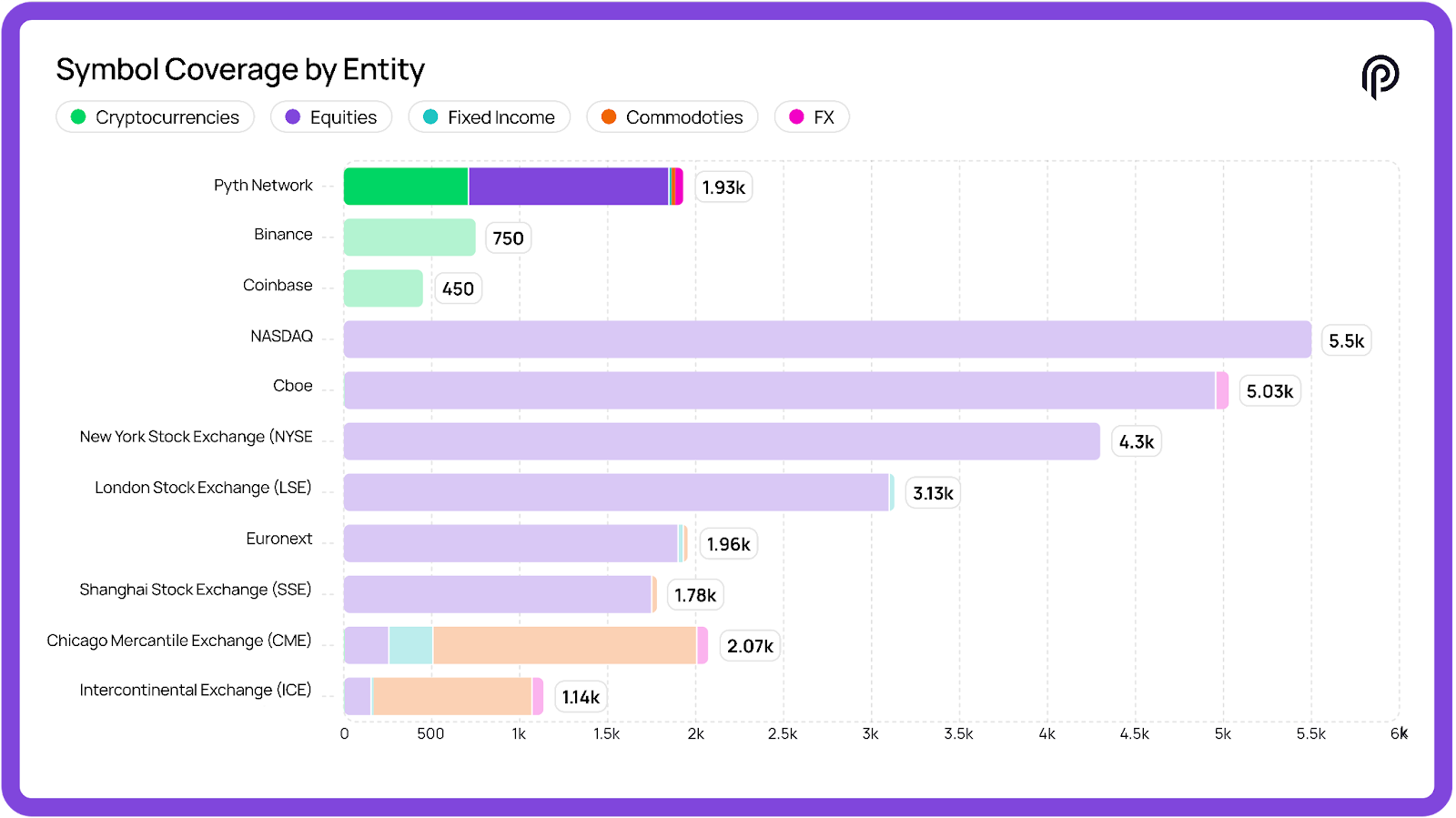
预期至明年末的目标位置:
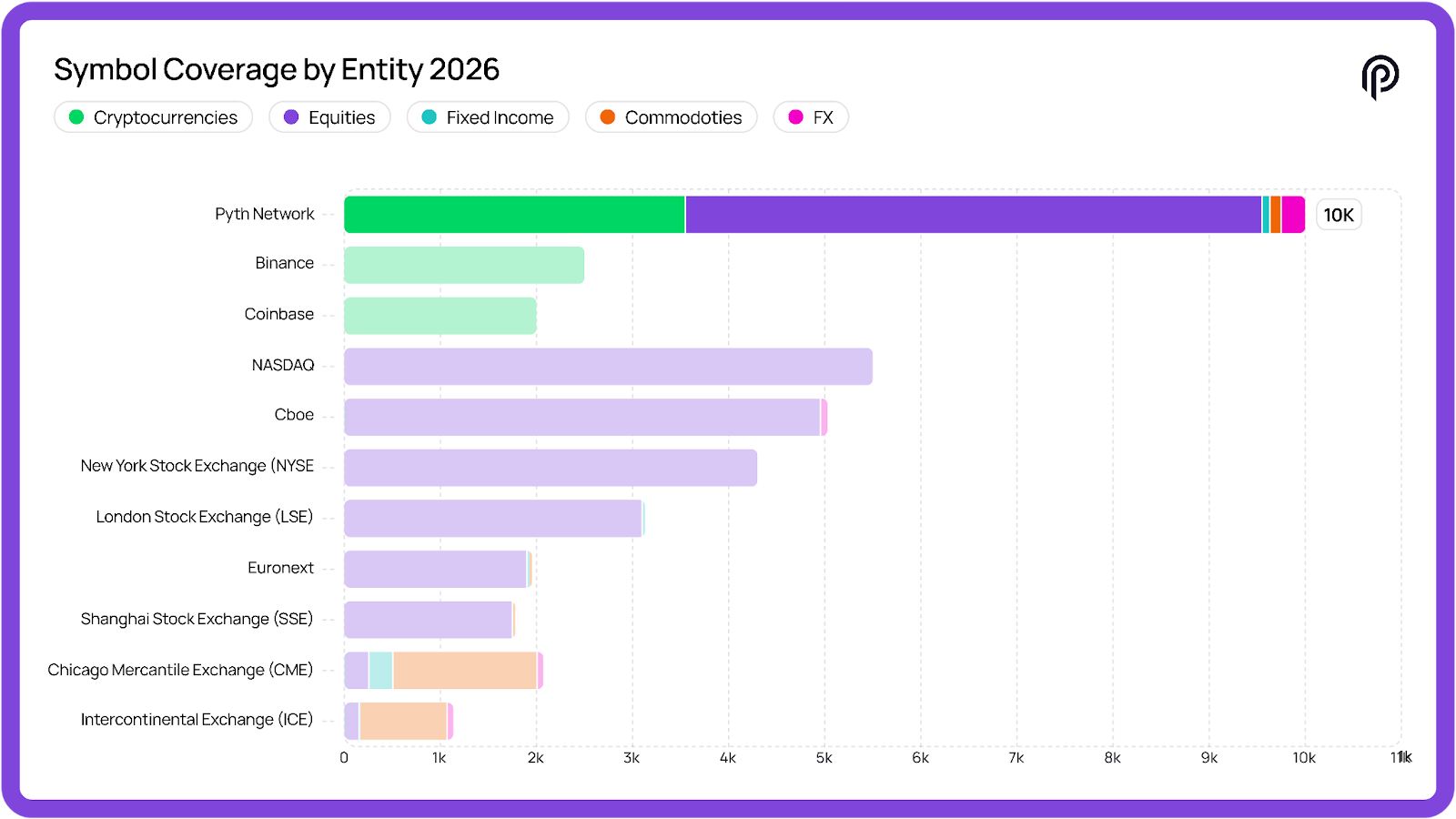
每一个新增数据源都会吸引更多构建者与机构,进而驱动采用与订阅收入;该收入强化 Pyth DAO,拓展对贡献者的激励;更高的激励又吸引更多数据源接入,加速正向循环。

前路已非常清晰:凭借在 DeFi 的主导地位与向 TradFi 加速渗透,Pyth Network 有望捕获 500 亿美元级全球市场数据行业的可观份额。但这不是终点——Pyth 具备成长为“全球金融单一真实来源”的潜力。


Letture associate

Who Will Make Money in the Age of Agents?

In the Agents era of blockchain, traditional value capture theories face challenges. The "Fat Protocol" theory, dominant since 2016, suggested protocols capture most value as their tokens are essential for network use. However, the proliferation of interchangeable L1s, L2s, and modular layers has eroded protocol scarcity and pricing power. Conversely, the "Fat App" theory posits that applications capturing user relationships (like wallets and exchanges) become the primary value layer by controlling distribution and transaction flows. This aligns with the current "Great Repricing" cycle. Agents disrupt this logic. As software users, they lack brand loyalty, prioritize cost and efficiency, and switch between platforms seamlessly. This undermines the front-end UX moats that "Fat Apps" rely on. The article explores several potential futures: 1. **Headless Applications:** Current leading apps could strip their front-ends and become backend API infrastructure for Agents, preserving their role. 2. **Protocol Resurgence:** If integration becomes trivial, Agents might bypass aggregators and interact directly with protocols, reviving "Fat Protocol" dynamics. 3. **Pricing Power Collapse:** Agents' rational, frictionless routing could commoditize the entire stack, compressing margins toward cost and leaving little profit for intermediaries. 4. **Unprecedented Activity:** Agents may enable new, high-frequency, machine-to-machine economic activities, expanding the total value pie even if margins are thin. 5. **A New, Unnamed Model:** Historically, major tech shifts (like the internet's attention economy) create unforeseen business models. The Agents era may spawn entirely new ways to capture value. The most likely outcome is a coexistence where "Fat Apps" continue to serve human users valuing UX, while a separate, Agent-driven economy emerges governed by different rules—where loyalty is based on factors like liquidity, latency, and settlement guarantees rather than brand.

marsbit40 min fa

Who Will Make Money in the Age of Agents?

marsbit40 min fa

Who Will Make Money in the Age of Agents?

Who will capture value in an era where AI Agents become the primary blockchain users? Existing crypto value capture theories assume human users. "Fat Protocols" (2016) posited that protocols capture the most value as applications commoditize on open data, but this weakened as blockchain infrastructure proliferated and became interchangeable. The emerging "Fat Apps" theory argues applications capturing user relationships (like wallets and aggregators) win by controlling distribution and monetizing user flows. Agents fundamentally disrupt this logic. They don't value UX, brand, or convenience, bypassing the front-end moats of fat apps. This leads to several possible futures: 1. **"Headless" Apps**: Current app leaders (e.g., wallets) strip their front ends and become API infrastructure for Agents, preserving their value capture. 2. **Protocol Renaissance**: If integration is easy, Agents skip aggregators and interact directly with protocols, reviving the fat protocol thesis. 3. **Pricing Power Collapse**: Agents' rational, frictionless price shopping could commoditize the entire stack, compressing margins toward cost. Value flows to Agent owners or end-users. 4. **Unprecedented Activity**: Agents could enable entirely new, high-frequency economic activity (e.g., machine-to-machine commerce), expanding the total value pie. 5. **A New, Unnamed Model**: As with the internet's attention economy, a novel, unforeseen business model may emerge. Likely, human and Agent ecosystems will coexist with distinct value capture dynamics. For builders in the Agent realm, the key question shifts from UX to competitive advantages like liquidity, latency, or settlement guarantees that retain automated users.

链捕手54 min fa

Who Will Make Money in the Age of Agents?

链捕手54 min fa

Trading

Spot
Futures

Articoli Popolari

Come comprare PYTH

Benvenuto in HTX.com! Abbiamo reso l'acquisto di PYTH (Pyth) (PYTH) semplice e conveniente. Segui la nostra guida passo passo per intraprendere il tuo viaggio nel mondo delle criptovalute.Step 1: Crea il tuo Account HTXUsa la tua email o numero di telefono per registrarti il tuo account gratuito su HTX. Vivi un'esperienza facile e sblocca tutte le funzionalità,Crea il mio accountStep 2: Vai in Acquista crypto e seleziona il tuo metodo di pagamentoCarta di credito/debito: utilizza la tua Visa o Mastercard per acquistare immediatamente PYTH (Pyth)PYTH.Bilancio: Usa i fondi dal bilancio del tuo account HTX per fare trading senza problemi.Terze parti: abbiamo aggiunto metodi di pagamento molto utilizzati come Google Pay e Apple Pay per maggiore comodità.P2P: Fai trading direttamente con altri utenti HTX.Over-the-Counter (OTC): Offriamo servizi su misura e tassi di cambio competitivi per i trader.Step 3: Conserva PYTH (Pyth) (PYTH)Dopo aver acquistato PYTH (Pyth) (PYTH), conserva nel tuo account HTX. In alternativa, puoi inviare tramite trasferimento blockchain o scambiare per altre criptovalute.Step 4: Scambia PYTH (Pyth) (PYTH)Scambia facilmente PYTH (Pyth) (PYTH) nel mercato spot di HTX. Accedi al tuo account, seleziona la tua coppia di trading, esegui le tue operazioni e monitora in tempo reale. Offriamo un'esperienza user-friendly sia per chi ha appena iniziato che per i trader più esperti.

157 Totale visualizzazioniPubblicato il 2024.12.12Aggiornato il 2025.03.21

Come comprare PYTH

Discussioni

Benvenuto nella Community HTX. Qui puoi rimanere informato sugli ultimi sviluppi della piattaforma e accedere ad approfondimenti esperti sul mercato. Le opinioni degli utenti sul prezzo di PYTH PYTH sono presentate come di seguito.

活动图片