400亿美金市值背后的男人:Circle CEO的三次关键抉择

比推Published on 2025-08-06Last updated on 2025-08-06

原文作者:Thejaswini M A,Token Dispatch

原文编译:Saoirse,Foresight News

原标题:走近Circle CEO:三次押中时代风口,缔造起400亿市值帝国


「我们正处于一项颠覆性技术的早期发展阶段,这项技术有可能像互联网一样,给世界带来重大变革。」

Jeremy Allaire 曾三次精准预判未来。第一次是在 1990 年,当大多数人还从未听过「互联网」这个词时,他就已洞察到万维网的变革潜力。这一洞见催生了 ColdFusion 软件,为他赚得数百万财富。

第二次是在 2002 年,他预测任何人都将能够在全球范围内传播视频内容,而无需借助电视网络。这一愿景催生出 Brightcove,为他带来数亿美元的收益。

第三次是在 2013 年,他意识到加密货币可能成为全新金融体系的基石。这一赌注或将永远改变货币的运作方式。
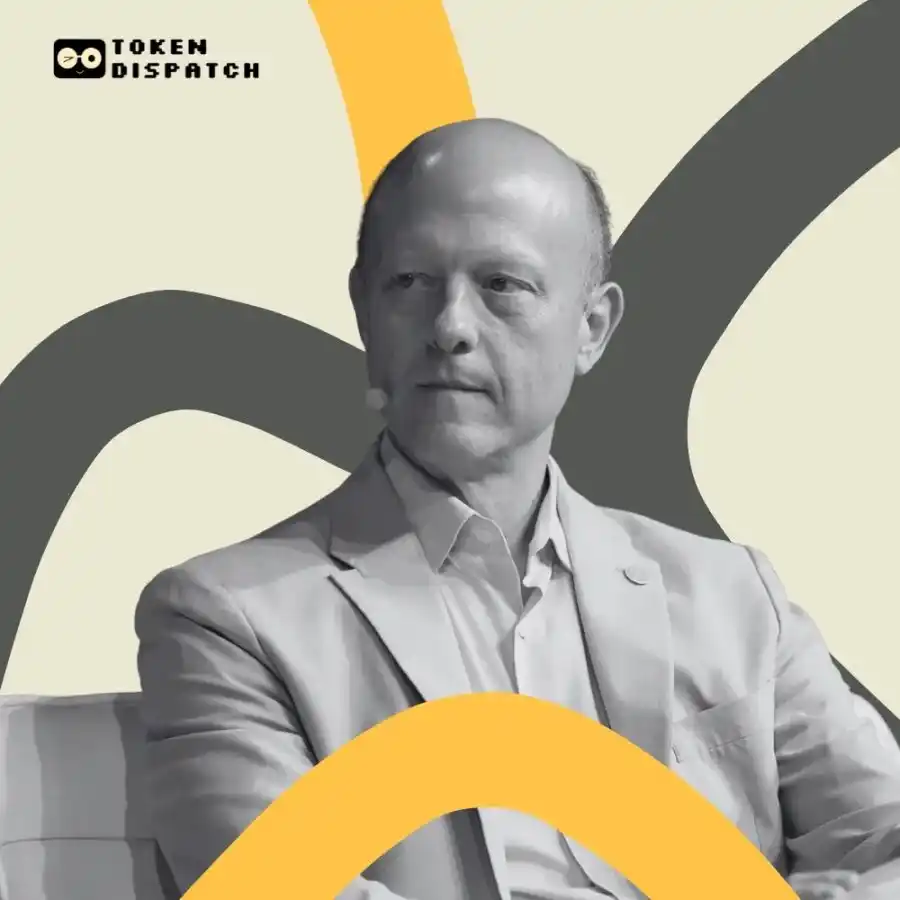

54 岁的 Allaire,三十年来始终在打造支撑数字世界的隐形基础设施。他创立的 USDC 稳定币,每年处理数万亿美元的交易,已然成为传统金融与加密经济之间的桥梁。

但对于一个以洞察他人未见之物为职业的人来说,Allaire 构建未来的脚步从未停歇。

网络觉醒的十年

1990 年,明尼苏达州麦卡利斯特学院的宿舍里。

Jeremy Allaire 的室友做了件近乎不可思议的事。作为学校计算机服务部门的工作人员,他设法为宿舍连上了互联网。当时多数人以为「web」只是蜘蛛结的网,而 Allaire 即将窥见未来。

第一次登录网络的瞬间,一切都变了。

他当时就说:「这会改变世界」,语气绝非大学生的随口感慨。到 1993 年毕业时,网络已成为他的「主要热情所在」。

想想当时的时代背景:Allaire 接触互联网时,网景还没诞生,雅虎尚未创立,「赛博空间」这个词都鲜为人知。他提前看到了人类文明的下一篇章。

但这一刻的基础,早在多年前就已奠定。

1984 年,明尼苏达州威诺纳市的 Allaire 家客厅。

13 岁的 Jeremy 向父母提出一个小请求:借他 5000 美元做棒球卡交易生意。父亲 Jim 是心理学家,母亲 Barb 是报刊编辑,他们懂人和信息,却对少年要拿大笔钱去倒卖硬纸板感到不解。

别的孩子收集卡片是为好玩,Jeremy 却另辟蹊径:他看到了市场低效、价格趋势,以及低买高卖的机会。

最终,他让本金翻了一倍。

1993 年,刚毕业的他满脑子都是互联网。

Jeremy 遇到了个难题:几乎没人懂他在说什么。互联网?多数企业闻所未闻。于是,他做了件合情合理的事——自己开公司。

「全球互联网视野」诞生了,为那些想搞懂这个神秘「网络」的媒体出版商提供咨询。但咨询业务改变不了世界。

1995 年,Jeremy 和弟弟 J.J. 的一次对话,要么让他们暴富,要么让他们一贫如洗。

他们用 J.J. 的 1.8 万美元积蓄创立了 Allaire Corporation,这几乎是他们的全部家当。

兄弟俩的配合堪称完美:J.J. 负责编程技术,Jeremy 聚焦市场需求。那是 1995 年,网景尚未垄断浏览器市场,企业还没意识到网络蕴含的商机。

ColdFusion 的推出几乎一夜之间改变了一切。这款软件将静态网页变成能连接数据库、管理用户账户、处理交易的交互式应用。

突然之间,聚友网(MySpace)、塔吉特(Target)、玩具反斗城(Toys "R" Us)、洛克希德·马丁(Lockheed Martin)、波音(Boeing)和英特尔(Intel)等公司,无需雇佣大量程序员就能创建动态网站。这款软件成了电子商务的基础、内容管理的支柱,也是推动互联网泡沫时期发展的引擎。
@adobecoldfusion


从明尼苏达州的 12 人团队起步,他们很快实现了盈利。

意识到网络发展速度远超预期,他们与波士顿的 Polaris Ventures 合作,拿到了第一笔真正意义上的融资:250 万美元。

当他们试图搬到硅谷时,房东因他们「规模太小」拒绝了,于是他们转而去了波士顿。这次拒绝或许救了他们。波士顿的科技圈为他们提供了资源和人才,却没有硅谷那种自我中心的文化。

年收入从 1996 年的 100 多万美元飙升至 2000 年的约 1.2 亿美元。公司发展到 700 多名员工,办公室遍布北美、欧洲、亚洲和澳大利亚。1999 年 1 月,作为证明互联网不只是炒作的早期网络软件成功案例之一,他们在纳斯达克上市。

2001 年 3 月,那个考验一切的电话。

Macromedia 想收购 Allaire Corporation,而且开出了 3.6 亿美元的价格。

29 岁的 Jeremy 即将变得非常富有。

他同意了。Jeremy 和 J.J. 将 Allaire Corporation 卖给了 Macromedia,Jeremy 担任这家多媒体巨头的首席技术官,而 J.J. 则退出科技界,追求其他兴趣。

视频革命

2002 年,作为 Macromedia 的首席技术官,Jeremy 走进会议室,带着一个可能让老板们不安的想法。

他深知眼前数据的意义:Macromedia 的 Flash 技术,那种驱动早期互联网多媒体的动画、视频和游戏技术,已安装在全球 98% 的电脑上,宽带也正在普及。万事俱备,只欠东风。

他提出了 Project Vista 项目:一个基于浏览器的视频捕获、上传和发布系统,任何人都能成为主播,任何人都能触达全球观众。

想象一下 YouTube,但这比谷歌听说视频平台的概念还要早好几年。

Macromedia 的高管们礼貌地听着,然后否决了这个项目。

Jeremy 眼睁睁看着自己所在的公司错失了媒体行业的未来。这家为世界带来 Flash(早期互联网多媒体的核心技术)的公司,刚刚拒绝了涉足在线视频领域,从而错失参与网络重要组成部分的机会。

2003 年 2 月,Jeremy 从 Macromedia 辞职。

同事们觉得他疯了。身为大型科技公司的首席技术官,拿着不错的薪水,负责重要产品,为什么要放弃一切?

因为他看到了未来,而 Macromedia 无意去构建它。

Jeremy 加入 General Catalyst 担任驻场企业家。一年里,他研究市场,观察各种要素就位,为挑战整个电视行业做准备。他只是在等待最佳时机。

2004 年,他与人共同创立了 Brightcove,愿景是「为独立视频创作者打造一个直接向消费者交付内容的环境,绕过传统电视网络和频道」。

与第一家公司相比,Jeremy 的策略变了:不再用借来的钱自力更生,而是决定「立即获得风投,快速做大」。挑战电视行业需要雄厚的资金和与主要内容制作方的合作。

公司的使命反映了 Jeremy 对互联网技术民主化力量的不断深化的理解。后续证明 Jeremy 是对的:那些负担不起电视网络费用的内容创作者突然有了全球分发渠道;独立电影人无需乞求媒体大亨,就能触达观众。

2012 年,Brightcove 上市,估值 2.9 亿美元,Jeremy 持有 7.1% 的股份。

他成功打造了一个市场,让成千上万的创作者无需乞求电视网络、电影公司或媒体高管,就能触达全球观众。但在 Brightcove 征服在线视频领域时,他于 2013 年从首席执行官职位退任,担任董事长。

为什么在一切顺利时离开?这已经是第二次了。但 Jeremy 的目光早已投向了下一个转角。

货币革命

2013 年,Jeremy Allaire 再次凝视电脑屏幕,就像 23 年前在明尼苏达州的宿舍里那样。

这一次,他在研究一种叫比特币的东西。

2008 年的金融危机让他开始质疑传统银行业的一切。雷曼(Lehman)兄弟破产,贝尔斯登(Bear Stearns)消失,全球金融体系几近崩溃,Jeremy 在想,是否有更好的方式。

当他第一次接触比特币时,那种感觉很熟悉,几乎是似曾相识。「我对数字货币,尤其是比特币,有完全相同的感受,」他告诉《财富》杂志,「我们正处于一项颠覆性技术的早期发展阶段,这项技术有可能像互联网一样,给世界带来重大变革。」

他看到了所谓的「通用的资金流通系统,就像 HTTP 协议是信息在互联网传播的基础」。

2013 年 10 月,Jeremy 与 Sean Neville 共同创立了 Circle。

他们的愿景是助力打造世界上第一种基于互联网、基于比特币等开放平台和标准的全球货币。

Accel Partners 和其他知名风投立即加入。所有人都感觉到,这不是对现有金融服务的渐进式改进。

Jeremy 想创造一种可编程货币,能近乎即时地结算支付,成本只是传统电汇的一小部分。他们不是要改进现有金融服务,而是要创造全新的类别,无需依赖那些导致国际转账缓慢且昂贵的代理银行关系,就能在全球运营。

但 Circle 早期在面向消费者的比特币应用和交易平台上的尝试并不太成功。直到 Jeremy 意识到问题不在于技术,而在于波动性,突破才到来。

2018 年,USDC 的诞生

通过 Centre Consortium 与 Coinbase 合作,Circle 推出了 USD Coin(USDC)。这是一种由实际美元储备支持的稳定币,每个 USDC 代币恰好价值 1 美元。

至此,企业可以享受加密货币的好处,包括即时全球转账、全天候可用性、可编程智能合约,而无需承受比特币的剧烈价格波动。

Jeremy 选择的监管路径充满风险。与许多加密公司在灰色地带运营不同,Circle 直接与金融监管机构合作,确保 USDC 符合透明度和合规性的最高标准。

这一决定有时让 Circle 处于竞争劣势:其他稳定币发行商因为不那么在意合规,行动更快。但 Jeremy 在玩一场更长远的游戏。

到 2025 年,USDC 已成为市值第二大的稳定币,流通量超过 640 亿美元。企业用它进行国际支付,开发者在它之上构建金融应用,个人用它即时跨境汇款。
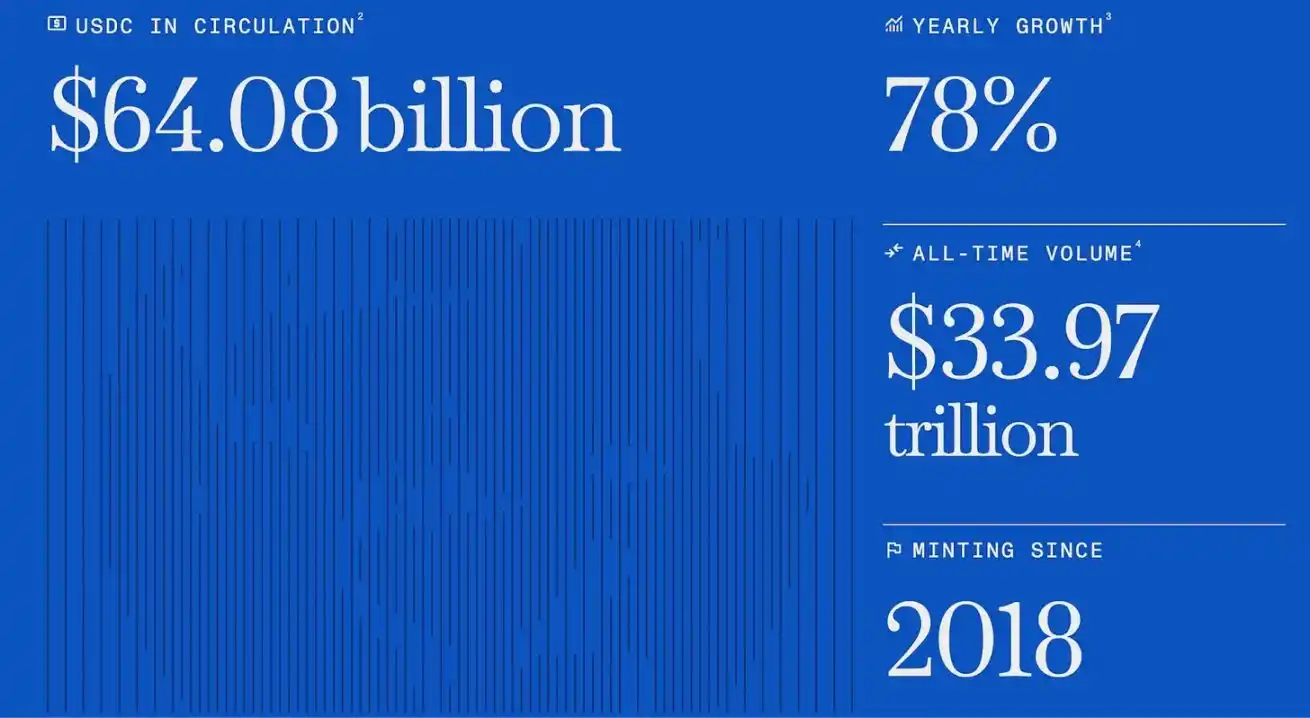
@usdc

Jeremy 的成功,是在克服业内观察人士所谓的「几乎不可能的分销挑战」后取得的。与 Tether(通过早期与亚洲加密交易所的合作获得广泛应用)不同,Circle 必须从零开始构建分销网络。

Circle 的应对之策是与 Coinbase 建立战略合作伙伴关系:Circle 将 50% 的净利息收入支付给 Coinbase,以换取在其网络中的分销权。

代价高昂吗?是的。有效吗?毫无疑问。

USDC 成为了西方市场上 Tether 的主要替代选择。

危机考验

2023 年 3 月 10 日,迪拜。这本该是 Jeremy 儿子 13 岁生日的那个周末。

当地时间凌晨 2 点,电话开始响起。

硅谷银行面临倒闭,而 Circle 有 33 亿美元的 USDC 储备存在这家银行。

几小时内,USDC 脱钩,跌至 0.87 美元。交易员们陷入恐慌,这个 Jeremy 花了五年时间打造的稳定币,似乎可能在一夜之间变得几乎一文不值。

Jeremy 在 Google Meet 上组建了一个虚拟作战室,与东海岸的团队相差 8 小时时差地工作着。儿子的生日派对被抛诸脑后,这关乎保护数百万信任 Circle 的用户的资金。

方案 A:立即将资金转移到其他银行。

方案 B:依靠联邦存款保险公司(FDIC)的存款保险覆盖任何损失。

方案 C:与愿意折价购买 Circle 在硅谷银行资产的公司谈判。

在整个加密世界的注视下,Jeremy 做出了个人承诺:如果硅谷银行的存款无法收回,Circle 将「弥补全部资金缺口」。

这场危机考验了 Jeremy 建立声誉的所有基石:透明度、问责制,以及在困难时做正确事情的决心。

Circle 发布了详细的博客文章,解释到底发生了什么,以及他们正采取哪些步骤保护客户资产。

三天后,联邦监管机构为硅谷银行的存款提供了担保。

USDC 恢复了与美元的挂钩,危机结束。

Jeremy 证明了 Circle 能够承受严重外部冲击的同时,保持客户信任。他选择的与监管机构合作而非对抗的方式,在最关键的时刻得到了回报。

在 Circle 的发展过程中,Jeremy 将自己定位为加密货币领域最突出的「清晰监管框架倡导者」。许多加密企业家不认同这一点,他们更倾向于最小化监管。但 Jeremy 向国会作证,参与监管工作组,并与全球政策制定者合作,塑造加密货币监管框架。

2024 年,Circle 成为首家遵守欧盟《加密资产市场监管法案》的主要全球稳定币发行商。

这个策略奏效了。

随后,Jeremy 决定让 Circle 上市。

上市之路并不平坦。2021 年首次尝试通过 SPAC 合并,但未获 SEC 批准。然而 Jeremy 坚持了下来。

2025 年 7 月,Circle 在纽约证券交易所成功上市。

IPO 文件显示,这是一家收入可观、合规清晰、业务规模庞大的公司。Circle 的公开亮相估值超过 46 亿美元。Jeremy 对稳定币长达十年的赌注,取得了惊人的回报。

如今,Circle 以 CRCL 为股票代码交易,市值超过 400 亿美元。自 7 月 IPO 以来,股价上涨了 430% 以上,使其成为加密史上最成功的公开市场亮相之一。

Jeremy 认为,稳定币正接近它们的「iPhone 时刻」:技术变得实用且易用,从而实现大规模采用时刻。

Genius 时刻

2025 年 7 月 18 日,唐纳德・特朗普总统签署了一项法案,为 Jeremy Allaire 过去十年的努力正名。《GENIUS 法案》成为美国首个全面的稳定币监管法案。Jeremy 倡导合规的策略,让 USDC 占据了绝佳位置。

《GENIUS 法案》做了三件 Jeremy 多年来一直倡导的事:第一,确认稳定币不是证券,消除了困扰行业的监管不确定性;第二,要求稳定币由国债等安全资产全额支持,解决了储备透明度问题;第三,将稳定币发行商纳入与传统银行相同的合规框架。

Jeremy 花了数年时间构建基础设施,如今,各国政府都在匆忙应对,以适应一个可编程货币不可避免的世界。

这个在 1990 年看到网络潜力、2002 年预见视频大众化、2013 年洞察加密货币革命的预言家,刚刚见证了他的第三个预测重新定义了货币本身。

在一个痴迷于「快速行动,打破常规」的行业里,他证明了最具变革性的改变往往来自耐心、坚持,以及洞察他人忽视之物的智慧。

三次预测,三个留下深远影响的行业。如果他的过往记录可鉴,更重要的改变还在前方。

说明: 比推所有文章只代表作者观点,不构成投资建议

Related Reads

AI Relay Stations Spark Heated Debate on Zhihu: Behind Cheap Tokens, What Are Users Really Worried About?

A discussion on Zhihu about "AI relay stations" shifted the niche developer topic of "cheap tokens" into broader user awareness. Users moved beyond simply questioning the legitimacy of these services to focus on practical concerns: Where do cheap tokens truly come from? Is the model being accessed the real one? Can relay stations see prompts, code, and API keys? For occasional users, are the risks worth it? The core debate centered less on price and more on trust. A primary worry is model authenticity—the risk of "model swapping," where users paying for a premium model might be routed to a cheaper one, creating an information asymmetry. Others argued that cost comparisons matter; while cheaper than official pay-as-you-go APIs, relay stations may not be the lowest-cost option versus subscriptions, domestic models, or free tiers, making user needs assessment crucial. Speculation about token sources ranged from legitimate bulk discounts to gray-area methods like account sharing or exploiting regional pricing. This opacity makes risk assessment difficult for users. Data security emerged as a critical concern, especially for enterprise use. When processing sensitive information like code, contracts, or client data, the inability to verify a relay station's data handling, retention, or access policies poses significant compliance and confidentiality risks. The evolving consensus suggests relay stations can be used cautiously for low-sensitivity, disposable tasks (e.g., summarizing public info, simple translation). However, they should not be the default for sensitive, professional, or production workflows involving proprietary data, Agents, or automated systems. Recommendations include avoiding large prepayments, not relying on a single service, using test prompts to monitor quality, anonymizing data where possible, and keeping official channels as backups. Ultimately, the discussion framed tokens not just as a billing unit but as a measure of real cost encompassing price, model integrity, data security, and service stability. The popularity of relay stations highlights user demand for affordable access, but the debate underscores a key trade-off: the savings from cheap tokens may come at the price of trust, transparency, and control over one's data and AI experience.

marsbitHá 21m

AI Relay Stations Spark Heated Debate on Zhihu: Behind Cheap Tokens, What Are Users Really Worried About?

marsbitHá 21m

In-Depth Research Report on TradFi: The Convergence Wave of Crypto and Traditional Finance

In 2026, the crypto industry is undergoing a profound infrastructure-level transformation—TradFi assets are migrating on-chain at an unprecedented pace. According to CoinGecko's Q1 2026 report, the total value locked (TVL) of tokenized real-world assets (RWA) has surpassed $31 billion, a nearly 4x increase from $7.8 billion at the beginning of 2025, with the sector’s aggregate market capitalization reaching $19.3 billion. Among these, the market cap of tokenized stocks surged from $2 million to $486 million, with Q1 spot trading volume reaching $15.1 billion—a single quarter already surpassing the entire second half of 2025. RWA perpetual contract Q1 trading volume reached a staggering $524.8 billion, far exceeding the $313 billion for all of 2025. Meanwhile, BlackRock's BUIDL fund has reached $2.3 billion in scale and has filed for two new tokenized funds, signaling that the world's largest asset manager's tokenization strategy is evolving from pilot to product suite expansion. HTX, as a core participant in the crypto exchange sector, officially launched TradFi perpetual futures products including NVDA, AAPL, MSFT, META, and SPY in 2026, enabling crypto users to gain 24/7 trading access to core U.S. equities. Boston Consulting Group predicts that global tokenized asset scale could reach $16 trillion by 2030, while McKinsey offers a conservative estimate of approximately $2 trillion. The on-chain migration of TradFi assets is no longer a "future narrative" but a structural transformation unfolding in real time, as crypto exchanges evolve from single crypto asset trading platforms toward "multi-asset-class trading infrastructure."

HTX LearnHá 23m

In-Depth Research Report on TradFi: The Convergence Wave of Crypto and Traditional Finance

HTX LearnHá 23m

Blocked Its Own Treasure, WeChat AI Steps Up

Tencent's stock surged over 10% on June 2nd amid reports that WeChat, with 1.43 billion monthly users, is finalizing tests for a native AI Agent. The reported feature, accessible by swiping right from the main interface, allows users to issue commands in natural language. The AI then decomposes tasks and automatically calls upon relevant Mini Programs within WeChat to complete actions like ordering food, booking tickets, or making payments, creating a closed-loop service execution system. This strategic shift follows the internal conflict and subsequent "blocking" of Tencent's standalone AI app, Yuanbao, by WeChat for violating sharing rules during a 2026 Spring Festival promotion. The incident highlighted a lack of internal consensus and exposed the weakness of competing in the standalone AI assistant arena against rivals like ByteDance's Doubao (345M MAU) and Alibaba's Qianwen. The new WeChat AI Agent aims to leverage WeChat's unique assets—its massive user base, standardized Mini Program APIs, WeChat Pay, and identity system—to move from simple content generation to actual task execution. Analysts note this changes the competitive landscape from model benchmarks to which AI can connect to more real-world services. However, success depends on key variables: the capability of Tencent's underlying Hunyuan model, managing massive inference costs, and redesigning incentives for Mini Program developers whose traffic might be bypassed. The move is seen as an attempt to keep user service intent within WeChat's ecosystem as AI begins to redefine how users access services.

marsbitHá 1h

Blocked Its Own Treasure, WeChat AI Steps Up

marsbitHá 1h

ByteDance Adopts Arm CPUs, Jensen Huang: So Sad I Didn't Buy Arm

**Summary:** At Computex 2026, Arm CEO Rene Haas announced that ByteDance and Oracle have adopted Arm's self-designed Arm AGI data center CPU. The company expects significant revenue growth from this product, projecting $20 billion in demand for the 2027/2028 fiscal years. Haas noted that restricting AI-capable CPUs from the US to China is nearly impossible due to their widespread applications. Arm's stock has surged dramatically this year, notably rising 16% after NVIDIA's Arm-based Vera CPU and RTX Spark announcements. A highlight was the informal, humorous on-stage conversation between Haas and NVIDIA CEO Jensen Huang. Huang joked about NVIDIA's failed attempt to acquire Arm and playfully lamented selling his Arm shares. Both executives showed a clear sense of camaraderie and shared regret over the missed merger. Key technical topics were discussed: 1. **AI PC Design:** Huang explained NVIDIA's RTX Spark superchip (with a 20-core Arm CPU) is designed for future AI agents that will autonomously run and use tools on PCs, blending local and cloud processing. 2. **Agent vs. OS:** Huang emphasized the operating system remains crucial, as AI agents rely on its APIs and tools to function. 3. **Growth Constraints:** He identified the shift to "useful AI" that generates profitable tokens as a primary driver for immense, almost limitless, computational demand. Haas outlined Arm's strategy across PC and data centers. For PCs, Arm collaborates with partners like NVIDIA and MediaTek, offering its compute subsystem (CSS) for custom SoCs. In data centers, its Arm AGI CPU (built on TSMC's 3nm process) has gained major partners including OpenAI, Meta, and now ByteDance and Oracle. Arm presented a multi-year roadmap for its in-house CPU line. The article concludes that while GPUs dominated the AI training race, the explosion of AI agents is shifting significant focus to CPUs for inference, state management, and tool orchestration. The industry is trending towards vertical integration, with companies like cloud providers designing chips and chip/IP firms offering full solutions, all competing to deliver more efficient computing per watt.

marsbitHá 1h

ByteDance Adopts Arm CPUs, Jensen Huang: So Sad I Didn't Buy Arm

marsbitHá 1h

Trading

Spot
Futures

Hot Articles

How to Buy SFP

Welcome to HTX.com! We've made purchasing SafePal (SFP) simple and convenient. Follow our step-by-step guide to embark on your crypto journey.Step 1: Create Your HTX AccountUse your email or phone number to sign up for a free account on HTX. Experience a hassle-free registration journey and unlock all features.Get My AccountStep 2: Go to Buy Crypto and Choose Your Payment MethodCredit/Debit Card: Use your Visa or Mastercard to buy SafePal (SFP) instantly.Balance: Use funds from your HTX account balance to trade seamlessly.Third Parties: We've added popular payment methods such as Google Pay and Apple Pay to enhance convenience.P2P: Trade directly with other users on HTX.Over-the-Counter (OTC): We offer tailor-made services and competitive exchange rates for traders.Step 3: Store Your SafePal (SFP)After purchasing your SafePal (SFP), store it in your HTX account. Alternatively, you can send it elsewhere via blockchain transfer or use it to trade other cryptocurrencies.Step 4: Trade SafePal (SFP)Easily trade SafePal (SFP) on HTX's spot market. Simply access your account, select your trading pair, execute your trades, and monitor in real-time. We offer a user-friendly experience for both beginners and seasoned traders.

611 Total ViewsPublished 2026.05.22Updated 2026.06.02

How to Buy SFP

How to Buy CTR

Welcome to HTX.com! We've made purchasing Citrea (CTR) simple and convenient. Follow our step-by-step guide to embark on your crypto journey.Step 1: Create Your HTX AccountUse your email or phone number to sign up for a free account on HTX. Experience a hassle-free registration journey and unlock all features.Get My AccountStep 2: Go to Buy Crypto and Choose Your Payment MethodCredit/Debit Card: Use your Visa or Mastercard to buy Citrea (CTR) instantly.Balance: Use funds from your HTX account balance to trade seamlessly.Third Parties: We've added popular payment methods such as Google Pay and Apple Pay to enhance convenience.P2P: Trade directly with other users on HTX.Over-the-Counter (OTC): We offer tailor-made services and competitive exchange rates for traders.Step 3: Store Your Citrea (CTR)After purchasing your Citrea (CTR), store it in your HTX account. Alternatively, you can send it elsewhere via blockchain transfer or use it to trade other cryptocurrencies.Step 4: Trade Citrea (CTR)Easily trade Citrea (CTR) on HTX's spot market. Simply access your account, select your trading pair, execute your trades, and monitor in real-time. We offer a user-friendly experience for both beginners and seasoned traders.

497 Total ViewsPublished 2026.05.25Updated 2026.06.02

How to Buy CTR

Discussions

Welcome to the HTX Community. Here, you can stay informed about the latest platform developments and gain access to professional market insights. Users' opinions on the price of A (A) are presented below.

活动图片