Питер Шифф: Стейблкоины увеличивают стоимость кредитов для бизнеса

cryptonews.ruPubblicato 2025-08-01Pubblicato ultima volta 2025-08-01

Последовательный критик криптовалют, экономист Питер Шифф (Peter Schiff) опубликовал в X твит, где заявил, что широкое использование стейблкоинов может навредить рынку казначейских облигаций США и повысить ставки по долгосрочным займам.

Шифф объяснил, что инвесторы, которые переводят активы с традиционных денежных рынков в стейблкоины, фактически продают казначейские бумаги США, которые затем выкупаются эмитентами стейблкоинов, такими как компании Tether или Circle. При этом эмитенты стейблкоинов удерживают проценты по государственным ценным бумагам у себя — в отличие от денежных инвестфондов, которые должны распределять полученные доходы среди вкладчиков.

«Стейблкоины не увеличивают спрос на казначейские бумаги — они лишь перераспределяют его, а инвесторы теряют проценты, которые забирают себе эмитенты», — объяснил Питер Шифф.

По мнению экономиста, все это существенно снижает инвестиционную привлекательность стейблкоинов для бизнеса. По его мнению, инвестиционная стратегия крупных эмитентов стейблкоинов вроде Tether и Circle ограничивается спекулятивной покупкой краткосрочных казначейских векселей, что снижает спрос на долгосрочные облигации.

Шифф обратил внимание, что вложенный в стейблкоины капитал практически выводится из оборота и становится недоступен для кредитования частного бизнеса, что угрожает экономическому росту США и увеличивает стоимость заимствований для бизнесменов и домохозяйств.

Ранее Питер Шифф заявил, что принятые Палатой представителей США и продвигаемые президентом Дональдом Трампом новые законопроекты придают криптовалютам видимость легитимности — тогда как на самом деле все криптовалюты являются финансовой пирамидой.


Letture associate

Analyst Who Predicted Bitcoin's Major Drop in October Now Predicts What Could Happen Next

Sean Farrell, head of digital asset strategy at Fundstrat, analyzes the current uncertain and volatile crypto market. He notes that while traditional tech stocks hit record highs, lagging crypto assets have created market apathy, which could be an early sign of a bottom forming. Farrell's base case suggests Bitcoin and the broader crypto market may experience one final sharp decline before initiating a sustained upward trend. It remains unclear if this drop will form a new deep low or test recent lows. He points out that global liquidity conditions and rising US 10-year Treasury yields continue to pressure liquidity-sensitive assets like cryptocurrencies in the short term. Farrell states that the tech sector's growth is driven by significant corporate profit increases, whereas the crypto market hasn't yet received the necessary monetary and fiscal liquidity. Although high US Treasury issuance and rising long-term bond yields are pressuring the market, he predicts a potential shift within the next 3-6 months. After risk appetite diminishes due to high interest rates, liquidity-boosting measures from regulators or central banks could trigger a new bull market. Additionally, Farrell believes that if a new governance proposal aimed at reducing inflation on the Solana network is adopted, it would lessen sell-side pressure and could act as a significant catalyst for the token's price.

cryptonews.ru53 min fa

Analyst Who Predicted Bitcoin's Major Drop in October Now Predicts What Could Happen Next

cryptonews.ru53 min fa

Bitcoin Breaches $64,000 Mark Again as Short Sellers Lose $57.4 Million in Liquidations

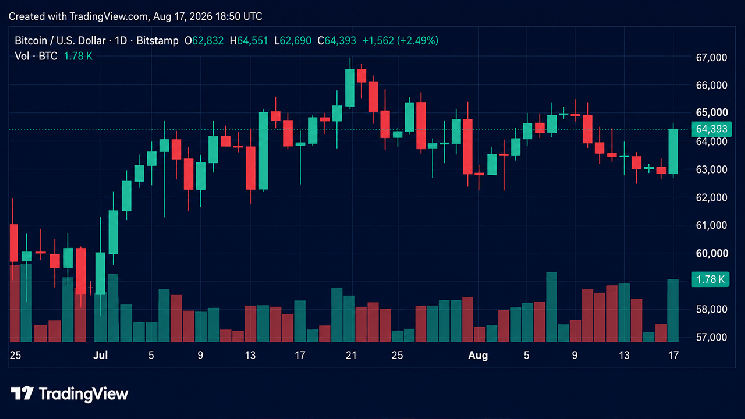
Bitcoin surged back above $64,000 on Monday, reversing a dip below $63,000 that had threatened to revisit mid-August lows. The rally coincided with an announcement from MicroStrategy stating it had neither bought nor sold any Bitcoin over the past week. After falling to a daily low near $62,653, Bitcoin sharply reversed course, climbing approximately $1,000 in six hours to reach a daily high above $64,375. By early afternoon EST, it was trading above $64,200, marking a nearly 2% daily gain and turning its weekly performance positive. The price movement triggered significant liquidations in the derivatives market, with leveraged short positions losing $57.4 million over 24 hours, contributing to total crypto market liquidations nearing $220 million. While MicroStrategy paused its Bitcoin purchases, it increased its cash reserves to $4.8 billion using part of the proceeds from a recent common stock sale. The funds were also used for share buybacks and preferred dividend payments. Analysts suggest this focus on balance sheet strength helps mitigate near-term liquidation pressure, especially as Bitcoin's price remains about 15% below MicroStrategy's average acquisition cost of $75,385. However, critics argue the capital allocation disproportionately benefits preferred shareholders (STRC) over common stockholders (MSTR) and sidelines the company's core growth strategy of aggressive Bitcoin accumulation. Bitcoin initially appeared to react positively to reports of a potential 60-day ceasefire extension between the U.S. and Iran, but the rally's momentum faded after Iranian officials denied the reports. Consequently, Bitcoin currently lacks a clear macroeconomic catalyst to sustain a decisive bullish breakout.

cryptonews.ru1 h fa

Bitcoin Breaches $64,000 Mark Again as Short Sellers Lose $57.4 Million in Liquidations

cryptonews.ru1 h fa

Trading

Spot
活动图片