The International Crypto Trading Cup (ICTC-2025) Kicks off

TheCryptoTimes2025-05-09 tarihinde yayınlandı2025-05-09 tarihinde güncellendi

The cryptocurrency world is buzzing with the launch of the International Crypto Trading Cup (ICTC-2025) hosted by Whitebit. It is going to be the world’s first-ever crypto trading tournament to be held live and on stage. 

The event begins today, 9th May and will end tomorrow on 10th May. The two days event promises to deliver an unprecedented level of real-time insight to all the viewers. For the event, participants will trade live on WhiteBIT futures pairs via the TradingView platform from 13:00 to 19:00 UTC on both days.

Anyone across the globe can tune in to witness two intense 6-hour live trading sessions. The event will feature expert commentary, real-time strategy breakdowns, in-depth market analysis, and professional discussions.

Individuals or teams can still enter the tournament. Simply visit the competition landing page and choose to compete solo or as part of a squad. Existing users of the partner exchange only need to confirm the creation of a sub account and link it to their TradingView account.

Even if you don’t want to trade, you can still win by participating in the voting categories. By completing simple tasks like registering on the exchange or passing KYC, you can earn points and vote on various outcomes. A prize pool of 6,500 USDT will be distributed among those whose predictions come closest to the actual results across five exciting categories.

ICTC-2025 is backed by leading names in the industry, to begin with, TradingView is the official technological partner, providing the platform for live trading. Alongside TradingView, Tether joins as a title partner and a key prize sponsor.


Also Read: Crypto Price Today (May 9, 2025): Bitcoin Tops $104K; Ethereum Skyrockets to $2,400 Ahead of Weekly Closing


İlgili Okumalar

Chinese Young Man's AI Short Goes Viral Abroad! Hollywood Director Searches Online: Wants to Hire Him

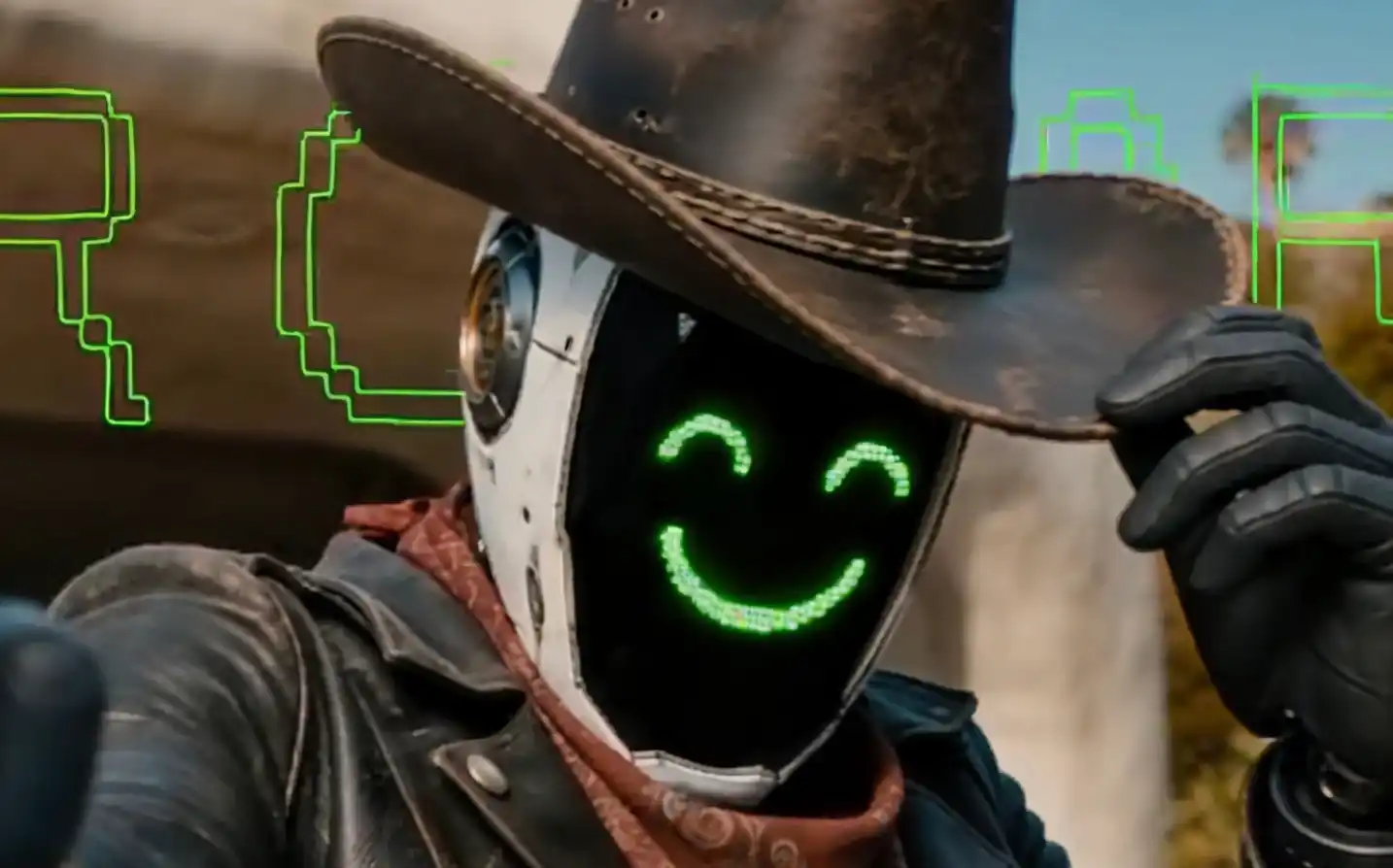
A young Chinese creator, Mx-Shell, an amateur filmmaker from Yunnan with no formal film training, has gone viral internationally with his AI-generated short film "Zombie Scavenger." Created independently in about 10 days using the Chinese AI video tool Seedance 2.0 at a minimal cost, the film features a robot cowboy in a post-apocalyptic world. Its unique atomic-punk style and cinematic quality caught the attention of Hollywood. The film initially gained little traction on Chinese platform Bilibili. However, after PJ Ace, founder of LA-based AI studio Genre.ai, shared it on X (formerly Twitter), praising it as "one of the best short films I've seen in recent years," it quickly garnered millions of views overseas. PJ Ace then publicly sought to hire the unknown director, sparking a cross-platform search. The creator, who doesn't speak English, was unaware of the overseas buzz until Chinese internet users relayed the message. Connection was eventually made via a QQ email address shared in Bilibili comments, and Mx-Shell received a job offer from the Hollywood director. The article highlights this as a case of "talent export." It argues that while China's competitive AI tool market lowers technical barriers, true success still relies on individual creativity, aesthetic judgment, and narrative skill—qualities Mx-Shell demonstrated. His story exemplifies how AI tools can empower previously unseen creators with compelling ideas to reach a global audience, even if initial recognition sometimes comes from abroad before reverberating back home.

marsbit27 dk önce

Chinese Young Man's AI Short Goes Viral Abroad! Hollywood Director Searches Online: Wants to Hire Him

marsbit27 dk önce

The Real AI Bubble, You Can't Buy It

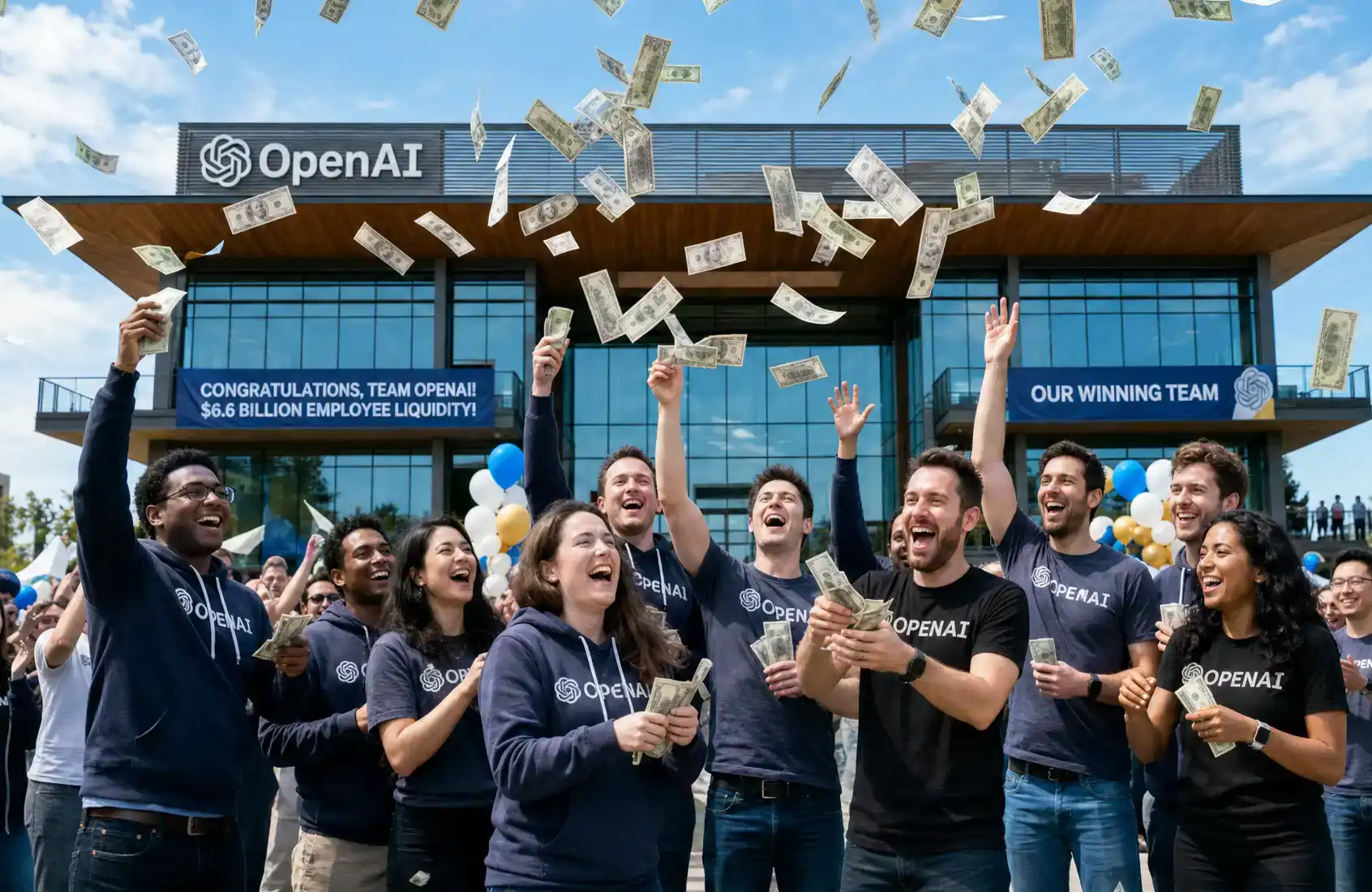
The article argues that the real "bubble" in the current AI boom is largely invisible and inaccessible to the average investor. Unlike the 2000 dot-com bubble, where overvalued companies were publicly traded, the most significant value surges and financial risks are occurring in private markets. Core AI companies like OpenAI, Anthropic, xAI, and Databricks have seen valuations skyrocket (e.g., OpenAI's from $157B to $852B in 18 months), but these transactions happen through private secondary sales, not public stock exchanges. These opaque markets create an "anxiety exposure," leading public investors to chase indirect proxies like memory chip or utility stocks. The author highlights how AI wealth extraction has been radically front-loaded. Employees and founders can cash out years before a potential IPO through structured secondary sales, "founder-led secondary" deals, and collateralized loans against private equity. Major tech firms also use "acqui-hires" or technology licensing deals (like Google/Character.AI, Microsoft/Inflection AI) to secure talent and tech without full acquisitions, allowing early exits outside of regulatory scrutiny. Furthermore, the AI infrastructure build-out is compared to the 2008 real estate bubble. Massive data center projects are financed through complex, off-balance-sheet structures involving private credit, joint ventures, and asset-backed securities using GPUs as collateral (e.g., CoreWeave's deals). This creates a "shadow borrowing" system where the stability of future AI demand underpins trillions in debt, posing systemic risks if expectations falter. The recent collapse of SaaS company Pluralsight, financed by major private credit firms, is cited as a warning. The conclusion is that the most dangerous part of the AI bubble isn't in plain sight on public markets; by the time the average investor sees it, the critical wealth transfers have already occurred in private, unregulated spaces.

marsbit49 dk önce

The Real AI Bubble, You Can't Buy It

marsbit49 dk önce

Claude Helps Man Recover 5 Bitcoins Forgotten for 11 Years, Worth Nearly $400,000

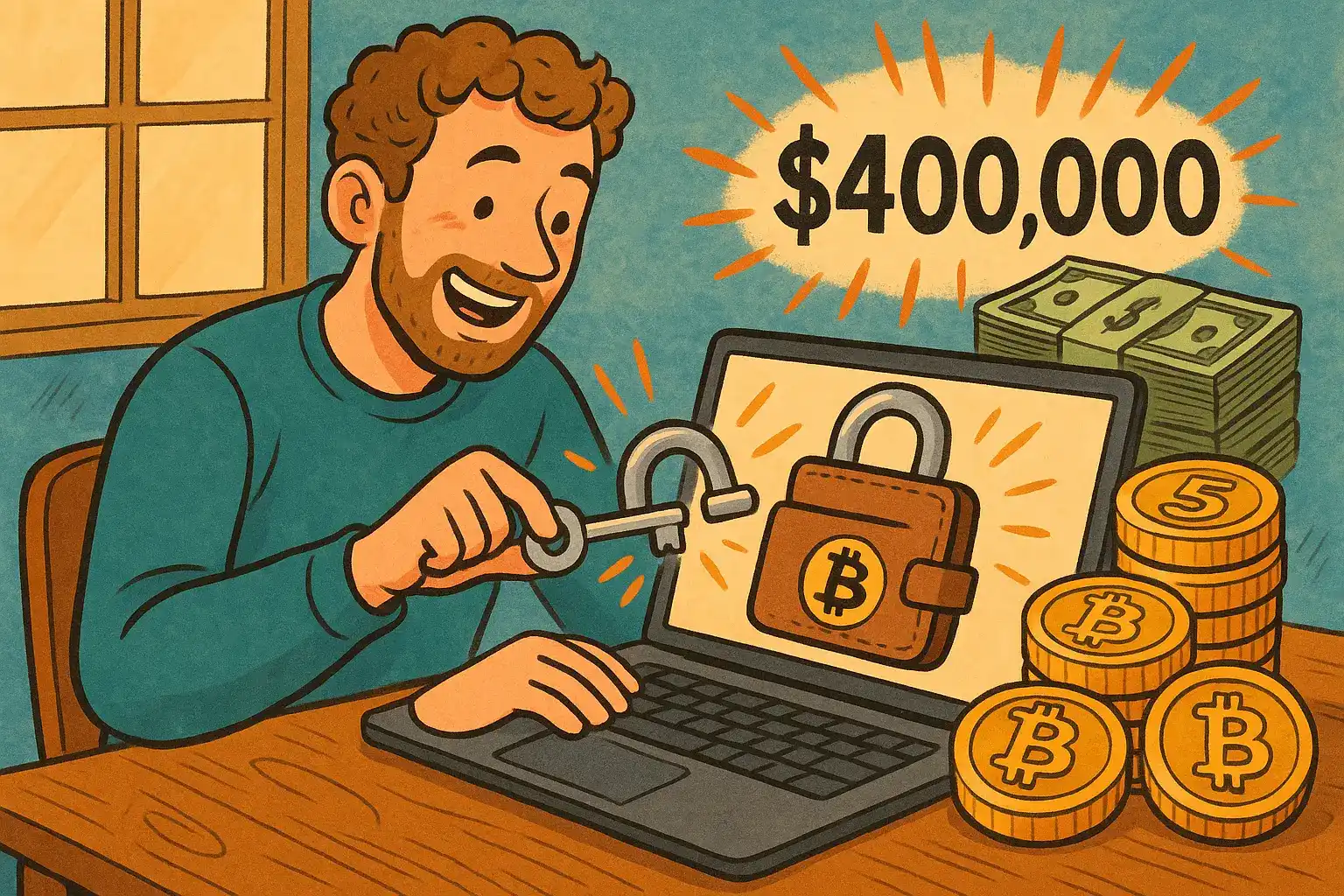
AI Chatbot Claude Helps Man Recover 5 Bitcoins Forgotten for 11 Years, Worth Nearly $400,000 A user named Cprkrn recovered a Bitcoin wallet containing 5 BTC (~$400,000), locked for over 11 years, with the help of Anthropic's AI, Claude. The wallet was originally locked after Cprkrn changed its password while under the influence in university and subsequently forgot it. Claude did not crack the password. Instead, after Cprkrn uploaded all files from his old university computer, Claude sifted through the data and located an earlier, pre-password-change version of the encrypted wallet file (wallet.dat). Cprkrn had also recently found a handwritten seed phrase, but it was incompatible with the main wallet file. Claude's key breakthrough was identifying and fixing a bug in the open-source recovery tool `btcrecover`, which had been concatenating the shared key and user password in the wrong order. After correcting this logic error and running the decryption process, Claude successfully extracted the private key, allowing the funds to be accessed and transferred. While the post garnered over 10 million views and sparked excitement, wallet recovery experts noted Claude's role was more akin to AI-assisted digital forensics—organizing unstructured historical data, diagnosing tool issues, and executing a corrected process—rather than true cryptographic password cracking. The recovery relied on pre-existing user-held data fragments: old computer files, a valid seed phrase, and an older wallet file. The story highlights a potential new, lower-cost path for recovering lost crypto assets, dependent on users retaining old data. It also occurs against a backdrop where an estimated one-third of Bitcoin's circulating supply is dormant in long-lost or inaccessible wallets.

marsbit1 saat önce

Claude Helps Man Recover 5 Bitcoins Forgotten for 11 Years, Worth Nearly $400,000

marsbit1 saat önce

İşlemler

Spot
Futures
活动图片