空投不是羊毛,是对未来信念的定价市场

marsbitPublished on 2025-04-14Last updated on 2025-04-15

代币不仅是客户获取成本(CAC):它们是用户行为的承销工具

大多数创始人将CAC视为会计指标。在加密货币领域,尤其是需要频繁用户交互的应用或协议中,它更接近结构化金融。代币不仅是激励手段;它们是承销工具。

它们将选择权嵌入用户行为,将增长支出从沉没成本转变为对未来参与的或有求偿权组合。当你发行代币时,你不是在“奖励”用户:你实际上是在编写一种行为衍生品。

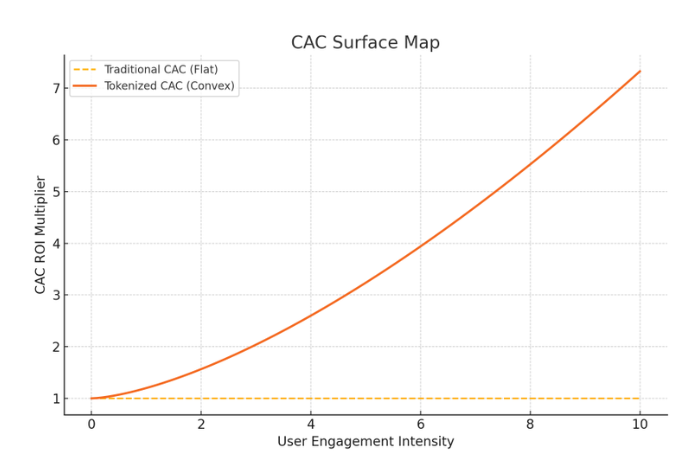
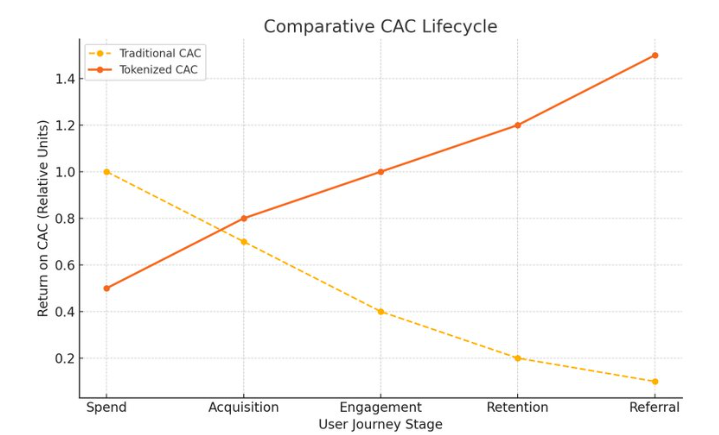
传统的CAC是现金支出。代币CAC是具有凸性收益、内生定价和反身动能的敞口。这不是营销。这是资本形成,抽象到用户层面。正确处理这一点对于在获客、留存和心智份额上产生上升势头至关重要。

像@nikitabier这样的人越来越多地参与加密货币是有原因的。加密货币是除代理开发之外的最后前沿之一,在增长和分发工程方面有真正的创新。
用户

空投挖矿:过早的收益率曲线

空投挖矿经常被误解。是的,它是榨取性的。是的,它经常被操纵。但在唯利是图的表面之下隐藏着一个更深层的真相:用户正在表达对代币价值的前瞻性预期,并据此定价他们的时间。这不是行为换奖励。这是行为作为期权行权。

早期的空投创造了原始的行为市场。我们中的许多人,包括我自己,开始参与DeFi是基于通过挖矿获得未来奖励的预期。

投机者通过模拟信念来抢先协议的慷慨。协议则容忍这种泄漏,因为即使是嘈杂的活动也创造了流动性、分发和叙事框架。这种注意力捕获最终帮助了价格发现。

挖矿不是黑客行为。它是第一个为注意力期货定价的市场。最终,加密货币是一个交易和金融化注意力的场所。

CAC作为结构化敞口

在传统的增长模型中,CAC是一个常数。在加密货币中,它是一条通过排放、归属、衰减和游戏机制塑造的曲线。

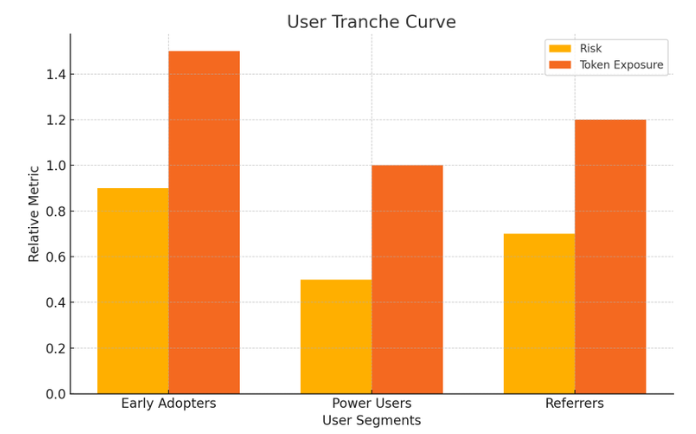
你可以将每个用户视为一部分敞口:

  • 早期采用者=高风险,高杠杆。
  • 核心用户=稳定现金流,低波动。
  • 推荐者=具有嵌入式网络增量的分发代理。

代币允许你动态地为这些部分定价,不仅以美元计价,而且以协议原生工具计价,这些工具随着网络扩展而反身升值。这不是“付费用户”。这是为你未来的吸引力编写看涨期权,并将其分发给那些创造它的人。
用户

激励设计:分形凸性

设计良好的代币系统创造了分层的凸性:

  • 你因早期行动而获得奖励。
  • 如果其他人因为你的行动而行动,你会再次获得奖励。
  • 如果系统本身因此重新定价上涨,你会第三次获得奖励。

加密货币中一些最有趣的系统利用这些机制创造了自然的谢林点:通过链上活动的反身性。只是3;3兄弟。

每个人都知道收益不是线性的。它是递归的。这创造了分形凸性,其中每一份努力都会对协议成功产生二阶和三阶敞口。

有效的激励设计将其编码到系统中:

  • 积分系统既是软认股权证又是波动率表面。
  • 归属计划作为合成锁。
  • 不同分级的行动成本(就承销而言)以吸引不同的用户角色,包括投资者。

你不是提供确定性。你提供的是对潜力的敞口。这就是它传播的原因。
用户

机制设计:节奏、反身性、步调

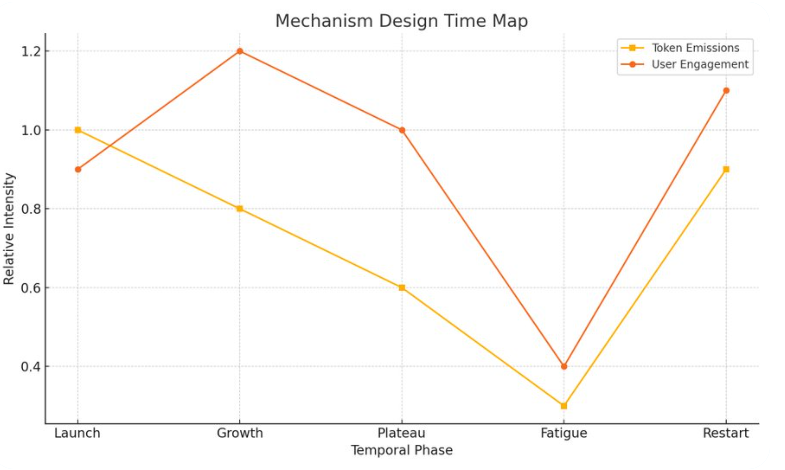
传统的CAC是静态的。代币让你控制节奏。基于时间的解锁。季节性排放。过期乘数。这些都塑造了行为密度,即用户参与的频率和强度。

设计良好的CAC系统平衡:

  • 反身性(用户为自己的行为定价),
  • 稀缺性(赚取窗口关闭),
  • 叙事(进展可分享),
  • 波动性(结果不确定,但非零)。

在加密货币中,推荐不是联盟营销,而是模因承销。用户成为CAC代理,补偿的不是覆盖范围,而是反身性:他们吸引其他也想要敞口的人的能力。

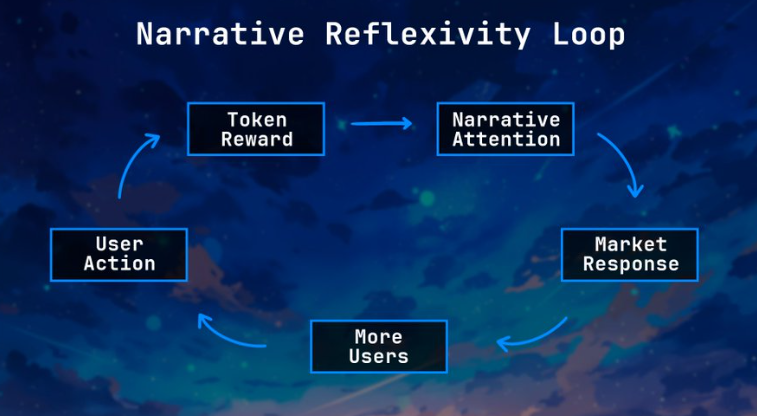
这将病毒性从一个系数(k因子)变成了一个金融反馈循环:

邀请→积分→影响力→注意力→价格上涨→更多邀请。

它为分发增加了赌注。具有社交覆盖的激励行动成为自定价叙事速度。

代币是带有节奏的CAC。因此有句谚语:“价格上涨时技术就是好的。”如果反身性持续,加密货币原生的网络效应可以比许多传统的病毒飞轮更持久。

超流动
用户

Blur和Blast:机械化流动性提取

@blur_io以手术般的精度执行了作为工具的CAC。

积分不是忠诚徽章。它们是排放期货,基于排行榜和时间加权。每个用户都成为一个微型做市商,在衰减的激励曲线下竞争。

排行榜不仅仅是游戏化。它是关于谁能在压力下交易最努力的链上价格发现。我们可以责怪Blur摧毁了NFT市场,甚至可能是整个NFT金融。分形凸性意味着所有资产、所有系列和所有行动都变得紧密相关。

但该系统完全按照@PacmanBlur的意图行事:积极垄断市场。

深度流动性。没有CAC燃烧。完美的信息不对称。这不是营销。这是一场针对流动性和注意力的结构化拍卖。

Blast更进一步——CAC不仅是一种成本。它变成了一种元游戏。

早期的Blast时代对许多dApp用户来说是加密货币中最有趣的时期之一。它大力承销用户行为,并明确地将这种承销金融化。围绕Blast Gold和积分的场外交易市场形成。团队通过发布和捕获注意力来竞争流量。元游戏是多参与者、零和且投机性的设计。

关于Blast团队做对了什么和做错了什么已经说了很多,但很明显,Blast系统对代币激励的设计空间产生了重大影响。规则是明确的,投机是被接受的,围绕用户行为未来价值的新市场被创造出来,这些行为是在定期和系统性的基础上被承销的。
用户

Abstract:游戏化用户行为承销

具有不完全信息的投机游戏本质上是凸性的。在主网上线前,随着获得更多清晰度,投机速度会降低。随着系统接近主网上线事件视界,希望与现实之间的差距会缩小。任何Blast的核心用户在五月/六月都会深切体会到这一点。因此,聪明的团队正在其他地方寻找灵感。

@AbstractChain的激励设计不像Blast那样明确金融化,但投机兴趣的速度通过从游戏设计中吸取一些教训而得到推动。大多数加密货币用户对游戏中存在的奖励系统非常熟悉——成就、状态、头衔、装备等。

Abstract被定位为一个易于访问的通用L2,用于消费者加密货币应用。Abstract Portal自然会明确游戏化链上交互,同时通过XP挖矿承销用户行为,尽管不那么明确。根据我的观察,他们的方法被证明是可持续的。

虽然未来代币价格的波动性和叙事生成较少,但有很强的用户获取速度和真实、有机的应用使用。使用徽章和可以解锁的成就形式为用户和农民创造多巴胺循环,在激励活动和主网上线之间创造了一个中间阶段——使链团队和核心建设者不必急于推出代币,并将足够的用户引入链中以维持有机的产品市场契合度。

胖应用理论:CAC成为资产负债表

胖协议理论说基础设施将捕获价值。这可能仍然正确,但这里的CAC原语暗示了其他东西:

应用就是资产负债表。这些不仅仅是产品——它们是合成经济体,有自己的货币、排放和信念市场。Blur。friend.tech。Blast。每一个都设计了CAC系统,同时引导了流动性、分发和叙事。

CAC不是成本。它是一种代币化的增长承销模型。代币是合成股权。

CAC现在是一个金融表面

在加密货币中,CAC不是你降低的东西。它是你定价的东西。你不是花钱获取用户。你编写工具让他们暴露于自己行为的上升空间。

这就是为什么最好的加密货币增长引擎感觉更像游戏、对冲基金或文化运动,而不是初创公司。它们是设计用于以下目的的系统:

  • 承销注意力的游戏
  • 产生反身性的金融表面
  • 看起来像结构化产品的增长引擎

尽管在某种程度上,我仍然认为入门是一个模因,并且该领域一些最成功的协议相对封闭,但我认为我们正在接近一个拐点,通过游戏化,非原生用户将能够体验到协议或产品承销其行为的好处,从而能够看到拥有金融元游戏的好处。

入门是一个模因,因为游客想要构建非投机性的加密货币用例。在消费者层面上,加密货币是纯粹的投机。听交易员、农民和实际用户的话,而不是那些进入这个领域以从最新的Alt L1融资中职业挖矿的人。

入门不会通过将一堆随机消费者引入链上应用而发生,而是在用户行为承销的技术、诀窍和设计解决方案成为任何消费者应用的重要组成部分时发生,在这个金融虚无主义和不确定的时代精神中。
Related Reads

Solana Ecosystem Shows Signs of Recovery: On-Chain Governance Upgrade, Tokenized Stocks and Meme Coins Heat Up

Solana Ecosystem Shows Signs of Revival: Governance Upgrades, Tokenized Stocks, and Memecoins Heat Up While the broader crypto market faces a downturn, Solana has shown relative strength with its price rising nearly 15% recently. This resilience is attributed to warming ecosystem activity, particularly in tokenized stocks and memecoins, coupled with a major upgrade to its on-chain governance. In the Real World Assets (RWA) sector, Solana now leads all public chains in both the number of unique holder wallets and the quantity of RWA assets. Its tokenized stock weekly trading volume has surged to a record $1.42 billion, capturing about 96% of the market share, largely driven by the Backpack exchange. Simultaneously, the Solana memecoin sector has reignited, fueled by the rapid ascent of the ANSEM token following endorsements from a prominent crypto influencer. This has boosted activity across platforms like Pump.fun and increased fee revenue for several Solana-based exchanges. A key development is the launch of Solana Governance Proposals (SGP), a new on-chain mechanism. It allows validators with at least 100,000 SOL delegated to submit proposals for community vote, enhancing decentralized decision-making. SGP will operate alongside the existing technical proposal process (SIMD), focusing on broader ecosystem governance. Despite these positive signals in specific areas, overall on-chain activity and transaction volumes still lag behind previous bull market peaks, indicating the recovery remains partial rather than ecosystem-wide.

marsbit20m ago

Solana Ecosystem Shows Signs of Recovery: On-Chain Governance Upgrade, Tokenized Stocks and Meme Coins Heat Up

marsbit20m ago

While Semiconductor Stocks Plunge, Anthropic Plans to Develop a 2nm Chip

Anthropic, the AI company behind Claude, is exploring the development of its own custom AI chip, according to a report from The Information. The company is in early discussions with Samsung Electronics to manufacture the chip using Samsung's most advanced 2-nanometer process and packaging technology. While the project is still in preliminary stages, including defining chip specifications, and could be abandoned, it marks a strategic step for Anthropic. The move comes as the company seeks greater control over its computing costs and hardware optimization, particularly for inference tasks to run its models more efficiently and cheaply. Samsung's potential involvement follows its participation as a strategic investor in Anthropic's recent $65 billion funding round. For Samsung, partnering with a major AI lab represents a significant opportunity for its foundry business to compete with market leader TSMC in advanced semiconductor manufacturing. Anthropic's CEO, Dario Amodei, has previously highlighted the immense financial challenge of securing enough computing power for anticipated growth, making cost-effective inference a critical focus. The company would join other tech giants like Google, Amazon, Microsoft, Meta, and OpenAI in pursuing custom AI silicon. However, analysts note this trend creates deeper interdependencies rather than independence, as US AI labs become more tightly woven into Asian semiconductor supply chains. Despite this move, Anthropic remains heavily reliant on a multi-cloud, multi-vendor strategy for its immediate computing needs. It has secured massive, long-term commitments for capacity from Amazon Web Services (Trainium chips), Google (TPUs), and even leased a large GPU cluster from xAI. For now, Nvidia continues to dominate the AI chip market, with its share reportedly growing to 74%.

链捕手22m ago

While Semiconductor Stocks Plunge, Anthropic Plans to Develop a 2nm Chip

链捕手22m ago

Korean Companies Following Strategy in Accumulating Cryptocurrency: From Bull Market to Delisting?

Title: Korean DAT Companies Following "Strategy" Bitcoin Hoarding Model Face Delisting Amid Bear Market Summary: Several Korean KOSDAQ-listed companies, known as Digital Asset Trusts (DATs), are at risk of being delisted due to a combination of stricter regulatory thresholds and a downturn in crypto markets. These firms, inspired by models like Strategy and Japan's Metaplanet, raised capital to buy Bitcoin, relying on a cycle of rising crypto prices to boost their stock value. However, recent reforms in Korea have raised the minimum market capitalization required to stay listed from 150 billion won to 200 billion won (approx. $1.3M), with a further increase to 300 billion won set for next January. The new rules also close loopholes like reverse stock splits used to artificially inflate share prices. The situation is exacerbated by a significant drop in Bitcoin's price from its 2025 peak and a weak KOSDAQ market. While the main KOSPI index has surged nearly 95% year-to-date, KOSDAQ has fallen about 10%, draining liquidity from smaller companies. Many DATs now hover near or below the new market cap thresholds and must also book substantial valuation losses on their Bitcoin holdings. Analysts suggest that without a sustained recovery in both crypto prices and broader market interest in KOSDAQ stocks, these companies have limited options to avoid delisting, marking a precarious moment for Korea's crypto-linked public companies.

marsbit32m ago

Korean Companies Following Strategy in Accumulating Cryptocurrency: From Bull Market to Delisting?

marsbit32m ago

Korean Companies That Learned to Hoard Coins from MicroStrategy: From Bull Market to Delisting?

South Korean companies that adopted the “Digital Asset Treasury” (DAT) strategy—issuing shares to buy and hold Bitcoin, inspired by MicroStrategy—now face delisting risks on the KOSDAQ market. New regulations effective July 1, 2026, tightened listing maintenance rules, notably raising the minimum market capitalization threshold from 150 billion KRW to 200 billion KRW (about $1.3 million), with a further increase to 300 billion KRW scheduled for January 2027. Companies failing to meet both the share price and market cap requirements for specified periods risk being designated for delisting, with fewer options for financial engineering like stock splits to artificially boost prices. The downturn in cryptocurrency prices has severely impacted these firms. Bitcoin, which peaked above $120,000 in mid-2025, has fallen below $60,000, forcing DAT companies to report large valuation losses. Compounding this, the KOSDAQ index has dropped about 10% year-to-date, while the main KOSPI index surged nearly 95%, diverting investor interest away from smaller-cap stocks. Examples like BitPlanet (holding 300 BTC) and Parataxis Ethereum currently hover just above the new market cap limits, but face heightened scrutiny and potential delisting starting in 2027. Industry analysts warn that the combination of weak crypto markets, a struggling KOSDAQ, and stricter regulations creates a significant survival challenge for these companies, highlighting the risks of business models overly reliant on volatile digital asset prices.

链捕手36m ago

Korean Companies That Learned to Hoard Coins from MicroStrategy: From Bull Market to Delisting?

链捕手36m ago

Trading

Spot
活动图片