Эксперт дал советы по распознаванию криптомошенников

cryptonews.ru2022-05-23 tarihinde yayınlandı2025-03-23 tarihinde güncellendi

В 2024 году наблюдался всплеск хакерской активности, связанной с криптовалютами: мошенники украли более $3 млрд. По мере роста популярности цифровых активов увеличивается и количество преступных схем. О том, как выявлять потенциальные угрозы, «Известиям» 23 марта рассказал директор по коммуникациям криптовалютной биржи exmo.me Михаил Смирнов.

«Фишинг — одна из самых распространенных и опасных схем кибермошенничества в криптоиндустрии. По данным аналитиков, именно фишинговые атаки становятся причиной утраты средств в большинстве случаев. Злоумышленники подделывают сайт популярной криптобиржи или кошелька и распространяют ссылку на него через электронную почту, мессенджеры или рекламу», — объяснил эксперт.

По его словам, визуально порталы выглядят идентично оригиналу, но отличаются в URL. Например, заглавную латинскую i можно заменить на строчную латинскую L, которые воспринимаются одинаково — I и l. Введенные логины и пароли сразу же передаются преступникам.

Если пользователь заходит на фишинговый сайт и подключает кошелек, система не всегда предупреждает о потенциальной опасности. Большинство криптокошельков не имеют встроенных механизмов защиты от подобных атак. В результате взаимодействие с поддельным ресурсом выглядит абсолютно привычно: появляется стандартное окно с запросом на подключение. Если пользователь подтверждает его, злоумышленники получают доступ к средствам, которые мгновенно выводят.

«Главное правило — использовать ссылки только из официальных источников или проверенных сервисов. Категорически не стоит полагаться на частные Telegram-каналы: администраторы также ошибаются или намеренно публикуют фишинговую ссылку. Не стоит переходить по ссылкам из крипточатов или комментариев в соцсетях: они заполнены мошенниками», — добавил он.

По мнению специалиста, желательно начинать работу с новой платформой, используя кошелек с небольшим балансом. Оптимальный вариант — иметь несколько аккаунтов: один для хранения основного капитала и как минимум один тестовый, предназначенный для работы с непроверенными сайтами. В этом случае даже при фишинговой атаке пострадает часть средств, а основной капитал останется в безопасности.

Скам-проекты — форма мошенничества, связанная с цифровыми активами. Злоумышленники манипулируют доверием людей и стремлением к быстрому заработку, чтобы завладеть их средствами. Обычно это представляется как «перспективная» инвестиционная возможность, но на практике оказывается уловкой для обмана. К ним относятся псевдоинвестиционные фонды или фальшивые криптопроекты, обещающие высокий доход. Признаки таких схем — агрессивная реклама, гарантия прибыли без риска, отсутствие прозрачности команды и реального продукта.

Например, злоумышленники привлекают людей обещаниями высокой прибыли при инвестировании в некий перспективный проект. Человек переводит средства, затем проект исчезает и организаторы пропадают. Еще один распространенный случай — поддельные NFT и токены. Мошенники создают фальшивые цифровые активы, которые реализуют наивным покупателям. Человек приобретает «уникальный» NFT за $300, а позже обнаруживает, что изображение скопировано с другого ресурса.

Также стоит остерегаться мошенников в социальных сетях. Они часто выдают себя за известных криптоинвесторов, организуют «раздачи» токенов, обещая отправить пользователям криптовалюту в обмен на небольшую сумму, которая нужна для подтверждения транзакции. Никакие легальные криптопроекты не требуют предоплаты для получения вознаграждения.

«Владелец криптовалютного кошелька должен быть единственным, кто имеет доступ к своим цифровым активам. Необходимо регулярно обновлять программное обеспечение и использовать сложные пароли или PIN-коды. Пароли также должны быть сложными и уникальными, а записывать их лучше в надежном менеджере паролей. Двухфакторная аутентификация на всех сервисах, связанных с криптовалютой, считается обязательной мерой безопасности», — подытожил Смирнов.

Ранее, 12 марта, Центральный банк (ЦБ) России в соответствии с поручением президента страны Владимира Путина направил в правительство предложения по регулированию инвестиций в криптовалюты. Об этом сообщили в пресс-службе регулятора. По данным Центробанка, предлагается разрешить части инвесторов из России приобретать и продавать криптовалюты. Для осуществления планируется на три года установить специальный экспериментальный правовой режим (ЭПР).


İlgili Okumalar

Mid-Year Review of U.S. Crypto Policy: CLARITY Gains Momentum for a Comeback, Who Will Lead the Second Half?

Mid-Point Review of U.S. Crypto Policy: CLARITY Act Gains Momentum, Who Will Lead the Second Half? The U.S. crypto industry is hopeful for a breakthrough as the Senate advances the CLARITY Act, but securing the necessary 60 votes requires bipartisan compromise. With only about 40 legislative days left, the path is tight. The policy agenda is crowded. Alongside CLARITY, multiple crypto tax proposals spun off from the new PARITY Act seek attachment to larger bills. The Blockchain Regulatory Certainty Act aims to codify developer protections, and key rules under GENUIS remain under negotiation. The CFTC operates with four vacant commissioner seats, creating uncertainty. A major unresolved battle is over which regulator—state authorities, the CFTC, or the SEC—will gain jurisdiction over prediction markets. The sector also faces the impending departure of two key advocates: SEC Commissioner Hester M. Peirce and Senator Cynthia Lummis. Industry leaders provided cautious perspectives. Sara K. Weed doubts CLARITY will pass this Congress, expecting agencies like the SEC to provide guidance instead. Sulolit "Raj" Mukherjee believes targeted crypto tax provisions have a real chance if attached to must-pass year-end legislation. Rashan Colbert highlights the CFTC's recent efforts to build a regulatory framework for the growing prediction markets sector, warning against an overly broad "gambling" classification that could stifle innovation. The second half of the policy year has begun. The window for action is narrow, but opportunities remain. Sustained bipartisan engagement is crucial for achieving substantive results.

Foresight News8 dk önce

Mid-Year Review of U.S. Crypto Policy: CLARITY Gains Momentum for a Comeback, Who Will Lead the Second Half?

Foresight News8 dk önce

Will the STRC Issue Price Determined by ChatGPT Lead to a Death Spiral?

A "death spiral" concerns surround the "STRC" preferred shares from MicroStrategy, a financial instrument designed by CEO Michael Saylor with significant AI consultation to trade near a $100 face value. Since its July 2025 launch alongside a ~40% Bitcoin (BTC) decline, STRC has traded at a discount, hitting a low of $82.53 and pushing its effective dividend yield above 12.9%. The debate centers on whether STRC's structure—which relies on MicroStrategy issuing more shares to fund Bitcoin purchases and dividends—is sustainable or a "centralized Ponzi scheme," as economist Peter Schiff claims. Skepticism grew after Saylor revealed the product's design involved extensive AI dialogue to create a legally viable, monthly-dividend, price-stable preferred share—a novel concept. MicroStrategy's recent sale of 32 BTC to cover dividends, coupled with a sharp slowdown in its weekly Bitcoin buys (from billions to ~$100 million in June), has intensified fears. The "at-the-market" equity issuance, a key funding mechanism, is paused while STRC trades below par. This raises the "death spiral" risk: a lower STRC price triggers automatic dividend rate hikes, increasing cash obligations and potentially forcing more share sales or Bitcoin divestments. Bullish analysts like Jesse Myers argue the sell-off stems from leveraged positions unwinding, not fundamental failure, noting the company can cover dividends for decades if BTC appreciates modestly. The shift to semi-monthly dividends and the high yield at discounted prices may attract new buyers. Major AI models (ChatGPT, Grok, Claude) suggest a return to $100 is possible but conditional on restored market confidence, sustainable dividend coverage without asset sales, and a Bitcoin price recovery. The critical test arrives as new dividend rules take effect June 30, likely raising rates again with STRC below $95. The central question remains: Can MicroStrategy fulfill its obligations without selling Bitcoin, or will the mechanism accelerate its own decline?

marsbit15 dk önce

Will the STRC Issue Price Determined by ChatGPT Lead to a Death Spiral?

marsbit15 dk önce

Why Did NVIDIA's Bond Issue Go Unnoticed While SpaceX's Caused a Plunge?

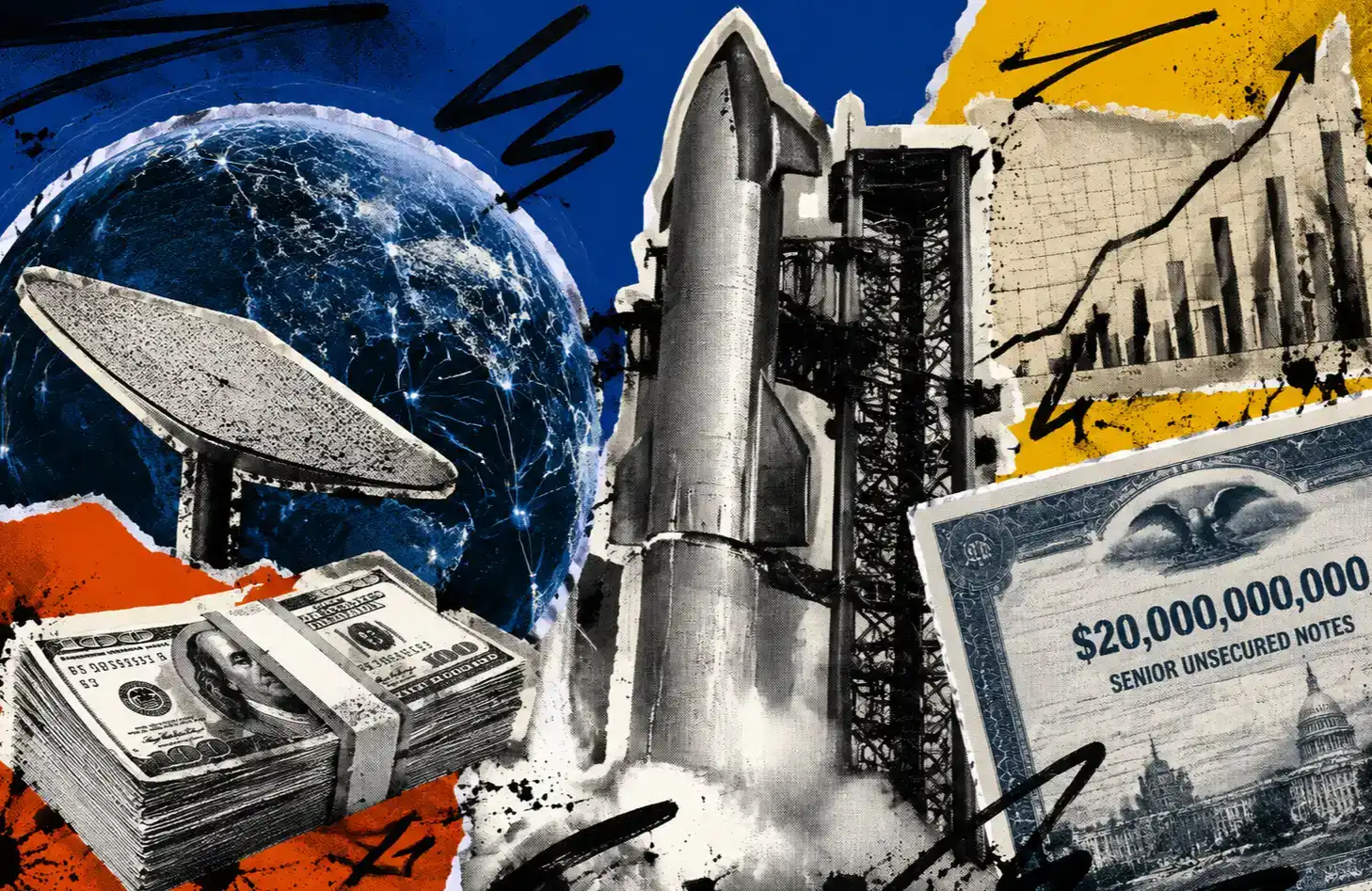
The article analyzes the contrasting market reactions to recent bond issuances by SpaceX and NVIDIA. While NVIDIA's $25 billion bond offering was met with strong demand and seen as securing long-term capital for its already profitable AI business, SpaceX's move to raise at least $20 billion in bonds (primarily to refinance bridge loans) triggered a sell-off in its stock (SPCX). The key difference lies in the stage of cash flow validation for their respective core narratives. For NVIDIA, the AI boom is generating substantial, visible revenue and profits, making debt a tool to amplify a proven growth curve. For SpaceX, despite a strong cash position post-IPO and a revenue-generating business in Starlink, its valuation is heavily tied to future, capital-intensive projects like Starship, global satellite networks, and potential AI infrastructure. The bond issuance acted as a trigger, shifting market focus from SpaceX's long-term vision to the pressing question of whether Starlink's profits can fund these ambitious, unproven ventures before they generate their own returns. Thus, the market penalizes not the act of borrowing itself, but the perceived gap between high capital expenditure and the speed of cash flow realization. SpaceX's valuation recovery hinges on demonstrating that Starlink's profitability can outpace the burn rate of its futuristic projects or that those projects (like Starship achieving reliable, low-cost reusability) can soon transition from costly visions to commercial realities.

marsbit20 dk önce

Why Did NVIDIA's Bond Issue Go Unnoticed While SpaceX's Caused a Plunge?

marsbit20 dk önce

Will the STRC Issue Price Determined by ChatGPT Really Fall into a Death Spiral?

"Strategy's" (STRC) preferred share, a financial instrument designed by CEO Michael Saylor in consultation with AI to trade steadily at $100, faces mounting pressure. Since its July 2025 launch alongside a ~40% Bitcoin price drop, STRC has traded at a steep discount, hitting a low of $82.53. This discount pushes its effective dividend yield above 12.9%. The core debate revolves around whether STRC's structure is sustainable or a "centralized Ponzi scheme," as economist Peter Schiff claims. The mechanism relies on issuing new shares ("at-the-market" offerings) to fund Bitcoin purchases and dividend payments. However, the deep discount has paused these ATM offerings, slowing Bitcoin accumulation and forcing a minor sale of 32 BTC to cover obligations. Proponents, like The Smarter Web Company's Jesse Myers, argue the sell-off is a leveraged unwinding, not a fundamental failure. They note Strategy has ample resources to cover dividends for years if Bitcoin appreciates modestly. The deep discount also makes STRC attractive for yield-seeking buyers, as dividends are calculated on the $100 face value. The key test is whether Strategy can maintain dividends without sustained Bitcoin sales. A critical watchpoint is June 30th, when STRC switches to semi-monthly dividends. An automatic rule will likely raise the dividend rate further because the price remains below $95$, potentially creating a "death spiral": lower prices trigger higher yields, increasing the cash burden and forcing more dilution or asset sales. The question of whether this AI-designed "flywheel" is a stable instrument or a flawed accelerator will be answered by its price action and Strategy's funding choices in the coming months.

链捕手20 dk önce

Will the STRC Issue Price Determined by ChatGPT Really Fall into a Death Spiral?

链捕手20 dk önce

İşlemler

Spot
Futures
活动图片