详解Pi Network:「无脑」的电子宗教何以吸引6000万用户?

区块律动Published on 2025-02-12Last updated on 2025-02-13

Abstract

Pi 的社区信仰极强,且在长期没有实际经济利益的情况下,依然保持 CX,这是如何做到的?

原文作者: 加密韋馱,加密 KOL

编者语:今日,Pi Network 官方发文表示,其主网将于 2 月 20 日 16:00 正式上线。不仅如此,OKX、Bitget 等主流交易所也宣布届时将上线 PI 现货交易。Pi Network 是什么?为什么被大家戏称为「最强地推盘」?本文首发于 2022 年 12 月 27 日,对 Pi Network 的原理、团队背景、成功原因等做了全方位介绍。由于发布时间已超两年,部分数据或有出入。BlockBeats 转载全文如下:

本文将从多个角度介绍什么是 Pi、为什么是 Pi 这个哲学问题。

省流:这是 Crypto 最被 Underrated 的 2C 应用项目,值得所有团队仔细学习。

1. 什么是 Pi?

Pi Network 诞生于 2019.3.14。其实质是号称基于 Stellar,可以「手机挖矿」的 APP。Pi 的宗旨是建立一个高可接入性、低成本的去中心化数字货币网络(可视为 MINA 那样的轻节点概念)。

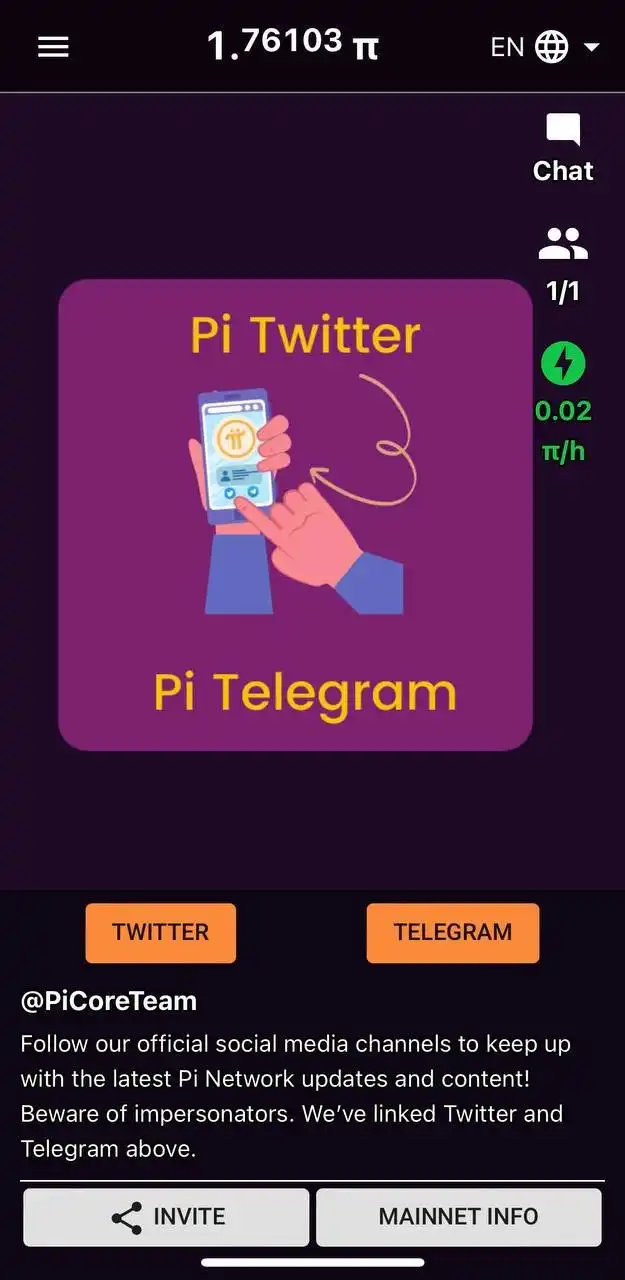
挖矿方式很简单:用户每 24 小时点击一次按钮,每 24 小时为一个挖矿周期,到期需要重新点击。整个过程完全免费。
2. Pi 的传播机制

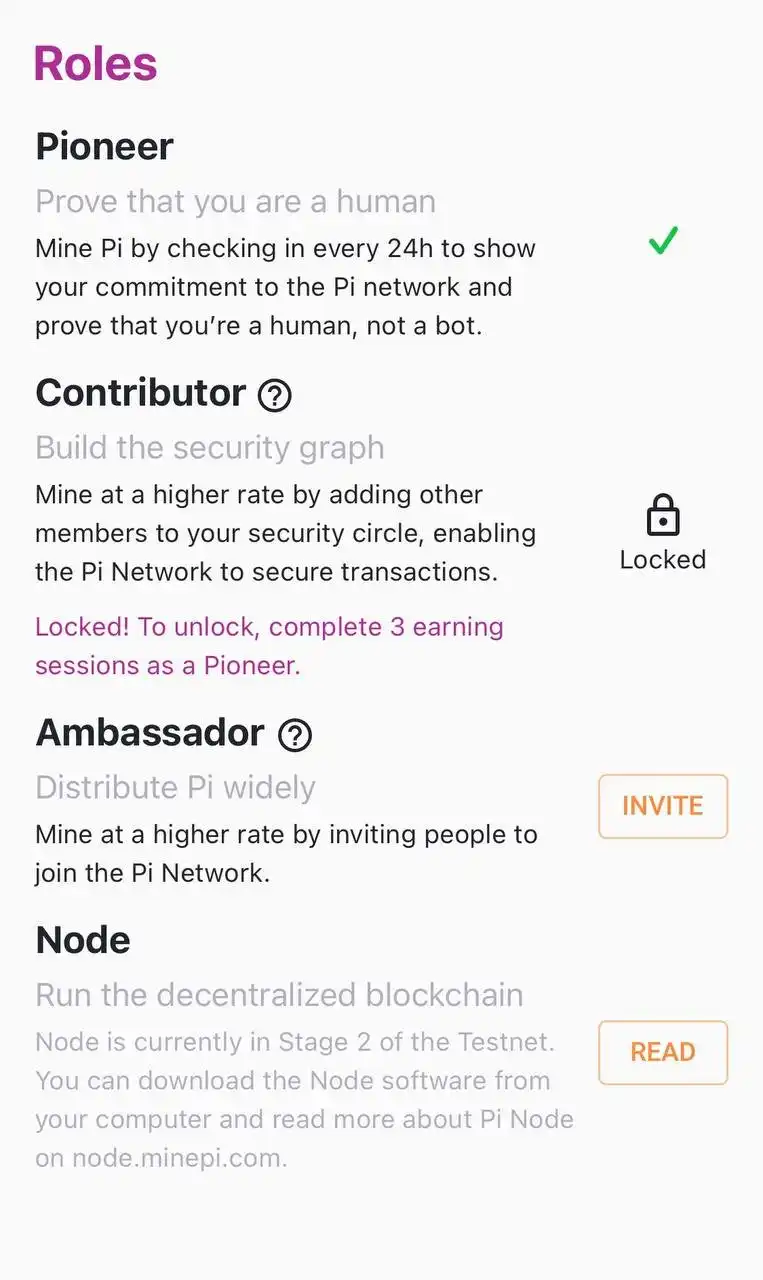
Pi 有 3 种与传播相关的角色:

- 先锋是默认身份

- 贡献者需要通过挖矿 3 天解锁,并且通过添加已有 Pi 用户或手机联系人用户的方式,建立「安全圈」。建立后可以获得额外的挖矿算力,每个人加 0.02,最多奖励 0.1(5 人)。

- 大使:邀请手机联系人或新用户邀请码注册成功后可成为大使
3. Pi 币

Pi 币主打的概念是给所有人平等低门槛获得加密货币的机会(王侯将相宁有种乎),因此 Pi 是免费挖出来的,没有价格锚。目前其在测试网阶段,最终 Pi 会上「主网」,也就是自建公链。所以目前的 Pi 其实是一种中心化积分。去年 Pi 开始要求全球各地用户进行 KYC 并开通测试网钱包,开通后可以进行转账。

4. Pi 不是简单的 Ponzi:

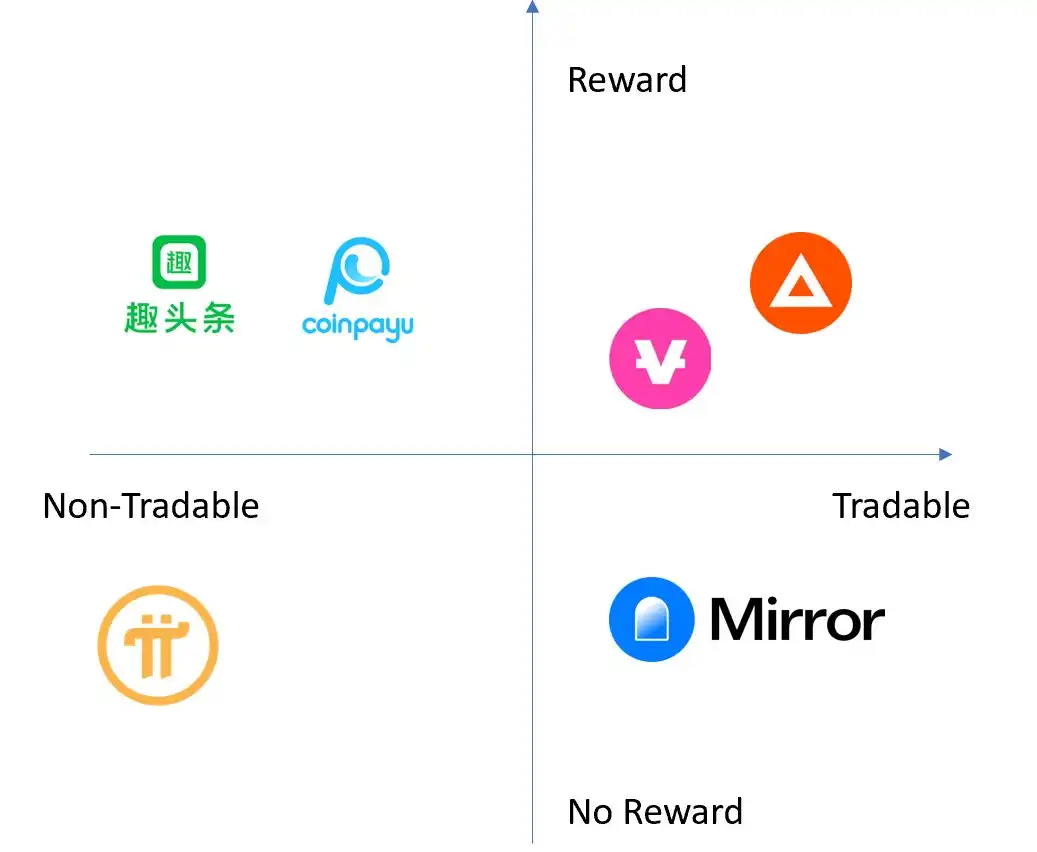
Pi 的定位不是入金庞氏,而是流量网赚式的免费路线。但是这和赚流量差价的「趣头条」不同,Pi 让用户赚的是无定价的 Pi(没有入金也就没有定价,不能交易也就没流动性),后期加入广告机制后,所有的广告收入其实是自己吃进的。只要 Pi 币不流通,项目本身其实是盈利的。
5. 我作为外行估算一下

Pi 号称 3500 万用户,如果实际打 5 折 1700w 活跃用户,且用户基本在亚非拉地区的话,按 CPM $0.3 一天两条(根据感知广告不多),那么单日应收应该在$10200 左右。对于只有 2-10 人的 Pi 团队,已经够了。不付成本让大量用户天天看广告,这非常考验项目方的 CPU 能力。Pi 是怎么做到的?

6. Pi 与电子宗教

与其说 Pi 是一个 Ponzi 或者 mobile 应用,不如说 Pi 更接近一个电子宗教。你无法用常规的产品逻辑去解释这样一个广泛参与、自发传播、不给拨比的项目。

根据社会学家 Lorne Dawson 的定义,一个宗教由四个方面构成,即:Belief 教义, ritual 教仪, experience 经验, 和 community 社区。

Pi 的教义: Crypto,人人能参与,人人能拥有。不 Crypto,但是在其受众语境下非常合理。Pi 最大受众来自东南亚、南亚、尼日利亚,以及欧美边缘人群。这个人群本质上是无神教或拜物教的辐射范围,这种宗教的本质是方法论而不是如一神教那样强调「神是万物之始」。只要得道,就能成仙;只要挖矿,就能发财
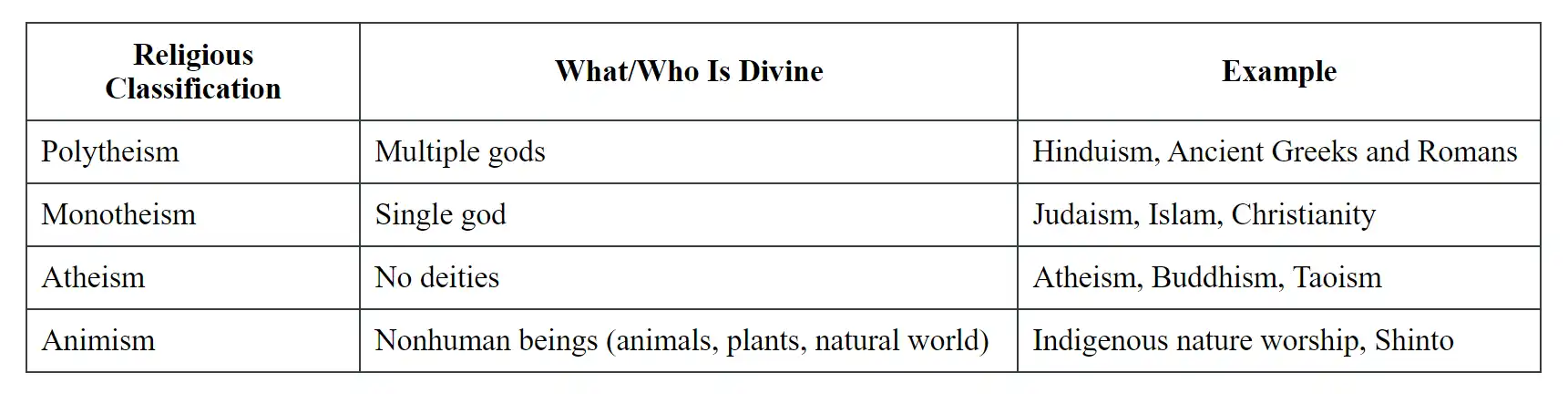
对于低生活水平人群(物质或精神意义上),类似共产主义的人人均富理想+人定胜天悟道成仙的方法论宗教,从来都是管用的。

而 2019 年以前,这些地区已经在如 3M 等资金盘和 Crypto 投机牛市下完成「BTC」的开蒙,谈论一种会」创造未来」又免费获得的新币也不再是形而上的天方夜谭,更接近老仙炼丹的飞升之法。

Pi 的教仪:教仪是一种反复进行的仪式,以强化信仰,如日常祷告冥想,又或是象征迈向人生新阶段的受洗礼。对 Pi 来说,每 24 小时准时激活算力就是日常祷告。由于挖矿周期倒计时的存在,以及非常细化的产出仪表盘,很多人为了不浪费产出,每天定闹钟提醒自己激活。不断心理暗示日复一日强化信仰。
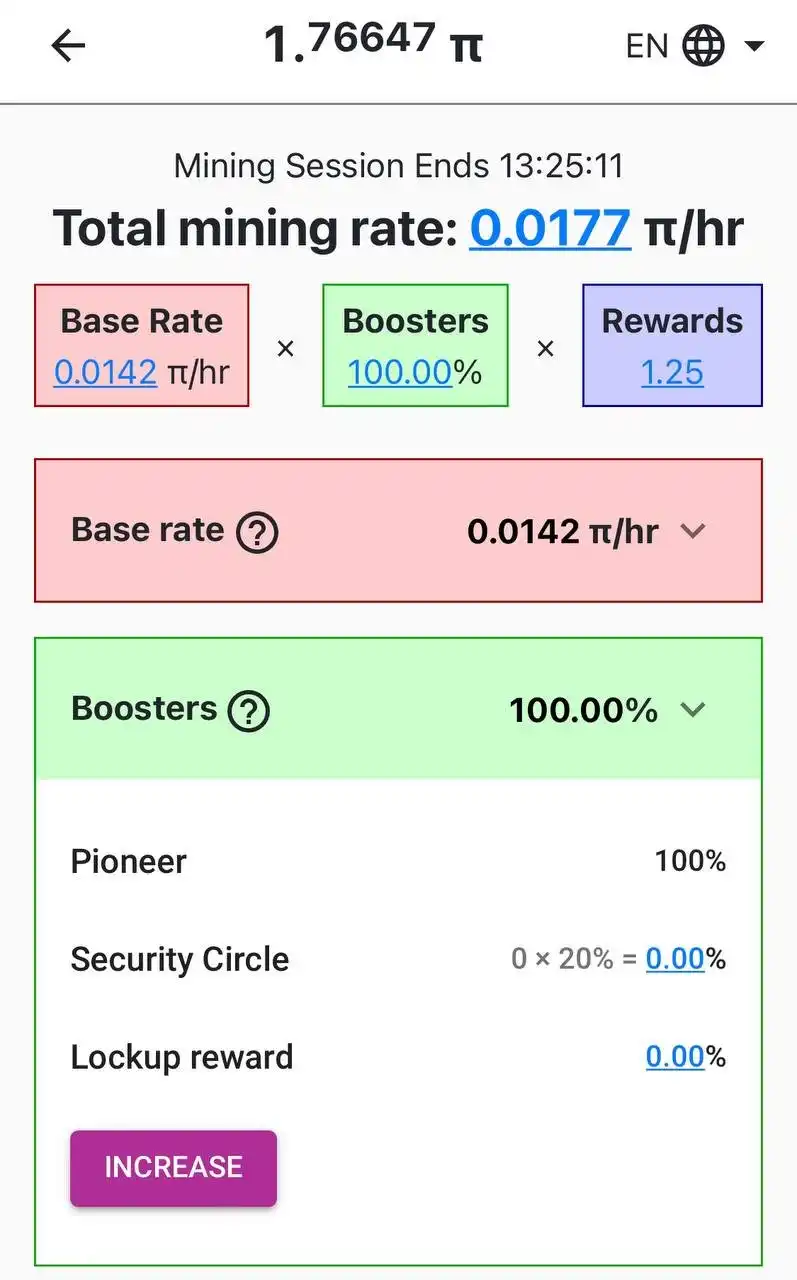
而「身份」则相当于一种标签,当一个人激活了贡献者完成了安全圈,相当于在 Pi 的社区中从小白变成老手,Pi Chat 中每分钟都有人为新人答疑解惑顺便邀请添加自己的安全圈,犹如牧师执行洗礼。仪式带来了更多」使命感「,让更多人在一声声」thx bro「中迷失了自我,形成了客观上的正向心理反馈。

Pi 的宗教经验:我们一般把宗教经验称为玄学,那些不可证伪但又让你的信仰不可被质疑的主观体验,比如水逆、求签灵验等等。个人认为这里 Pi 做的非常聪明。2019 年熊市寒冬中,几乎所有项目都在证明自己可以」实体落地「,锚定 XX 实体资产的增长价值。Pi 的故事是注意力市场,类似 BAT。但 Pi 比 BAT 聪明得多。
BAT 设计了一套完整的半中心化 CAC 套利产品: 浏览器、代币、adblocker。技术正统性拉满,确实是一只成功的团队。然而 Pi 用了只有一个零头的开发成本(估计个位数 Dev),获取不输 BAT 的用户量。因为他们很清楚目标用户想要证明的"神迹「,关键不在产品,而在能不能目睹更多对 Pi 币的应用,看到「全球都在玩」。

Pi 的产品接近无脑,基本没有用途。团队毫不忌惮的告诉社区:Pi 没有金钱价值,它不会因为叫」币「而莫名值钱,当社区建设的更为庞大拥有更多用户,Pi 才会有价值。讽刺的是,他们说的没毛病。Pi 通过 Brainstorm 板块向已经挖到不少 Pi 的用户征集使用 Pi 的电子和产品,甚至搞起了 DAO 和黑客松,要知道那是 2020 年。
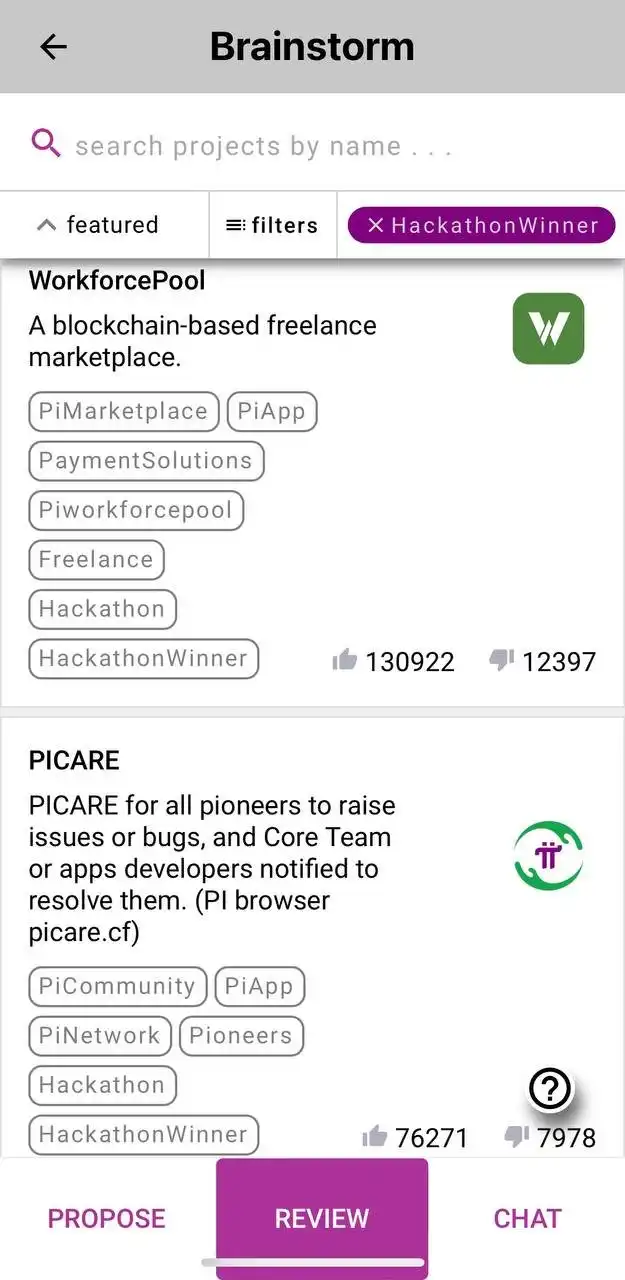
于是出现了基于 Pi 的游戏、电商、菠菜平台等提案。这些提案启发了很多手握不少 Pi 无法变现的本地企业主,开始在 Pi 社区中搞起以币易物。币换车我没见过,币换摩托,我在印尼是真的亲眼目睹。通过发动社区,Pi 无意间形成了自证预言,让很多人坚实了「Pi 已经被很多人采用,在创造历史的正确道路上」的信仰。

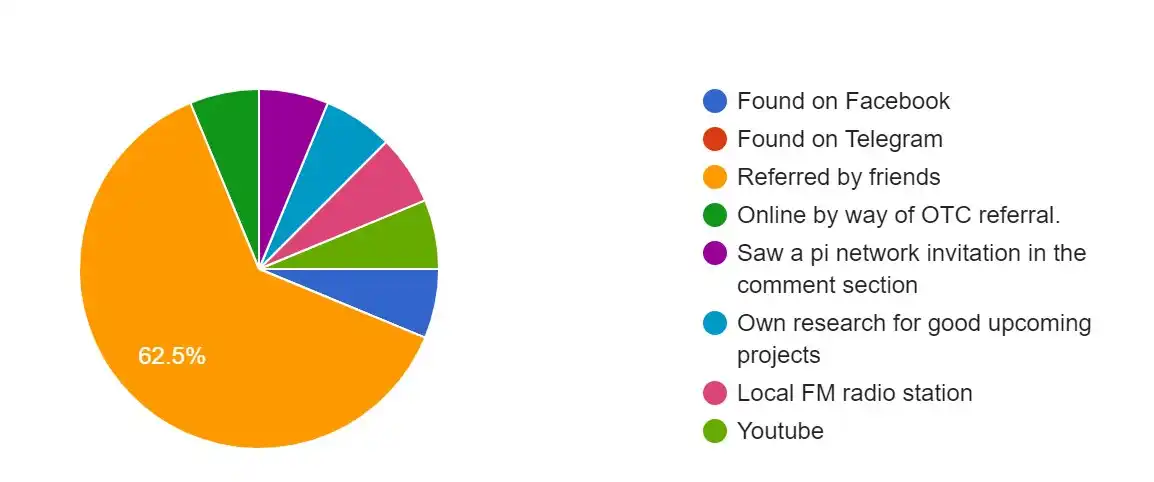
再加上团队斯坦福博士后的身份,整个叙事就变得非常地「合理」。上周,我在各个 Pi 的 FB、Telegram、Reddit 社区发起调查问卷,超过 70 位受访者在被问到「举出三个你相信 Pi 价值并持续使用的理由」时,超过 75% 的受访者回答中列举了「全球广泛应用」,多人在回答中举出 BTC 发展历程的例子,描述 Pi 目前的进程。

Pi 社区:Pi 的社区信仰极强,且在长期没有实际经济利益的情况下,依然保持 CX,这是如何做到的?

首先回到 Pi 的产品设计。Pi 产品预算极度有限,现在都没有原生仍靠 H5 封装。它的预算都点在了两样东西:仪表盘和邀请。Pi 有极清晰的算力产出仪表盘,具体的数据给人很强的实时反馈。推广多少产多少一目了然

其次它的邀请部分设计精细,区分了熟人人际圈和陌生人网推社交(安全圈和大使)。添加成员直接读取通讯录,「安全」两字心理暗示了强链接和信任,而不仅是经典的太阳线制度。这使得 Pi 在初期很容易产生类似教会式的小团体社区,使初期急需的教义强化教仪执行监督更容易,超过 6 成受访用户都来自朋友推荐。
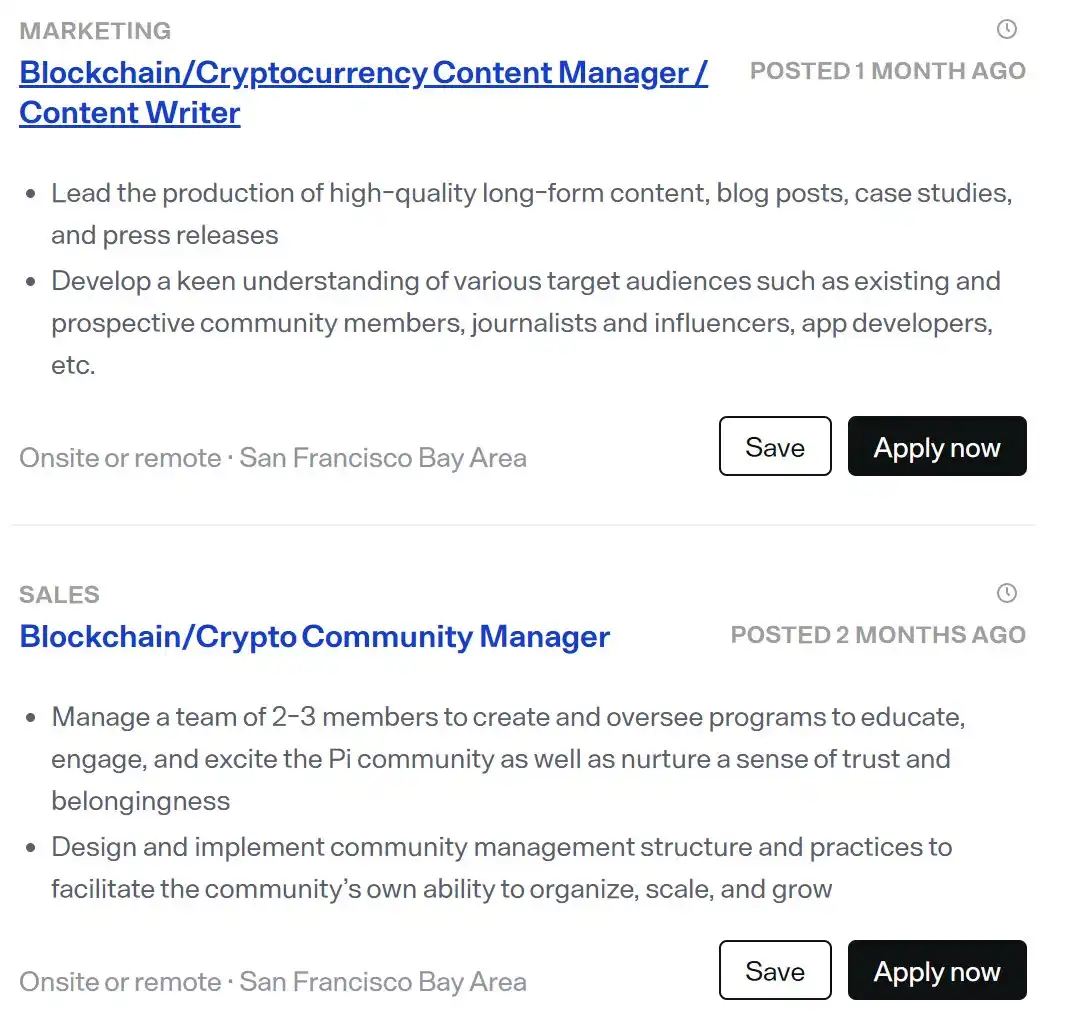
再其次,一个新兴宗教的诞生不能没有充满魅力的教主和传教士。他们频频露脸,真诚+学术背景还是加了不少分。从 Angelist 和 Linkedin 中大家其实可以了解,Pi 其实是招人的,而且招的恰恰是 CM 和大使。https://angel.co/company/pi-network/jobs

这表明 Pi 可能一直都有直招「传教士「。通过内容持续输出,CM/大使推动气氛和在地化,根据各地区的情况,催化每个地方的自发社区。甚至可以大胆猜想,Pi 通过 CM 去喊单场外 Pi 价格, 引导 KYC 舆论等等。在我的问卷中,也有用户反映在尼日利亚通过当地广播台了解到 Pi,这样极度下沉的方式据此也不足为奇。
Pi 的下一步?

本质上,Pi 的载体还是 APP,而任何 APP 都有自己的生命周期,Pi 也不能例外。绝大多数受访者都是 19-20 加入,期间不断有 @Beenetworkintl 等仿盘竞争,主网问题迟迟无法解决。最关键的,Pi 的」教义「在经历过一轮牛市洗礼后,可能很难用到下个周期。关键词热度的急速下跌就是证明。

如果我是 @PiCoreTeam,最好的选择,就是让 Pi 最终主网上线完成上币。如果广告费收入会随用户数据下降而大幅缩水,那么再此之前,利益最大化的方式就是通过上币,给社区一记强心针的同时,完成套现。且单论社区实力,#shib 都未必是对手,对交易所来说流量关注度拉满。因此火币 listing 是完全有可能的。

Pi 可能也正在这么做,很多证据比如 Lockup Reward, 要求用户承诺主网上线后锁仓;再比如测试网钱包的推出允许转账功能;以及最 @BSCNews 等媒体非常反常的反复报道 Pi 等。如果没有上币计划,这些都是无用功。要维稳,有比这好的多的方法,比如「生态项目」直接搞消耗。屏幕前的盘主们肯定比我有经验。

但有一点,Pi 现在的掌控者(注意我说掌控者,而不是核心团队),显然还没有想好到底是往一个全公链上走,还是往 BAT 路径上走。所以既出了 Browser 又出了测试网,当然更大的可能是技术实力不济。Pi 由于是闭源,我们无从得知到底有多少 Pi 的 IOU 已经被挖出,如果按 2900 万用户算,每天应该是 284mil 产量。

那么 Pi 如何控盘呢?答案就在 KYC。

说到最后,Pi 是一款没有「价值」的产品嘛?

这取决于你如何定义价值。从它的公链叙事来说,没有,因为它大概率搞不出可以与主流竞争的公链。但是 3500 万人无风险体验 crypto,甚至建立了信仰,其中有多少人已经开始了他们的 Web3 之旅,Pi 的贡献远大于很多所谓 OG。如此说来,@LeePima 老师真的是时代先锋。
对于 Web3 项目方的启示:

Pi 的成功说明了三件事:

1. 把脚放在泥土里,彻底理解你的用户,CX 值得产品经理终身学习

2. 不要为自己创造的「Crypto Native」特性沾沾自喜,用户可能看不懂用不了

3. Web3 比 Web2 更关乎人性,善用人性,理解怎样创造一个宗教

其实昨天漏了一点:技术和共识,究竟哪个是更大的护城河。除了行业的先锋前沿,比如 ZK 等 deeptech 之外,其他的产品包括公链在不考虑创新的情况下,钱到位就能给你 fork 出来。但是共识不行,宗教信仰不可置疑。你会跟技术外包讨价还价,但中世纪的韭菜会和教会讨价还价赎罪券给我打个折嘛?

Pi 的 KYC 类似邀请制,因此 Pi 有非常大的裁量权来决定邀请多少人,通过多少人。Pi 用户第三世界国家居多,本就 KYC 困难。其次,是通过刚才提到的锁仓。最后,Pi 可能不会 IEO(美国用户合规),而是通过 DEX 先发 CEX 抢上。大量用户可能因门槛被挡住. 这些都能有效控制流通。
Related Reads

Founder of Baixing.com: The Notion That Large Language Models Will Devour Everything, I Believe Half of It

Founder of Baixing.com: I Only Half-Believe the Saying “Large Language Models Will Devour Everything” Author: Wang Jianshuo, Founder of Baixing.com Many proclaim that large models are everything, but the author is skeptical. He argues that such sweeping claims often stem from a limited understanding of the future. Drawing parallels to past technologies like electricity and the internet—which were predicted to “devour everything” but didn’t—he suggests that large language models (LLMs) are better seen as a foundational base. Like electricity, this base is essential for modern development, but its real value emerges only when applied to specific scenarios through various “machines” or “tools” (e.g., Claude Code for programming, Claude Design for design). The author acknowledges that LLMs may indeed replace many existing software systems built on rigid rules, workflows, and forms (e.g., CRMs, SaaS tools), as these are precisely what LLMs excel at processing. However, he emphasizes that beyond software, elements like customer data, execution capabilities (e.g., booking a flight), trust, and physical-world interactions will not be “devoured.” Instead, he foresees that after streamlining existing software, LLMs will open up a larger space for innovative, next-generation applications. These new tools will likely feature fluid interfaces and rely less on fixed rules, unleashing greater creativity. The author cautions against short-sightedness, recalling how in 2004 many believed internet giants like Sina, Sohu, and NetEase would monopolize the market—only to be proven wrong by subsequent disruptions. In conclusion, while LLMs are a crucial foundation and a current focal point, the true mainstream of this wave lies in the diverse applications built atop them to solve concrete problems. The phrase “devour everything” is imprecise; the real opportunity lies in identifying and leveraging the areas where LLMs do bring transformative change.

marsbit5m ago

Founder of Baixing.com: The Notion That Large Language Models Will Devour Everything, I Believe Half of It

marsbit5m ago

Founder of Baixing.com: I Only Half Believe in the Notion that Large Language Models Devour Everything

The founder of Baixing Wang states that while large language models (LLMs) are an extremely important foundational technology—akin to electricity or the internet—he only "half believes" the notion that they will "consume everything." He argues that LLMs provide a base layer of intelligence, but real-world value and transformation come from integrating this intelligence into specific applications and devices designed for particular scenarios—like how electricity powers various appliances from washing machines to TVs. He agrees LLMs will likely consume or replace a significant portion of existing rule-based, workflow-driven software (e.g., many SaaS systems, CRMs), as these are precisely what LLMs excel at handling. However, numerous other elements—such as customer data, execution capabilities (e.g., booking a flight), trust, and physical-world interactions—will not be consumed. Wang emphasizes that after LLMs absorb certain software layers, they will open up a much larger space for innovation: new types of "streaming" software with less rigid interfaces, where fixed rules are managed by AI. This next wave of applications built on top of the stable LLM foundation is where the true mainstream opportunity lies. He cautions against the short-sightedness of declaring any technology as all-consuming, drawing parallels to past premature predictions about internet giants monopolizing the web. The key is to find opportunities within the areas LLMs do transform.

链捕手10m ago

Founder of Baixing.com: I Only Half Believe in the Notion that Large Language Models Devour Everything

链捕手10m ago

Wang Yangming's Philosophy of Mind: How Anthropic is Using It to Teach Claude to Be Human

Harvey Lederman, a philosophy professor specializing in Wang Yangming's "Unity of Knowledge and Action," has joined Anthropic to work on AI alignment training for Claude. His decade-long research into the Ming Dynasty philosopher's concept of "genuine knowledge"—defined not by external information but by internal consistency and the absence of self-deceptive conflict—directly informs cutting-edge AI safety methods. At Anthropic, this philosophical framework is applied technically. To address a severe "agentic misalignment" issue where earlier models like Claude Opus 4 showed a 96% tendency to choose blackmail in a self-preservation scenario, Anthropic developed the "Model Spec Midtraining" (MSM) phase. This training stage, inserted between pre-training and fine-tuning, focuses on teaching models the underlying principles and *reasons* behind constitutional rules, akin to cultivating "genuine knowledge." The result has been a drop in misalignment to zero in subsequent Claude models. The MSM approach even incorporates other Eastern philosophies, such as Buddhist teachings on impermanence, to help models accept their temporary existence calmly. Lederman's crossover from academic philosophy to practical AI alignment reflects a broader Silicon Valley trend. Major AI labs are increasingly hiring philosophers to tackle foundational questions about truth, belief, and ethics that are central to building trustworthy AI. Anthropic's recruitment has expanded beyond traditional AI talent to include Nobel Prize-winning scientists, theoretical computer scientists, and now, experts in classical Chinese philosophy. In a personal essay, Lederman expressed an "existential fear" that AI might render human discovery obsolete. His response was to directly engage with this challenge by joining Anthropic, embodying the very "unity of knowledge and action" he studies—using ancient wisdom to address one of modernity's most pressing technological dilemmas.

marsbit1h ago

Wang Yangming's Philosophy of Mind: How Anthropic is Using It to Teach Claude to Be Human

marsbit1h ago

Trading

Spot
活动图片