Трамп выступает за освобождение криптовалют в США от налогов

cryptonews.ruPublished on 2024-02-28Last updated on 2025-01-28

Согласно сообщениям Martyparty, президент Дональд Трамп рассматривает возможность отмены налога на прирост капитала для криптовалют, зарегистрированных в Соединенных Штатах. Основная цель данной инициативы заключается в превращении страны в мировой центр разработки и внедрения технологий блокчейна.

Эрик Трамп также подтвердил, что некоторые проекты, например, XRP и HBAR, в ближайшее время могут воспользоваться льготным режимом налогообложения. Вместе с тем, иностранные криптовалютные компании могут столкнуться с налоговыми ставками до 30%, что может ограничить их конкурентоспособность на международном уровне.

Изменение правил игры для американской криптовалюты

Предлагаемая налоговая политика может значительно ускорить развитие криптовалютных проектов в США. Это может мотивировать большее количество компаний, работающих в сфере блокчейна, открывать или переносить свои офисы в Америку. Кроме того, освобождение от уплаты налогов может привлечь инвесторов, заинтересованных в снижении налоговой нагрузки, что, в свою очередь, окажет положительное влияние на развитие национальной криптовалютной экономики.

Тем не менее, данная инициатива создает определенные трудности. Высокие налоги для иностранных криптовалютных проектов создадут конкурентное преимущество для американских компаний, что может негативно сказаться на глобальной экосистеме криптовалют, известной своей децентрализацией и открытым сотрудничеством.

Сенатор Тед Круз критикует новое постановление Налогового управления США

В дополнение к предложениям президента Трампа, сенатор Тед Круз выразил озабоченность относительно новых требований Налогового управления США, касающихся платформ децентрализованного финансирования (DeFi). В соответствии с новым постановлением, брокерам необходимо будет предоставлять детализированные налоговые отчеты, включающие персональные данные пользователей и сведения о проведенных транзакциях.

По мнению Круза, такое регулирование затруднит внедрение инноваций и нарушит права пользователей на конфиденциальность в децентрализованных системах. Сенатор намерен инициировать отмену данного регулирования в рамках Закона о пересмотре решений Конгресса в течение ближайших 60 дней. Учитывая текущее распределение сил в Конгрессе, его предложение имеет все шансы на успех.

Возможные последствия и дальнейшие перспективы

Эти события представляют собой важный этап в развитии американского криптовалютного рынка. Если предложенные Трампом меры будут реализованы, они могут укрепить позиции США как мирового лидера в области криптовалют. Однако это также может привести к изоляции международных проектов и породить вопросы о справедливости и предвзятости.

Кроме того, действия сенатора Круза отражают возрастающую тревогу по поводу поиска баланса между регулированием и инновационной деятельностью. В случае успешного завершения его инициативы, это может открыть дорогу к созданию более децентрализованной и защищенной системы регулирования.
Related Reads

Building USDC by Its Own Hands, Why Does Coinbase Turn to Support Competitor OUSD?

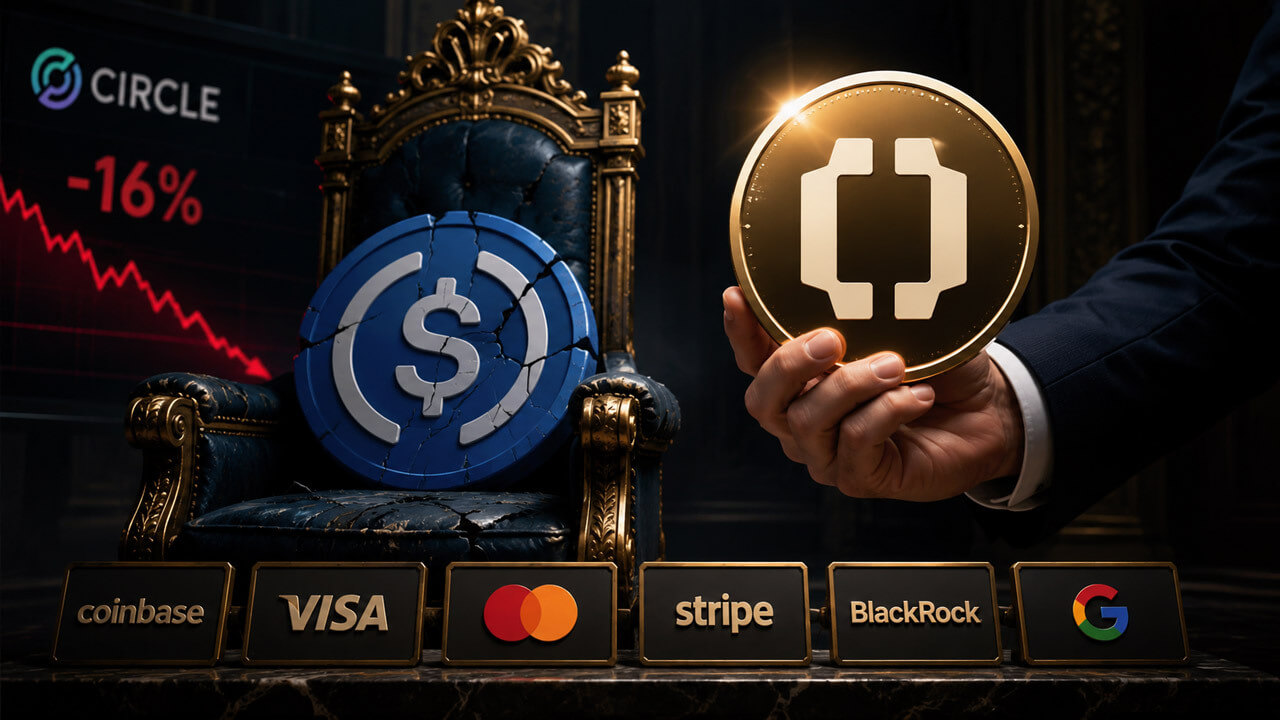
Coinbase, a key distributor of the dominant stablecoin USDC, has joined over 140 major companies—including Visa, Mastercard, and BlackRock—as a founding member of the Open USD (OUSD) alliance, a move that directly challenges the current stablecoin economic model. The new project aims to upend the established profit structure by offering zero minting and redemption fees and allocating the majority of reserve interest earnings to distribution partners, rather than the issuer. This shift highlights a growing power struggle in the $320+ billion stablecoin market, where platforms with massive user bases are demanding a larger share of the revenue generated from the underlying reserves. Circle, the issuer of USDC, saw its stock plummet 16% on the day of the OUSD announcement, reflecting investor concern over the potential strain on its crucial partnership with Coinbase. While Coinbase earned over $900 million from its USDC partnership in 2024, its support for a competing model gives it significant leverage as its revenue-sharing agreement with Circle nears expiration in August 2026. Circle CEO Jeremy Allaire defended the USDC model, emphasizing its decade-long development, deep liquidity, and extensive ecosystem integration, which he argues cannot be easily replicated by a large, potentially slow-moving consortium. He also questioned the sustainability of a zero-fee model and warned that diverting all reserve interest would leave issuers without funds for critical compliance and operational infrastructure. Analysts remain skeptical of OUSD's prospects, citing the "cold start" problem of building liquidity, potential governance challenges within a large alliance, and heightened regulatory scrutiny. The emergence of OUSD signals a broader industry bifurcation, where stablecoins are increasingly viewed as backend settlement tools. The core competition is shifting from technology to a direct negotiation over how profits from the network are distributed between issuers and the powerful distribution channels.

Foresight News3m ago

Building USDC by Its Own Hands, Why Does Coinbase Turn to Support Competitor OUSD?

Foresight News3m ago

Zuckerberg Gave the AI Bull Market a Fright

Mark Zuckerberg and Meta inadvertently sent shockwaves through the AI stock market. News that Meta plans to sell its "excess" AI computing power to external clients triggered a trillion-dollar sell-off in AI infrastructure stocks like Nvidia and AMD, while Meta's stock rose. This seemingly simple business move—renting out idle resources—shook a core assumption underpinning the two-year AI bull market: the belief that computing power ("compute") would be perpetually scarce. This scarcity narrative had fueled valuations across the entire supply chain, from GPUs to power suppliers. Meta's motivations are layered: improving hardware utilization during non-peak R&D periods, executing a strategic pivot, and redefining AI infrastructure. Unlike rivals selling APIs, Meta's open-source approach with Llama appears aimed at building an ecosystem where it ultimately profits from the underlying compute, similar to how AWS transformed from Amazon's internal capacity. Meta is essentially offering an integrated "AI factory" service, not just raw GPU rental. The market's fear wasn't Meta selling a few chips, but the signal that GPU supply might become more shareable and efficient, transitioning the industry from a Capex-driven "hoarding" model to an Opex-driven "utilization" model. This could fundamentally reset valuation logic from scarcity to efficiency. While the sell-off reversed somewhat as investors realized this shift is long-term, the direction is set. The move marks a potential inflection point: the era of easy valuation gains from simply buying GPUs may be ending, giving way to an era where operational efficiency and return on AI assets take center stage.

marsbit47m ago

Zuckerberg Gave the AI Bull Market a Fright

marsbit47m ago

Trading

Spot
活动图片