XRP Powers Through $1.7 Support: Can The Bulls Sustain The Momentum?

bitcoinistPubblicato 2024-12-01Pubblicato ultima volta 2024-12-02

Introduzione

XRP has broken past the $1.7 level, signaling a renewed push by the bulls to dominate the market. This critical...

XRP has broken past the $1.7 level, signaling a renewed push by the bulls to dominate the market. This critical move has sparked excitement among traders, fueling speculation about its capability for further gains. As momentum builds, the spotlight shifts to whether the altcoin can sustain this strength and continue its upward trajectory.

This article examines XRP’s surge above the $1.7 resistance, exploring the factors bolstering its bullish momentum. It assesses the cryptocurrency’s potential for continued growth, considering technical indicators, resistance levels, and market trends to determine whether the rally can be sustained or if a reversal is imminent.

Analyzing The Break Above $1.7 Resistance

On the 4-hour chart, XRP is pushing to extend its gains toward its next resistance level of $1.9, maintaining a solid position above the $1.7 support level and the 100-day Simple Moving Average (SMA). Staying above these key levels underscores its strength and signals the potential for continued upward movement. As long as the asset maintains this strength, the next target will likely be higher resistance levels, driving the price even more toward $ 1.9 and beyond.

XRP
XRP holding firm above $1.7 and the 100-day SMA | Source: XRPUSDT on Tradingview.com

The 4-hour Relative Strength Index (RSI) at 80% indicates strong positive movement for the altcoin, signaling sustained buying pressure. While this suggests continued demand, the RSI approaching the overbought zone means traders will closely monitor for any signs of overextension or pullbacks, which could lead to a short-term correction before the rally resumes.

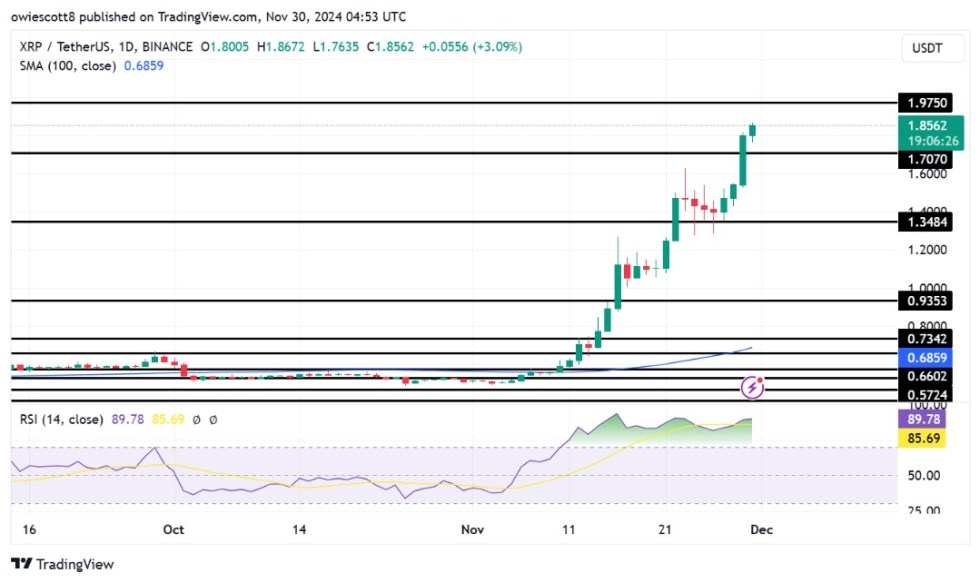
XRP is showing continued upward momentum on the daily timeframe after breaking through the key $1.7 resistance level and holding above the 100-day SMA as it advances to the $1.9 mark. This solid performance underscores sustained bullish strength, suggesting that the token is well-positioned for additional price growth. The 100-day SMA reinforces the possibility of continued upward movement.
XRP
$1.9 level in sight | Source: XRPUSDT on Tradingview.com

Furthermore, the daily RSI has increased to 89%, well above the 50% threshold, reflecting strong upbeat strength for the asset. Significantly, this implies upside pressure and sustained buying activity, with no signs of slowing down. While entering the overbought zone, the RSI highlights the rally’s intensity, implying a persistent rise, though traders will remain cautious for possible corrections.

Price Outlook: Can XRP Secure Long-Term Momentum Above $1.7?

XRP’s price outlook is closely tied to its ability to hold above the $1.7 level. Staying above this support could provide a strong foundation for an extended upside, with the next target being its all-time high of $1.9. A successful breakout above this level could open the door to new record highs.

However, if the cryptocurrency reaches the $1.9 level and fails to break through, a pullback to the $1.7 support is likely. Furthermore, a break below this support could lead to further losses, with the $1.3 level as the next target, potentially followed by even lower levels.

XRP
XRP trading at $1.9 on the 1D chart | Source: XRPUSDT on Tradingview.com
Featured image from Adobe Stock, chart from Tradingview.com
Godspower Owie

Godspower Owie

Godspower Owie is my name, and I work for the news platforms NewsBTC and Bitcoinist. I sometimes like to think of myself as an explorer since I enjoy exploring new places, learning new things, especially valuable ones, and meeting new people who have an impact on my life, no matter how small. I value my family, friends, career, and time. Really, those are most likely the most significant aspects of every person's existence. Not illusions, but dreams are what I pursue.

Letture associate

Coin & Stock Barometer: Bitcoin Miner MARA Holdings Spends Over $860,000 on Bulletproof Vehicle Services for Executives; Bitmine Included in Preliminary List for FTSE Russell 1000 Index (May 19)

Crypto Market Wrap & Key Corporate Updates (May 19) The crypto market saw a decline followed by a minor rebound, while U.S. crypto-related stocks fell broadly. In corporate news: **MARA Holdings**, a Bitcoin miner, disclosed spending over $869,000 on vehicle ballistic armor services for its CEO and CFO under its security program. The board cited higher risks associated with the company's public disclosure of holding substantial Bitcoin assets. According to BitcoinTreasuries.NET, Elon Musk's **SpaceX and Tesla** collectively hold 30,221 BTC ($2.3B), which would rank them as the fifth-largest public company holder if combined. **DDC Enterprise Limited** increased its Bitcoin holdings by 200 BTC, bringing its total to 2,583 BTC. The firm stated it plans to continue accumulating BTC based on liquidity, not short-term price movements. Bitcoin treasury company **Nakamoto** announced a 1-for-40 reverse stock split to regain compliance with Nasdaq's minimum bid price requirement. The company reported a Q1 2026 net loss of $238.8M, partly due to a $102.5M unrealized loss on its Bitcoin holdings. **Tether** acquired SoftBank's stake in **Twenty One Capital (XXI)**, increasing its control. Tether's CEO expressed strengthened confidence in XXI's long-term Bitcoin strategy. Fundstrat's **Tom Lee** stated that **Bitmine (BMNR)** has been included in the preliminary list for the FTSE Russell 1000 Index. Concurrently, two new wallets suspected to be linked to Bitmine withdrew 60,000 ETH ($126M) from Bitgo and Kraken. Solana treasury company **Solmate Infrastructure** announced a registered direct offering of shares to raise approximately $11.4 million. **AI Financial**, a WLFI treasury company, reported a Q1 2026 net loss of $271.5M and raised substantial doubt about its ability to continue as a going concern, partly due to unrealized losses on its WLFI token holdings. **SUI Group** disclosed it holds over 108.7 million SUI tokens (~$115M), with its market cap to net asset value ratio at 0.91x. *Disclaimer: This summary is for informational purposes only and does not constitute investment advice.*

marsbit16 min fa

Coin & Stock Barometer: Bitcoin Miner MARA Holdings Spends Over $860,000 on Bulletproof Vehicle Services for Executives; Bitmine Included in Preliminary List for FTSE Russell 1000 Index (May 19)

marsbit16 min fa

China's AI Fronts: From Yan'an to Midway

This article analyzes the competitive landscape of China's AI industry through a dual-front war analogy: the "Eastern Front" of business model competition and the "Western Front" of global strategic positioning. **The Eastern Front: The Scramble for Supply Lines and Monetization** The "Eastern Front" examines the contrasting strategies of three Chinese tech giants—Tencent, Alibaba, and ByteDance—in the face of AI's high marginal costs. Tencent integrates AI as a catalyst within its existing ecosystems (advertising, gaming, cloud) for monetization, prioritizing high-value scenarios over user growth. Alibaba bets on a full-stack, self-developed approach from chips to applications, aiming to control costs and ecosystem, though this requires immense patience and resources. ByteDance, with Doubao as its flagship, pursues a traditional traffic-driven, "super app" strategy but faces severe monetization challenges as its massive user base incurs unsustainable operational costs. The central challenge for all is building a reliable "supply line" (sustainable funding/profit) and achieving efficient monetization, moving beyond being mere "token factories." **The Western Front: "Preserving Land" vs. "Preserving People"** The "Western Front" frames a global strategic divergence. The U.S. model ("preserving land") focuses on closed-source, high-premium models (e.g., Anthropic) targeting lucrative enterprise markets. China's strategy ("preserving people") leverages open-source models (e.g., Alibaba's Qwen, DeepSeek) and extremely low pricing to attract global developers and capture long-tail markets, akin to a "surround the cities from the countryside" approach. The goal is to make Chinese models the default infrastructure, locking in future ecosystem value. However, the critical test is whether this open-source ecosystem can achieve a commercial闭环, converting developer adoption into tangible revenue (e.g., via cloud services), and bridging the monetization gap with Western models that charge for value, not just tokens. **Conclusion: The Long March from Factory to Brand** The article concludes that China's AI industry possesses technology, users, and scenarios but must integrate them to create and capture value. Its ultimate success depends on navigating both fronts: companies must establish sustainable monetization on the Eastern Front, while the industry's Western strategy must evolve from simply "preserving people" (developer adoption) to truly "preserving both people and land" — transforming open-source ecosystem dominance into commercial success and premium brand value. This journey from being a "token factory" to a "value highland" will require strategic patience and the ability to outlast competitors in a prolonged contest.

marsbit47 min fa

China's AI Fronts: From Yan'an to Midway

marsbit47 min fa

A History of Technological Evolution Powered by Electricity: Aluminum, Bitcoin, and AI

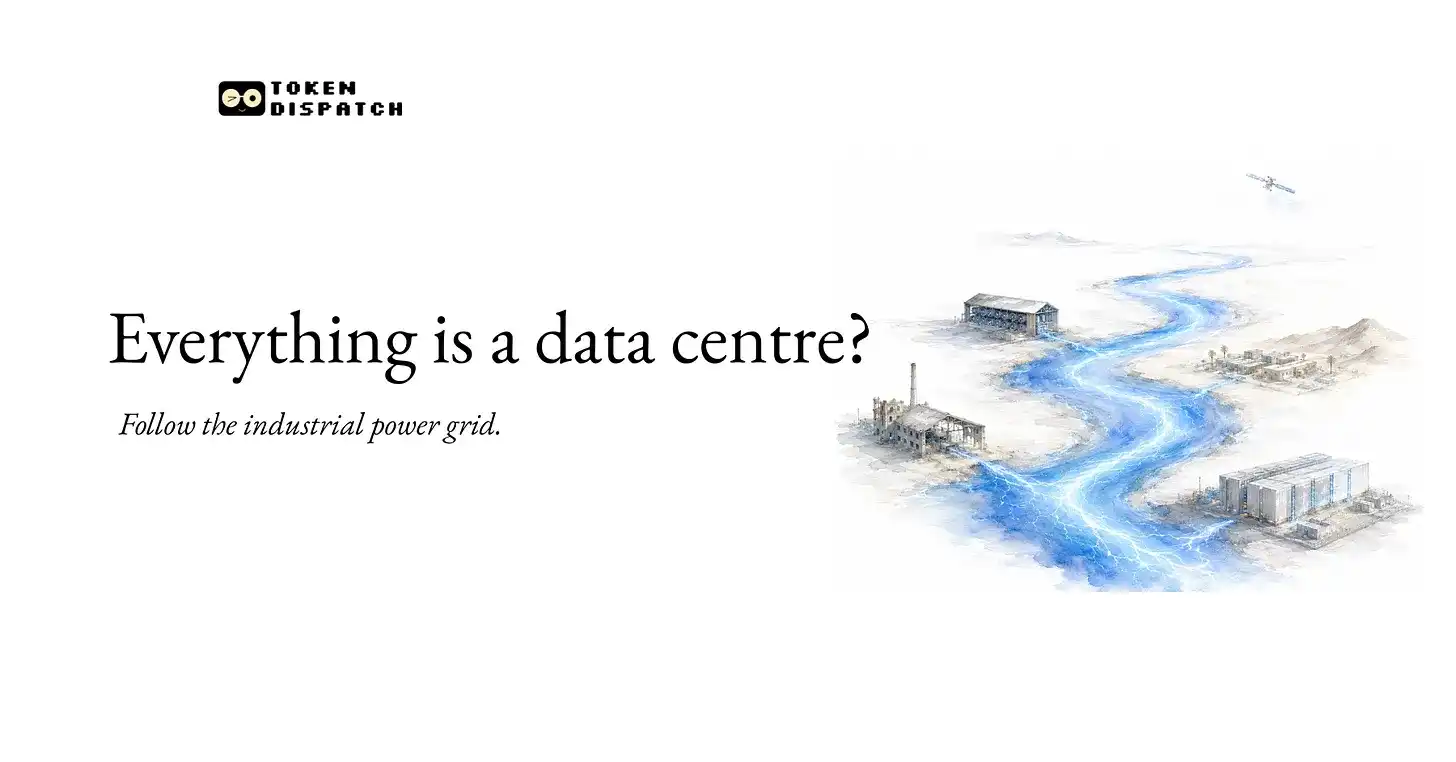
The journey from the Rockdale aluminum smelter in Texas to space-based data centers illustrates a core economic principle: whoever controls the cheapest electricity dictates the use of computing power. The evolution is clear. Old industrial sites with pre-existing, high-capacity power grids are being repurposed. In Rockdale, a former Alcoa plant now houses vast Bitcoin mining rigs, which are increasingly being replaced by AMD chips for AI training. The logic is purely financial: while smelting aluminum yields $0.17–0.27 per kWh and Bitcoin mining $0.05–0.11, AI inference on H100 GPUs generates $1.27–3.67 per kWh. Recent deals confirm the rush for power infrastructure. Riot Platforms leases space to AMD; TeraWulf bought an old Kentucky aluminum plant for its grid; NYDIG secured a New York site for its cheap hydropower to mine Bitcoin. As AI giants like Anthropic, Microsoft, Google, and Amazon aggressively expand, they now directly compete with crypto miners for the same industrial power resources, often outbidding them. This has led to a decline in Bitcoin's global hash rate and a wave of miner conversions to AI data centers. This "digital resource curse" extends globally. Gulf nations, long offering subsidized power to attract heavy industry like aluminum, are now pivoting to become AI and cloud computing hubs—exporting computational power instead of physical commodities. Similarly, Bhutan halted its sovereign Bitcoin mining to sell hydropower directly to India for a steadier return. The frontier is space. Projects like Starcloud plan orbital solar-powered data centers, leveraging constant sunlight and natural cooling, with Bitcoin mining as a secondary use for surplus power. Even consumer brands are transforming; Allbirds shifted from footwear to AI infrastructure, causing its stock to surge. Meanwhile, crypto projects like Bittensor, Render, and Akash propose a decentralized alternative, creating markets to aggregate distributed, idle computing resources from individual hardware. The underlying infrastructure—the power grid—remains constant. As profit margins shift, the facilities built upon it will continue to evolve, from aluminum to Bitcoin to AI and beyond, always chasing the highest yield per kilowatt-hour, whether in Texas, Abu Dhabi, or low Earth orbit.

marsbit57 min fa

A History of Technological Evolution Powered by Electricity: Aluminum, Bitcoin, and AI

marsbit57 min fa

Conquering is easy, governing is hard: Polymarket must bow to regulations to plant its flag globally

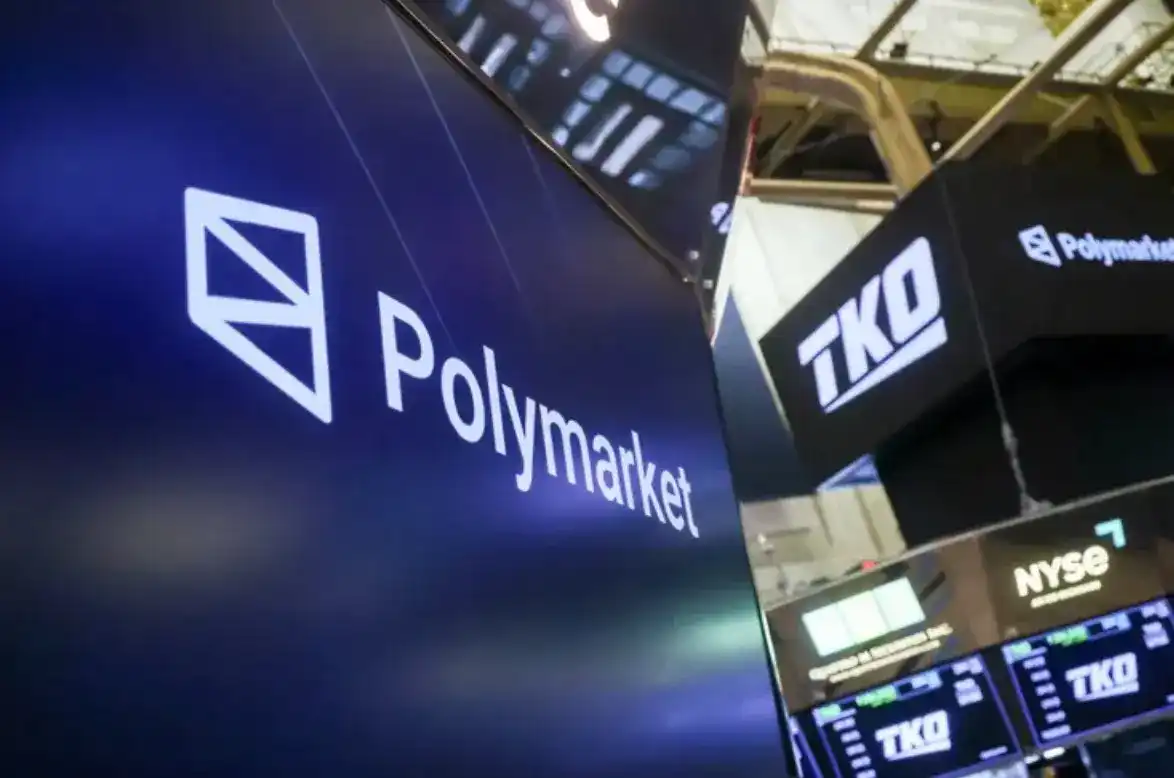
Polymarket, a decentralized prediction market platform, faces significant regulatory hurdles in its global expansion. Its "permissionless" model, which bypasses traditional identity and financial controls, has led to widespread crackdowns. India recently blocked the site, categorizing it as illegal online gambling under new 2025 laws. Brazil also banned it and similar platforms, though it simultaneously authorized a regulated, investor-only version on its national exchange. Across Europe, countries like France, Portugal, and the Netherlands are enforcing bans based on existing gambling and financial regulations. To enter key markets, Polymarket is adopting a pragmatic, compliant approach. In the U.S., it paid a $1.12 million fine, acquired a CFTC-licensed exchange, and now operates a regulated, KYC-mandatory platform for American users. It also secured a major investment from Intercontinental Exchange (ICE), which will distribute its prediction data to institutional investors. In Japan, where gambling laws are strict, Polymarket has begun a long-term lobbying effort, aiming for legalization by 2030 through building institutional partnerships and community presence. Despite these challenges, the prediction market industry is booming, with global volume projected to surge from $51 billion to potentially $1 trillion by 2030. Polymarket's core dilemma remains: adapting its decentralized, anonymous model to fit within sovereign regulatory frameworks focused on licensing, consumer protection, and anti-money laundering rules. Its survival in each market depends on navigating this complex political and legal landscape.

marsbit1 h fa

Conquering is easy, governing is hard: Polymarket must bow to regulations to plant its flag globally

marsbit1 h fa

It's Easier to Conquer than to Govern: Polymarket Must Bend to Every Rule to Plant Its Flag Globally

Polymarket, a decentralized prediction market platform, is facing significant regulatory hurdles as it expands globally, illustrating the tension between permissionless, crypto-native platforms and national legal frameworks. The platform, which allows users to bet on event outcomes, was recently blocked in India under new online gambling laws and faces similar outright bans in Brazil and Ukraine, the latter citing moral objections to wagering on active war events. In Europe, countries like France, the Netherlands, and the UK are restricting access by enforcing existing gambling and financial derivatives regulations, forcing Polymarket to geo-block users or operate in view-only modes. To navigate this complex landscape, Polymarket is adopting a market-by-market, compliant strategy. In the U.S., it paid a $1.4 million CFTC fine, acquired a licensed exchange (QCEX) for $112 million, and now operates a regulated U.S. entity with strict KYC, abandoning anonymity. It also secured a major investment from Intercontinental Exchange (ICE), which will distribute its prediction data to institutional investors. In Japan, a high-potential market, it has begun a long-term lobbying effort aiming for legalization by 2030, acknowledging the country's strict anti-gambling laws and slow regulatory processes. The article concludes that while the global prediction market is growing rapidly—projected to reach $2.4 trillion by 2030—Polymarket's core challenge is transforming its decentralized model to fit sovereign regulatory systems built on licensing, consumer protection, and anti-money laundering rules. Its survival depends on proving its legitimacy in each jurisdiction.

链捕手1 h fa

It's Easier to Conquer than to Govern: Polymarket Must Bend to Every Rule to Plant Its Flag Globally

链捕手1 h fa

Trading

Spot
Futures

Articoli Popolari

Cosa è XRP 2.0

XRP 2.0: Una Nuova Frontiera nel Paesaggio delle Criptovalute Introduzione a XRP 2.0 Nel mondo in continua evoluzione delle criptovalute, nuovi progetti emergono continuamente, cercando attenzione e adozione. Una tale iniziativa promettente è XRP 2.0, un nuovo progetto di criptovaluta progettato per sfruttare avanzate tecnologie blockchain e metodologie di crittografia robuste. Anche se il nome richiama alla mente l'XRP di Ripple, è fondamentale notare che XRP 2.0 opera in modo indipendente, concentrandosi sul miglioramento della sicurezza delle transazioni, della privacy e della scalabilità. Mentre il panorama finanziario digitale abbraccia sempre di più soluzioni decentralizzate, XRP 2.0 mira a contribuire in modo significativo al web3 e all'espansione generale dei progetti crypto. Cos'è XRP 2.0? Alla sua base, XRP 2.0 è un progetto di criptovaluta che mira a creare un ecosistema di valuta digitale sicuro e decentralizzato. La sua tecnologia fondamentale integra principi di blockchain sofisticati con tecniche di crittografia all'avanguardia. L'obiettivo principale di XRP 2.0 è quello di affermarsi come una piattaforma affidabile ed efficiente in grado di consentire un'esecuzione rapida delle transazioni, dando priorità a migliori protezioni della privacy per i suoi utenti. Il progetto è promosso come una soluzione a molte limitazioni affrontate dalle criptovalute esistenti, proponendo un sistema in grado di gestire un volume maggiore di transazioni con migliorata velocità e privacy. Questa versatilità pone XRP 2.0 come un significativo competitor in un mercato affollato di varie valute digitali. Chi è il Creatore di XRP 2.0? L'identità del creatore dietro XRP 2.0 è stata segnalata come 'Wilbur'. Tuttavia, i dettagli completi riguardanti Wilbur o l'entità associata rimangono sfuggenti. L'anonimato di molti creatori di criptovalute non è un fenomeno raro nel settore, spesso progettato per mantenere un certo grado di privacy e sicurezza. Chi sono gli Investitori di XRP 2.0? Al momento, informazioni specifiche relative alle fondazioni o organizzazioni di investimento a supporto di XRP 2.0 non sono disponibili pubblicamente. Nel settore delle criptovalute, il supporto di investitori rinomati può influenzare significativamente la credibilità e il successo di un progetto, tuttavia la trasparenza riguardo ai sostenitori finanziari di XRP 2.0 non è stata stabilita. Come Funziona XRP 2.0? XRP 2.0 si distingue per l'impiego di una combinazione di tecnologia blockchain e algoritmi di crittografia avanzati che garantiscono transazioni sicure e decentralizzate. La sua struttura innovativa include caratteristiche uniche progettate per promuovere il coinvolgimento degli utenti e ampliare le funzionalità oltre le transazioni convenzionali delle criptovalute. Tra queste caratteristiche, XRP 2.0 incorpora capacità alimentate da intelligenza artificiale, come funzionalità di testo in immagini e testo in voce. Queste aggiunte sono progettate per migliorare l'esperienza interattiva per gli utenti, promuovendo una maggiore applicabilità in vari settori. Unendo progressi tecnologici con design incentrati sugli utenti, XRP 2.0 mira a catturare l'attenzione di una vasta gamma di individui e aziende che cercano di integrare soluzioni di criptovaluta nei loro framework operativi. Cronologia di XRP 2.0 Comprendere XRP 2.0 richiede di esaminare i traguardi che hanno definito il suo percorso fino ad ora: 23 luglio 2023: XRP 2.0 viene introdotto come un nuovo progetto di criptovaluta, mirante a rivoluzionare le capacità di transazione sicura e decentralizzata nel dominio blockchain. 8 settembre 2023: Si verifica il lancio di un altro progetto, XRP20, marcando l'emergere di un token ERC-20 sulla blockchain di Ethereum che resta non correlato a XRP 2.0. 13 novembre 2023: Il ledger XRP subisce un significativo aggiornamento con il rilascio della versione 2.0.0 del software server rippled. È essenziale notare che questo sviluppo è scollegato dal progetto di criptovaluta XRP 2.0. Punti Chiave su XRP 2.0 Per distillare l'essenza di XRP 2.0, emergono diversi fattori critici: Caratteristiche Uniche: L'inclusione di funzionalità come il testo in immagini e testo in voce alimentato da intelligenza artificiale diversifica ulteriormente le potenziali applicazioni di XRP 2.0. Tecnologia Blockchain: Il framework utilizza meccanismi blockchain avanzati e protocolli di crittografia, garantendo un ambiente sicuro e decentralizzato per le transazioni. Scalabilità e Privacy: XRP 2.0 dà priorità a migliori protezioni della privacy nei processi di transazione e alla scalabilità necessaria per accogliere una base di utenti in crescita. Nessuna Affiliazione con Ripple: È importante notare che, nonostante il suo nome, XRP 2.0 non ha alcuna fedeltà o collaborazione con l'XRP di Ripple, distinguendo il proprio framework operativo e obiettivi all'interno dell'ecosistema delle criptovalute. Conclusione XRP 2.0 rappresenta un'ambiziosa venture nell'ambito delle criptovalute, mirante a offrire una combinazione di sicurezza, privacy ed efficienza nelle transazioni digitali. Integrando tecnologie sofisticate e caratteristiche user-friendly, il progetto si propone di ampliare gli orizzonti di ciò che le criptovalute possono realizzare nell'economia digitale odierna. Sebbene l'anonimato del suo creatore e la mancanza di investitori dichiarati possano sollevare domande per alcuni, il focus di XRP 2.0 su funzionalità avanzate e decentralizzazione ne amplifica l'appeal in un mercato crypto sempre più affollato. Man mano che il panorama delle criptovalute continua a evolversi, XRP 2.0 potrebbe emergere come un attore decisivo nell'espansione di soluzioni blockchain sicure e scalabili.

166 Totale visualizzazioniPubblicato il 2024.04.05Aggiornato il 2024.12.03

Cosa è XRP 2.0

Come comprare XRP

Benvenuto in HTX.com! Abbiamo reso l'acquisto di XRP (XRP) semplice e conveniente. Segui la nostra guida passo passo per intraprendere il tuo viaggio nel mondo delle criptovalute.Step 1: Crea il tuo Account HTXUsa la tua email o numero di telefono per registrarti il tuo account gratuito su HTX. Vivi un'esperienza facile e sblocca tutte le funzionalità,Crea il mio accountStep 2: Vai in Acquista crypto e seleziona il tuo metodo di pagamentoCarta di credito/debito: utilizza la tua Visa o Mastercard per acquistare immediatamente XRPXRP.Bilancio: Usa i fondi dal bilancio del tuo account HTX per fare trading senza problemi.Terze parti: abbiamo aggiunto metodi di pagamento molto utilizzati come Google Pay e Apple Pay per maggiore comodità.P2P: Fai trading direttamente con altri utenti HTX.Over-the-Counter (OTC): Offriamo servizi su misura e tassi di cambio competitivi per i trader.Step 3: Conserva XRP (XRP)Dopo aver acquistato XRP (XRP), conserva nel tuo account HTX. In alternativa, puoi inviare tramite trasferimento blockchain o scambiare per altre criptovalute.Step 4: Scambia XRP (XRP)Scambia facilmente XRP (XRP) nel mercato spot di HTX. Accedi al tuo account, seleziona la tua coppia di trading, esegui le tue operazioni e monitora in tempo reale. Offriamo un'esperienza user-friendly sia per chi ha appena iniziato che per i trader più esperti.

1.4k Totale visualizzazioniPubblicato il 2024.12.10Aggiornato il 2025.03.21

Come comprare XRP

Discussioni

Benvenuto nella Community HTX. Qui puoi rimanere informato sugli ultimi sviluppi della piattaforma e accedere ad approfondimenti esperti sul mercato. Le opinioni degli utenti sul prezzo di XRP XRP sono presentate come di seguito.

活动图片