特朗普扩大「加密商业版图」,拟收购加密交易所Bakkt

Odaily星球日报Published on 2024-11-19Last updated on 2024-11-19

Abstract

Bakkt 自推出以来业绩平平,一度濒临退市。

原文作者:BitpushNews

在为 2025 年 1 月 20 日左右入主白宫做准备之际,特朗普仍在不断拓展加密领域的新版图。

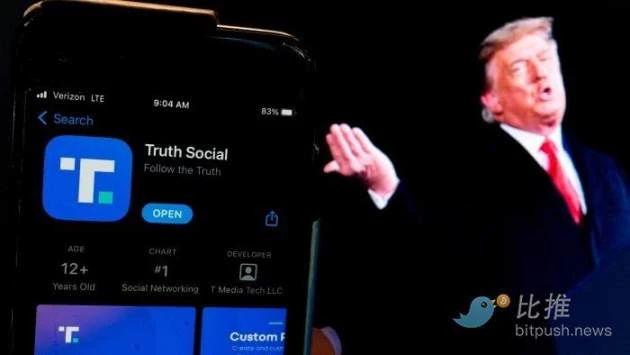
据英国金融时报报道,唐纳德·特朗普旗下社交媒体公司 Trump Media & Technology Group 正在就收购加密货币交易平台 Bakkt 进行深入谈判。
特朗普扩大「加密商业版图」,拟收购加密交易所Bakkt

据两位了解谈判情况的人士称,Trump Media 将全资收购 Bakkt,特朗普承诺保留其 53% 的股份,估值和财务条款尚未披露。

该消息令两家公司的股价飙升。

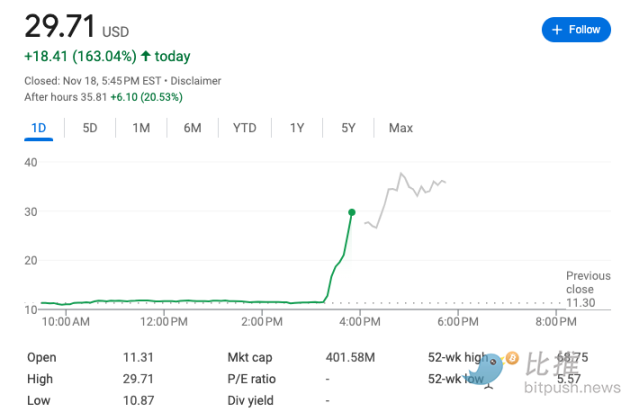
由特朗普持有多数股权的 Trump Media(纳斯达克股票代码 DJT)在报道发表几分钟后飙升两位数。该公司运营着 Truth Social 应用程序,收盘上涨逾 16% 。Bakkt 因波动性过大而经历数次熔断,收盘飙升超过 163% 。
特朗普扩大「加密商业版图」,拟收购加密交易所Bakkt

业绩平平,一度濒临退市

Bakkt 由洲际交易所(ICE)推出,成立于 2018 年,于 2021 年 10 月上市,主营业务为加密货币投资者提供技术服务。在通过 SPAC 上市之前,Bakkt 已从波士顿咨询集团、Galaxy Digital、ICE 和微软的 M 12 风险基金等投资者那里筹集了数亿美元,但一直难以盈利,其最新财季报告称,总收入为 3.284 亿美元,营业亏损为 2740 万美元,较上年同期亏损减少了 48% 。

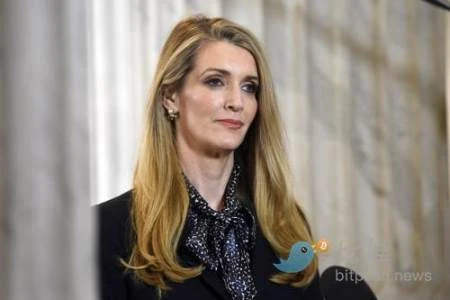
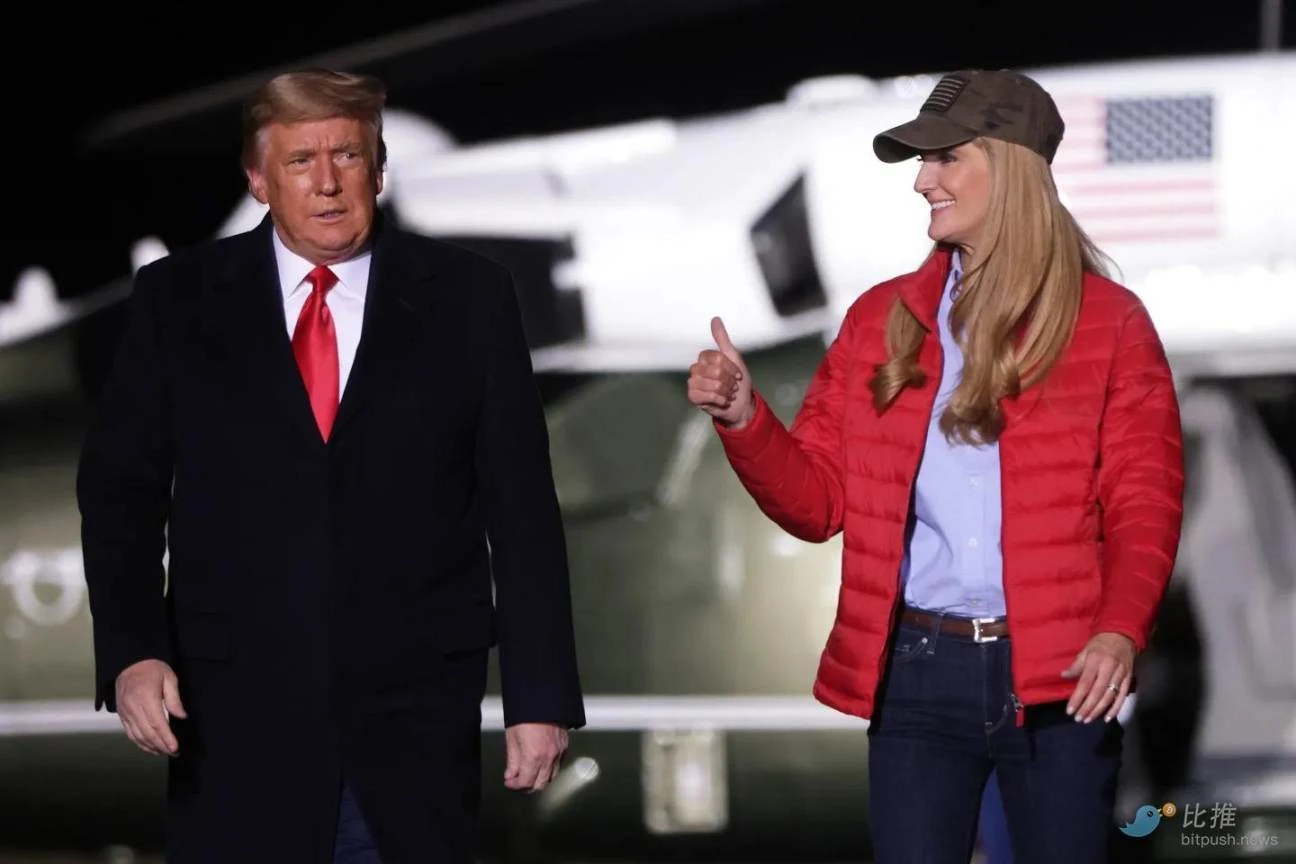
特朗普与 Bakkt 背后的关系非同一般,Bakkt 前首席执行官 Kelly Loeffler 是特朗普就职委员会的联合主席。
特朗普扩大「加密商业版图」,拟收购加密交易所Bakkt

Loeffler 的丈夫是洲际交易所首席执行官 Jeffrey Sprecher。2019 年,佐治亚州州长 Brian Kemp 任命 Loeffler 接替因健康原因辞职的参议员 Johnny Isakson 在参议院的席位,Loeffler 随后辞去 Bakkt 高管一职。不过,在参议院席位特别选举的决选中,Loeffler 被民主党参议员 Raphael Warnock 击败。
特朗普扩大「加密商业版图」,拟收购加密交易所Bakkt

Bakkt 此前曾表示,其加密货币托管业务可能会被关闭,该业务已获得纽约当局的监管许可。熟悉 TMTG 谈判的人士表示,该业务不会包括在交易中。在截至 9 月 30 日的三个月内,托管业务的营业亏损为 27, 000 美元,营收为 328, 000 美元。

由于股价低迷,Bakkt 曾面临从纽约证券交易所退市的危险,直到 4 月份进行了 1 比 25 的反向股票分割。上周,其股价上涨了 15% 。

扩大的加密版图,股价表现大于基本面

特朗普家族进军加密货币市场的步伐正在加速。其于 9 月推出的加密货币项目 World Liberty Financial,加上其在竞选期间许下的多项与数字资产相关的承诺(如建立比特币储备、营造挖矿友好环境、更换 SEC 主席),都显示出特朗普对加密货币行业的浓厚兴趣。

这种兴趣直接反映在市场上。随着特朗普赢得大选,散户投资者对共和党的期待,以及对特朗普政府可能出台有利于加密货币的政策的乐观预期,使得特朗普旗下的社交媒体平台 Truth Social 母公司 TMTG 的股价大幅波动,大选前夕涨跌数十亿美元,TMTG 也已成为交易最活跃的美股之一。但是, TMTG 今年的营收仅为 260 万美元,净亏损达 3.63 亿美元,但其股权估值却超过 70 亿美元。

Truth Social 的用户群也相对较小,根据 Similarweb 的数据,本月 Truth Social 网站的平均每日访问量为 646, 000 人次,而马斯克旗下 X 平台的每日访问量为 1.55 亿人次。

Related Reads

Beyond Private Keys: From Wallets and L2 to Supply Chains, How to Guard the Security Perimeter of Web3?

Beyond Private Keys: Securing Web3's Expanding Attack Surface from Wallets to L2s and Supply Chains The crypto space faced a wave of security incidents in June, with over $75 million lost across 40 major attacks. These breaches highlighted risks beyond private key theft, exposing vulnerabilities across the entire user interaction chain. Wallet security was compromised not through stolen seed phrases, but via a critical flaw in the Cardano wallet SecondFi's signing implementation. This bug allowed attackers to potentially derive private keys from publicly visible signature data, emphasizing that wallet security depends on correct cryptographic implementation, ideally in open-source, auditable code. Layer-2 networks also revealed complex trust chain risks. Attacks on legacy Aztec deployments exploited inconsistencies in proof systems, showing that a valid zero-knowledge proof is only as secure as its underlying rules. Another attack on Taiko's SGX-based prover stemmed from a leaked signing key and inadequate verification checks. Furthermore, a technical glitch halted Base's block production, underscoring that L2 security encompasses network availability and reliable user exit paths as much as asset safety. Finally, the Polymarket incident demonstrated that even audited smart contracts are not immune. A compromised third-party supplier led to a malicious script being injected into the platform's frontend, resulting in user fund losses. This "supply chain attack" shows that the security of the entire interaction path—from the webpage to the wallet signature—is critical. The conclusion is clear: Web3 security now involves safeguarding the entire journey from transaction intent to on-chain settlement. Users must adopt layered security habits: isolating long-term holdings, using dedicated wallets for daily interactions, scrutinizing transaction details before signing, and managing authorizations cautiously. Defense must evolve from protecting a single point (the private key) to securing a complete chain of interactions.

marsbit25m ago

Beyond Private Keys: From Wallets and L2 to Supply Chains, How to Guard the Security Perimeter of Web3?

marsbit25m ago

Robinhood Chain Goes Viral in One Week: Memes Drive Traffic, Stablecoins Support TVL

Robinhood Chain, an Arbitrum-based Layer 2 network launched on July 1st, experienced explosive growth in its first week. While meme coin hype drove user activity, stablecoin deposits fueled its surge in Total Value Locked (TVL). The chain's rapid adoption was driven by multiple factors. CEO Vlad Tenev reversed his initial stance, endorsing the chain for meme coins despite its original focus on Real-World Assets (RWA). The integration of the popular Solana-based launchpad Pump.fun significantly lowered the barrier for meme trading. Furthermore, the prediction market application World announced a migration from Solana to Robinhood Chain. Meme coin mania, led by tokens like CASHCAT, generated massive trading volume, with daily active addresses skyrocketing from near zero to hundreds of thousands. However, the primary driver of the chain's TVL, which soared past $234 million, was a major institutional deposit. Ethena injected approximately $50 million in stablecoins into the Morpho lending protocol, which underpins Robinhood's Earn product, accounting for the bulk of locked value. This highlights two concurrent narratives: retail-driven meme speculation boosting transactions, and institutional stablecoin deposits building foundational liquidity. In contrast, the chain's flagship RWA offerings, like tokenized stocks, remain a minor part of the ecosystem at around $12.8 million. The first week demonstrates a path where speculative trading and yield-seeking capital provide initial momentum, while the core RWA vision is still in early development.

Foresight News1h ago

Robinhood Chain Goes Viral in One Week: Memes Drive Traffic, Stablecoins Support TVL

Foresight News1h ago

The Illusion of a Prodigy

The Illusion of the "Genius Youth" The article discusses the recent interview incident involving Li Bojie, a former "Huawei Genius Youth," and AI company DeepSeek. It highlights the core conflict not as a simple case of suspected cheating during a coding test, but as a profound mismatch in expectations. Li, with an impressive background including entrepreneurship, a role at Huawei, and a position as a chief scientist, was deeply affected by a standard remote interview where the interviewer questioned his actions. The key point is his stated view of DeepSeek as the "pinnacle of the Chinese tech world." For him, the interview was a quest for identity validation—proof he belonged at the center of the new AI era. For DeepSeek, it was a routine skills assessment. The article argues that Li, while publicly rejecting the "genius" label, subconsciously expected to be treated as a peer for discussion, a courtesy extended by other companies like MiniMax and Xiaomi. DeepSeek, however, adhered strictly to its standardized process, prioritizing consistent, merit-based evaluation over individual prestige. This clash symbolizes a larger shift in the tech industry. The core thesis is that the AI era is dismantling the old system where past titles, companies, and accumulated experience guaranteed status. Now, with rapid knowledge obsolescence, "excellence is calculated in real-time." Li's anxiety—waiting weeks for the DeepSeek interview despite other offers—stems from the fear that rejection means being left behind by technological progress. The article concludes that this incident is a harbinger; soon, everyone will face a constant, implicit "interview" with the AI age itself, asking: "You were excellent yesterday. What about today?"

marsbit1h ago

The Illusion of a Prodigy

marsbit1h ago

Vanguard Group Enters the Arena, Opening a New Crypto Portal for 50 Million Traditional Investors

Vanguard Group, the world's second-largest asset manager with $12 trillion in assets under management and over 50 million investors, has signaled a significant strategic shift by posting a job opening for a "Head of Digital Assets, Personal Wealth." The role entails developing a comprehensive digital asset strategy, establishing long-term plans, and overseeing the full integration of digital assets into Vanguard's wealth management platform, covering areas like custody, settlement, asset tokenization, and stablecoins. This move marks a notable reversal from the firm's previous stance. In 2024, Vanguard refused to list spot Bitcoin ETFs and removed Bitcoin futures products. By late 2025, it allowed some third-party crypto ETF trading but reiterated it would not create its own crypto funds. The new hire represents a third step: building an internal team to integrate digital assets into its core infrastructure, moving beyond merely listing products. The initiative focuses on foundational financial infrastructure—how tokenized assets and digital settlement systems can connect to Vanguard's existing platform, which primarily serves long-term, conservative investors. While Vanguard maintains it will not launch proprietary crypto ETFs, it is proactively preparing its systems for a future involving tokenized assets and stablecoins, which Citigroup projects could reach a $5.5 trillion market by 2030. Vanguard's scale means its chosen standards for custody, settlement, and compliance could set de facto rules for the broader wealth management industry. The firm is acting despite regulatory uncertainty and cautious market sentiment (e.g., Citi recently lowered crypto price targets). Analysts suggest even a minimal 0.01% allocation from Vanguard's asset base would bring ~$12 billion into digital assets, forcing the development of robust risk and operational frameworks. Ultimately, Vanguard's focus is on building the plumbing for digital assets to potentially serve its vast client base, an effort whose impact may extend far beyond any single market cycle.

Foresight News1h ago

Vanguard Group Enters the Arena, Opening a New Crypto Portal for 50 Million Traditional Investors

Foresight News1h ago

Trading

Spot
活动图片