做市虚假Meme收割玩家,Gotbit终于被FBI盯上了

Odaily星球日报Pubblicato 2024-10-11Pubblicato ultima volta 2024-10-11

Introduzione

Meme、加密做市商成监管打击重点?

原文作者:flowie,ChainCatcher

原文编辑:念青,ChainCatcher

10 月 9 日,美国联邦检察官已对四家加密货币“做市商”及其员工提起市场操纵和欺诈指控,SEC 和 FBI 也参与了调查。被称为“meme 届 DWF ”、Bonk、Neiro 背后的做市商 Gotbit 赫然在列。

目前,Gotbit 的首席执行官 Aleksei Andriunin 已在葡萄牙被捕,Gotbit 在俄罗斯的两名雇员也被起诉。

早在一年前,链上侦探 ZachXBT 曾揭露过 Gotbit 的做市手法,并让用户警惕任何与 Gotbit 合作的项目。此后,Gotbit 也因参与做市的多个代币疑似 rug 备受争议。

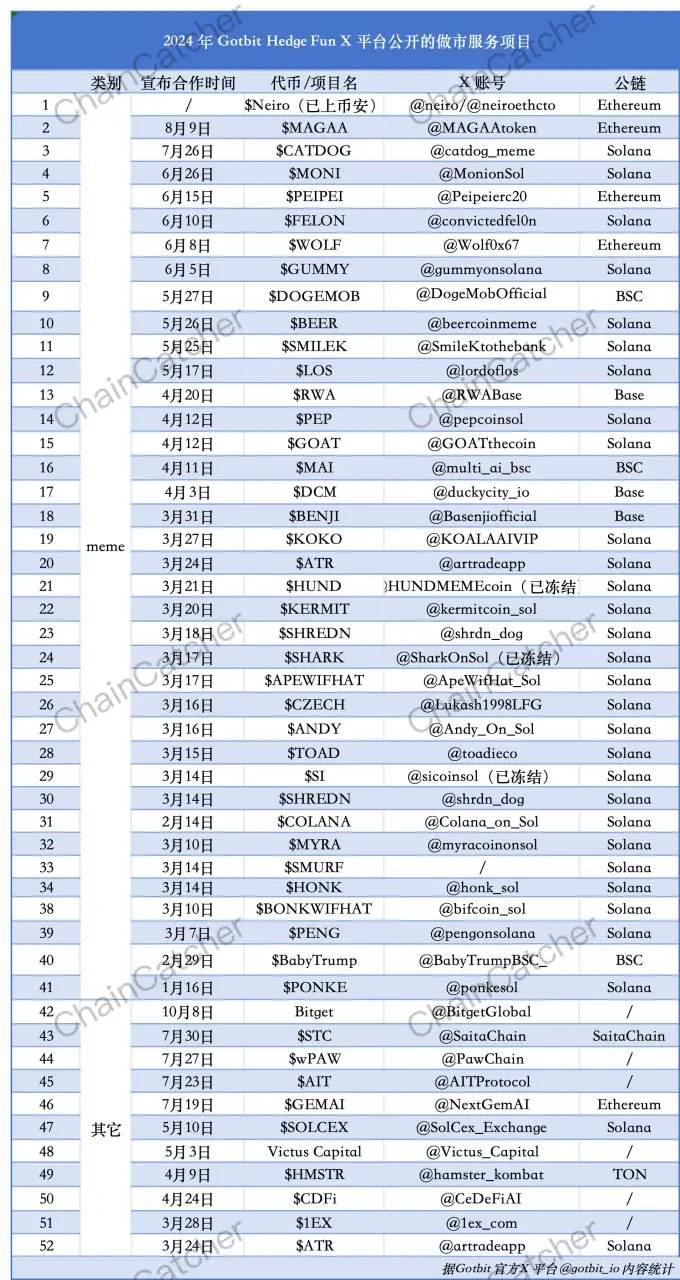
但 Gotbit 的做市服务仍吸引了大批项目方和 meme 团队。据 Gotbit 官方 X 平台来看, Gotbit 今年为 Neiro、Hamster Kombat 等 50 个左右的项目方提供做市服务,大部分都是 meme。

伪造交易起家,为 meme 做市成名

从官方介绍来看,Gotbit 是一家专门帮助代币实现市值增长的对冲基金,主要有做市和风险投资两大业务板块。Gotbit 管理了 13 亿美元资产,有 400 多家合作的机构客户。

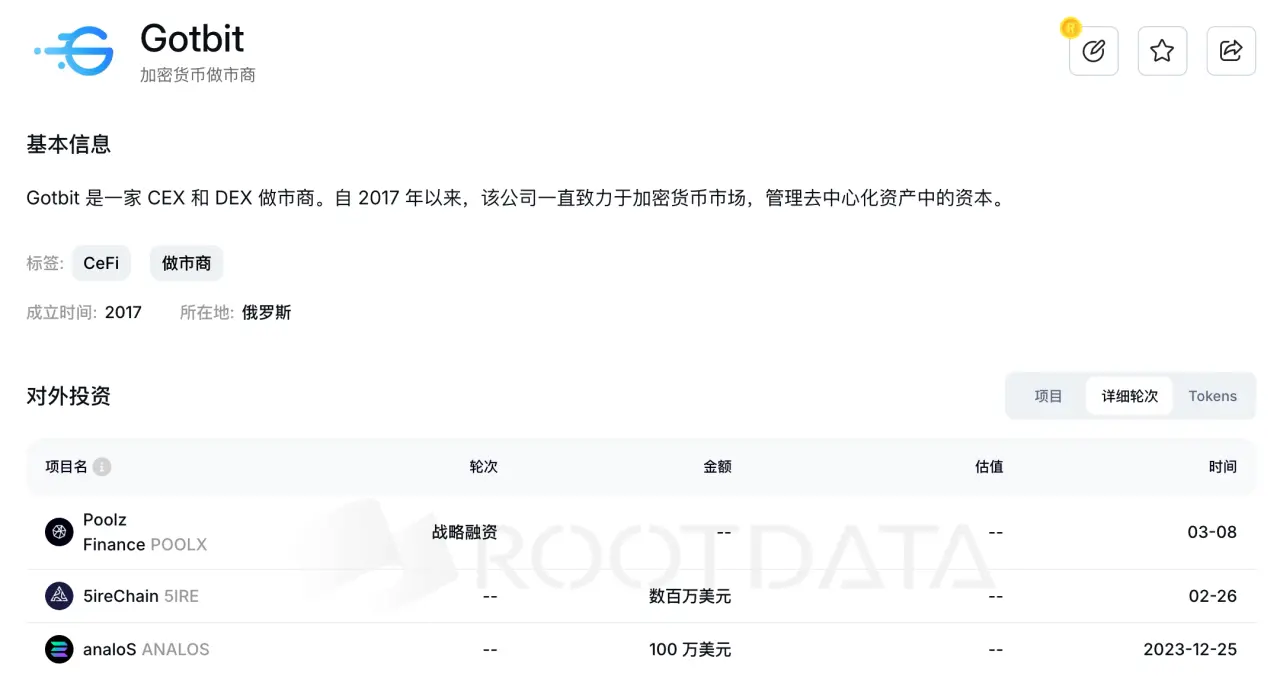
据 RootData 数据显示,Gotbit 还对去中心化的跨链 IDO 平台 Poolz Finance(POOLX)、Layer 1 5 ireChain(5 IRE)、Solana 上 Meme 项目 analoS 进行了投资。
做市虚假Meme收割玩家,Gotbit终于被FBI盯上了

Gotbit 在 2018 年 ICO 盛行时期成立,彼时其创始人 Alexey Andryunin 还是一名刚入学的 20 岁大学生。

2019 年 CoinDesk 曾在一篇文章中揭露 Gotbit 的伪造交易行为,即通过编写程序让机器人来回交易代币,制造活跃市场的假象,以帮助客户在至少两家不知名交易所上市,以及达到在 CoinMarketCap 上市的目的。

Alexey 提到交易所意识到了这种操纵行为,但没有兴趣阻止它。彼时,CoinMarketCap 上有 300 至 500 个项目属于 Gotbit 的客户。Alexey 也直言对这门生意的并不抱长远发展的希望,因为加密监管势必会关注到这些不知名交易所的虚假交易。

但 Gotbit 也并没有因此放慢业务。2022 年底,Solana 链上第一个 meme 币 Bonk 上线,随着 Bonk 的市值大涨,Gotbit 作为背后的做市商也浮出水面。

2023 年底,Solana 反转 meme 热潮中,Gotbit 做市的 ANALOS 创造一周 3700 倍的财富神话,也让 Gotbit 一度成为 meme 玩家的财富密码。

2024 年随着 meme 持续火热,Gotbit 也顺势将重点转向为 meme 提供做市服务。BEER、WATER 等多个热门 meme 背后都有 Gotbit 的身影。

Gotbit 官方 X 平台最早的推文内容停留在 3 月 14 日,自 3 月 14 日其 X 平台发布的合作内容统计,Gotbit 公开合作了 50 多个项目, 90% 以上都是 meme 项目,且大部分为 Solana 链上的 meme。
做市虚假Meme收割玩家,Gotbit终于被FBI盯上了

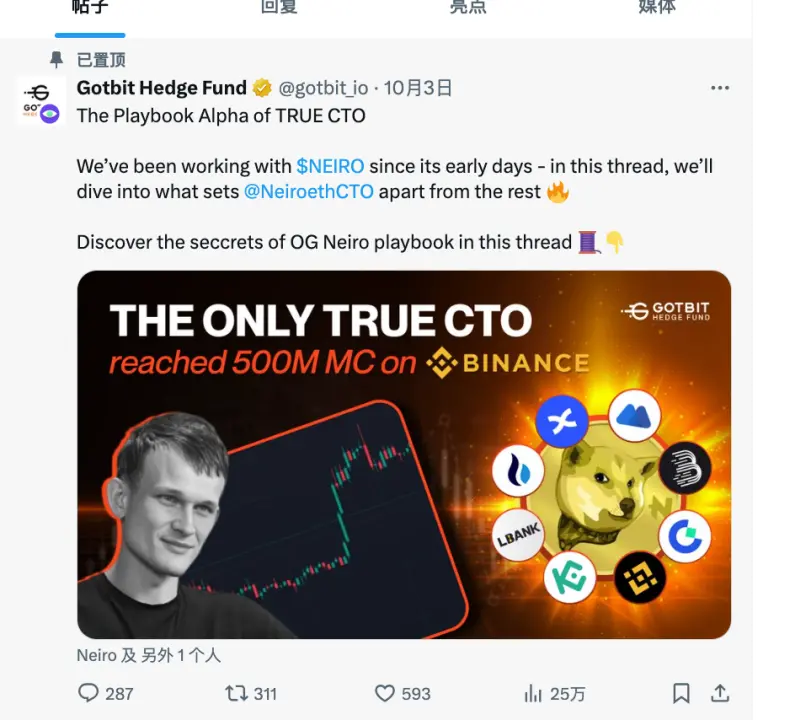
Gotbit 官方 X 平台目前置顶的推文内容中便是关于近期上线币安的小写 Neiro(First Neiro on Ethereum),并透露了与 Neiro 团队的合作关系。
做市虚假Meme收割玩家,Gotbit终于被FBI盯上了

值得一提的是, 7 月 19 日,Gotbit 官方 X 平台也曾发推特,宣布为 FBI 此次“钓鱼执法”创建的项目 NextGemAI 提供做市服务。

持续为 meme 做市,也让 Gotbit 臭名昭著并面临着美国检方的欺诈指控。

做市虚假 meme 收割玩家,Gotbit 终于被 FBI 盯上了

一位 FBI 特工提供的调查文件中提到 Gotbit 参与的其中两起案例,均通过夸大加密公司交易量、操纵加密交易价格诱导购买以抬高加密价格,并高位出售来获利。

Gotbit 多次帮助加密货币公司 Robo Inu 将日交易量提高了一百多万美元。Web3 技术公司 Saitama 也通过 Gotbit 的“做市”服务获得了数千万美元的收益。

2023 年 9 月,链上侦探 ZachXBT 也曾在 X 平台上分享过一份文件揭露了 Gotbit 的做市策略。

  • Gotbit 在价格发现阶段的最初几分钟会把代币价格推高至 10 倍以创造 FOMO ,吸引尽可能多的购买力,并在随后的峰值中出售全部代币。

  • 在最初的 12 个交易小时内,Gotbit 目标是利用现有的套利机会,将专注赚取快速且可观的利润上;

  • 启动日,Gotbit 的目标交易量是 5000 万美元以上,大部分交易通过生成系统免费在 CEX 上生成。

  • Gotbit 致力于将代币开盘后第一个峰值达到 20 倍,交并在交易的第一个月内达到 25 倍。

ZachXBT 曾表示 Gotbit 提供的做市服务存在问题,提醒用户警惕与 Gotbit 合作的项目。

但 Gotbit 仍然保持活跃,和多个 meme 项目方合作收割了大量用户的大规模资金。

2023 年底,ANALOS 与 Gotbit 合作 2 周内, 市值在达到 1.5 亿美元顶峰后开始暴跌至 1900 万美元,随后代币消失,无法购买。购买 ANALOS 的前 10 名持有者利润合计超过 700 万美元。

今年 5 月,以啤酒为主题的 MEME 代币 BEER 预售达到 30000 枚 SOL,价值近 500 万美元。上线后 BEER 代币价格一路飙升,最高涨幅达 30 倍,市值最高达到 5 亿美元。

一个月后,BEER 代币的价格较高点下跌了 90% 以上,市值也回落至 5000 万美元左右。据 LookonChain 监测发现,BEER 团队的关联地址在价格拉高后曾多次出货,累计售出 300 多万美元。

BEER 过后, Gotbit 复刻 BEER 套路。参与做市的 MEME 币 WATER ,在预售阶段就募集了超过 4100 万美元,吸引了超过 2.6 万个钱包地址参与这次预售。WATER 代币在 Solana 上线后短时拉升将近 10 倍,市值一度突破 10 亿美元,但随后在几小时内一路下跌。

Lookonchain 揭露了其开发团队的老鼠仓行为,团队将 8.44 亿枚 WATER 代币转移至 11 个未参与预售的钱包中,后抛售代币。一名链上狙击手在这次开盘当中损失超 71 万美元。

此外,Gotbit 参与做市的 HUND、SHARK、SI、SOMBRERO、MACHO、SIMBA 等也疑似 rug。

meme、加密做市商成监管打击重点?

从 Gotbit 的操纵行为来看,meme 的火爆也让 meme 成为了欺诈的重灾区。

对于此次 Gotbit 被诉欺诈,加密 KOL @WazzCrypt 认为,“这对于 meme 来说是一种利空。Gotbit 作为最大的 meme 做市商之一,支持了阴谋 meme 和诈骗币。在没有犯罪的情况下推广 meme 币变得困难。”

但在 CryptoQuant 创始人 Ki Young Ju 看来这可能是一个积极信号,“监管将有助于消除其赌博污名。”

目前一个不可忽视的趋势是,加密做市商可能成为了美国监管部门的打击重点。

继 SEC、FBI、美司法部联合指控 Gotbit、ZM Quant、CLS Global 和 MyTrade 这四家加密做市商后。SEC 又指控了一家成立于 2014 年的老牌做市商 Cumberland,称其作为未注册证券交易商运营。

加密做市商作为加密市场流动性的重要参与者,离钱太近,也是被指控操纵、欺诈市场的重点对象。此前,这轮周期崛起的新型做市商 DWF 也多次被华尔街日报等媒体调查爆料涉嫌洗盘、虚假宣传、操纵市场等。

随着美监管部门的接连下场,预计有更多的加密做市“阴谋”集团浮出水面。
Letture associate

A 10,000-Word Interpretation of the "Optical Interconnect" Industry Chain: The AI Infrastructure Bottleneck Obscured by GPU Glare

**Summary: The Rise of Optical Interconnect in AI Infrastructure** This analysis explores the critical, yet often overlooked, role of optical interconnects in large-scale AI data centers. While GPUs provide raw computational power, the efficiency of AI clusters depends heavily on high-speed data transfer between thousands of cooperating GPUs during both training and inference tasks. Copper-based electrical connections are hitting physical limits in bandwidth, distance, and power consumption. Fiber optics, using light signals, offer a superior solution with exponentially higher bandwidth and lower energy use over longer distances. This shift is driving rapid growth in the optical interconnect market. The core translation device is the pluggable optical transceiver (or module), which converts electrical signals from GPUs into optical signals for fiber transmission and vice versa. Its manufacturing involves two distinct semiconductor domains: indium phosphide (InP) for optical chips (lasers, modulators, detectors) and silicon for digital signal processing (DSP) chips. A transformative next-generation technology is Co-Packaged Optics (CPO). CPO moves the optical engine (a silicon photonic integrated circuit, or PIC) much closer to the GPU or switch inside the same chip package, drastically reducing power loss and latency. CPO necessitates an external laser source and relies on silicon photonics (using Silicon-on-Insulator/SOI wafers) for integration with silicon chips. The optical interconnect ecosystem is highly fragmented, unlike the concentrated GPU market. Key bottlenecks and players span the entire supply chain: InP substrates (e.g., AXT), epitaxial wafers (e.g., IQE), laser chips (e.g., Sivers, Lumentum, Coherent), silicon photonics foundries (e.g., Tower Semiconductor), SOI wafers (e.g., Soitec), DSP/switch chips (e.g., Broadcom, Marvell), and underlying fiber (e.g., Corning). The article posits that AI infrastructure competition is extending from "who has more GPUs" to "who can secure the scarce optical interconnect supply chain." CPO represents the largest potential growth variable, with projections suggesting it could become a market worth tens of billions of dollars by 2028. Investment opportunities vary from conservative (large, diversified players) to aggressive (small, high-beta companies focused on specific bottleneck technologies), but the sector carries significant volatility and execution risks.

marsbitAdesso

A 10,000-Word Interpretation of the "Optical Interconnect" Industry Chain: The AI Infrastructure Bottleneck Obscured by GPU Glare

marsbitAdesso

a16z: RWA Has Passed the Proof of Concept, but the Real Challenges Are Just Beginning

a16z highlights that the tokenized real-world asset (RWA) market, excluding stablecoins, has grown tenfold in under two years to roughly $340 billion. This surge is primarily driven by US Treasury bonds and gold, offering investors yield on idle stablecoins and providing institutions with more efficient settlement and collateral flows. However, the core insight is that most tokenized assets today are simply digital certificates for off-chain holdings—used for ownership and transfer but not deeply integrated into DeFi as composable financial building blocks. For instance, only about 5% of tokenized bonds ($8B) are actively used in DeFi protocols. Smaller categories like reinsurance tokens show much higher DeFi utilization (84%), indicating they were designed for on-chain composability from the start. The market remains concentrated, with US Treasuries and commodities comprising two-thirds of the total. Gold dominates the commodities segment. While Ethereum holds over half the market, activity is spreading across multiple chains like BNB Chain and Solana. Predictions for the market's future size vary widely (from $2 trillion to over $30 trillion by 2030/2034), reflecting different definitions of what constitutes tokenization. All agree on significant growth. The current market is minuscule compared to traditional finance (e.g., tokenized bonds are 0.01% of the global bond market). The key takeaway is that the initial "proof-of-concept" phase for moving familiar assets on-chain is proving successful. The next, harder challenge is moving more complex financial instruments onto blockchains and enabling true on-chain composability, where these assets become programmable components within a native digital financial system, rather than just digitized records.

marsbit38 min fa

a16z: RWA Has Passed the Proof of Concept, but the Real Challenges Are Just Beginning

marsbit38 min fa

The Wind of 'Proactive' AI Blows into Silicon Valley: Hark Secures $700 Million in Funding

Hark, an AI startup founded in late 2025, has raised $700 million in Series A funding at a $6 billion valuation. Led by Parkway Venture Capital with participation from NVIDIA, AMD Ventures, Intel Capital, Qualcomm Ventures, and Salesforce Ventures, the company aims to develop next-generation human-computer interfaces using a combination of proprietary foundational models and custom-built AI-native hardware. Founded by serial entrepreneur Brett Adcock, Hark envisions a system of multimodal devices equipped with agentic capabilities, end-to-end voice models, and personalized memory. This "active" AI approach seeks to move beyond passive chatbots, creating collaborative companions that anticipate needs and interact naturally within the real world. Adcock's experience with Figure, a humanoid robotics company, informs this hardware-focused venture. The article argues that while current AI is powerful, it remains confined to screens and traditional interfaces like chat. The next paradigm shift requires dedicated hardware that is always-on, possesses persistent memory, and enables intuitive interaction, potentially rivaling the impact of the iPhone. Hark is assembling a team with talent from Apple, Meta, Google, and Tesla to tackle this complex engineering challenge across models, hardware, and interaction design. Finally, the piece suggests Chinese startups may have an advantage in this "active" AI hardware space due to strong manufacturing ecosystems, a vast domestic market, and supportive government policies, framing the competition as one that requires integrated progress in models, operating systems, and devices.

marsbit42 min fa

The Wind of 'Proactive' AI Blows into Silicon Valley: Hark Secures $700 Million in Funding

marsbit42 min fa

Competitors Going Public, Kimi Can't Sit Still

Competitors Go Public, Kimi Feels the Pressure Yue Zhi An Mian (Moonshot AI), the company behind the AI assistant Kimi, has begun dismantling its VIE and red-chip structure, clearing a key obstacle for a potential Hong Kong IPO. This marks a significant shift from six months ago when founder Yang Zhilin stated the company was in "no hurry" to list. The move comes as rivals like Zhipu AI and MiniMax have successfully listed on the Hong Kong Stock Exchange in early 2026, experiencing massive surges in market value. This has reset valuation logic for AI companies, turning "going public" from an end goal into a competitive necessity. Analysts suggest Kimi is both seizing a favorable market window and responding to competitive pressure. Kimi's valuation has skyrocketed from around $3 billion at its 2023 founding to over $20 billion by May 2026. Capital is betting on its potential as a future AI platform and gateway, though some caution this "emotional valuation" depends on sustained technological leadership and successful commercialization. Traditionally focused on core model R&D over user growth, Kimi has recently pivoted strategy. While its monthly active users declined through 2025, it shifted focus to Agent development and reducing marketing spend. The release of its K2.5 model in early 2026 reportedly generated substantial revenue, with annual recurring revenue reaching $200 million by April, driven by subscriptions and API services. A $2 billion D-round financing in May signaled investor approval of this commercial shift. However, listing will bring new pressures. Experts predict a listed Kimi would face stricter scrutiny on financial controls, compliance, and R&D efficiency. The narrative must evolve from pure technological breakthroughs to demonstrating clear commercialization paths, sustainable income, and a defensible valuation, balancing model superiority with business performance.

marsbit1 h fa

Competitors Going Public, Kimi Can't Sit Still

marsbit1 h fa

Trading

Spot
Futures

Articoli Popolari

Cosa è MEME 2.0

Memecoin 2.0: L'Ascesa di $MEME 2.0 nel Mondo delle Criptovalute Introduzione Nel panorama in continua evoluzione delle criptovalute, è emerso un nuovo contendente. Memecoin 2.0, simboleggiato come $MEME 2.0, porta il concetto di meme coin a un livello emozionante. Come prodotto derivato dal Memecoin originale, questo progetto ha catturato l'attenzione della comunità crypto spostando il focus da incentivi finanziari tipici a un'esperienza coinvolgente e divertente. Operando sulla blockchain di Ethereum, Memecoin 2.0 ridefinisce audacemente l'impegno della comunità nella sfera crypto. Che cos'è Memecoin 2.0, $MEME 2.0? Alla base, Memecoin 2.0 è un progetto di criptovaluta che dà priorità allo spirito di comunità e al divertimento associato alla cultura meme. A differenza delle criptovalute convenzionali, che si concentrano su casi d'uso pratici e benefici tangibili, Memecoin 2.0 si distingue abbracciando il lato più leggero della moneta digitale. Il progetto esiste senza promesse di utilità, una roadmap strutturata o ritorni finanziari, concentrandosi invece sulla creazione di una comunità vibrante incentrata sui meme e sul divertimento condiviso. Facendo così, attinge alla crescente tendenza della cultura meme nello spazio online, rendendola un giocatore unico nel mondo degli asset digitali. Creatore di Memecoin 2.0, $MEME 2.0 Nonostante ricerche approfondite sulle origini di Memecoin 2.0, l'identità esplicita del suo creatore rimane sconosciuta. Questa anonimità non è rara nella comunità crypto, dove molti progetti sono guidati da individui o gruppi che preferiscono rimanere dietro le quinte. La mancanza di informazioni pubblicamente disponibili sul creatore potrebbe essere vista come una mossa strategica, mettendo in evidenza l'impegno della comunità piuttosto che la notorietà individuale all'interno dello spazio. Investitori di Memecoin 2.0, $MEME 2.0 Le informazioni riguardanti gli investitori o il supporto finanziario per Memecoin 2.0 sono scarse. Questa assenza di dettagli potrebbe suggerire che il progetto sia autofinanziato o che il suo focus sulla comunità piuttosto che sulle strutture d'investimento tradizionali abbia attratto un tipo diverso di sostenitore. Poiché il mondo delle meme coin coinvolge tipicamente un maggior coinvolgimento di base piuttosto che investimenti istituzionali, questo approccio si allinea con l'etica dei progetti guidati dalla comunità. Come funziona Memecoin 2.0, $MEME 2.0? Memecoin 2.0 opera interamente sulla blockchain di Ethereum, capitalizzando le sue robuste caratteristiche di sicurezza e scalabilità. Sfruttando i punti di forza di Ethereum, Memecoin 2.0 può offrire un ambiente sicuro per le interazioni degli utenti garantendo che le transazioni siano sia efficienti che convenienti. Uno degli attributi unici di Memecoin 2.0 risiede nella sua struttura guidata dalla comunità. Il valore e la popolarità del token $MEME 2.0 derivano dalla partecipazione attiva dei suoi utenti, piuttosto che dalla utilità intrinseca. Questo design rinforza il focus del progetto sull'aspetto dell'intrattenimento delle criptovalute, implicando che la risata e l'impegno della comunità siano le vere monete che guidano il suo successo. Inoltre, il progetto si inserisce all'interno dell'ecosistema più ampio delle meme coin, dove il valore di ciascuna meme coin oscilla in base alla cultura, alle tendenze e all'impegno della comunità piuttosto che ai principi economici tradizionali. Cronologia di Memecoin 2.0, $MEME 2.0 Per comprendere meglio l'evoluzione e le pietre miliari di Memecoin 2.0, ecco una cronologia che evidenzia eventi significativi nella sua storia: 2024: L'inizio di Memecoin 2.0 è riconosciuto come un ramo del Memecoin originale, affermandosi all'interno del contesto fiorente delle meme coin mentre opera sulla blockchain di Ethereum. 13 luglio 2024: Memecoin 2.0 si posiziona ufficialmente come una meme coin incentrata sulla comunità sulla rete Ethereum, enfatizzando il suo approccio centrato sull'intrattenimento che invita gli utenti a impegnarsi e partecipare alla sua crescita. Punti Chiave su Memecoin 2.0, $MEME 2.0 Diverse caratteristiche critiche definiscono Memecoin 2.0: Approccio Centrico alla Comunità: La missione principale di Memecoin 2.0 è creare un'esperienza comunitaria divertente e coinvolgente, capitalizzando il piacere collettivo derivante dalla cultura memetica. Costruita su Ethereum: Operare sulla blockchain di Ethereum fornisce al progetto un'infrastruttura essenziale che garantisce sicurezza e scalabilità. Mancanza di Utilità o Roadmap: In una marcata deviazione dalle criptovalute tradizionali, Memecoin 2.0 non promette alcuna caratteristica utilitaria o ritorni finanziari, riaffermando il suo impegno per il coinvolgimento della comunità e l'impegno sociale. Focus sulla Cultura Memetica: Abbracciando gli aspetti umoristici e culturali del fenomeno meme, Memecoin 2.0 offre una piattaforma per gli utenti per interagire con la crypto offline e online. Ulteriore Contesto: L'Importanza delle Meme Coin Le meme coin sono emerse come una classe distinta di criptovaluta, spesso guidata dall'umorismo e da un approccio spensierato al trading. Queste monete generalmente mancano di significative utilità o roadmap di sviluppo, attirando gli utenti con la promessa di divertimento, interazione comunitaria e rilevanza culturale. Nel panorama del più ampio ecosistema crypto, le meme coin rianimano l'importanza dell'impegno della comunità, opponendosi ad approcci esclusivamente orientati al profitto. Progetti come Memecoin 2.0 danno il via a un'era in cui l'intrattenimento può armonizzarsi con le aspirazioni finanziarie, trasformando la blockchain in un parco giochi per la creatività e l'interazione sociale. Conclusione Memecoin 2.0, o $MEME 2.0, incarna una nuova ondata di criptovaluta che dà priorità all'impegno della comunità rispetto a rigidi strutture finanziarie. Con un focus sull'umorismo e l'interazione sociale, capitalizza sulla fascinazione circondante la cultura meme. Operando sulla blockchain di Ethereum, Memecoin 2.0 sfrutta le capacità della tecnologia mantenendo fermo il suo impegno per il valore ricreativo della valuta digitale. Mentre lo spazio delle criptovalute continua a evolversi, Memecoin 2.0 serve come testimonianza della nozione che il futuro degli asset digitali potrebbe ben dipendere da esperienze condivise, risate e solidi legami comunitari. Nel mondo imprevedibile delle crypto, forse la gioia può essere altrettanto preziosa quanto il guadagno finanziario tradizionale.

93 Totale visualizzazioniPubblicato il 2024.04.04Aggiornato il 2024.12.03

Cosa è MEME 2.0

Come comprare MEME

Benvenuto in HTX.com! Abbiamo reso l'acquisto di Memeland (MEME) semplice e conveniente. Segui la nostra guida passo passo per intraprendere il tuo viaggio nel mondo delle criptovalute.Step 1: Crea il tuo Account HTXUsa la tua email o numero di telefono per registrarti il tuo account gratuito su HTX. Vivi un'esperienza facile e sblocca tutte le funzionalità,Crea il mio accountStep 2: Vai in Acquista crypto e seleziona il tuo metodo di pagamentoCarta di credito/debito: utilizza la tua Visa o Mastercard per acquistare immediatamente MemelandMEME.Bilancio: Usa i fondi dal bilancio del tuo account HTX per fare trading senza problemi.Terze parti: abbiamo aggiunto metodi di pagamento molto utilizzati come Google Pay e Apple Pay per maggiore comodità.P2P: Fai trading direttamente con altri utenti HTX.Over-the-Counter (OTC): Offriamo servizi su misura e tassi di cambio competitivi per i trader.Step 3: Conserva Memeland (MEME)Dopo aver acquistato Memeland (MEME), conserva nel tuo account HTX. In alternativa, puoi inviare tramite trasferimento blockchain o scambiare per altre criptovalute.Step 4: Scambia Memeland (MEME)Scambia facilmente Memeland (MEME) nel mercato spot di HTX. Accedi al tuo account, seleziona la tua coppia di trading, esegui le tue operazioni e monitora in tempo reale. Offriamo un'esperienza user-friendly sia per chi ha appena iniziato che per i trader più esperti.

291 Totale visualizzazioniPubblicato il 2024.12.12Aggiornato il 2025.03.21

Come comprare MEME

Discussioni

Benvenuto nella Community HTX. Qui puoi rimanere informato sugli ultimi sviluppi della piattaforma e accedere ad approfondimenti esperti sul mercato. Le opinioni degli utenti sul prezzo di MEME MEME sono presentate come di seguito.

活动图片