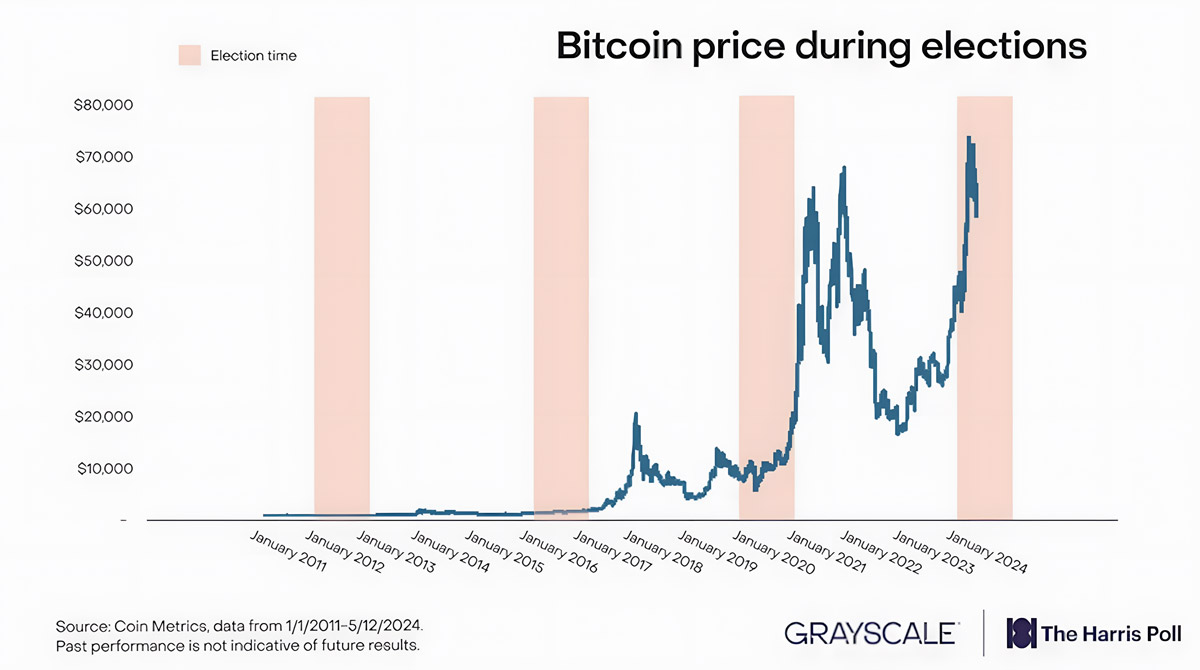
Ликвидность правит миром: почему биткоин может взлететь до $600 000 на фоне надвигающейся рецессии

cryptonews.ruОпубліковано о 2024-02-29Востаннє оновлено о 2024-09-29

Глава и основатель MN Trading Михаэль ван де Поппе (Michaël van de Poppe) выпустил новый видеообзор, в котором рассказал о влиянии глобальной ликвидности на криптовалютный рынок. Его анализ открывает новые перспективы для понимания движения цены биткоина.

Ликвидность как ключевой фактор

По мнению ван де Поппе, понимание ликвидности — ключ к пониманию движения цены биткоина. Он выделяет два основных сценария:

  • Корреляция с общей экономической ситуацией и выборами
  • Зависимость от глобальной ликвидности

За последние два года общая ликвидность стагнировала, особенно в США. Однако сейчас ситуация меняется:

  • Китай увеличивает ликвидность после экономического спада
  • ФРС проводит обратный выкуп казначейских облигаций
  • Астрономический госдолг США требует снижения ставок и продолжения количественного смягчения

M2 как мерило ценности

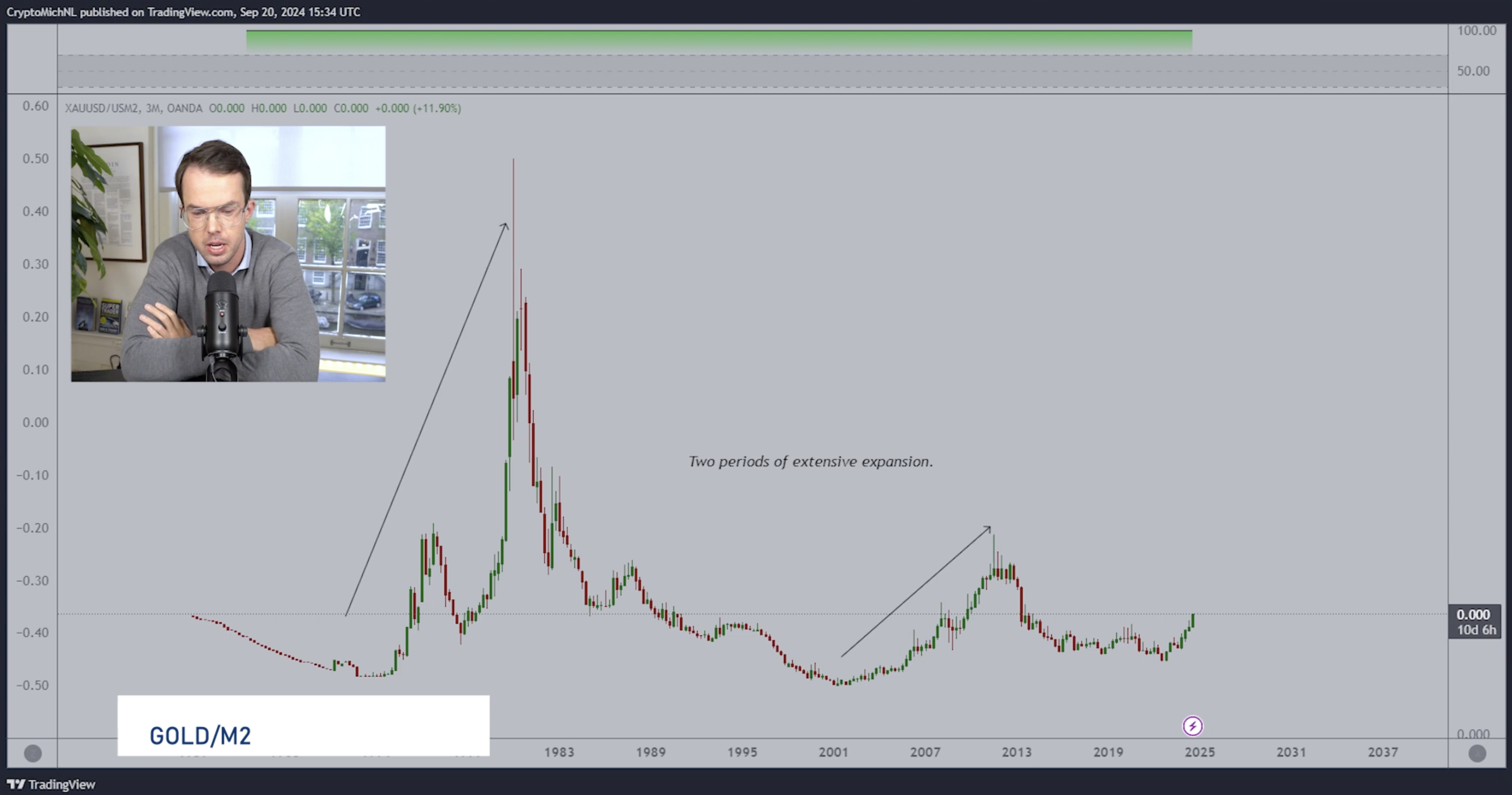
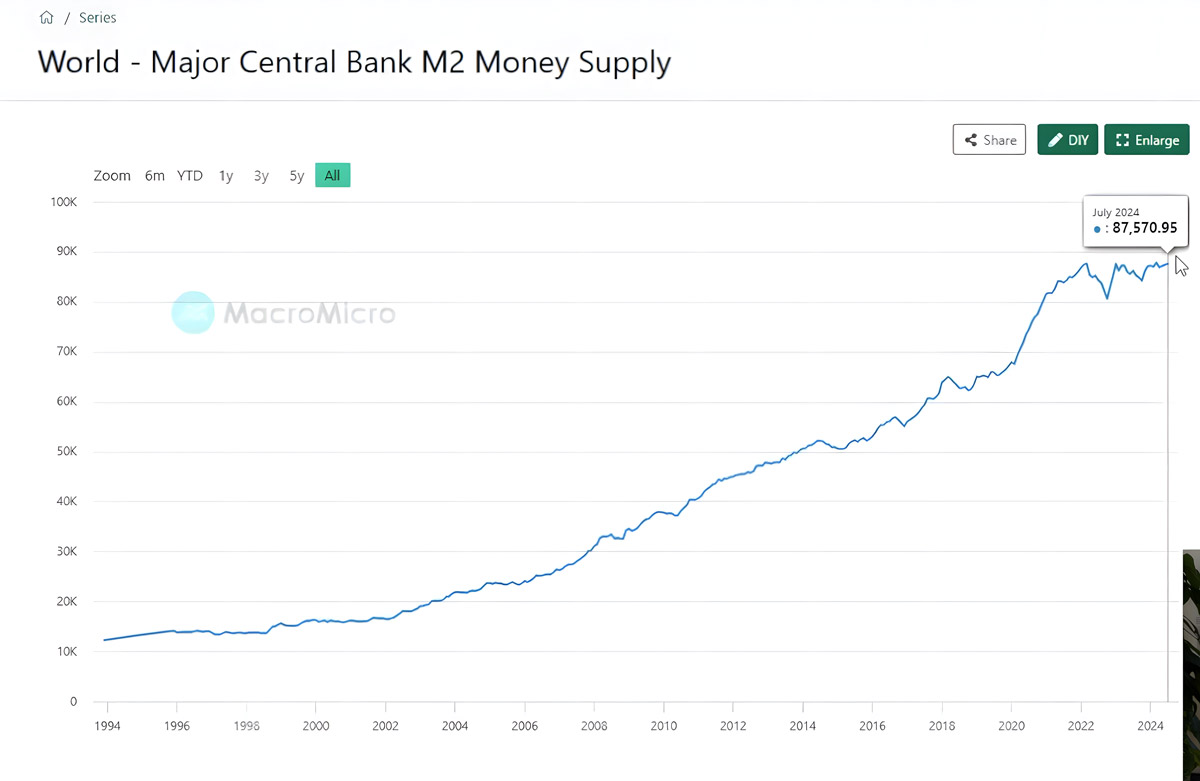
Ван де Поппе предлагает оценивать активы относительно денежного агрегата M2, а не доллара США. Почему? Потому что увеличение денежной массы практически всегда приводит к росту инфляции.

Для тех, кто не в курсе: M2 — это один из показателей денежной массы. Он включает в себя наличные деньги, чековые депозиты, сберегательные вклады и другие высоколиквидные активы. По сути, M2 отражает общий объем денег в экономике, доступных для расходов и инвестиций.

«Если в данный момент буханка хлеба стоит $1, а биткоин — $100 000, то через год, когда хлеб будет стоить $10, а биткоин — $1 000 000, мы ничего не выиграем от роста цены биткоина», — поясняет аналитик.
Исторические параллели

Ван де Поппе проводит интересные исторические параллели:

  • 2014-2015 гг.: стагнация денежной массы совпала с медвежьим рынком биткоина
  • 2018-2019 гг.: боковое движение ликвидности до октября 2019 года, затем начало бычьего рынка
  • 2021-2022 гг.: пик биткоина в ноябре 2021 года, затем спад ликвидности и медвежий рынок
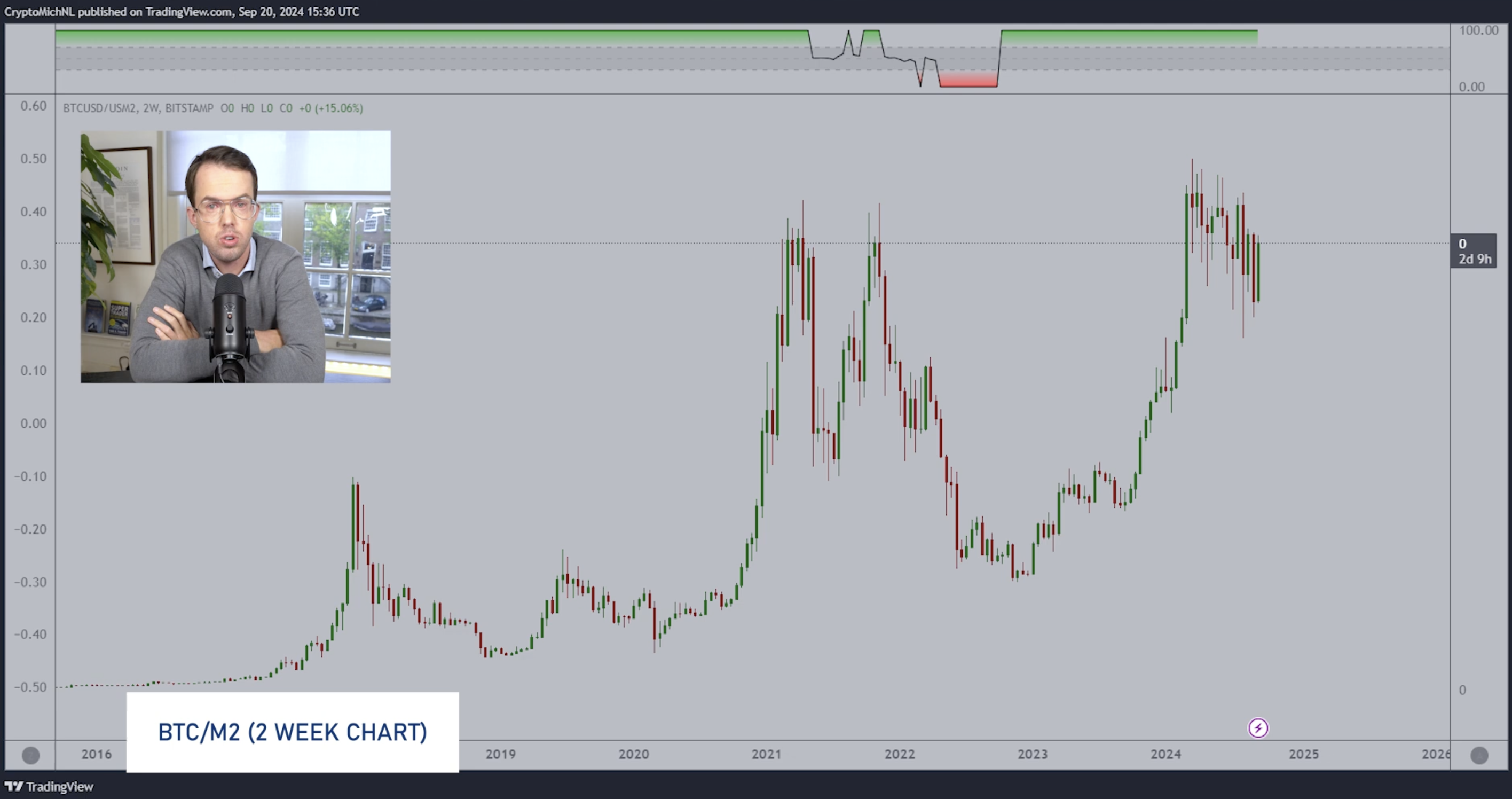
«Текущий медвежий рынок — самый длительный за всю историю биткоина», — отмечает эксперт.

Рецессия как катализатор?

Вопреки распространенному мнению, ван де Поппе считает, что рецессия может быть благоприятной для рынка криптовалют. Почему? Потому что это период расширения денежной массы:

  • Центральные банки вынуждены увеличивать ликвидность для стимулирования экономики
  • Исторически это приводило к росту цен на твердые активы, включая золото и биткоин
Идеальный шторм для биткоина

Ван де Поппе называет текущую ситуацию «идеальным штормом» для биткоина:

  • Ожидаемое снижение ставок ФРС
  • Ослабление рынка труда
  • Недоверие к финансовым институтам
  • Социальная напряженность
  • Запуск биткоин-ETF, открывающий доступ институциональным инвесторам

«Я ожидаю, что к концу этого года биткоин достигнет $192 000, а в течение текущего цикла может вырасти до $300 000-600 000», — прогнозирует аналитик.

Подобные прогнозы действительно впечатляют. Но помните: на крипторынке все может измениться в мгновение ока. Поэтому, прежде чем бежать скупать биткоины, тщательно взвесьте все риски.


Пов'язані матеріали

Aave V4 to Move Wall Street Securities Financing On-Chain: Composability Layer Transforms from Risk Point to Backbone

Aave V4 aims to bring Wall Street securities financing on-chain, targeting the massive traditional markets for repo, securities lending, and margin financing. It proposes three core products: securities-backed loans, atomic repo settlements, and securities lending. This shifts the narrative from "RWA as collateral" to building foundational "on-chain securities finance infrastructure." The key innovation lies in its third-layer approach: composability. V4 doesn't alter underlying asset credit but systematically connects all on-chain assets to leverage and liquidation mechanisms, making composability the system's backbone instead of just a risk point. Aave's dominant market share and its relatively prudent engineering for its Horizon institutional RWA lending market support this ambition. However, a critical design choice introduces a new risk dimension. The "centralized liquidity Hub + multiple Spoke" architecture and Horizon's shared liquidity pools prioritize capital efficiency by allowing new assets instant access to deep liquidity. The trade-off is the loss of risk isolation: a problem with one collateral type in a stress period can draw from the same stablecoin pool backing all others, spreading risk across the entire market. This risk is not theoretical, as demonstrated by a 2026 incident where compromised collateral from a bridge attack created bad debt on Aave. As the system scales—with Horizon targeting over $1B—it remains untested in a genuine credit or liquidity crisis. The first significant bad debt or forced liquidation in RWA markets will likely be triggered by a price/net asset value dislocation of a tokenized asset during stress, not by an underlying default. The implications are clear: institutions providing collateral must account for potential NAV-price gaps; liquidity providers must understand they are exposed to all collateral in a shared pool; and protocols must explicitly choose between risk isolation and capital efficiency. The market still focuses primarily on credit risk, while tokenization continues to concentrate new risks in the liquidity and composability layers.

marsbit4 хв тому

Aave V4 to Move Wall Street Securities Financing On-Chain: Composability Layer Transforms from Risk Point to Backbone

marsbit4 хв тому

Ethereum Forms Three Major Power Centers, Commercial Lifeline Held in the Hands of Major ETH Holders

Ethereon has established a new tripartite power structure to separate its core protocol development from commercialization efforts. The Ethereum Foundation, having lost several executives, now focuses solely on maintaining protocol principles like neutrality and censorship resistance. To handle business outreach and technical advancement, two new independent entities have been formed: Ethereum Institutional, which is dedicated to promoting Ethereum's tokenization and stablecoin use to major banks and asset managers, and Ethlabs, a research group focused on improving on-chain settlement and strengthening ETH's monetary narrative. Both organizations are funded by major ETH holders Bitmine and Sharplink, who collectively control over 5.4% of ETH's circulating supply. This structure aims to resolve the conflict between the Foundation's neutral stance and the need for aggressive commercialization. The success of this model is tied directly to ETH's price performance. Bullish prospects rely on Ethereum's dominant position in stablecoins, DeFi, and tokenized assets, with potential growth fueled by institutional adoption facilitated by the new entities. Bearish risks highlight ETH's price volatility and the dependency of the new organizations on their funders' financial health, which is itself linked to ETH's value. The future trajectory of this institutional framework will be largely determined by which of these market trends prevails.

Foresight News5 хв тому

Ethereum Forms Three Major Power Centers, Commercial Lifeline Held in the Hands of Major ETH Holders

Foresight News5 хв тому

Торгівля

Спот
活动图片