Vitalik Buterin在TOKEN2049:加密的理想形态是兼具严肃性和趣味性,建造电子版“天空之城”更为稳固的根基

链得得Pubblicato 2024-09-19Pubblicato ultima volta 2024-09-19

在2024年的TOKEN2049大会上,以太坊联合创始人 Vitalik Buterin 作为演讲嘉宾发表了题为What Excites Me About the Next Decade(未来十年令我兴奋的事情)的主题演讲。 Vitalik对关于用户体验、手续费问题、隐私协议等多个问题表达了自己的思考,并表示,加密行业已经从早期阶段进入到了真正可用的早期阶段。Vitalik也申明了,加密行业需要再保持去中心化的核心价值的同时继续推进技术进步,服务整个社会。 

以下内容是链得得根据现场演讲内容进行整理: 

加密货币行业已经度过早期阶段,进入到了加密应用的早期 

从2013 年开始,我们都对比特币感到兴奋,认为比特币是支付领域的下一个重大革命,大家都在试图让世界各地的商家开始接受比特币。在2021年我去阿根廷的时候,那也是我第一次去阿根廷,我注意到当地人不仅对加密货币非常兴奋,而且还在积极大规模地使用它。 

但阿根廷人仍然在使用传统金融体系的转账,我想那是因为传统金融体系的转账是即时免费的,我认为这最终扼杀了最初的让每个人都采用比特币作为货币的探索浪潮。这么多年加密消费支付失败的原因,有交易费用和其他各种用户体验问题,但是实际上主要是因为费用问题。

以太坊绝对支持隐私保护交易。但Gas的上涨却不可控制。但在2024年,以太坊准备好了。用户体验的改善是推动加密货币主流化的关键因素之一。

交易费用已经大幅下降,交易确认时间也已经降到以太坊主网10s左右、快速确认甚至低于1s,其他改进还有用户体验大幅改进、账户抽象、ZK-SNARK主流化、L2易用性等。过去的技术局限已不是限制因素。

关于以太坊奇怪现象的费用图表。费用已经从10美元到50美分下降到不足1美分,基本上接近于零。与此同时,Optimism和 Arbitrum 这两个主要的以太坊Layer 2已经达到了一个里程碑,称为第一阶段,多个基于ZK的Rollup也告诉我,他们计划很快达到第一阶段。因此,Rollup也很快会变得更安全。 

在过去,10分钟就会出现一个大区块。甚至可能一个小时才能确认以太坊上的交易。在EIP 1559 上链之后,随着EIP-1559、Layer 2以及账户抽象等技术的推出,理论上,区块时间是13秒,但由于过去的效率非常低,有时你必须等待一个完全随机的时间。使用Layer 2时甚至可以缩短至1秒内。 

这种变化使得去中心化技术在实际应用中变得更加经济实惠,为大规模采用铺平了道路。 

今年随着EIP-7702、ZK-snarks的主流应用,各种不同的应用程序被越来越多的人使用,我们可以证明在零知识的情况下,如今的DApps不仅在功能上更加完善,界面质量也已经接近于Web 2.0的水平。通过这些改进,加密货币正逐渐从极客圈子走向更广泛的大众用户。

行业在技术进步的同时,继续保持去中心化的开放源代码价值,未来的加密世界应该能够为大众提供实用且安全的服务。

加密技术不等于效率

我们认为人们有时会犯的一个错误是将加密货币视为效率技术。加密不是关于“效率”的技术,加密技术是数字混凝土(digital concrete),区块链和mixnet、Tor、BitTorrent等加密朋克技术同源,但是区块链也有不一样的地方,区块链创造了极端稳固的持久结构,使互联网不仅能绕过旧有结构中的薄弱环节,还能切实构建更好的替代方案。这种数字混凝土是为了建立数字版的天空之城更为稳固的根基。既可以是让人们庇护家人的坚固堡垒,也是朋友间享受乐趣的地方,这也是我眼中的加密理想形态,兼具严肃性和趣味性。 

(在讲到这里的时候, Vitalik还现场演唱了一首天空之城)

早在 10 年前,很多人就在谈论这个问题。我认为重要的是要记住,加密技术给世界带来的好处与同类技术改进无关。因为从普通喷气式飞机换成超音速喷气式飞机是一种技术改进。这是一种不同类型的技术。

如果你考虑一下区块链与之前的技术有何不同,那么它们所基于的一些技术就是轰动性的东西,我想你会意识到,区块链都是关于创建持久的结构,这些结构非常强大。

城堡可以是保存整个欧洲一千年历史的博物馆。数字城堡同样可以是所有这些东西,数字和所有类型的数字城堡都是我们可以在这个区域之上建造的东西。 

以太坊的愿景:主流采用+开源+去中心化

我们的团队目标应该是什么?我们需要满足主流采用的需求,同时我们需要坚持开源和去中心化价值观。

隐私协议在加密世界中具有极大的市场潜力。特别是零知识证明(ZK-snarks)技术的应用,允许用户在不透露个人身份的情况下完成交易,从而实现隐私保护与合规需求的平衡。 

用户不仅可以保持高隐私度,还能够满足监管机构对透明度的要求。这种双重需求的解决方案将帮助加密货币更好地进入主流金融市场。 

我们有了新的、更好的隐私协议。这是一种可以让普通用户拥有很高隐私度的方式,同时满足许多重要的合规需求,但实际上并没有后门。 

接下来用钱包的安全举例子。从历史上看,基本上有两种方法来保管你的钱。一种是你喜欢疯狂的自我主权,自己记下助记词短语,然后离线做所有事情。把你的短语刻在一块不会被损坏的钛上,把钛放进一个用它制成的锁箱里,但把那个盒子放在地下10 米处,然后你的加密货币就永久安全了。另一种方法是,拿着你的加密货币,去把它们交给一些值得信赖的人。

如果你想要保护自己免受中心化行为者的侵害,那么你可以做传统的自我托管。如果你想要保护自己免受中心化交易所的侵害呢?你想两者兼而有之呢?这就需要具有多重保护的智能钱包。我们所做的多重保护意味着您有多个密钥。 

多重签名智能钱包作为未来加密资产管理的关键工具。允许用户在多个设备、朋友或第三方之间分散密钥,从而提高资金的安全性。传统的加密货币存储方式要么是极端的自我主权方式(如将私钥刻在金属板上并藏于地下),要么是依赖中心化的信任机构。而多重签名钱包则能在保持去中心化的基础上,实现用户体验的提升。

例如,您可能有六个密钥,四个需要发送交易,然后你制定一条规则,对所有交易生效。当我们需要一个密钥时,可以是任何密钥组合,这些密钥可以控制朋友和家人的现有服务。 

您实际上也可以获得机构信任的好处,例如去中心化社交媒体中,你可以设置你的恢复地址,尽可能控制你的帐户作为你的多重签名。我个人对我的多重签名的信任程度远远超过我的任何一个中心化账户。 

这就是多重签名智能钱包的作用。多重签名意味着你有多个密钥,例如你可能有6个密钥,而发送交易时需要4个。你甚至可以设定一个规则,对于小额交易只需要一个密钥。这些密钥可以是你能够控制的任何组合。 

钱包不仅可以用于加密货币的日常管理,还可以通过加入多层信任机制(如电子邮件验证、政府ID等)实现更高的安全保障,避免了完全依赖中心化交易所带来的风险。

未来蓝图 

未来的加密货币技术需要在去中心化与实用性之间取得平衡。过于追求去中心化可能会导致用户体验的牺牲,无法吸引主流用户;而完全牺牲去中心化,则会失去加密货币的核心价值。他业在未来的发展中,既要保持去中心化的技术优势,又要确保系统的可用性和易用性。 

这也是我们对未来加密货币发展的愿景: 

通过技术的不断创新和改进,既能满足用户对安全、隐私和去中心化的需求,又能够吸引更多的主流用户参与,推动加密货币的大规模采用。

我们需要满足主流采用的需求,同时保持开源和去中心化的价值观。我们不需要在去中心化与实用性之间做出牺牲。未来我们可以两者兼得。

链得得仅提供相关信息展示,不构成任何投资建议

Letture associate

To Those Ordinary People Who Haven't Invested in AI: You Think You're Late, You're Just Lacking Your Own Worldview

**Summary:** The article argues that ordinary investors feeling FOMO over missing the AI investment boom lack not timing, but their own independent worldview. Most people chase "what to buy" based on others' opinions (FOMO, envy) rather than fundamental analysis. This leads to costly mistakes: not knowing when to exit winning trades or cut losses on losing ones. The core solution is to develop a personal, long-term (5-10 year) worldview about societal shifts and technological bottlenecks. For most, building this from scratch (Path A) is too demanding. A practical alternative (Path B) is to follow the **capital expenditures (capex)** and strategic investments of visionary leaders, as their money reveals true conviction more reliably than their words. Five key figures to track for different AI perspectives are highlighted: Jensen Huang (NVIDIA, infrastructure), Elon Musk (Tesla/SpaceX/xAI, capex signals), Sam Altman (OpenAI, commercialization, but beware hype), Dario Amodei (Anthropic, technical/safety focus), and Liang Wenfeng (DeepSeek, efficiency/anti-consensus view). The article details how to read capex signals from hyperscalers' financial reports, NVIDIA's revenue breakdown, and strategic investments. It maps the complete AI产业链 (supply chain) from raw materials/energy to models/applications, explaining value flow and inter-dependencies (e.g., how a model release triggers demand across chips, memory, and optics). Finally, it provides an action plan: secure personal finances first, allocate a limited portfolio percentage (max 25%) to the theme, prefer broad ETFs (like QQQ), use dollar-cost averaging over 6-12 months, and write down strict investment rules beforehand to combat emotional errors during market volatility. The conclusion is that a stable, personally-held worldview enables disciplined, long-term investment far more than chasing short-term trends.

marsbit5 min fa

To Those Ordinary People Who Haven't Invested in AI: You Think You're Late, You're Just Lacking Your Own Worldview

marsbit5 min fa

Microsoft Halts Vibe Coding: "Burning Tokens" Is Now More Expensive Than Employees

Microsoft has halted the widespread internal use of Claude Code, withdrawing licenses from most employees by the end of its fiscal year, June 30, 2026. This reversal comes just six months after actively promoting the AI coding tool to boost productivity via "vibe coding"—where developers describe intent in natural language and let the LLM generate code. The core issue isn't the tool's effectiveness; internal reports suggest employees preferred Claude Code over Microsoft's own Copilot CLI. The problem is financial: the "copilot mode" adds a variable, consumption-based token cost on top of existing employee salaries without a proportional revenue increase. As usage grew, the token bills became unsustainable, leading to what sources describe as a cost-structure failure. Similar overruns have been reported at other firms like Uber. The article contrasts this with the approach of AI-native startups, exemplified by Y Combinator's philosophy. Here, high token consumption is strategic—it replaces, rather than supplements, human labor. Startups operate with tiny teams where AI agents handle work previously done by many, making the high token bill financially viable as it offsets much larger personnel costs. The conclusion is that "vibe coding" isn't dead, but its economics fail within traditional corporate structures that treat AI as a productivity add-on for existing staff. Success requires a foundational shift to an AI-native organization, where processes are built to be "legible to AI," and the company's core knowledge and assets reside in documented, AI-accessible systems rather than solely in employees' minds. The future divide will be between companies that merely add AI tools and those that redesign their organizations around them.

marsbit25 min fa

Microsoft Halts Vibe Coding: "Burning Tokens" Is Now More Expensive Than Employees

marsbit25 min fa

Metrics Ventures Market Watch: The Brewing Storm

In the past month, the market has been actively trading contrasting expectations, balancing global supply chain disruptions fueling re-inflation against both actual and anticipated (Walsh) interest rate hikes. This volatility has impacted commodities and most equities, though tech has temporarily benefited from concentrated short-term liquidity. Fundamentally, as previously analyzed regarding the Strait of Hormuz situation, the US faces deep-seated balance sheet issues beyond what any single Fed chair can resolve. Hypotheses around a figure like Walsh could only materialize if AI fundamentally reshapes production relations. Until then, most non-AI-leading nations (effectively all except the US and China) risk fiscal and monetary policy collapse, rendering the identity of the Fed chair ultimately irrelevant. For crypto assets, there is currently no clear role in these dominant narratives. The market remains strongly capped by the 200-day moving average. While trends may shift from "anything but AI" to "anything but mines," this phase is dominated by the silicon vs. carbon (AI vs. traditional) dichotomy, leaving little room for crypto—though its time will come. **Market Overview & Commentary** The crypto market lacks significant catalysts beyond hype, plagued by low volume and scarce innovation, with clear technical resistance. Currently, crypto struggles for attention as global focus lies elsewhere. Assets like gold, oil, and grains are more direct hedges against supply-chain-driven inflation/stagflation. Bitcoin needs more time for capitulation and consolidation; this reset is expected to last until at least Q4 2026. Looking ahead, three factors will likely drive future market volatility: 1. Whether Walsh repeats the patterns of predecessors like Bassant or Musk, shifting stance into a new policy cycle. 2. The market underestimates the severity of global supply chain damage and the prolonged time needed for repair, which will eventually lead to recognition of acute resource shortages and price swings. 3. AI non-beneficiary, high-inflation nations (e.g., UK, Japan) will face severe fiscal and monetary crises. Rapid AI-driven displacement could trigger a collapse of existing credit and welfare systems. Ultimately, the market may realize that an AI bubble burst could spark contagious sovereign credit crises. The monetary and fiscal responses to such a scenario could serve as the ultimate catalyst for Bitcoin's next major bull run.

marsbit1 h fa

Metrics Ventures Market Watch: The Brewing Storm

marsbit1 h fa

Insiders Betting on Musk Are Reaping 'Historic Returns'

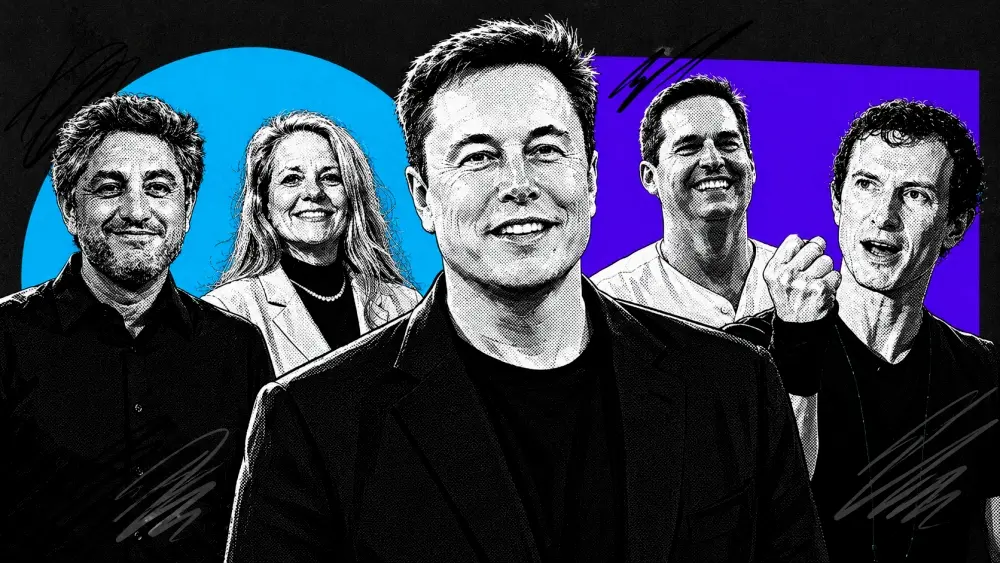
The largest IPO in history is imminent as SpaceX, led by Elon Musk, is set to price its offering on June 12. At a targeted valuation near $2 trillion, this event will mint new billionaires from Musk's inner circle of long-time allies, rewarding their loyalty with unprecedented returns. Key beneficiaries include Antonio Gracias, Musk's close friend and confidant, who holds a 7.3% stake potentially worth over $140 billion, making him the second-largest individual shareholder. Gwynne Shotwell, President and COO since 2002, holds shares valued at roughly $2 billion. Bret Johnsen, the CFO, holds stock worth approximately $1.4 billion. Luke Nosek, a PayPal co-founder and early investor, stands to gain about $5.3 billion. The IPO filing also reveals complex and controversial financial arrangements. SpaceX has guaranteed nearly $20 billion in payments from xAI's subsidiary to Gracias's Valor Equity Partners for AI hardware leases—deals auditors flagged as "failed sale-leaseback" transactions, forcing SpaceX to record them as debt. Despite rapid revenue growth, SpaceX is not profitable, posting a $49 billion loss in 2025 and a $4.3 billion loss in Q1 2026. Capital expenditures are soaring, with over 60% directed toward AI. Public investors will inherit these losses, significant debts, and a governance structure heavily controlled by insiders, including a provision granting Musk up to a billion additional shares if one million people live on Mars.

链捕手1 h fa

Insiders Betting on Musk Are Reaping 'Historic Returns'

链捕手1 h fa

Trading

Spot
Futures

Articoli Popolari

Come comprare T

Benvenuto in HTX.com! Abbiamo reso l'acquisto di Threshold Network Token (T) semplice e conveniente. Segui la nostra guida passo passo per intraprendere il tuo viaggio nel mondo delle criptovalute.Step 1: Crea il tuo Account HTXUsa la tua email o numero di telefono per registrarti il tuo account gratuito su HTX. Vivi un'esperienza facile e sblocca tutte le funzionalità,Crea il mio accountStep 2: Vai in Acquista crypto e seleziona il tuo metodo di pagamentoCarta di credito/debito: utilizza la tua Visa o Mastercard per acquistare immediatamente Threshold Network TokenT.Bilancio: Usa i fondi dal bilancio del tuo account HTX per fare trading senza problemi.Terze parti: abbiamo aggiunto metodi di pagamento molto utilizzati come Google Pay e Apple Pay per maggiore comodità.P2P: Fai trading direttamente con altri utenti HTX.Over-the-Counter (OTC): Offriamo servizi su misura e tassi di cambio competitivi per i trader.Step 3: Conserva Threshold Network Token (T)Dopo aver acquistato Threshold Network Token (T), conserva nel tuo account HTX. In alternativa, puoi inviare tramite trasferimento blockchain o scambiare per altre criptovalute.Step 4: Scambia Threshold Network Token (T)Scambia facilmente Threshold Network Token (T) nel mercato spot di HTX. Accedi al tuo account, seleziona la tua coppia di trading, esegui le tue operazioni e monitora in tempo reale. Offriamo un'esperienza user-friendly sia per chi ha appena iniziato che per i trader più esperti.

378 Totale visualizzazioniPubblicato il 2024.12.10Aggiornato il 2025.03.21

Come comprare T

Discussioni

Benvenuto nella Community HTX. Qui puoi rimanere informato sugli ultimi sviluppi della piattaforma e accedere ad approfondimenti esperti sul mercato. Le opinioni degli utenti sul prezzo di T T sono presentate come di seguito.

活动图片