特朗普回应人工智能生成的“特朗普的敏捷”图像

币界网2024-08-22 tarihinde yayınlandı2024-08-22 tarihinde güncellendi

币界网报道:

唐纳德·特朗普最近在他的社交媒体平台Truth social上分享了泰勒·斯威夫特的人工智能生成图像后,发现自己陷入了争议。这些看似显示斯威夫特支持这位前总统的照片引发了很多讨论和争议。

这也引发了更多关于人工智能在政治沟通和特朗普行为中的作用的问题。周末,唐纳德·特朗普在他的平台上转发了几张照片,将泰勒·斯威夫特描绘成支持他的总统竞选,这是错误的。

特朗普否认了解图像来源

最受欢迎的照片之一是斯威夫特穿着山姆大叔的衣服,上面写着:“泰勒想让你投票给唐纳德·特朗普。”特朗普还发布了年轻女性穿着“斯威夫特支持特朗普”衬衫的照片。特朗普在他的社交媒体平台上转发了这些照片,并配文“我接受!”。

在接受福克斯商业频道Grady Trimble的采访时,特朗普被问及这些照片,以及他是否担心斯威夫特可能采取的法律行动。特朗普声称他不知道这些图像的来源,他说:“除了别人生成的图像外,我对它们一无所知。我没有生成它们。”

特朗普进一步评论了人工智能的危险,他说:“人工智能总是以这种方式非常危险……这也发生在我身上。他们让我说话。我在人工智能上说得很完美,我的意思是,绝对完美,而且我支持其他产品和事物。这有点危险。”

版权问题困扰特朗普竞选媒体

这不是最近围绕特朗普竞选活动的第一次社交媒体争议。本周早些时候,特朗普竞选发言人张五常发布了一段视频,显示特朗普在密歇根州下飞机。这段发布的视频以碧昂斯的歌曲《自由》为特色,在这位歌手声称侵犯版权后不久就被删除了,这进一步质疑了该活动的版权合规性。

这些照片发布之际,粉丝们怀疑这位歌手是否会支持特朗普的民主党对手、副总统哈里斯。斯威夫特支持拜登总统2020年的总统竞选。埃隆大学最近的一项研究发现,76%的美国人担心人工智能可能被用来影响选举。此外,47%的人表示他们很难区分真实图像和操纵图像。

根据这项研究,这导致许多人对他们获得的信息失去了信心,从而也影响了他们对他人的信任。由于没有联邦法律来管理人工智能在选举过程中的使用,选民别无选择,只能寻求其他来源来帮助他们确定他们收到的信息是真实的还是虚假的。

İlgili Okumalar

In the AI Era, What's Left for Bitcoin?

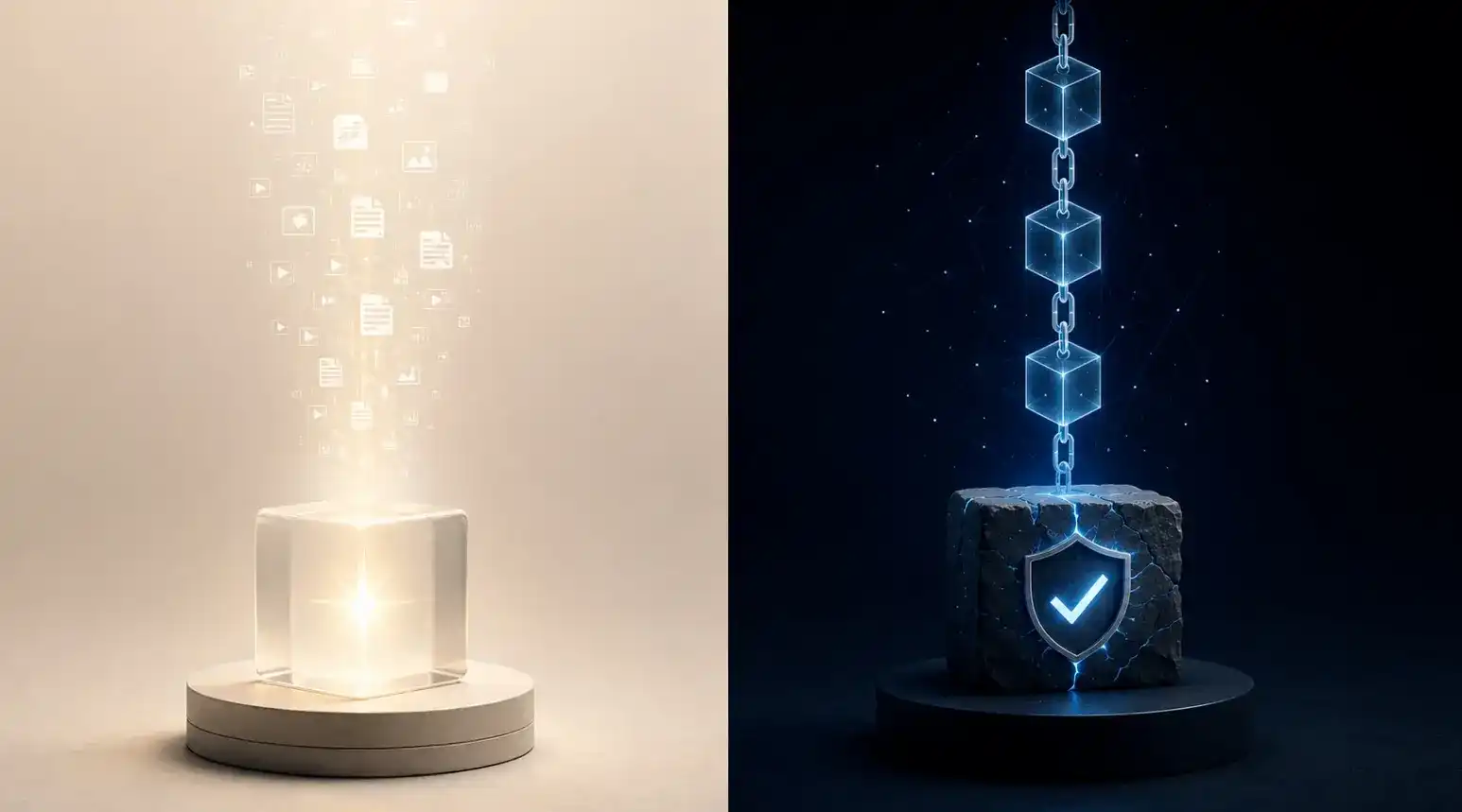
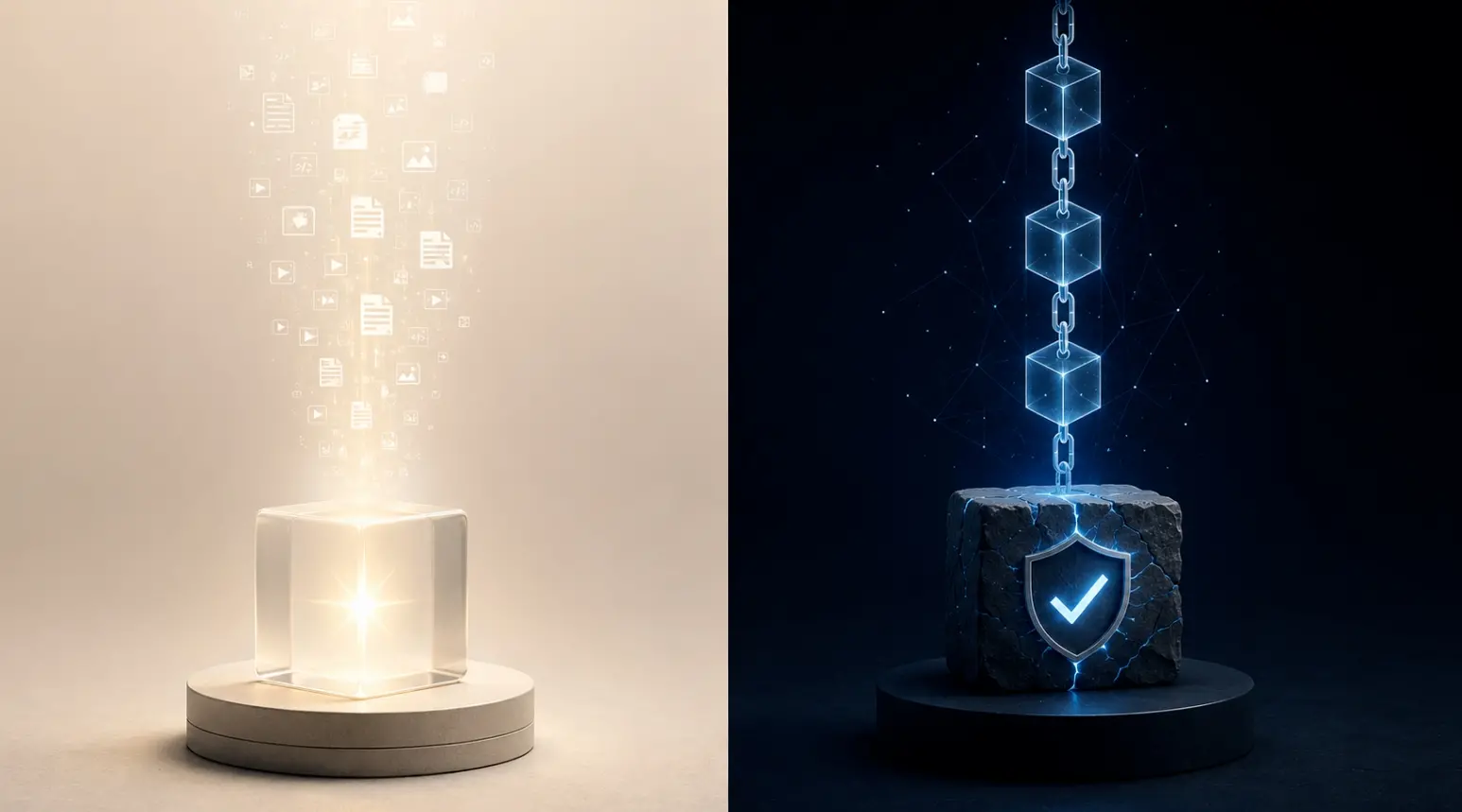
As Bitcoin falls below $60,000, the author reflects on the relationship between AI and Bitcoin, seeing them as two sides of the same coin. In the AI era, the cost of generating content has plummeted, making fake text, images, and videos increasingly easy and cheap to produce. This has led to a fundamental shift: while AI dramatically lowers the cost of information production, it also undermines trust and authenticity online. What becomes truly valuable is not more content, but the ability to verify what is real—"verifiability." This perspective offers a new lens for Bitcoin. Its massive energy consumption, often criticized as wasteful, is reinterpreted. While AI burns energy to enhance "capability" and efficiency, Bitcoin burns energy to produce "verifiability." Its purpose is not to be trusted but to enable a system where no trust in intermediaries—banks, platforms, or developers—is needed. Every transaction and the entire ledger's history is secured by cryptography and a decentralized network of nodes, making it independently verifiable. AI cannot forge a transaction on the Bitcoin network because the system is designed for proof, not generation. The author draws a historical parallel to the Renaissance: the printing press drastically reduced the cost of copying knowledge, while double-entry bookkeeping reduced the cost of trust in commerce. Today, AI is the new printing press, reducing content creation costs to near zero. Blockchain, and Bitcoin as its pioneer, may be the modern equivalent of double-entry bookkeeping—a foundational technology for verifying digital asset ownership and historical records without centralized authorities. Thus, AI and blockchain are not competitors. AI lowers the cost of creation; blockchain lowers the cost of verification. In an age where AI can generate anything, true scarcity may lie not in more content, but in independently verifiable facts. Whether the market will reprice Bitcoin accordingly remains uncertain, but its core value proposition as a "machine for producing verifiability" becomes strikingly relevant.

marsbit22 dk önce

In the AI Era, What's Left for Bitcoin?

marsbit22 dk önce

In the Age of AI, What's Left for Bitcoin?

Author: Sevclub, Seven Research Amid Bitcoin's recent drop below $60k, the author reflects on a growing sense that AI and Bitcoin are two sides of the same coin. Today, encountering any content triggers a new default question: "Was this made by AI?" The cost of generating convincing text, images, and video is now negligible. While the internet lowered information *distribution* costs, AI is crashing information *production* costs to near zero. The consequence is a flood of content where truth and falsehood are increasingly indistinguishable. In this environment, what becomes truly valuable is not more information, but the ability to verify what is real—"verifiability." This reframes the common criticism that Bitcoin "wastes electricity." AI consumes power to produce "capability" (e.g., more powerful models). Bitcoin consumes power to produce something else: "verifiability." Bitcoin's core purpose isn't about belief or trust in any institution, developer, or even its creator. It's about enabling independent verification. Every bitcoin's origin, every transaction, and the integrity of the entire ledger are secured by mathematics, cryptography, and a global network of nodes. AI can fabricate convincing media, but it cannot falsify a transaction on the Bitcoin network. The expended energy makes篡改历史 (tampering with history) prohibitively expensive, purchasing a globally verifiable ledger. The author draws a historical parallel to the Renaissance. The printing press drastically reduced the cost of copying knowledge, while double-entry bookkeeping reduced the cost of trust in commerce—one enabled creation, the other verification. Today, AI is the new printing press, driving content production costs toward zero. The question becomes: what is this era's "double-entry bookkeeping"? Blockchain appears to be the leading candidate. It doesn't verify which news is true or which image is real, but it provides a foundational layer for independently verifying asset ownership and historical records in the digital realm without centralized authorities. Therefore, AI and blockchain are not in competition. AI lowers the cost of *generation*. Blockchain (and Bitcoin as a prime example) lowers the cost of *verification*. One creates, the other proves. Whether Bitcoin ultimately succeeds remains uncertain, facing potential challenges from quantum computing, regulation, and technical evolution. However, the author now sees it less as a "machine for making bitcoin" and more as a "machine for making verifiability." In an age where AI can generate anything, true scarcity may no longer be "more content," but "more independently verifiable facts." Whether the market will price this accordingly is a separate question.

链捕手31 dk önce

In the Age of AI, What's Left for Bitcoin?

链捕手31 dk önce

İşlemler

Spot
活动图片