1kx 分析师:概述预测市场新玩家及发展趋势

深潮Pubblicato 2024-08-13Pubblicato ultima volta 2024-08-13

人工智能代理是预测市场的下一个重要机遇。

撰文:mikey,1kx 分析师

编译:Luffy,Foresight News

预测市场出现了许多新的建设者,因此有必要对这个垂直领域进行一次全面的概述。本文将简要总结预测市场类别、GTM(进入市场)策略、产品更新、机制以及当前的发展方向。
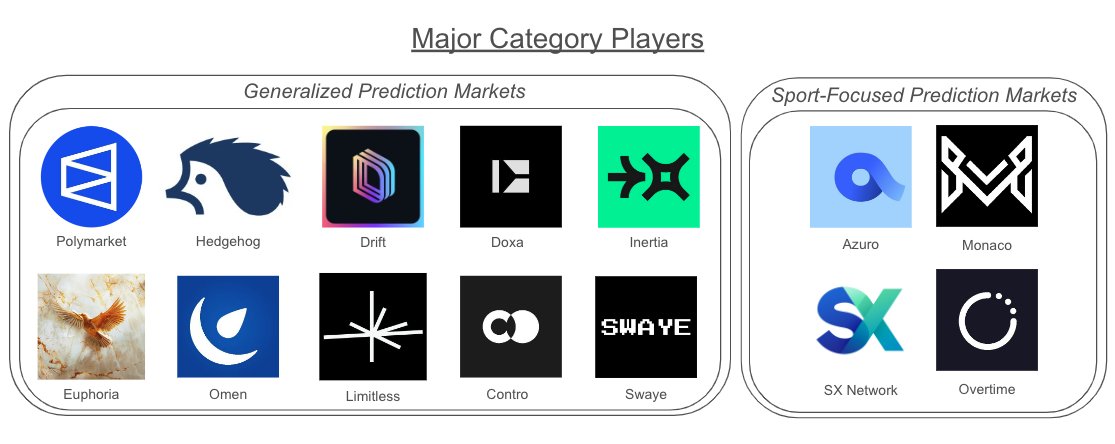
GTM

预测市场 GTM 大致有两种方法:非体育和体育。前者是一个相对未开发的领域,包括几个目标领域:加密货币、政治、文化活动。Polymarket 显然是非体育领域的领导者,其 GTM 主要关注政治事件。
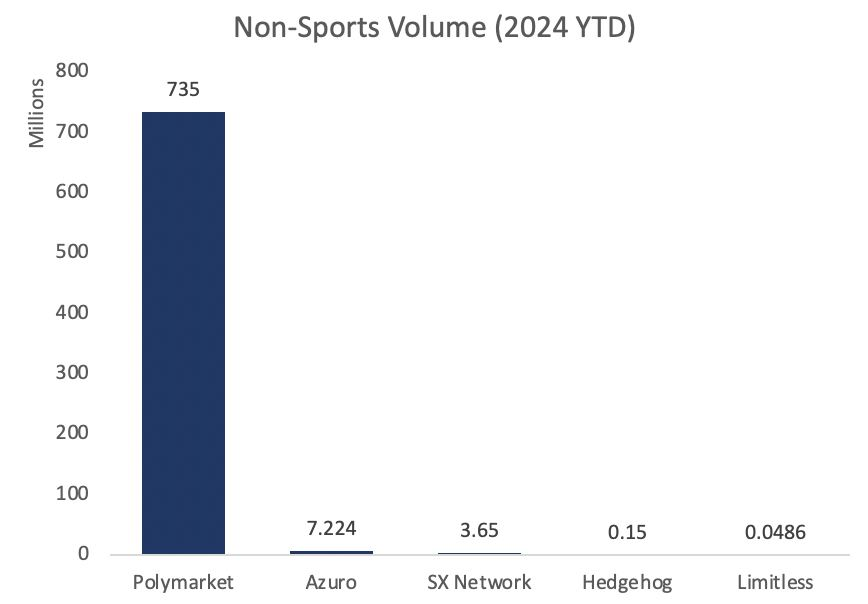
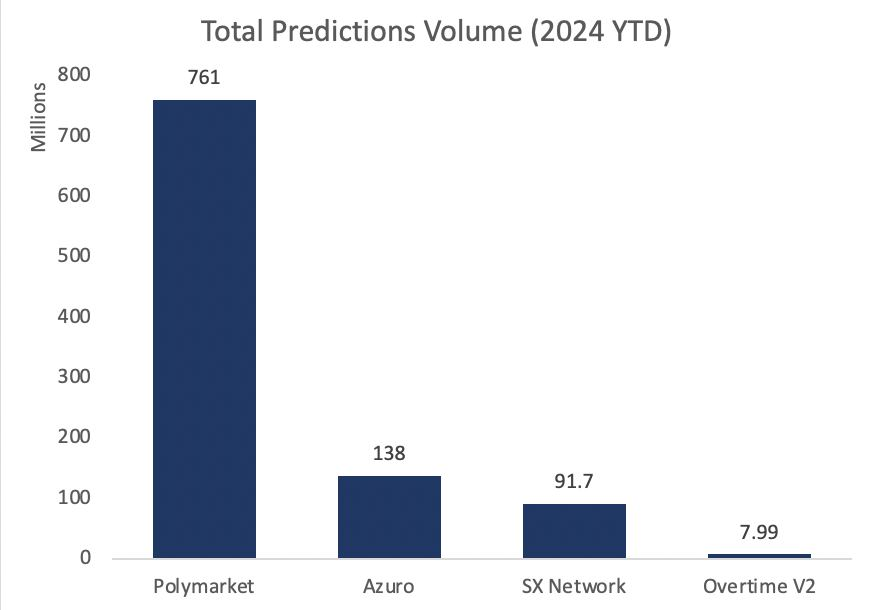
如果比较专注体育赛事的预测市场今年以来的交易量,你会发现 Azuro 和 SX Network 与 Polymarket 的差距更大。
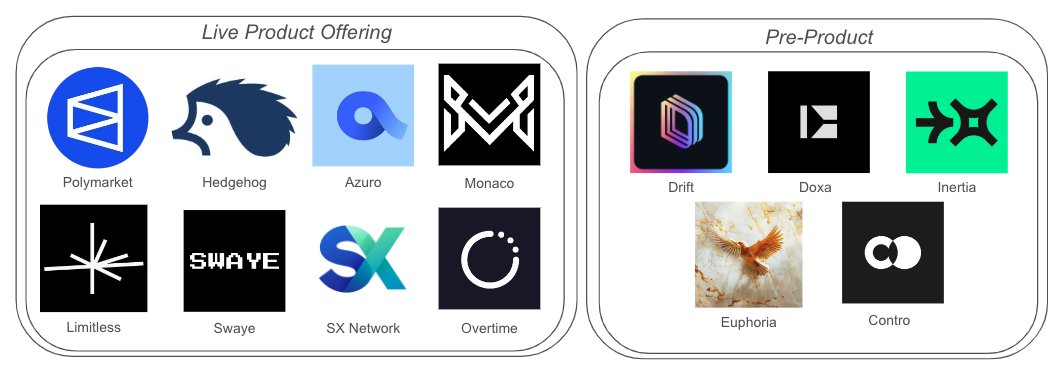
新上线的竞争者包括 EVM 上的 Limitless (其中一些市场支持 ETH 交易),以及 Solana 上的 Hedgehog。此外还有竞争者产品尚未上线,包括:Drift Exchange、xMarkets、Inertia Social、Doxa 和 Contro。
新玩家们普遍聚焦于两个共同主题:

  • 无需许可的市场:开放市场创建和激励层

  • 解决方案:依靠人工智能进行市场结算,或创建更高效的系统

这正是 Polymarket 用户一直期盼的。

鉴于体育类预测市场受欢迎程度和赛事规律性,它们在 Web2 中具有明显的吸引力。很难让用户转移到 Web3,因为大多数用户看重品牌和用户体验。此外,Web2 体育博彩在营销资金上具有优势,至少有 5 家体育博彩公司每年花费 1 亿美元以上。

美国人在单场超级碗上的投注金额(约 230 亿美元)是加密货币预测市场总投注额(约 20 亿美元)的 10 倍。甚至单个州的投注金额就远远超过了 20 亿美元。
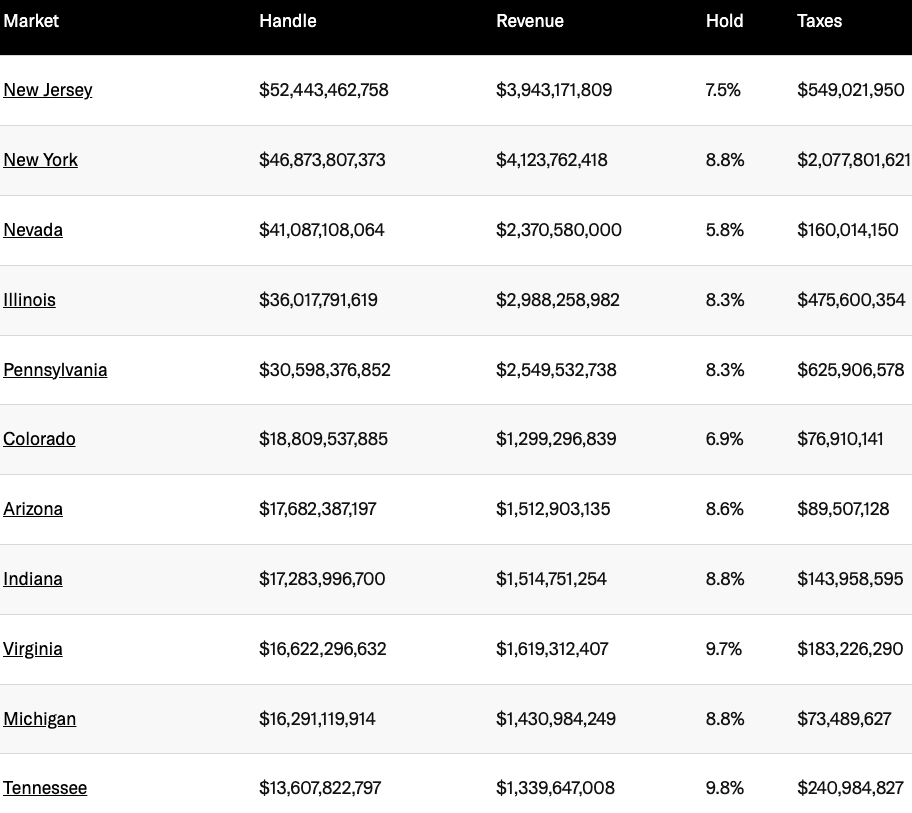
链上资金越多 = 链上体育博彩越多,就像互联网博彩公司被手机设备统治一样。预测市场的限制因素之一是缺乏资金。在非体育方面,LogX 将支持 TRUMP 永续产品,类似于 2020 年的 FTX。Doxa 也在研究 lev。这两个项目的交易对手都是流动性池。清算和坏账是潜在的问题。

我希望 Polymarket 更多地探索复式投注模式。从技术上讲,「特朗普和拜登赢得提名」市场是一种杠杆投注,因为它需要猜测两个不同的事件。

我很想看到诸如「a、b、c 和 d 会发生吗」这样的市场,我不认为初始流动性会成为问题,LP 不会错过这样的机会。

在体育预测市场方面,已有多个协议允许通过所谓的 parlays 进行杠杆操作,只有当用户正确猜出多个不相关事件时才会赢得奖金。SX Bet、Azuro 和 Overtime 已经支持这种功能。

机制

预测市场的工作机制大致有两种类型:Web2.5 和 Web3。Web2.5 模式通常将加密货币用作支付渠道,例如 Stake/Rollbit。用户可以使用加密货币下注,但交易对手是应用程序背后的团队,并且产品在链上交互。

Web3 模式的部分产品逻辑会放在链上,无论是 NFT 头寸,还是通过智能合约执行的赌注。通常有两种方式来匹配链上赌注,要么是依赖被动 LP 的 AMM,要么是平台充当交易所的订单簿。
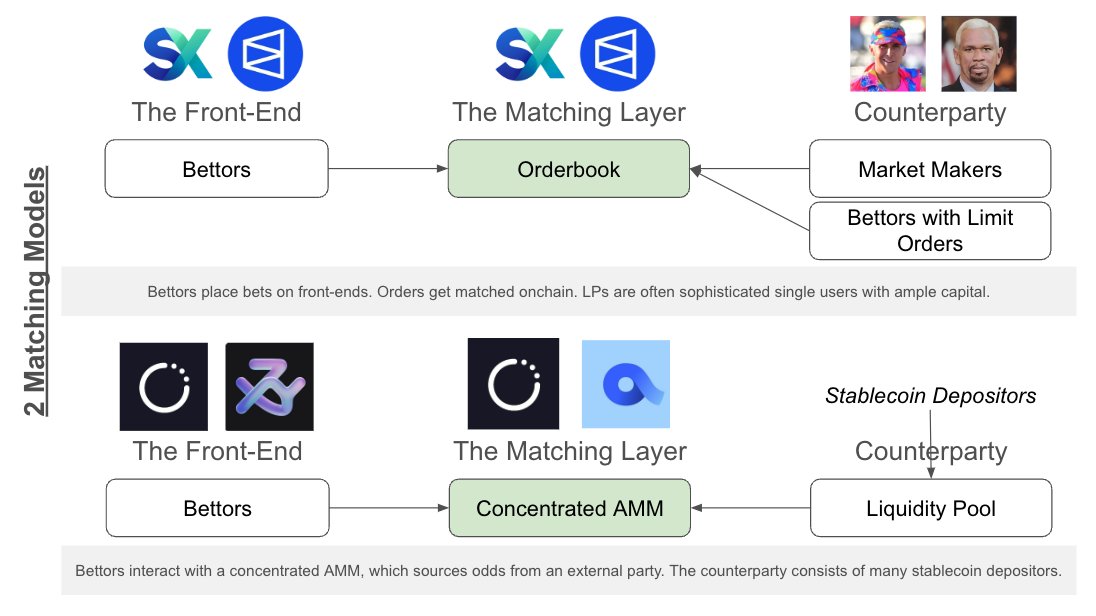
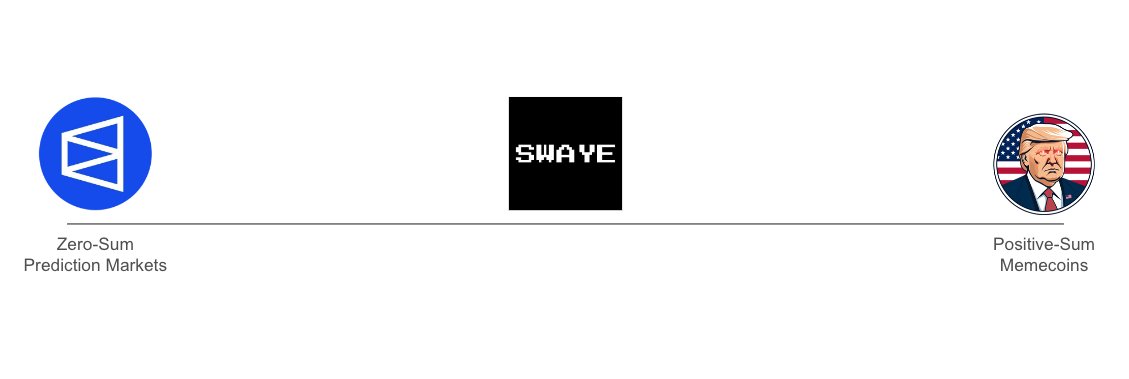
在 Web3 中,Memecoins 本身已经成为预测市,$TRUMP 和 $BODEN 就是典型的代表,持有者可以从两方面获利:1)方向正确;2)吸引注意力。Memecoins 允许你推测其他人的投机行为,无论你是对是错。

一个新的协议叫做 Swaye,尝试结合预测市场和 Memecoins 的优势,早期进入市场的用户不仅押注特定结果,而且有动力吸引注意力,因为任何一方的投注活动都有助于增加 P 损益。
盈利模式

预测市场协议如何盈利呢?有几种方法:

  1. 交易费

  2. 交易者收益的一部分(Web2 模型遵循这条路径)

  3. 交易对手的损益(Web2 喜欢服务亏损的客户)

大多数协议要么采用方法 1,要么采用方法 3。Polymarket 目前不收取任何费用。

下一步

下一步是什么?人工智能代理是预测市场的下一个大机遇,因为它们可以对新闻做出快速反应。它们能够管理订单和下注,它们还可以计算结果的预期值并承担计算出的风险。有几个团队正在研究这一领域。

在未来几年,至少会有 1 个协议与 Polymarket 的交易量正面竞争。考虑到 Polymarket 目前对其市场的激励程度,竞争者可能需要大量使用积分、代币或 USDC 等激励措施。

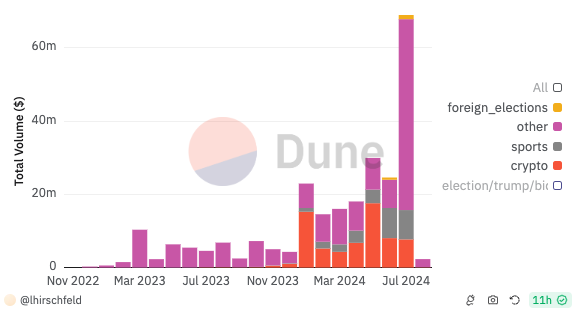
每个人都在问美国大选后交易量能否持续,到目前为止,Polymarket 上的非选举交易量自今年年初以来一直保持稳定。
Letture associate

Deep Insight: Decentralized Inference is Not Hype, but a Key Track for AI to Break Through Centralized Monopoly

Decentralized Reasoning: Beyond the Hype, a Key to Breaking AI's Centralized Monopoly A future scenario where a powerful AI model is banned by a major government illustrates the core value proposition of decentralized AI: resistance to censorship. The core bet of decentralized inference networks is mitigating this risk, with other benefits like cost being secondary. The path is extremely difficult, involving four key challenges: 1. **Running Massive Models:** Distributing a single model across a decentralized GPU swarm requires sophisticated techniques like pipeline and speculative decoding to overcome crippling network latency, aiming for usable speeds (e.g., 30-40 tokens/second). 2. **Proving Model Integrity:** Verifying that a node runs the correct model is critical. Solutions range from cryptographically secure but slow ZKML to faster, economically-secure methods like statistical fingerprints, deterministic re-execution, or live-weight proofs, each involving trade-offs between integrity, latency, and cost. 3. **Ensuring Prompt Privacy:** Simply sharding a model does not protect user inputs from nodes. Robust solutions currently require trusted hardware (TEEs) or advanced cryptography (FHE), which are not yet widely deployed in consumer swarms. 4. **Building a Real Market:** Identifying the ideal customer is tough. Beyond speculative AI agents, the viable market currently consists of startups embedding AI and projects needing batch processing (e.g., synthetic data generation), where decentralized aggregation can be an advantage over low-latency needs. The article analyzes several projects tackling these problems, such as Dolphin Network (live-weight proofs), Inference.net (statistical verification), Morpheus (TEE-based), and Darkbloom (Apple Secure Enclave). It provides a framework: decentralization is a "tax" for latency-sensitive applications (e.g., chat) but a potential supply-side advantage for throughput-oriented tasks (e.g., batch processing). The long-term vision is a closed data loop where decentralized inference generates valuable data (traces, preferences) to feed decentralized training networks, which in turn produce better open-weight models for the inference networks. A due diligence checklist advises focusing on projects that: are truly decentralized at specific layers; have a credible integrity method; offer real cost benefits; ensure genuine privacy; handle node reliability; have paying users; and are built by teams with deep AI expertise. The ultimate goal should be products that appeal beyond the crypto-native audience, using crypto mechanisms invisibly to deliver better cost, performance, or privacy.

Foresight News10 min fa

Deep Insight: Decentralized Inference is Not Hype, but a Key Track for AI to Break Through Centralized Monopoly

Foresight News10 min fa

The Final Piece of Franklin Templeton's Crypto Ambition

Franklin Templeton Completes Crypto Ambition with Acquisition of 250 Digital On June 22, Franklin Templeton announced the acquisition of 250 Digital and established Franklin Crypto, a new division focused on actively managed cryptocurrency strategies for institutional investors. The unit is led by Christopher Perkins and Seth Ginns. This acquisition marks a key piece in Franklin Templeton's multi-year crypto strategy, which began in 2018 with a digital assets team. The firm's crypto product suite now spans three layers: tokenized funds like the blockchain-based money market fund BENJI (~$831M AUM); a series of passive ETFs including Bitcoin (EZBC, ~$368M), Ethereum (EZET), XRP (XRPZ, ~$252M), Solana (SOEZ), and a multi-crypto index fund (EZPZ); and the newly added active management strategies from Franklin Crypto. The company has also expanded its crypto ecosystem through investments in projects like Ethena and Crossmint, and collaborations with blockchains such as Aptos and Sui. With approximately $18B in digital asset AUM and a total firm AUM of ~$1.78T, Franklin Templeton is positioning itself as a comprehensive crypto asset manager for pensions and sovereign wealth funds. In contrast, competitor Fidelity Investments has taken a different path, focusing early on building its own custody and trading infrastructure. Fidelity's Bitcoin ETF (FBTC) holds over $11B, significantly larger than Franklin Templeton's equivalent offering. Both giants' moves underscore the deepening trend of traditional finance entering the crypto space.

Foresight News34 min fa

The Final Piece of Franklin Templeton's Crypto Ambition

Foresight News34 min fa

Trading

Spot
Futures
活动图片