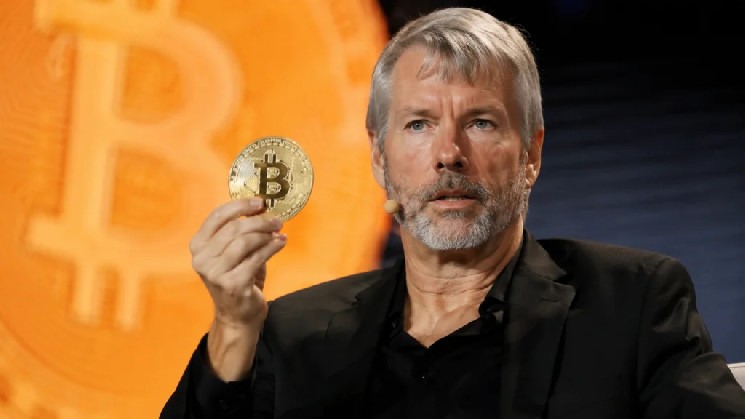
加密货币领导人呼吁白宫声称“Chokepoint 2.0”不是真的

币界网Pubblicato 2024-08-09Pubblicato ultima volta 2024-08-09

币界网报道:

据福克斯商业报道,周四上午,几位加密货币行业的领军人物会见了白宫官员,试图修复新兴金融科技行业与美国民主党之间的关系。

据报道,当政府否认该行业声称正在协调努力切断加密货币公司与银行系统的联系时,会议变得紧张起来,这一阴谋被广泛称为“窒息点2.0行动”

加密货币的银行问题

正如周四报道的那样,财政部副部长Wally Adeyemo告诉加密货币与会者,监管机构并没有积极试图切断加密货币与金融体系的联系。

作为回应,一位出席的加密货币高管要求举手表决,由于白宫政策,哪些加密货币公司被拒绝进入银行。几乎所有行业成员都举手了,其中包括Mark Cuban、Anthony Scaramucci,以及Coinbase、Kraken、Uniswap和其他公司的代表。

据福克斯报道,一位与会者表示:“高管们毫不犹豫地告诉政府代表,他们对数字资产的行动对加密货币行业和民主党造成了多大的损害。”。“他们基本上只是被大喊大叫。”

加密货币的银行业问题可以追溯到几年前,始于FTX倒闭后,这使得对区块链公司的监管打击进入了高潮。

Castle Island Ventures的合伙人Nic Carter在2月份发表了一篇题为“Operation Choke Point 2.0正在进行中”的博客文章,详细介绍了其中一些早期的努力。其中一项行动包括美国货币监理署、联邦存款保险公司和美联储的指导,阻止银行为加密货币公司提供服务。

仅仅一个月后,包括银门银行、Signature银行和硅谷银行在内的加密货币友好型银行都被迫关门。这三家公司的意外倒闭——让加密货币公司在国外为银行生命线而苦苦挣扎——被该银行自己的领导人解释为发出了强烈的“反加密信息”

Nic Carter在回应这一消息时表示:“Harris管理员不及格的人试图假装没有系统性的银行账户取消——与此同时,通话中的每个加密货币代表都表示他们没有银行账户。重置进展顺利!”。

民主党人会在加密货币问题上采取行动吗?

尽管周四的会议气氛紧张,但一些加密货币巨头对哈里斯政府至少试图与他们进行富有成效的接触持乐观态度。

天桥资本创始人Anthony Scaramucci表示:“我在加密货币领域的同事们现在希望采取行动,这是可以理解的,但华盛顿的情况并非如此。”。“我认为我们正在取得稳步进展。”

Coinbase CLO也满怀希望,称Kamala Harris是“成为加密货币新面孔并与过去决裂的完美人选”

尽管如此,许多人仍然怀疑政府的善意姿态能否转化为适当的政策行动。例如,Gemini联合创始人泰勒·文克莱沃斯(Tyler Winklevoss)质疑哈里斯本人为什么没有出现在虚拟圆桌会议上。

周四,随着Customers Bancorp受到美联储执法行动的打击,人们的怀疑进一步加剧,该行动现在迫使该银行在与一家数字资产公司建立任何新关系之前提前30天通知美联储。

Winklevoss表示:“美联储证实,窒息点2.0行动仍在全面展开,为其工作原理提供了宝贵的见解,并证实哈里斯加密货币“重置”是一个骗局。”。
Letture associate

CPU Makes a Comeback to the Table, A $170 Billion "Power Seizure" Drama Begins

A new era is dawning for the server CPU (Central Processing Unit), driven by the shift from AI model training to large-scale reasoning and the rise of Agentic AI. This article explores how the CPU is reclaiming a central role in the AI data center. For years, the focus has been on the GPU (Graphics Processing Unit) for AI training. However, as AI moves to the inference and Agent phase—where tasks involve complex, multi-step reasoning, tool calls, and data management—the workload balance is flipping. Studies show CPUs now handle over 70% of the workload in Agentic AI, up from 10-30% in training. This is because Agent tasks generate massive intermediate data (KV Cache) that exceeds GPU memory, forcing it to be offloaded to the CPU's larger, more scalable memory pools. This increased importance is translating into market changes. Major players are taking note: NVIDIA launched its first standalone CPU line, Vera, based on ARM architecture and optimized for Agent performance. AMD doubled its server CPU market forecast to over $1200 billion by 2030. Analyst reports project the total server CPU market could reach $1700 billion by 2030, with AI-driven demand being a primary driver. Furthermore, the classic ratio of CPUs to GPUs in AI servers is rapidly changing, converging from 1:8 toward 1:1 for Agent deployments. This surge in demand has led to a rare industry-wide price increase of 10-15% for server CPUs from Intel and AMD, breaking a decade-long trend of "more performance for the same price." Demand is bifurcating into high-core-count CPUs for in-rack GPU support and moderate-core CPUs for standalone Agent task orchestration. In China, this global trend presents an opportunity for domestic CPU manufacturers like Hygon (海光信息) and Huawei Kunpeng, who are bolstered by both growing AI infrastructure needs and national policies promoting technological self-reliance ("xin chuang"). The maturity of their software ecosystems is also accelerating, evidenced by faster adaptation to new AI models. In conclusion, the narrative is shifting from a GPU-centric view to one where CPU-GPU synergy is critical. The CPU is no longer a peripheral component but a performance-defining bottleneck and a key growth driver in the AI hardware stack, opening a massive new market estimated in the hundreds of billions of dollars.

marsbit10 h fa

CPU Makes a Comeback to the Table, A $170 Billion "Power Seizure" Drama Begins

marsbit10 h fa

TechFlow Intelligence: AMD AI Director Publicly Criticizes Claude Code for "Becoming Dumber and Lazier", Trump Claims Full Ceasefire in Hormuz But Strait Still Has 80 Unexploded Mines

TechFlow Intelligence Report: This daily digest covers key developments in AI, crypto, hardware, and geopolitics. In AI, SK Telecom faces US export control scrutiny over its partnership with Anthropic, while a Gemini user reports being misled in a scam scenario, sparking safety debates. China's Z.AI launches the GLM-5.2 model, rivaling Claude Opus without NVIDIA chips. In crypto, Bithumb lists ReProtocol, and Upbit delists KernelDAO. On the hardware front, MIT researchers build a custom OS to study chips, ASML denies US claims its advanced lithography machines are in China, and Amazon considers selling its in-house AI chips. Apple's future A21 Pro chip may use TSMC's latest N2P process. Major tech issues include 10,000 GitHub repositories distributing malware and Apple patching a critical eavesdropping flaw in Beats earbuds. US stocks rise, led by semiconductors, with Intel surging 10.6%, while SpaceX falls 3.5%. Geopolitically, despite a US-Iran deal, the Strait of Hormuz remains risky with ~80 uncleared mines, stalling 80M barrels of oil on standby tankers. Iran postpones Switzerland talks, and Trump calls the agreement an "unconditional surrender." The report highlights a contrast: temporary geopolitical calm versus the ongoing, fundamental restructuring of tech supply chains and chip independence.

marsbit10 h fa

TechFlow Intelligence: AMD AI Director Publicly Criticizes Claude Code for "Becoming Dumber and Lazier", Trump Claims Full Ceasefire in Hormuz But Strait Still Has 80 Unexploded Mines

marsbit10 h fa

Trading

Spot
Futures
活动图片