Glassnode & Coinbase :2024 年 Q3 加密货币市场指南

深潮Published on 2024-08-05Last updated on 2024-08-05

探讨链上活动的迅速增长、ETF 的变革性影响以及当前市场周期所处的阶段。

撰文:Glassnode

翻译:白话区块链

我们很高兴发布我们季度系列的第三版《加密市场指南》,这是与 Coinbase Institutional 合作制作的。这份报告对每个季度加密市场的关键发展进行了深入分析,包括价格表现、链上分析、行业事件和衍生品数据。

与之前的版本一样,我们的目标是通过基于链上数据的可操作洞察,为机构交易者和投资者提供对数字资产市场的更好理解。本版侧重于三个主要洞察:链上活动的迅速增加、ETF 的变革性影响以及对当前市场周期的分析。

关键亮点:

市场周期的评估:加密市场以其独特的涨跌周期著称。最新数据显示,尽管第二季度有所回落,我们可能处于自 2022 年底开始的当前牛市周期的中期。历史模式表明,这种调整是典型的,与以往的市场行为一致。

ETF 改变了格局:现货比特币 ETF 在六个月内积累了近 500 亿美元的资产管理规模(AUM),吸引了新投资者并加深了市场流动性。ETF 引入了一种受监管且熟悉的投资工具,补充了现有的选择,对整个加密生态系统产生了积极影响。

链上活动快速增加:在过去六个月中,各种指标如总锁仓价值(TVL)、活跃地址和用户基础规模显示出链上活动的显著增长。这种激增由各种用例推动,包括借代、质押和交易。随着现有用例的成熟和新创新的出现,预计链上采用将进一步增长。

1、第三季度的关键趋势

以下是过去一个季度中值得从投资者角度关注的一些趋势:

1)投资者盈利趋势与 MVRV

MVRV 动量是一个有助于分析师监测市场趋势的工具。它通过追踪投资者持有的未实现利润倍数(MVRV)相对于其 365 天移动平均线的变化来进行分析。

当 MVRV 交易高于其 365 天均值时,通常表明强劲的上升趋势和投资者盈利能力改善,往往导致在市场调整期间增加头寸。相反,当 MVRV 跌破 365 天均值时,往往预示着显著的未实现损失,增加了不确定性和避险决策。
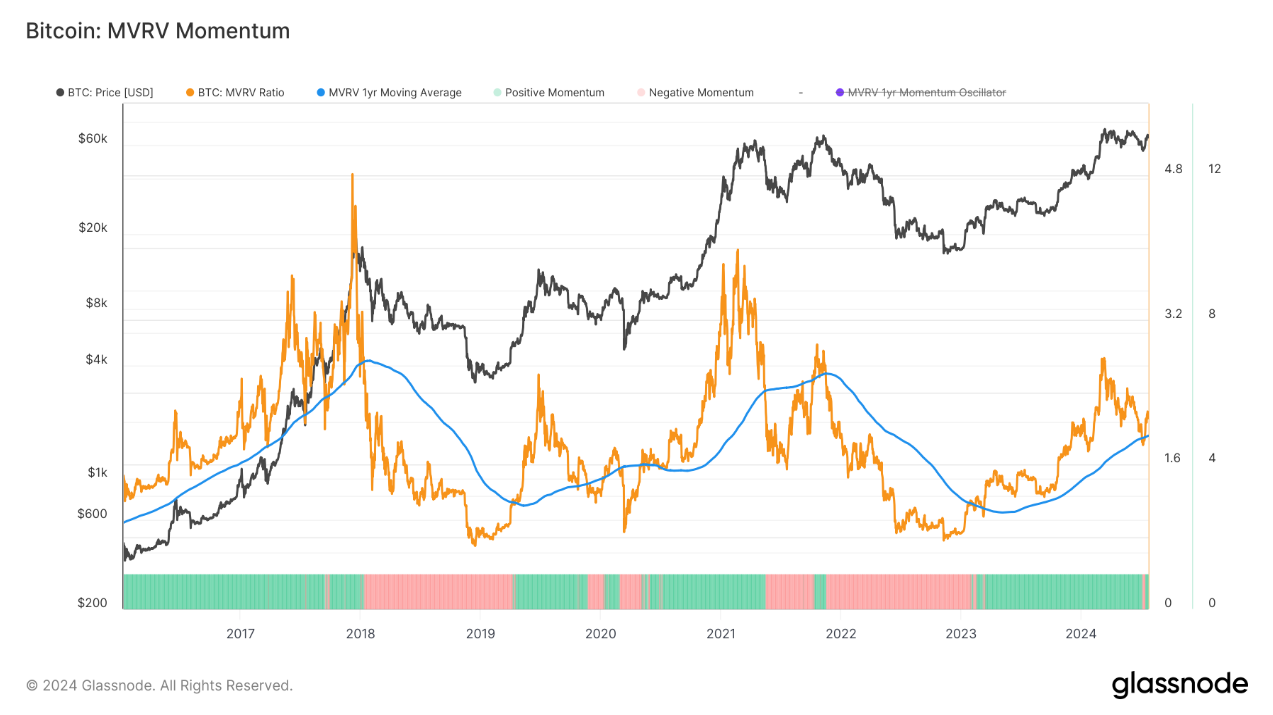
在七月初,MVRV 比率在其 365 天移动平均线附近找到支撑,表明 2024 年的上升趋势仍然保持完整,并带来积极的投资者盈利能力。

2、BTC 周期表现和回撤
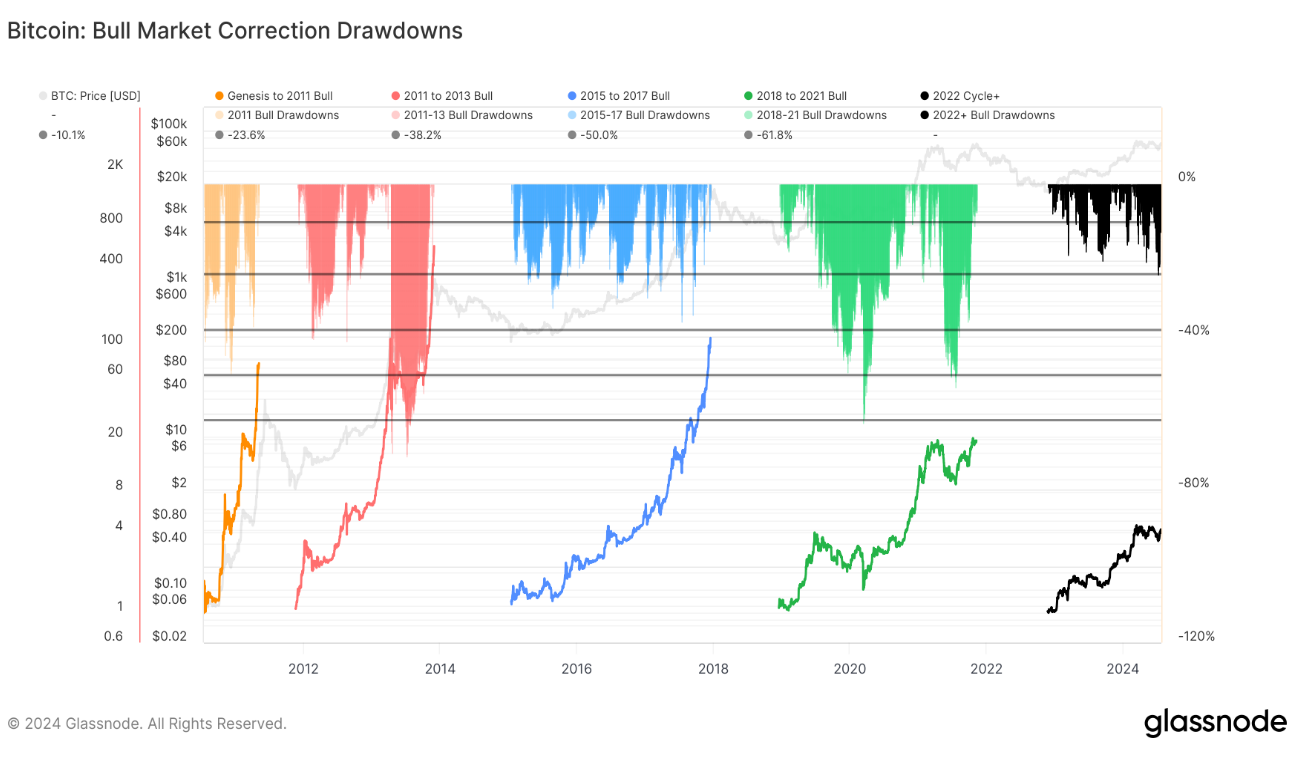
自 2022 年末开始的当前牛市中,比特币价格上涨了 400%。在 FTX 崩盘之后,比特币经历了持续 18 个月的稳定价格上涨,达到了 73000 美元的历史最高价。随后,市场进入了一个持续三个月的区间震荡阶段,随后出现了 -26% 的回撤。

这次下跌趋势较之前的周期更为平缓,表明市场结构强劲,波动性降低。2023-24 周期与 2018-21 和 2015-17 周期相似,为周期结构和持续时间提供了宝贵的见解。

1)比特币现货 ETF 余额
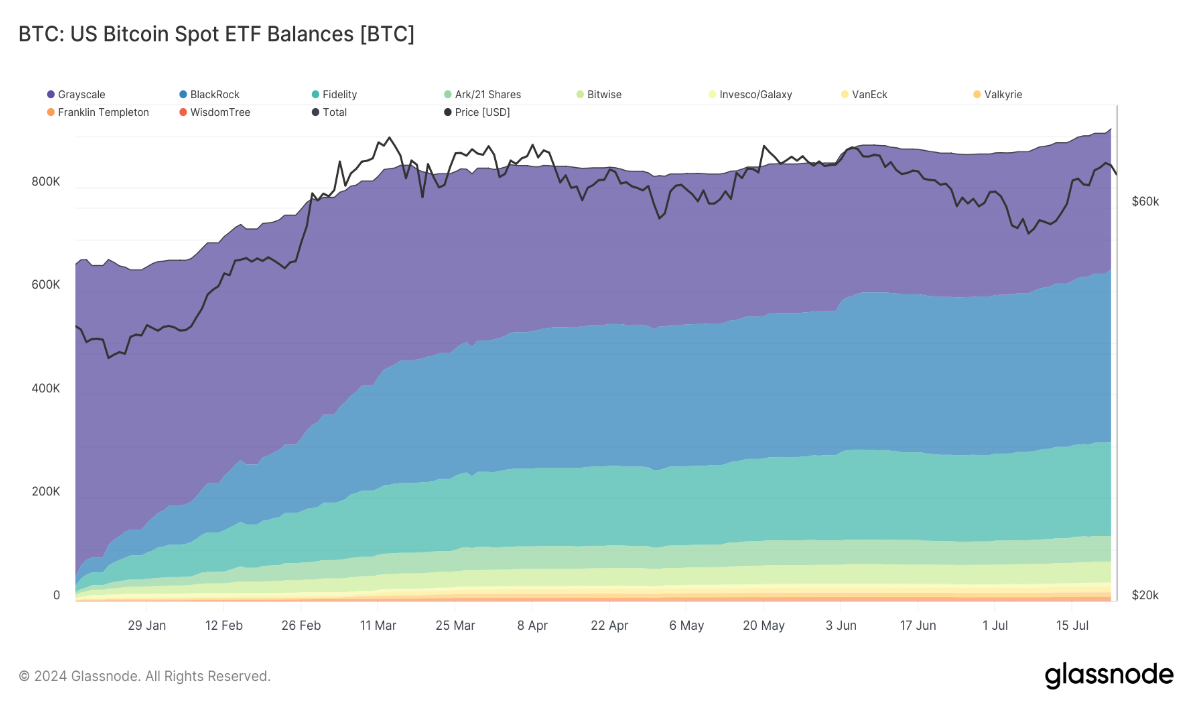
跟踪美国前十大交易的比特币 ETF 的余额可以了解资金流入这些产品的情况。现货比特币 ETF 取得了空前的成功,资产管理规模超过 500 亿美元,使其成为历史上最成功的 ETF 发行。

自它们推出以来,ETF 的资金流入也显著超过了比特币的新发行量,创造了巨大的需求。这种增加的需求推动了现货和衍生品市场的交易量上升。

2)比特币期货交易量和持仓量
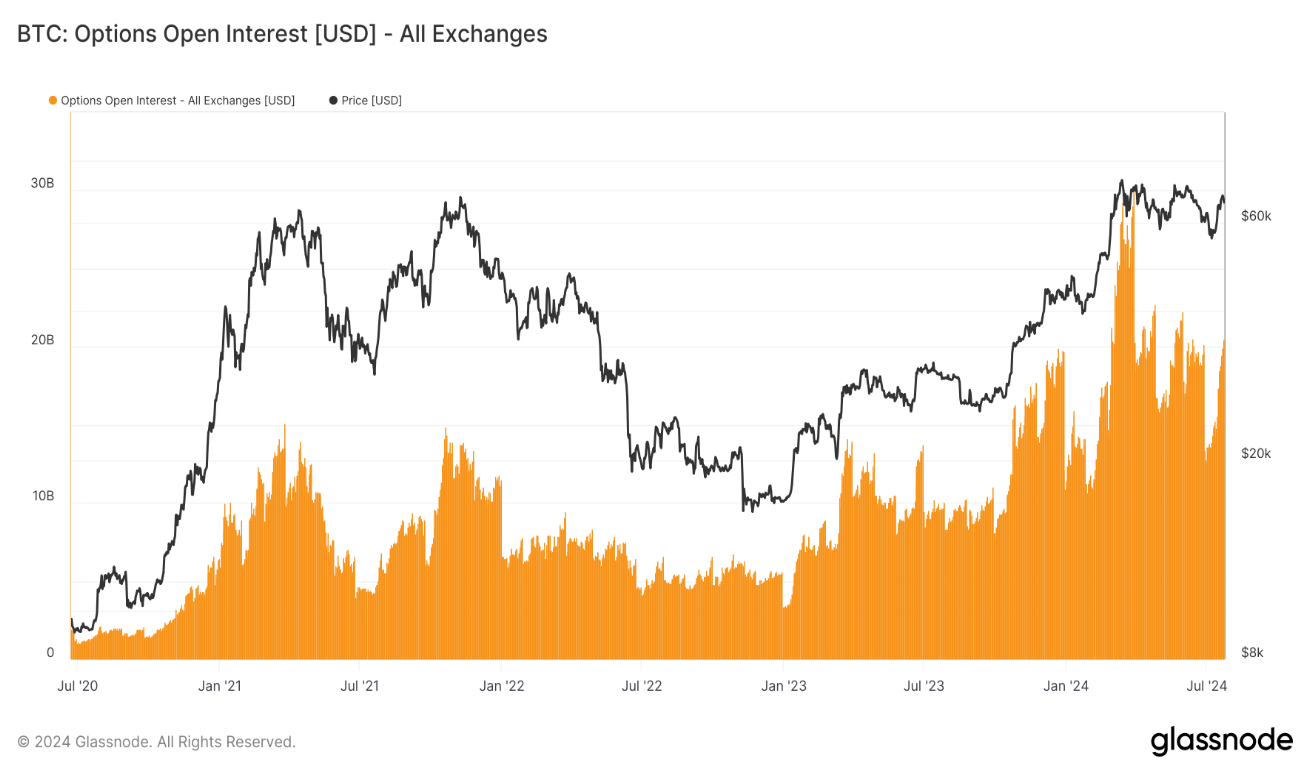
比特币期货的交易量和持仓量大幅上升。传统期货和永续期货都显示出参与度和流动性的增加,反映了对比特币衍生品日益增长的兴趣。

要深入探讨这些和其他主题,增强您的数字资产投资策略,请查看 2024 年第三季度《加密市场指南》的完整版本。

此下载完整报告。

Related Reads

Where Is the AI Infrastructure Industry Chain Stuck?

The AI infrastructure (AI Infra) industry chain is facing unprecedented systemic bottlenecks, despite the rapid emergence of applications like DeepSeek and Seedance 2.0. The surge in global computing demand has exposed critical constraints across multiple layers of the supply chain—from core manufacturing equipment and data center cabling to specialty materials and cleanroom facilities. Key challenges include four major "walls": - **Memory Wall**: High-bandwidth memory (HBM) and DRAM face structural shortages as AI inference demand outpaces training, with new capacity not expected until 2027. - **Bandwidth Wall**: Data transfer speeds lag behind computing power, causing multi-level bottlenecks in-chip, between chips, and across data centers. - **Compute Wall**: Advanced chip manufacturing, reliant on EUV lithography and monopolized by ASML, remains the fundamental constraint, with supply chain fragility affecting production. - **Power Wall**: While energy demand from data centers is rising, power supply is a solvable near-term challenge through diversified energy infrastructure. Expansion is further hindered by shortages in testing equipment, IC substrates (critical for GPUs and seeing price hikes over 30%), specialty materials like low-CTE glass fiber, and high-end cleanroom facilities. Connection technologies are evolving, with copper cables resurging for short-range links due to cost and latency advantages, while optical solutions dominate long-range scenarios. Innovations like hollow-core fiber and advanced PCB technologies (e.g., glass substrates, mSAP) are emerging to meet bandwidth needs. In summary, AI Infra bottlenecks are multidimensional, spanning compute, memory, bandwidth, power, and supply chain logistics. Advanced chip manufacturing remains the core constraint, while substrate, material, and equipment shortages present immediate challenges. The industry is moving toward hybrid copper-optical solutions and accelerated domestic supply chain development.

marsbit1h ago

Where Is the AI Infrastructure Industry Chain Stuck?

marsbit1h ago

Trading

Spot
Futures
活动图片