Vitalik新作:科技与人文-迪拜与东京未来博物馆的双重视角

marsbitPubblicato 2024-08-03Pubblicato ultima volta 2024-08-03

在过去的一年里,我有幸参观了迪拜的未来博物馆,最近又参观了东京的日本未来馆(英文名为“国家新兴科学与创新博物馆”,但其日文简称“未来馆”直译为“未来博物馆”)。这两个博物馆都是我的密友和合作者极力推荐的,我认为它们都在试图解决一个至关重要的问题:对技术先进的未来抱有具体的、积极的想象,而不仅仅是第 3478 个“黑镜”式的好莱坞反乌托邦。

参观这两座博物馆时,我最震惊的是,这两种愿景是如此不同。它们绝不是互相矛盾的:迪拜未来学家和东京未来学家所设想的具体技术和结构之间不存在逻辑上的不可能性,甚至不存在那么强烈的矛盾。但与此同时,它们给人的感觉非常不同,优先考虑的方向也非常不同。这引出了一个自然的问题:我们可以从每一种中学到和欣赏什么,两者之间是否存在综合?
Vitalik

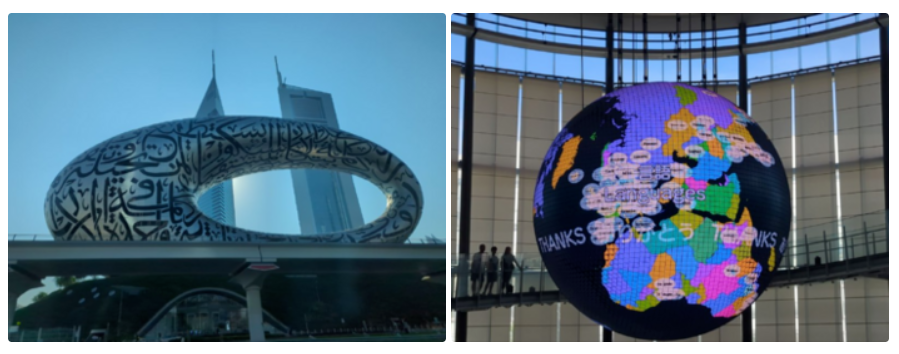
左图:迪拜未来博物馆外观。右图:东京未来馆内的巨大球体,展示着世界主要语言。

我喜欢迪拜未来博物馆的哪些地方

当你开始参观未来博物馆时,首先进入的是一台模拟太空电梯,它将带你从 2064 年的地球表面进入地球静止轨道上的空间站。你可以看到信息屏幕和面板,它们让你看到人类在太阳系周围、行星上和行星周围以及拉格朗日点的所有空间站。

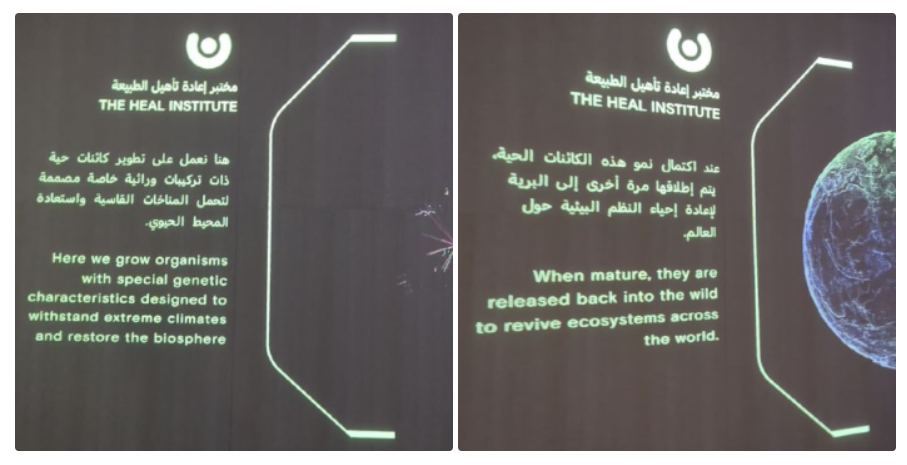
之后,你会看到各种其他科学技术领域的展品。其中一个主要主题是冥想和健康与保健,展示了使人们更容易进入替代精神状态的基础设施。最让我印象深刻的是生物技术部分,它展示了利用基因工程提高生物圈恢复力的愿景,使植物和动物能够在更多样化的环境中生存。
Vitalik

值得,呃……思考一下这个场景。这与西方传统的环境问题思维方式大相径庭。在西方,大自然是伊甸园,原本是美丽而原始的,现在却受到工业技术的腐蚀。主要的道德要求是保护,减少我们本来会造成的危害。在迪拜,情况正好相反。大自然的默认状态,至少是他们习惯的状态,是一片荒凉的荒地。人类对大自然的聪明才智和技艺不仅可以减轻其他人类聪明才智和技艺造成的危害,它实际上可以更进一步,改善环境,使其比我们开始时更好。

Miraikan 没有类似的东西。有一个展览涉及地球面临的重要环境问题,但它对问题的基调要传统得多:这些问题是人类的错,我们需要留心并找到减少足迹的方法。有多个展览涉及改善视力或听力不佳(或完全失灵)的人的生活。但他们提出的解决方案大多是一些调整,试图让世界对患有这些疾病的人更加温和友好:可以帮助引导人们的机器人、用盲文在名片上书写等。这些都是真正有价值的东西,可以改善许多人的生活。但它们并不是我期望在 2024 年的未来博物馆中看到的东西:一种让人们真正重新看到和听到的解决方案,例如视神经再生脑机接口

迪拜对这些问题的处理方式深深触动了我的心弦,而东京的方法却没有。我不希望未来比现在好 1.2 倍,我享受的舒适生活不是 70 年,而是 84 年。我希望未来比现在好 10000 倍。我相信斯科特·亚历山大 (Scott Alexander)在他最近的博客文章中描述的尼采主义,他告诫人们不要将人生的主要目标定为“我不想惹任何人生气”和“我想占用更少的空间”之类的目标,而这些目标最好是死了而不是活着。如果我因为医疗原因变得体弱多病,那么生活在一个尽管存在这些不利因素但仍能让我感到舒适的环境中肯定会有所改善。但我真正想要的是技术来修复我,让我再次变得强大。

尽管如此,迪拜未来博物馆也有一些让人感觉缺失和限制的东西,而未来馆确实很好地弥补了这些缺陷。所以现在是时候转移焦点,谈谈我认为未来馆之所以伟大的优点了。

我喜欢东京未来馆的哪些地方

第一次进入 Miraikan 时,第一个展览是关于地球危机的:全球变暖,以及与污染物数量过高或基本资源数量过低有关的各种环境问题。紧接着,你会看到各种艺术形式的展览,其中大量使用人工智能,模仿我们在自然界中看到的各种模式。之后,一个巨大的球体重复播放一部名为“走进多元世界”的短信息片,展示了世界不同地区以及人们在不同地区生活的各种统计数据。之后,是一个动手展览,展示了基本的低级互联网协议的内部工作原理。

Vitalik

左图:显示不同国家对世界二氧化碳排放量贡献的图表。右图:自然蝴蝶复制品和机器人蝴蝶复制品。

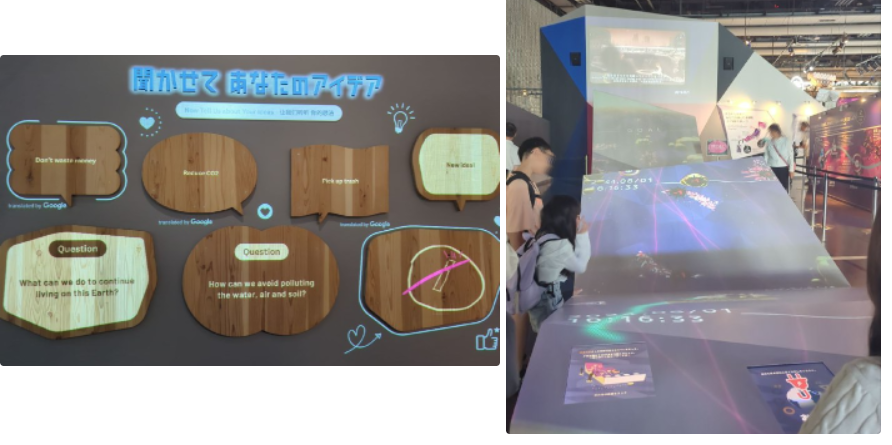
这些展览特别让我印象深刻的是它们邀请人们积极学习和参与的方式。所有信息展览都力求以一种切实可行的方式呈现信息,让人们更容易理解每​​个问题的重要细节和后果。关于过度捕捞的部分提出了这样的抱怨:“我喜欢寿司……但我们将来可能不能随便吃寿司了,对吧?”。至少有两个展览以互动部分结束,它会提出与内容相关的问题并邀请人们提供自己的答案。关于解决地球资源问题的展览采用游戏的形式。
Vitalik

左图:一块广告牌,邀请博物馆的游客提交“我们如何避免污染?”和“我们可以做些什么来继续生活在这个地球上?”的答案,并展示最近游客的答案。右图:一个游戏,主题是避开生态挑战的雷区,走向 2100 年的美好未来。

在这方面,两家博物馆的基调截然不同。迪拜博物馆给人的感觉是消费主义:这是我们即将拥有的美好未来,你只需要坐下来享受我们为你打造的未来。东京博物馆给人的感觉是邀请你参与:我们不会告诉你太多关于未来的事情,但我们希望你思考这些问题,了解幕后发生的事情,并成为建设共同未来的一部分。

我发现迪拜未来博物馆缺少的主要技术类型是社会技术,尤其是治理。我在迪拜 2064 年的想象世界中发现的唯一关于治理结构的明确描述是在对火星主要空间站的描述中随口说的一句话:“运营商:全球太空管理局,SpaceX”。另一方面,在 Miraikan,博物馆本身的结构强调协作讨论,你会看到经常提到语言、文化、政府和新闻自由。

这两种愿景是否兼容?

一开始,这两种愿景似乎截然不同,甚至在主题上可能朝着相反的方向发展。但我越是思考,就越觉得这两者实际上非常具有协同作用:一个填补了另一个的漏洞。我不希望 2100 年的世界和今天的世界一样,最多比现在好 20%。而那些确实有试图用更少资源过日子的压倒性心态的文明,将会发现自己不断受到来自外部力量和他们自己社会中想要更强烈地突破我们界限的压力。但与此同时,我们的社会越是激进地发展到远远超出历史规范的程度,就越需要确保每个人都参与其中,既要了解正在发生的事情,也要参与讨论和实现这一目标的过程。

我自己试图让密码学中的高级主题更容易被理解的帖子正是本着这种精神写的:我们确实需要先进的工具,但我们也需要它们是可以理解和使用的,以确保更多的人可以一起工作,并确保未来赋予人们权力,而不是变成由少数人构建的一系列 iPhone 界面,我们其他人只能通过标准化的方式访问。

也许我希望看到的理想未来博物馆,是将迪拜未来博物馆的大胆想象力与只有日本未来博物馆才能带来的热情好客的精神结合在一起的博物馆。
Vitalik

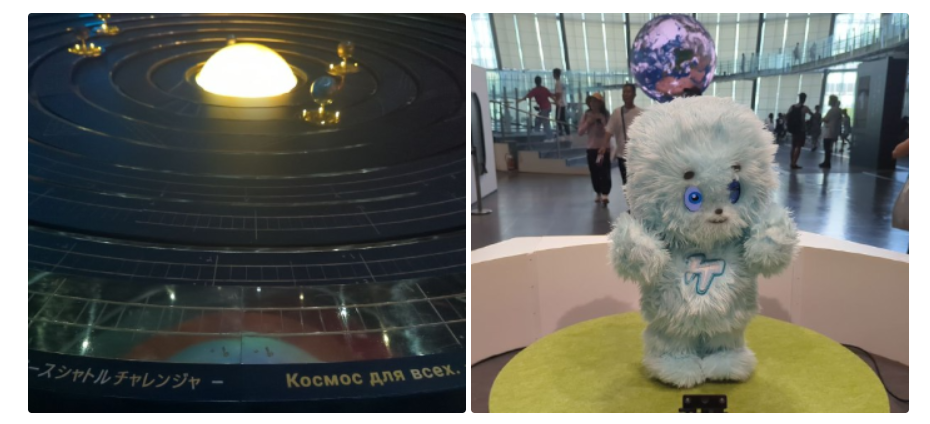
左图:“宇宙属于每个人”,迪拜未来博物馆。右图:未来机器人,被刻意设计得可爱又友好,而不是具有威胁性。

Letture associate

The True Cost of Strategy Being Forced to 'Hoard' U.S. Dollars

The article analyzes MicroStrategy's (now Strategy) shift towards holding substantial US dollar reserves (currently $4.65 billion) while selling Bitcoin, contrasting this with its core identity as a Bitcoin-focused company. It argues this move is a strategic necessity specific to Strategy, driven by its unique business model of issuing "digital credit" (preferred securities) with fixed USD dividend obligations. To secure favorable credit ratings (e.g., S&P's B- rating, which penalizes Bitcoin-heavy balance sheets) and sustain this credit issuance, Strategy must demonstrate significant dollar liquidity. However, this cash hoarding imposes a heavy "invisible tax" or opportunity cost: capital allocated to low-yielding cash reserves cannot be deployed into Bitcoin, artificially raising the required return threshold on its actual Bitcoin investments to cover fixed dividend costs. The author concludes that Strategy is an extreme case, and most other Bitcoin-related companies should not blindly emulate this strategy. For them, dollar reserves should be dictated strictly by operational needs and prudent buffers, not arbitrary targets. Holding excess cash typically means forfeiting potential Bitcoin returns for uncertain benefits, making it economically unsound unless a company shares Strategy's specific credit-dependent capital structure. The decision ultimately hinges on a firm's unique business model and genuine cash flow requirements.

marsbit2 min fa

The True Cost of Strategy Being Forced to 'Hoard' U.S. Dollars

marsbit2 min fa

New Fed Correspondent: Inflation Data 'Neither Hot Nor Cold' Offers Fed Temporary Respite but Future Path Remains Uncertain

Inflation data for July came in as expected, providing the Federal Reserve with some breathing room ahead of its September meeting, though the longer-term policy path remains uncertain. The core CPI rose 0.2% month-over-month and 2.5% year-over-year, in line with forecasts, easing immediate pressure for a rate hike. Following the report, market expectations for a September rate increase fell below 50%. Despite the temporary respite, deep divisions persist within the Fed. At least six of the twelve voting members have recently signaled openness to further tightening, with three having voted for a hike in July. The debate centers on whether current rates are sufficiently restrictive to bring inflation back to the 2% target or if persistent factors like tariffs, energy prices, and surging demand from AI infrastructure necessitate more action. San Francisco Fed President Mary Daly highlighted the growing complexity, outlining two potential scenarios: a baseline where inflationary pressures fade, allowing for rates to hold steady, and an alternative where shocks persist and inflation gains self-reinforcing momentum. She suggested that if the latter materializes, the policy response might need to be more aggressive than the typical 25-basis-point increments. With Fed Chair Wash adopting a less forward-leaning public stance, markets are closely monitoring data and other officials' comments for clues. The upcoming August CPI report, due just days before the September FOMC meeting, is now seen as a critical determinant for the final decision.

marsbit2 min fa

New Fed Correspondent: Inflation Data 'Neither Hot Nor Cold' Offers Fed Temporary Respite but Future Path Remains Uncertain

marsbit2 min fa

Market Trend (Aug 13): Nasdaq Leads Gain as CPI Meets Expectations; Coherent Beats Estimates Then Falls in After-Hours

U.S. stock markets were mixed on August 13th. While the S&P 500 and Nasdaq Composite rose, the Dow Jones Industrial Average was essentially flat. The catalyst was the July CPI report, which came in line with expectations across the board, keeping market pricing for a September Federal Reserve rate hike steady near 45%. The trading day's standout was a surge in AI-related sectors following the CPI release. AI cloud service providers Nebius and CoreWeave soared, while companies in the optical communications and memory chip spaces, including Coherent and SK Hynix, also posted significant gains. However, a stark reality check emerged after the closing bell. Despite reporting quarterly results that exceeded expectations, shares of optical communications leader Coherent and AI chipmaker Cerebras plunged in after-hours trading. Cerebras was hit by an unexpected drop in hardware revenue. Similarly, Cisco Systems shares initially rose on strong earnings and news of $4 billion in AI-related orders, only to reverse sharply lower later, highlighting increased investor scrutiny on valuations and growth sustainability in the crowded AI space. In other markets, gold extended its rally, oil prices rose, and Bitcoin rebounded from pre-CPI declines. Market focus now shifts to digesting the latest corporate earnings and upcoming U.S. retail sales data.

marsbit22 min fa

Market Trend (Aug 13): Nasdaq Leads Gain as CPI Meets Expectations; Coherent Beats Estimates Then Falls in After-Hours

marsbit22 min fa

Bitwise Closes 8 ETFs and Cuts Staff by 14%, but Continues to Launch New Products

Bloomberg reported on August 12 that cryptocurrency asset management firm Bitwise has laid off approximately 14% of its staff, reducing headcount from around 180 to about 155 employees. CEO Hunter Horsley stated the adjusted team remains the largest in the company's eight-year history and expressed confidence in long-term growth, though current personnel and product configurations are tightening. Prior to the layoffs, Bitwise disclosed a significant drop in client assets from over $15 billion in early February to $11 billion by April 1st, a decrease of at least $4 billion. The company did not specify the contributions of price changes, fund flows, or changes in reporting scope to this decline. In a related product restructuring, Bitwise decided to liquidate eight ETFs between April and June. This included the Web3 ETF, a BTC/ETH/Treasuries rotation strategy ETF, and six options income ETFs tied to assets like Coinbase and Ethereum. These moves reduce the number of products requiring ongoing operational support. Despite these cuts, Bitwise continues to launch new products. Recent offerings include an Avalanche ETP with staking in Europe, the Hyperliquid ETF, and the takeover of Superstate's $267+ million Crypto Carry Fund, entering the tokenized fund management space. The company now manages 70 investment products for over 5,500 advisory teams and works with more than 20 banks and broker-dealers. The simultaneous staff reduction and product portfolio shift—away from thematic Web3 and single-asset options strategies towards direct crypto exposure, staking, and tokenized funds—indicates a strategic realignment. The operational burden on the smaller remaining team will depend heavily on the complexity of the revised product lineup. Bitwise has not disclosed the specific reasons for the layoffs, the affected departments, severance details, or any one-time costs associated with the job cuts.

marsbit1 h fa

Bitwise Closes 8 ETFs and Cuts Staff by 14%, but Continues to Launch New Products

marsbit1 h fa

CoreWeave: The Inflection Point Has Arrived. Has the 'Hard-Working Underdog' Finally Turned Profitable?

CoreWeave, an AI cloud unicorn, released its Q2 2026 earnings on August 12, with shares rising about 15% post-announcement. While overall performance did not significantly exceed expectations, key positive trends emerged. Revenue reached approximately $2.58 billion, up 112% year-over-year, though slightly below the high end of prior guidance. A major highlight was the acceleration in computing power deployment, with Active Power increasing by a record 500 Mw to 1,500 Mw, far surpassing market forecasts and signaling faster future revenue growth. Capital expenditures also hit a new high of $9.4 billion. Importantly, profitability showed signs of inflection. "True" gross margin (after deducting cost of revenue and Tech & Infrastructure expenses) rose to 7.3%, up 3 percentage points from the previous quarter. As revenue scales, depreciation and operating expenses are being diluted. Adjusted operating profit margin improved significantly to 5% from 1% last quarter. The company's guidance points to continued acceleration, with Q3 revenue growth expected at 158% and margins continuing to climb. Management raised full-year 2026 guidance, projecting Q4 revenue growth of around 194% and an adjusted operating margin of approximately 14.6%, suggesting a rapid path toward its 25%-30% long-term target. Recent developments, including a 25% price increase for its services and the launch of higher-margin Managed Inference offerings, support the improving profitability narrative. While long-term competitive challenges remain for new cloud providers, CoreWeave's near-term trajectory of accelerating growth and expanding margins presents a high-risk, high-reward opportunity, especially amid renewed market optimism for cloud stocks.

marsbit1 h fa

CoreWeave: The Inflection Point Has Arrived. Has the 'Hard-Working Underdog' Finally Turned Profitable?

marsbit1 h fa

Trading

Spot
活动图片