哪些VC投资的项目,发空投的概率更大?

Odaily星球日报Published on 2024-06-21Last updated on 2024-06-21

Abstract

如果这些风险投资人投资了该项目,那么这个项目保证了会有空投。

原文作者:defizard

原文编译:深潮 TechFlow

L0、zkSync 和 Starknet 有什么共同点?

有同样的资金投资了他们。如果这些风险投资人投资了该项目 - 那么这个项目保证了会有空投。

哪些VC投资的项目,发空投的概率更大?

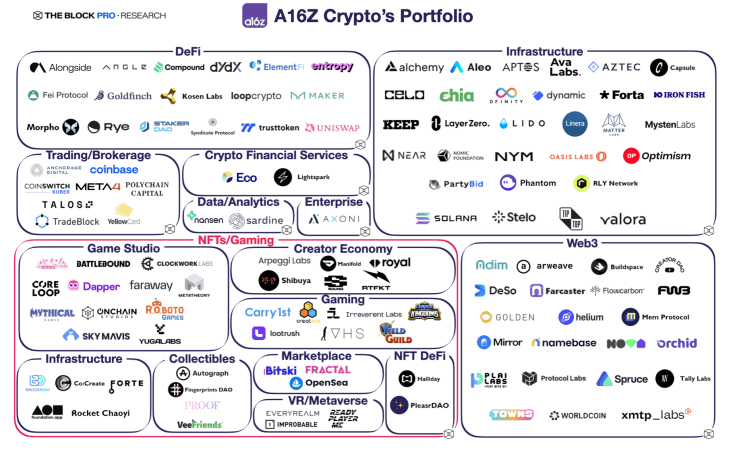
a16z ( @a16z crypto )

  • 投资数量: 169 。

  • 有空投的项目: 15 个。

  • Farcaster、EigenLayer、Worldcoin、LayerZero、zkSync、Uniswap、Sui、Aptos、Optimism、Goldfinch、Ape、dYdX、Forta、Gitcoin。

  • 空投比例: 8.87% 。

哪些VC投资的项目,发空投的概率更大?

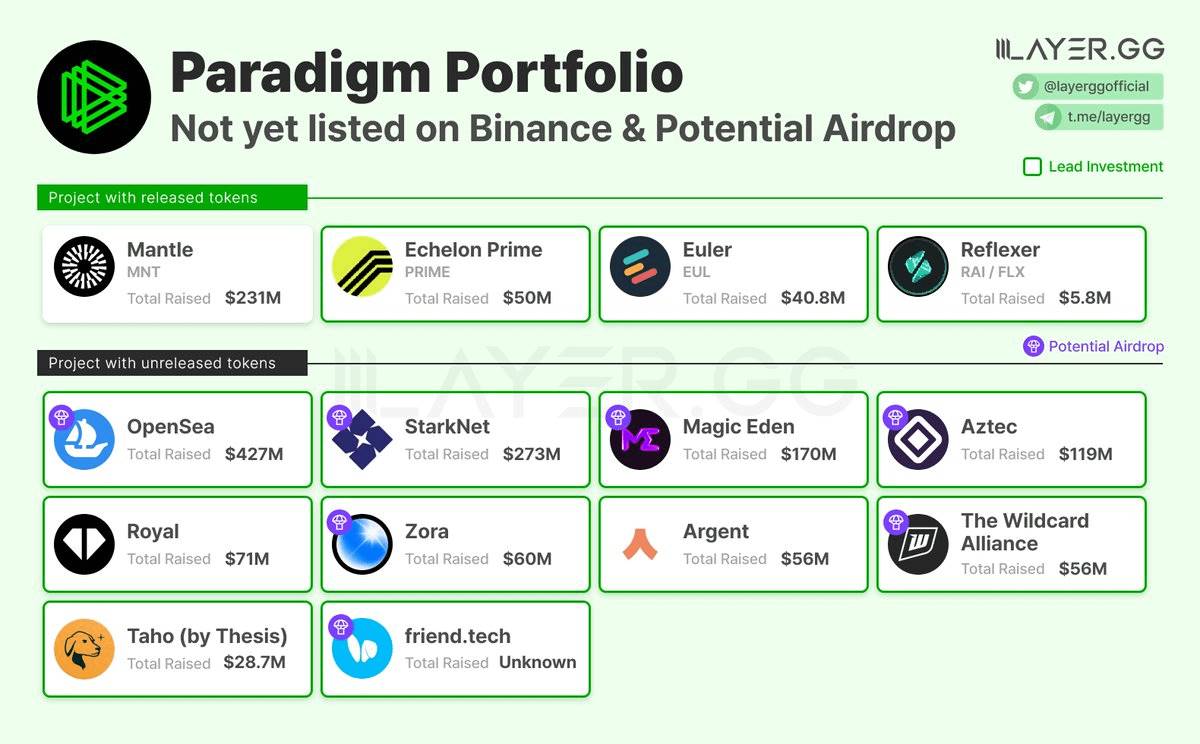
Paradigm ( @paradigm )

  • 投资数量: 92 个。

  • 有空投的项目: 10 个。

  • Uniswap、Farcaster、Friend Tech、Optimism、dYdX、Osmosis、Blur、Ribbon Finance、Gitcoin、Starknet。

  • 空投比例: 10.86% 。

哪些VC投资的项目,发空投的概率更大?

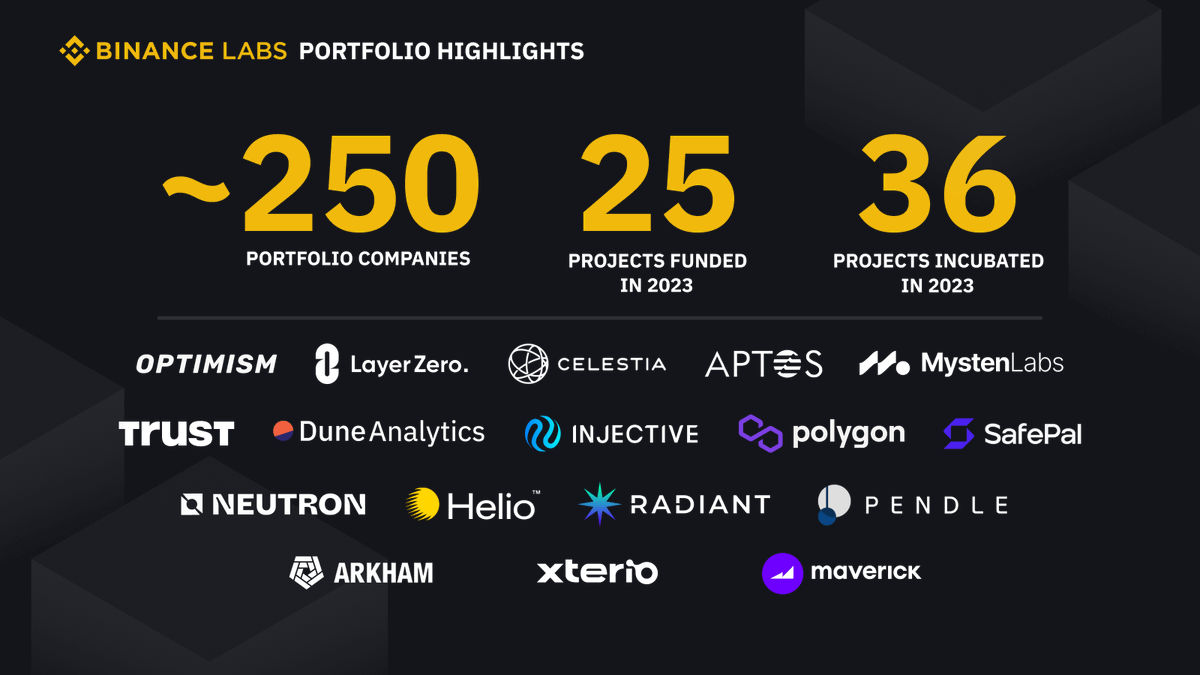
Binance Labs ( @BinanceLabs )

  • 投资数量: 216 个。

  • 有空投的项目: 19 个。

  • Aptos、1inch、Biconomy、Axelar、Space ID、Maverick、Galxe、Mint Club、Aevo、Bounce Bit、Renzo Protocol、Ethena、Arkham、Polyhedra、Sui、Hooked Protocol、Magic Square、Fusionist、Celestia。

  • 空投比例: 8.79% 。

哪些VC投资的项目,发空投的概率更大?

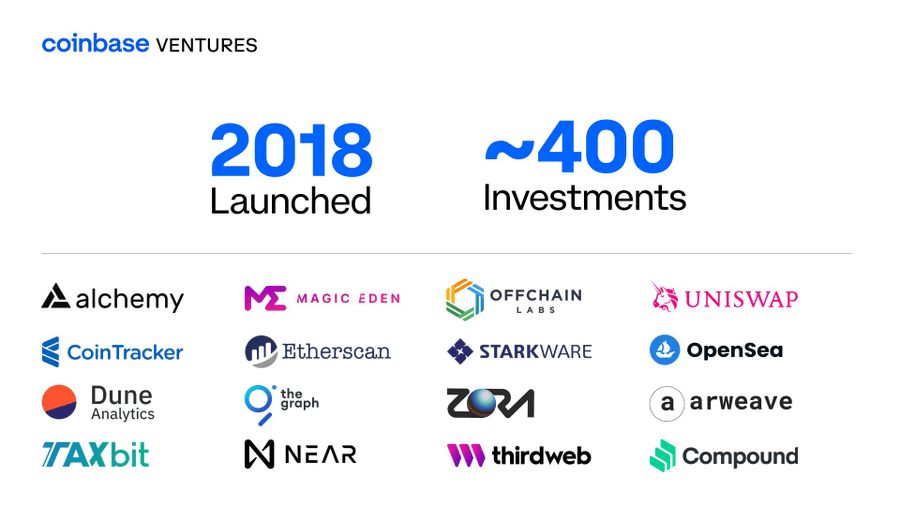
Coinbase Ventures ( @coinbase )

  • 投资数量: 394 个。

  • 有空投的项目: 25 个。

  • Uniswap、Aptos、Arbitrum、Optimism、TheGraph、IMX、Sei、Ribbon、Worldcoin、Biconomy、Hashflow、Arkham、Maverick、Galxe、Evmos、Goldfinch、Forta、Umee、Connext、Hop、Axelar、Wormhole、Maverick、Arkham、EigenLayer。

  • 空投比例: 6.34% 

哪些VC投资的项目,发空投的概率更大?

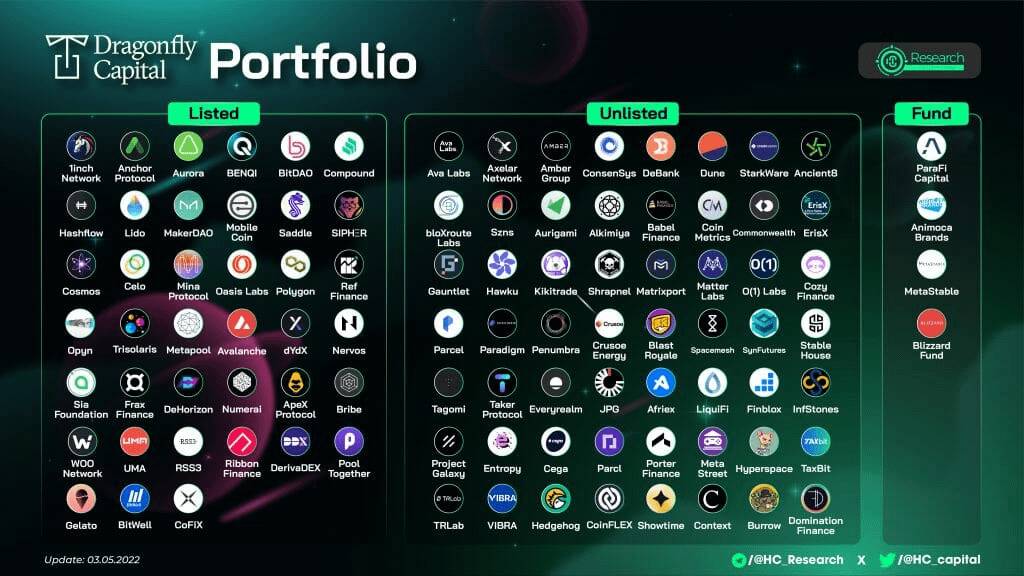
DragonFly 资本 ( @dragonfly_xyz )

  • 投资数量: 149 个。

  • 有空投的项目: 25 个。

  • Aptos、dYdX、1inch、Ribbon Finance、Axelar、Hashflow、Galxe、Avail、Ethena、zkSync、Parcl。

  • 空投率: 7.38% 。

哪些VC投资的项目,发空投的概率更大?

  • HashKey Capital ( @HashKey_Capital )

  • 投资数量: 236 个。

  • 有空投的项目: 8 个。

  • dYdX、1inch、Galxe、Evmos、Avail、Polyhedra、Beoble、Aethir。

  • 空投比例: 3.38% 。

当我开始这条推文时,我觉得统计数字会更好。我从 @CryptoRank_io 中获取了所有数据,并将 "投资数量 "类别作为总体指标,即投资总数。

本主题中提到的每家风险投资公司所投资的项目,我都确信会进行空投,比如 Monad、Babylon 或 Symbiotic。

但我们不能保证,如果其中一些风险投资人投资了你在撸的项目,他们就会进行空投。

您应该查看代币经济、开发阶段、白皮书、团队、风险投资人、传言等,以了解是否有空投的机会。

这并不难,您只需要一些基本知识和运气。
Related Reads

Stripe Helps Revolut Issue a Euro Stablecoin

On August 26th, Revolut announced the rollout of EURR, a new euro-pegged stablecoin, to select users in Denmark, Poland, and Portugal, with plans to expand across the European Economic Area. The stablecoin, issued 1:1 against the euro on Ethereum and Polygon, is not issued by Revolut itself. Instead, it is issued by Bridge Building S.A., a Stripe-owned, Luxembourg-based electronic money institution licensed under the MiCA framework. This structure positions Revolut as the distribution channel for its over 80 million users, while Stripe/Bridge provides the compliant issuance infrastructure and reserve management. EURR's launch is essentially a cold start, with a circulating supply of only 374 tokens. It enters a euro stablecoin market dominated by Circle's EURC and Société Générale's EURCV, which itself is a tiny fraction of the massive dollar stablecoin market led by USDT and USDC. EURR's primary advantage is Revolut's vast user base, aiming to onboard retail banking customers to on-chain finance. However, its utility for the average Revolut user, who already enjoys fast euro transfers, remains tied to specific crypto-native use cases like DeFi. The launch coincides with Revolut's MiCA-driven phasing out of USDT for European users, positioning EURR as a compliant replacement. More broadly, the partnership highlights Stripe's strategy through its Bridge acquisition: building a "stablecoin-as-a-service" or "issuance-as-a-service" platform. Stripe aims to provide the compliant backend infrastructure—issuance, reserves, redemption—allowing other companies like Revolut to launch branded stablecoins easily, potentially reshaping the industry's competitive landscape from direct token competition to infrastructure services.

marsbit6m ago

Stripe Helps Revolut Issue a Euro Stablecoin

marsbit6m ago

U.S. Financial Risks Benefit Gold and Bitcoin! Record Capital Inflow Over the Last Five Trading Days! Here's All the Data

Concerns over U.S. fiscal prospects and growing government debt are driving investors towards both gold and Bitcoin. Over the last five trading days, a record $7 billion flowed into gold and Bitcoin ETFs. Approximately $3.4 billion entered the SPDR Gold Shares (GLD) fund, while BlackRock's spot Bitcoin ETF (IBIT) saw around $1.5 billion in inflows, placing both among the top ten U.S. ETFs by weekly capital inflow. Bloomberg notes the simultaneous strong inflows into both assets as particularly remarkable, a shift from past behavior where investors typically favored gold as a safe haven during market stress. Recent investor behavior has changed due to expectations of increased U.S. government borrowing, concerns about the dollar, and policies aimed at lowering long-term interest rates, boosting demand for assets with limited supply. The concurrent rise in the value of gold and Bitcoin indicates investors are turning to alternative assets to hedge against risks within the traditional financial system, especially amid heightened debates on U.S. debt sustainability. Experts suggest this strong ETF inflow may signal that institutional investors are increasingly viewing Bitcoin as a portfolio diversification tool similar to gold, though Bitcoin's high price volatility means the risk profiles of the two assets remain significantly different.

cryptonews.ru6m ago

U.S. Financial Risks Benefit Gold and Bitcoin! Record Capital Inflow Over the Last Five Trading Days! Here's All the Data

cryptonews.ru6m ago

Tokenized Deposits Could Raise US Lending Costs: Dallas Fed Economists

Tokenized deposits could increase U.S. lending costs and make bank funding less stable, according to an analysis by Dallas Fed economists. Rosy Leigh and Sreeni Ramaswamy note that instant settlement capabilities, programmable deposit tokens, and AI could allow depositors chasing higher yields to move funds faster between banks, reducing deposit tenures and increasing their sensitivity to interest rates. The economists estimate that a 10% increase in deposit rate sensitivity could reduce banks' capacity to hold long-term loans by around $700 billion over a ten‑year equivalent. A 10% reduction in deposit tenures could lower capacity by about $580 billion. These scenarios do not imply a direct, proportional cut in lending but highlight potential pressures. U.S. banks are developing blockchain networks for moving tokenized deposits around‑the‑clock while keeping funds within the regulated banking system. Thirty‑nine state banking associations recently formed the BankChain alliance to build a nationwide network, while The Clearing House is developing a separate network with major banks. Institutions like Standard Chartered and HSBC have also tested cross‑border tokenized deposit transactions via blockchain. Banks may respond to more volatile deposits by holding more liquid assets (like reserves and Treasuries) or relying more on wholesale debt—which would likely raise borrowing costs for consumers and businesses. The authors cite Brazil's Pix instant payment system as a comparative example, where increased use raised bank liquidity holdings and reduced credit intermediation.

cryptonews.ru9m ago

Tokenized Deposits Could Raise US Lending Costs: Dallas Fed Economists

cryptonews.ru9m ago

Trading

Spot
活动图片