
SignalPlus波动率专栏(20240119):BTC短线下挫5%,中远端IV延续跌势

Odaily星球日报2024-01-19 tarihinde yayınlandı2024-01-19 tarihinde güncellendi

Özet

在接近一周的横盘行情过后,BTC于昨日短线下挫约5%,一度挑战41000关口并受到支撑,创下ETF批准后的新低点。市场密切关注与ETF相关的资金流向,不少分析都将近期BTC的下行归咎于灰度BTC的抛压。

SignalPlus波动率专栏(20240119):BTC短线下挫5%,中远端IV延续跌势

SignalPlus波动率专栏(20240119):BTC短线下挫5%,中远端IV延续跌势

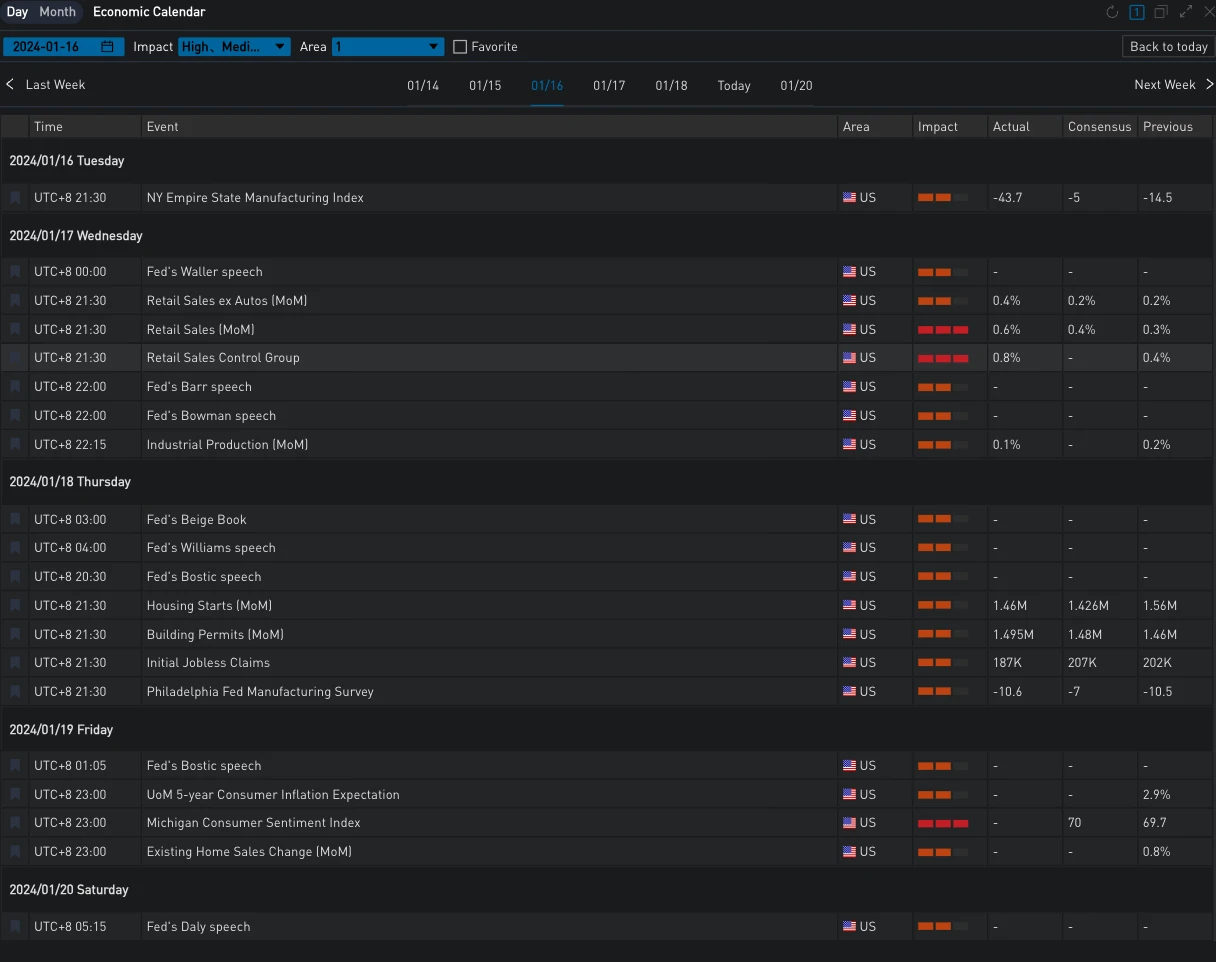
昨日(18 JAN)美联储博斯蒂克向市场做出表态,他表示,如果通胀进展放缓,最好在更长时间保持较高利率,如果通胀率更快下降,可能会提前降息。在这之后,美国公布当周初请失业金人数录得 18.7 万人(低于预期的 20.7 万),是去年九月底以后的新低,凸显了劳动力市场依旧稳健的现状,并再次打压了市场对美联储降息的预期,美债收益率应声走高,当前两年期和十年期分别为 4.346% /4.150% 。美国三大股指高开高收,道指/标普/纳指分别上涨 0.54% /0.88% /1.35% 。
SignalPlus波动率专栏(20240119):BTC短线下挫5%,中远端IV延续跌势

Source: SignalPlus, Economic Calendar

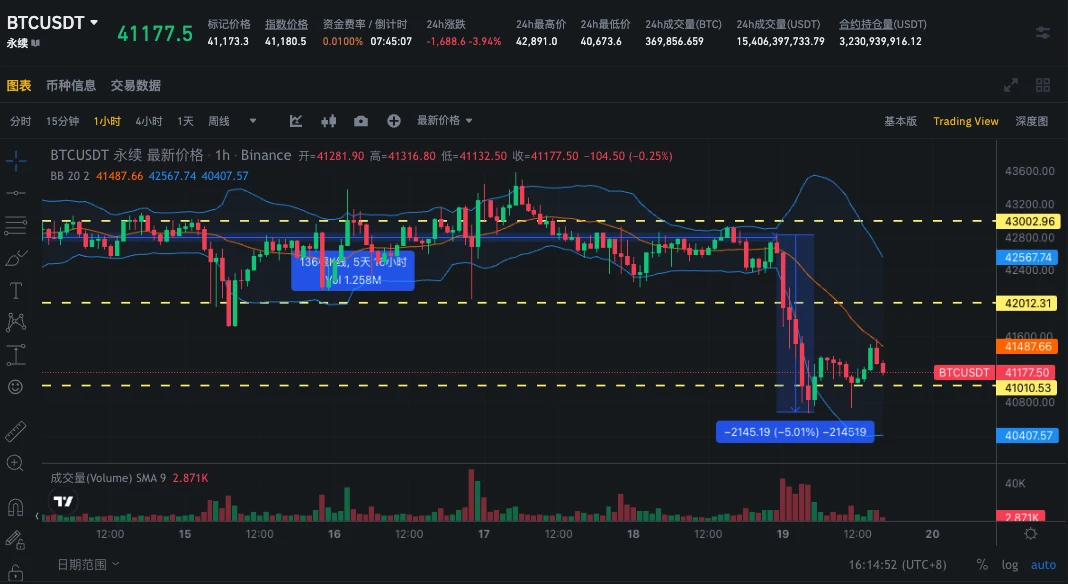
数字货币方面,在接近一周的横盘行情过后,BTC 于昨日短线下挫约 5% ,一度挑战 41000 关口并受到支撑,创下 ETF 批准后的新低点。市场密切关注与 ETF 相关的资金流向,不少分析都将近期 BTC 的下行归咎于灰度 BTC 的抛压,其中,摩根大通指出了流动性和市场深度的重要性,表示如果 GBTC 失去流动性优势,可能会有更多的资本退出,金额将达到 50 亿至 100 亿美元;同时也提到,在机构投资者陆续退出 GBTC 的同时,“来自散户投资者的比特币钱包最近几天有所缩减”,他们似乎正从交易所转向更便宜的现货 BTC ETF。
SignalPlus波动率专栏(20240119):BTC短线下挫5%,中远端IV延续跌势

Source: Binance & TradingView

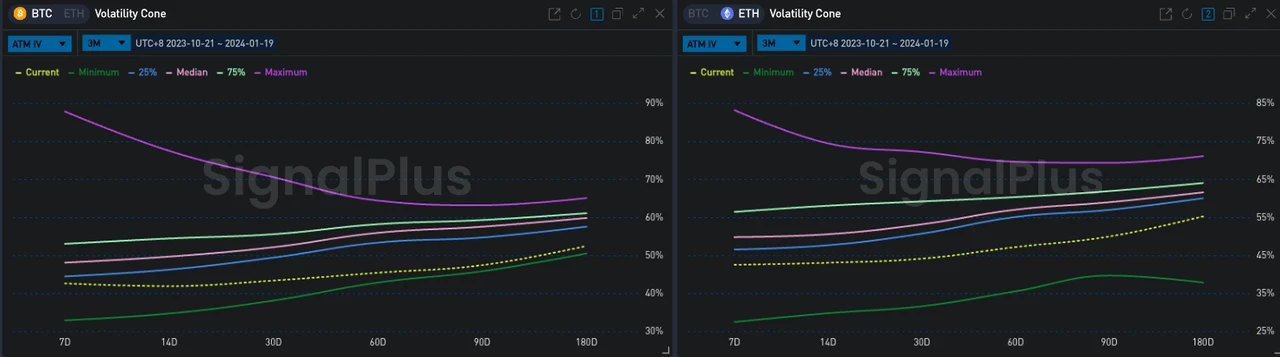
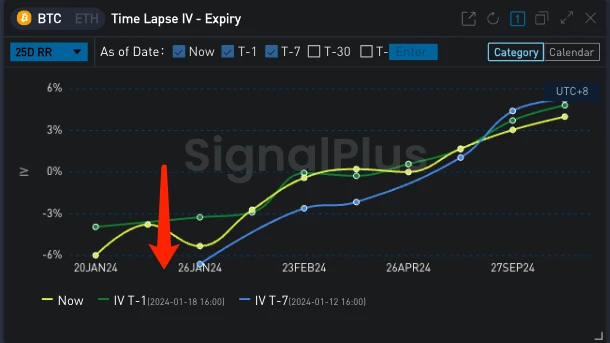
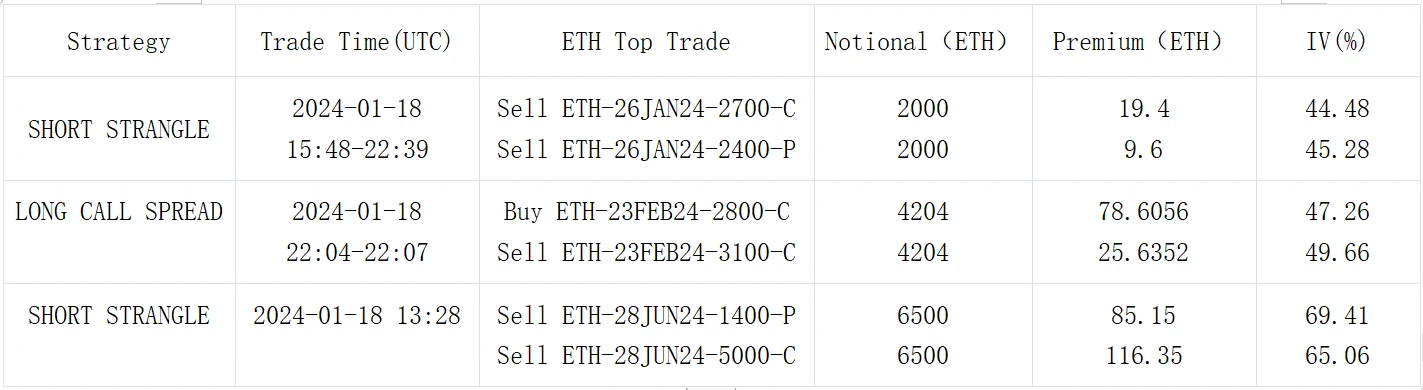
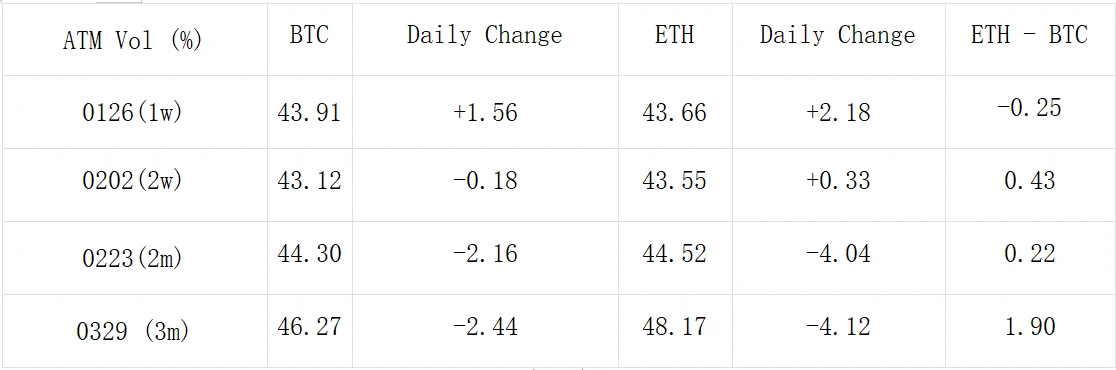
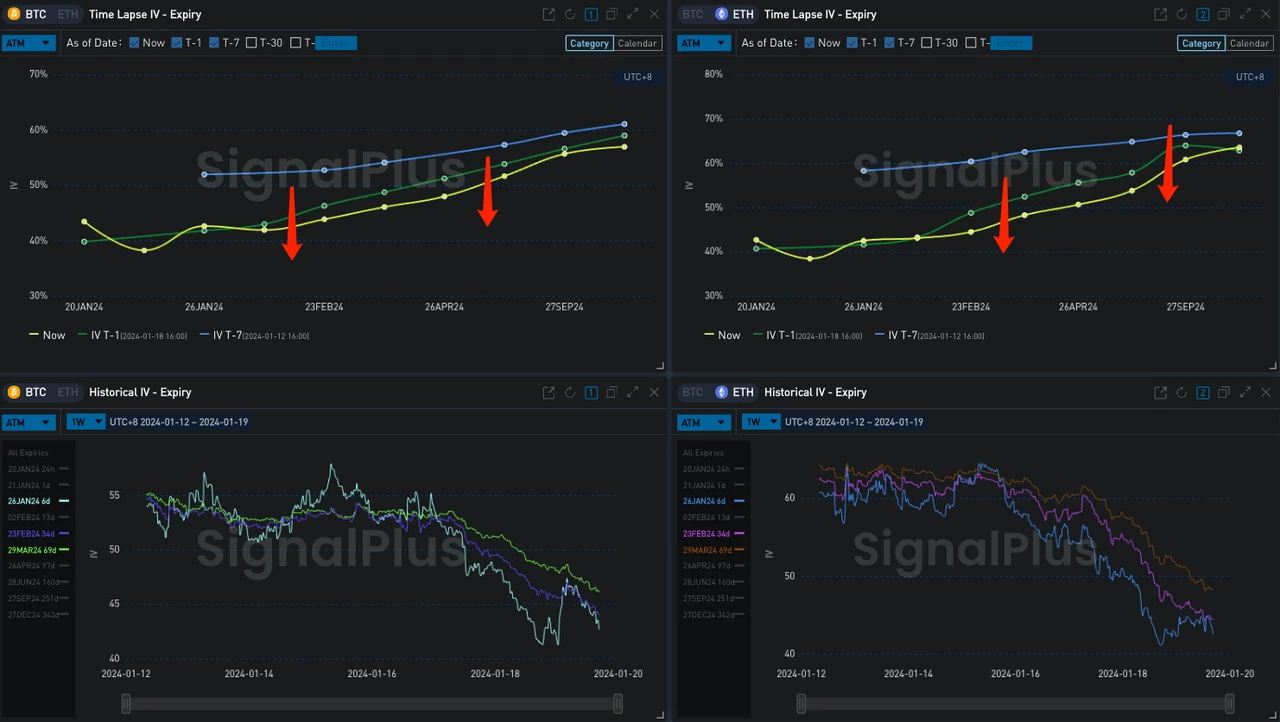
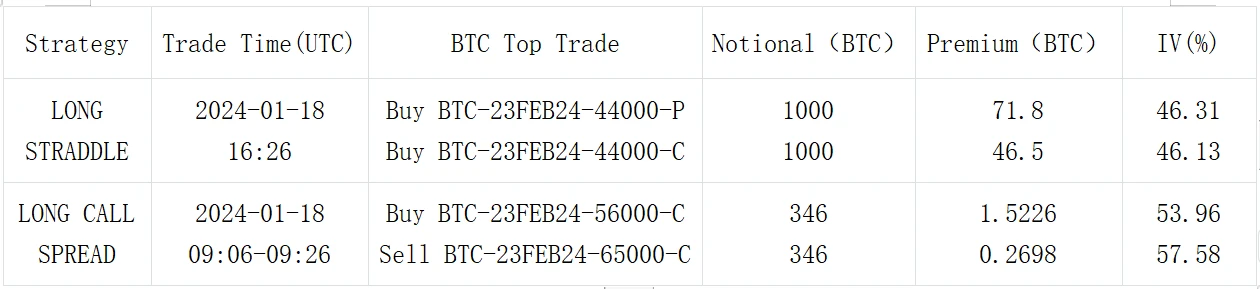
期权方面,过去 24 小时 BTC/ETH 中远端 IV 再度降低了 2% /4% 左右,BTC 整体水平几乎已经贴近过去三个月以来的最低点,同时在交易商,ETH 一月和六月底分别出现了数笔看跌波动率的 Short Strangle,但 BTC 上则相反,交易员选择了在过去三个月以来低点时刻逢低买入 23 Feb 44000 Straddle 看涨波动率,此处也接近该期限曲面的最低点。另外,一月底交易最为活跃,市场上明显出现了买 put 卖 Call 的倾向,使得该到期日 25 dRR 下行大约 2% 至 Vol Skew 曲线低点。
SignalPlus波动率专栏(20240119):BTC短线下挫5%,中远端IV延续跌势

Source: Deribit (截至 18 JAN 16: 00 UTC+ 8)
SignalPlus波动率专栏(20240119):BTC短线下挫5%,中远端IV延续跌势

Source: SignalPlus

SignalPlus波动率专栏(20240119):BTC短线下挫5%,中远端IV延续跌势

Source: SignalPlus

SignalPlus波动率专栏(20240119):BTC短线下挫5%,中远端IV延续跌势

Source: SignalPlus, BTC 一月底 25 dRR 下降 2% 至 Vol Skew 曲线低点
SignalPlus波动率专栏(20240119):BTC短线下挫5%,中远端IV延续跌势

Source: Deribit Block Trade

SignalPlus波动率专栏(20240119):BTC短线下挫5%,中远端IV延续跌势

Source: Deribit Block Trade

SignalPlus波动率专栏(20240119):BTC短线下挫5%,中远端IV延续跌势

您可在 ChatGPT 4.0 的 Plugin Store 搜索 SignalPlus ,获取实时加密资讯。如果想即时收到我们的更新,欢迎关注我们的推特账号@SignalPlus_Web3 ,或者加入我们的微信群(添加小助手微信:xdengalin)、Telegram 群以及 Discord 社群,和更多朋友一起交流互动。

SignalPlus Official Website:https://www.signalplus.com

İlgili Okumalar

A Guide to Grayscale’s ‘Bottom Fishing’: Using Cash Flow to Assess Cryptocurrency Value

**Title:** Grayscale's Guide to Bottom-Fishing: Valuing Cryptoassets Using Cash Flows **Summary:** This report by Grayscale Research presents a fundamental valuation framework for cryptocurrency assets, moving beyond pure speculation to analyze those with underlying cash flows. It distinguishes between "commodity-like" assets (e.g., Bitcoin) and "cash-flow" assets, primarily within DeFi. Using the leading decentralized lending protocol Aave as a case study, the analysis applies traditional financial methodologies like Discounted Cash Flow (DCF) and Price-to-Earnings (P/E) multiples. Key findings indicate that AAVE tokens are currently undervalued. Despite recent challenges, the protocol's strong revenue growth, ~50% net profit margin, and diversified treasury support a fundamental valuation range of $80-$100 per token (compared to a ~$75 market price at the time of writing). In a base-case scenario driven by stablecoin adoption and regulatory clarity, the fair value could rise to around $175 within a year. The report emphasizes that protocol success does not automatically translate to token value. It critically examines the "value capture" mechanisms—such as buybacks, burns, and staking rewards—that channel protocol profits to token holders. Furthermore, it addresses the legal and governance complexities of Decentralized Autonomous Organizations (DAOs), noting their difference from traditional corporate equity but highlighting how robust, transparent governance can align protocol economics with holder interests. The conclusion is that the crypto market is maturing, with capital increasingly flowing towards projects with demonstrable fundamentals, real adoption, and disciplined capital allocation, creating opportunities for value-based investors.

marsbit42 dk önce

A Guide to Grayscale’s ‘Bottom Fishing’: Using Cash Flow to Assess Cryptocurrency Value

marsbit42 dk önce

After semiconductors lead the gains, are funds buying into AI orders or a macroeconomic rebound?

After US-Iran talks led to a temporary ceasefire and framework for reopening the strategic Strait of Hormuz, U.S. stocks rose on June 18, with the Nasdaq gaining 1.9%. The semiconductor and AI hardware sectors outperformed. This rally stemmed primarily from reduced geopolitical risk, which lowered oil prices and inflation expectations, easing discount rate pressure on high-valuation growth stocks like tech. The key question is not whether tech rebounded, but the nature of the rebound. The market appears to be selectively repricing AI infrastructure plays rather than broadly chasing AI narratives. Gains were concentrated in chips, optical interconnects, memory, and domestic manufacturing—segments tied to tangible data center build-outs and capital expenditure. Intel's ~10% surge, fueled by a Trump statement about potential Apple collaboration, exemplifies this mixed dynamic. It reflects policy catalysts and domestic manufacturing sentiment more than confirmed fundamentals. Meanwhile, strong earnings from companies like Astera Labs (revenue up 93% YoY) provided concrete evidence of AI-driven demand in hardware. In essence, the rally represents a risk-premium recalibration. Lower Middle East tensions opened a valuation repair window, and capital flowed first into AI infrastructure segments with visible near-term revenue streams. The sustainability of this move hinges on upcoming Q2 earnings, specifically continued strength in cloud provider capex, AI server orders, and hardware company guidance. Policy hopes alone are insufficient; the cycle needs validation from orders and financials.

marsbit48 dk önce

After semiconductors lead the gains, are funds buying into AI orders or a macroeconomic rebound?

marsbit48 dk önce

The Entire Internet Hails Noam's Joining, But OpenAI's Loss Bill Just Got Thicker

While the AI community celebrates Noam Shazeer, co-author of the "Attention Is All You Need" paper, joining OpenAI as Head of Architectural Research, the company's audited financials reveal a starkly different reality. In 2025, OpenAI reported $13.07 billion in revenue but a massive $20.92 billion operating loss. Even excluding a one-time accounting charge, the cash burn is severe, with $3.7 billion consumed in Q1 2026 alone. This high-profile hiring occurs against a backdrop of significant internal research talent drain, with key founders and researchers departing as the company's focus shifts from exploratory research to product iteration. Meanwhile, OpenAI's fundamental business model faces a deep crisis. It paid Microsoft $10.59 billion for compute in 2025, while its vast user base of 9 billion weekly actives includes only 50 million paying customers, making growth a direct driver of escalating costs. The article argues Shazeer's recruitment is less about technical necessity and more about crafting a compelling narrative for OpenAI's upcoming IPO, aiming to justify a rumored $1 trillion valuation to future public market investors. It contrasts OpenAI's strategy with Anthropic's reported path to profitability, which relies on a strong enterprise customer base and cost control, rather than star-powered narratives. Ultimately, the piece concludes that while Shazeer's architectural work may take 1-2 years to materialize, OpenAI's financial clock is ticking much faster, with its massive losses undercutting the celebratory headlines.

marsbit2 saat önce

The Entire Internet Hails Noam's Joining, But OpenAI's Loss Bill Just Got Thicker

marsbit2 saat önce

İşlemler

Spot
Futures
活动图片