Unibot攻击事件分析:继Maestrobot后,Telegram Bot项目再遭恶意利用

Odaily星球日报2023-11-02 tarihinde yayınlandı2023-11-02 tarihinde güncellendi

Özet

北京时间2023年10月31日12:39:23,Unibot发生漏洞恶意利用,损失了64万美元的资产。让我们来了解一下此次事件的漏洞分析和攻击过程。

Unibot攻击事件分析:继Maestrobot后,Telegram Bot项目再遭恶意利用

北京时间 2023 年 10 月 31 日 12: 39: 23 ,Unibot 发生漏洞恶意利用,损失了 64 万美元的资产。攻击者利用 Unibot 路由器合约中的“arbitrary call”漏洞,将价值 64 万美元的各种预先授权给路由合约的代币转移到自己名下。

让我们先来了解一下此次事件的漏洞分析和攻击过程。

漏洞分析
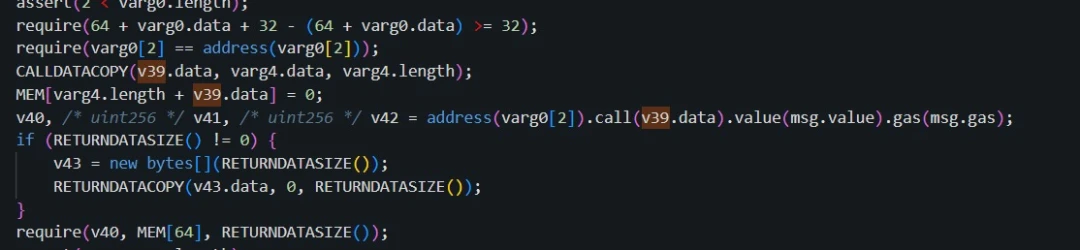
Unibot攻击事件分析:继Maestrobot后,Telegram Bot项目再遭恶意利用

函数 0xb2bd16ab()未正确检查输入参数,特别是 varg 0 和 varg 4 ,这两个参数被用于任意调用外部代币合约并执行‘transferFrom()’方法。
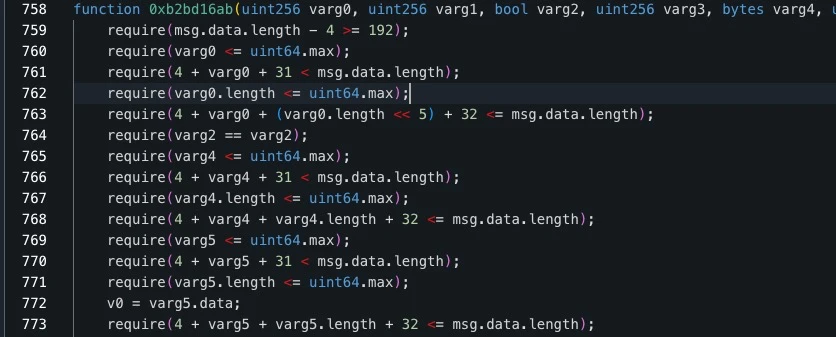
Unibot攻击事件分析:继Maestrobot后,Telegram Bot项目再遭恶意利用

攻击过程

攻击从北京时间 31 日 12: 39: 23 开始,持续到了 31 日的 14: 09: 47 。在此期间,攻击者执行了 22 次攻击交易,调用了攻击合约上的"0x5456a7bf()"方法,该方法反复调用 Unibot 路由器合约中的"0xb2bd16ab()"方法,将各种代币从受害者地址转移到自己的账户。

Unibot攻击事件分析:继Maestrobot后,Telegram Bot项目再遭恶意利用

总共有 42 种代币通过路由器从 364 个受害者地址转移到了攻击者手中,漏洞利用者随后出售了这些代币,获得总计 355.5 ETH(约合 64 万美元)。

Unibot 团队稍后做出回应,部署了新的路由器合约。在其官方 X 账号中他们还宣布了对所有受害者的赔偿计划。目前所有 355.5 ETH 已被转入 Tornado.Cash。

Telegram 机器人

此次攻击与此前的 Maestrobot 事件非常相似。10 月 25 日,CertiK Alert 即在 X 平台发布警告称,Telegram 机器人项目 Maestro Bots 路由器合约遭受攻击,导致损失约 50 万美元。

Telegram 机器人是Web3.0 世界中的一个新兴领域,它让用户能够通过 Telegram 界面进行各种 DeFi 操作,同时将代币整合其中。然而,如何区分真正的创新和令人迷惑的假象也变得越来越复杂。

CertiK 安全团队对 CoinGecko 的 Telegram 机器人代币列表中的 61 个项目进行了研究,发现近 40% 的项目疑似处于休眠状态、可能存在欺诈现象,或面临无法从大幅抛售中恢复的风险。这些平台的交易机制无疑是创新的,但许多都缺乏关键的技术细节,尤其是应用内钱包私钥管理的相关信息。我们建议用户在这些平台上操作需格外谨慎,尽量减少与其交互,并避免长期储存资产。

了解 Telegram 机器人及其代币

Telegram 机器人是通过 Telegram 聊天程序运行的自动化程序。它们可以进行交易、向用户提供市场数据、评估社交媒体上的情绪,并通过 Telegram 界面发起的执行命令与智能合约进行交互。这种类型的机器人已存在多年,但近年来它们随着 Telegram 机器人代币的出现而备受关注。

Telegram 机器人代币是集成到 Telegram 机器人中的原生代币,主要用于多样化的交易功能,如执行 DEX 交易、跨钱包管理投资组合、Yield Farming 以及其他与 DeFi 相关的可行操作。这些代币本质上允许用户仅通过与 Telegram 界面的交互就能对接整个 DeFi。如果这些程序能够长期保持安全和正常运行,可能会对 DeFi 的整体可访问性带来重大影响。

今年 7 月 20 日之后,这些代币的受欢迎程度急剧上升,一些代币的涨幅甚至超过了 1000% 。这种趋势反映了Web3.0 社区中常见的周期性狂热,其驱动力来自 X 平台(前 Twitter)上Web3.0 货币社区的叙事共鸣。

尤其是 Unibot 崭露头角之后,又涌现出了大量 TBT。而截至 2023 年 8 月 3 日,CoinGecko 的机器人代币栏目已经列出了 61 个此类系统。

穿越叙事的交叉路口

TBT(Telegram 机器人代币)在Web3.0 领域占据了独特的地位。在 X 平台(前 Twitter)上,Web3.0 货币爱好者经常把它们作为实用代币来讨论。此前,“实用”一词在Web3.0 货币领域一直与元叙事相关联,通常涉及人工智能、金融科技、物流、跨境交易等专业行业的故事。TBT 最初是伴随着“实用”叙事而发展起来的,旨在通过创新的用户界面来分散和完善交易活动。但是,TBT 其实已经超越了单一的实用元叙事,在各种 meme 和非 meme 叙事中找到了共鸣。

与此同时,随着 TBT 叙事的发展,围绕迷你游戏 meme 代币的周期性炒作出现了,尤其是一个名为“$HAMS”的项目。$HAMS 是一个昙花一现的 meme 代币,允许用户在仓鼠比赛直播中下注。然而,由于社区成员指控运营商重复使用仓鼠视频片段,$HAMS 在推出后不久便夭折了。这催生了其他各种游戏纪念代币,也称其为 TBT。其中一种代币叫“$TETRIS”,用户可以在其中赌博并参与玩家之间的俄罗斯方块竞赛。某些游戏纪念代币之间的联系是通过在 X 平台上被广泛提及而形成的。

Unibot攻击事件分析:继Maestrobot后,Telegram Bot项目再遭恶意利用

TBT 叙事交叉的另一个例子涉及 PAAL AI。虽然这不是一个专门的 meme,但该项目开发了一个类似 ChatGPT 的 Telegram 聊天机器人。代币和项目结构也与其他 TBT 结构类似。令人费解的是,该项目似乎并没有制作 Telegram 聊天机器人,而是提供了一个类似 ChatGPT 的网页界面。不过,该机器人还是可以通过 API 集成到用户个人的 Telegram 频道中。

Unibot攻击事件分析:继Maestrobot后,Telegram Bot项目再遭恶意利用

CoinGecko 的 TBT 分类

Unibot 发布后不久,CoinGecko 推出了其 TBT 详细列表。该列表最初于 7 月 20 日左右发布,包含约 30 种代币。在短短几周内,这一数字就激增到了 61 。我们采用多种方法对这份名单进行了分析,包括价格动量、流动性动态和交易活跃度等综合指标,并根据这些项目是否可能死亡或交易是否仍然活跃对其进行了分类。截至 8 月的具体分布情况如下方柱状图所示:

Unibot攻击事件分析:继Maestrobot后,Telegram Bot项目再遭恶意利用在这 61 个项目中,我们将 37 个归为活跃项目, 24 个归为已死亡或可能已死亡项目。这些项目要么跌幅超过 85% ,其资金池只有极少甚至没有流动性,且没有任何活动,要么很可能是退出骗局。也就是说,该类别中有近 40% 的项目已经死亡或不太可能恢复。

值得一提的是,注册 Telegram 机器人账户时提供的钱包是自动生成的,而私钥是之后提供的。Unibot 未说明这些私钥的存储方式或位置是存储在本地还是服务器后台。这意味着,使用这些 Telegram 机器人进行交易和存储资金都是非常危险的。

未整合 Telegram 的项目

在研究过程中,我们发现一些被列为 TBT 的项目要么没有将其代币整合到 Telegram 中,要么没有 Telegram 交易机器人,而只有普通的 Telegram 社区频道。一些项目拥有与 Unibot 相同功能的外部 DApp,另一些项目的路线图表示 Telegram 整合将在未来实现。

其他项目则不具备这些功能,但它们出现在这份名单上或许表明了我们前面提到的交叉叙事。这些项目可能在向 CoinGecko 提交申请时,自我标榜为 TBT 类型的项目,并表明了整合或将在未来整合的目标。我们看到了叙事炒作如何扩大特定类别代币的情况,有些代币甚至以被“meme”的方式存在,即使该项目实际上与其被分配的类别毫无关系。据我们分析,这类叙事炒作的影响非常巨大,足以部分解释以上这种分歧现象。

写在最后

每当有新的叙事在数字货币社区流行起来时,会有大量类似项目继续以同样的叙事进行发布,其中许多要么是退出骗局,要么企图窃取投资者的资产,TBT 在这方面也不例外。

TBT 的开发可能是 DeFi 社区的一项独特创新。尽管这类代币的效用尚不明确,但类似平台的出现,为投资者提供了将数据汇总到交易策略中的新方法。然而,用户应该对这些平台格外谨慎。

在 TBT 领域,项目都是通过 meme 的方式存在,其价值可能在一夜之间消失殆尽,这就要求我们保持谨慎和知情的参与态度。很多项目不能向用户提供清晰的文档,无法说明其钱包密钥的存储位置和生成方式,因此存在巨大的未知风险。

用户应不考虑使用这些平台进行存储。在将外部钱包链接到这些平台,或与这些项目生成的网站进行交互时,用户也应谨慎行事。

İlgili Okumalar

Banking Giants Battle in the Tokenization Arena: Who Will Take the Lead?

**Banking Titans Battle in Tokenization: Who Leads the Pack?** Four major banks—JPMorgan Chase, Goldman Sachs, HSBC, and BNY Mellon—are heavily investing in tokenization infrastructure but have adopted distinct strategic paths. This analysis compares them across four key dimensions: verified transaction volume, product breadth, regulatory compliance, and underlying infrastructure model. JPMorgan's Onyx network stands out with over $1 trillion in cumulative cleared transaction volume, focusing deeply on niche areas like tokenized collateral management and intraday repo settlement. However, its closed private network limits market reach. Goldman Sachs Digital Assets Platform (GS DAP) leads in product diversity, having executed tokenized bond issuances for sovereign entities and supranational organizations, and launched tokenized money market funds. It is also a founding member of the Canton Network, a shared ledger for institutions, though its overall cleared volume is less publicly disclosed than JPMorgan's. HSBC's Orion platform carves a niche in cross-border tokenized securities and sustainable finance, exemplified by its tokenized gold product and its role in large-scale digital green bond issuances for the Hong Kong Monetary Authority. Its global network provides a unique advantage in Asia and emerging markets. BNY Mellon, as the world's largest custodian, plays a fundamentally different role by providing essential custody and asset servicing infrastructure for digital assets, notably supporting the Canton Network. It does not actively issue front-end tokenized products. In summary, no single bank dominates all fronts. JPMorgan leads in scale, Goldman in product breadth, HSBC in global cross-border positioning, and BNY Mellon in foundational custody services. The market is likely to see multiple parallel development paths. A key future challenge is avoiding fragmentation; the success of interoperability standards like those within Canton Network will be crucial to realizing blockchain's full efficiency gains across the entire financial ecosystem. The next 5-10 years will reveal which institution builds the most enduring competitive moat.

Foresight News22 dk önce

Banking Giants Battle in the Tokenization Arena: Who Will Take the Lead?

Foresight News22 dk önce

Focus: Five Leading AI Stocks on Nasdaq

The report analyzes five Nasdaq-listed AI infrastructure stocks—Micron (MU), MaxLinear (MXL), AMD, Lumentum (LITE), and Vicor (VICR)—as distinct plays within the AI capital expenditure chain, rather than a single "AI trade." While all benefit from AI data center spending, they differ in their specific roles (e.g., memory, computing, optics, power, connectivity), financial resilience, and risk profiles. The author argues that the key question is not whether the AI narrative remains intact, but whether capital expenditure translates into real orders, earnings justify valuations, and portfolios can withstand high volatility. Historical data shows these stocks have significantly outperformed benchmarks but also experienced deeper drawdowns (~28% to -32%), highlighting their high-beta, high-volatility nature. An investment framework is proposed: core positions (e.g., MU, AMD) for stocks with stronger fundamental evidence; satellite positions (e.g., LITE, VICR) for high-potential, high-volatility names; and cautious observation (e.g., MXL) for smaller-cap ideas with unproven financials. The emphasis is on disciplined, phased buying during pullbacks—only when price corrections align with intact fundamentals and available risk budget—rather than emotional "buy-the-dip" strategies. Overall, AI infrastructure offers long-term potential, but success requires strict position sizing, role definition for each holding, and preparedness for significant volatility.

marsbit1 saat önce

Focus: Five Leading AI Stocks on Nasdaq

marsbit1 saat önce

İşlemler

Spot
Futures
活动图片