SignalPlus宏观研报:BTC保持在3万美元以上,蓝筹DeFi出现大幅反弹

区块律动Published on 2023-06-26Last updated on 2023-06-27

Abstract

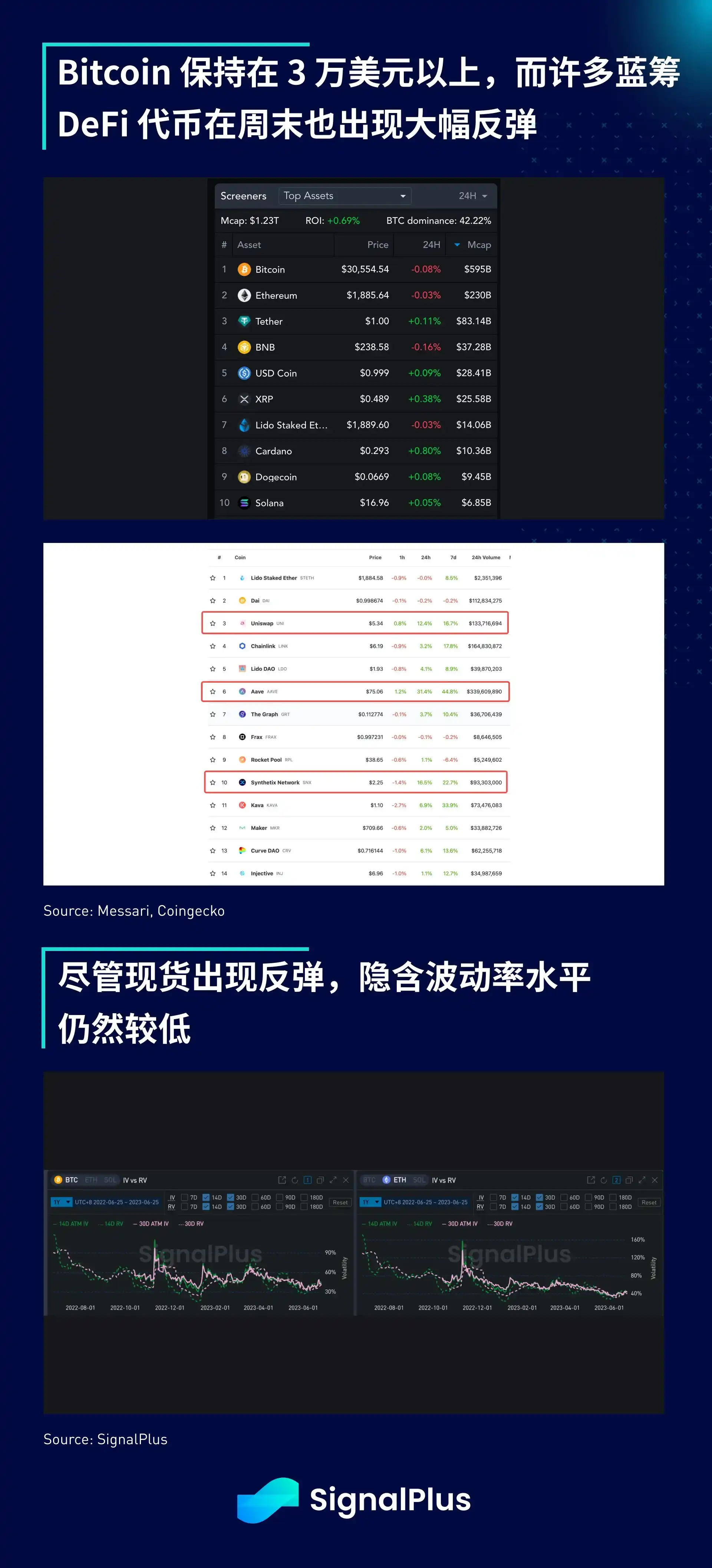
牛市情绪仍在继续,一些蓝筹 DeFi 也出现爆炸性的追赶涨势(AAVE +25%、SNX + 16%,Uniswap +11% 和 CRV +8%)

原文标题:《SignalPlus 宏观研报 (20230626) 》
原文来源:SignalPlus 華語
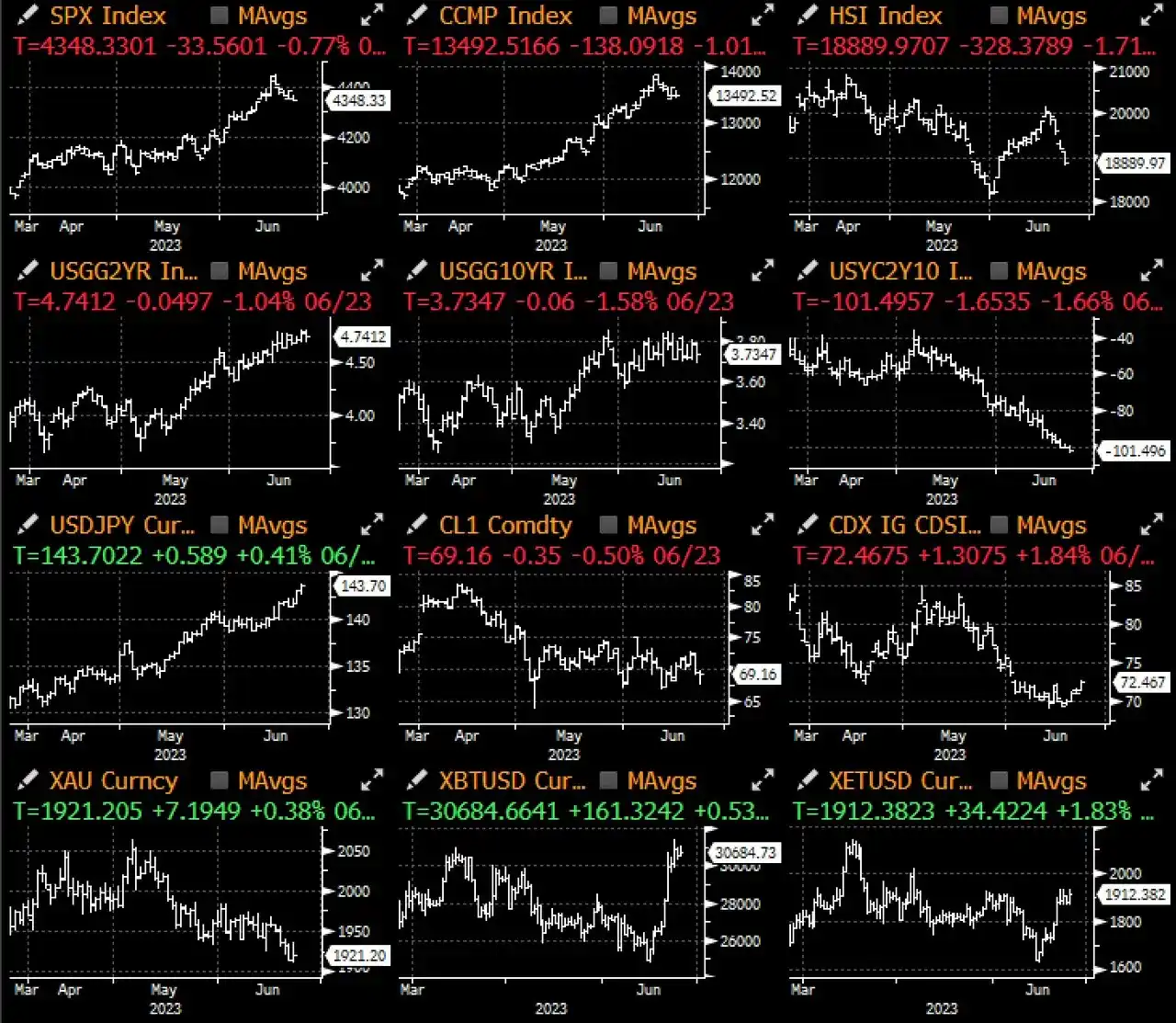


随著交易员持续在流动性较低的夏季来临之际减低风险敞口,TradFi 市场在进入周末前面临压力,S&P 500 指数下跌 0.8%,每个板块都出现跌势,创下该指数自 3 月份以来最差的每周表现(-1.4%),不过此前该指数已经连续上涨了 5 周,出现回调也是迟早的事。在数据方面,美国和欧洲的制造业 PMI 数据均令人失望,而英国央行在上周四加息 50 个基点,清楚地提醒了人们欧洲仍在努力应对通胀的阻力。
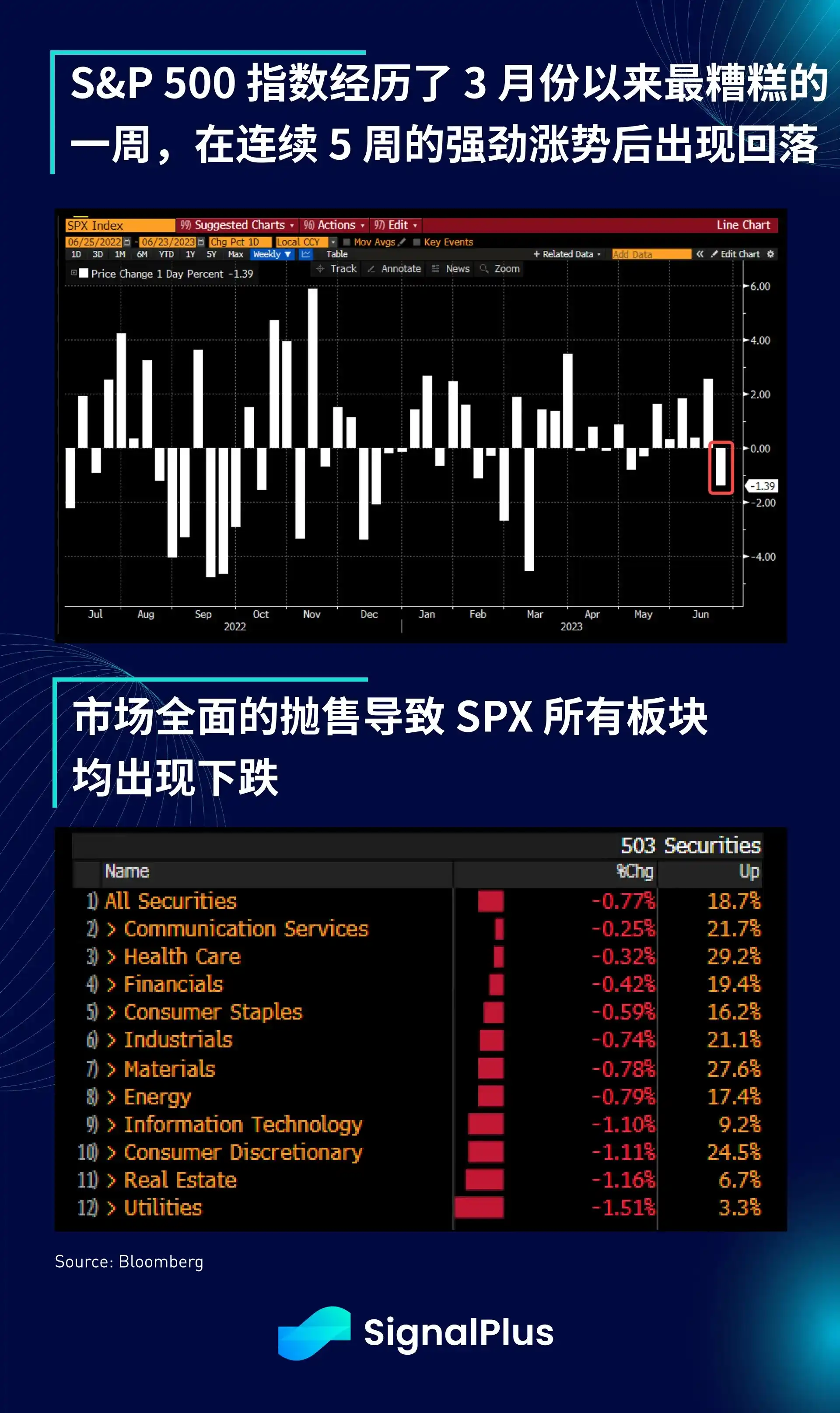


市场已经有所预期的财政部 TGA 流动性抽取到目前为止都非常有序地进行,这要归功于审慎地使用 RRP(逆回购)来重新建立现金部位,而不是直接地抽取流动性,财政部目前的现金余额为 2,920 亿美元,完全符合华尔街的预测,来源是 RRP 和储备余额大约各占一半;此外,自 3 月份高点以来,美联储的贴现窗口和 BTFP 使用额度一直保持稳定,显示区域性银行的资产负债表没有过多的流动。
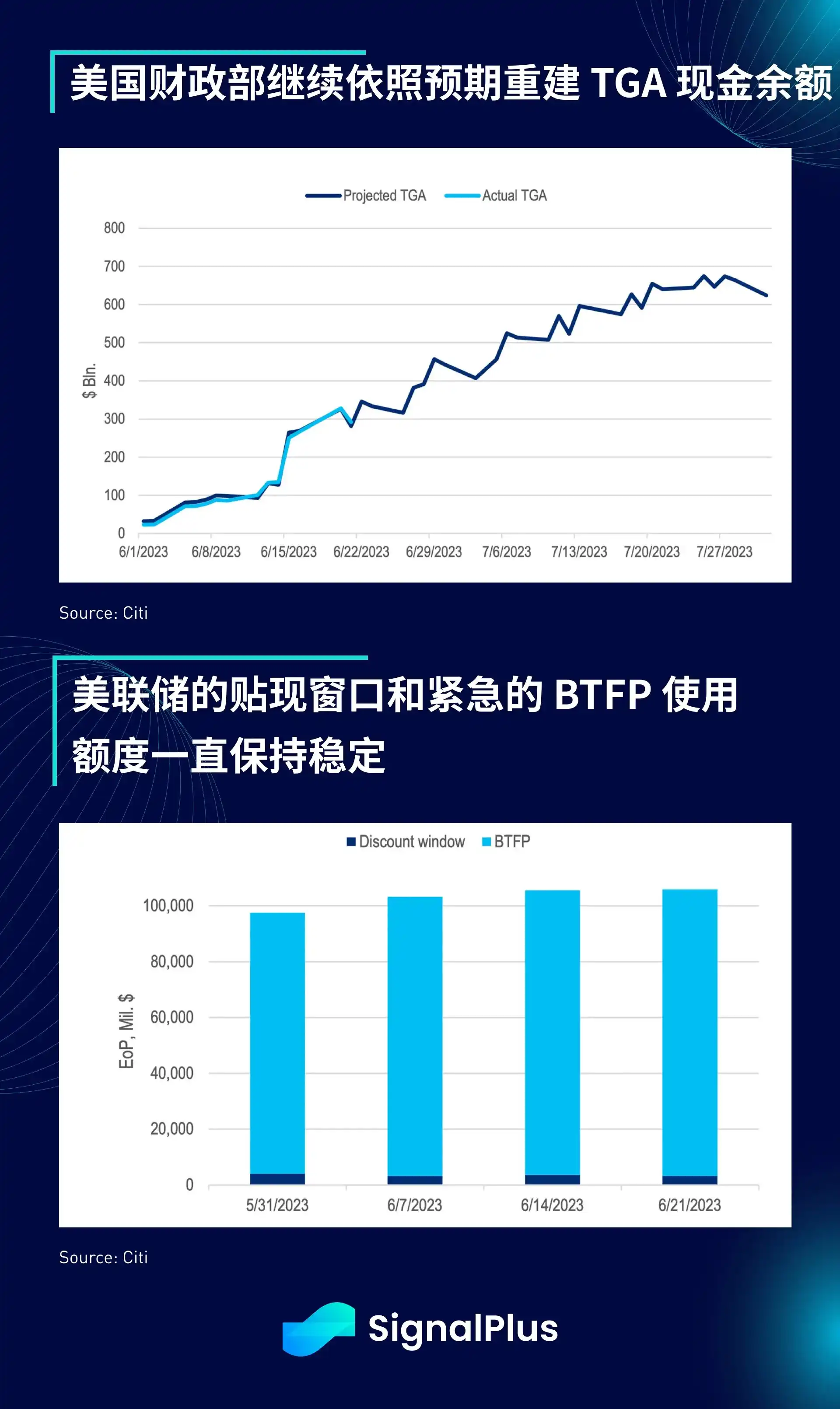


有趣的是,Yellen 部长在接受采访时表示,利率上升和近期银行业的动荡可能会导致今年下半年出现更多银行合并,因为实力较弱的机构面临著挽留存款的成本上升、获利能力降低的困境,虽然美国区域性银行危机看似已成为一个遥远的记忆,但如果 Yellen 部长的预测为真,意味著金融股最早将在本季度出现盈利不如预期的情况。


随著上半年接近尾声,夏天淡季即将到来,即使对经济衰退的呼吁和担忧已经少了许多,不过全球已开发市场的收益率曲线仍已悄然重新倒挂至接近历史低点。虽然债券和股票投资者目前可能陷入不确定该乐观或者悲观的矛盾心理,但他们一致期待的是一个刚好的荣景,也就是美联储完全控制住通胀,且任何可能的经济衰退都只是无害的程度,此外,AI 的持续创新预计也将带来一个前所未见的生产力高速增长的时代。在可预见的未来,如果要改变投资者的现状和当前的观点,可能需要一个强而有力的催化剂。
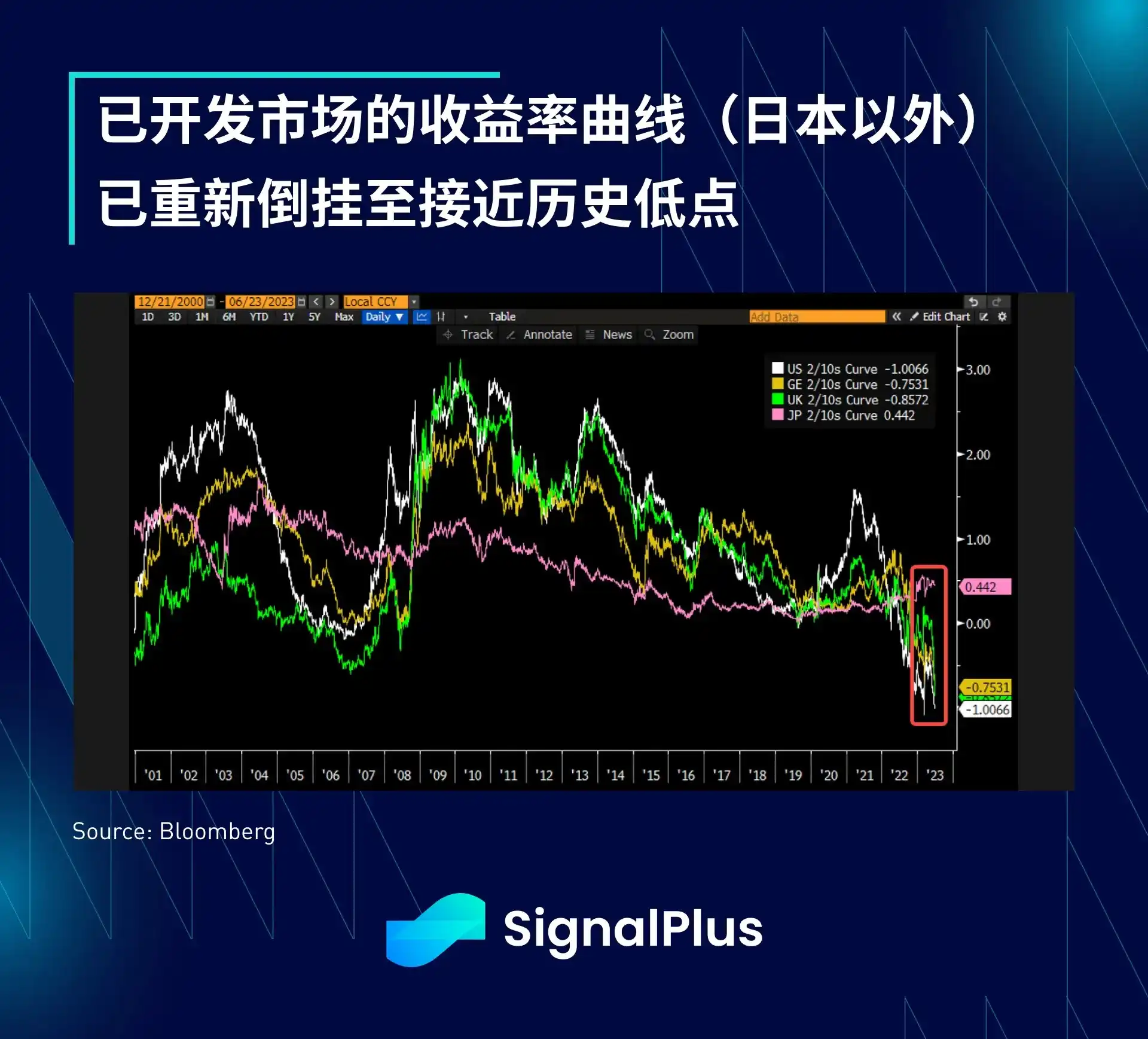


在加密货币方面,牛市情绪仍在继续,BTC 保持在 3 万美元上方并引领市场走高,周末一些蓝筹 DeFi 代币也出现爆炸性的追赶涨势(AAVE +25%、SNX + 16%,Uniswap +11% 和 CRV +8%)。与近年相比,次级市场的流动性仍然较为薄弱,且长期持有者即使在目前的价格水平也不太可能愿意出售,因此当前的反弹行情有机会比许多人预期的持续得更久,正如近期的 TradFi 现货 ETF 申请兴趣看起来似乎过于一致,不像是纯粹的巧合。希望各位在当前的行情中都能有好运气!


原文链接

Related Reads

SpaceX, OpenAI, Anthropic: The Three AI Giants Racing for IPO, Which One Is Worth Betting On?

SpaceX, OpenAI, and Anthropic are poised for historic IPOs within weeks, potentially raising a combined $180 billion—a sum exceeding the entire internet bubble's fundraising. The hosts of the Limitless Podcast argue this isn't just individual company financing but an unprecedented capital concentration for AI infrastructure, driven by an insatiable need for compute, data centers, power, and chips. SpaceX's IPO is notable for reportedly changing market index rules to allow faster inclusion, potentially funneling trillions in passive retirement funds into its stock, despite its unproven space-based data center business model. In contrast, Anthropic demonstrates explosive growth, with ARR reportedly hitting $45 billion and approaching profitability, fueled by strong enterprise adoption of products like Claude Code. Google's separate $80 billion raise highlights the immense capital pressure, even for giants. The discussion acknowledges bubble risks but leans optimistic. The hosts contend the massive spending is building essential physical infrastructure for the next technological era. A key bottleneck isn't capital but the real-world limits of chip manufacturing and construction speed. As long as demand for AI compute outstrips supply, this investment cycle represents a foundational build-out rather than a purely financial bubble. All three companies are seen as foundational bets on the future, with Anthropic often cited as the most immediately compelling due to its proven revenue trajectory.

marsbitHá 2h

SpaceX, OpenAI, Anthropic: The Three AI Giants Racing for IPO, Which One Is Worth Betting On?

marsbitHá 2h

From 'Old Guys' to 'New Favorites': How AI Is Revaluing Old Infrastructure from Dell to Nokia?

From "Vintage Tech" to "New AI Darlings": How AI Revalues Old Infrastructure One year ago, tech giants like Dell, Nokia, Cisco, and Western Data were seen as slow-growth, low-valuation stories, far from the AI spotlight dominated by players like Nvidia. Now, these legacy tech stocks are gaining market attention, sparking debate on whether this is genuine industry revaluation or a temporary narrative. As AI moves from model parameters to real-world data centers, the market is recognizing companies with proven delivery and infrastructure capabilities. This shift marks a change in the AI investment thesis: from pure model and GPU focus to the complex systems engineering required for deployment. Companies like Dell, HPE, and Corning are being revalued not for being "sexy" AI innovators, but for their decades of accumulated expertise in supply chains, enterprise delivery, and infrastructure—assets that have become critical in the AI buildout phase. The revaluation is unfolding across three key infrastructure lines: 1. **Servers & System Integration:** Dell and HPE are emerging as crucial system integrators or "general contractors" for AI data centers, translating GPU orders into complete, deployable server racks integrated with power, cooling, and networking. 2. **Networking & Connectivity:** AI's scale demands robust high-speed connections. Corning (fiber optics), Nokia (AI-RAN, 6G), and Cisco (data center switches) are gaining importance for enabling efficient data transfer within and between AI clusters. 3. **Storage:** Beyond high-speed memory (HBM/DRAM), the AI data explosion is driving demand for high-capacity hard drives (HDDs) from companies like Western Digital and Seagate to handle training data, logs, and cold storage cost-effectively. For this revaluation to be substantive and not just a narrative, three criteria are key: 1) Concrete AI-related order and revenue growth (e.g., Dell's AI server sales), 2) Upward revisions to company financial guidance, and 3) Sustainable improvements in profit quality, not just top-line revenue spikes. In essence, AI's transition to a real construction phase is re-pricing "old assets" against "new demand." The opportunity, however, is selective. Only those legacy firms that are demonstrably integrated into the capital expenditure chains of data center and enterprise AI deployment are likely to experience a true "logic re-rating" rather than just a temporary valuation bounce.

marsbitHá 2h

From 'Old Guys' to 'New Favorites': How AI Is Revaluing Old Infrastructure from Dell to Nokia?

marsbitHá 2h

The Merger of Codex and ChatGPT Marks the Beginning of a Major Reshuffle in Programming Tools

OpenAI is shifting its strategic focus from ChatGPT to Codex, merging them along with the browser tool Atlas into a unified desktop super-app. This move signals an internal belief that Codex, originally a programming tool, represents the next evolution of AI more than conversational models like ChatGPT. Over the past year, Codex's weekly active users have surged past 5 million. The key distinction is that while ChatGPT answers questions, Codex executes tasks. Enterprises increasingly value this ability to get work done over simply receiving advice. Consequently, Codex is attracting professionals beyond developers, including analysts, bankers, marketers, and product managers. OpenAI's reorganization and increased investment in Codex stem from recognizing that the future of AI competition lies in execution capabilities, not just conversation. The company is launching role-specific plugins (e.g., for data analysis, sales, design) to transform Codex into a broad knowledge work platform that automates and redefines white-collar workflows. Beyond being a tool, Codex reflects OpenAI's ambition to redefine software. New features like "Sites"—which generates interactive websites from documents—and collaborative "Annotations" aim to create a paradigm where the AI understands the goal and handles the tools and steps, functioning more like a digital colleague than traditional software. The ultimate goal is a unified experience where the user cares only about the completed task.

marsbitHá 2h

The Merger of Codex and ChatGPT Marks the Beginning of a Major Reshuffle in Programming Tools

marsbitHá 2h

Trading

Spot
Futures
活动图片