香港虚拟资产评级联盟HKVAC成立,有哪些关键信息?

常人CryptoPublicado em 2023-06-05Última atualização em 2023-06-08

Resumo

香港虚拟资产评级联盟的成立对虚拟货币市场的合规发展,无疑又是一项重要的探索。

近日,为了配合香港关于虚拟货币交易的利好政策,香港虚拟资产评级联盟HKVAC(Hong Kong Virtual Asset Consortium)宣布成立,成员包括主流交易所在内的多家机构,以下为联盟成立的要点信息。

1、联盟成立背景。从2022年10月开始,香港金融监管层对虚拟货币的态度进一步开放,认为香港先进的金融管理经验和虚拟货币结合,可以带来双赢的效果。前几日的发布会更是原则同意持牌虚拟资产交易平台为散户提供服务,这对虚拟货币市场将带来长久的利好。但监管层和市场运营主体中间需要一个中间机构起到沟通桥梁作用,联盟因此成立。

2、联盟成立的目的。提倡行业主导安全风险管理的重要性;协助政府打造国际金融中心;和政府一起创造全球最安全的虚拟资产投资环境;提高公众投资者对虚拟资产的认可。
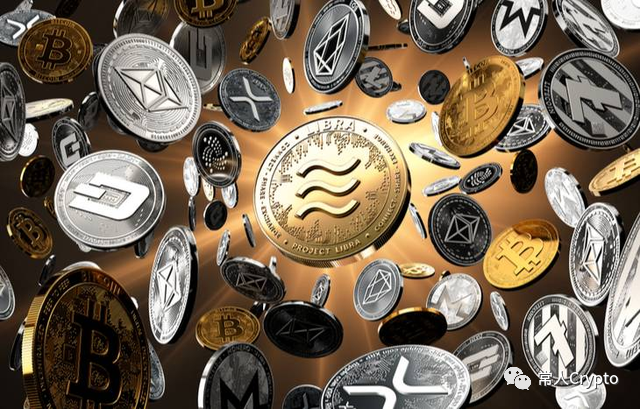
3、联盟将对代币风险进行提示。虚拟资产交易市场有着种类繁多的代币,目前对代币的风险控制主要依赖于大型交易平台,多数平台对代币基本没有风险管理机制,仅依靠市场热点对投资者提供交易服务。

4、更专业的评级机构。目前虚拟货币交易存在一些第三方评级机构,但由于权威性和专业度不够,难以对整个市场做出公允判断。联盟将联合专业机构对虚拟货币交易市场进行风险评估,其中可能也包括评估交易平台。

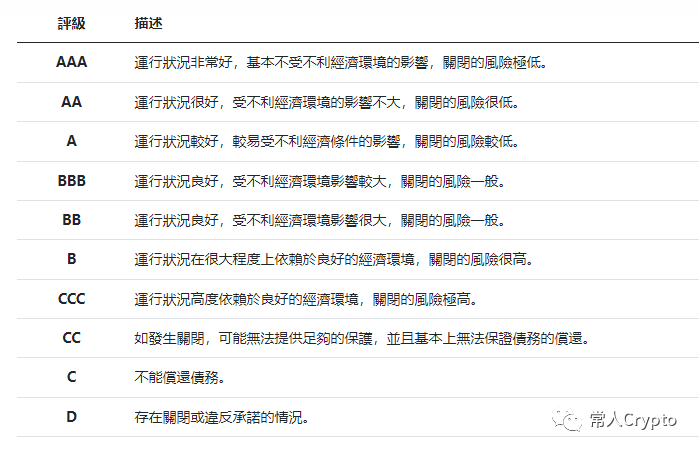
5、评级包括10个等级。详见下图。
6、评级包括9个维度。财务数据、安全数据、团队数据、运营数据、监管数据、API覆盖度、资产质量数据、市场质量数据、社群数据。

7、联盟包括主流交易所。据悉Huobi是第一个受邀的交易平台,联盟中还包括FrancXav Asia Ratings、Hong Kong Data Infinity Technology、Wealthking Investment Limited等专业的市场分析机构,有足够的专业背景支撑。

8、投资者教育。联盟将通过线上和线下的活动,为散户投资者提供投资教育,以帮助投资者认识风险,这对扩大市场规模将非常有帮助。

9、HKVAC将建立虚拟资产指数和指标。以往虚拟代币投资往往将比特币作为宏观指标,如果有更专业的指数,将更能反映市场的运营情况,对投资判断将更加有利,也更容易吸引机构投资者。HKVAC大型加密货币指数反映了市值高的加密货币在全球加密货币市场中的整体表现,包含符合其候选资格的全球市值最高的 30 种加密货币,指数调整于每季度进行检阅,调整检阅日期分别为每季度(三月、六月、九月及十二月)的最后一日。

10、Huobi影响力仍然在线。从交易所实力来看,Huobi已经远远落后Binance。但联盟首先对Huobi发出邀请,说明Huobi在华语市场的影响力仍然在发挥作用,也说明Huobi用户对香港虚拟货币市场发展的重要性。在Binance出海,OKX低调发育之后,孙宇晨的加入使Huobi成为了华语市场最具话语权的交易平台。

总体来说,由于HKVAC中的成员非常具有代表性,联盟将成为和香港监管层沟通的重要通道。放眼全球各个经济区,美国和欧洲的监管仍在落地中,而多数国家都将虚拟资产视为洪水猛兽进行粗暴监管,几乎没有这样的可以和官方平等对话的机构。香港虚拟资产评级联盟的成立对虚拟货币市场的合规发展,无疑又是一项重要的探索。

Leituras Relacionadas

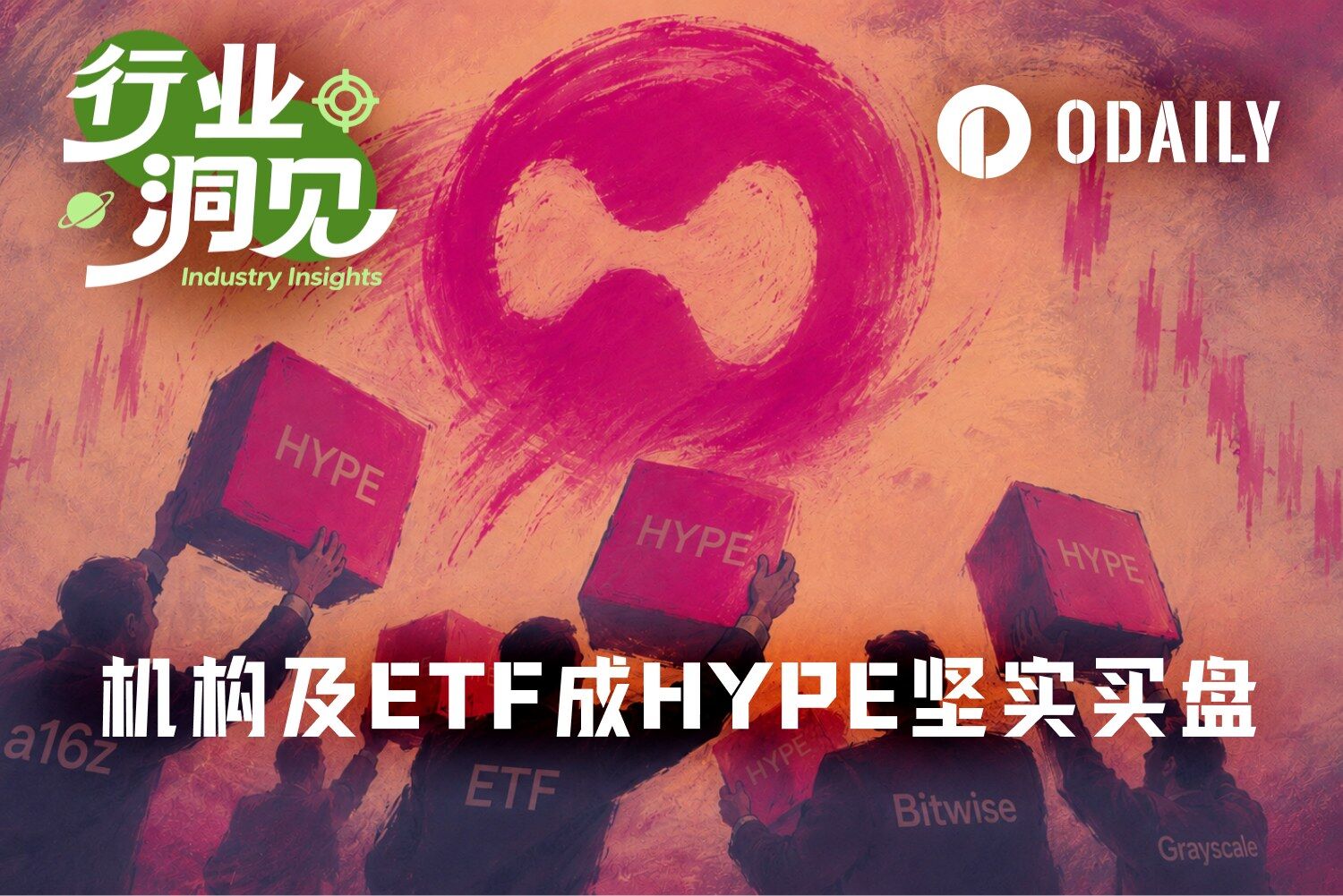
HYPE Spot ETF Continuously Accumulates 1% in 14 Days: Is the $75 New High Just the Starting Point?

Hyperliquid (HYPE) has surged to a new all-time high of $75 amid strong institutional and ETF-driven buying pressure. The article highlights several key bullish factors. First, the HYPE spot ETFs from 21Shares and Bitwise have seen 14 consecutive days of net inflows, totaling over $136 million and absorbing nearly 1% of HYPE's market cap—a faster initial pace than BTC or ETH ETFs. This ETF demand provides a solid price floor. Second, the protocol's own Assistance Fund (AF) mechanism, which uses 99% of fees to buy back and burn HYPE, has already removed over $1.1 billion worth of tokens, creating a dual support system alongside ETF inflows. This combined buying power is expected to counter potential selling pressure from upcoming team token unlocks. Institutionally, venture firm a16z is now considered one of the largest external holders of HYPE, with multiple addresses accumulating millions of tokens. Galaxy Digital is also actively buying. Analysts and firms like Bitwise and Grayscale are framing HYPE not as a mere meme coin but as a "second-generation" crypto with real value capture and infrastructure potential. Furthermore, Hyperliquid Strategies (PURR), a publicly traded company holding a large HYPE treasury, is set to join the Russell 3000 Index, potentially unlocking further passive investment flows. The ongoing feud between prominent backers like Arthur Hayes (pro-HYPE) and Kyle Samani (pro-SOL) underscores the intense market debate, with Hayes famously betting HYPE will outperform all top-ten crypto assets this year.

Odaily星球日报Há 7m

HYPE Spot ETF Continuously Accumulates 1% in 14 Days: Is the $75 New High Just the Starting Point?

Odaily星球日报Há 7m

ETH Bull and Bear Views Compilation: Can Ethereum's Value Flow Back to ETH?

Titled "ETH Bull and Bear Views: Can Ethereum's Value Flow Back to ETH?", this article synthesizes the current heated debate around Ethereum's native token, ETH, following Bankless co-founder David Hoffman's decision to sell his entire ETH holdings. The **bullish case**, represented by figures like Tom Lee (BitMine CEO) and Raoul Pal, argues that ETH's core thesis remains intact. They contend Ethereum is the essential, secure, and neutral foundational layer for future finance—encompassing stablecoins, RWA, DeFi, L2s, and Agentic AI. Bulls bet on ETH's long-term revaluation as institutional adoption of on-chain finance grows, with significant buying activity from entities like BitMine and Consensys cited as evidence. Conversely, the **bearish perspective**, led by Hoffman and analysts like Markus Thielen, questions ETH's value capture mechanism. They acknowledge Ethereum's network success but argue that the value created by L2s, DeFi, and applications does not sufficiently accrue to the ETH token itself. Bears point to ETH's prolonged underperformance versus the broader crypto market, lack of traditional cash flows, weakening "ultrasound money" narrative, and apparent institutional retreat (e.g., Harvard Management Company exiting its ETH ETF position) as key concerns. The debate highlights a pivotal shift: ETH is no longer just a community belief asset. The central question is whether ETH can transition from being a "**used infrastructure**" to a "**continuously bought and held core asset**" as more value enters the Ethereum ecosystem. The market is now critically examining the direct link between network growth and ETH's value.

marsbitHá 53m

ETH Bull and Bear Views Compilation: Can Ethereum's Value Flow Back to ETH?

marsbitHá 53m

Crypto is dead, Perps are forever

The crypto industry is shifting from a focus on creating native assets (like altcoins and protocol tokens) to becoming a "global asset pipeline." Native cryptocurrencies, except for Bitcoin, are seen as failing in their value storage and utility promises, with demand driven largely by speculation. Attention and liquidity are now moving toward real-world assets (RWAs) like U.S. stocks, bonds, gold, and oil traded on-chain via perpetual contracts (Perps). Stablecoins like USDT and USDC set the precedent, proving blockchain's core strength is efficient global settlement and transfer, not inventing new monetary systems. Meanwhile, assets like Ethereum and many DeFi tokens struggle as their narratives weaken against tangible traditional assets and the rapid real-world progress of AI. Perpetual contracts have emerged as a pivotal innovation. They simplify trading by offering pure price exposure to any asset, bypassing complexities of ownership, custody, and traditional market hours. Projects like Hyperliquid gained traction by combining CEX-like efficiency with on-chain transparency, capitalizing on post-FTX distrust, macroeconomic volatility, and the surge in demand for 24/7 stock trading. In conclusion, while the era of speculative native "crypto assets" may be over, perpetual contracts persist as the industry's most potent financial instrument—transforming all assets into globally accessible, constantly tradable instruments centered on price speculation.

marsbitHá 59m

Crypto is dead, Perps are forever

marsbitHá 59m

Tencent, Alibaba, ByteDance in a Battle for the Skill Store

Skill is becoming a key concept in the AI field, essentially serving as a structured "instruction manual" for AI Agents that specifies tool calls, decision logic, and output standards. This allows Agents to execute predefined tasks. As the number of Skills grows, distribution platforms have emerged. Major tech companies are swiftly entering this space. In March, Tencent, Alibaba, and ByteDance launched Skill stores within their respective Agent platforms. Subsequently, players like Zhipu AI, Meituan, and Xiaohongshu joined the fray. This competition for the "Skill store" is fundamentally a battle for the AI-era user entry point; whoever controls distribution controls the users. While ByteDance's Coze has experimented with paid Skills, most platforms offer them for free. The real value lies not in the stores themselves but in using them to attract and retain users within an ecosystem, driving revenue from services like cloud computing, model calls, or advertising. The landscape features three main player types: 1) **Internet giants** (e.g., Alibaba, ByteDance, Tencent, Meituan), leveraging Skills to drive traffic and monetize through their broader ecosystems (cloud services, transactions, ads). 2) **Large model companies** (e.g., Zhipu AI, Moonshot AI), using Skill stores to increase user engagement and monetize model API calls. 3) **Content platforms** (e.g., Xiaohongshu), treating Skills as a new content format to generate traffic and ad revenue. However, transforming Skill stores into a sustainable business faces significant hurdles. Key challenges include: the **difficulty in pricing Skills** due to inconsistent outputs across different models and contexts; **lack of cost transparency** (varying token consumption); **security risks** like Skill poisoning; and the **absence of standardized protocols** for development and evaluation. Unlike standardized mobile apps, Skills are often personalized workflows resistant to uniformity, which hinders the establishment of a reliable review and monetization system akin to the App Store. While there is genuine user demand for paid Skills—particularly in enterprise (e.g., contract review) and certain personal productivity scenarios—current platforms offer developers limited and unpredictable distribution. The future of Skill stores depends on overcoming these standardization, evaluation, and safety challenges to make acquiring a Skill as straightforward as downloading an app. For now, the stores function more as display shelves than robust marketplaces.

marsbitHá 59m

Tencent, Alibaba, ByteDance in a Battle for the Skill Store

marsbitHá 59m

Trading

Spot
Futuros
活动图片