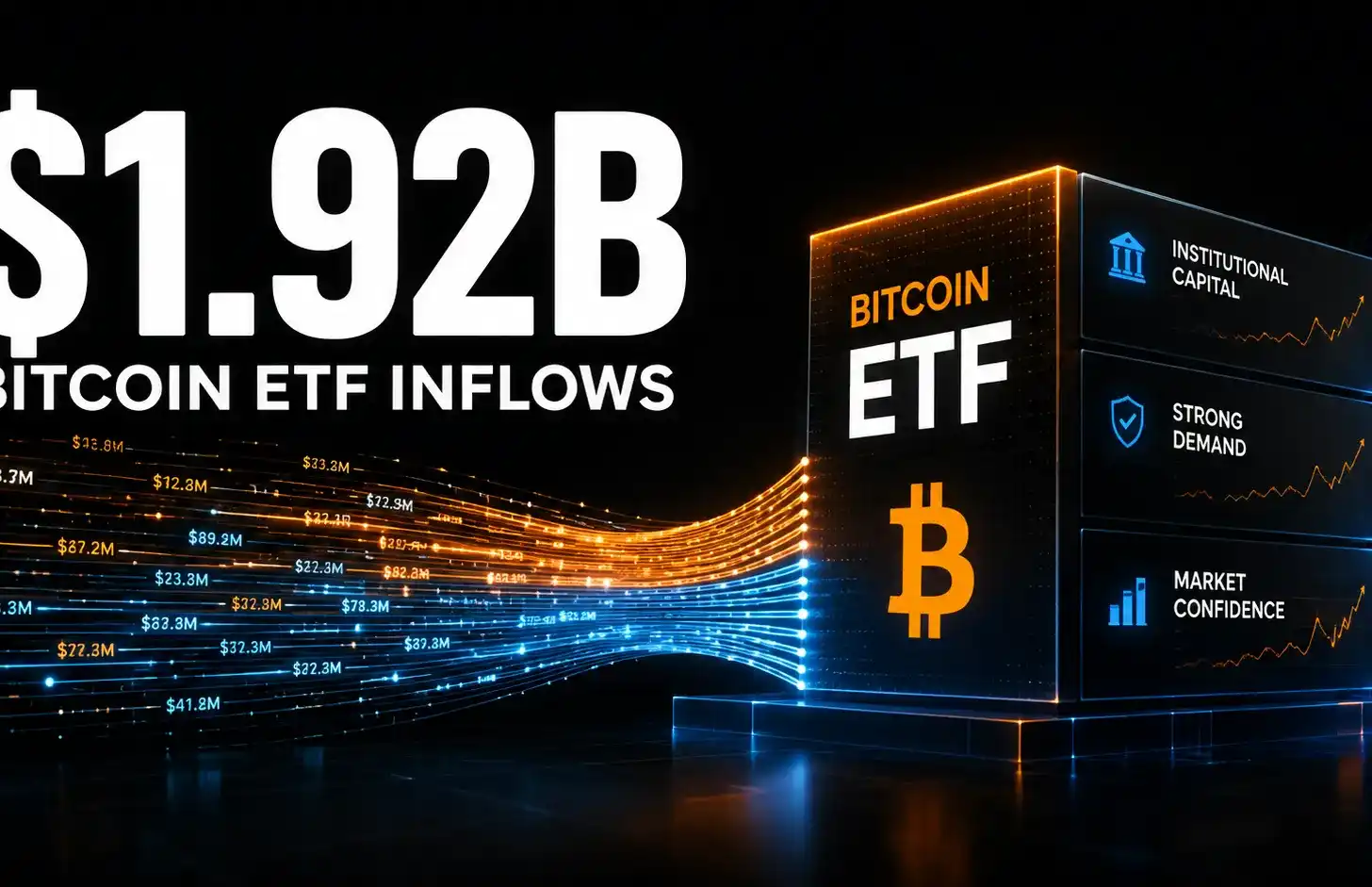
[dragon and tiger list]48.3% of BTC investors made profits,FXS led the rising algorithm to stabilize the currency

Huobi ResearchPublicado a 2022-04-02Actualizado a 2022-04-03

Resumen

Under the background that the BTC price is about to fall below the 365 day moving average, the price bottomed out and rebounded.

1. Market trend: BTC's profit margin is close to 50%

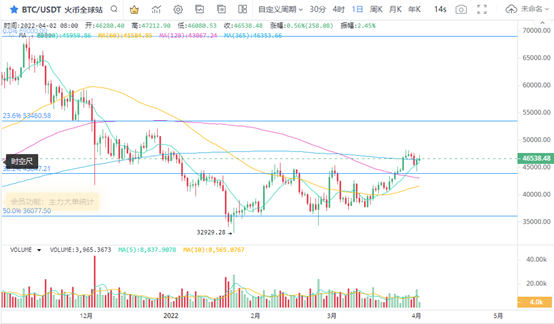
Under the background that the BTC price is about to fall below the 365 day moving average, the price bottomed out and rebounded. At the daily K-line level, BTC's short-term volume and price performance is good, and it is still beneficial to bulls after the volume rebound.

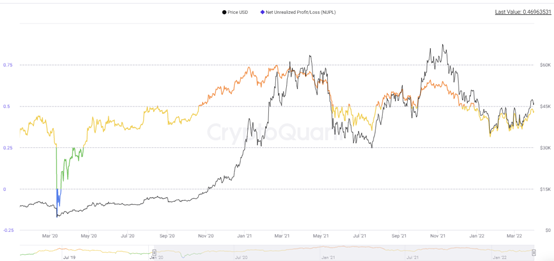
The increase in the number of profit taking is an important driving factor for the recent BTC adjustment. Judging from the changes in the proportion of unconfirmed earnings of BTC investors, the highest proportion of unconfirmed profit-making transactions reached 48.3%, which is very close to the important node of 50%. Next, the price trend also more reflects the change of selling pressure brought by profit taking. The rapid growth of profit margins is unfavorable to the maintenance of the upward trend of prices.

From the end of October 2020, BTC has more trading days with more than 50% profit taking. At present, it can be regarded as the key position for BTC to improve the number of profit taking, and the selling pressure may continue to suppress the price increase.
2. Message side interpretation:

In terms of the situation in Russia and Ukraine, on April 1, Ukraine launched a rare air raid on an oil base in western Russia. On the other hand, the confrontation between Russia, the United States and the West in the field of energy has intensified. Putin signed a presidential decree on March 31, and the new regulations on paying Russian natural gas in rubles for "unfriendly countries and regions" in Russia came into force on April 1. The situation may still push up inflation risk.

Meanwhile, the US non farm employment data after the quarterly adjustment in March showed that the non farm employment population increased by 431000 in March, and the US unemployment rate fell to 3.6% in March, continuing the new low since February 2020.

After the data were released, the probability of the Fed raising interest rates by 50 basis points in May was 75.5%. Affected by this, the price trend of BTC in the month is likely to fluctuate and sort out. With the progress of the adjustment, the negative factors brought by the interest rate increase will continue to be concerned.

3. Dragon and tiger list:

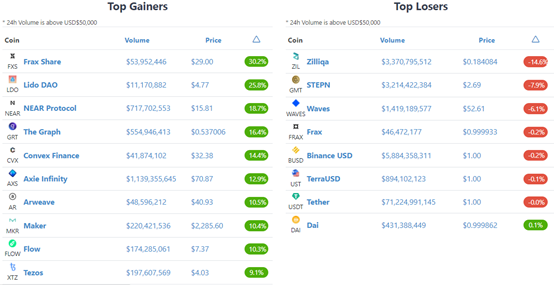
As the mainstream currencies stabilized in the short term, most concept currencies rebounded. In terms of ranking, the algorithm stability currencies FXS and eth2 0 pledge concept currency LDO, ETH layer 2 network near and Web3 0 concept GRT.

In addition, Devi concept CVX and gamefi concept AXS also increased significantly.
FXS

FraX aims to become "the world's first decentralized stable coin, with some of its supply tokens supported by collateral and some stabilized by algorithms."

FraX protocol implements a dual token system: stable token FraX and protocol governance token FXS.

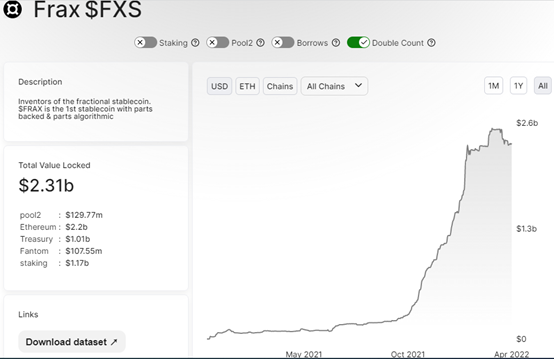
In the fourth quarter of 2021, with the release of fraxv2, FraX was adopted on a large scale and linked with the whole defi system. As of January 25, the FraX project fund pool earned an average of $500000 per day (annualized about $180 million) through the amo (algorithmic market making program) launched by the team in the early fourth quarter of 2021. During the same period, the supply of FraX climbed from less than $500 million to a staggering $2.6 billion.

In terms of price, FXS followed the platform token Luna of Terra algorithm to stabilize the currency, rebounded and rose, rising by 30.2% in 24 hours, and the volume of the band nearly doubled. In terms of lock-in, FXS lock-in is US $2.3 billion, including US $2.2 billion on Ethereum chain.
LDO

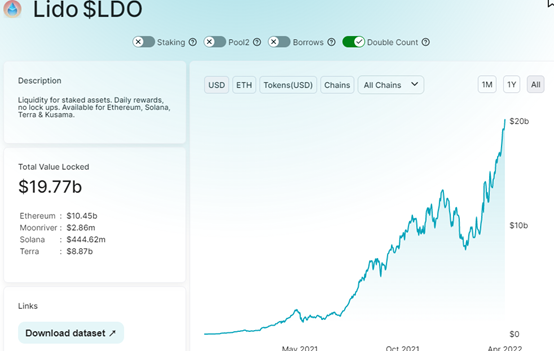
LDO with the highest growth is Ethereum 2.0 pledge liquidity solution, and its TVL has grown rapidly, with the number exceeding US $19.7 billion. Among them, the pledge scale of eth has exceeded US $10.4 billion. From the perspective of application, LDO has application prospects in Solana ecology, poca ecology, polygon ecology and Terra ecology in addition to Ethereum 2.0. As a LDO to solve the problem of pledge liquidity, its price increase is expected to be of concern.
NEAR

Near is a two-tier solution for Ethereum. In January, near completed a financing of up to US $150 million, led by Sanjian capital and participated in a16z investment

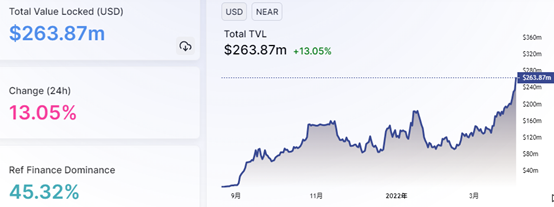
In terms of lock up data, near lock up data continued to grow, with a numerical innovation of US $260 million. In terms of price, after the relative performance of near market, the price has not broken through the high closing price of $20.19 in the early stage, and there are many opportunities for future performance.
GRT

Graph is a decentralized protocol for indexing and querying blockchain data, which is applied to Ethereum. Graph makes data query simple and easy to operate. Anyone can build and publish open APIs to make data easy to access.

Graph token has two main purposes in the agreement:

Indexer pledge: the indexer pledges graph tokens so that it can be found in the query market and provide economic security during the execution of work.

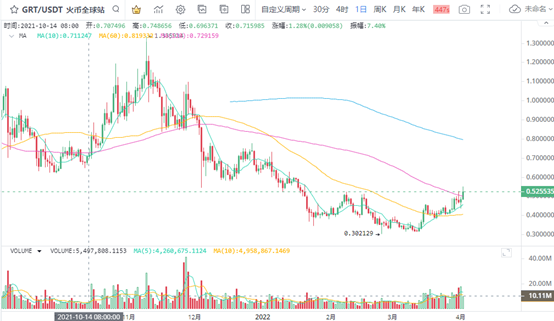
In the secondary market, the current price of GRT is US $0.52, which is 82% lower than the historical maximum of 2.88 yuan in 2021. At present, the trend of GRT is stable and is in the upward trend after breaking through the 120 day moving average.
XTZ

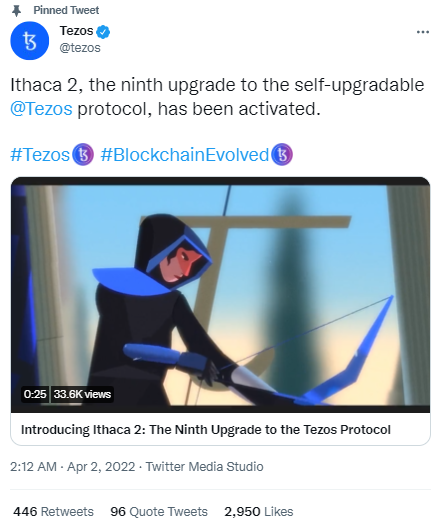
The tezos development team nomadlabs said on twitter that it had released a new version of the tezosoctez suite V12 1. This version fixes the vulnerability that may lead to crash in ithaca2baker software. Ithaca2 was also successfully activated on tezos main network. It is reported that Ithaca is the ninth protocol upgrade proposal of tezos.

Affected by this, xtz ranked 10th in price increase within 24 hours.

In terms of the Japanese K-line, the price trend of xtz is very stable, and we pay attention to the long-term performance of the currency.
Decline list

ZIL, GMT and Waves, which have performed well in the recent market, have a large callback space. In addition, most of the currencies with the largest declines had little decline. This shows that the bulls in the overall market still have an advantage and there are more low absorption profit opportunities.
Lecturas Relacionadas

¿Ha «concluido la recuperación» de Bitcoin para entrar formalmente en la fase tardía del mercado bajista?

Bitcoin ha caído un 13% esta semana, confirmando características de una fase tardía de mercado bajista. El precio se sitúa ahora en la mitad del rango entre el precio realizado y la media del mercado real, con la base de coste de los poseedores a corto plazo cayendo por debajo de esta media por primera vez desde enero de 2022. El ratio de ganancias/pérdidas realizadas se desplomó, indicando que el repunte a 82k USD fue un rebote dentro de la tendencia bajista, no un cambio estructural. Las pérdidas diarias realizadas aumentaron a 1.350 millones de dólares, con 770 millones procedentes de holders a largo plazo vendiendo en pérdidas, acelerando la redistribución de la oferta. El precio encontró un fuerte rechazo en los 83k USD, el coste promedio de los ETF spot estadounidenses, lo que devolvió a sus inversores a una posición de pérdidas no realizadas y solidificó ese nivel como resistencia. La presión vendedora en el mercado spot se ha intensificado, con un delta de volumen negativo significativo, mientras que los mercados de opciones siguen cotizando una prima alta por la volatilidad y la protección a la baja. Aunque las liquidaciones de futuros han reducido el apalancamiento, la demanda spot sostenible aún no ha regresado para absorber la oferta. En conclusión, el mercado permanece frágil, con riesgos a la baja persistente hasta que mejore la demanda spot y los inversores en ETF recuperen la rentabilidad.

Foresight NewsHace 5 min(s)

¿Ha «concluido la recuperación» de Bitcoin para entrar formalmente en la fase tardía del mercado bajista?

Foresight NewsHace 5 min(s)

¿Cuánta deuda tiene realmente Strategy? ¿Existe la posibilidad de que estalle?

**Resumen: La situación de deuda de MicroStrategy y el riesgo de "implosión"** Al 3 de junio de 2026, MicroStrategy (MSTR) posee 843,706 bitcoins (valorados en ~$531 mil millones). Sin embargo, su estructura de capital está compuesta por $6,754 millones en bonos convertibles y una enorme carga de $15,482 millones en acciones preferentes perpetuas (como la serie STRC, de $8,500 millones). La obligación anual de intereses y dividendos asciende a unos $1,712 millones. El negocio de software de la empresa genera solo unos $500 millones anuales, insuficiente para cubrir los pagos de dividendos preferentes. En mayo de 2026, MSTR vendió 32 bitcoins (un 0.004% de sus tenencias) para pagar dividendos, rompiendo su promesa pública de nunca vender. Esto generó preocupación en el mercado. **La clave: las Acciones Preferentes Perpetuas (STRC)** Estos instrumentos, que no tienen fecha de vencimiento, son el núcleo del problema. Permiten a MSTR obtener capital sin prometer devolver el principal, pero a cambio de altos dividendos (actualmente ~11.5% anual). Este flujo se financia principalmente con nueva emisión de STRC y una reserva en efectivo. **Riesgos principales:** 1. **Desaparición de la prima mNAV:** Si la cotización de MSTR cae hasta igualar el valor de sus bitcoins por acción, su capacidad para emitir nuevas acciones/preferentes a buen precio se secaría. 2. **Ciclo negativo:** Si el precio de Bitcoin se estanca y la emisión de nuevas STRC se detiene, la reserva en efectivo se agotaría, forzando ventas recurrentes de BTC para pagar dividendos, lo que a su vez deprimiría más el precio. 3. **Suspensión de dividendos:** Legalmente podría posponer los pagos de dividendos preferentes, pero esto dañaría fatalmente su credibilidad y acceso a financiamiento. **Conclusión:** A corto plazo (2026), el riesgo de implosión es bajo, gracias a sus reservas de efectivo y bitcoins. No existe riesgo de liquidación forzosa de Bitcoin, ya que estos no están pignorados como garantía. Sin embargo, MSTR ha transitado de ser un simple "holder" de Bitcoin a operar un complejo juego de apalancamiento financiero público. Su sostenibilidad a largo plazo depende críticamente de que el precio de Bitcoin suba, mantenga su prima bursátil y pueda seguir colocando sus acciones preferentes en el mercado. La venta simbólica de 32 BTC demostró la fragilidad de la narrativa y puso el foco en su creciente carga de deuda.

marsbitHace 30 min(s)

¿Cuánta deuda tiene realmente Strategy? ¿Existe la posibilidad de que estalle?

marsbitHace 30 min(s)

Anthropic grita que el lobo (AGI) está llegando, ¿es por la humanidad o por la OPV?

Anthropic ha publicado un documento titulado "When AI builds itself", advirtiendo sobre el "mejoramiento recursivo automático" (recursive self-improvement), un concepto en el que la IA participa activamente en el diseño, entrenamiento, prueba y optimización de sus propias versiones futuras, lo que podría acelerar exponencialmente su progreso. La empresa presenta datos internos que muestran la creciente autonomía de Claude en la I+D de IA: más del 80% del código fusionado en mayo de 2026 fue escrito por Claude, su tasa de éxito en tareas complejas y abiertas alcanzó el 76%, y es capaz de revisar código y realizar investigaciones de seguridad de manera autónoma, a veces superando a los investigadores humanos en eficacia. Anthropic describe una evolución desde el desarrollo humano hasta la aparición de agentes de IA autónomos que pueden ejecutar y delegar tareas. Aunque afirma que el "bucle cerrado" de autorrealimentación completa aún no se ha alcanzado, advierte que el camino hacia él es ya visible. Por ello, pide mecanismos de coordinación global para posiblemente ralentizar o pausar el desarrollo de IA fronteriza, permitiendo que la seguridad y las estructuras sociales se pongan al día. El artículo también analiza el contexto de la próxima OPV de Anthropic, sugiriendo que este mensaje de advertencia sirve a la vez como una narrativa para el mercado: Claude no es solo un producto, sino una herramienta central que acelera su propio desarrollo, creando un "volante de inercia" (flywheel) para la empresa. Esto contrasta con el enfoque más institucional de OpenAI, que en un documento reciente también reconoció los primeros signos de mejora recursiva pero centrándose en la gobernanza. El texto concluye que Anthropic, al detallar su avance técnico, se posiciona como una empresa que tiene la autoridad para hablar sobre estos riesgos transformadores.

marsbitHace 1 hora(s)

Anthropic grita que el lobo (AGI) está llegando, ¿es por la humanidad o por la OPV?

marsbitHace 1 hora(s)

Trading

Spot
Futuros
活动图片