V神担心的事还是发生了!阿蟹的跨链桥被黑6亿美金,意味着什么?

白话区块链Pubblicato 2022-03-30Pubblicato ultima volta 2022-03-30

Introduzione

今天一大早,社群又炸锅了,原来是阿蟹的Ronin桥被黑,属于用户的6亿美金已躺在黑客的钱包里了,而且还是6天前被黑现在才被发现。

今天一大早,社群又炸锅了,原来是阿蟹的Ronin桥被黑,属于用户的6亿美金已躺在黑客的钱包里了,而且还是6天前被黑现在才被发现。

“又是桥,又是相似的6.x亿美刀,关键6天前出事,项目方今天被第三方通知了才知道的,看得我脑壳疼…大无语”,加密KOL@神鱼er在微博无奈评论道:“完犊子了,桥6天前被黑了,非原生链上资产等于空气了TheRoninbridgehasbeenexploitedfor173,600Ethereumand25.5MUSDC.”
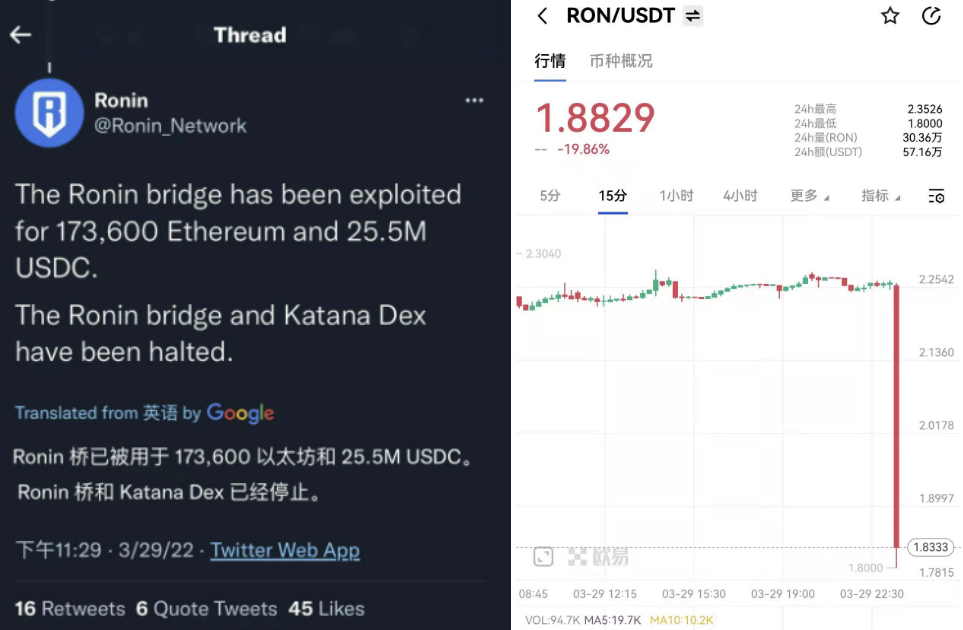
在Ronin团队进行”抢救”的同时,除了担心资金能不能要回来之外,大部分人或许更关心的是,跨链桥再次出现严重事故意味着什么?我们目前看到的至少有以下几点。

01

以太坊“安全第一”的路线是正确的

众所周知,以太坊扩容的解决方案和升级路线一度因为追求“极致安全性”导致过程过于漫长而饱受诟病,许多人以此为由批评以太坊这么多年来“毫无建树”、进度太慢,以至于被许多竞争“高速”链抢跑。

其实之所以以太坊解决扩容问题的进度慢,除了“船大难掉头”的原因之外,更多是因为以太坊社区遵循的“安全第一”的线路,在安全性上绝不妥协,每次硬分叉重要升级都要反复长期的测试后才能正式上线。

事实上以太坊联合创始人V神不止一次质疑并批评跨链桥潜在的安全性问题。最近一次V神表达对跨链桥方案安全问题的担忧是在今年1月份,他在参加在一档线上采访节目时提到在单链中,您可以方便的恢复链,每个人都可以把资产恢复到初始状态。在多条链的情况下,如果资产出问题了,链的恢复问题就很大。更早些时候,V神推特上转发了一个Reddit帖子链接,其中他讨论了对多链未来的信念,但对跨链生态系统表示怀疑。VitalikButerin认为“跨链桥存在基本安全限制”。
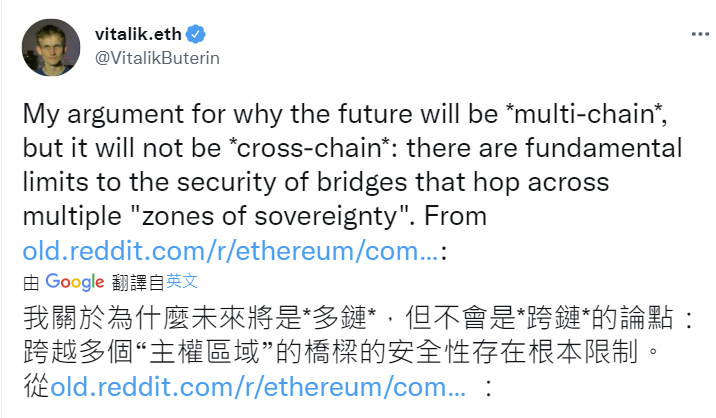
而对于以太坊,V神在文章中表示,在51%攻击的情况下,攻击者不能提出一个带走某人ETH的区块,因为这样的区块会违反共识规则,因此会被网络拒绝。换句话说,他认为,即使99%的算力被用于非法拿走另一个钱包的ETH,节点也会简单地遵循剩余1%的链,因为它是唯一遵循协议规则的区块集,因此“诚实”的区块将始终保持状态的一致性。

02

以太坊Layer2比高速链更有竞争力

在所有智能合约公链中,以太坊最安全一直是一个共识。包括阿蟹的Ronin的POS侧链在内的许多“高速链”发布的理由都是为解决以太坊的“高费低速”问题,但大部分“高速链”为了性能的提升或多或少都在安全性上做出了一定程度的妥协。

去年10月份,以太坊线路图更新为以Rollup构建为中心以后,几个RollupLayer2方案便备受关注。截至目前,以太坊主要Layer2网络总TVL已经超过70亿美金。由于大部分情况下Layer2直接继承了以太坊主网的安全性的同时又能获得媲美高速链的性能。

到目前为止,除了Layer2几个方案进度稍慢一点之外,一些进展比较快的Layer2已经获得良好的表现,高速链应该已经感受到压力了。早前就有不少人提到过,未来以太坊Layer2将会与高速链直接竞争。

另外,同为多签侧链的PolygonPos侧链现在是否已经在瑟瑟发抖了?希望Polygon能尽快升级这个临时方案。
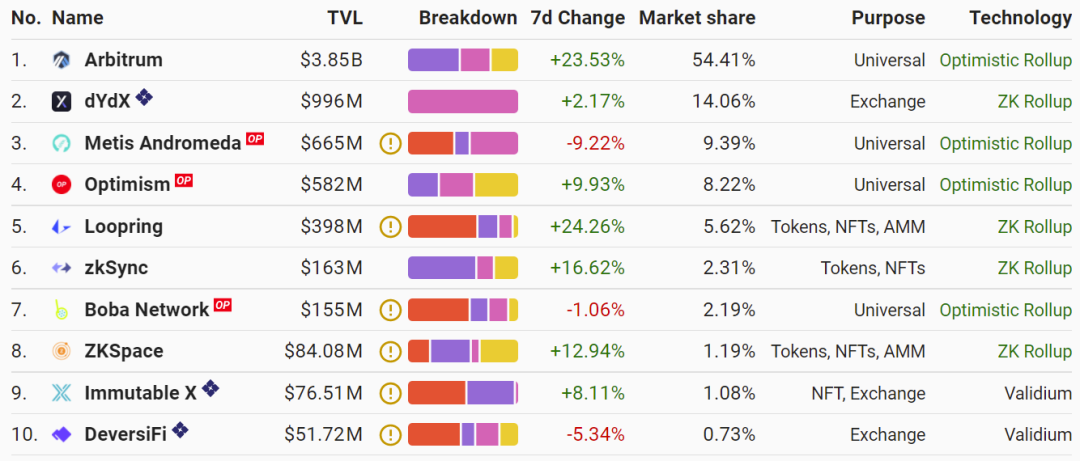
来源:L2beat

03

使用成熟的独立链解决方案会更安全

追溯阿蟹的发展历史,早前是在LoomNetwork这个以太坊侧链上的一个DApp,由于该侧链进展问题,又迫于游戏迅速发展情况下的迫切需求才自行开发的Ronin侧链,或许就在这个时候埋下的“隐患”。

相比项目开发团队自行研发技术解决方案,其实很多时候不如采用成熟的解决方案而不是重复造轮子,比如说通过CosmosSDK现成的方案来开发高速链再桥接到以太坊上,目前已经有诸如主流平台公链、Luna、Aragon、KAVA等均已长期验证了CosmosSDK的安全性。
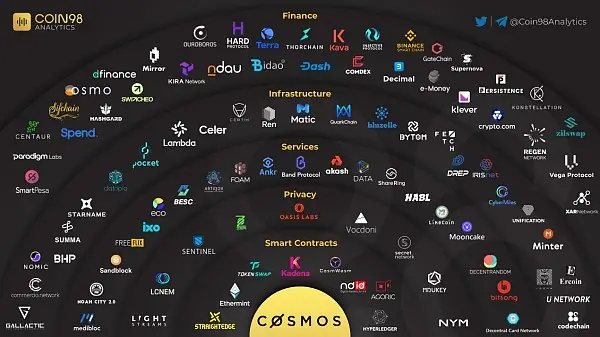
来源:Coin98Analytic

所以,如果Ronin当时不用重复造轮子,而是采用成熟的解决方案,或许安全性会更高的同时,成本更低。

04

侧面解释了为什么大多数

NFT都要以太坊链上

一直以来,有一些人很不解以太坊又慢、手续费又贵,为什么主流的NFT都要发布在以太坊上?现在答案来了,那就是以太坊更安全,并且的同时生态更庞大,开发者和用户数都最多。之前不少团队在高速链上发布了GameFi,又总是都要跨链到以太坊上来的原因就在这里,记得有一个项目方曾经这样说:“资金大的用户,很多都只在以太坊上,只购买以太坊上的NFT。”
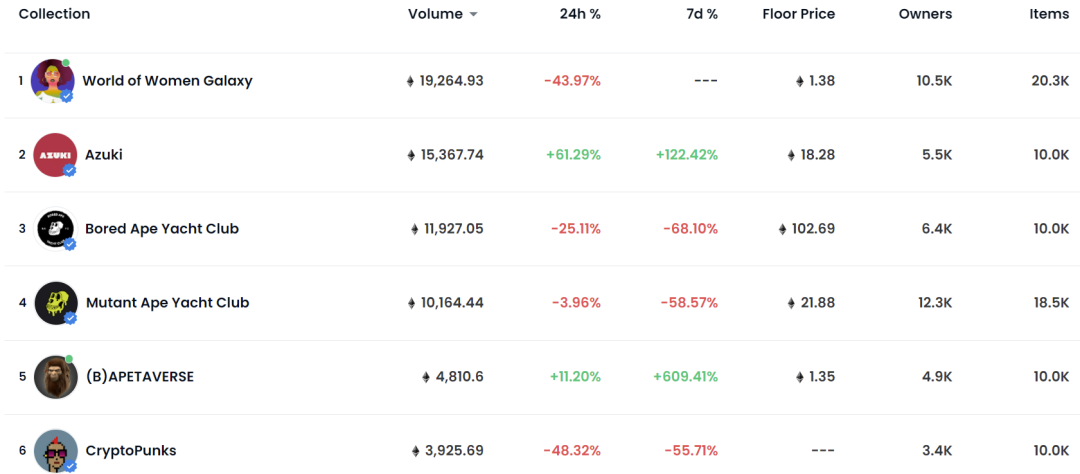
来源:Opensea

这里就要提到加密生态的“正统性”了,也就是V神早前发布文章《正统性是加密生态最稀缺的资源》中所提到的那样,加密资产之所以强大,是因为它使我们能够通过集体经济意愿召集大量资本,而这些资本在一开始就不受任何人的控制。相反,这些资本池是由正统性概念直接控制的。以太坊拥有非常丰富的应用层生态系统,我们在其中拥有更大的灵活性。部分原因是因为不仅有机会可以影响现有项目,还可以塑造将来将要出现的新项目。

05

小结

在过去的数年里,由于以太坊和比特币的性能欠缺,加密世界出现了很多扩容方案想要解决它们的问题,但最后我们得以验证,对于区块链和加密项目来说,安全始终应该是第一位的,要在保证了安全性的前提下再去提升性能。也只有这样才能成为加密世界的“常青树”。

别忘了,加密世界的初心是什么。

参考资料:

VitalkReddit:https://old.reddit.com/r/ethereum/comments/rwojtk/ama_we_are_the_efs_research_team_pt_7_07_january/hrngyk8/

VitalikButerin’swebsite《TheMostImportantScarceResourceisLegitimacy》https://vitalik.ca/general/2021/03/23/legitimacy.html


Letture associate

Has the Crypto Utopia Collapsed? The Industry Reaches an Inflection Point After the Frenzy Subsides

Has the crypto utopia collapsed? The industry is at an inflection point as the hype fades. The prevailing view is that crypto has become an outlet for excess liquidity, with many participants leaving as financial returns have fallen short of past-decade expectations. The 2021 boom has been revealed as an illusion, placing the industry in the "trough of disillusionment" on Gartner's Hype Cycle. This forces a return to first principles: re-evaluating token value, securing DeFi protocols, and finding real-world applications. The core failure is a repetitive cycle of reflexive speculation, driven by the premature liquidity of tokens. The industry's incentives prioritized short-term gains over genuine innovation. While curiosity drives invention, recent DeFi hacks signal a need for engineering and iteration, including token models. The culture is shifting; the industry is no longer in its early stages. Positioned at a turning point on the technology adoption curve, crypto faces the immense challenge of rebuilding finance from scratch, a process of inevitable iteration and failure. Regarding crypto VC, claims of its death are overstated. The exceptional returns of 2016-2021 were an anomaly. The initial crypto-anarchist ethos has largely been co-opted by Wall Street and regulators. The utopian vision is over; the industry is being assimilated into the existing system, becoming a business. Current viable project categories include stablecoins, prediction markets, tokenized assets/RWA, perpetual contracts, and AI/agent integration. Crypto is converging with fintech, far from the envisioned DeFi revolution, and must find killer apps within regulatory boundaries. A reconciliation is possible: cryptocurrency may change value storage and transfer in subtle, imperceptible ways that integrate into existing systems, rather than through revolutionary fanfare. True creativity often emerges from adversity. There remains much to build for those driven by genuine curiosity.

marsbit3 min fa

Has the Crypto Utopia Collapsed? The Industry Reaches an Inflection Point After the Frenzy Subsides

marsbit3 min fa

Lei Jun Earns 7 Billion in One Day from CXMT's IPO? Xiaomi Executive Responds

On July 28th, Changxin Technology's stock price on the Sci-Tech Innovation Board experienced minor fluctuations. The company had made a historic market debut the previous day, becoming the first A-share stock to record a single-day trading volume exceeding 1 trillion yuan. This led to significant paper gains for its strategic investors. Among them, Xiaomi's wholly-owned subsidiary was allocated 18.24 million shares with an initial investment of approximately 158 million yuan. Reports estimated a paper profit of 717 million yuan for Xiaomi founder Lei Jun based on his shareholding structure. However, a Xiaomi executive clarified that this was a corporate investment and should not be conflated with personal wealth. Other major beneficiaries included Alibaba and Nio. Alibaba, an early investor, held nearly a 5% stake through two entities, with an estimated paper gain exceeding 160 billion yuan. Nio, participating in the strategic placement, also saw substantial paper returns. Additionally, state-owned banks and insurance institutions that invested in Changxin recorded potential gains in the hundreds of billions. Conversely, companies like Country Garden reportedly missed out on nearly 50 billion yuan in potential gains after divesting their stakes before the IPO due to liquidity pressures. The article notes that these are paper profits based on the listing price, as the allocated shares are subject to lock-up periods, and final realized gains will depend on future stock performance. An employee from Changxin Technology commented that ordinary staff remain focused on their salaries and benefits rather than the market hype.

marsbit12 min fa

Lei Jun Earns 7 Billion in One Day from CXMT's IPO? Xiaomi Executive Responds

marsbit12 min fa

Selling Tokens or Selling Outcomes: Several Paradoxes of the AI Business Model

"The Token vs. Outcome Sale: Key Paradoxes in the AI Business Model By mid-2026, the AI industry shows rapid growth in revenue and token usage, yet the underlying business models differ significantly. This article analyzes four structural paradoxes defining the current landscape, all pointing to the commoditization of intelligence and the concentration of profits in few segments. **The Cost Paradox: Cheaper Tokens, Heavier Bills** Despite a >95% price drop for equivalent AI capability since 2023, total spending has skyrocketed due to the Jevons Paradox: lower prices expand usage into previously uneconomical tasks. Furthermore, the shift to autonomous agents operating 24/7 multiplies consumption. However, efficiency gains often remain unrealized due to unchanged organizational workflows (the Solow Paradox). The focus is shifting from optimizing token price to optimizing the task itself. **The Hierarchy Paradox: The App is King vs. The App is Dead** While conventional wisdom holds that value accrues at the application layer, the AI stack is inverted. Infrastructure (chips) captures ~70% of industry revenue and ~80% of gross profit, while application-layer margins are thin (0-30%). Fast-evolving base models threaten "thin" apps. Sustainable applications are those that embed intelligence into specific contexts, possessing private data, workflows, or delivery capabilities that become more valuable as the base model improves. **The Responsibility Paradox: Profit Follows Accountability** Growth rates alone don't guarantee profit. A key differentiator is a company's willingness and ability to take responsibility for specific outcomes. Selling by the token competes for IT budgets; selling by the outcome (e.g., a resolved support ticket) taps into larger human labor budgets. Low-responsibility, high-volume tasks (e.g., generic客服) face commoditization. High-stakes, regulated domains (e.g., law, healthcare) where vendors assume heavier liability for results command higher margins, as seen with companies like Harvey in legal tech. **The Open-Source Paradox: Open Wins Traffic, Closed Wins Revenue** Open-source models dominate in usage share and developer adoption, often being 5-20x cheaper. However, closed-source models still capture the majority of enterprise spending (~89%). Enterprises pay a premium for closed-source reliability, support, compliance, and accountability. The total cost of ownership (TCO) is converging as closed-source prices fall faster than open-source builds trust, leading to hybrid deployments. Profit is migrating from the model layer itself to upstream (compute) and downstream (orchestration, data, services)."

marsbit13 min fa

Selling Tokens or Selling Outcomes: Several Paradoxes of the AI Business Model

marsbit13 min fa

Trading

Spot
活动图片