# Monetary Policy Related Articles

HTX News Center provides the latest articles and in-depth analysis on "Monetary Policy", covering market trends, project updates, tech developments, and regulatory policies in the crypto industry.

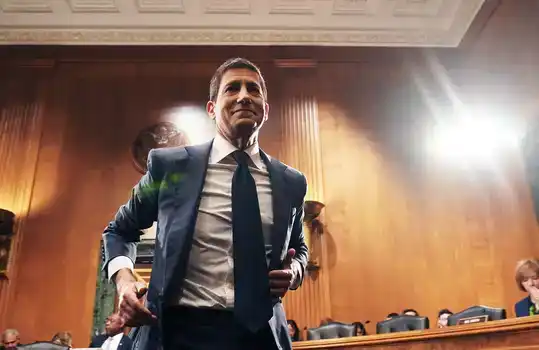
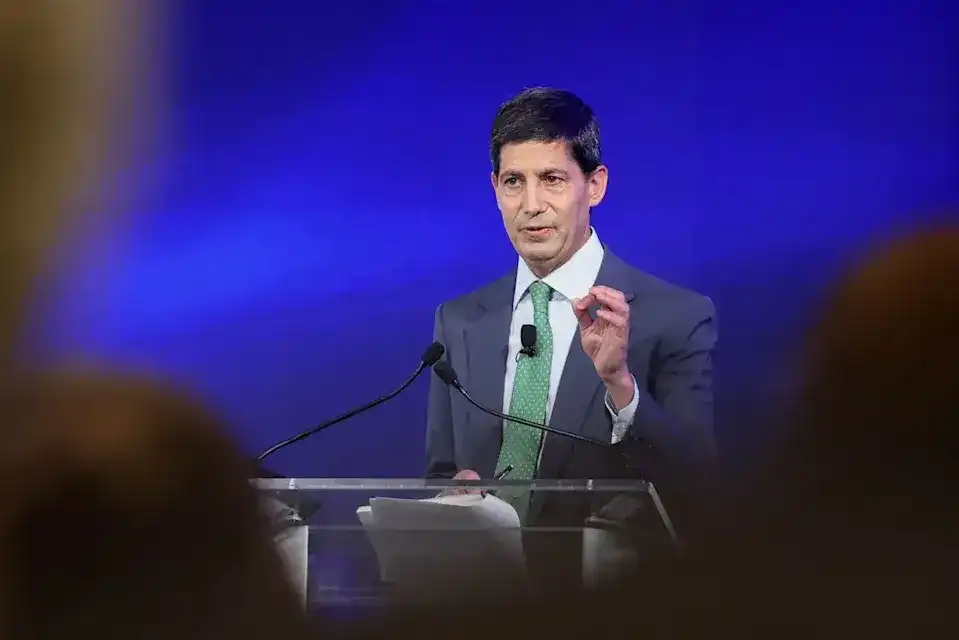
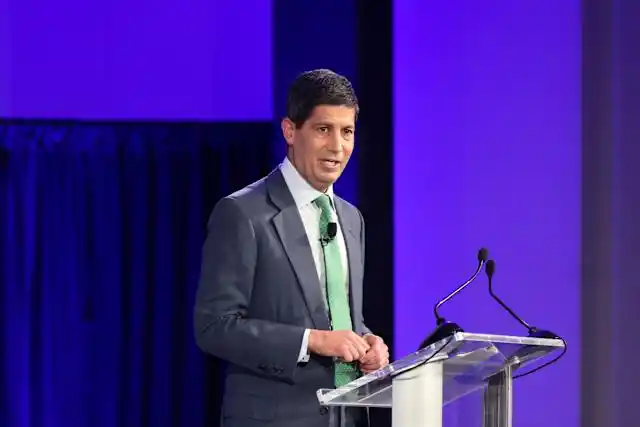
Warsh Takes the Helm at the Fed: A Capital Layout Clearing the Way for AI Productivity

Kevin Warsh's confirmation as the 17th Federal Reserve Chair signals a significant strategic pivot, not merely a political victory. The core narrative, as framed by the author's "Universal Code," is that capital flows towards maximizing intelligence output per unit of energy—currently represented by the AI-driven semiconductor and energy infrastructure boom. Warsh, uniquely among candidates, is a former tech investor who has personally invested in this AI "productivity miracle." His mandate is to enable this transformation by aligning monetary policy to support, not stifle, the capital-intensive AI buildout. His proposed policy framework blends elements of 1950s financial repression with Alan Greenspan's 1990s playbook: tolerating higher headline inflation driven by volatile components (e.g., energy) while relying on AI-driven productivity gains to suppress core inflation and unit labor costs. This allows for a more accommodative stance than conventional models suggest. The strategy's success hinges on a coordinated "Treasury-Fed Accord" with Treasury Secretary Bessant. Bessant's role is international: securing foreign demand for long-term U.S. debt through bilateral agreements (e.g., with China, Japan, Gulf states) that offer access to AI infrastructure in exchange for recycling trade surpluses into Treasuries. A weaker dollar and controlled real yields are essential to make this foreign duration buying viable. Warsh's Fed must avoid overly restrictive policy that would break this flow. The underlying coalition driving this agenda consists of crypto founders, AI infrastructure operators, and energy investors seeking policy stability. While Warsh's initial meetings may not deliver immediate rate cuts, they will signal a shift in focus toward core inflation and greater policy discretion. The critical variable is the bond market. If long-term yields, term premiums, or real yields rise beyond certain thresholds (e.g., 10-year yields above 5.5%), the entire architecture could fail regardless of Fed actions. The next six months will determine whether the bond market grants the new Fed Chair the space to implement this framework. If successful, the cycle extends, benefiting risk assets, cryptocurrencies, and AI capital expenditure stocks. The market's current pricing of a conventional inflation fight creates an asymmetry versus this productivity-led, financially repressive framework, which represents the potential for significant returns.

marsbit05/14 10:07
Warsh Takes the Helm at the Fed: A Capital Layout Clearing the Way for AI Productivity

marsbit05/14 10:07

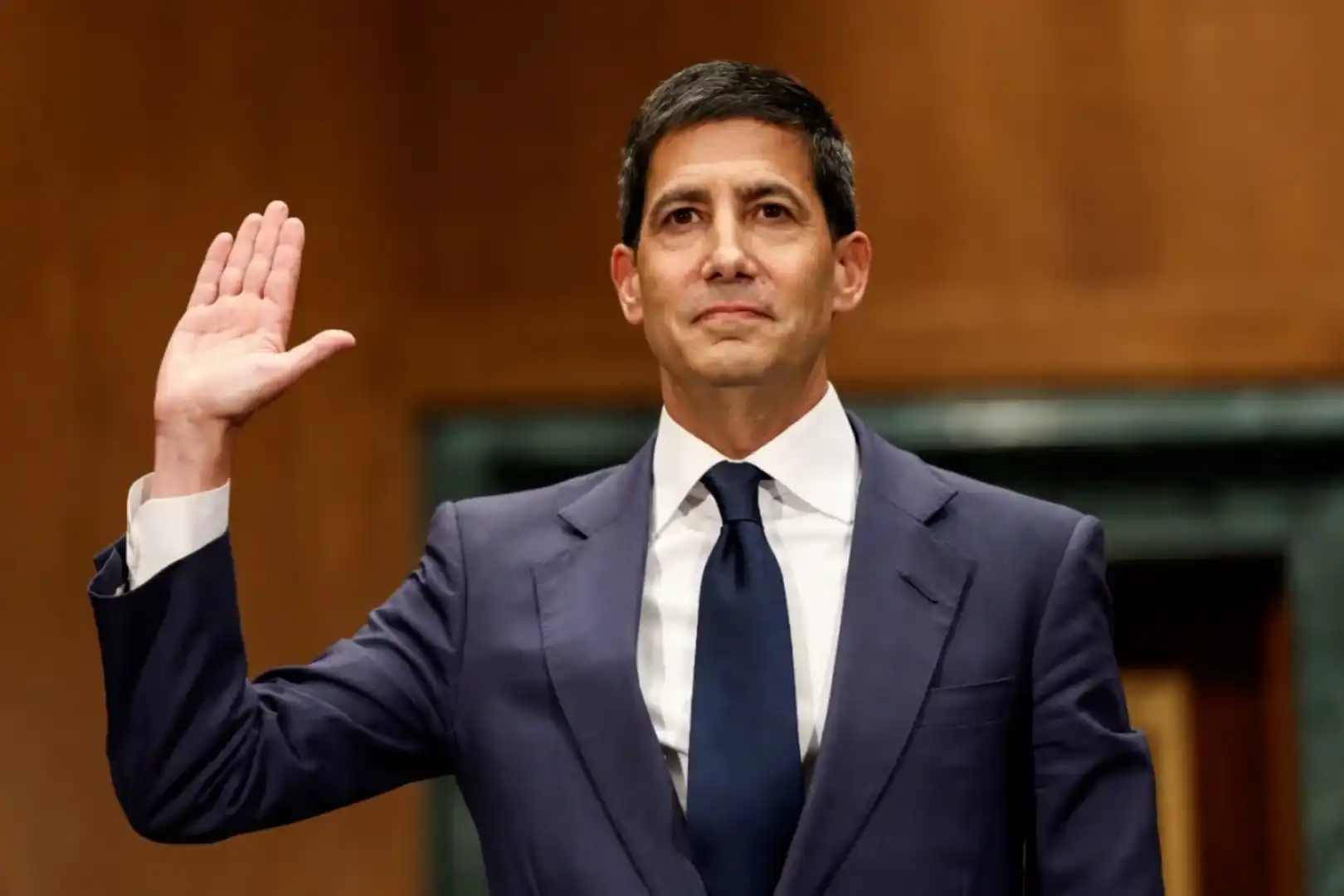
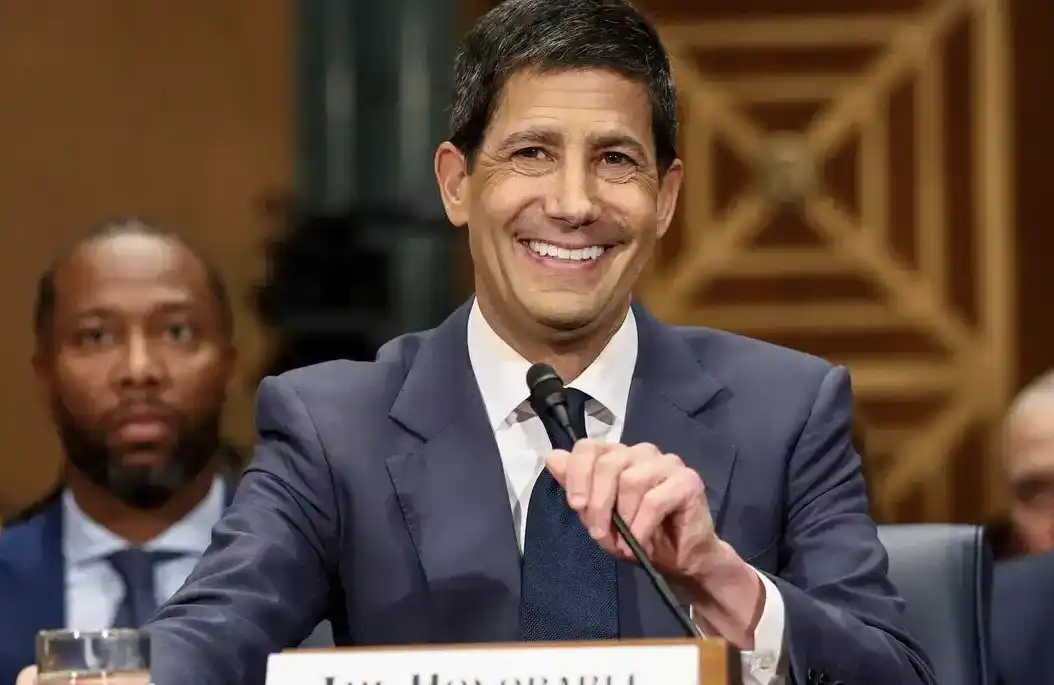
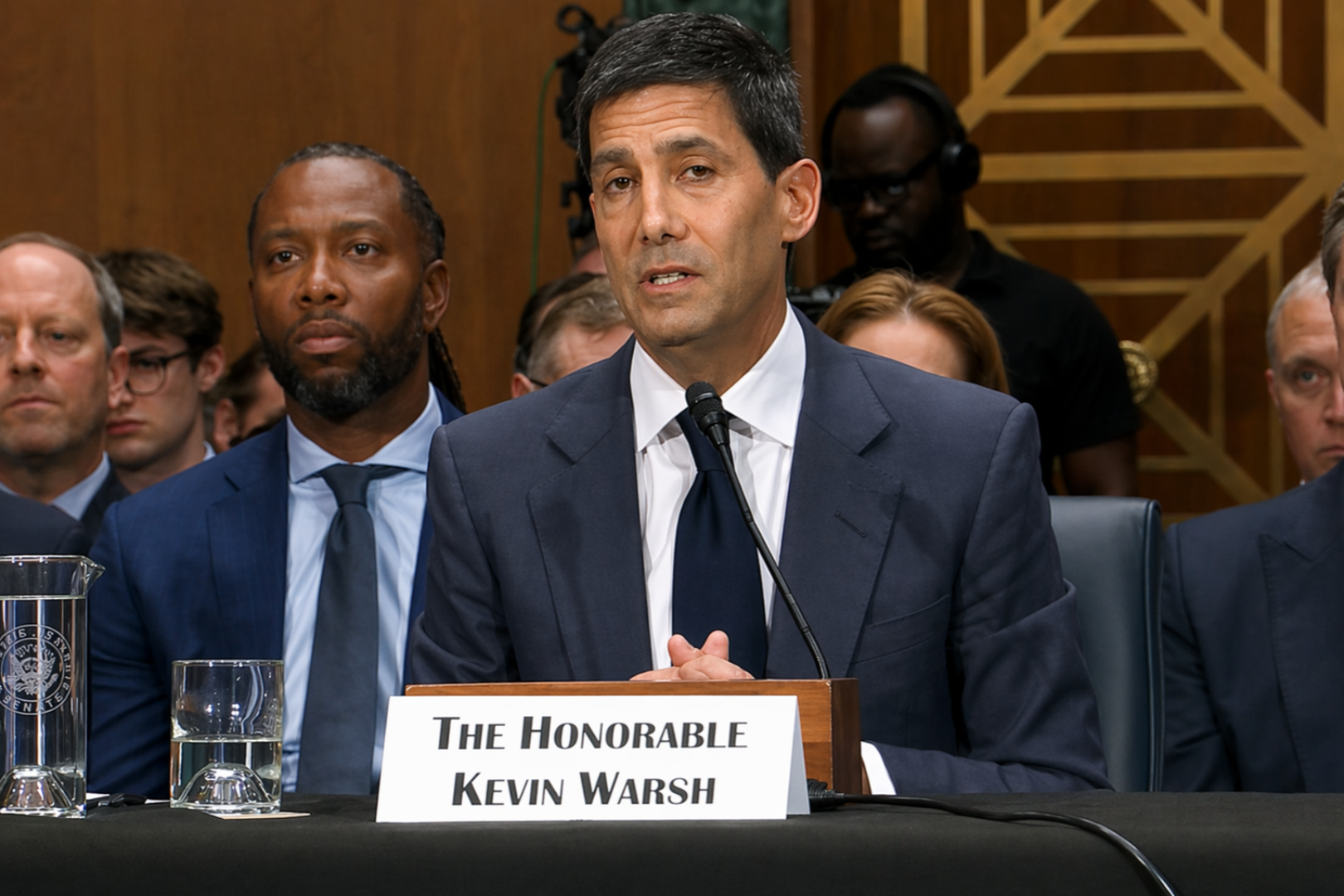
Warsh Hearing Concludes: What Are the Notable Signals for the Crypto Industry?

The Senate Banking Committee held a confirmation hearing for Judy Shelton, a Federal Reserve nominee, who faced intense questioning regarding her ability to maintain the central bank's independence amid pressure from President Trump to lower interest rates. Shelton denied any pre-arranged commitments on rate cuts and emphasized her independence, though Democrats remained skeptical, citing contradictions with Trump's public statements. Shelton characterized post-pandemic inflation as a major policy failure and called for a "regime change" in the Fed’s approach, including reforms to inflation measurement and communication strategies. She criticized the current practice of Fed officials frequently signaling future rate moves and did not commit to maintaining post-meeting press conferences, suggesting potential reductions in transparency. Regarding crypto markets, Shelton’s extensive investments in digital asset companies—including Solana, DeFi, and blockchain infrastructure—were noted, though she has pledged to divest these holdings due to ethics rules. Her familiarity with the crypto industry and deregulatory leanings may signal a more open, though cautious, stance toward digital assets. However, concerns were raised about potential conflicts of interest, especially given Trump family involvement in crypto-financial ventures. The timing of her confirmation remains uncertain, pending a Justice Department investigation into current Chair Powell. Shelton’s potential leadership could lead to a more hawkish, productivity-focused Fed with tighter policy communication—factors that may significantly influence liquidity conditions and macro narratives for crypto markets.

marsbit04/22 13:34

Warsh Hearing Concludes: What Are the Notable Signals for the Crypto Industry?

marsbit04/22 13:34

Arthur Hayes' New Article: It's 'No-Trade Zone' Time

Arthur Hayes argues that the current market is in a "no-trade zone," a period of high uncertainty created by two converging forces: the deflationary shock from AI and the inflationary shock from geopolitics. AI agents are rapidly displacing knowledge workers, eroding their incomes and creditworthiness, which will eventually trigger a deflationary financial crisis in consumer credit-dependent Western economies. Simultaneously, the war in the Middle East, particularly the potential disruption to shipping through the Strait of Hormuz, threatens global energy supplies and could force nations to abandon the dollar system. Hayes outlines three main scenarios: 1) A return to normalcy, where the deflationary AI shock remains the primary concern; 2) The "Tehran Toll Booth," where Iran controls the Strait and demands payment in gold or yuan, accelerating the end of dollar hegemony; and 3) "Empire Strikes Back," where the US destroys Iran's capabilities but risks a catastrophic regional war that sends commodity prices soaring. In all but the most extreme scenarios, Hayes posits that the key driver for Bitcoin's price will be the *quantity* of money, not its price (interest rates). He expects that governments, forced to fund wars and stockpile resources, will have to print money, expanding the money supply. This would be bullish for fixed-supply assets like Bitcoin, even if it occurs alongside rising rates. However, he cautions that until this liquidity is explicitly unleashed (e.g., when bond market volatility spikes), the risk/reward for new long positions is poor. His current strategy is to wait for a clear signal of monetary expansion before deploying capital, preferring to hold gold and select crypto assets in the meantime.

marsbit04/20 00:13

Arthur Hayes' New Article: It's 'No-Trade Zone' Time

marsbit04/20 00:13

活动图片