XRP volume surges to $3.6B as Ripple expands Asia strategy

ambcryptoPubblicato 2026-03-26Pubblicato ultima volta 2026-03-26

Introduzione

Ripple's expansion in Singapore, including broader regulatory approval from the Monetary Authority of Singapore (MAS) and participation in the BLOOM initiative, has brought XRP back into focus. The company is piloting programmable trade settlement using the XRP Ledger and RLUSD to improve cross-border trade efficiency. Market reaction was swift, with XRP's trading volume surging to $3.6 billion and its price rising to $1.42. While this signals strong bullish interest, the long-term impact depends on whether these regulated initiatives translate into sustained real-world utility and transaction demand.

Ripple [XRP] is back in the spotlight, and this time the narrative centers on utility. Ripple’s Singapore expansion, its MAS-linked pilot, and the market’s fast reaction pushed XRP into the market’s discourse. Therefore, the question is simple: is this just another headline pop or the start of something more enduring?

Ripple expands its regulated footprint in Singapore

Ripple had already secured broader approval from the Monetary Authority of Singapore to expand payment activities under its Major Payment Institution license. That gave the firm more room to offer token-based settlement services and related payment rails in a market that had become central to its Asia-Pacific strategy.

This mattered because Singapore was not handing out credibility for free. Ripple’s local entity gained wider permissions to serve banks, fintechs, and crypto firms using XRP, RLUSD, and similar rails. However, that was more than a licensing update. It pushed Ripple further into a market that still took rules seriously.

Ripple has been in Singapore since 2017, and no other region has grown as quickly for the firm. Singapore wasn’t just a backdrop; it became one of Ripple’s most important proving grounds, a place where the company could advance real utility.

XRP Ledger and RLUSD in cross-border trade flows

The bigger shift came through MAS’s BLOOM initiative. Ripple joined the program with Unloq to pilot programmable trade settlement using Unloq’s SC+ infrastructure, Ripple’s technology, the XRP Ledger, and RLUSD.

The pilot targeted one of finance’s toughest challenges: cross‐border trade settlement, which for years has remained slow, fragmented, and painfully inefficient. Under this model, payments were released only after pre-agreed commercial conditions were met, such as shipment verification.

Therefore, this was not another vague blockchain promise. It tested whether digital settlement assets could actually reduce friction and improve trade finance access, especially for SMEs. In particular, that gave XRP’s utility case something it often lacked: a real-world framework with rules attached.

Could Singapore become a real utility catalyst?

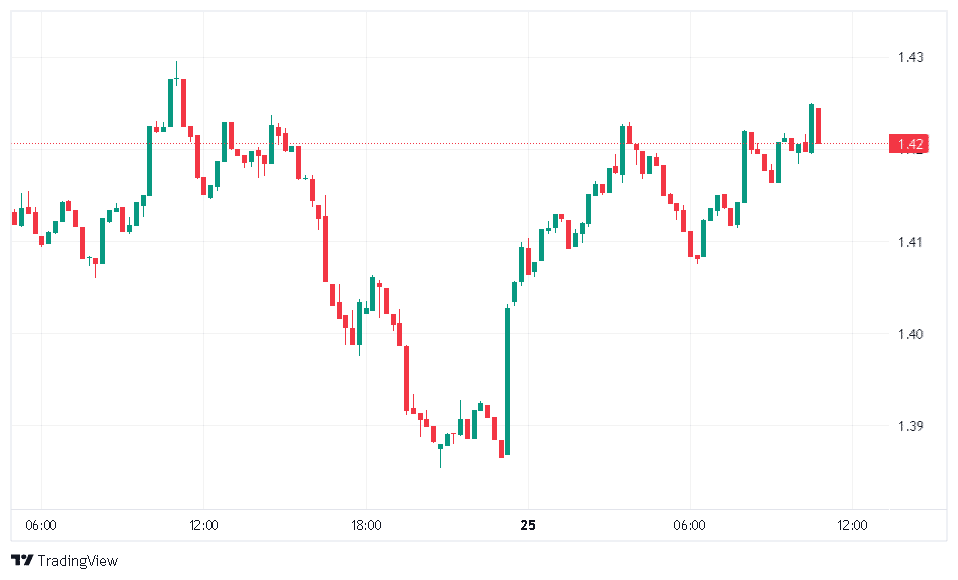
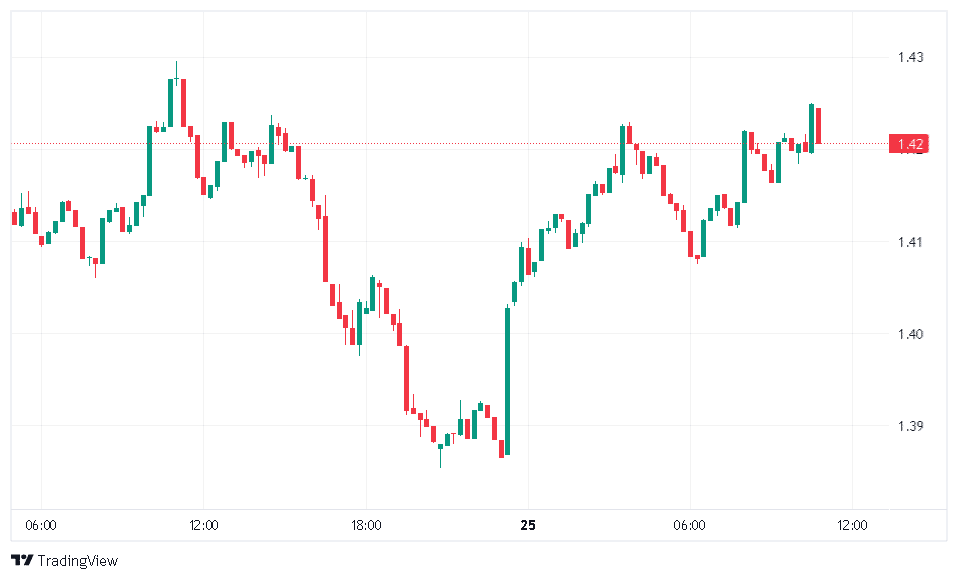
The market reacted quickly, and it did not do so quietly. XRP’s volume surged from $2.1 billion to $3.6 billion, at press time, while the price recovered from $1.38 to $1.42 as traders responded to the developments.
Source: CoinMarketCap

Rising volume alongside climbing prices signaled strong bullish participation Still, attention alone meant nothing.

XRP had seen excitement before, and much of it died fast. Looking ahead, Singapore could become a real utility catalyst, but failure to do so would mean this move would end up as just another temporary spike.


Final Summary

  • Ripple’s Singapore push gave XRP a harder, more credible utility narrative than the market usually gets.
  • The real test now lies in whether regulated pilots turn into sustained transaction demand.

Domande pertinenti

QWhat was the main reason for XRP's trading volume surge to $3.6 billion?

AXRP's trading volume surged due to Ripple's expansion in Singapore, including its broader approval from the Monetary Authority of Singapore and participation in the MAS's BLOOM initiative for programmable trade settlement.

QHow did Ripple's Major Payment Institution license in Singapore benefit the company?

AThe license gave Ripple broader permissions to offer token-based settlement services and payment rails, allowing it to serve banks, fintechs, and crypto firms using XRP and RLUSD in the Singapore market.

QWhat specific problem does the MAS BLOOM initiative pilot program aim to solve?

AThe pilot program aims to address the challenges of cross-border trade settlement, which has been slow, fragmented, and inefficient, by using programmable payments that are triggered only after pre-agreed commercial conditions are met.

QWhat was the price movement of XRP following the news about Ripple's Singapore expansion?

AThe price of XRP recovered from $1.38 to $1.42 as traders responded to the developments in Ripple's Singapore strategy.

QWhy is Singapore considered a critical market for Ripple's Asia-Pacific strategy?

ASingapore is Ripple's fastest-growing region since 2017 and serves as a key proving ground for advancing real utility, thanks to its regulatory clarity and strategic importance in the Asia-Pacific region.

Letture associate

Cryptocurrency & Stock Market Indicator丨SpaceX Discloses Holding 18,712 Bitcoins Worth $1.18 Billion; Strategy Spends $100 Million Two Weeks in a Row to Scoop Up BTC at Low Levels (June 16)

"Coin-Stock Barometer: SpaceX discloses holding 18,712 Bitcoin worth $1.18B; Strategy spends another $100M accumulating BTC (June 16) SpaceX has officially disclosed holding 18,712 Bitcoin in its S-1 filing, valued at ~$1.18B, becoming the 8th largest public company Bitcoin holder. Its average cost is ~$35,000 per BTC. In weekly BTC treasury news, Strategy (formerly MicroStrategy) purchased another 1,587 BTC (~$100M) last week, increasing its total to 846,842 BTC. Mara Holdings added 1,000 BTC. However, Metaplanet and others made no purchases. Nakamoto sold ~600 BTC to repay ~$45M in debt. Global public companies (excluding miners) now hold 1,121,341 BTC. In other crypto treasury developments: - Metaplanet acquired Siiibo Securities to build a Bitcoin-focused financial ecosystem in Japan. - Bitmine increased its ETH holdings by 76,881 last week. - SharpLink's cumulative ETH staking rewards surpassed 21,119 ETH. - Forward Industries' acquisition offers for two SOL treasury companies, including Brera Holdings (holding 2.1M SOL), were rejected. - Tron Inc.'s TRX holdings surpassed 700 million. - Avalanche Treasury Co. (AVAT) begins trading on Nasdaq. - AIFC detailed plans to use WLFI tokens for collateral/loans. Market perspectives on U.S. stocks vary. 'White-Haired Stock God' Serenity sees the current cycle as retail-to-institution transfers, where negative reports may signal institutional accumulation. Morgan Stanley suggests a rotation from tech to cyclical stocks could occur. Citrini believes the U.S. stock market hasn't peaked but expects frequent 10-15% pullbacks in the coming months."

marsbit5 min fa

Cryptocurrency & Stock Market Indicator丨SpaceX Discloses Holding 18,712 Bitcoins Worth $1.18 Billion; Strategy Spends $100 Million Two Weeks in a Row to Scoop Up BTC at Low Levels (June 16)

marsbit5 min fa

Do Robots Also Need Encrypted Wallets? Stablecoin Giant Tether Bets on German Company NEURA Robotics

Do Robots Need Crypto Wallets? Stablecoin Giant Tether Bets on German Firm NEURA Robotics German robotics company NEURA Robotics has secured up to $1.4 billion in what is claimed to be the largest-ever funding round in the full-stack robotics industry, valuing the company at $7 billion. The Series C round attracted major investors like Tether, Qualcomm, Amazon, NVIDIA, Bosch, and the European Investment Bank. NEURA, founded in 2019, initially focused on AI-powered collaborative robots (cobots) for industrial automation, later expanding to autonomous mobile robots, service robots, and humanoid robots. Its core strategy is evolving from a hardware manufacturer to the operator of "Neuraverse," a platform designed to enable different robots to share learned experiences and data, creating network effects. A key, crypto-focused aspect of this investment is Tether's involvement. Tether plans to integrate its open-source Wallet Development Kit (WDK) into NEURA's robot platforms. This would embed self-custody wallet functionality, allowing robots to autonomously handle payments and settlements for tasks under pre-set rules—envisioning use cases in logistics or Robotics-as-a-Service (RaaS) models. This move could position stablecoins and crypto wallets as potential "machine payment infrastructure." Additionally, the partnership will see Tether's QVAC (QuantumVerse Automatic Computer) edge-AI framework tested and deployed within Neuraverse. This aims to enable low-latency, offline-capable AI decision-making directly on robots, reducing reliance on cloud computing for critical, time-sensitive operations. The investment underscores Tether's broader ambition to expand beyond being just a stablecoin issuer into AI, energy, and digital infrastructure, with NEURA's robotics network serving as a testbed for merging crypto-based financial layers with edge-based intelligence for the future of automation.

marsbit23 min fa

Do Robots Also Need Encrypted Wallets? Stablecoin Giant Tether Bets on German Company NEURA Robotics

marsbit23 min fa

AMD Launches Compact AI Host, Directly Challenging NVIDIA DGX Spark

In June 2026, AMD announced the Ryzen AI Halo, a compact AI developer desktop to rival NVIDIA's DGX Spark. Both feature 128GB unified memory for running 200B+ parameter models locally. Priced from $2,949 to $3,999, AMD undercuts NVIDIA's $3,999+ DGX Spark. The core divergence lies in architecture and philosophy. Ryzen AI Halo uses an x86-based Ryzen AI Max+ 395 APU (CPU+GPU+NPU), runs standard Windows/Linux, and emphasizes general-purpose PC flexibility. DGX Spark uses an ARM-based Grace Blackwell Superchip, runs a custom DGX OS, and includes a high-speed ConnectX-7 NIC for cluster prototyping, anchoring it to NVIDIA's full-stack CUDA ecosystem. AMD's ROCm software has improved, with simpler installation and support for major frameworks, but still lags behind CUDA's 17-year maturity in community support and cutting-edge library availability. AMD's broader strategy focuses on becoming a viable second-source supplier. Key moves include acquiring design capabilities via ZT Systems (while outsourcing manufacturing) and securing two major 6GW GPU supply deals with OpenAI and Meta in late 2025/early 2026. These contracts validate AMD's role in diversifying the AI supply chain, rather than outright beating NVIDIA. NVIDIA counters with a tightly integrated stack from desktop (DGX Spark) to data center, emphasizing seamless scalability and enterprise software subscriptions (AI Enterprise). In summary, Ryzen AI Halo represents AMD's pragmatic path: offering a cost-effective, open-ecosystem alternative for developers wary of vendor lock-in, while its large data center contracts aim to capture share from customers seeking a second GPU supplier. The choice boils down to a familiar, flexible PC environment with potential software gaps (AMD) versus a premium, optimized, but locked-in ecosystem (NVIDIA).

marsbit23 min fa

AMD Launches Compact AI Host, Directly Challenging NVIDIA DGX Spark

marsbit23 min fa

Sharplink CEO: One Million Ethereum Developers, Who Can Compete?

Etherean Ecosystem: One Million Developers and a Formidable Moat The Ethereum network has surpassed a significant milestone: over one million unique lifetime developers, with approximately 232,000 active in the past year. This vast and growing talent pool is Ethereum's core advantage, far more critical than transient metrics like speed or transaction fees. The central question is not which blockchain is fastest, but where the best builders choose to build long-term. Ethereum's answer lies in a decade-long accumulation of infrastructure, standards, tools, liquidity, and collaborative culture that is exceptionally difficult to replicate. It has become the default operating system for programmable finance. This massive developer base is actively working on complex, high-risk challenges that deepen Ethereum's strategic moat: * **Glamsterdam Upgrade (2026):** Focused on core protocol scalability (ePBS, parallel execution) while preserving core values like credible neutrality. * **Synchronous Composability:** Aims to make numerous Rollups interoperate like a single chain, directly addressing fragmentation concerns. * **Quantum Resistance:** Ethereum leads mainstream ecosystems in coordinated preparation for post-quantum cryptography, with a targeted migration plan around 2029. This developer advantage is self-reinforcing, fueled by: * **Deep Composability:** Applications interact like interoperable financial Lego bricks via shared standards (e.g., EVM, Solidity). * **Credible Neutrality:** Secured by over 900,000 validators, making it trusted by major institutions. * **Modularity:** Rollups (Base, Arbitrium, etc.) expand, rather than fracture, the ecosystem into a tightly connected modular internet economy. * **Culture:** Attracts top-tier researchers and standard-setters who guide the entire industry. In essence, while other chains generate activity, Ethereum is consolidating as the trusted, long-term coordination layer for internet-native finance. Its future is being built now by the architects of the next-generation financial infrastructure.

Odaily星球日报1 h fa

Sharplink CEO: One Million Ethereum Developers, Who Can Compete?

Odaily星球日报1 h fa

Trading

Spot
Futures

Articoli Popolari

Cosa è XRP 2.0

XRP 2.0: Una Nuova Frontiera nel Paesaggio delle Criptovalute Introduzione a XRP 2.0 Nel mondo in continua evoluzione delle criptovalute, nuovi progetti emergono continuamente, cercando attenzione e adozione. Una tale iniziativa promettente è XRP 2.0, un nuovo progetto di criptovaluta progettato per sfruttare avanzate tecnologie blockchain e metodologie di crittografia robuste. Anche se il nome richiama alla mente l'XRP di Ripple, è fondamentale notare che XRP 2.0 opera in modo indipendente, concentrandosi sul miglioramento della sicurezza delle transazioni, della privacy e della scalabilità. Mentre il panorama finanziario digitale abbraccia sempre di più soluzioni decentralizzate, XRP 2.0 mira a contribuire in modo significativo al web3 e all'espansione generale dei progetti crypto. Cos'è XRP 2.0? Alla sua base, XRP 2.0 è un progetto di criptovaluta che mira a creare un ecosistema di valuta digitale sicuro e decentralizzato. La sua tecnologia fondamentale integra principi di blockchain sofisticati con tecniche di crittografia all'avanguardia. L'obiettivo principale di XRP 2.0 è quello di affermarsi come una piattaforma affidabile ed efficiente in grado di consentire un'esecuzione rapida delle transazioni, dando priorità a migliori protezioni della privacy per i suoi utenti. Il progetto è promosso come una soluzione a molte limitazioni affrontate dalle criptovalute esistenti, proponendo un sistema in grado di gestire un volume maggiore di transazioni con migliorata velocità e privacy. Questa versatilità pone XRP 2.0 come un significativo competitor in un mercato affollato di varie valute digitali. Chi è il Creatore di XRP 2.0? L'identità del creatore dietro XRP 2.0 è stata segnalata come 'Wilbur'. Tuttavia, i dettagli completi riguardanti Wilbur o l'entità associata rimangono sfuggenti. L'anonimato di molti creatori di criptovalute non è un fenomeno raro nel settore, spesso progettato per mantenere un certo grado di privacy e sicurezza. Chi sono gli Investitori di XRP 2.0? Al momento, informazioni specifiche relative alle fondazioni o organizzazioni di investimento a supporto di XRP 2.0 non sono disponibili pubblicamente. Nel settore delle criptovalute, il supporto di investitori rinomati può influenzare significativamente la credibilità e il successo di un progetto, tuttavia la trasparenza riguardo ai sostenitori finanziari di XRP 2.0 non è stata stabilita. Come Funziona XRP 2.0? XRP 2.0 si distingue per l'impiego di una combinazione di tecnologia blockchain e algoritmi di crittografia avanzati che garantiscono transazioni sicure e decentralizzate. La sua struttura innovativa include caratteristiche uniche progettate per promuovere il coinvolgimento degli utenti e ampliare le funzionalità oltre le transazioni convenzionali delle criptovalute. Tra queste caratteristiche, XRP 2.0 incorpora capacità alimentate da intelligenza artificiale, come funzionalità di testo in immagini e testo in voce. Queste aggiunte sono progettate per migliorare l'esperienza interattiva per gli utenti, promuovendo una maggiore applicabilità in vari settori. Unendo progressi tecnologici con design incentrati sugli utenti, XRP 2.0 mira a catturare l'attenzione di una vasta gamma di individui e aziende che cercano di integrare soluzioni di criptovaluta nei loro framework operativi. Cronologia di XRP 2.0 Comprendere XRP 2.0 richiede di esaminare i traguardi che hanno definito il suo percorso fino ad ora: 23 luglio 2023: XRP 2.0 viene introdotto come un nuovo progetto di criptovaluta, mirante a rivoluzionare le capacità di transazione sicura e decentralizzata nel dominio blockchain. 8 settembre 2023: Si verifica il lancio di un altro progetto, XRP20, marcando l'emergere di un token ERC-20 sulla blockchain di Ethereum che resta non correlato a XRP 2.0. 13 novembre 2023: Il ledger XRP subisce un significativo aggiornamento con il rilascio della versione 2.0.0 del software server rippled. È essenziale notare che questo sviluppo è scollegato dal progetto di criptovaluta XRP 2.0. Punti Chiave su XRP 2.0 Per distillare l'essenza di XRP 2.0, emergono diversi fattori critici: Caratteristiche Uniche: L'inclusione di funzionalità come il testo in immagini e testo in voce alimentato da intelligenza artificiale diversifica ulteriormente le potenziali applicazioni di XRP 2.0. Tecnologia Blockchain: Il framework utilizza meccanismi blockchain avanzati e protocolli di crittografia, garantendo un ambiente sicuro e decentralizzato per le transazioni. Scalabilità e Privacy: XRP 2.0 dà priorità a migliori protezioni della privacy nei processi di transazione e alla scalabilità necessaria per accogliere una base di utenti in crescita. Nessuna Affiliazione con Ripple: È importante notare che, nonostante il suo nome, XRP 2.0 non ha alcuna fedeltà o collaborazione con l'XRP di Ripple, distinguendo il proprio framework operativo e obiettivi all'interno dell'ecosistema delle criptovalute. Conclusione XRP 2.0 rappresenta un'ambiziosa venture nell'ambito delle criptovalute, mirante a offrire una combinazione di sicurezza, privacy ed efficienza nelle transazioni digitali. Integrando tecnologie sofisticate e caratteristiche user-friendly, il progetto si propone di ampliare gli orizzonti di ciò che le criptovalute possono realizzare nell'economia digitale odierna. Sebbene l'anonimato del suo creatore e la mancanza di investitori dichiarati possano sollevare domande per alcuni, il focus di XRP 2.0 su funzionalità avanzate e decentralizzazione ne amplifica l'appeal in un mercato crypto sempre più affollato. Man mano che il panorama delle criptovalute continua a evolversi, XRP 2.0 potrebbe emergere come un attore decisivo nell'espansione di soluzioni blockchain sicure e scalabili.

166 Totale visualizzazioniPubblicato il 2024.04.05Aggiornato il 2024.12.03

Cosa è XRP 2.0

Come comprare XRP

Benvenuto in HTX.com! Abbiamo reso l'acquisto di XRP (XRP) semplice e conveniente. Segui la nostra guida passo passo per intraprendere il tuo viaggio nel mondo delle criptovalute.Step 1: Crea il tuo Account HTXUsa la tua email o numero di telefono per registrarti il tuo account gratuito su HTX. Vivi un'esperienza facile e sblocca tutte le funzionalità,Crea il mio accountStep 2: Vai in Acquista crypto e seleziona il tuo metodo di pagamentoCarta di credito/debito: utilizza la tua Visa o Mastercard per acquistare immediatamente XRPXRP.Bilancio: Usa i fondi dal bilancio del tuo account HTX per fare trading senza problemi.Terze parti: abbiamo aggiunto metodi di pagamento molto utilizzati come Google Pay e Apple Pay per maggiore comodità.P2P: Fai trading direttamente con altri utenti HTX.Over-the-Counter (OTC): Offriamo servizi su misura e tassi di cambio competitivi per i trader.Step 3: Conserva XRP (XRP)Dopo aver acquistato XRP (XRP), conserva nel tuo account HTX. In alternativa, puoi inviare tramite trasferimento blockchain o scambiare per altre criptovalute.Step 4: Scambia XRP (XRP)Scambia facilmente XRP (XRP) nel mercato spot di HTX. Accedi al tuo account, seleziona la tua coppia di trading, esegui le tue operazioni e monitora in tempo reale. Offriamo un'esperienza user-friendly sia per chi ha appena iniziato che per i trader più esperti.

1.5k Totale visualizzazioniPubblicato il 2024.12.10Aggiornato il 2026.06.02

Come comprare XRP

Discussioni

Benvenuto nella Community HTX. Qui puoi rimanere informato sugli ultimi sviluppi della piattaforma e accedere ad approfondimenti esperti sul mercato. Le opinioni degli utenti sul prezzo di XRP XRP sono presentate come di seguito.

活动图片














