Why Doesn't Stripe, Valued at $160 Billion, Go Public?

marsbitPubblicato 2026-03-11Pubblicato ultima volta 2026-03-11

Introduzione

Stripe, valued at $159 billion, and Plaid, valued at $8 billion, recently conducted tender offers, reflecting a structural shift in how companies access capital and provide liquidity. Instead of pursuing traditional IPOs, many high-value private companies are opting for secondary transactions. This trend is fueled by a booming private market, where assets have more than doubled to $22 trillion over 12 years, and companies now wait an average of 16 years to go public. New infrastructure layers like Forge and EquityZen facilitate these trades, while platforms like Robinhood’s Ventures Fund I are opening private market access to retail investors. However, risks include structural complexity, valuation opacity, and regulatory challenges. Despite a 2025 rebound in IPOs, many companies may continue favoring private liquidity due to abundant capital and fewer constraints.

In the past two weeks, payments giant Stripe announced a tender offer valuing the company at a staggering $159 billion.

At the same time, fintech infrastructure provider Plaid completed a tender offer with an $8 billion valuation.

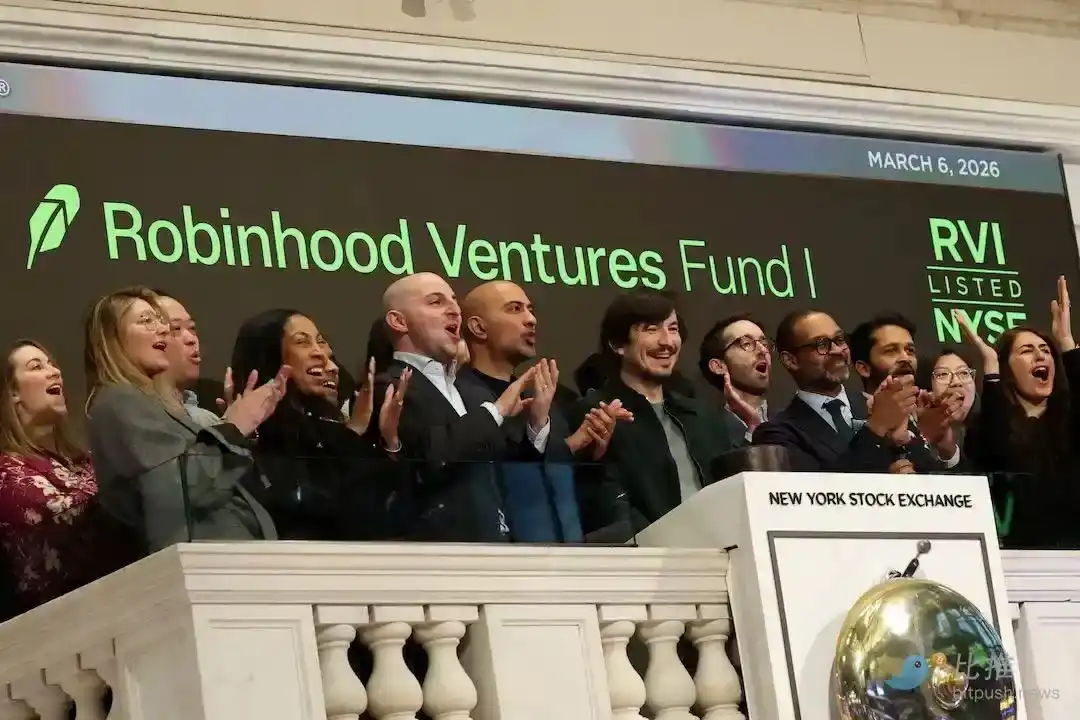
A few days later, Robinhood's Ventures Fund I listed on the New York Stock Exchange (NYSE), allowing retail investors direct access to a basket of private company equities.

These events are interconnected; they reflect a structural shift in how companies access capital, provide liquidity, and ultimately consider going public.

Why is that?

Let's start with Plaid.

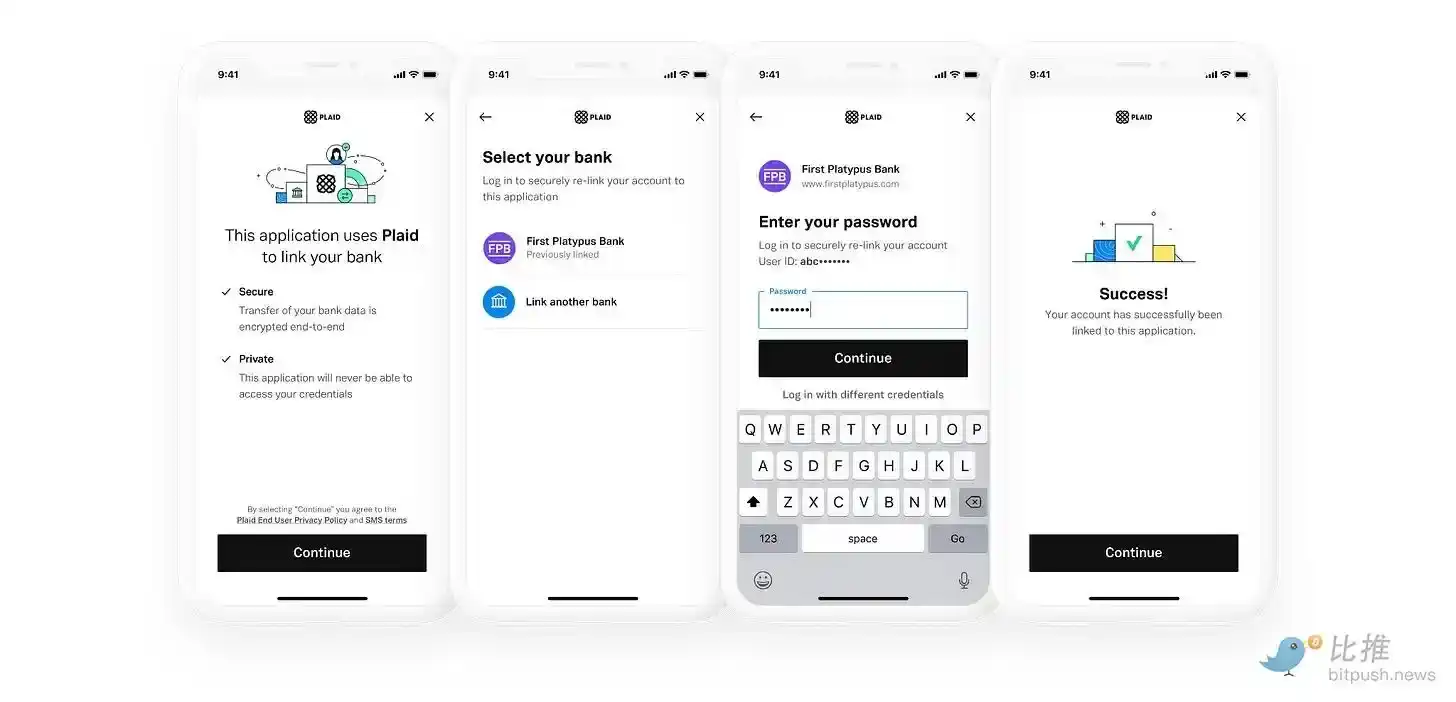
Founded in 2013, the company acts as an infrastructure layer connecting consumers' bank accounts to financial apps like Venmo, Robinhood, and Chime. Apps pay Plaid to let users seamlessly connect banks, verify credentials, and share account information. This is particularly valuable in the U.S., where regulations do not mandate banks to share information with third parties (unlike the UK's Open Banking and the EU's PSD2).

In fact, it's reported that half of all Americans have indirectly used Plaid's services through various financial apps. The company's valuation peaked at $13.4 billion in 2021, and it was once planned to be acquired by Visa for $5.3 billion, but regulators ultimately blocked the deal. After being repriced at $6.1 billion in April 2025, its latest $8 billion tender offer reflects a resurgence in momentum. Its revenue is projected to reach $430 million in 2025, with 20% of its new customers now being AI companies.
Meanwhile, Stripe is a payments behemoth founded in 2010 by brothers John and Patrick Collison.

Leveraging a decade of exponential e-commerce growth, the company recently reported stellar 2025 results. Total payment volume reached $1.9 trillion, a 34% year-over-year increase, equivalent to roughly 1.6% of global GDP. While revenue is undisclosed, sources estimate 2024 revenue to be at least $5 billion. Today, Stripe's revenue suite alone (including Stripe Billing, Invoicing, Tax, etc.) is on track to achieve $1 billion in annual recurring revenue (ARR).

Beyond payments, Stripe is actively positioning itself around cryptocurrency and agentic commerce, seeing them as catalysts for online consumption. It acquired stablecoin platform Bridge for $1.1 billion, bought wallet infrastructure provider Privy, and is building Tempo—an L1 blockchain focused on payments, currently being tested by Visa, Nubank, and Klarna. Its latest $159 billion tender offer price represents a 74% increase from last year.

A tender offer is a secondary transaction that allows new or existing investors to buy shares directly from employees and early shareholders. It provides liquidity without diluting the company's equity or incurring the regulatory and structural burdens of an IPO.

Stripe and Plaid are part of a larger trend: companies successfully bypassing public markets in favor of private transactions.

Anthropic is reportedly exploring a tender offer valuing it over $350 billion, while Revolut recently completed an employee share sale at a $75 billion valuation.

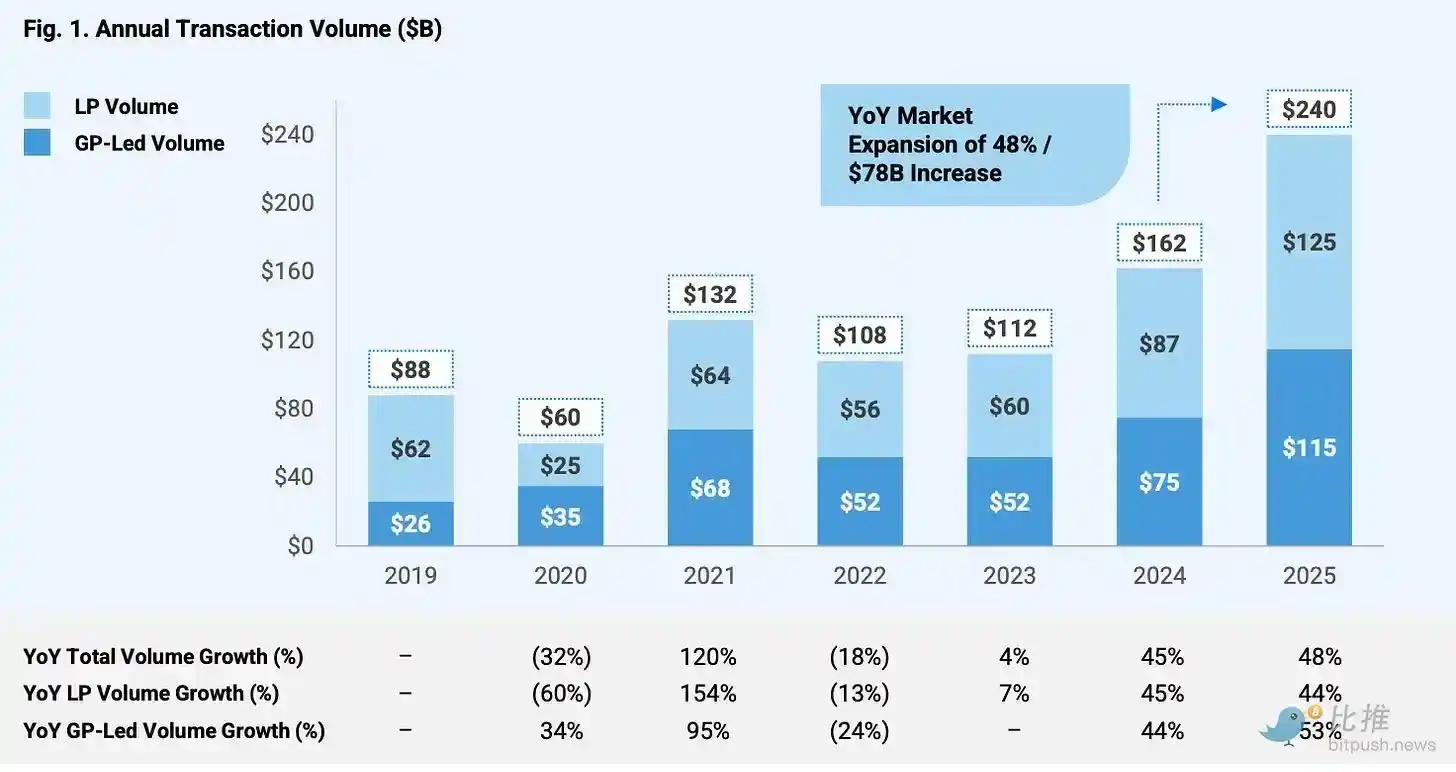
In 2025, private secondary market transactions surged to $240 billion, up from $162 billion in 2024. In comparison, global capital raised through traditional IPOs was about $140 billion.
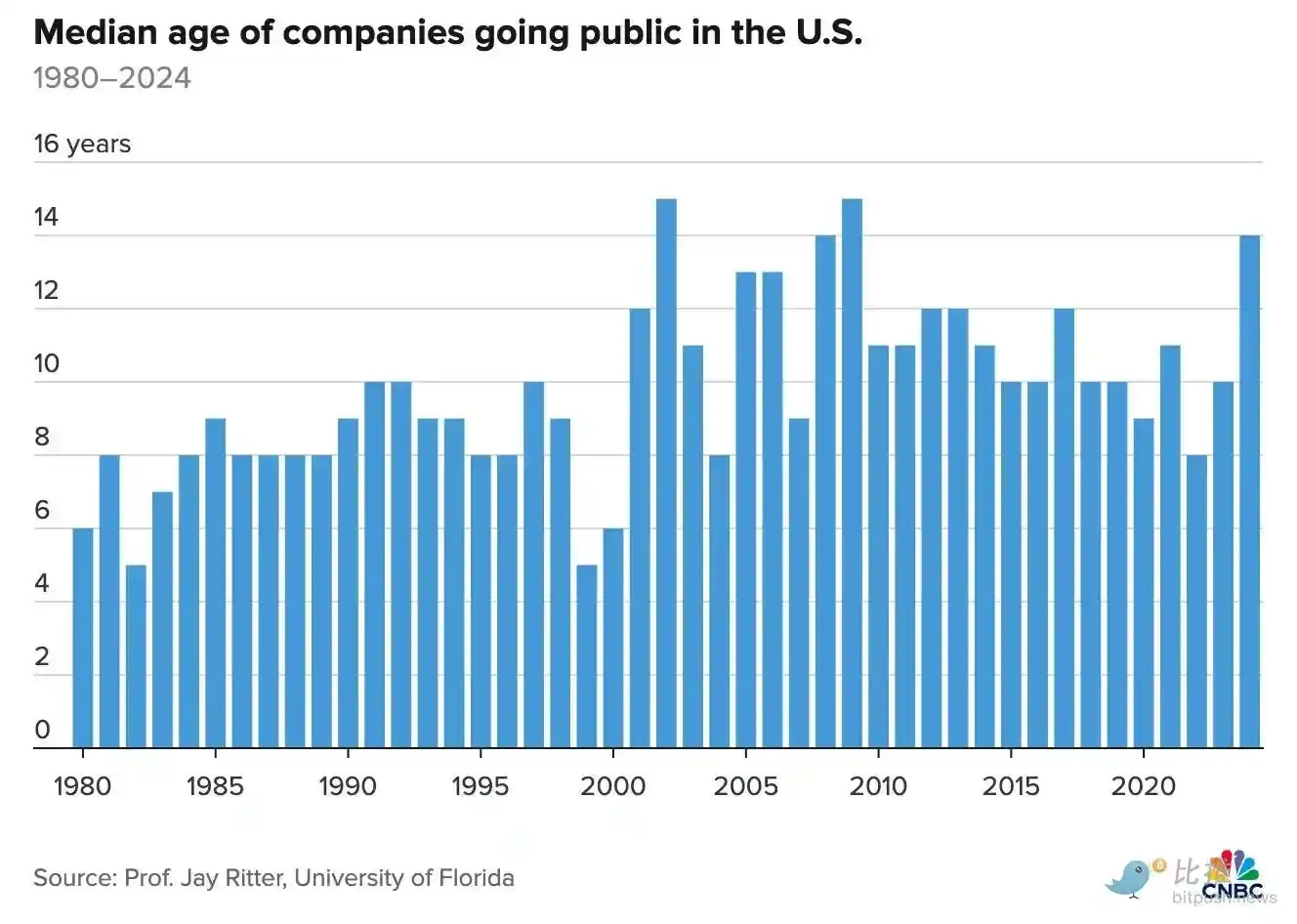
As private capital markets boom, the pace of companies entering public markets has slowed. Companies now wait an average of 16 years to go public, 33% longer than a decade ago. Over the past 12 years, total private market assets have more than doubled to $22 trillion. Some of the world's most valuable companies, including SpaceX and OpenAI, remain private, with valuations large enough to rival or exceed those of major public companies.
This has led to two key market developments:

First, the birth of a new capital market infrastructure layer. We recently analyzed the rise of platforms like Forge and EquityZen, which facilitate secondary trading of private company stock. Charles Schwab acquired Forge for $660 million in November, while Morgan Stanley acquired EquityZen in October (amount undisclosed).

Second, the opening of private markets to retail investors. Robinhood's newly formed Ventures Fund I listed on the NYSE last Friday, raising $658 million and holding shares in large private companies like Ramp, Stripe, and Revolut. This isn't the first; Destiny Tech100 listed in March 2024, offering a portfolio of 100 VC-backed companies, including SpaceX and OpenAI. But Robinhood can distribute directly to its 28 million users, and as with its performance in public stocks, it has a proven track record of popularizing asset classes historically reserved for institutional investors.
Beyond this, the Trump administration signed an executive order last summer paving the way for $8.7 trillion in 401(k) retirement accounts to invest in alternative assets like cryptocurrency and private markets.

We see these as major catalysts for further growth, but they also expose some hidden risks.

One is the structural complexity behind purchasing private stock. Brokers often bundle these stocks into their own special purpose vehicles (SPVs) and charge fees, and these SPVs sometimes hold positions in other vehicles. These overlapping counterparty risks and fees can obscure what assets investors actually own. The next macroeconomic downturn will be accompanied by the unraveling of SPV positions and ensuing litigation.

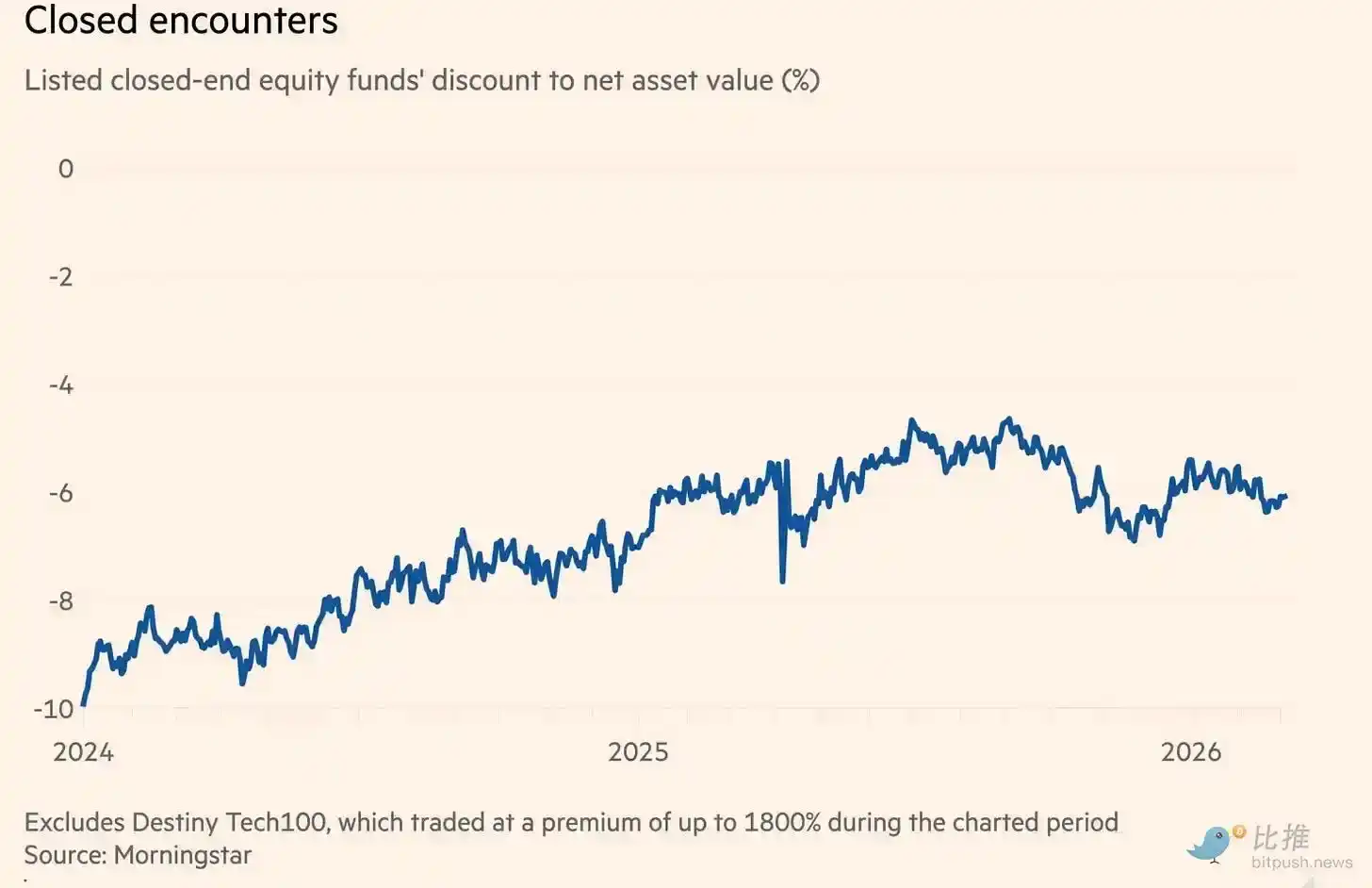
Then there's the issue of valuation transparency. Valuations of private companies are often anchored to the most recent funding round, which may only happen once or twice a year. This limits price discovery and creates a gap between the reported net asset value (NAV) and the price public markets are willing to pay.

The Financial Times recently reported that Robinhood's Ventures Fund I fell 11% on its first day of trading. Meanwhile, Destiny Tech 100 once traded at nearly 20 times its NAV. This unpredictability is not ideal for retirement savings accounts.
Meanwhile, regulators are beginning to push for reforms to make public markets more attractive. SEC Commissioner Hester Peirce expressed concerns about private markets in a February speech: the pressure for companies to go public has diminished, but private markets lack equivalent price discovery, accessibility, and liquidity.

SEC Chairman Paul Atkins recently proposed a three-pillar plan to "make IPOs great again" (his words) by easing disclosure requirements and reforming securities litigation. Whether these reforms will materialize remains to be seen.

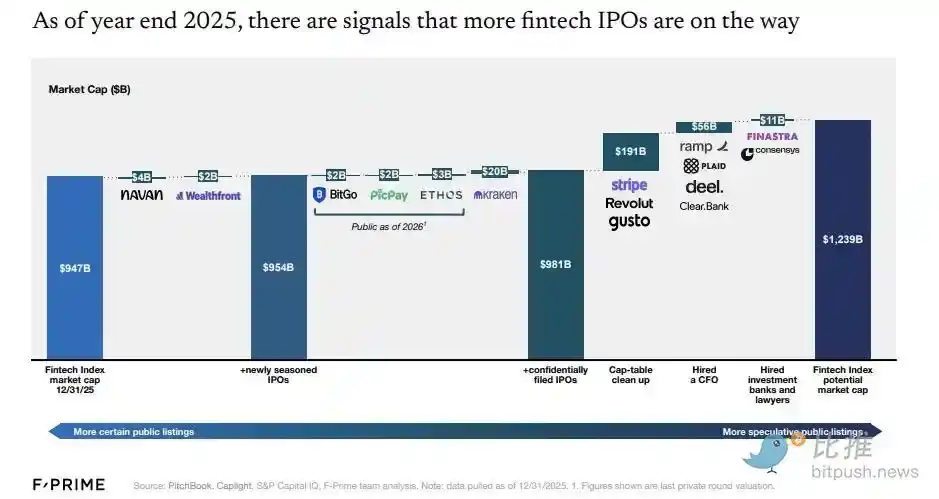
Private transactions aside, IPOs did see a significant rebound in 2025. Eleven VC-backed fintech companies, including Circle and Klarna, have gone public, with more on the way. Kraken and Bitgo have filed confidentially, while companies like Ramp and Gusto are preparing by cleaning up cap tables, hiring new CFOs, or engaging investment banks. F-Prime estimates the total market cap of fintech could grow from $947 billion to $1.2 trillion.
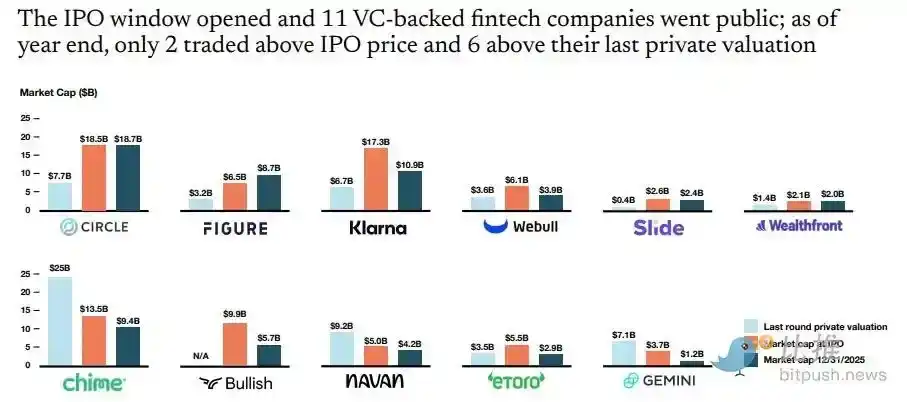
Whether these companies can get their desired price is another matter. By year-end, only 2 of the 11 companies were trading above their IPO price. Chime, once privately valued at $25 billion, went public at $13.5 billion. Klarna listed at $17.3 billion but ended the year at $10.9 billion.

With heightened geopolitical tensions and an uncertain macro outlook, companies still on the sidelines may find that the tender offer playbook is the path of least resistance. For now, at least, liquidity in private markets remains ample enough to absorb the supply of these unicorns.


Domande pertinenti

QWhat is a Tender Offer and why are companies like Stripe and Plaid using it instead of an IPO?

AA Tender Offer is a secondary transaction that allows new or existing investors to buy shares directly from employees and early shareholders. Companies like Stripe and Plaid use it because it provides liquidity without diluting the company's equity and avoids the regulatory and structural burdens of an Initial Public Offering (IPO).

QWhat are the key risks associated with investing in private company stocks through vehicles like SPVs, as mentioned in the article?

AThe key risks include structural complexity, where brokerages bundle stocks into Special Purpose Vehicles (SPVs) that charge fees and may hold positions in other instruments, creating overlapping counterparty risk. There is also a lack of valuation transparency, as private company valuations are infrequently updated, leading to a gap between reported Net Asset Value (NAV) and the price public markets are willing to pay.

QHow has the average time to IPO changed for companies, and what does this trend indicate about the private market?

AThe average time to IPO has increased to 16 years, which is 33% longer than a decade ago. This trend indicates a structural shift where companies are staying private for much longer, fueled by the abundance of capital and liquidity available in the private markets, which have more than doubled in size to $22 trillion over the past 12 years.

QWhat recent development has helped open up private market investments to retail investors, according to the article?

AA key development is the launch of funds like Robinhood's Ventures Fund I, which listed on the NYSE and allows retail investors to gain exposure to a basket of private company stocks. Additionally, a Trump administration executive order last summer paved the way for 401(k) retirement accounts to invest in alternative assets like private markets.

QDespite the rise of private market transactions, what evidence does the article provide that the IPO market is still active in 2025?

AThe article states that the IPO market saw a significant rebound in 2025, with 11 venture-backed fintech companies going public, including Circle and Klarna. Furthermore, other companies like Kraken, Bitgo, Ramp, and Gusto are preparing for potential public listings by cleaning up their cap tables, hiring new CFOs, or engaging investment banks.

Letture associate

Must-Watch Events Next Week|CLARITY Act Could Face Senate Vote; SpaceX, Circle to Report Earnings (8.3-8.9)

**Summary: Key Events and Developments to Watch (August 3-9)** The upcoming week is marked by significant financial disclosures, key legislative deadlines, and notable product updates. **Major Financial Events:** Several companies are scheduled to release their Q2 2026 earnings. American Bitcoin (ABTC) will report on August 3, followed by SpaceX and Hut 8 Mining Corp. on August 4, and Circle on August 5. Notably, a significant portion of SpaceX shares (up to 12% of total shares) will be unlocked on August 6 following their earnings release. **Key Legislative Deadline:** The U.S. Senate faces an August 7 deadline to secure 60 votes for the CLARITY Act, a bipartisan bill aiming to establish a federal regulatory framework for cryptocurrencies. The Senate may hold a full vote on the bill during the week. **Economic Data:** The U.S. July Non-Farm Payrolls report will be released on August 7, providing crucial labor market data. **Technology & Product Updates:** * **Shutdowns:** DeFi portfolio tracker Zapper and wallet app Ctrl Wallet will cease operations on August 3. * **Upgrades:** LayerZero will deprecate its v1 relayers on August 3. XRP Ledger's new version 3.3.0, featuring five new functions, is expected next week. * **AI:** Elon Musk announced that the advanced Grok 4.6 AI model is set for release around August 7. * **Bitcoin:** The BIP-110 forced signaling for a potential Bitcoin network change is scheduled to begin around August 8. **Other Notable Events:** Chinese robotics firm Unitree Tech has set its preliminary price inquiry for its IPO for August 5. South Korean exchange Upbit will delist AQT and AERGO tokens on August 3.

marsbit1 h fa

Must-Watch Events Next Week|CLARITY Act Could Face Senate Vote; SpaceX, Circle to Report Earnings (8.3-8.9)

marsbit1 h fa

Stocks Are Plummeting More Sharply Than Cryptocurrencies. Where Has the Money Gone?

Stock Markets Plunge Deeper Than Cryptocurrencies: Where Did the Money Go? In late July, Seoul's Kospi index triggered circuit breakers for two consecutive days, plummeting over 40% from its June high. The collapse was led by heavyweight stocks like SK Hynix, whose record profits still disappointed investors, and devastating leveraged ETFs, with one major product losing over 83% of its value. This signaled a global, forced deleveraging targeting the most crowded trades. Interestingly, while stocks exhibited extreme volatility akin to crypto markets, Bitcoin rose nearly 15% in July after a prior steep drop. Analysis shows the money fleeing equities did not flow into Bitcoin. Instead, Bitcoin had already absorbed its sell-off in May-June, when U.S. spot Bitcoin ETFs saw historic outflows. The true safe-haven beneficiary was gold, whose price rose over 20% year-on-year, highlighting a decoupling between Bitcoin and gold as "digital gold." The sell-off was a targeted unwinding of leveraged positions in tech and semiconductors, accelerated by broker-dealer risk management and shifts in the AI narrative, including new competition from Chinese memory chipmakers. The retreat path was clear: from high-valuation tech stocks to cash and U.S. Treasuries, then to gold. For Bitcoin to attract sustained institutional inflows, conditions like eased global liquidity pressure, a "soft-landing" Fed rate cut, and U.S. regulatory clarity via legislation like the stalled CLARITY Act are needed. Currently, Bitcoin is not a safe haven but an already-cleared asset. Its low correlation with tech stocks, however, makes it a potential diversification play for institutional portfolios once the storm passes. The money isn't here yet, but the positioning is underway.

marsbit1 h fa

Stocks Are Plummeting More Sharply Than Cryptocurrencies. Where Has the Money Gone?

marsbit1 h fa

In Conversation with Ray Dalio: We Are Currently in an AI Bubble, with 1% of My Portfolio in Bitcoin

Ray Dalio, founder of Bridgewater Associates, warns in an interview that the current AI boom shows classic bubble characteristics, which could lead to significant economic downturns as seen in past cycles like 1929 or 2000. He explains that speculative enthusiasm, fueled by debt and overvaluation, often precedes a crash when rising rates or taxation force asset sales, causing widespread losses and recession. Dalio also outlines his "Big Cycle" theory, describing an approximate 80-year pattern where widening wealth gaps, massive government deficits, and shifting geopolitical power (like China's rise) create internal conflict and global instability. He emphasizes that we are in a late-cycle, transitional phase where traditional powers like the US and UK face decline. For personal wealth protection, Dalio advises diversification beyond cash into assets like stocks, bonds, real estate, and particularly gold, which he prefers over Bitcoin. While he holds about 1% of his portfolio in Bitcoin as a non-printable hard asset, he views gold as more secure from technological or governmental threats. Regarding AI's impact, Dalio believes it will disproportionately benefit capital owners, worsening inequality by replacing both physical and cognitive labor. He suggests that human intuition and emotional intelligence, combined with AI, will be key for future workers. On taxation, Dalio argues that wealth taxes are impractical and risk triggering asset sell-offs, reducing productive investment. He points to the UK as a cautionary example of debt, low productivity, and political strife. Geopolitically, Dalio foresees a more regionalized world, with the US showing weakness in prolonged conflicts like with Iran, akin to past imperial declines. The ideal outcome, he suggests, is coexisting powerful blocs (e.g., Americas, China-Asia Pacific) without major war.

marsbit5 h fa

In Conversation with Ray Dalio: We Are Currently in an AI Bubble, with 1% of My Portfolio in Bitcoin

marsbit5 h fa

Trading

Spot
活动图片




