Why Could Coinbase Halt the CLARITY Act Voting Agenda with a Single Statement?

marsbitPubblicato 2026-01-20Pubblicato ultima volta 2026-01-20

Introduzione

This article details how Coinbase CEO Brian Armstrong's public opposition led to the abrupt postponement of a key U.S. Senate committee vote on the proposed "Clarity Act," a comprehensive cryptocurrency regulation bill. Armstrong argued the current draft would be worse than the existing regulatory framework, specifically objecting to provisions that could ban interest payments on stablecoins and grant excessive authority to the Securities and Exchange Commission (SEC). The event underscores Coinbase's significant and growing political influence in Washington, D.C., amplified by the pro-crypto stance of the Trump administration. The company has invested heavily in political action committees (PACs) to support crypto-friendly lawmakers. The article contrasts the current environment with the previous Biden administration, under which the SEC sued Coinbase. The Trump administration has since dropped that lawsuit, and the industry is pushing for legislation to cement a favorable regulatory landscape. The delayed vote highlights the intense lobbying battle between the crypto industry, which seeks lighter regulation, and traditional banking interests advocating for stricter rules, particularly on stablecoin offerings that compete with bank deposits. Negotiations are ongoing.

Editor's Note: The Clarity Act, which was about to enter a critical vote, was urgently halted due to public opposition from Coinbase CEO Brian Armstrong. The contentious issues revolve around restrictions on stablecoin interest payments and the boundaries of the SEC's authority. In fact, with the shift in regulatory direction following Trump's administration, the crypto industry has gradually transformed from being "the regulated" to "rule negotiators." This intervention not only altered the voting process but also exposed the real power struggles behind crypto legislation.

Original text:
After months of negotiations, a significant cryptocurrency bill was originally scheduled to enter a committee vote in the Senate on Thursday, a crucial step in the legislative process.

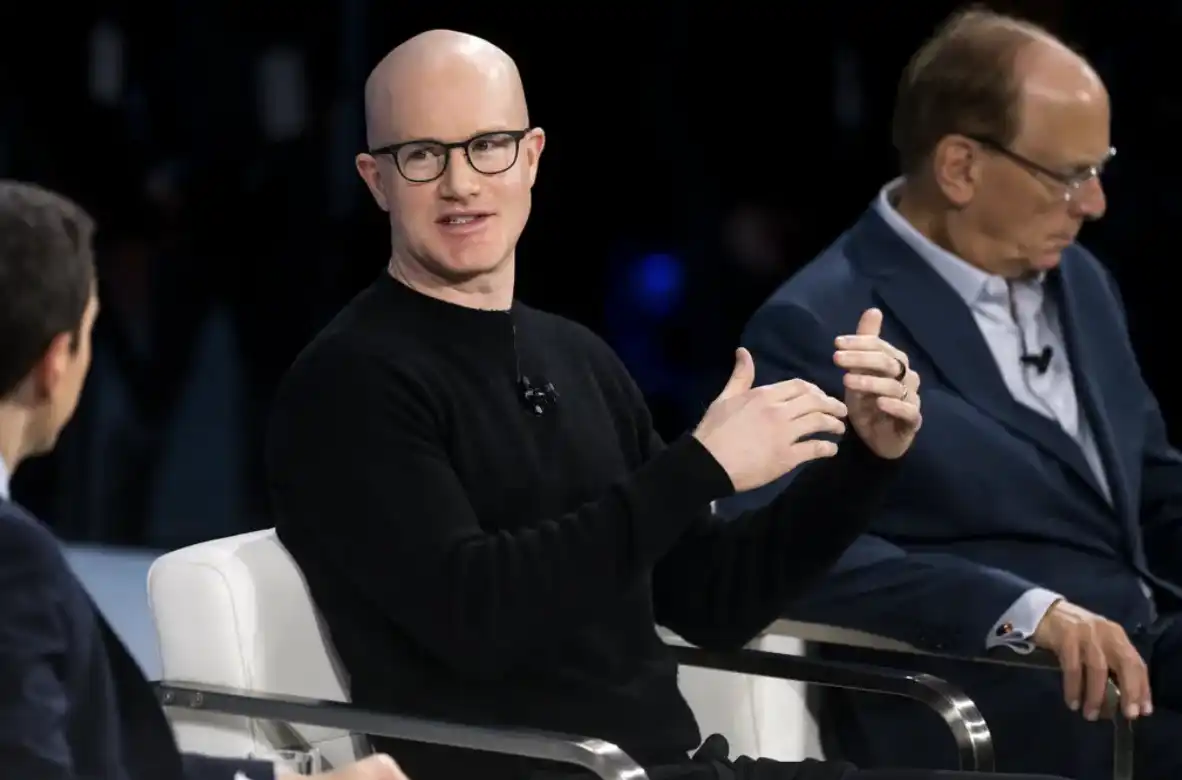
But then, the top executive of the largest U.S. crypto company spoke out on social media. Coinbase CEO Brian Armstrong wrote on X on Wednesday evening: "Unfortunately, Coinbase cannot support the bill in its current text. This version would be significantly worse than the current regulatory state. We would rather have no bill than a bad bill."

Hours later, the Senate vote was canceled.

Typically, the outcome of a controversial legislative vote depends on a few key moderate lawmakers caught in partisan tug-of-war. But the shift in this milestone crypto bill this week highlights the immense influence Coinbase now wields in Washington—especially as the crypto industry's status rapidly rises under President Trump's administration.

Over the past few months, congressional staff have been advancing the drafting of the Clarity Act. This nearly 300-page bill aims to establish a regulatory framework for almost all key aspects of the crypto industry, with many rules shaped by industry participation and advocacy. However, at the last minute, Armstrong objected to a proposed wording, arguing that it could risk banning one of Coinbase's products; he also stated that the bill would grant excessive power to the U.S.'s top financial regulator, the Securities and Exchange Commission (SEC).

Coinbase's decisive move is backed by years of the company building political influence in Washington. As a publicly traded company with a market cap nearing $70 billion, Coinbase funds a network of political action committees (PACs) that have invested over $130 million in the 2024 congressional elections to support the election of more pro-crypto lawmakers.

This wave of intensive political spending sends an unmistakable message to Congress: anyone who opposes the crypto industry could become a target.

Now, leading companies in the industry have enough leverage to push for their interests. Todd Phillips, a financial expert at Georgia State University, said: "Coinbase played this move very well." A Coinbase spokesperson declined to comment.

Founded in 2012, Coinbase provides users with a platform to buy, sell, and store cryptocurrencies like Bitcoin and Ethereum. Anyone can log into its app and complete a purchase with a few clicks.

But not long ago, the company faced a much tougher environment in Washington. In 2023, the SEC sued Coinbase, accusing it of operating as an "unregistered exchange," part of the Biden administration's broader crackdown on the crypto industry. Armstrong, as a co-founder of Coinbase, criticized the SEC at the time for adopting a "regulation by enforcement" approach and called for clearer crypto regulatory rules.

The election of President Trump in 2024 completely changed the landscape. Shortly before taking office, Trump and his sons launched a crypto business, and Trump publicly declared that he would make the U.S. the "crypto capital of the world."

Within weeks of Trump taking office, the SEC dropped lawsuits against Coinbase and other crypto companies. Subsequently, the crypto industry pushed for legislation to codify this regulatory "rollback," preventing future administrations from restarting harsh crackdowns on the industry.
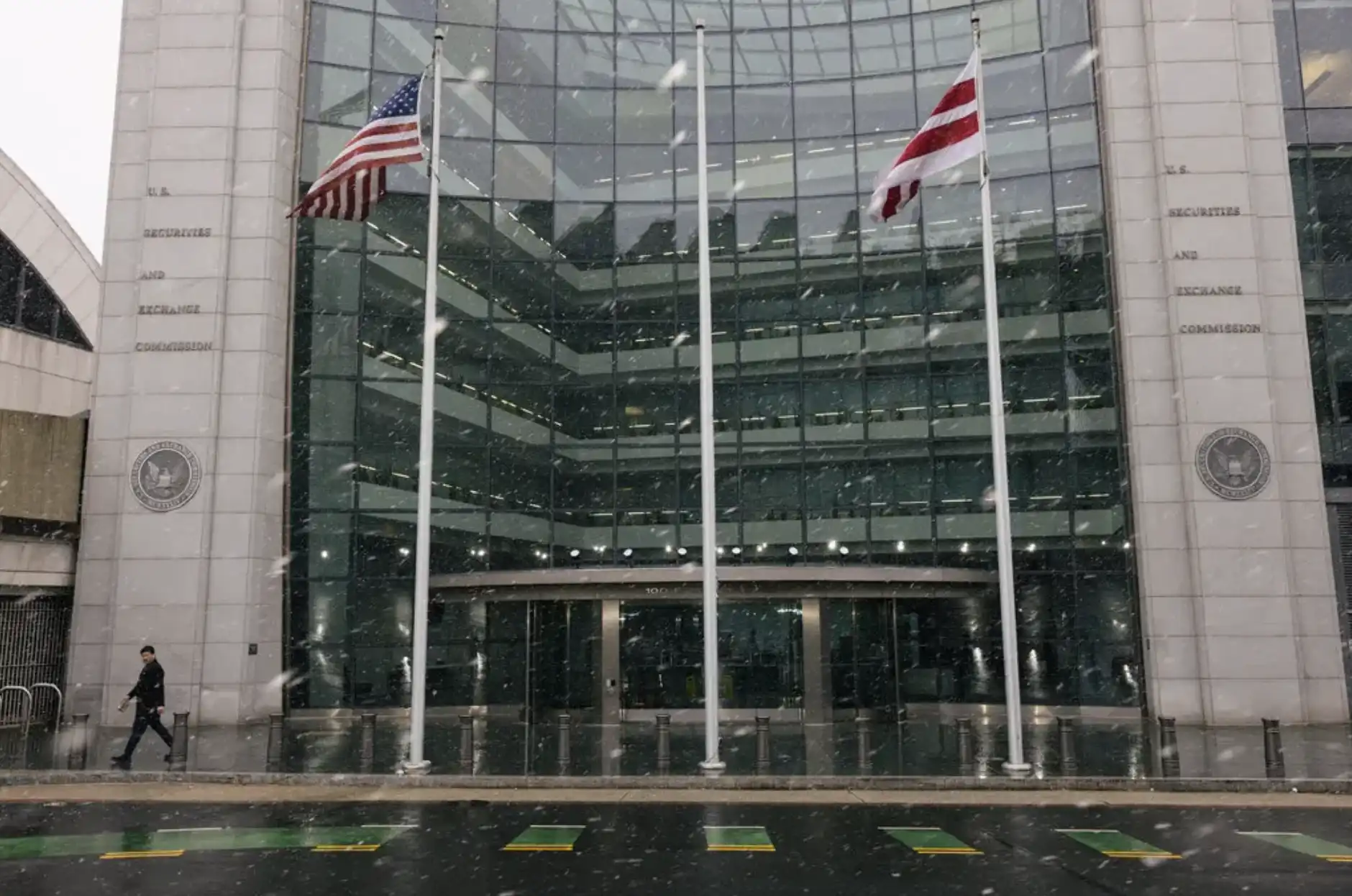
In July of this year, with government support, the House passed its version of the Clarity Act, largely adopting the crypto industry's vision for a new regulatory system. The bill would make it easier for crypto companies like Coinbase to argue that digital currencies are not securities, thus avoiding federal securities regulations designed to protect investors and markets.

But the bill encountered resistance in the Senate. Last fall, Senate Democrats proposed strict regulations for decentralized finance (DeFi), a branch of the crypto领域, sparking strong opposition from the industry.

At the same time, banking lobby groups pushed for provisions in the bill to prohibit crypto trading platforms like Coinbase from paying interest to holders of stablecoins. Stablecoins are a type of digital currency designed to maintain a price of $1. The banking industry argues that such "interest-bearing products" offered by crypto platforms would undermine banking business by competing with traditional deposit accounts.

This issue quickly became a key concern for Coinbase. A ban on interest payments could affect one of its revenue streams. Kara Calvert, Coinbase's head of policy, said: "Offering these incentive programs is crucial for competition."

The latest draft of the Clarity Act in the Senate was released near midnight on Monday. Congressional staff and crypto industry executives immediately intensified their review of the text, aiming to complete it before the scheduled Senate committee meeting on Thursday. This meeting, known as a "markup," is when senators have the opportunity to propose amendments. As the markup approached, while other crypto executives continued to express support for the bill on social media, Armstrong announced he would withdraw his support.

On Wednesday evening, South Carolina Republican Senator Tim Scott, chairman of the Senate Banking Committee, announced that the markup would be postponed, with no new date set yet. In a statement, he said: "All parties continue to communicate in good faith. Our goal is to establish clear 'rules of the road' that protect consumers, strengthen national security, and ensure the future of finance is built in the United States."


Domande pertinenti

QWhy was the vote on the Clarity Act in the Senate postponed?

AThe vote was postponed after Coinbase CEO Brian Armstrong publicly opposed the current version of the bill on social media, stating it would be worse than the current regulatory state and that Coinbase would prefer no bill over a bad one.

QWhat were Coinbase's main objections to the Clarity Act?

ACoinbase objected to a proposed provision that could potentially prohibit one of its products (likely interest payments on stablecoins) and argued that the bill would grant the SEC excessive regulatory power.

QHow has the political landscape for crypto companies like Coinbase changed with the Trump administration?

AThe political landscape shifted significantly. The SEC dropped lawsuits against Coinbase and other crypto companies, and the industry gained substantial influence, moving from being regulated to actively negotiating rules, with the administration pledging to make the U.S. a 'global crypto hub'.

QWhat role did banking lobbyists play in shaping the Clarity Act?

ABanking lobbyists pushed for provisions in the bill to ban crypto trading platforms from paying interest on stablecoin holdings, arguing that these interest-bearing products compete with traditional bank deposit accounts.

QHow has Coinbase built its political influence in Washington?

ACoinbase built its influence over years by funding a network of Political Action Committees (PACs) that spent over $130 million in the 2024 election cycle to support the election of pro-crypto lawmakers, sending a clear message to Congress.

Letture associate

BitMart Research Institute Weekly Highlights: A Comprehensive Review of Macro Environment, Crude Oil, AI Tech Stocks, and Crypto Market

**Weekly Market Review: Macro, Oil, AI Tech Stocks & Crypto Market** **Macroeconomic & Traditional Finance** The April U.S. Non-Farm Payrolls report of 115K new jobs exceeded expectations, but the data's quality was questioned. Growth was heavily concentrated in healthcare, while other sectors contracted, and manufacturing employment turned negative. A statistical model accounted for a large portion of the gains, conflicting with household survey data showing a loss of 226K jobs. Meanwhile, AI's impact on jobs is emerging, with information sector roles declining, though overall unemployment remains at ~4.3%. Oil prices hovered near $100 per barrel. Global oil buffer inventories have drawn down significantly, supporting prices, but high costs are suppressing demand. China's recent reduction in crude imports acted as a market stabilizer. Geopolitically, the U.S. and Iran are likely to reach a tentative agreement to keep the Strait of Hormuz open and avoid price spikes. For AI tech stocks, short-term prospects are mixed. A potential SpaceX IPO in June could pressure current index heavyweights like Nvidia, while smaller components might benefit. The mid-term focus shifts to Q2 earnings, emphasizing AI's return on investment. Long-term risks include potential election policy shifts and massive IPOs from companies like OpenAI, which could test the sector's sustainability. **Crypto Market & Ecosystem** Crypto markets rose moderately, with BTC climbing from ~$77K to ~$82K, driven by improved risk sentiment. Spot trading volumes remain low, but buying pressure is evident. ETF inflows continued (~$791M last week). However, institutional purchases of BTC and ETH were more modest than expected. The derivatives market shows lingering bearish bets, particularly on alts and ETH. A key trend is the "dual-track" model where projects pursue public listings for traditional funding while also building their own blockchains/tokens to capture crypto liquidity, as seen with Circle's ARC chain. Stablecoins and institutional chains present significant future opportunities. *Disclaimer: This is market analysis, not investment advice.*

marsbit34 min fa

BitMart Research Institute Weekly Highlights: A Comprehensive Review of Macro Environment, Crude Oil, AI Tech Stocks, and Crypto Market

marsbit34 min fa

While Everyone Says NFTs Are 'Dead', the Art World is Quietly Completing an 'On-Chain Renaissance'

While many declare NFTs "dead" and dismiss them as overhyped JPEGs, a significant institutional shift is quietly underway within the art world, signaling a "on-chain renaissance." Traditional art, a ~$60B market, is stagnant, aging, and highly concentrated, facing a massive $80 trillion generational wealth transfer to digital-native heirs. Contrary to the narrative, leading institutions have been building infrastructure for digital and on-chain art. Major museums like MoMA, the Centre Pompidou, LACMA, and the Guggenheim have acquired seminal NFT works into their permanent collections. Top galleries like Pace, Gagosian, and Hauser & Wirth have launched NFT platforms or accepted crypto, with Pace giving a solo show to generative artist Tyler Hobbs. Auction houses Sotheby's and Christie's operate dedicated on-chain sales platforms. This follows a historical pattern where every major art movement—from Impressionism to Pop Art—was initially mocked before institutional acceptance. NFT art, only 7-12 years old, is progressing faster. Auction data shows resilience, with works by Beeple ($69.3M), Pak (~$91M), and Dmitri Cherniak ($6.2M in a bear market) achieving high prices. A new cohort of collectors (e.g., FlamingoDAO, PleasrDAO) and "Medici" figures like Cozomo de' Medici are accumulating foundational works. The core argument is that NFTs represent not a speculative asset class but a new ownership system for digital culture, solving provenance issues through immutable, timestamped blockchain records. The medium has survived the speculative crash and is being institutionalized. The bet isn't on short-term price rallies but on the long-term cultural significance of on-chain art as the defining medium for the next generation of collectors.

marsbit1 h fa

While Everyone Says NFTs Are 'Dead', the Art World is Quietly Completing an 'On-Chain Renaissance'

marsbit1 h fa

Jensen Huang's Message to Graduates: AI Won't Replace You, But Those Who Excel at Using AI Will

NVIDIA CEO Jensen Huang, addressing 2026 graduates at Carnegie Mellon University, emphasized that AI will not replace people, but those who leverage AI effectively will have an advantage. He delivered this message during a commencement speech where he also received an honorary doctorate, his seventh. Huang reflected on his personal journey as an immigrant, starting from humble beginnings as a dishwasher to co-founding NVIDIA. He shared early struggles, including a near-bankruptcy moment saved by honesty with Sega, highlighting resilience and learning from failure. He positioned the current era as the dawn of the AI revolution, a shift as significant as past computing waves. Huang explained that AI is redefining computing from human-written software to machine learning, creating a new industry focused on manufacturing intelligence. While acknowledging fears about job displacement, he argued that AI amplifies human capabilities rather than replaces human purpose. Tasks may be automated, but the core meaning of professions remains. Huang urged graduates to embrace this transformative time with responsibility and optimism. He stated that AI should democratize technology, bridging gaps and enabling broader participation in creation and problem-solving. His final advice was to actively engage with the opportunity: "So run, don’t walk," and to put their hearts into their work.

marsbit1 h fa

Jensen Huang's Message to Graduates: AI Won't Replace You, But Those Who Excel at Using AI Will

marsbit1 h fa

Trading

Spot
Futures
活动图片