We Captured Thousands of Job Postings and Discovered ByteDance is Reviving Smartphone R&D

marsbitPubblicato 2026-05-25Pubblicato ultima volta 2026-05-25

Introduzione

This article analyzes ByteDance's recent hiring activities, revealing a potential restart of smartphone hardware development. By scraping and analyzing thousands of ByteDance job postings, the authors identify three key categories: roles for the "Doubao Phone Assistant" (an AI agent), for a "Mobile OS" (system-level development), and for hardware/engineering positions in Shenzhen (a manufacturing hub). The piece traces the context to the 2025 launch of the "Doubao Phone," a concept device that integrated an AI agent directly into a smartphone, allowing it to see the screen, operate apps, and perform tasks like shopping or booking tickets. While innovative as an early AI Agent prototype, it faced operational restrictions from major platforms like WeChat and Alipay. The new hiring signals a deeper commitment. "Doubao Phone Assistant" roles focus on core Agent capabilities (task execution, memory, cross-app operation). "Mobile OS" positions involve deep system work (kernel, chip adaptation, power/thermal management) necessary for a responsive, always-on AI. Shenzhen-based hardware roles (structure design, testing, production) suggest preparation for physical device manufacturing. The article concludes that in the AI era, where phones may become an Agent's "body," controlling the operating system and hardware is critical. For a company like ByteDance, being merely an app within others' ecosystems is no longer sustainable if it aims to own the next-generation user interface. Th...

Article | Sleepy, Sīwéi Guàiguài

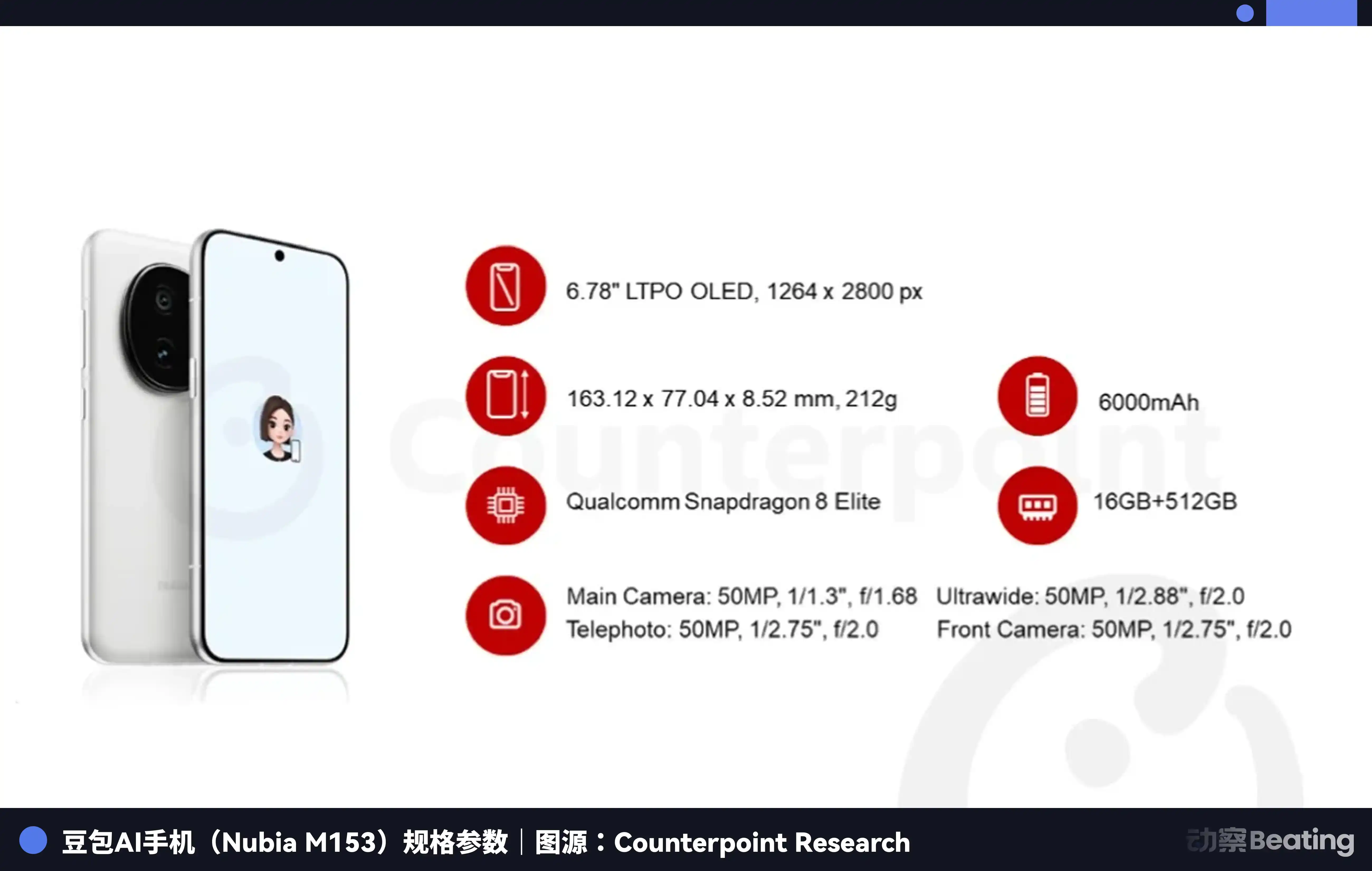
In December 2025, the long-rumored 'Doubao Phone' finally debuted. It installed the Doubao Phone Assistant technical preview into a Nubia M153 engineering prototype, launched at a price of 3,499 RMB. The first batch of approximately 30,000 units sold out on the day of release.

We remember that in the few days just after launch, its price on second-hand markets soared, commanding a premium many times over the original price. The Beating editorial team even bought two.
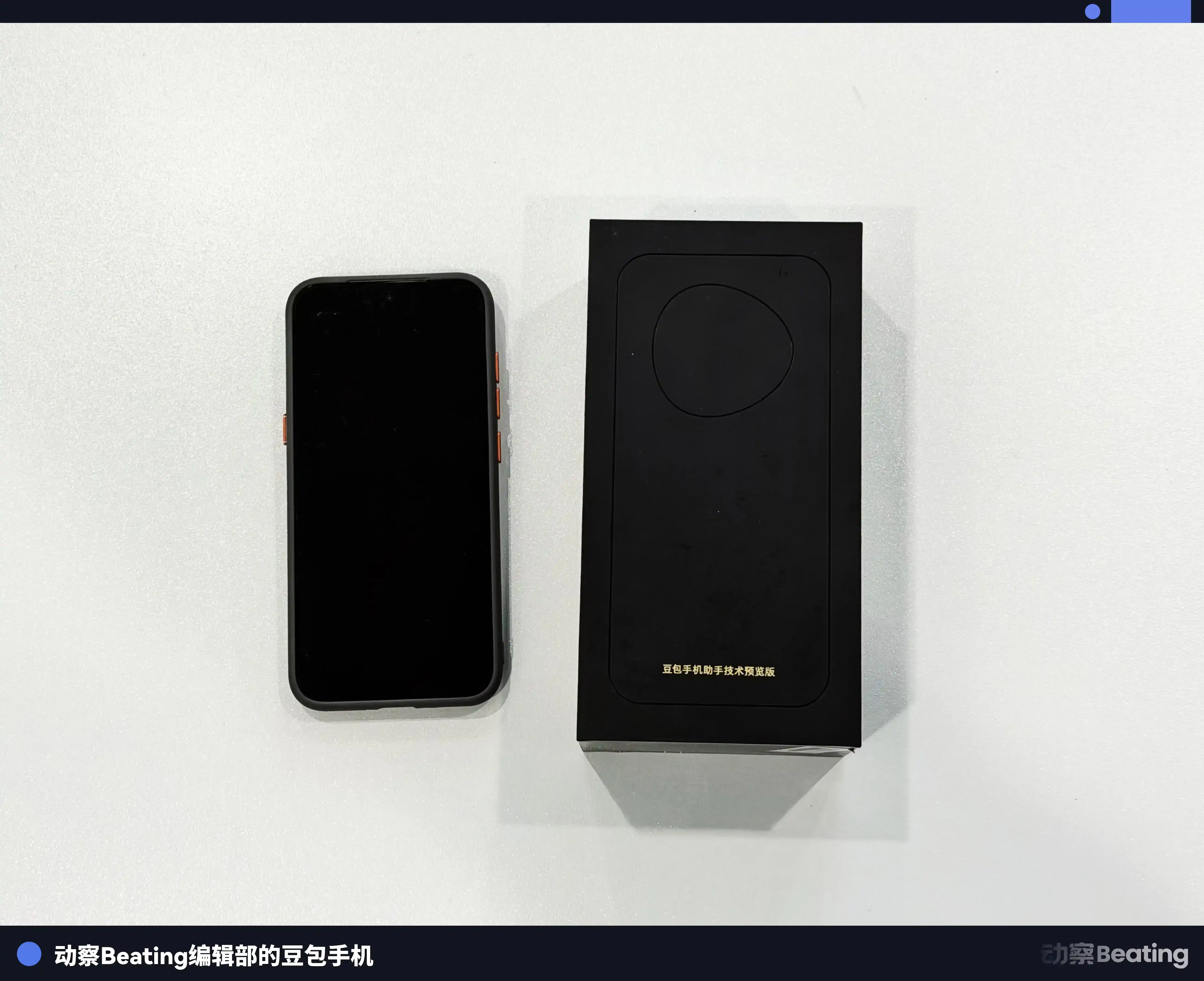
It wasn't because it was a particularly good phone. On the contrary, as a 'technical preview,' the first-generation Doubao Phone's experience wasn't great. What excited us was that it was the first time AI was pulled out of the chatbox, transformed from a Chat bot into an AI Agent capable of controlling a smartphone.

On the Doubao Phone, the AI could see the screen, understand what you were browsing, hear you speak, jump between different apps, and directly help you do many things, like checking train tickets, shopping for price comparisons, claiming coupons and placing orders, or editing photos. Although sensitive steps like payment still required user confirmation, it could indeed independently complete many operations that in the past required us to tap through step by step.

While it was still a bit clumsy—sometimes responding slowly, sometimes freezing up, awkward like someone just learning to use a smartphone—it truly gave us our first intuitive feel for how convenient AI could be in daily life.

Later, Lobster emerged and took the world by storm. AI Agents became another 'iPhone moment' in the AI field after ChatGPT's debut. A slew of manufacturers and entrepreneurs began selling computers and phones pre-installed with OpenClaw. The Doubao Phone was at least a version ahead of them. You could even say the Doubao Phone was a pioneer in this wave of Agent enthusiasm.

But unfortunately, the Doubao Phone soon ran into a blockade by the major platforms. Scenarios like WeChat, Taobao, Alipay, and banking apps successively encountered access or operational restrictions. Some called it a 'block,' others said it triggered risk controls. But for users, it made no difference—it simply stopped working.
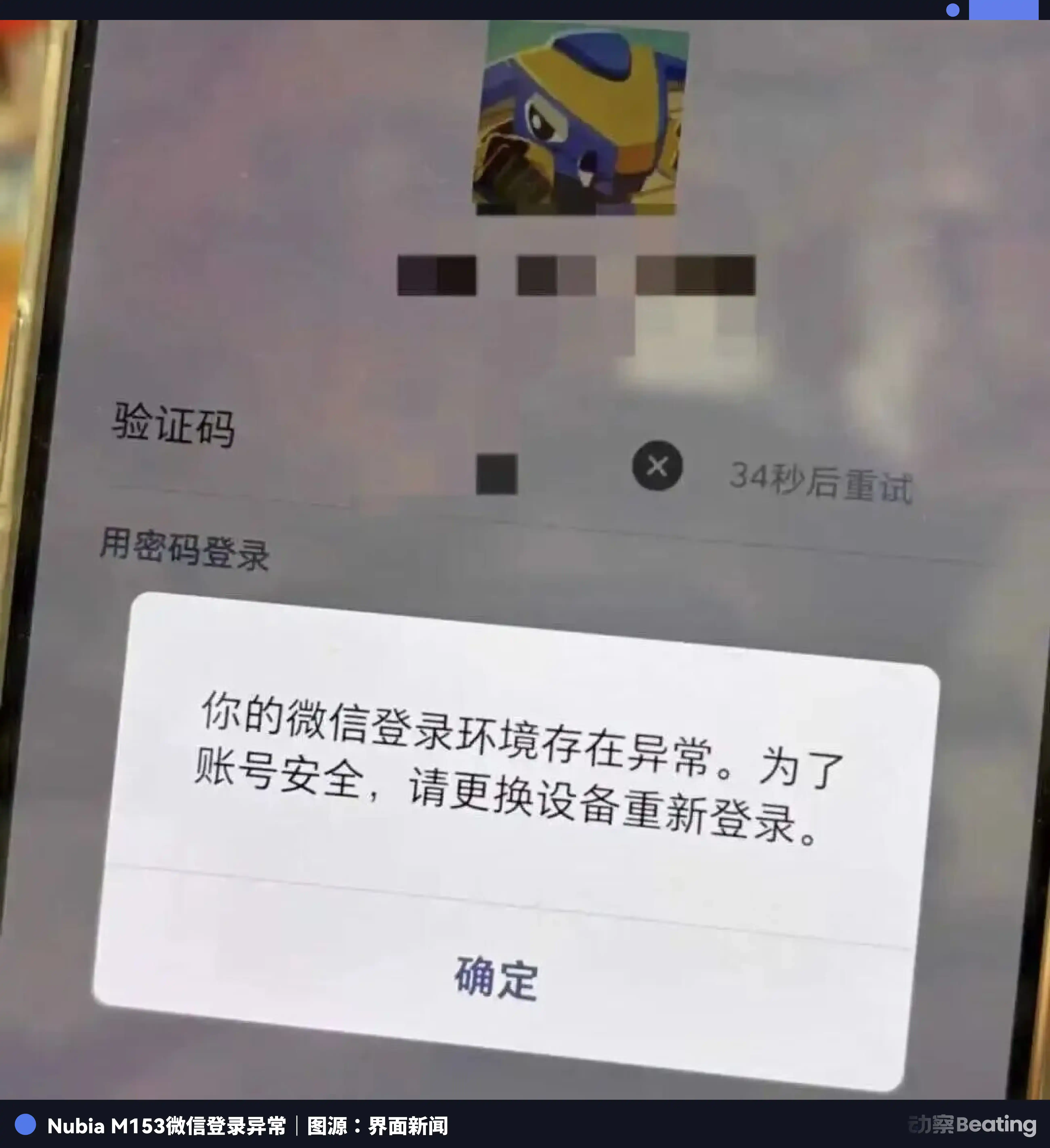
We felt great regret. The Doubao Phone was certainly not a mature consumer electronics product, but it showed the entire industry the prototype of the next-generation entry point.

So even though the hype around the Doubao Phone has faded, we never completely let the matter go. Until recently, our routine information scraping captured thousands of job postings. Analysis revealed that ByteDance seems to be reviving smartphone research and development.

Three Categories, One Clue

We scraped three categories from ByteDance's official social recruitment page: AI Innovation Business, Mobile OS, and Doubao Phone Assistant.

After deduplication by position ID, we further scraped detailed page information and cross-referenced keywords from job titles, job descriptions, and qualification requirements for organization.
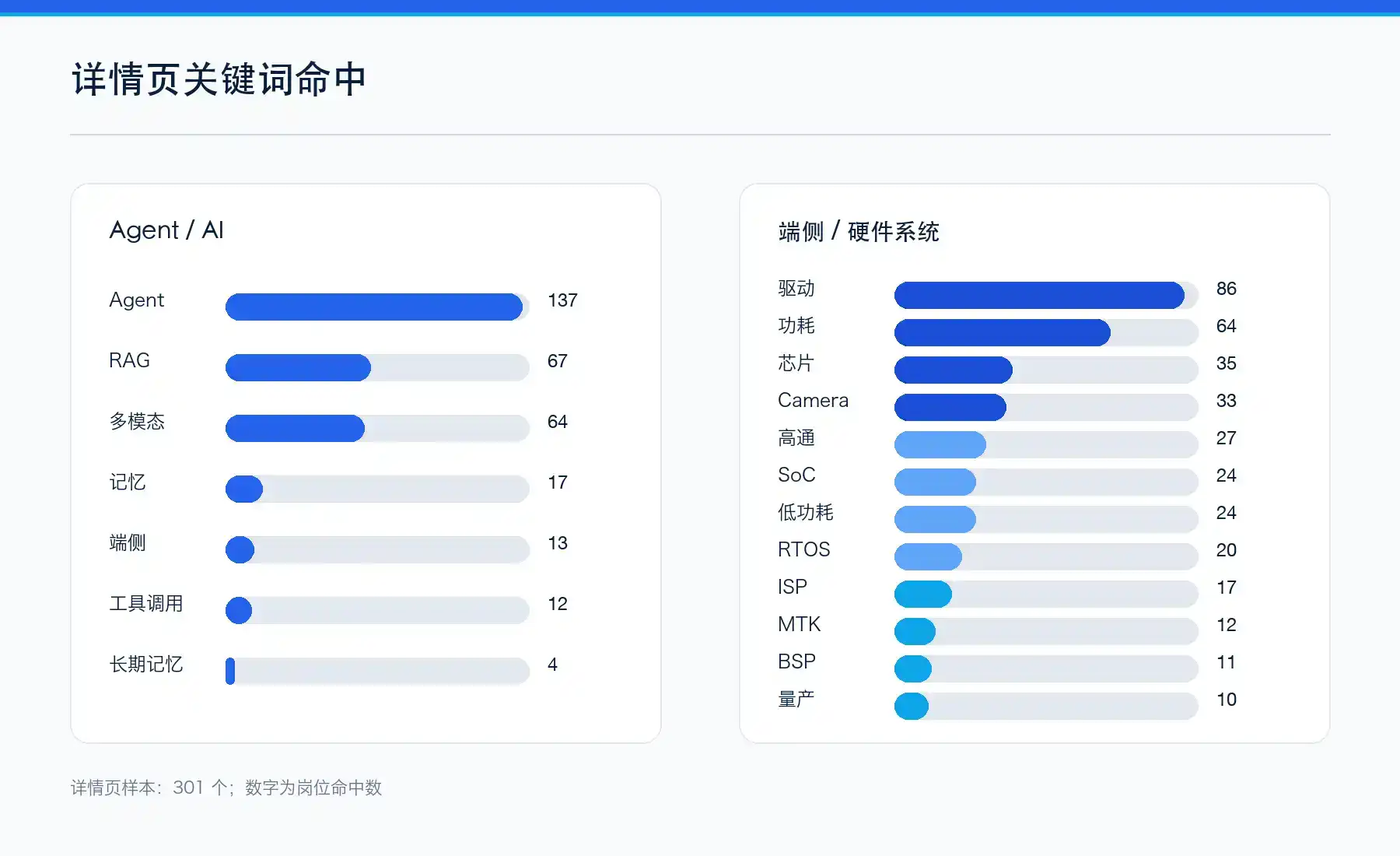
Unlike recruitment for ordinary AI app teams, ByteDance's batch of social recruitment positions also includes roles related to mobile phone systems, cameras, touch controls, connectivity, battery life, heat management, chip adaptation, structural design, device assembly processes, and production line testing.

These terms are uncommon within internet companies; they are the daily concerns of smartphone manufacturers, supply chain companies, and engineering teams.

ByteDance is hiring people to go into factories.

This doesn't definitively confirm ByteDance will launch its own phone brand, but it at least indicates they are restarting R&D work on phone-level hardware.

Let's look at what these positions themselves reveal.

Doubao Phone Assistant: From Answering Questions to Performing Tasks

First, the Doubao Phone Assistant.

We performed a more focused filtering on the original data, searching for positions where the name, description, or requirements mentioned 'Doubao Phone Assistant'—a total of 83 positions. These could be divided into three broad categories, which together happen to outline the shape of a system-level AI Agent.
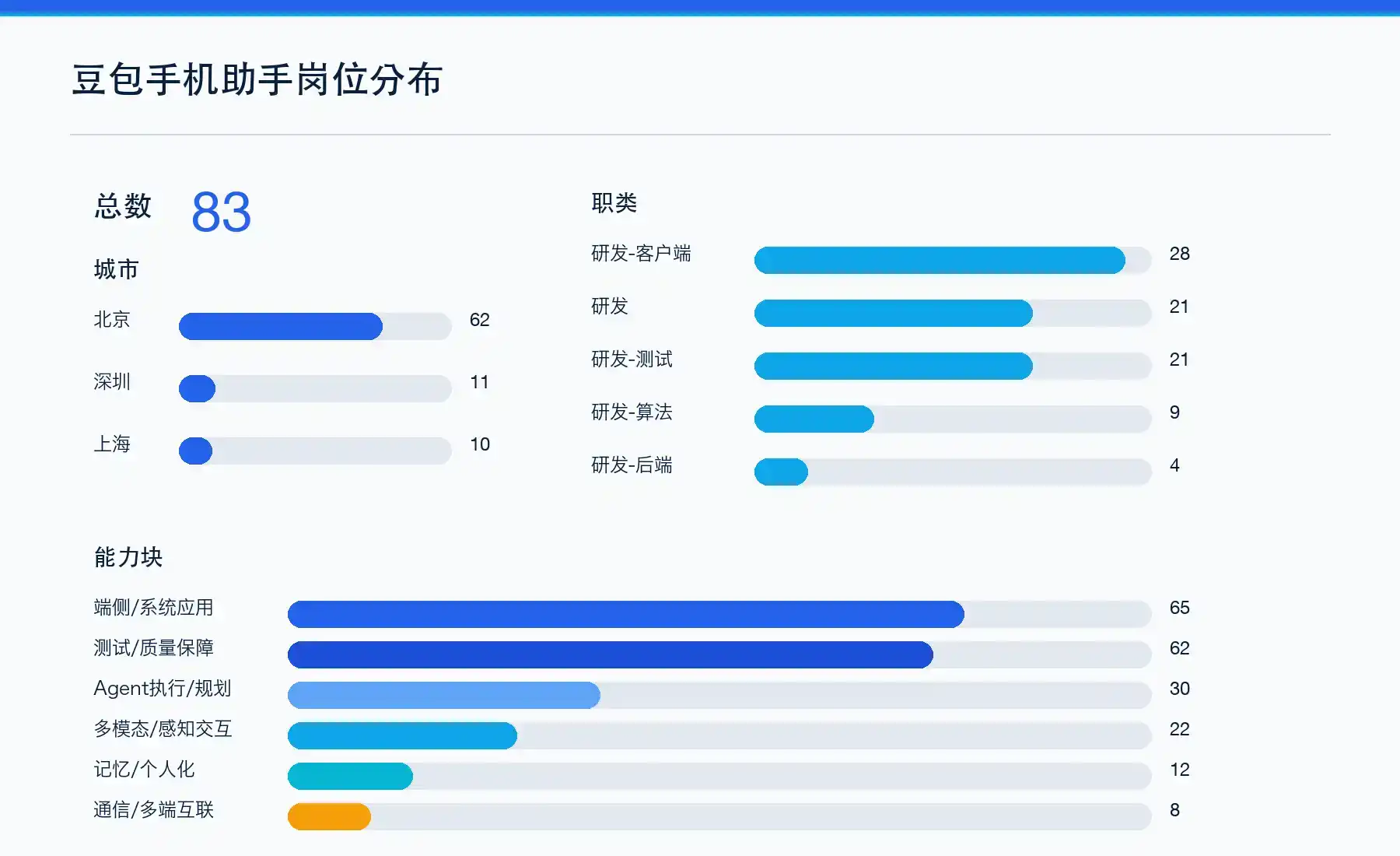
The first category of positions is responsible for enabling the AI with Agent capabilities.

For example, the 'Agent Development Engineer - Doubao Phone Assistant' position states the need for the AI to perform task decomposition, context organization, tool invocation, memory retrieval, state management, result verification, and exception recovery—the foundational capabilities of all AI Agents we use today.

The second category focuses on giving the AI Agent a good memory.

Positions mention directions like 'perception and memory,' 'user memory,' 'personal knowledge graph,' and 'long-term preferences.' For an AI Agent to truly integrate into our lives, it can't start from scratch every day; it needs reliable, stable long-term memory.

Of course, this easily touches on issues of privacy and boundaries. But judging from the recruitment materials, ByteDance has at least begun treating 'memory' as one of the most important capabilities of the Doubao Phone Assistant for R&D.

The third category of positions is responsible for enabling the AI Agent to utilize those capabilities within a phone.

If the Doubao Phone Assistant is to operate the phone for the user, it can't live only in the cloud, nor can it be just an app. It needs a complete set of capabilities—including models, memory, task execution, on-device deployment, system applications, audio/video, communication, testing, and quality assurance—to understand the user's speech, comprehend the environment, collaborate across devices, stay on standby, and avoid causing problems.

Mobile OS: The Phone's Underlying System is the AI Agent's Hurdle

Now, look at Mobile OS.

There are 236 positions related to Mobile OS, with primary office locations concentrated in Beijing, Shanghai, and Shenzhen. Terms repeatedly appearing in the job descriptions are kernel, chip, drivers, camera, display, audio, network, power consumption, thermal management, mass production delivery. These are almost all terms closer to hardware and the phone's underlying system.
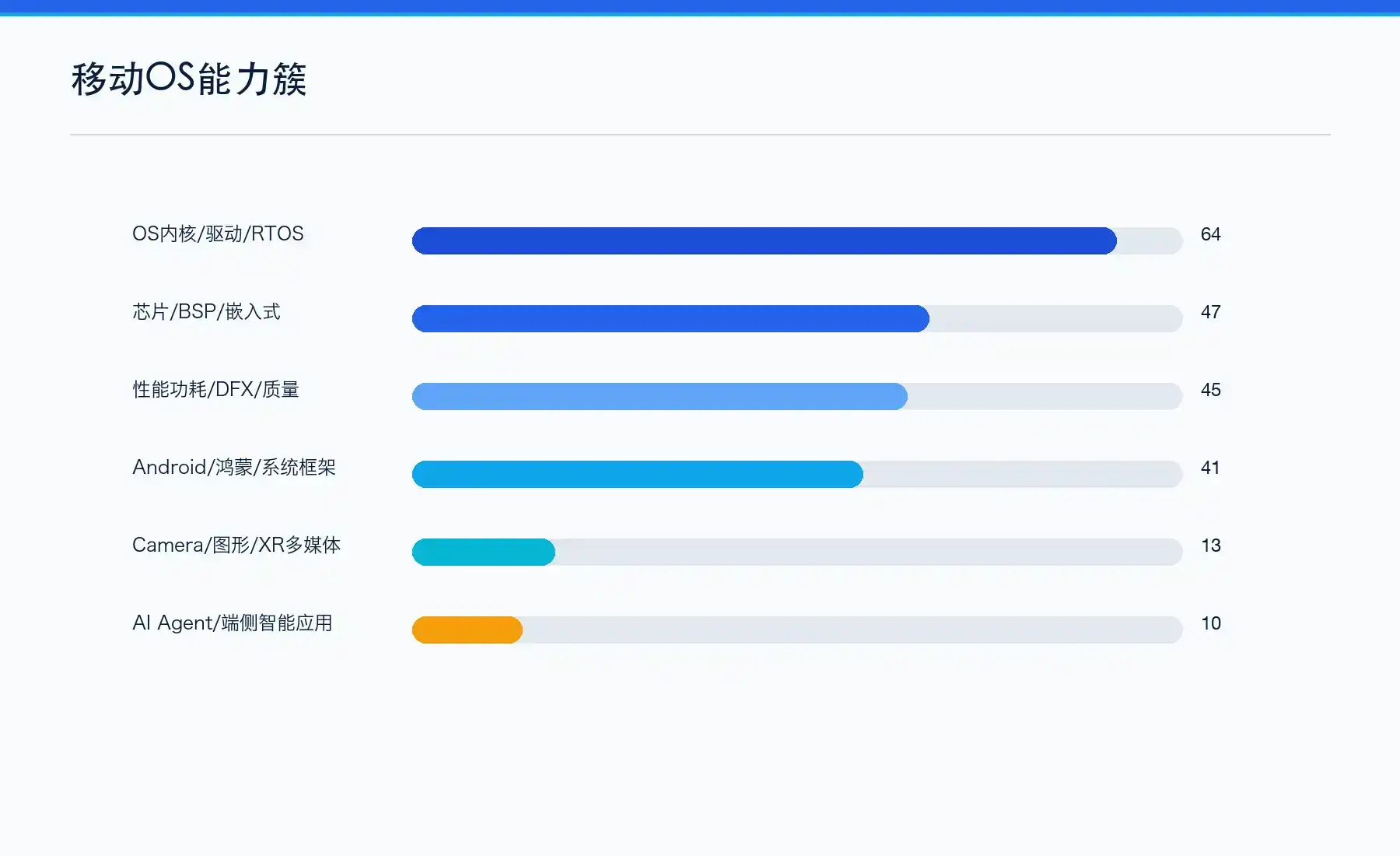
For example. The responsibilities for the 'Kernel Leader - Mobile OS' position state the need to lead the memory and storage team in kernel adaptation and development for new Qualcomm platforms, ensuring the system works well with mainstream phone chips, and managing the phone's memory and storage. These capabilities are key for an AI Agent to achieve real-time responsiveness and handle tasks in the background.

Furthermore, positions mention terms like SoC, BSP, and RTOS. SoC can be roughly understood as the phone's core chip, BSP is the underlying software that lets the system and hardware recognize and cooperate with each other, and RTOS is often used in scenarios with high demands for responsiveness and power efficiency.

So the signal from the Mobile OS positions is that ByteDance is hiring people who understand phone-level device systems. They need to know at least where an AI Agent running on a phone might get stuck by permission issues, power consumption problems, or system stability issues, and which problems require joint solutions with chipmakers, manufacturers, and testing teams.

Judging from the requirements of these active job postings, ByteDance is already entering the deep waters of smartphone development.

Shenzhen Coordinates: Signals of Hardware and Mass Production

It's also necessary to look separately at positions located in Shenzhen.

If positions in Beijing lean more towards models, algorithms, and platforms, and those in Shanghai towards products and engineering, then positions in Shenzhen are often related to hardware, supply chain, testing, and mass production.
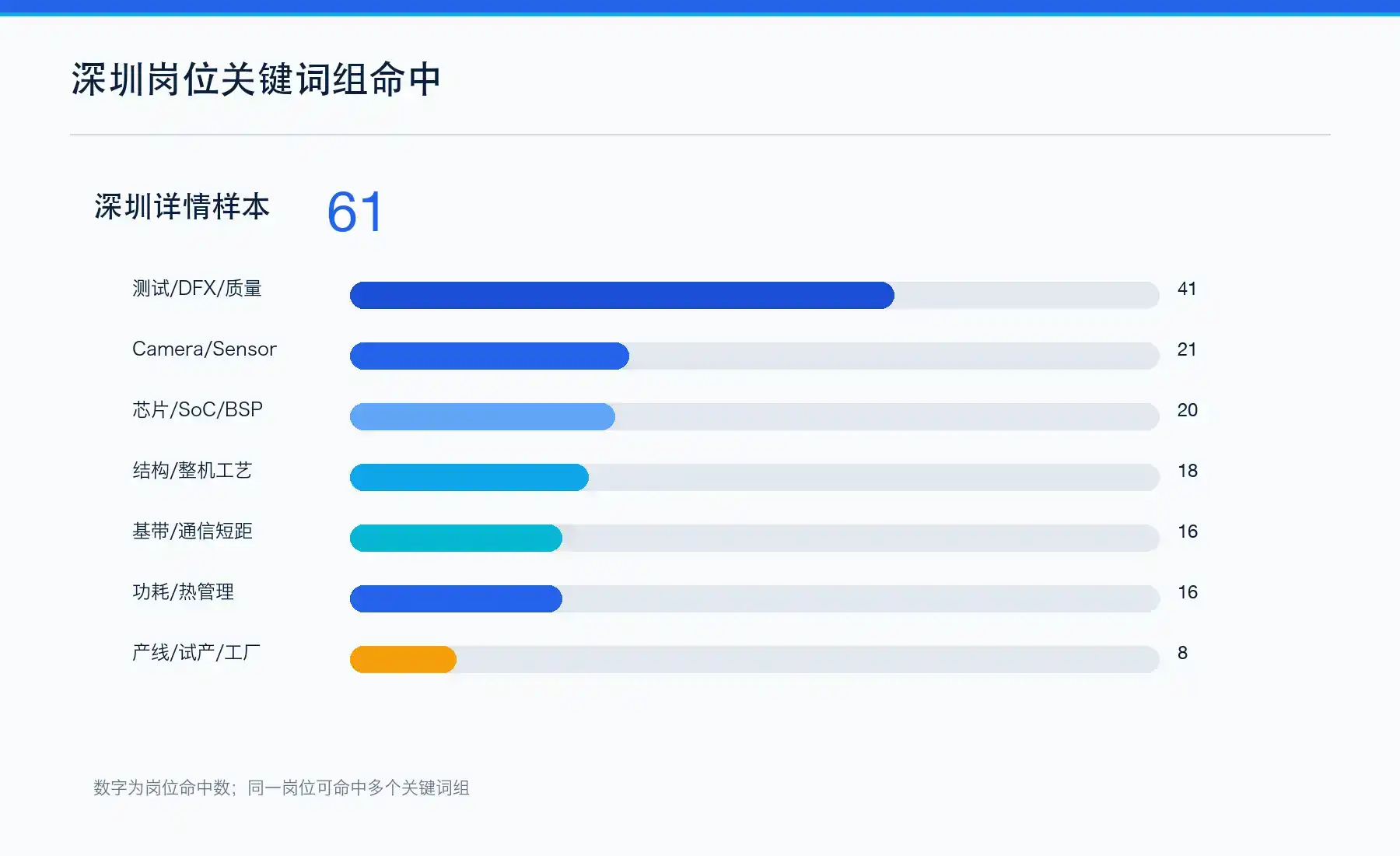
For a project that's just a cloud service, Shenzhen isn't that crucial; once it involves physical products, Shenzhen becomes very important.

And what we see in the Shenzhen-related positions are precisely these things.

Some positions are for human-computer interaction design, covering hardware physical interaction, software interface interaction, and multi-device linkage experience. These positions don't just consider how to design the on-screen interfaces; they also consider the feel of the physical device, buttons, how to wake it up, and how to link with other devices.

Other positions are closer to the engineering floor: interconnection, power consumption, short-range communication, baseband, device assembly process, structure, and testing processes.

These terms don't sound as glamorous as 'agent,' 'multimodal,' or 'world model.' But in consumer electronics, these are ultimately what determine life or death.

If ByteDance only wanted to make Doubao a better phone app, it wouldn't need to do all this hard work. Once it starts hiring for these positions, it indicates readiness to board this ship.

ByteDance Can't Just Make Apps

In the past, the phone was a container for apps; in the AI era, the phone might become the body of the Agent.

If the phone is just an app container, then a company like ByteDance can build its kingdom through individual apps based on content, algorithms, and product prowess. But if the phone becomes the Agent's body, and the user issues a task first, whoever can take that task has the chance to decide the subsequent path.

In this path, apps are demoted to callable tools. This makes all super apps uncomfortable. Because Agents inherently bypass the middle layer.

So, the real difficulty may not lie in whether Doubao can open an app, but in whether others are willing to let it open. And an AI that makes decisions for users cannot be granted passage as easily as a regular app.
For an Agent to move from the chatbox to the operational layer, it must handle a heap of dirty work that didn't belong to AI teams in the past. They need to know when the system kills background processes, when an operation triggers risk control, why the phone heats up, why factory yields aren't improving. In the past, AI teams didn't handle these things, but now they're unavoidable.

That's why ByteDance is hiring for these positions. It might not necessarily launch its own phone, but ByteDance certainly can no longer afford to be just an app inside someone else's phone.

For large model companies to become the next generation's user entry point, they cannot forever reside within someone else's operating system.


Domande pertinenti

QWhat is the main finding of the report based on the recruitment information analysis?

ABased on an analysis of over a thousand recruitment posts, the report suggests that ByteDance is preparing to restart the research and development of mobile phone hardware, specifically to build a system-level AI Agent (Doubao Phone Assistant) that can deeply integrate with and control a mobile device.

QWhat were the key issues that limited the success of the first-generation Doubao Phone?

AThe first-generation Doubao Phone faced operational restrictions or blocks from major platforms like WeChat, Alipay, and Taobao, which could be described as a 'blockade' or simply triggered risk controls. Additionally, the device itself had an imperfect user experience, being slow and clunky at times as an early 'technical preview' version.

QWhat are the three major categories of recruitment for Doubao Phone Assistant, and what do they aim to achieve?

A1. Developing core AI Agent capabilities like task decomposition, tool invocation, and state management. 2. Building long-term memory, user preference learning, and personal knowledge graphs for the AI. 3. Integrating these AI capabilities deeply into the phone system, covering deployment, system applications, audio-video, communication, and testing to ensure it can operate the device effectively.

QAccording to the article, why can't ByteDance afford to remain solely an app developer in the AI era?

AIn the AI era, if the phone becomes the 'body' for an AI Agent, the Agent that first receives and handles user tasks controls the subsequent user journey. Apps risk being demoted to mere tools called by the Agent. Relying solely on apps leaves ByteDance vulnerable to being blocked or restricted by other platforms' operating systems, which could prevent its AI Agent from functioning properly. To control the user entry point, it must move beyond being just an app on someone else's OS.

QWhat does the concentration of recruitment posts in Shenzhen indicate about ByteDance's plans?

AThe recruitment posts based in Shenzhen focus on hardware, supply chain, manufacturing, testing, and mass production (e.g., hardware interaction design, interconnect technology, power management, structural design). This indicates that ByteDance's project has entered a phase involving physical product development and preparation for potential hardware manufacturing, not just software or cloud services.

Letture associate

How to Define "Real U.S. Stocks": Differences Between On-Chain Tokens, Price Contracts, and Direct Broker Connections

**Title:** Defining "Real US Stocks": Differences Among On-Chain Tokens, Price Contracts, and Broker-Direct Access **Summary:** In 2026, using stablecoins to purchase US stocks is mainstream, but products marketed as "buying US stocks with USDT" offer fundamentally different assets. This article analyzes three primary models. **1. Tokenized Stocks:** These are on-chain tokens representing economic exposure to underlying stocks, held by an issuer or custodian. They offer benefits like 24/7 trading and DeFi composability (e.g., use as loan collateral). However, users lack direct legal shareholder status; dividends may not be paid in cash, and voting rights are typically non-binding advisory expressions. Examples include platforms like Ondo Finance. **2. Stock Futures / Equity Perpetuals:** These are derivative contracts tracking a stock's price, allowing leveraged long/short positions 24/7, similar to crypto perpetuals. They offer high efficiency and flexibility but involve funding fees, which can be a significant long-term cost, especially during strong trends. Crucially, they confer no ownership rights (dividends, voting) to the holder. **3. Broker-Direct Model:** This model provides access to real securities via licensed broker-dealers. Stocks/ETFs are bought and held within the US clearing and custodial system (e.g., DTCC), making it the only path to genuine stock ownership. Users receive cash dividends and formal proxy voting rights (where applicable). It supports thousands of stocks and ETFs, far exceeding the coverage of the other two models. Key advantages include no funding fees, a clean cost structure for long-term holds, and the potential to transfer holdings to other brokers. Some platforms facilitate stablecoin (USDT/USDC) deposits, reducing reliance on traditional banking. A critical distinction exists *within* the broker-direct model: the underlying brokerage architecture (e.g., Fully Disclosed IB, Omnibus IB, Self-Clearing) determines how client assets are held, protected, and how safeguards like SIPC insurance are conveyed. Users should verify the specific clearing structure and regulatory compliance of any platform. In conclusion, "buying US stocks with USDT" can mean holding an on-chain economic proxy (Tokenized Stocks), trading a price derivative (Stock Futures), or owning the actual security (Broker-Direct). For users seeking full ownership rights and long-term investment, the broker-direct model is the definitive choice, though its implementation details require careful scrutiny.

marsbit37 min fa

How to Define "Real U.S. Stocks": Differences Between On-Chain Tokens, Price Contracts, and Direct Broker Connections

marsbit37 min fa

NVIDIA Launches DSX Platform, Expanding into AI Factory Infrastructure

NVIDIA has unveiled the DSX platform at its GTC Taipei event, marking a strategic expansion from GPU sales into comprehensive AI factory infrastructure solutions. The platform addresses challenges like power supply, cooling, and resource orchestration as AI models scale, shifting the industry focus from single-chip performance to overall infrastructure efficiency. DSX integrates NVIDIA's chips, systems, software, and partner technologies to cover the entire AI factory lifecycle—from design and simulation to deployment and operations. It aims to accelerate deployment, improve reliability and operational efficiency, and reduce the cost per generated token in AI inference. The software suite includes DSX MaxLPS, which uses 45°C liquid cooling and rack-level optimization to allow up to 40% more GPUs per megawatt, and DSX OS, an open-source platform for AI factory operations. The platform also encompasses reference designs, digital twin simulation (DSX Sim), dynamic workload adjustment based on grid conditions (DSX Flex), and data exchange between systems. Early adopters include cloud providers like CoreWeave and Lambda. Major hardware partners, including Dell, HPE, Lenovo, and Supermicro, are developing DSX-ready systems. Pilot projects for DSX Flex are underway with energy providers. Strategically, DSX represents NVIDIA's ongoing transition from an AI chip supplier to a full-stack AI infrastructure platform provider, aiming to set industry standards and solidify its market leadership.

marsbit42 min fa

NVIDIA Launches DSX Platform, Expanding into AI Factory Infrastructure

marsbit42 min fa

After Burning Tens of Billions of Dollars in Tokens, Silicon Valley Giants Start Limiting Employee Token Usage

After burning tens of billions of dollars on AI tokens, major Silicon Valley firms are now restricting employee usage. Companies like Microsoft, Uber, and Salesforce, which heavily promoted AI for "efficiency," are facing a cost crisis. The practice of "tokenmaxxing"—pushing employees to maximize AI tool usage—led to wasteful spending on trivial tasks like checking the weather or writing birthday messages, with studies showing significant hidden costs for bug fixes and code rewrites. The core issue is a misalignment between individual productivity gains and actual business value. While employees use AI to automate tasks they dislike, such as writing reports, this often doesn't translate to increased company revenue or improved core business outcomes. For instance, AI-generated code speeds up development but also sees an 800% increase in "code churn" (code being discarded or rewritten). As a result, only 14% of CFOs report seeing a clear, measurable return on AI investments. Firms are now shifting strategies. Microsoft has revoked most internal licenses for Claude Code, while others are implementing monitoring and cost controls. New tools from companies like Harness and CloudZero aim to track AI spending and tie costs to business results. Some AI vendors, like HubSpot, are moving from token-based pricing to charging based on outcomes, such as "resolved conversations" or "leads generated." This represents a necessary correction in the AI adoption cycle. The challenge now is for companies to move beyond using AI merely to speed up old tasks and instead rethink their workflows and business models fundamentally. The future of enterprise AI depends on proving its value, not just its usage.

marsbit1 h fa

After Burning Tens of Billions of Dollars in Tokens, Silicon Valley Giants Start Limiting Employee Token Usage

marsbit1 h fa

Trading

Spot
Futures
活动图片




