VCs Review 2025 Crypto Investments: Narrative is Dead, Computing Power is King

marsbitPubblicato 2025-12-24Pubblicato ultima volta 2025-12-24

Introduzione

Venture capital reflects on 2025 crypto investments, declaring "narratives are dead, compute is king." Despite growth in on-chain financial tools and a favorable U.S. regulatory environment, long-term crypto investors faced a difficult year due to structural market issues, including token unlock mechanisms and speculative behavior. Public market winners were owners of physical and financial bottlenecks: power, semiconductors, and scarce compute (e.g., IREN, NVIDIA). AI value accrued to infrastructure and essential services, not speculative narratives. Tokenized networks underperformed as usage failed to translate to value capture. Key lessons: AI value is realized in infrastructure, neutrality is a key economic asset, and token networks face recurring structural challenges. For 2026, the focus shifts to machine transaction surfaces, budget-backed applied infrastructure, and high-conviction asymmetric bets. The market is transitioning from discovery to exit phases, with a temporary shift toward equity investments over tokens.

Source: Fintech Blueprint

Original Title: Analysis: Learning from 2025 to win big in the 2026 machine economy

Compiled and Edited by: BitpushNews

Structural Issues in the Crypto Market

The adoption of on-chain financial instruments and the trend of the machine economy are booming.

Over the past year, we have witnessed a massive expansion of blockchain-native finance across the following five dimensions: (1) stablecoins, (2) decentralized lending and trading, (3) perpetual contracts, (4) prediction markets, and (5) Digital Asset Treasuries (DATs). The regulatory environment in the United States has become extremely favorable, driving an increase in both the number of projects and risk appetite.

Setting aside uncertainties brought by tariffs and market structure, a tolerant macro environment has also provided fertile ground for crypto innovation to take root. These trends are well-known and require no further elaboration with data.
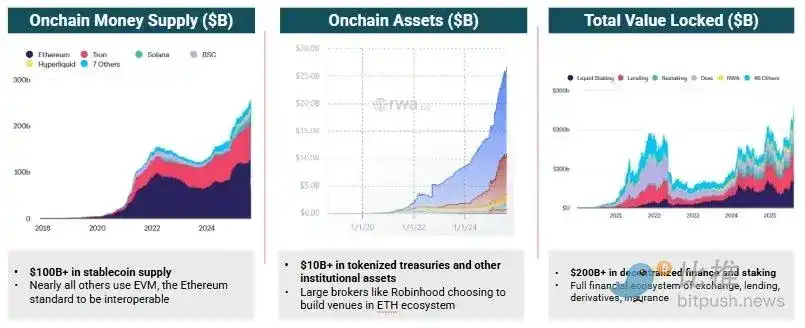
However, 2025 has been an extremely difficult year for long-term investors in tokens and crypto assets other than Bitcoin.

If you were a trader or banker, you might have had a decent year—we saw record commissions from bringing DATs to market, as well as massive fee income generated by exchanges like Binance during their listing processes.

But for those of us with a 3-5 year investment horizon, the market structure has been terrible.

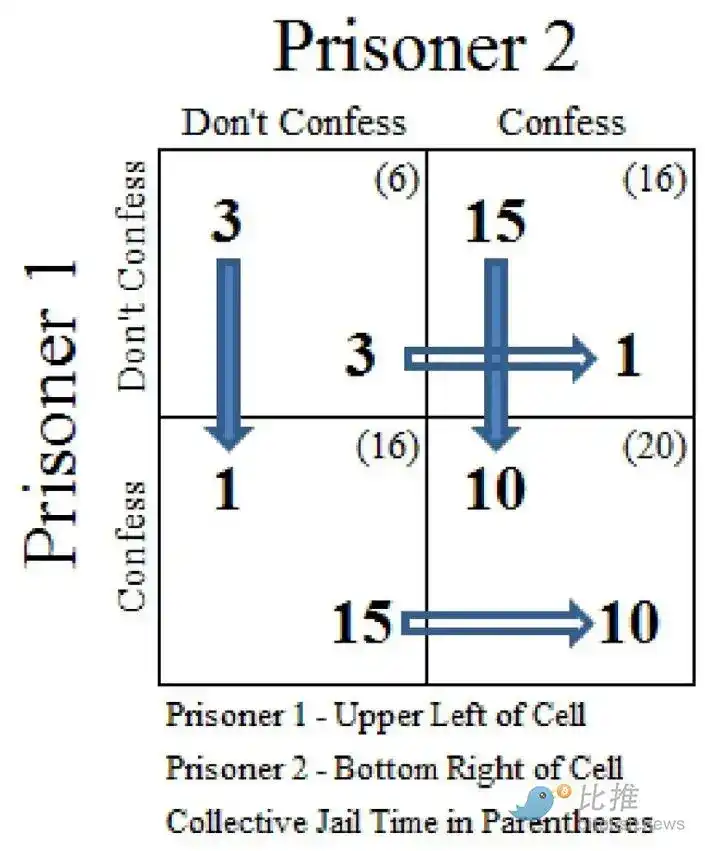
We are completely stuck in a "negative prisoner's dilemma": token holders, anticipating future selling pressure, are dumping any and all assets; meanwhile, market makers and exchanges that support the entire crypto economy are taking speculative positions focused solely on short-term gains. Token unlock mechanisms and issuance prices often drag projects down before they have achieved profitability or found product-market fit.
Furthermore, the market structural failure on October 10 this year clearly hit several major players hard. Although the losses have not been made public, the aftershocks of liquidations continue. The correlation among all crypto assets has risen to nearly 1, indicating industry-wide deleveraging by participants, despite their vastly different fundamental logics.

It is easy to retreat and become cynical at this moment.
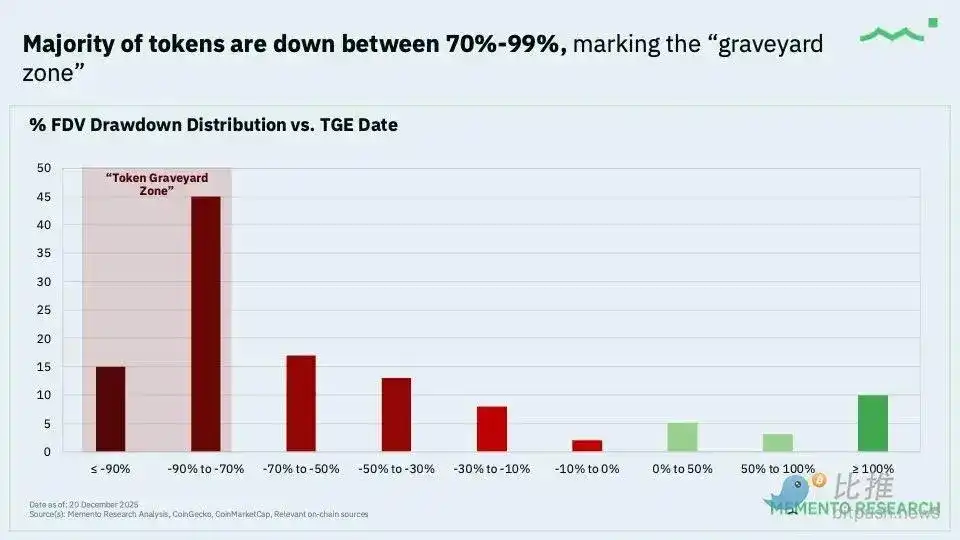
But we prefer to mark-to-market as clearly as possible in order to plan for future positioning.

The decline in the 2025 crypto investment field is information, but not a conclusion. It is likely that 2026 will see large-scale liquidations in the secondary market for private companies. At that time, we will analyze how so many Special Purpose Vehicles (SPVs) were issued at high valuations during the crypto boom.

Meanwhile, the vision of programmable finance and "Robot Money" continues to materialize, and we must continue to work hard to find the best positioning in its inevitable rise.

For context, see the chart below. This chart, zoomed into the past decade, shows the market value creation across several regions and industries.
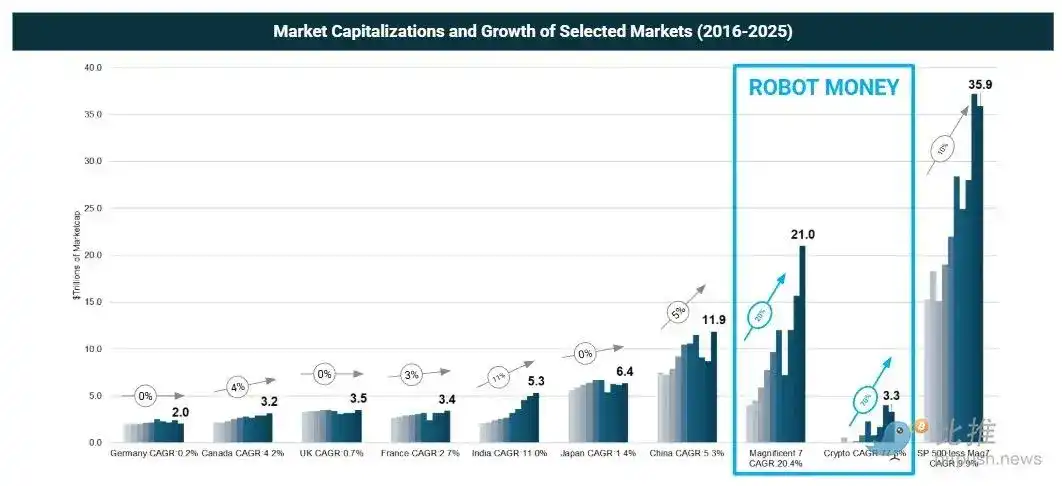
When we look at this history, the value creation in the cryptocurrency and AI fields is staggering compared to the rest of the world.

European capital markets (around $2-3 trillion per country) have achieved almost nothing, merely maintaining the status quo. You might as well invest in government bonds, earn 3% interest annually, and probably create more value. On the right side of the chart, India and China show a Compound Annual Growth Rate (CAGR) of 5-10%, with net market cap growth of approximately $3 trillion and $5 trillion, respectively, over the same period.

With this scale in mind, look at what we define as "Robot Money":

The "Magnificent 7" representing tech and AI added about $17 trillion in market cap at an annual rate of 20%;

The crypto asset market, representing modern financial rails, added $3 trillion over the same period, with a CAGR as high as 70%.

This is the future financial center.

But being logically correct is not enough. We must meticulously lock onto the parts of the value chain that have not yet been noticed by the world. Think back to talking about robo-advisors in 2009, neobanks in 2011, or DeFi in 2017—the vocabulary and associations were not yet formed at the time, and it took 2-5 years for these outcomes to harden into clear business opportunities.

Value Capture in the Machine Economy

As a form of "masochistic" exercise, we compiled a 158-page summary report covering the most relevant players in the 2025 machine economy.
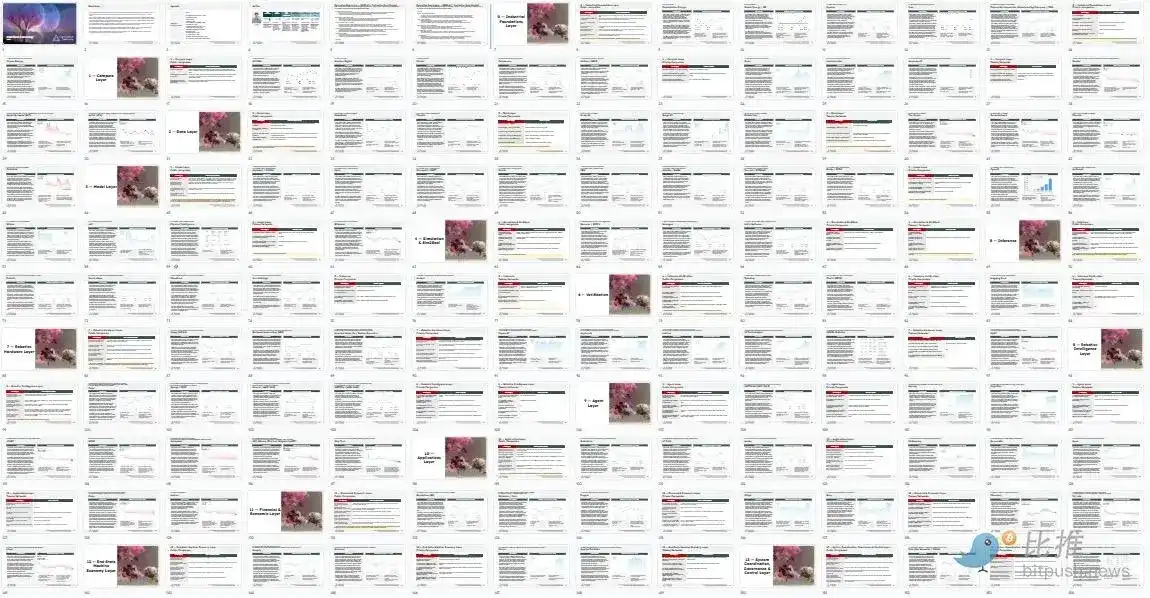
In public markets, 2025 was a year of "the strong get stronger, the weak fall behind."
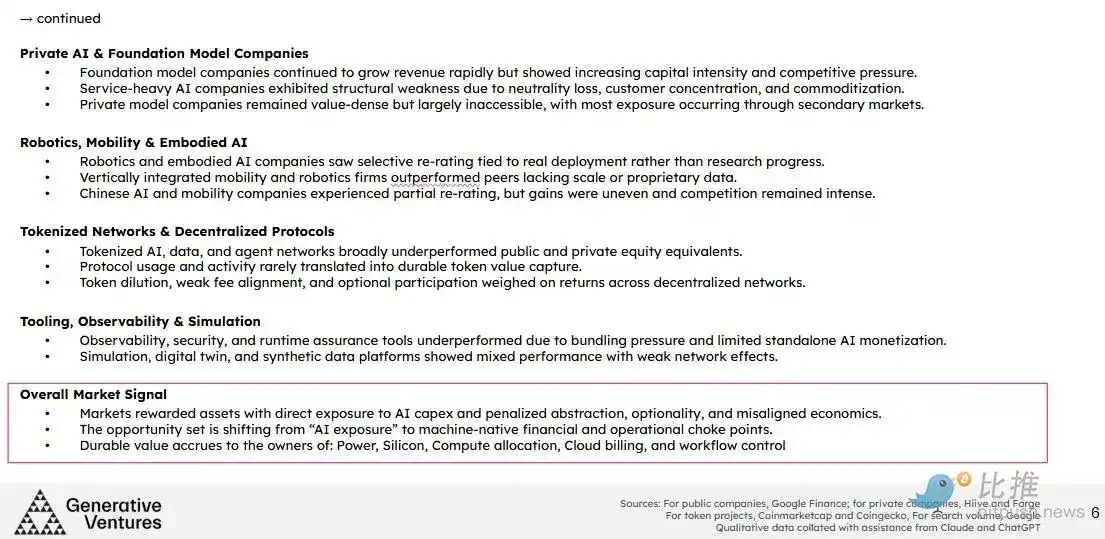
The clear winners were the owners of physical and financial bottlenecks: power, semiconductors, and scarce computing power.

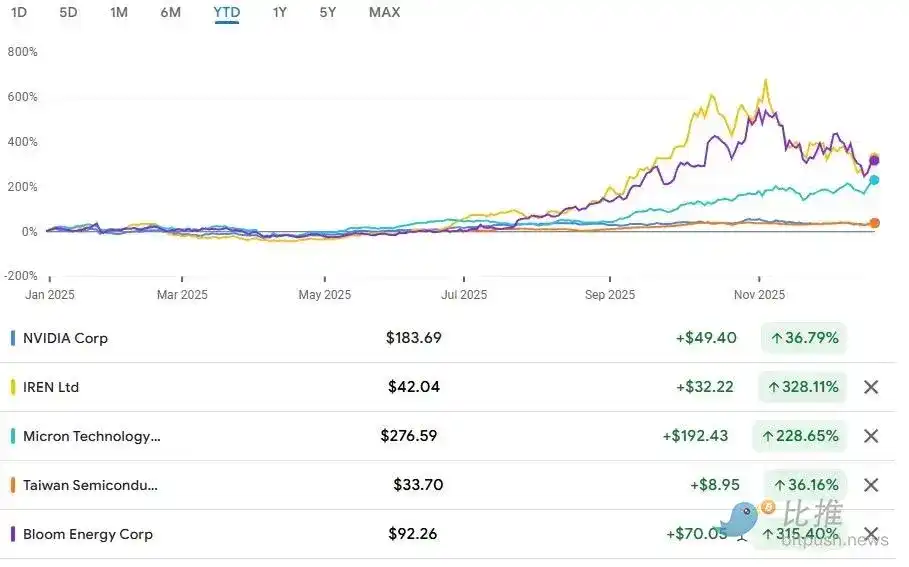
Bloom Energy, IREN, Micron, TSMC, and NVIDIA all significantly outperformed the broader market, as capital chases assets that "machines must pass through."

Bloom and IREN are typical examples: they stand directly in the path of AI capital expenditure, converting urgency into revenue.

In contrast, traditional infrastructure like Equinix performed sluggishly, reflecting the market's view that the value of general-purpose capacity is far lower than that of power-guaranteed, high-density, customized computing power.
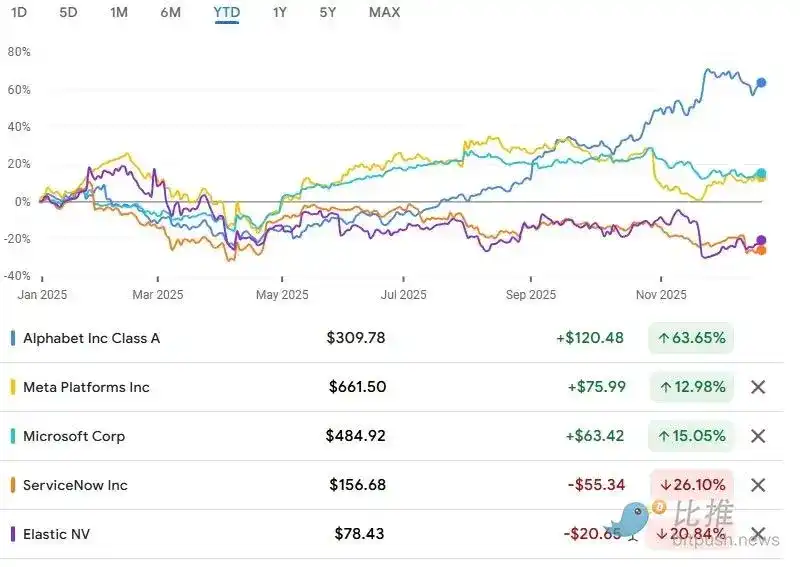
In the software and data space, performance diverged along another dimension: (1) Mandatory vs. (2) Optional. Platform-like enterprise systems embedded in workflows with mandatory renewals (like Alphabet, Meta) continued their compound growth, both rising year-to-date, as AI spending reinforced their existing distribution moats. ServiceNow and Datadog, despite strong products, saw returns dragged down by valuation pressures, bundling pressure from hyperscale cloud providers, and slower AI monetization. Elastic illustrates the adverse scenario: strong technical capabilities, but squeezed by cloud-native alternatives and deteriorating unit economics.
The private market shows a similar screening mechanism.

Foundation model companies are the protagonists of the story, but fragility is increasing. OpenAI and Anthropic are growing revenue rapidly, but their neutrality, capital intensity, and margin compression are now clear risks. Scale AI is this year's cautionary tale: a partial acquisition by Meta destroyed its "neutral" position and triggered customer churn, proving how quickly a heavy-service business model can unravel once trust is broken. In contrast, companies that control value (Applied Intuition, Anduril, Samsara, and emerging fleet operating systems) appear better positioned, even if value realization remains mostly non-public.

Tokenized networks were the worst-performing sector.

With very few exceptions, decentralized data, storage, agent, and automation protocols performed poorly, as usage failed to translate into token value capture.

Chainlink remains strategically important but struggles to align protocol revenue with its token economic model; Bittensor is the biggest bet in crypto AI but does not yet pose a substantive threat to Web2 lab companies; Giza and similar agent protocols show real activity but are hampered by dilution and meager fees. The market no longer rewards "collaborative narratives" without mandatory fee mechanisms.

Value is accumulating where machines are already paying—power, silicon, compute contracts, cloud bills, and regulated balance sheets—not where they might choose to pay someday in the future.

In 2025, the market rewarded ownership of "chokepoints" and punished projects with ideals but lacking control over cash flow or computing power. The core of alpha lies in: identifying where economic power already exists and betting on assets that machines cannot bypass.

Key Insights:

  • AI value realization is one layer deeper than most people anticipated.
  • Neutrality is now a first-class economic asset (refer to Scale AI).
  • "Platforms" only work when combined with control points, not merely as a feature.
  • AI software is deflationary (pricing pressure); AI infrastructure is inflationary.
  • Vertical integration only matters if it locks in data or economic effects.
  • Token networks are repeatedly undergoing the same market structure tests.
  • Merely having AI exposure is not enough; positioning quality determines everything.
  • Robotics hardware and software will be the next hype cycle, and we will likely see a similar investment wave and selective winners.

Positioning for 2026

Over the past two years, we have built a core portfolio covering the key themes discussed here. Looking ahead to 2026, our positioning and investment execution will be further strengthened.

Next, I will talk about our holding strategy.
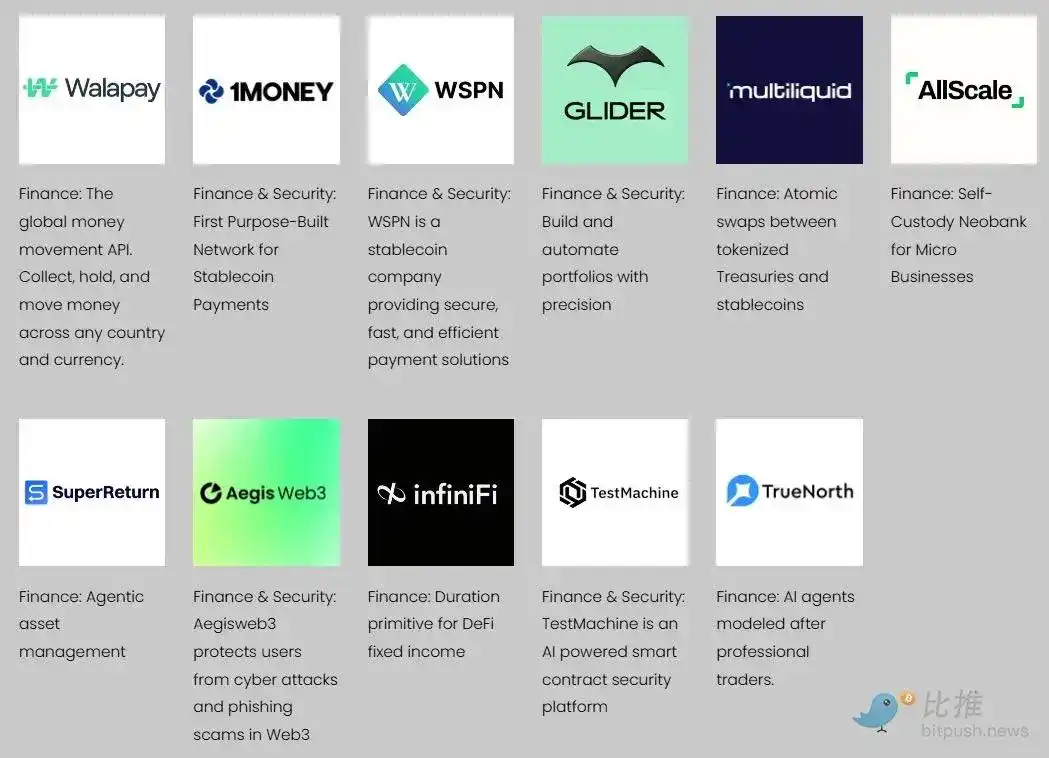
Although the long-term vision of autonomous agents, robotics, and machine-native finance is directionally correct, the market is currently in a phase where valuations in private AI and robotics are extremely outrageous. Aggressive secondary liquidity and implied valuations above $100 billion mark a transition from the "discovery phase" to the "exit phase."

As an early-stage fund with a fintech angle, we must target areas downstream of this spending:

  • Machine Transaction Surfaces: Layers where machines or their operators already carry economic activity, such as payments, billing, metering, routing, and the orchestration of capital or compute, compliance, custody, and settlement primitives. Returns come through transaction volume, acquisition, or regulatory status, not speculative narratives. Walapay and Nevermined in our portfolio are examples.
  • Applied Infrastructure With Budgets: Infrastructure that enterprises or platforms are already procuring, such as compute aggregation and optimization, data services embedded in workflows, tools with recurring spend and switching costs. The focus is on ownership of budgets and depth of integration. Examples include Yotta Labs and Exabits.
  • High-Novelty Opportunities: A few asymmetric upside opportunities with uncertain timing: basic research, frontier science, AI-related culture or IP platforms. Our recent investment in Netholabs (a lab dedicated to simulating the complete digital brain of a mouse) fits this characteristic.

Additionally, until the token market structure issues are resolved, we will invest more aggressively in equity. Previously, our exposure was 40% tokens and 40% equity, with 20% flexibly allocated. We believe the token space needs 12-24 months to digest the current difficulties.

Key Takeaways

You don't need to be a venture capitalist to learn from and benefit from these market dynamics.

Massive capital expenditure is flowing from tech giants to energy and component suppliers. A handful of companies expected to be multi-trillion-dollar public market winners are choosing to remain private while spinning off Special Purpose Vehicles (SPVs). Public companies are defending as best they can. Political power is centralizing and nationalizing these initiatives—whether it's Musk and Trump, or China and DeepSeek—rather than supporting their decentralized alternatives in Web3. Robotics is intertwined with national manufacturing and the military-industrial complex.

In creative industries (from gaming to film, music), there is resistance to AI, with practitioners of "human craft"排斥 those robots that claim to do the same thing.

In the software, science, and mathematics industries, however, people see AI as a great achievement that helps discover and build efficient business architectures.
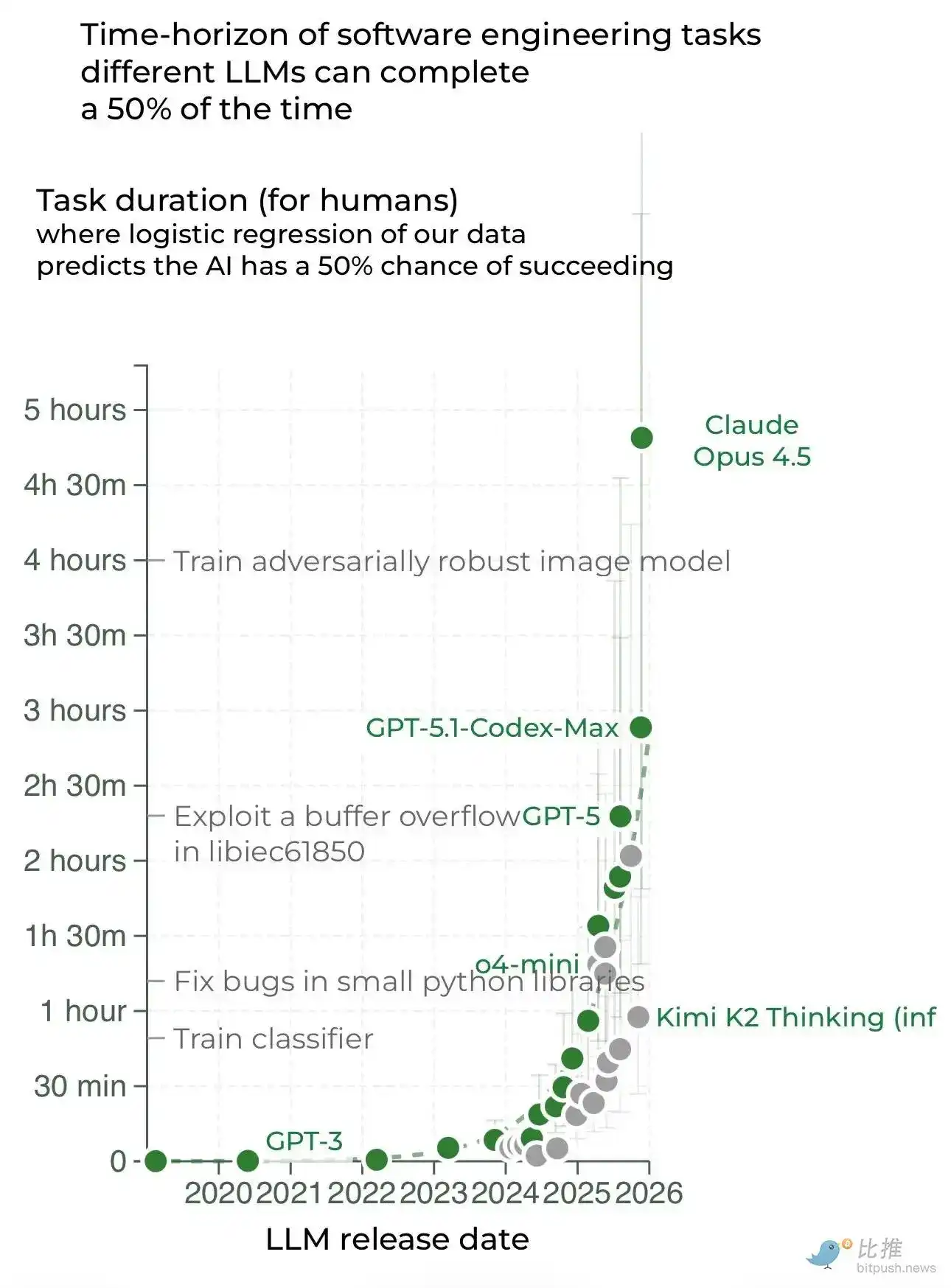
We need to stop believing in this collective illusion and return to reality. On one hand, dozens of companies have achieved over $100 million in annual revenue by serving users; on the other hand, the market is also filled with大量的 falsehoods and scams. Both are true, existing in parallel.

The new year will bring a comprehensive reshuffle, but it also contains huge opportunities. Success can only be achieved by walking carefully on the tightrope of opportunity. See you on the other side!


Domande pertinenti

QAccording to the article, what was the main structural problem in the crypto market in 2025 for long-term investors?

AThe market was trapped in a 'negative prisoner's dilemma' where token holders, anticipating future selling pressure, sold off assets, while market makers and exchanges took short-term speculative positions. Token unlock mechanisms and issuance prices often crushed projects before they could achieve profitability or find product-market fit.

QWhat does the article identify as the clear winners in the public markets for 2025, and why?

AThe clear winners were the owners of physical and financial bottlenecks: electricity, semiconductors, and scarce compute power. Companies like Bloom Energy, IREN, Micron, TSMC, and NVIDIA significantly beat the market because capital was chasing assets that 'machines must pass through'.

QHow did the performance of tokenized networks compare to other sectors in the machine economy, as described in the article?

ATokenized networks were the worst-performing sector. With few exceptions, decentralized data, storage, agent, and automation protocols performed poorly because usage failed to translate into token value capture. The market no longer rewarded 'collaborative narratives' without mandatory fee mechanisms.

QWhat are the three key investment areas the venture capital firm is focusing on for 2026?

AThe three key investment areas are: 1) Machine Transaction Surfaces (layers where machines or their operators already conduct economic activity), 2) Applied Infrastructure With Budgets (infrastructure that enterprises or platforms are already procuring), and 3) High-Novelty Opportunities (asymmetric upside opportunities with uncertain timing, like frontier science).

QWhat core shift in investment strategy does the article mention regarding tokens vs. equity?

AThe strategy has shifted to be more aggressive in investing in equity. Previously, the allocation was 40% tokens and 40% equity, with 20% flexible. The article states that the token space will need 12-24 months to digest its current predicament, leading to a greater focus on equity investments.

Letture associate

KOL's Perspective: Why Is SOL Set to Rise from This Point?

**Summary: Why SOL is Positioned for Growth at This Level** The article argues that SOL is poised for an upward move from its current price point, citing several key factors. Primarily, SOL has just broken out of a 4-month consolidation phase. This breakout signals a return of risk appetite to the broader crypto market, as SOL is seen as a key indicator of overall crypto health. The token's ownership has reportedly shifted from short-term traders and tourists to long-term accumulators, leading to low volume. Any meaningful increase in trading activity could thus trigger significant upward momentum. Fundamental strengths include strong institutional adoption, integration with DeFi and RWAs (Real-World Assets), and the potential benefits from the Clarity Act. Despite its high volatility—having dropped 70% from its all-time high but still up 12x from its bear market low—SOL is highlighted as one of the few tokens from the last cycle to reach new highs. It boasts a robust ecosystem of applications, users, and protocols. Future catalysts include the expected influx of AI developers following the Miami Accelerate conference, which focused on AI on Solana. Furthermore, Solana is positioned as the premier chain for memecoin activity, a trend expected to continue and drive network usage and fees. The article concludes that recent price action reflects a healthy transfer to long-term holders, setting the stage for growth.

marsbit38 min fa

KOL's Perspective: Why Is SOL Set to Rise from This Point?

marsbit38 min fa

Those Pre-Bitcoin PoW Protocols Have Recently Been Reimplemented

This article details a recent surge in replicating pre-Bitcoin Proof-of-Work (PoW) protocols, specifically focusing on Hal Finney's 2004 RPOW (Reusable Proofs of Work). Within five days in May 2026, multiple independent builders in the Bitcoin/cypherpunk community launched projects inspired by this early electronic cash proposal. The initiative began with Fred Krueger's `rpow2.com`, a centralized but auditable system that replaced RPOW's original IBM 4758 hardware with Ed25519 signatures. Initially a faithful replica, it later adopted Bitcoin-like features (21M supply cap, difficulty adjustment) and a controversial 5.24% founder allocation. This sparked rapid forks, including `rpow4.com` which incorporated full Bitcoin parameters, a prediction market (`rpowmarket.com`), and a DEX (`rpow2swap.com`). Concurrently, Mike In Space created a prototype of Wei Dai's 1998 b-money proposal (`b-money.replit.app`), pushing the historical exploration even further back. The article contrasts these centralized, server-dependent experiments with Bitcoin's core innovation of decentralized, trustless consensus. It also highlights a parallel development: the `HASH` project on Ethereum, which uses smart contract hooks to enable a purely fair-launch, browser-mineable PoW token with 0% allocations to team or VCs. The collective activity is framed as a meme-driven, educational exploration of cypherpunk history rather than a serious financial movement, with all projects heavily disclaiming any investment value.

marsbit43 min fa

Those Pre-Bitcoin PoW Protocols Have Recently Been Reimplemented

marsbit43 min fa

South Korean Exchanges 'Battle' Regulators, Challenging the Boundaries of Enforcement and Legislation

South Korea's cryptocurrency industry is engaged in a rare, direct confrontation with regulators. The Financial Intelligence Unit (FIU), the primary anti-money laundering (AML) watchdog, has recently imposed heavy penalties on major exchanges like Upbit and Bithumb for alleged violations involving unregistered overseas VASPs and AML procedures. However, exchanges are now actively challenging these actions in court and through industry associations. In a significant shift, the Seoul Administrative Court ruled in favor of Upbit's operator, Dunamu, overturning part of an FIU-ordered business suspension. The court found the FIU's penalty criteria and justification insufficiently clear. Similarly, the court suspended the enforcement of a six-month business suspension against Bithumb pending a final ruling, citing potential irreversible harm to the exchange. Beyond legal battles, the industry is contesting proposed legislative amendments. The Digital Asset eXchange Alliance (DAXA) strongly opposes a draft rule that would mandate Suspicious Transaction Reports (STRs) for all crypto transfers over 10 million KRW (~$6,800). DAXA argues this "poison pill" clause violates legal principles and would overwhelm the STR system, increasing reports from 63,000 to an estimated 5.45 million annually for major exchanges, thereby crippling effective AML monitoring. This conflict highlights a structural tension in South Korea's crypto governance: comprehensive digital asset laws are still developing, while regulators rely heavily on AML enforcement. The industry's move from passive compliance to active legal and legislative challenges signifies a new phase, pressing for clearer rules and more proportionate enforcement. While short-term disputes may intensify, this clash could ultimately lead to a more mature and sustainable regulatory framework for South Korea's vibrant crypto market.

marsbit1 h fa

South Korean Exchanges 'Battle' Regulators, Challenging the Boundaries of Enforcement and Legislation

marsbit1 h fa

After 50x Storage Surge, Justin Sun Always Looks to the Next Decade

Sun Yuchen, known for his controversial stunts like a $30 million lunch with Warren Buffett (canceled due to a kidney stone) and eating a $6.2 million duct-taped banana, is often overshadowed by a significant fact: his decade-long track record of spotting major investment trends. In 2016, he famously advised young people to invest in Bitcoin, Nvidia, Tesla, and Tencent instead of buying property. A hypothetical $20,000 investment in Nvidia and Tesla from that list would now be worth over 50 million RMB. His latest major call was on November 6, 2025, predicting a "50x storage opportunity" tied to the AI boom, which materialized with Sandisk's stock surging nearly 50-fold by 2026. Looking ahead, Sun now focuses on the next frontier: Physical AI. He identifies four key areas: 1. **Embodied AI/Robotics**: He sees this reaching its "iPhone moment," with companies like UBTech and Galaxy General leading in commercialization. 2. **Drones**: Viewed as the first commercially viable form of Physical AI, revolutionizing sectors from warfare (e.g., AeroVironment's Switchblade) to logistics. 3. **Spatial Computing**: Beyond VR, it's about AI understanding physical space, a foundational technology for robotics and autonomous systems, exemplified by Apple's Vision Pro. 4. **Space Exploration**: After a 2025 suborbital flight with Blue Origin, Sun advocates for space as the ultimate frontier, discussing blockchain's potential role in space asset management and data transactions. His investment philosophy involves betting on entire, inevitable trends rather than single companies. For robotics, he sees Tesla (the body/manufacturer) and Nvidia (the brain/AI platform) as complementary plays. In defense drones, he highlights companies making tanks obsolete (AeroVironment) and those augmenting fighter jets (Kratos). For space, he participated in Blue Origin's flight and anticipates SpaceX's potential IPO to redefine the sector's valuation. Sun Yuchen's vision frames the next two decades not as a revolution in information flow (like the internet), but in the fundamental operation of the physical world through AI-powered robots, autonomous systems, and spatial intelligence, ultimately extending human and AI activity into space. While many still focus on conventional assets, he continues to look toward the next technological horizon.

marsbit2 h fa

After 50x Storage Surge, Justin Sun Always Looks to the Next Decade

marsbit2 h fa

Trading

Spot
Futures

Articoli Popolari

Come comprare WIN

Benvenuto in HTX.com! Abbiamo reso l'acquisto di WINkLink (WIN) semplice e conveniente. Segui la nostra guida passo passo per intraprendere il tuo viaggio nel mondo delle criptovalute.Step 1: Crea il tuo Account HTXUsa la tua email o numero di telefono per registrarti il tuo account gratuito su HTX. Vivi un'esperienza facile e sblocca tutte le funzionalità,Crea il mio accountStep 2: Vai in Acquista crypto e seleziona il tuo metodo di pagamentoCarta di credito/debito: utilizza la tua Visa o Mastercard per acquistare immediatamente WINkLinkWIN.Bilancio: Usa i fondi dal bilancio del tuo account HTX per fare trading senza problemi.Terze parti: abbiamo aggiunto metodi di pagamento molto utilizzati come Google Pay e Apple Pay per maggiore comodità.P2P: Fai trading direttamente con altri utenti HTX.Over-the-Counter (OTC): Offriamo servizi su misura e tassi di cambio competitivi per i trader.Step 3: Conserva WINkLink (WIN)Dopo aver acquistato WINkLink (WIN), conserva nel tuo account HTX. In alternativa, puoi inviare tramite trasferimento blockchain o scambiare per altre criptovalute.Step 4: Scambia WINkLink (WIN)Scambia facilmente WINkLink (WIN) nel mercato spot di HTX. Accedi al tuo account, seleziona la tua coppia di trading, esegui le tue operazioni e monitora in tempo reale. Offriamo un'esperienza user-friendly sia per chi ha appena iniziato che per i trader più esperti.

313 Totale visualizzazioniPubblicato il 2024.12.11Aggiornato il 2025.03.21

Come comprare WIN

Discussioni

Benvenuto nella Community HTX. Qui puoi rimanere informato sugli ultimi sviluppi della piattaforma e accedere ad approfondimenti esperti sul mercato. Le opinioni degli utenti sul prezzo di WIN WIN sono presentate come di seguito.

活动图片












