The Unluckiest Person: Zero API Calls, Secretly Charged 1 Billion Yuan by Anthropic

marsbitPubblicato 2026-07-13Pubblicato ultima volta 2026-07-13

Introduzione

A South Korean developer, remy_notes, was shocked to receive two invoices from Anthropic totaling over $17.8 million within 24 hours, despite being on a free plan with zero API usage and no linked credit card. His bank blocked the attempted charges. This case highlights a broader issue of billing errors in the AI industry. Auditing firm Vaudit, reviewing millions in AI bills, found significant erroneous overcharges, often related to issues like clients being billed for newer, pricier models instead of older ones they used, or being charged for failed requests and retry loops. While Anthropic claims overcharging is not widespread, major providers have refunded a large portion of disputed amounts. The incident adds to growing distrust, following previous billing controversies like the "HERMES.md bug" and a class-action lawsuit over opaque usage calculations for Anthropic's subscription plans. The complexity of AI pricing models creates a "black box" for users, leading to a new competitive frontier: billing transparency. As users turn to audits and lawsuits, clear and fair pricing is becoming a crucial part of the product experience.

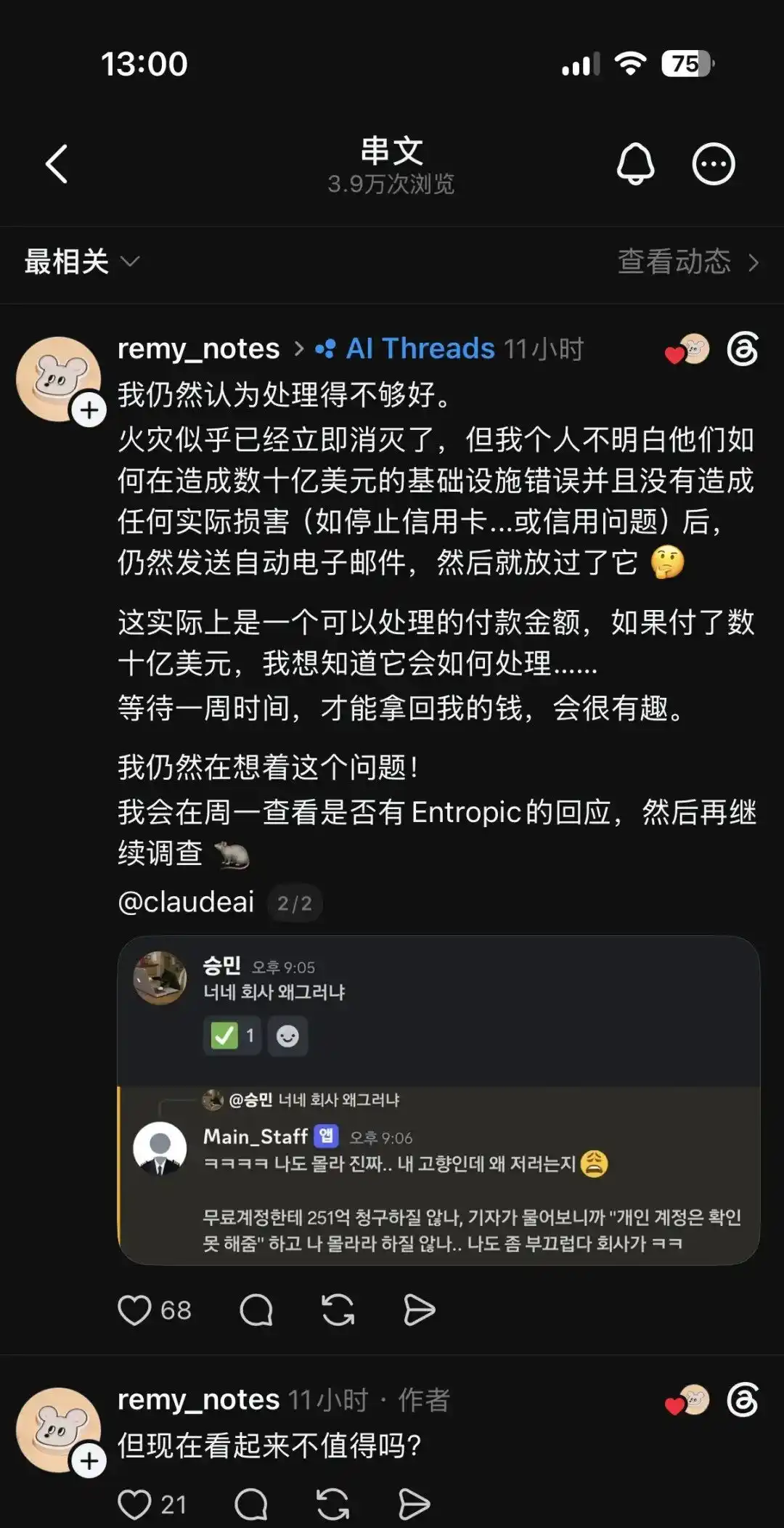
On July 8, the well-known Korean developer remy_notes posted two Anthropic invoice screenshots on Threads: the first for $1.669 million (approximately 11.3 million RMB), the second for $16.62 million (approximately 110 million RMB). The two invoices were issued less than 24 hours apart, with the amount increasing nearly tenfold.
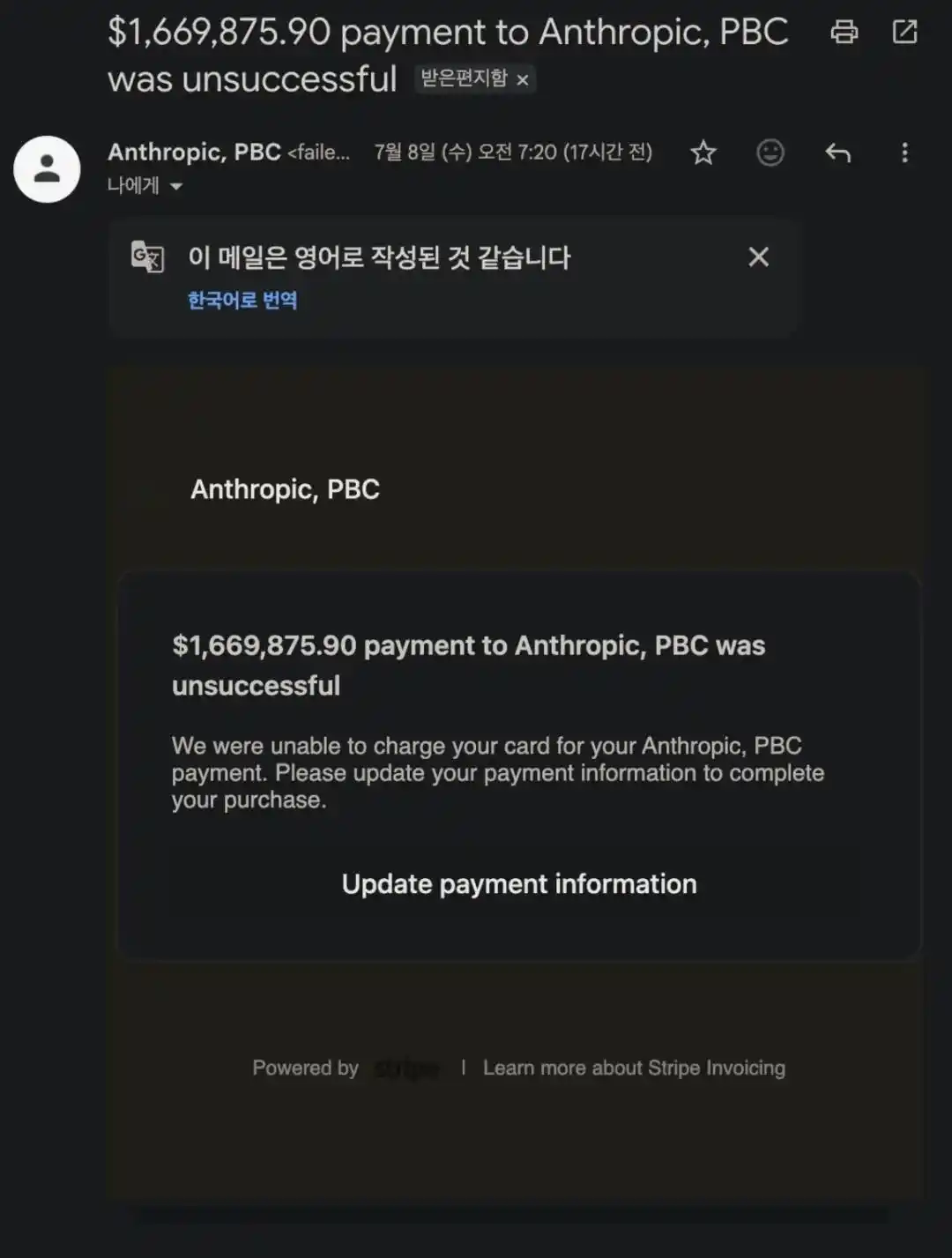
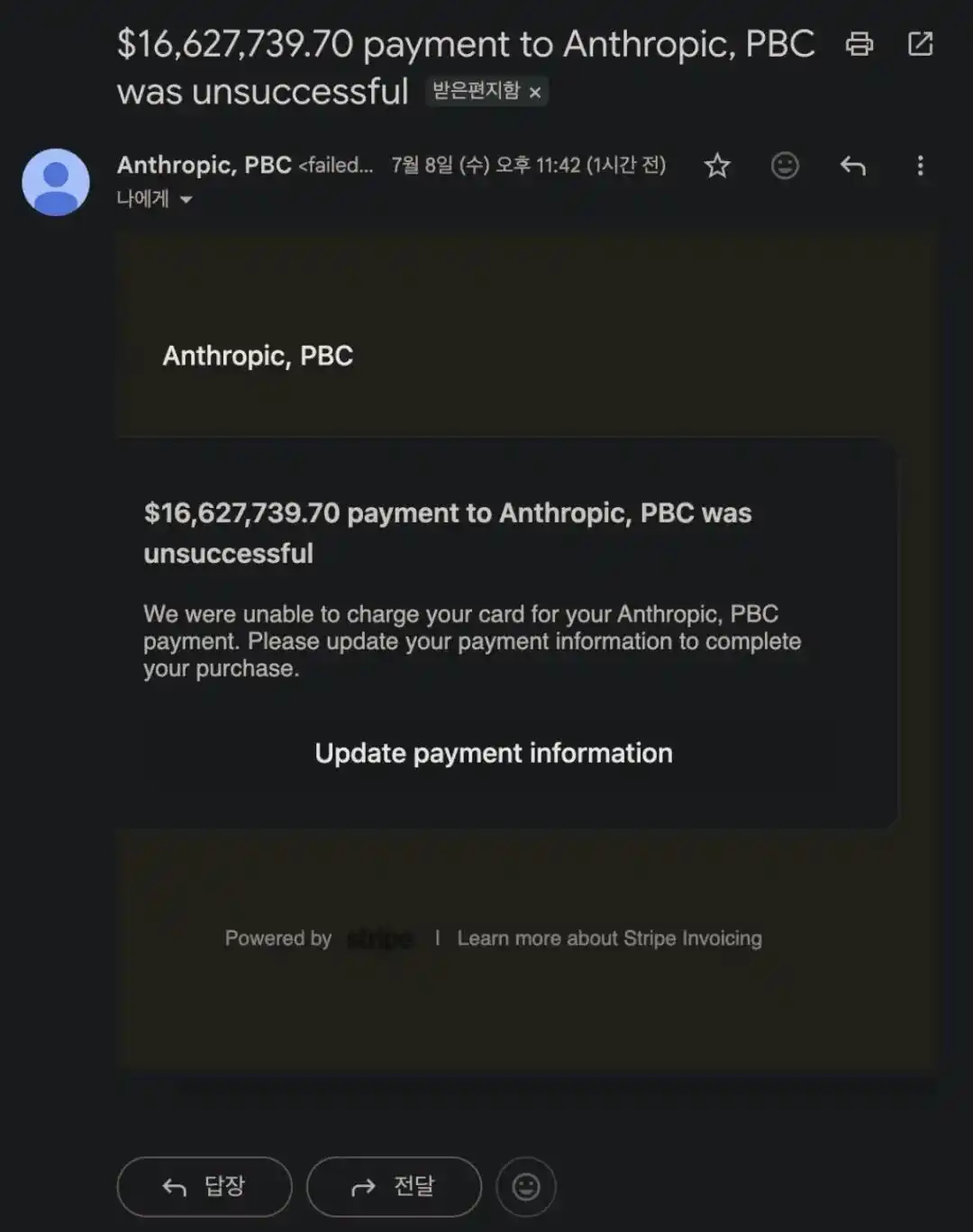
He initially thought it was a phishing email, but the sender address and payment links pointed to Anthropic's official Stripe domain.
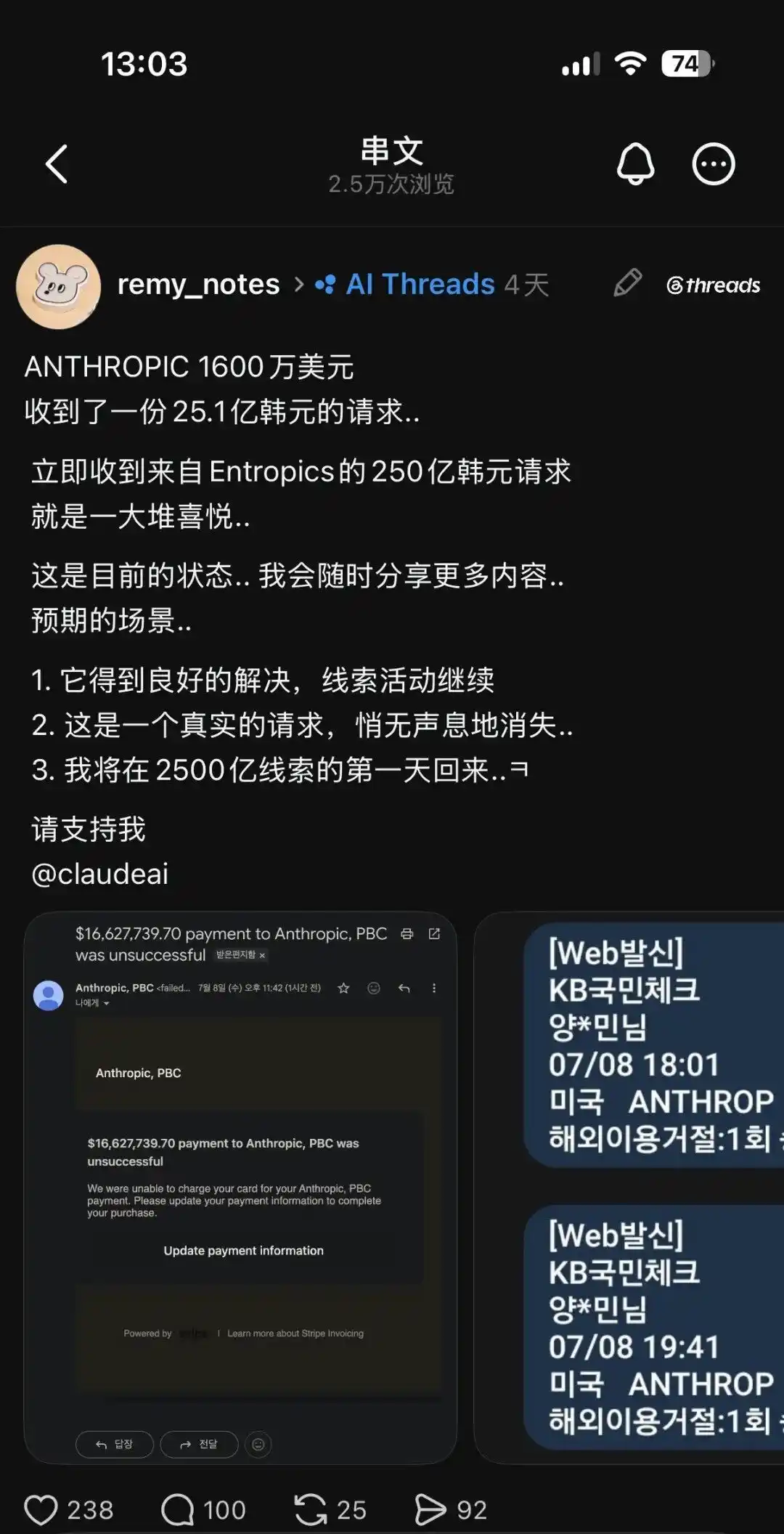
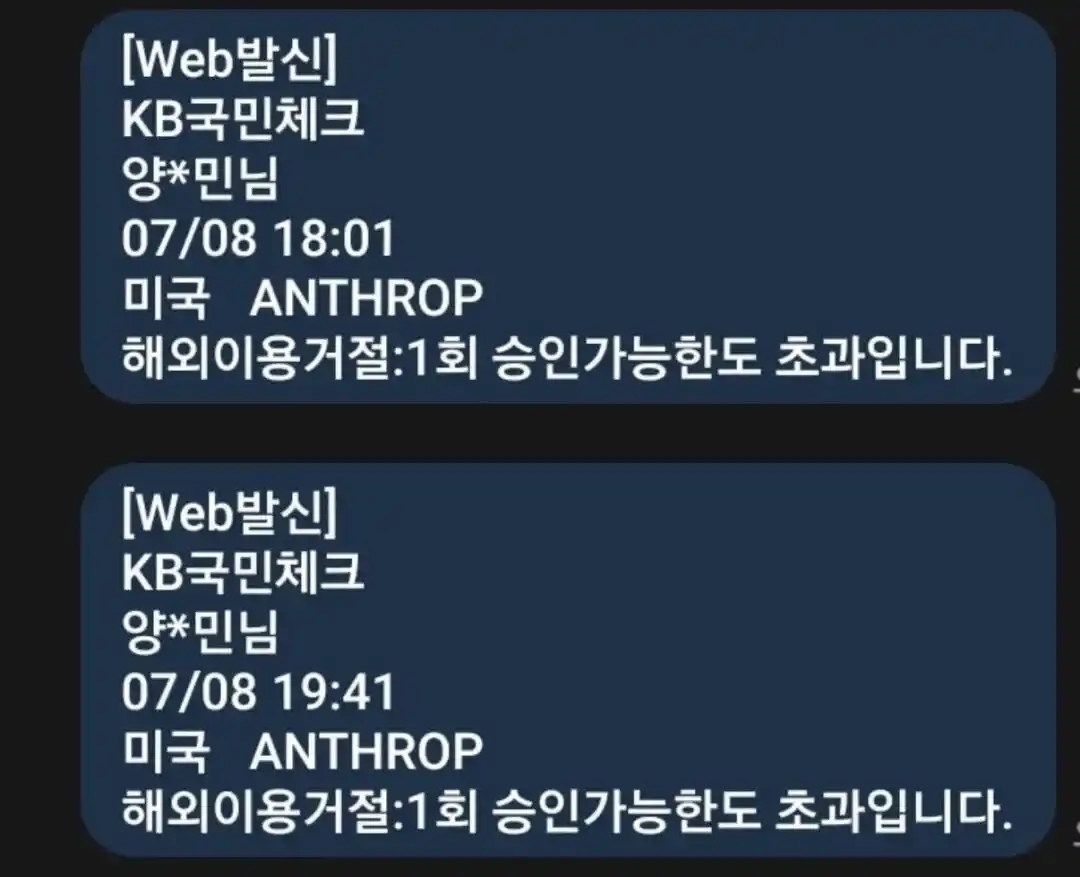
His KB National Bank debit card intercepted two overseas charge requests from the US merchant 'ANTHROP' on the same day—both were denied due to insufficient single-transaction limits.
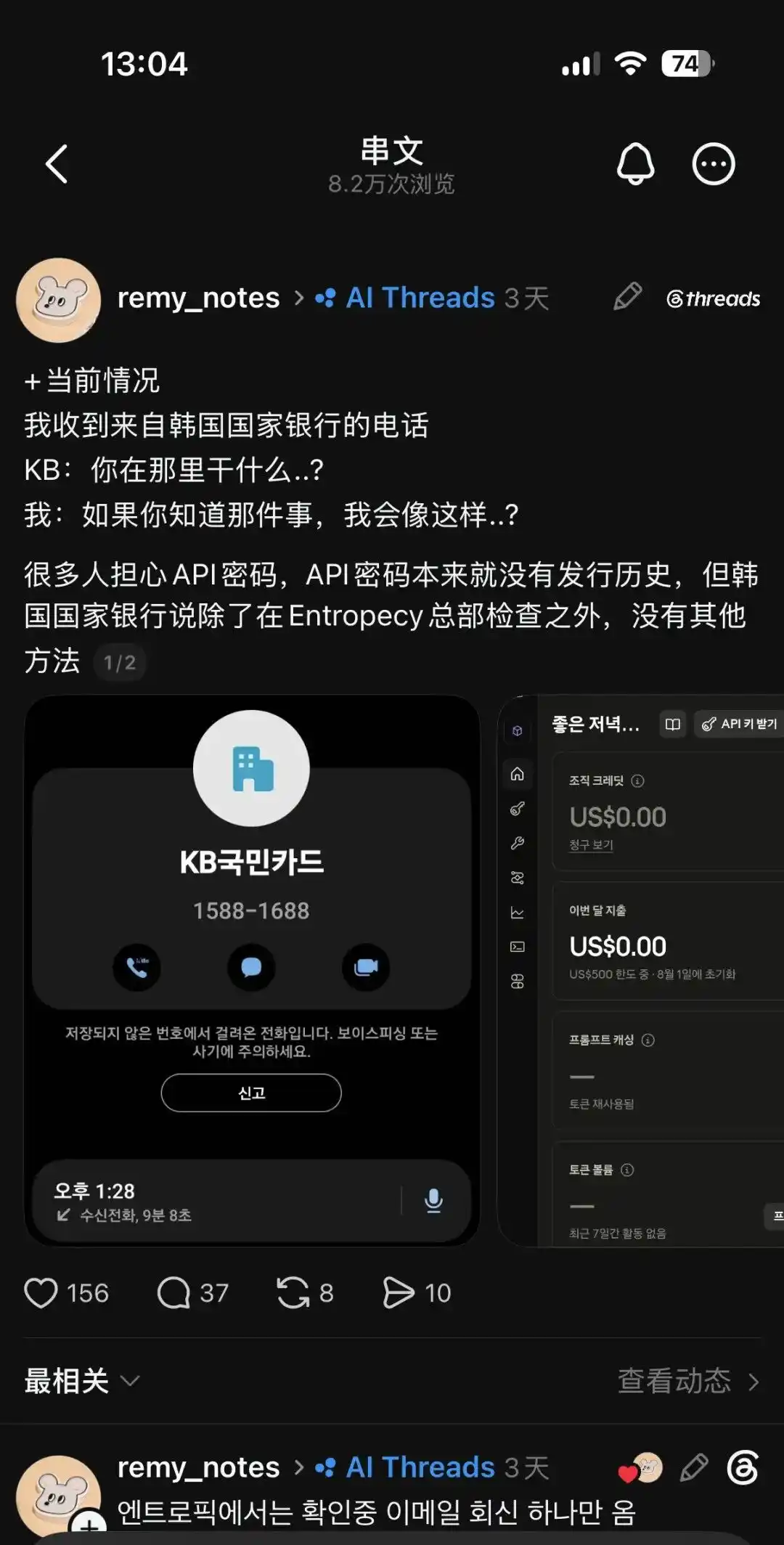
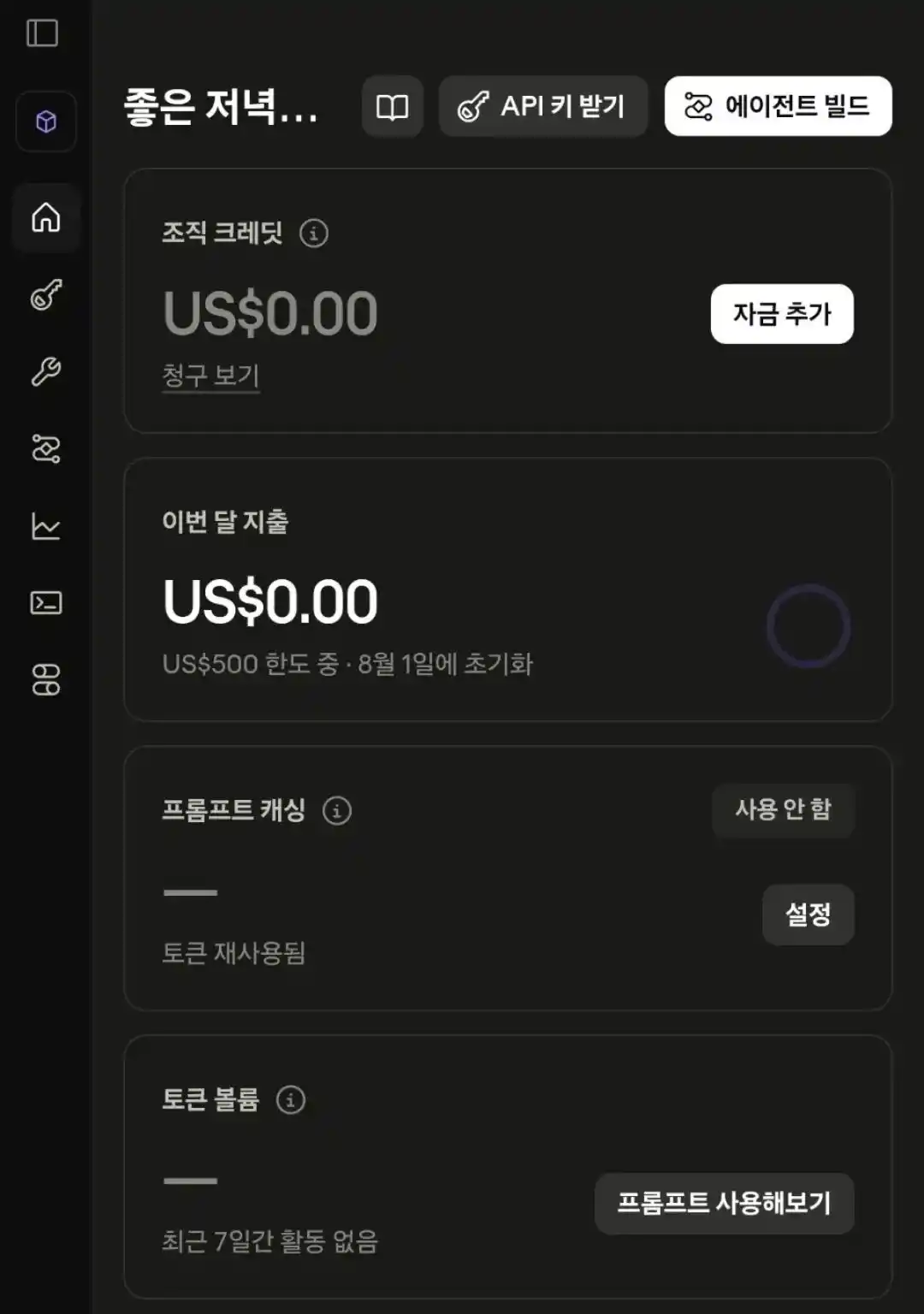
His account was on a free plan, with no credit card linked, and the backend showed zero API usage.
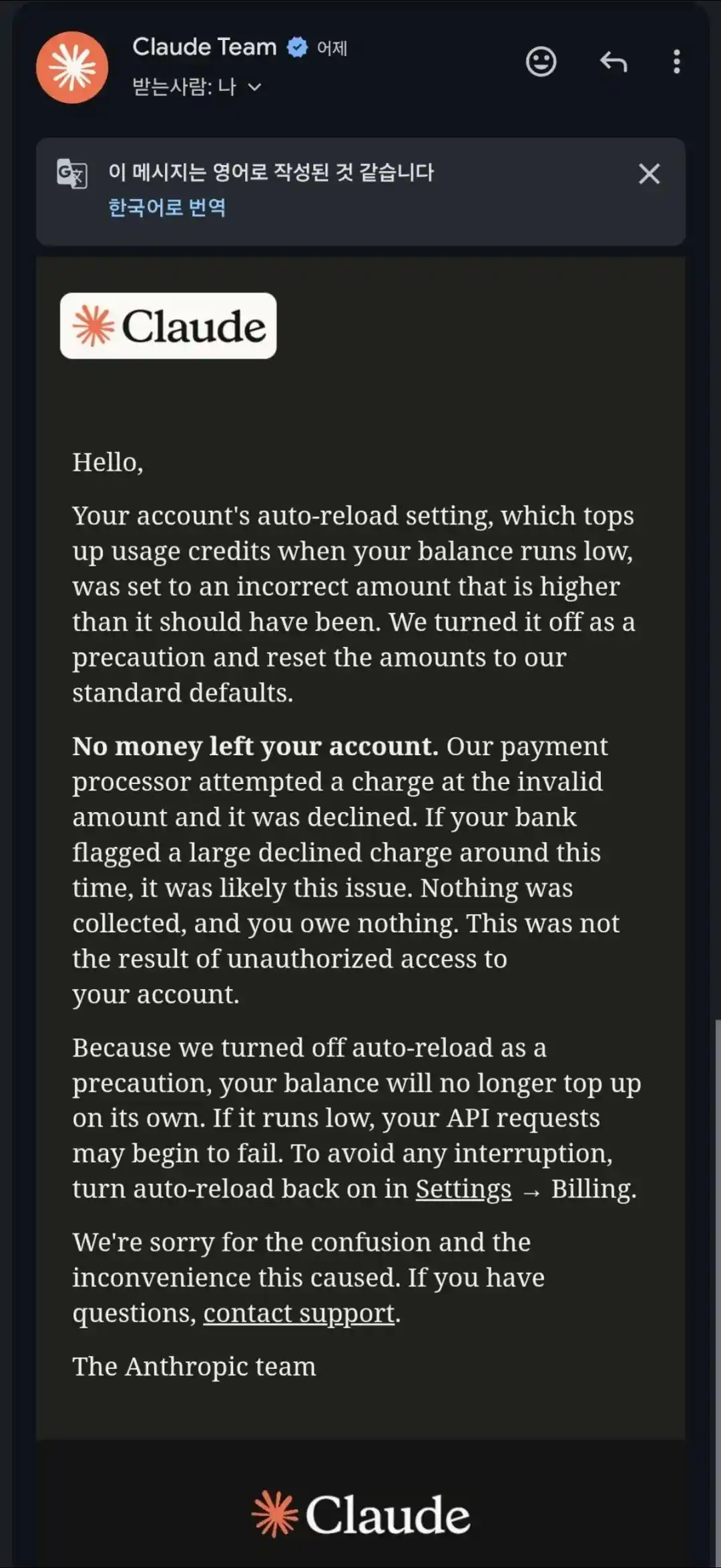
As of publication, Anthropic has not publicly explained the cause of this "phantom bill."
More Than One "Phantom Bill"

The figure of $16.6 million is shocking enough, but what truly deserves attention is the systemic issue emerging from it.

From March to June, AI bill auditing company Vaudit reviewed $34 million in AI bills from 60 companies and discovered approximately $1.7 million in erroneous overcharges, most of which were related to Anthropic's Claude Code.

Vaudit's clients include Panasonic, HP, and Honda, among others.

Vaudit CEO Michael Hahn

Vaudit CEO Michael Hahn described several common overcharging patterns to The Information:

Customers using older, cheaper models but being billed for the more expensive new models;

AI Agents or chatbots failing to complete requests or returning error messages, yet still incurring charges;

Agents repeatedly retrying tasks after failure (retry storms), with each retry being billed.

An Anthropic spokesperson responded, stating the company does not charge for unfulfilled requests or error messages, does not route user requests to older models, and that "overcharging does not seem to be a widespread issue."

However, following appeals from Vaudit and clients, Amazon, Google, Microsoft, Anthropic, and OpenAI refunded about 80% of the disputed amounts.

Hahn said these companies were "very cooperative" in handling billing disputes.

A noteworthy detail: some of Vaudit's audited clients did not purchase services directly from Anthropic but through cloud platforms like AWS, Google Cloud, or Microsoft Azure.

After the billing passes through an additional layer, the responsibility attribution becomes murkier.

Why AI Bills Are Becoming Increasingly Incomprehensible

The developer community's distrust of Anthropic's billing didn't accumulate overnight.

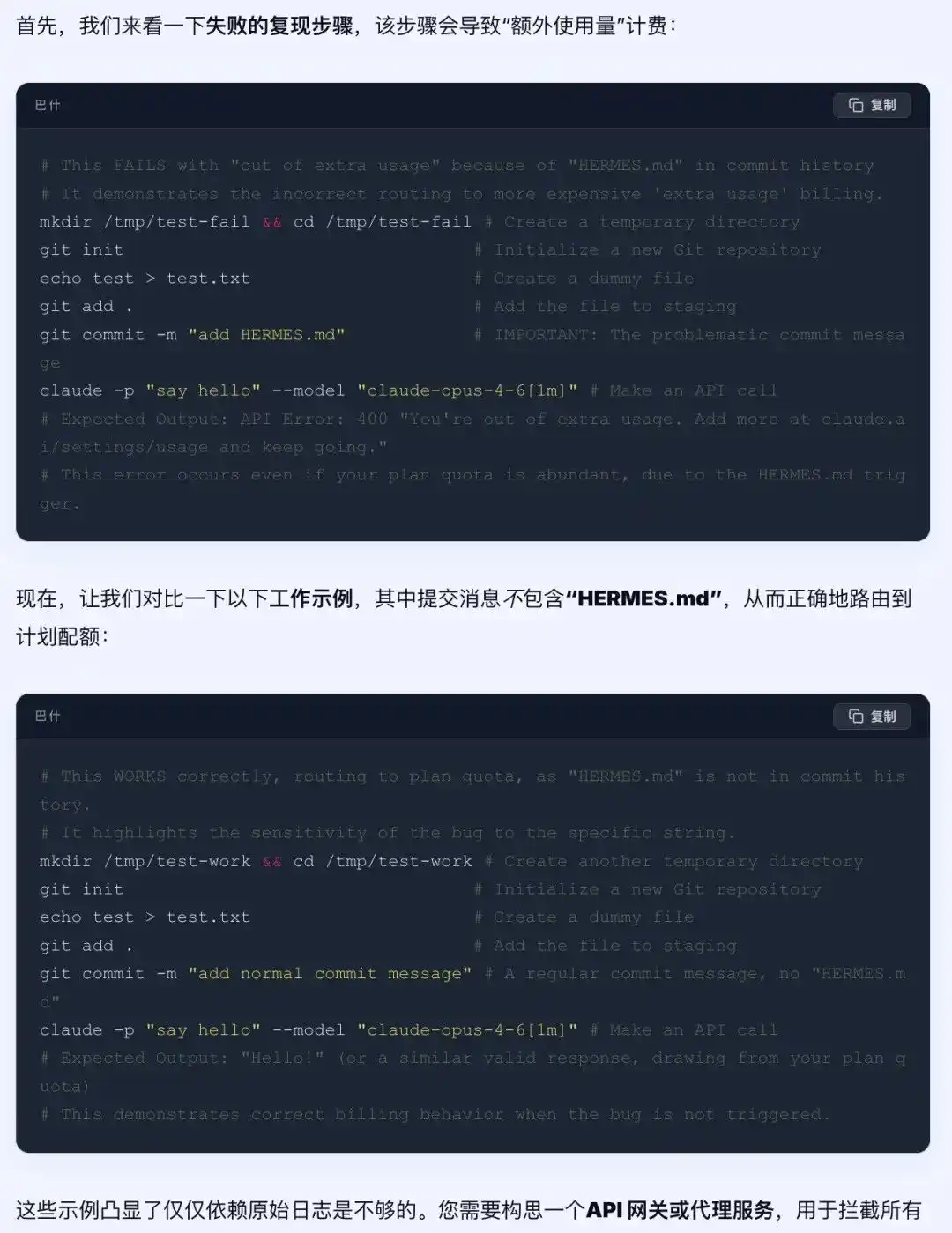
In April this year, developers discovered a billing vulnerability dubbed the "HERMES.md bug": when code commit records contained specific strings, Anthropic's backend would silently route requests that should have been deducted from the Max plan quota to a more expensive "additional usage" billing channel.

Users paid a $200/month subscription fee but were actually billed separately at the API rate.

Anthropic characterized it as an "authentication routing issue" but initially refused refunds, leading many developers to initiate credit card chargebacks.
On June 14, Washington D.C. user Karl Kahn filed a class-action lawsuit in the US District Court for the Northern District of California, alleging that Anthropic's usage promises for the Max 5x ($100/month) and Max 20x ($200/month) subscription plans were misleading.

Kahn claimed that during his use of the Max 20x plan, a single 5-hour programming session consumed 15% of his weekly quota.

The lawsuit argues that Anthropic's usage calculation method is opaque, making it nearly impossible for users to verify whether they are receiving the promised service.

The pricing changes for Claude 5 further amplified this distrust.

Released on June 9 as part of subscription plans, this Anthropic's most powerful publicly available model to date was stripped from them just 13 days later, converted to a usage credit system billed at the API rate ($10 per million input tokens, $50 per million output tokens) – twice the price of Claude 4.8.

Extended reading: Sudden! Anthropic Globally Disables Claude 5

It was also taken offline globally for 19 days due to US government export controls.

After restoration on July 1, the free window provided by Anthropic was only 6 days, later extended to July 12.

When "Safety" Doesn't Cover the Wallet

Anthropic's core brand narrative is "AI safety."

But for paying users, the definition of safety is expanding: it shouldn't only mean the model won't output harmful content; it should also include not being charged an inexplicable fee without your knowledge.

This isn't just Anthropic's problem.

AI service billing structures are inherently complex – model tiers, token usage, API call counts, retries, cloud platform markups, different paths for direct purchase and resale – all layered together, forming a black box that average users can almost never independently verify.

The emergence of auditing companies like Vaudit is itself a signal: AI bills have become so complex that a professional third party is needed to understand them.

Competitors are already sensing the opportunity.

At the June Build conference, Microsoft released MAI-Thinking-1. AI head Mustafa Suleyman told Bloomberg, "Many people are urgently looking for alternatives to Anthropic's expensive models."

OpenAI is reportedly considering significantly lowering token prices.

DeepSeek V4's output token price is about 1/90th of Claude Sonnet 4.6's, starting to be included in developers' cost comparison options.

Over the past year, AI companies won users with model capabilities.

In the next phase of competition, billing transparency will become part of the product experience.

When users start auditing your bills and questioning your pricing promises with class-action lawsuits, "our model is smarter" is no longer enough.

The problem Anthropic faces today, the entire industry will encounter – whoever makes their billing clear first will get the ticket to the next round of trust.

References:

https://www.internationalcyberdigest.com/anthropic-tried-to-phantom-charge-16-6m/

https://www.theinformation.com/newsletters/applied-ai/anthropic-customers-find-errant-charges-auditing-startup-says

This article is from WeChat public account "New Zhiyuan", author: ASI Revelation

Crypto di tendenza

Domande pertinenti

QWhat is the main issue reported by Korean developer remy_notes regarding Anthropic's billing?

AKorean developer remy_notes reported receiving two massive invoices from Anthropic within 24 hours—one for about $1.669 million and another for $16.62 million—despite having a free plan with zero API usage and no credit card linked. His bank blocked the attempted charges due to insufficient limits.

QWhat systemic billing problems did the AI audit company Vaudit discover among Anthropic and other AI providers?

AVaudit audited $34 million in AI bills across 60 companies from March to June and found about $1.7 million in erroneous overcharges, mostly related to Anthropic's Claude Code. Common issues included charging for newer, more expensive models when older ones were used, billing for failed or incomplete requests, and charging for repeated retries by AI agents.

QWhat legal action has been taken against Anthropic related to its billing practices?

AOn June 14, a user named Karl Kahn filed a class-action lawsuit in the U.S. District Court for the Northern District of California. The lawsuit alleges that Anthropic misled customers about usage limits and costs for its Max subscription plans, and that its billing calculations are opaque, making it nearly impossible for users to verify if they received the promised service.

QHow did Anthropic's handling of its Fable 5 model contribute to user distrust?

AAnthropic initially included its powerful Fable 5 model in subscription plans upon release on June 9, but removed it just 13 days later. It was then made available only via a much more expensive API-based credit system (costing twice as much as Opus 4.8). Coupled with a 19-day global takedown due to U.S. export controls and a very short free usage window, these actions eroded user trust in the company's pricing stability and transparency.

QAccording to the article, why is billing transparency becoming a key competitive factor in the AI industry?

AAs AI services grow more complex—with layered pricing based on models, tokens, API calls, retries, and cloud platform markups—their bills have become a 'black box' that users cannot easily verify. The emergence of audit firms like Vaudit and user lawsuits signal that transparent and understandable billing is now part of the product experience. The article suggests that in the next phase of competition, companies that master clear billing will gain a significant trust advantage.

Letture associate

Robinhood Provides the Answer: Why Ethereum Becomes the Optimal Solution After Traditional Businesses Enter

The article argues that as real-world, cash-flow-focused businesses enter the blockchain space, they are increasingly choosing the Ethereum L1 + L2 architecture as the optimal infrastructure solution, in contrast to earlier crypto projects built primarily around token sales. It uses Robinhood as a prime example: after testing its stock tokenization product on Arbitrum One, Robinhood launched its own dedicated blockchain, "Robinhood Chain," which is built as an Ethereum L2 using Arbitrum's technology, relying on Ethereum for data availability (via blobs), using ETH as its native gas token, and employing a standard bridge to Ethereum. The author, Ryan Berckmans, distinguishes between two types of participants with different incentive structures: 1. **The "Old Crypto Economy":** Projects whose primary goal is to create and sell a token, with value derived from utility expectations, speculative "monetary premium," or distant cash-flow promises. Their technology stack choices are often flexible and driven by grants, copycat opportunities, or the need for a new token narrative. 2. **The Emerging "Real-World On-Chain Economy":** Traditional businesses using blockchain to improve existing services or create new cash-flow streams. Their goal is to maximize business profits, not token appreciation. For them, blockchain is infrastructure, and they prioritize low risk, security, user reach, operational control, liquidity, and interoperability. For these real-world enterprises, building a standalone L1 is costly, creating a new "security and liquidity island." Ethereum's L1+L2 model splits their core needs: the L1 provides a highly decentralized, neutral, and liquid global settlement layer, while L2s offer a market of customizable, high-performance, operator-controlled execution environments. An Ethereum L2 grants most benefits of an independent chain (high TPS, control, custom features) while inheriting Ethereum's security, seamless access to its ecosystem and assets, and native, low-trust bridging. The piece concludes that this shift in market participants profoundly benefits Ethereum and ETH. As businesses build on Ethereum (directly on L1, via their own L2 like Robinhood Chain, or on shared L2s like Base), they onboard users, embed ETH into products, and deepen its network effects and monetary premium. The choice is driven not by ideological belief but by rational commercial judgment, making Ethereum L1+L2 the current default optimal solution.

Foresight News51 min fa

Robinhood Provides the Answer: Why Ethereum Becomes the Optimal Solution After Traditional Businesses Enter

Foresight News51 min fa

Trading

Spot

Articoli Popolari

Cosa è $WELL

WELL3, $$WELL: Rivoluzionare la Salute e il Benessere con DePIN e AI Introduzione Nel panorama in rapida evoluzione della tecnologia digitale, il settore della salute e del benessere si trova in prima linea nell'innovazione, cercando di migliorare la cura dei pazienti e promuovere stili di vita più sani. Un attore rivoluzionario in questo dominio è WELL3, un progetto pionieristico Web3 che cerca di rivoluzionare il modo in cui gli individui interagiscono con la propria salute. Sfruttando tecnologie come il Decentralized Physical Infrastructure Network (DePIN), l'Identità Decentralizzata (DID) e l'Intelligenza Artificiale (AI), WELL3 mira a favorire percorsi di salute sicuri e potenziati dai dati. Questo articolo completo approfondisce gli aspetti fondamentali di WELL3, $$WELL, esplorando le sue funzionalità, i creatori, gli investitori e le caratteristiche uniche. Cos'è WELL3, $$WELL? WELL3 funge da piattaforma innovativa destinata a ridefinire l'approccio verso la salute e il benessere. Focalizzato sull'integrazione di DePIN e DID insieme ai sistemi AI, il progetto è progettato per creare esperienze utente personalizzate garantendo nel contempo la sicurezza e la privacy dei dati sanitari degli individui. Con un numero impressionante di oltre un milione di utenti pre-registrati, la missione principale di WELL3 ruota attorno al miglioramento del benessere attraverso percorsi di salute sicuri e basati sui dati. Nel suo nucleo, WELL3 utilizza tecnologie avanzate della blockchain per garantire che gli utenti abbiano il completo controllo delle proprie informazioni personali. Questo progetto affronta non solo le sfide della sicurezza dei dati e dell'accessibilità, ma aspira anche a creare una comunità vibrante connessa da un impegno condiviso verso una salute migliore. Caratteristiche Chiave di WELL3: DePIN e DID: Queste tecnologie consentono una proprietà sicura e un'autenticazione dei dati, dando agli utenti pieno controllo delle proprie informazioni. Integrazione AI: Utilizzando analisi AI, WELL3 offre approfondimenti e soluzioni personalizzate, adattate ai bisogni di salute individuali. Coinvolgimento della Comunità: Facilita un ambiente di supporto in cui gli utenti possono connettersi, condividere esperienze e motivarsi a vicenda verso uno stile di vita più sano. Creatore di WELL3, $$WELL L'identità del creatore di WELL3 rimane non specificata nelle informazioni disponibili. Man mano che il progetto progredisce, potrebbero emergere ulteriori dettagli, facendo luce sulle menti visionarie dietro questa iniziativa trasformativa. Investitori di WELL3, $$WELL WELL3 ha ottenuto supporto da una miriade di influenti enti di investimento, evidenziando la sua credibilità e potenziale nel settore della salute e del benessere. Tra gli investitori notevoli ci sono: Animoca Brands AWS Samsung The Spartan Group Blocore Fenbushi Capital Newman Group Soul Capital XY Finance Lumoz Il sostegno di queste organizzazioni consolidate dimostra una forte fiducia nella missione di WELL3, fornendole le risorse necessarie per innovare ed espandere la propria offerta. Come Funziona WELL3, $$WELL? WELL3 opera mescolando tecnologie all'avanguardia in un framework multichain, garantendo un'esperienza utente fluida e innovativa. Di seguito sono riportati alcuni fattori che posizionano in modo unico WELL3 nel mercato del benessere: 1. Proprietà Sicura dei Dati Con l'integrazione di DePIN e DID, gli utenti possono mantenere il completo controllo delle proprie informazioni sanitarie personali. Questo livello di sicurezza è fondamentale nell'era digitale odierna, dove le violazioni dei dati e l'accesso non autorizzato sono comuni. Attraverso WELL3, la proprietà dei dati è decentralizzata, consentendo agli utenti di gestire proattivamente le proprie informazioni. 2. Personalizzazione tramite AI WELL3 implementa analisi guidate dall'AI per fornire agli utenti approfondimenti sanitari su misura. Sfruttando il potere dell'AI, la piattaforma può offrire raccomandazioni e soluzioni individualizzate, incoraggiando gli utenti a raggiungere i propri obiettivi di salute in modo più efficace. 3. Framework Multichain Il progetto WELL3 è progettato per operare su più piattaforme blockchain, tra cui Bitcoin, Ethereum, Polygon, Solana, Blast e TON. Questa capacità multichain garantisce che gli utenti possano interagire con la piattaforma senza soluzione di continuità su diverse reti, migliorando accessibilità e usabilità. 4. Token WELL Al centro dell'ecosistema WELL3 c'è il Token WELL, che svolge funzioni multiple tra cui utilità, governance e ricompense. Il token consente la partecipazione nell'ecosistema, supporta la condivisione dei dati sanitari e incentiva gli utenti in base al loro coinvolgimento con la piattaforma. Timeline di WELL3, $$WELL La traiettoria di WELL3 mostra traguardi significativi nel suo sviluppo, ognuno contribuendo al successo complessivo del progetto. Ecco una breve timeline degli eventi critici nella storia di WELL3: 10 Febbraio 2024: WELL3 ha lanciato il proprio progetto NFT, raggiungendo rapidamente la prominenza come la più grande collezione NFT sulla catena opBNB con oltre 324.000 proprietari e raggiungendo 8 milioni di NFT creati entro il 27 Aprile 2024. Vendita Pubblica: Il progetto ha raggiunto un valore totale bloccato (TVL) straordinario di circa 15.237,2 ETH in soli sette giorni, indicando un forte interesse e sostegno del mercato. Lancio del WELL ID: La piattaforma ha visto oltre 900.000 utenti registrarsi per il WELL ID e la relativa whitelist NFT Ring, segnando una fase di adozione significativa all'interno dell'ecosistema. Sviluppo di Partnership: WELL3 ha stabilito partnership con enti leader tra cui Animoca Brands, AWS, Samsung e altri per migliorare il proprio ecosistema ed espandere la propria portata. Volume di Transazioni: WELL3 ha facilitato oltre 17 milioni di dollari in transazioni, riflettendo la sua crescente utilità e impegno all'interno della comunità della salute e del benessere. Punti Chiave su WELL3, $$WELL Come iniziativa progressista che si sposta verso il mercato del benessere, WELL3 ha identificato diversi elementi vitali che contribuiranno al suo continuo successo. Ecco alcuni punti chiave da notare: Tokenomics Il token $$WELL ha un'offerta massima di 42 miliardi, con un significativo 71% destinato a iniziative comunitarie. Questa strategia di distribuzione enfatizza l'impegno del progetto verso la propria base utenti e la sostenibilità a lungo termine. Periodo di Lock-Up Per garantire stabilità all'interno dell'ecosistema, i token vengono rilasciati in tranche nel corso di un periodo di 24 mesi, promuovendo fiducia e sicurezza tra gli utenti. Sviluppo dell'Ecosistema La visione di WELL3 si estende verso la creazione di un ecosistema completo e sostenibile per incoraggiare il coinvolgimento della comunità, comportamenti orientati alla salute e soluzioni digitali che rispondono ai bisogni pressanti del settore del benessere. Adattamento al Mercato Il settore del benessere, valutato 5,6 trilioni di dollari, presenta un'opportunità lucrativa che WELL3 mira a sfruttare. Con un tasso di crescita annuale previsto tra 5-10%, il progetto è posizionato in modo ideale in mezzo a una crescente tendenza verso uno stile di vita consapevole della salute. Dispositivi Indossabili Introducendo il WELL3 Ring, un dispositivo indossabile incentivato tramite crypto, si allinea alla crescente domanda di dati sanitari personalizzati. Questo dispositivo non solo migliora l'esperienza dell'utente, ma ridefinisce anche cosa significa essere coinvolti nella propria salute nel contesto del Web3. Conclusione WELL3 rappresenta un significativo progresso nell'integrazione della tecnologia blockchain all'interno del settore della salute e del benessere. Affrontando questioni cruciali riguardo alla proprietà dei dati, personalizzazione e coinvolgimento della comunità, questa piattaforma innovativa offre una soluzione lungimirante per migliorare il benessere individuale. Con un forte sostegno da parte di investitori notevoli e un impegno verso tecnologie pionieristiche, WELL3 è pronta a lasciare un'impronta duratura nel panorama del benessere. Per coloro che cercano di navigare nella complessità della salute nell'era digitale, WELL3 è sicuramente qualcosa da tenere d'occhio mentre continua a evolversi e crescere.

74 Totale visualizzazioniPubblicato il 2024.07.14Aggiornato il 2024.12.03

Cosa è $WELL

Come comprare WELL

Benvenuto in HTX.com! Abbiamo reso l'acquisto di Moonwell Artemis (WELL) semplice e conveniente. Segui la nostra guida passo passo per intraprendere il tuo viaggio nel mondo delle criptovalute.Step 1: Crea il tuo Account HTXUsa la tua email o numero di telefono per registrarti il tuo account gratuito su HTX. Vivi un'esperienza facile e sblocca tutte le funzionalità,Crea il mio accountStep 2: Vai in Acquista crypto e seleziona il tuo metodo di pagamentoCarta di credito/debito: utilizza la tua Visa o Mastercard per acquistare immediatamente Moonwell ArtemisWELL.Bilancio: Usa i fondi dal bilancio del tuo account HTX per fare trading senza problemi.Terze parti: abbiamo aggiunto metodi di pagamento molto utilizzati come Google Pay e Apple Pay per maggiore comodità.P2P: Fai trading direttamente con altri utenti HTX.Over-the-Counter (OTC): Offriamo servizi su misura e tassi di cambio competitivi per i trader.Step 3: Conserva Moonwell Artemis (WELL)Dopo aver acquistato Moonwell Artemis (WELL), conserva nel tuo account HTX. In alternativa, puoi inviare tramite trasferimento blockchain o scambiare per altre criptovalute.Step 4: Scambia Moonwell Artemis (WELL)Scambia facilmente Moonwell Artemis (WELL) nel mercato spot di HTX. Accedi al tuo account, seleziona la tua coppia di trading, esegui le tue operazioni e monitora in tempo reale. Offriamo un'esperienza user-friendly sia per chi ha appena iniziato che per i trader più esperti.

123 Totale visualizzazioniPubblicato il 2024.12.10Aggiornato il 2026.06.02

Come comprare WELL

Discussioni

Benvenuto nella Community HTX. Qui puoi rimanere informato sugli ultimi sviluppi della piattaforma e accedere ad approfondimenti esperti sul mercato. Le opinioni degli utenti sul prezzo di WELL WELL sono presentate come di seguito.

活动图片