Author: Zen, PANews
Original title: "The Turn of 'The Greatest Crypto Investor in History' Kyle Samani, and the Mirror Image from a Decade Ago"
In early February 2026, Kyle Samani, regarded by many as the most staunch evangelist of Solana, announced his step back from the day-to-day management of Multicoin, stating he would shift his focus to new technological fields such as AI, robotics, and life sciences, while still maintaining personal crypto investments.
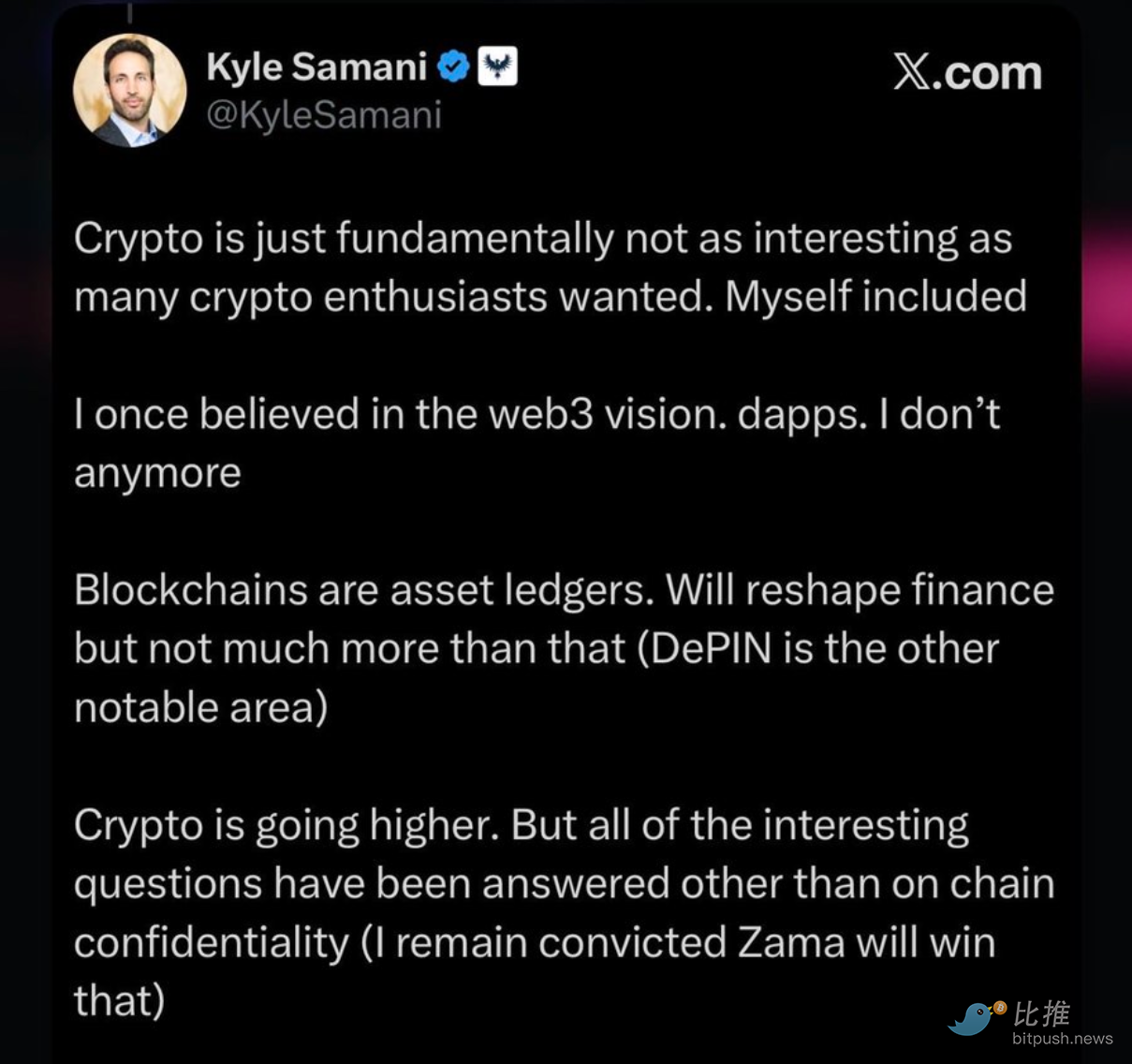
What stung the industry's sentiment more was a message he posted and quickly deleted shortly before the official announcement: "Crypto isn't as interesting as many people (including myself) once thought. I used to believe in the vision of Web3 and dApps, and I no longer do."
This "semi-exit" was easily read as a verdict. When the industry's most formidable crypto investor chooses to abandon the narrative of the "next generation of the internet," does it mean the vision of non-financial killer applications for the industry can be declared bankrupt?
However, looking back at Samani's career, you'll find this is not essentially a collapse of faith, but more like a risk migration driven by his inherent character. In this "bittersweet moment," this is not a clear-cut exit, just as his past choices were not necessarily wrong, but also not necessarily right.
The Decentralized Enlightenment of the "Greatest" Crypto Venture Capitalist
When telling the story of blockchain's decentralized理念, the amusing anecdote of Ethereum founder Vitalik Buterin being "forced" to quit his internet addiction has always been a津津乐道 tale. The teenage Vitalik once had his favorite Warlock's skill removed by Blizzard in "World of Warcraft,"愤而 awakening his consciousness to resist centralized platforms. Before entering the crypto industry, Kyle Samani actually had a similar experience of being "betrayed" by a centralized company.
Samani grew up in an affluent community in Austin, Texas. His father was the owner of a local electronic medical record system development company called VersaSuite. At the age of 11, Samani began learning programming, but he had little interest in what he considered the uncool job of a programmer. Therefore, after enrolling at New York University, Samani chose to study finance, aiming to become a stylish Wall Street elite.
In university, the strong-willed and driven Samani became close friends with his introverted classmate Tushar Jain. During that period, Bitcoin had already begun operating quietly, but the two young men, who would later co-found Multicoin Capital, did not yet know where their future paths lay. Samani only knew that after two years of university study, he decided he wasn't cut out to be a banker either, so he started studying programming again.
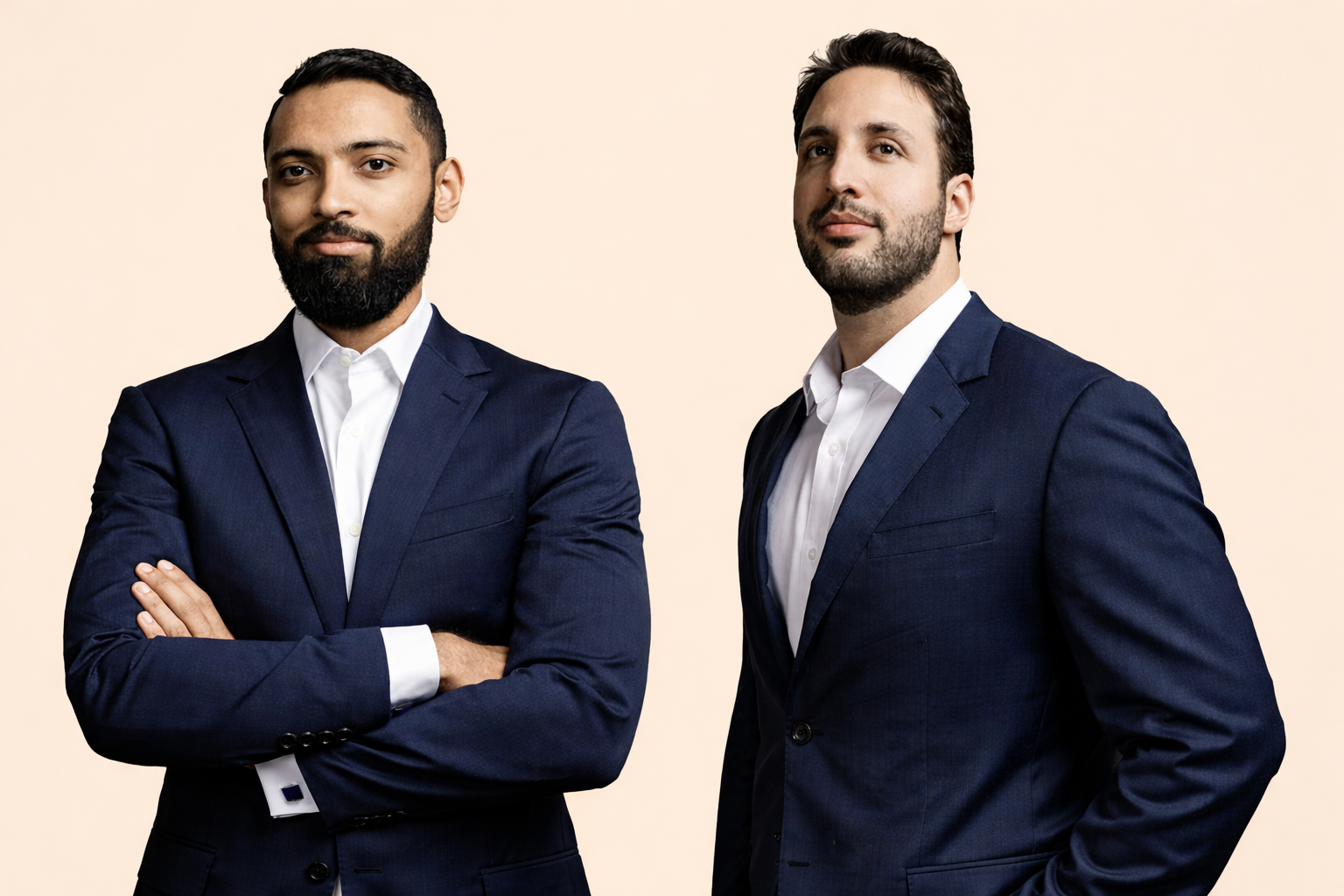
After graduating in 2012, both Samani and Jain worked briefly at Samani's father's medical records company. Subsequently, the two embarked on their own entrepreneurial ventures around medical technology. Jain founded a data company to help doctors find patients for clinical trials; Samani, captivated by the recently released Google Glass, co-founded a company called "Pristine" to develop Google Glass software for surgeons.
Although Samani raised over $5 million in venture capital and expanded the team to nearly 30 employees, two years after Pristine's founding, when Google announced in 2015 that it would stop selling Google Glass to consumers, the "consumer adoption narrative" was put on pause. Samani realized he had to adjust his personal direction and left Pristine at the end of that same year.
This entrepreneurial experience made Samani feel the "pain of platform risk." Therefore, the idea of having an open platform where such events wouldn't happen was extremely appealing to him. In March 2016, Samani stumbled upon Ethereum. The new chapter of his life thus began, eventually leading him into the field of cryptocurrency investment.
Samani, Ethereum, and Solana
In August 2017, Multicoin Capital was officially established in Austin.
"In the early days of starting the business, we were really people scrambling to make money." Samani said that when Multicoin was raising funds, they had no brand, no track record, and no operational infrastructure. They contacted everyone in their network: friends, family, friends of friends, and other entrepreneurial networks.
"The secret to getting through is to focus on what you're truly passionate about." In an early interview with Business Insider, Samani stated that passion was the main thread running through his entrepreneurial journey and the driving force behind his 15 to 20 hours of work per day.
In a vibrant, fiercely competitive industry cycle, Samani led Multicoin to charge forward at high speed. According to public documents, as of May 2025, Multicoin's assets under management were valued at $5.9 billion. And Samani became a candidate for the "GOAT" (Greatest of All Time) of crypto venture capital in the minds of many entrepreneurs and investors in the cryptocurrency industry.
During Multicoin's rapid growth, Samani established distinct views and an investment style. The most well-known is that even though Ethereum was the "guide" to his blockchain career, he later became one of its most merciless and outspoken critics. He believed that Ethereum's failure to solve its scaling problems after its early prosperity was extremely disappointing,评价Vitalik and his team as "fundamentally not knowing what they are doing."
The DevCon developer conference held in November 2017正式 turned Samani from a fan to a critic of Ethereum. He eagerly awaited Vitalik's keynote speech, but the latter spent the entire speech reviewing Ethereum's history without talking about the future. Samani felt that Ethereum wasn't even willing to acknowledge the problems it faced. At that moment, the dream that "Ethereum would become the future of finance" shattered. He began looking for alternatives to Ethereum and soon found the answer he认可—the emerging high-performance public chain Solana.
In summary, Samani's general direction was "speed first," and Solana's advantages of fast transaction speed and low cost正好 hit the market's pulse. Thus, Samani led Multicoin to invest in Solana early on. This heavy bet would make them famous together in the future and became an important page in the history of crypto venture capital.
Of course, these investments also brought Samani extremely rich returns. In December 2021, while appearing on the podcast "The Wolf Of All Streets," Samani revealed that Multicoin purchased SOL tokens at prices of $0.04, $0.20, and $0.23 in three private placement rounds.
The Radical and Provocative Standard-Bearer for Solana
Throughout his years of investing, Samani has been known for daring to express sharp views and became the most vigorous and radical standard-bearer for the Solana ecosystem.
In 2021, he once抛出一个 controversial argument on Twitter: "Why must security be the top priority? Honestly, I care more about speed."
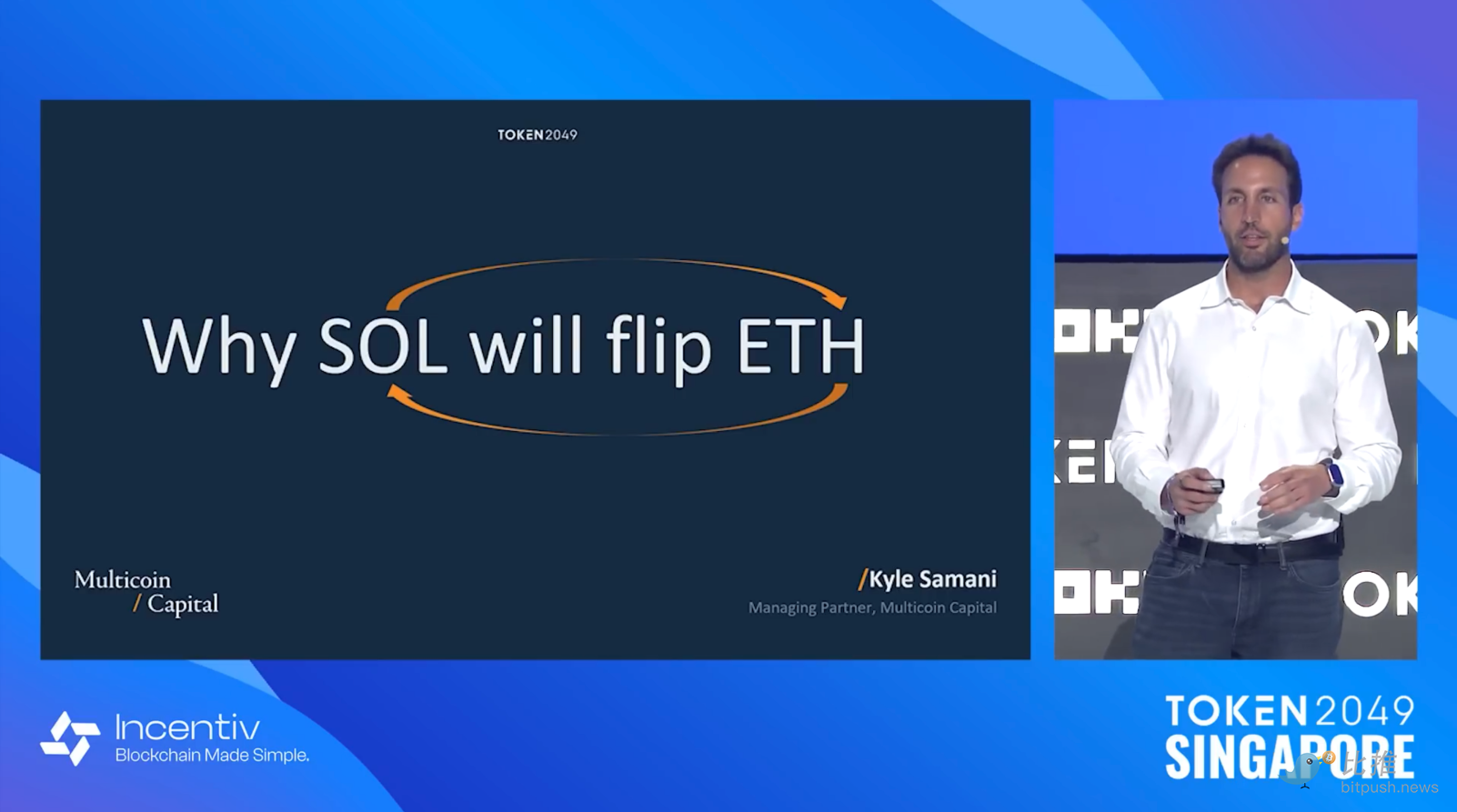
Enjoying provocation and making comparisons is also a very distinct characteristic of Samani. At the Token2049 conference in 2024, Samani gave a speech titled "Why SOL Will Disrupt ETH." He mercilessly criticized Ethereum's slow progress, stating it still had numerous problems after nine years of operation. He also said people had been too tolerant of it, giving it an excessively long buffer period. Samani even directly asserted: Ethereum assets no longer have room for appreciation.
However, although Samani bet correctly on Solana, as well as top brands like Binance and Helium, his vision wasn't always so accurate. For example, Samani once stated in 2020: In two years, Zcash will be worthless. Yet this privacy-focused cryptocurrency remains one of the mainstream altcoin projects, and its price even surged to nearly $700 in the second half of last year. In terms of investments, Multicoin also bet on "doomed" projects like EOS.
Furthermore, both Multicoin Capital and Solana had close ties to the bankrupt exchange FTX. And with the collapse of FTX, Samani and Multicoin's aggressive investments once again entered dangerous territory.
In November 2022, several anonymous LPs reported to media outlet Axios: Multicoin cashed out a large amount of crypto assets at the end of the 2021 bull market but did not follow the常规 practice of distributing most of the proceeds to LPs to cover taxes. Instead, the funds were used to continue buying Solana's SOL tokens.按理, after a large liquidation, about 40% should be distributed to LPs to cover taxes, but the fund did not execute this operation at the time.
The result was that after the sharp drop in SOL's price in 2022, LPs not only failed to realize profits in time but were also burdened with high tax bills. Sources also pointed out that management seemed indifferent to SOL's nearly 90% drawdown. Additionally, when FTX went bankrupt, it was revealed that Multicoin had about 15% of its assets locked on the exchange, further exacerbating investor dissatisfaction.
A Semi-Exit Stance, Yet Abandoning the Web3 Vision?
Although the narratives and behaviors surrounding Samani are full of controversy, as a top-tier investor in the industry, few would question Samani's weight. This is also why Samani's semi-resignation announcement in early 2026 caused such a huge轰动 and emotional resonance.
In his open letter, Samani stated that he would fade out of his management role at Multicoin, transition to an advisory role for a temporary rest, and explore new technology fields such as artificial intelligence, life sciences, and robotics. He also said he believes more than ever that crypto technology will彻底 reshape the financial system and emphasized that although he will professionally step away, he will continue to invest personally in crypto projects, particularly看好 the new opportunities brought by US crypto regulations.
However, in a post published a few hours earlier that was later deleted, Samani did not appear so gracious—he criticized that cryptocurrency wasn't as interesting as expected and stated that he used to believe in the vision of Web3 and decentralized applications (DApps), but no longer does. This somewhat "turning from fan to critic" statement quickly sparked controversy.
In replies to some comments, Samani himself tried to downplay the situation. He stated that he still holds large long positions in SOL and cryptocurrencies and will continue to participate in the crypto market "in a personal capacity and as Chairman of the Solana treasury company Forward Industries." Samani also stated he would apply to redeem his Multicoin fund shares with Forward stock, meaning he will increase his stake in Forward. This operation also proves that, despite "stepping back," Samani's personal financial bet on Solana has not decreased.
Perseverance Leads to Clear Skies and the Moon
Regarding Samani's exit, many see it as the end of an era. When one of the best crypto investors no longer believes in the industry's development, it further catalyzes the current pessimistic sentiment and atmosphere.
We can bring the story back to Pristine, Samani's first entrepreneurial "semi-finished product." In fact, although Pristine, riding the wave of Google Glass, faced the collapse of the "consumer adoption narrative" at the time, making the industry's prospects and pace unclear, and Pristine as a company was later acquired and exited.
But what disappeared was the company name and capital structure; what remained was the capability spectrum and commercialization path.
The product capabilities represented by Pristine—"first-person video streaming," "remote expert collaboration"—were not failures. They were integrated into larger platforms and continued to iterate. Pristine was acquired in 2017 by Upskill, a leading US AR software company; the latter was then acquired by German tech company TeamViewer in 2021, and its AR platform was integrated into TeamViewer's industrial frontline digital product line.
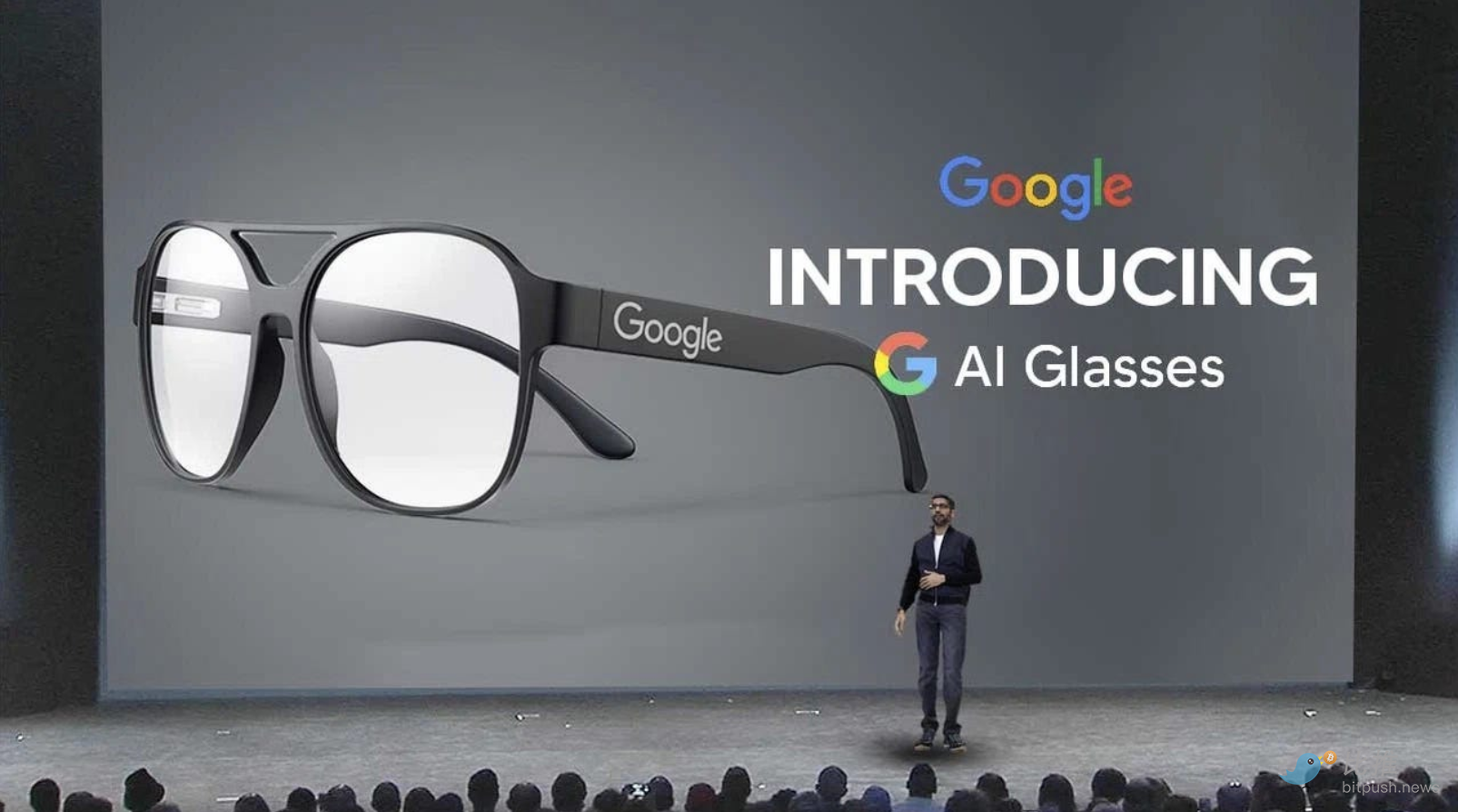
Today, with the great strides in AI development, the Google Glass era may be over, but Google's announcement at the end of 2024 to重新押注AI smart glasses under the Android XR system has once again laid out a commercial blueprint for the赛道 where Pristine once was. This return to platformization means that the imagination once folded due to hardware limitations may unfold again in another way.
To some extent, the point where Samani left Pristine a decade ago can form a mirror image with today's cryptocurrency industry.
In Samani's deleted statement, what he negated was not the narrative of whether blockchain can change finance, but the grand vision of whether Web3/consumer-grade dApps can still give birth to killer applications. The crypto industry is currently also experiencing a contraction of vision, but narrative contraction does not equal narrative death.
The "platform risk" that made Samani exit ten years ago did not pronounce the final verdict on the赛道. It只是 pushed the赛道 into a longer period of dormancy. The fate of Pristine and its technological products was not "waiting for spring," but transforming themselves into a form that could survive the winter. Until stronger AI capabilities, more mature platforms, and more realistic product forms appear, thus opening up space again.
The crypto industry may be the same. What is being denied today is the grand narrative of the "next generation of the internet," but it does not mean it can never孕育 non-financial killer applications.
It might just need new "platform conditions" to complete its second development: clearer regulatory boundaries, stronger user-grade privacy and identity infrastructure, more usable on-chain interaction paradigms, or more innovative AI+Web3 paradigms.
As a16z Crypto founder Chris Dixon said: "The messy years are what make the glory years later."
No one is a先知 who guesses everything correctly, but perseverance leading to clear skies and the moon, and finding a new village after dark willows and bright flowers, often play out repeatedly.
Twitter:https://twitter.com/BitpushNewsCN
Bitpush TG Discussion Group:https://t.me/BitPushCommunity
Bitpush TG Subscription: https://t.me/bitpush