The More Lifelike the Robot, the More Terrifying? Unveiling the 'Uncanny Valley Effect' in the Era of Humanoid Robots

marsbitPubblicato 2026-06-09Pubblicato ultima volta 2026-06-09

Introduzione

As humanoid robots become increasingly lifelike, they confront a significant psychological barrier known as the "Uncanny Valley Effect," a concept proposed by Japanese roboticist Masahiro Mori in 1970. This phenomenon describes a dip in human comfort and acceptance when robots appear almost, but not perfectly, human. Minor imperfections in facial expressions, eye movements, or skin texture trigger a subconscious sense of unease, as the brain detects something trying, yet failing, to mimic a person. Examples range from the controversial human-like robot Sophia to animated characters in films like *The Polar Express*. The effect poses a key design challenge for robotics companies. Some, like Boston Dynamics, avoid it entirely by creating highly capable but visibly mechanical robots. Others, like Hanson Robotics, push for greater human likeness despite the risk. For consumer robots, especially in homes, most manufacturers opt for stylized or clearly mechanical designs to ensure broader acceptance. While the Uncanny Valley remains a powerful force, its impact may diminish over time through technological advancements that achieve near-perfect realism or through generational familiarity as people grow accustomed to interacting with humanoid machines. Ultimately, navigating this psychological frontier requires as much understanding of human perception as of robotics technology itself.

Author: Dean Fankhauser

Compiled by: Felix, PANews

The relationship between humans and robots is about to become complex. As humanoid robots increasingly resemble human appearance, they are now facing an unexpected psychological barrier that may shape the future of human-robot interaction.

What is the "Uncanny Valley Effect"?

The "Uncanny Valley Effect" is a psychological phenomenon that describes how human emotional responses change as artificial creations become more human-like. This concept is simple yet profound: when robots look distinctly mechanical, they are easily accepted. Think of R2-D2 from *Star Wars* or industrial robotic arms—they are clearly machines, and viewers are comfortable with them.
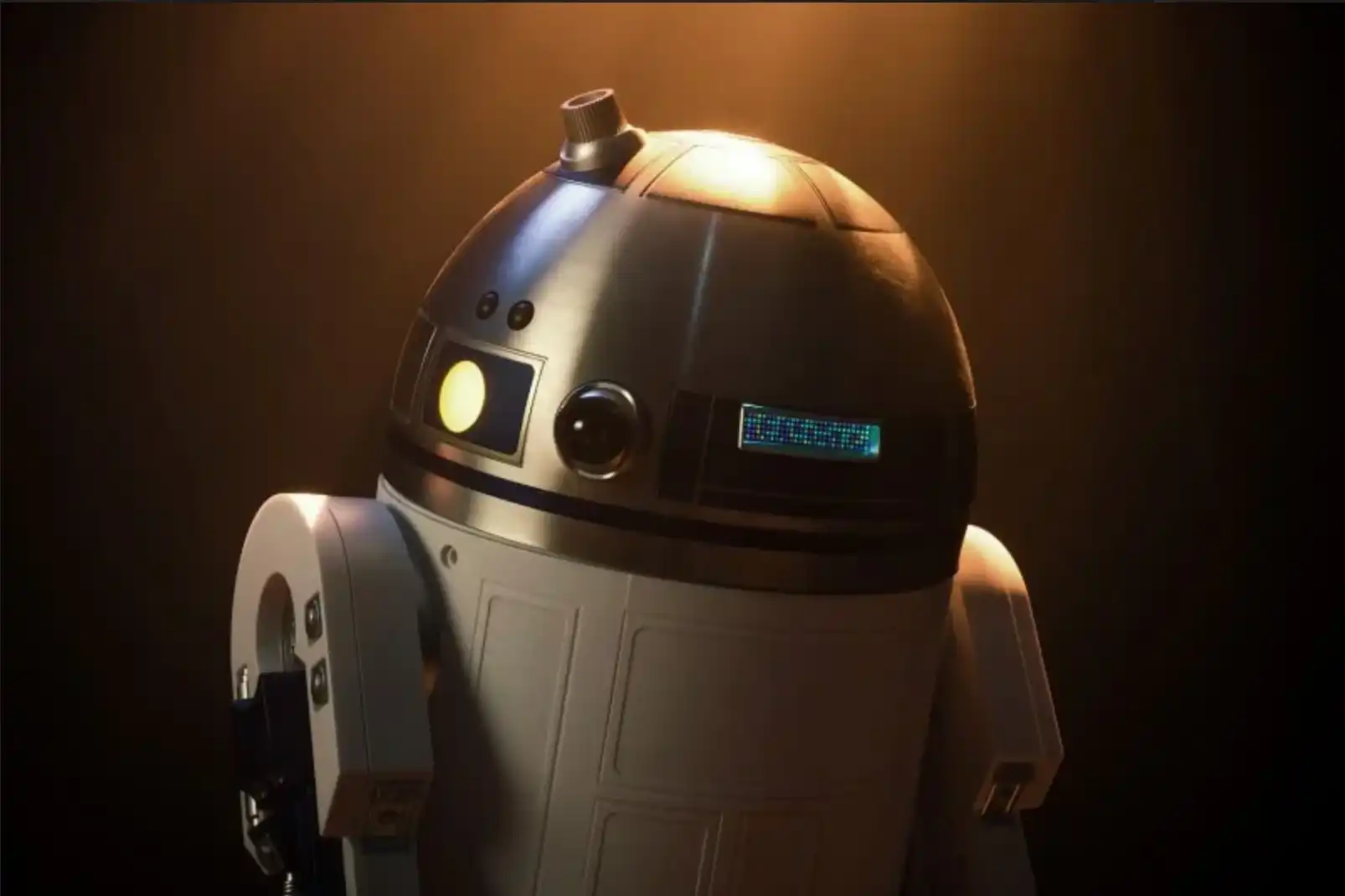
R2-D2 Space Repair Droid

As robots become more human-like, acceptance initially increases. Humans attribute anthropomorphic traits to them, finding them cute or endearing. But then, something strange happens.

When a robot reaches a certain level of similarity to humans (looking almost human but not quite), the comfort level plummets. Instead of greater acceptance, an instinctive unease arises. Minor flaws in appearance or movement that might be overlooked in more mechanical robots suddenly become glaringly and eerily apparent here.

The term "uncanny valley" was coined by Japanese robotics expert Masahiro Mori in 1970. In a paper discussing the relationship between human emotional responses to robots and their degree of realism, he proposed this concept and pointed out the typical sharp drop in acceptance when robots approach but do not fully achieve human appearance.

Movement and facial expressions are the primary triggers. Subtle errors in eye movement, the timing of blinks, lip synchronization, and facial micro-expressions can all elicit the strongest "uncanny valley effect." A perfectly realistic static image might look fine, but once it moves, it often triggers the effect.

It's worth noting that individual sensitivity to the "uncanny valley effect" varies greatly. Some studies suggest that people with higher empathy or those whose work is closely related to humans (such as medical staff, psychotherapists) might be more sensitive. Age is also a factor, with some research indicating that children are less affected than adults.

Why Does It Feel Uncomfortable?

The "uncanny valley effect" triggers a fundamental conflict in human perception. The human brain is innately wired to interpret facial expressions and capture subtle social cues. This is how we have survived as social animals for millions of years. When a robot is 90% human-like, the brain initially categorizes it as "human," but then quickly spots inconsistencies.

These inconsistencies cause cognitive dissonance. For example, eye movement might be slightly off; skin texture might be unnaturally perfect; the blinking rhythm might be a few milliseconds slow. Each subtle deviation triggers a subconscious alarm: something is masquerading as human.

Remember the movie *The Polar Express*? This film's characters aimed for realism, but audiences found them creepy. Their nearly human-like faces triggered the exact same psychological response as facing hyper-realistic robots. The characters' eyes looked lifeless, and their movements were somewhat stiff. These little oddities reminded viewers: something is not right.
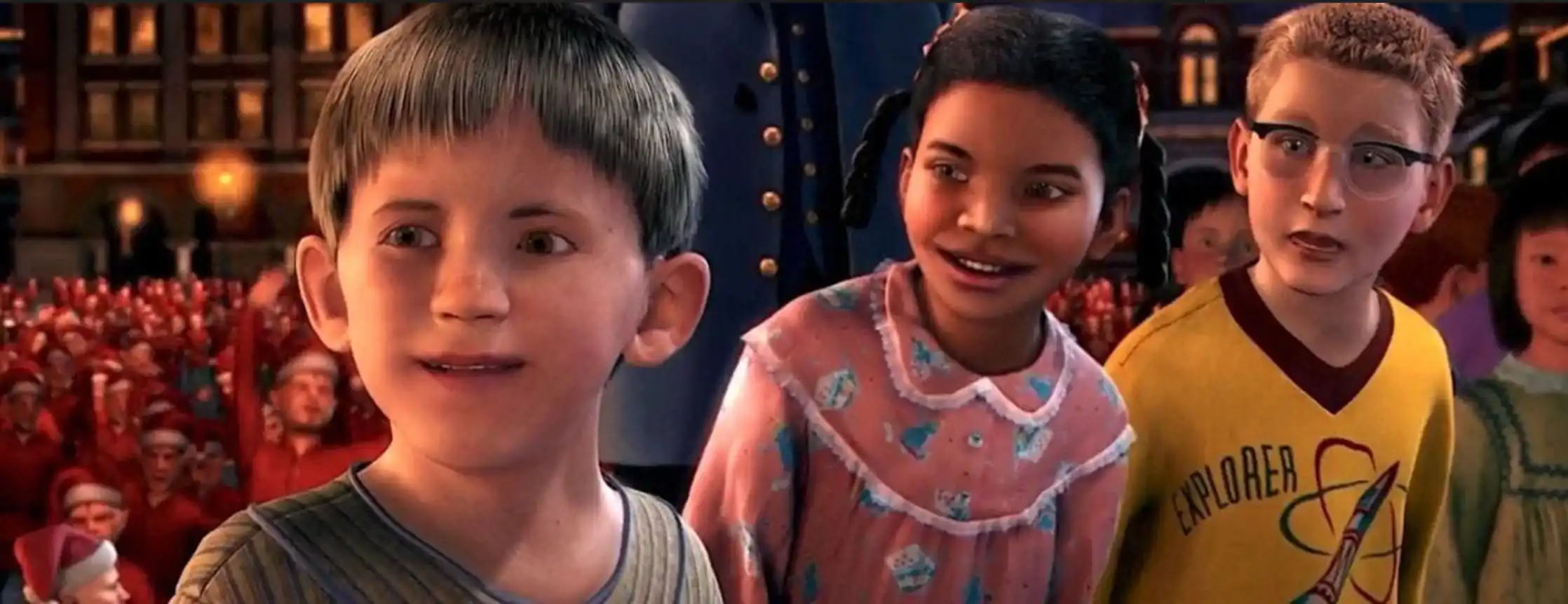
The movie "The Polar Express"

In the field of robotics, early attempts at realism were astonishing but not perfect. Hanson Robotics' robot "Sophia," which deliberately pursues lifelike human qualities, has found itself mired in controversy. Some find her fascinating, while others find her downright creepy.
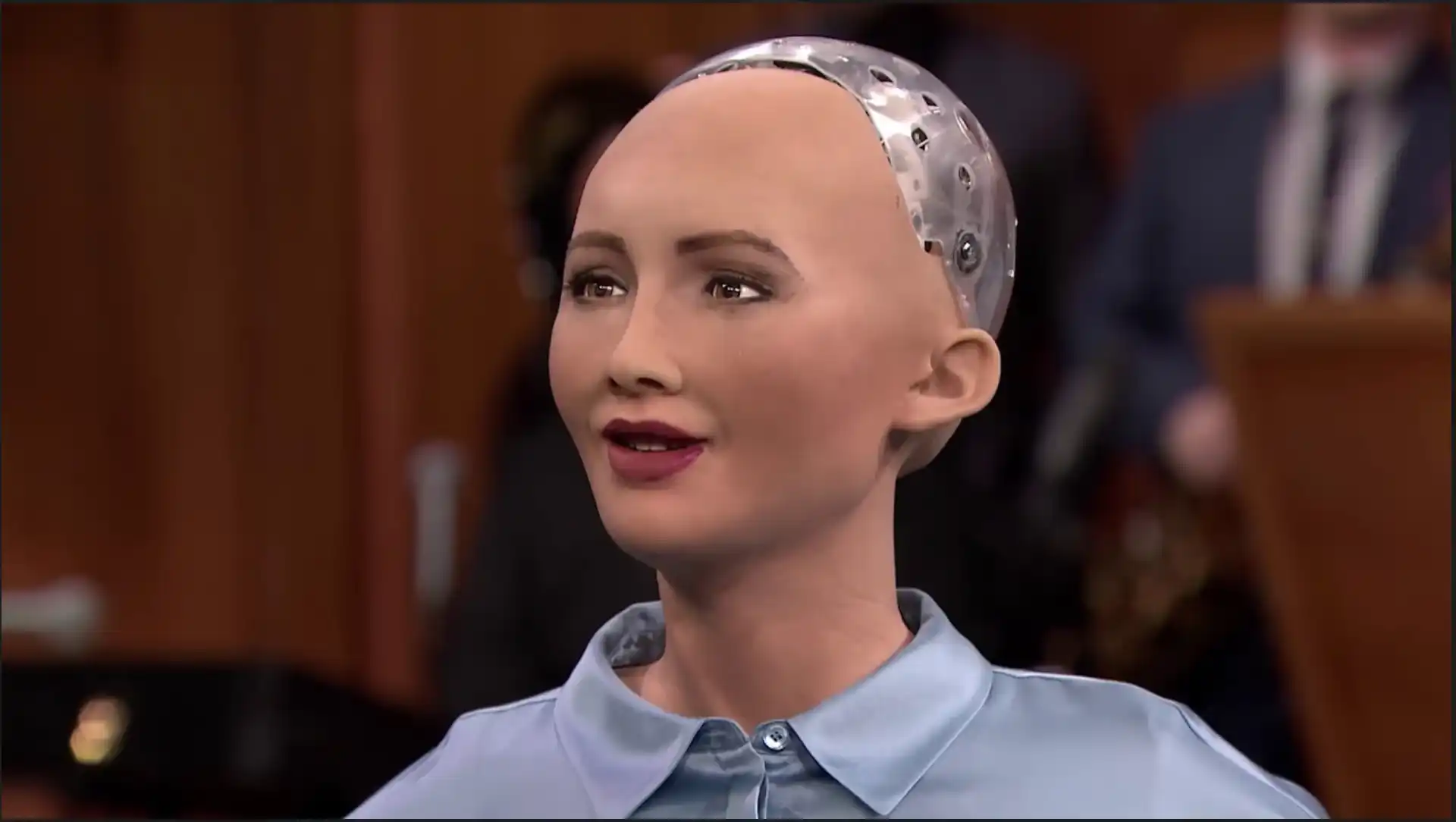
Robot Sophia

How Are Robot Companies Responding to the "Uncanny Valley Effect"?

This is not merely an aesthetic issue. The "uncanny valley effect" has profound implications for robot development. Companies investing millions in developing humanoid robots face a critical design dilemma: at what point does humanization become "too much"?

Some companies choose to avoid the "uncanny valley" altogether. Boston Dynamics' robots perform astonishing physical feats while maintaining an unmistakably mechanical appearance. Others, like Hanson Robotics, take the risk and remain committed to achieving more human-like robotics. Each approach embodies a different philosophy of human-robot interaction.

As robots become increasingly integrated into daily life, understanding and addressing the "uncanny valley effect" is crucial. It's not just about making robots work efficiently; it's about co-existing with them comfortably.

For household robots, design choices are paramount. A robot helping with chores needs to be accepted by all family members, including those more sensitive to the "uncanny valley effect." Therefore, most consumer robot companies wisely opt for stylized or distinctly mechanical designs.

Will the "Uncanny Valley Effect" Eventually Fade Away?

Two factors might dilute the "uncanny valley effect" over time. First, with advancements in robotics, robots might cross the valley by achieving near-perfect realism, eliminating those subtle incongruities that trigger unease.

Second, as people become more accustomed to the presence of humanoid robots in daily life, the novelty and unfamiliarity that amplify the effect may gradually diminish. Younger generations growing up with humanoid robots might exhibit higher tolerance.

For now, the "uncanny valley effect" still serves as a reminder: human perception is complex and often counterintuitive. In creating machines that increasingly resemble ourselves, understanding human psychology is no less important than understanding robotics technology.

Related read: From Code to Cognition: A Ten-Thousand-Word Guide to the Evolution of the Robot Brain


Crypto di tendenza

Domande pertinenti

QWhat is the 'Uncanny Valley Effect' and who coined the term?

AThe 'Uncanny Valley Effect' is a psychological phenomenon describing how human emotional responses change as artificial entities become more human-like. It involves a sharp dip in comfort and acceptance when something looks almost, but not perfectly, human. The term was coined by Japanese roboticist Masahiro Mori in 1970.

QWhy do humans feel discomfort in the 'Uncanny Valley' according to the article?

AThe discomfort arises from a fundamental conflict in human perception. Our brains are wired to interpret facial expressions and social cues. When a robot is very human-like, the brain initially categorizes it as human but then quickly detects inconsistencies, such as slightly off eye movements or unnatural skin texture. These subtle flaws trigger a subconscious alarm that something is pretending to be human, causing cognitive dissonance and unease.

QHow do some robot companies address the 'Uncanny Valley Effect' in their designs?

ACompanies employ different strategies. Some, like Boston Dynamics, avoid the effect entirely by designing robots with clearly mechanical appearances, even if they perform advanced movements. Others, like Hanson Robotics, accept the risk and continue to pursue highly realistic humanoid robots. For consumer-facing robots, such as home assistants, many companies opt for stylized or obviously mechanical designs to ensure broader acceptance and comfort.

QWhat factors might cause the 'Uncanny Valley Effect' to diminish over time?

ATwo main factors could reduce the effect. First, technological advancements might allow robots to achieve near-perfect realism, eliminating the subtle flaws that trigger unease. Second, increased familiarity and exposure to humanoid robots in daily life could reduce the novelty and strangeness that amplifies the effect. Younger generations growing up with such robots may develop a higher tolerance.

QWhat examples from movies and robots does the article use to illustrate the 'Uncanny Valley Effect'?

AThe article uses the animated film 'The Polar Express' as an example, where the characters' highly realistic yet slightly off facial expressions and movements made audiences feel unsettled. In robotics, it mentions the humanoid robot 'Sophia' from Hanson Robotics, which elicits mixed reactions of fascination and creepiness due to its pursuit of human likeness.

Letture associate

Bitcoin Boom in Full Swing: Saylor's Latest Statement Fuels Buying Speculation

MicroStrategy's Executive Chairman Michael Saylor has fueled speculation about a new Bitcoin purchase by posting "Bitcoin Drive engaged" on August 2, accompanied by the company's customary purchase tracker. This aligns with his pattern of hinting at treasury changes ahead of weekly reports. The accompanying report showed MicroStrategy's Bitcoin holdings at 843,775 BTC, with an average cost of $75,653 per coin and an unrealized loss of -$10.58B. A similar signal preceded the company's July 27 announcement, strengthening expectations for a treasury update on Monday. However, MicroStrategy's real-time ledger reflects two recent Bitcoin sales totaling 3,588 BTC, reducing holdings from 847,363 BTC to the current 843,775 BTC. The company stated these sales funded preferred stock dividends and replenished its U.S. dollar reserve. Recent reports indicate the company made no Bitcoin purchases the week ending July 26 while increasing its dollar reserve to approximately $3.75B. The company faces financial headwinds after reporting an $8.33B operating loss for Q2 2026, including an $8.32B unrealized loss on its digital assets. Management may sell up to $1.25B more in Bitcoin to meet cash obligations. The expected Monday update will reveal if the "Bitcoin Drive" signal marks a return to accumulation as MicroStrategy balances its massive Bitcoin stash against growing cash commitments.

cryptonews.ru1 h fa

Bitcoin Boom in Full Swing: Saylor's Latest Statement Fuels Buying Speculation

cryptonews.ru1 h fa

Trading

Spot

Articoli Popolari

Come comprare ERA

Benvenuto in HTX.com! Abbiamo reso l'acquisto di Caldera (ERA) semplice e conveniente. Segui la nostra guida passo passo per intraprendere il tuo viaggio nel mondo delle criptovalute.Step 1: Crea il tuo Account HTXUsa la tua email o numero di telefono per registrarti il tuo account gratuito su HTX. Vivi un'esperienza facile e sblocca tutte le funzionalità,Crea il mio accountStep 2: Vai in Acquista crypto e seleziona il tuo metodo di pagamentoCarta di credito/debito: utilizza la tua Visa o Mastercard per acquistare immediatamente CalderaERA.Bilancio: Usa i fondi dal bilancio del tuo account HTX per fare trading senza problemi.Terze parti: abbiamo aggiunto metodi di pagamento molto utilizzati come Google Pay e Apple Pay per maggiore comodità.P2P: Fai trading direttamente con altri utenti HTX.Over-the-Counter (OTC): Offriamo servizi su misura e tassi di cambio competitivi per i trader.Step 3: Conserva Caldera (ERA)Dopo aver acquistato Caldera (ERA), conserva nel tuo account HTX. In alternativa, puoi inviare tramite trasferimento blockchain o scambiare per altre criptovalute.Step 4: Scambia Caldera (ERA)Scambia facilmente Caldera (ERA) nel mercato spot di HTX. Accedi al tuo account, seleziona la tua coppia di trading, esegui le tue operazioni e monitora in tempo reale. Offriamo un'esperienza user-friendly sia per chi ha appena iniziato che per i trader più esperti.

444 Totale visualizzazioniPubblicato il 2025.07.17Aggiornato il 2026.06.02

Come comprare ERA

Discussioni

Benvenuto nella Community HTX. Qui puoi rimanere informato sugli ultimi sviluppi della piattaforma e accedere ad approfondimenti esperti sul mercato. Le opinioni degli utenti sul prezzo di ERA ERA sono presentate come di seguito.

活动图片












