# Redemption Articoli collegati

Il Centro Notizie HTX fornisce gli articoli più recenti e le analisi più approfondite su "Redemption", coprendo tendenze di mercato, aggiornamenti sui progetti, sviluppi tecnologici e politiche normative nel settore crypto.

When Big Money Seriously Enters the Market, How Does the Liquidity Bottleneck of RWA Manifest?

When large capital enters the market, the liquidity bottlenecks of Real-World Asset (RWA) tokenization become evident. Tokenized assets, such as gold (e.g., PAXG, XAUT) and stocks (e.g., TSLAx, NVDAx), suffer from significant slippage and shallow market depth compared to traditional markets like CME. For instance, a $4 million trade in tokenized gold can incur up to 150 basis points of slippage, while traditional markets show negligible impact even at $20 million. Decentralized exchanges (DEXs) exacerbate the issue, with trades sometimes facing premiums as high as 68% or persistent slippage of 25–50 basis points. Liquidity shortages also destabilize market structure, causing price volatility and cascading effects like cross-platform liquidations, as seen with PAXG on Binance triggering $9 million in liquidations on Hyperliquid. These problems stem from structural constraints: high minting/redemption fees, slow redemption cycles (T+1 to T+5), and capital inefficiencies for market makers. Without deep, reliable liquidity, tokenized assets struggle to scale, hindering their use as collateral or in DeFi. The solution requires a new market structure that integrates off-chain liquidity, eliminates redemption delays, and avoids fragmenting liquidity across platforms. Tokenization itself isn’t flawed, but the current market infrastructure fails to support it at scale.

比推01/16 15:07

When Big Money Seriously Enters the Market, How Does the Liquidity Bottleneck of RWA Manifest?

比推01/16 15:07

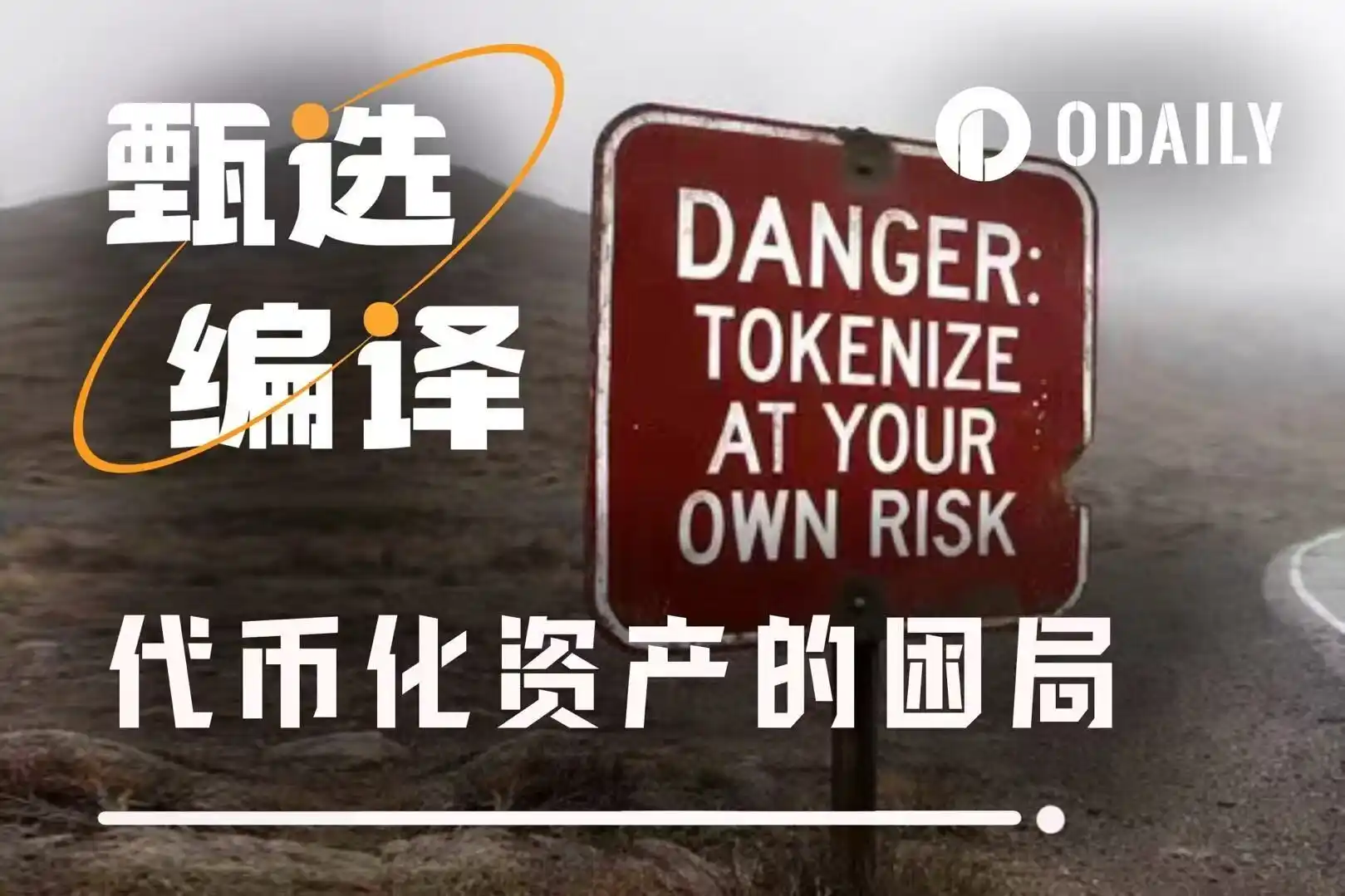
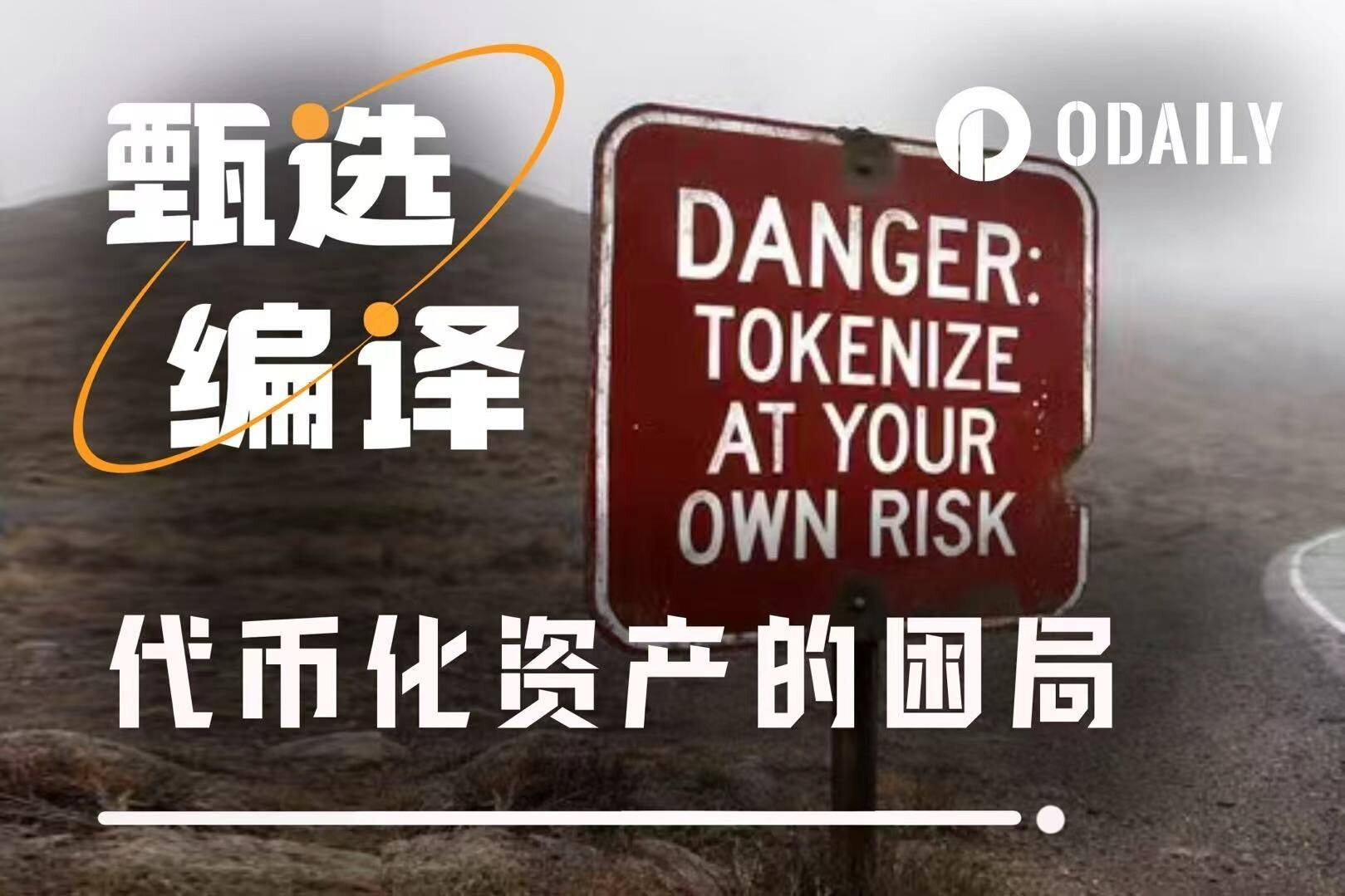
When Big Money Gets Serious, RWA Liquidity Issues Come to the Fore

Liquidity is the foundation of asset confidence, but the reality for tokenized real-world assets (RWA) like gold and stocks reveals a critical structural flaw. While tokenization promises enhanced capital fluidity and DeFi integration, most tokenized assets suffer from dangerously thin liquidity, making them impractical for meaningful capital deployment. Analysis shows extreme slippage in major tokenized gold assets (PAXG, XAUT). A $4 million trade incurs nearly 150 basis points (bps) of slippage on perpetual exchanges, compared to just 3 bps for a $20 million trade in traditional CME gold futures. Spot markets for these assets offer less than $3 million in effective depth. In AMM DEXs like Uniswap, average slippage consistently ranges between 25–50 bps, with individual trades experiencing premiums as high as 68%. The problem extends to tokenized equities. A $1 million trade in tokenized Tesla (TSLAx) sees ~5% slippage, while NVIDIA (NVDAx) reaches an unworkable 80%. Traditional markets handle the same trades with ~15 bps impact. This liquidity scarcity isn't just about high transaction costs; it destabilizes the entire market structure. Thin order books are prone to manipulation and price anomalies. A 10% price swing on a centralized exchange (CEX) can trigger cascading liquidations across interconnected DeFi protocols, demonstrating how localized illiquidity amplifies systemic risk. The core issue is structural. Market makers face high friction: slow, costly minting/redemption processes (10-50 bps fees, T+1 to T+5 settlement), inability to hedge efficiently, and significant opportunity cost compared to deeper crypto markets. Current solutions (AMMs, order books) disperse rather than concentrate liquidity. For RWA to scale, a new market structure is needed—one that leverages off-chain liquidity for price discovery, eliminates redemption delays, and doesn't force market makers to hold illiquid inventory. Tokenization hasn't failed; the supporting market infrastructure has yet to be built.

Odaily星球日报01/16 04:25

When Big Money Gets Serious, RWA Liquidity Issues Come to the Fore

Odaily星球日报01/16 04:25

活动图片