# EVM Articoli collegati

Il Centro Notizie HTX fornisce gli articoli più recenti e le analisi più approfondite su "EVM", coprendo tendenze di mercato, aggiornamenti sui progetti, sviluppi tecnologici e politiche normative nel settore crypto.

Pharos Ecosystem Security Guide: Full-Link Risk Control for RWA Asset Integration

"Pharos Ecosystem Security Guide: Comprehensive Risk Control for RWA Asset Integration" This guide provides developers in the Pharos ecosystem with a practical framework for integrating Real-World Assets (RWAs), addressing the unique challenges of combining off-chain legal claims with on-chain functionality. Pharos’s Layer 1 infrastructure, featuring Block-STM for parallel execution and dual EVM/WASM support, offers the high-speed settlement and complex computational power required for RWA operations. The analysis identifies two primary RWA models: 1) the on-chain to off-chain model (e.g., fundraising in stablecoins for off-chain investments like U.S. Treasuries) and 2) the asset tokenization model (e.g., fractionalizing real estate for on-chain ownership). The core focus is mitigating critical risks beyond smart contracts. Key strategies include: enforcing identity compliance via smart contract-level whitelisting and DID integration; implementing oracle-based circuit breakers to halt operations during stablecoin depegging events; ensuring asset authenticity with multi-source oracles for real-time NAV updates; mandating transparency for off-chain Special Purpose Vehicles (SPVs); designing built-in redemption queues and liquidity buffers to prevent secondary market collapses; and rigorously defending against inherited EVM vulnerabilities using audited libraries and reentrancy guards. The conclusion emphasizes that RWA security is a full-stack challenge, requiring robust integration of legal, financial, and technical safeguards to ensure asset authenticity and systemic resilience on Pharos.

marsbit01/20 14:10

Pharos Ecosystem Security Guide: Full-Link Risk Control for RWA Asset Integration

marsbit01/20 14:10

Paradigm-affiliated Project Tempo Launches Testnet: Is It Worth Interacting With?

Tempo, a new Layer 1 blockchain developed in collaboration between Stripe and Paradigm, has launched its public testnet with a mainnet planned for 2026. Designed specifically for high-scale payments, it aims to address issues like high costs and inefficiencies in existing blockchains for stablecoin transactions. Fully compatible with the Ethereum Virtual Machine (EVM), Tempo introduces a native token standard called TIP-20 optimized for stablecoins and payment tokens. Unlike most blockchains, it has no native token—users pay transaction fees directly in TIP-20 stablecoins. The chain targets a fixed fee of less than $0.001 per transfer. Key innovations include Tempo Transactions, which support batch processing, concurrent execution, sponsored fees, scheduled payments, and modern authentication like biometrics via Passkeys. These features target real-world use cases such as payroll and subscription services. Block finality is approximately 0.6 seconds. The project raised $500 million in a Series A round led by Greenoaks and Thrive Capital, reaching a $5 billion valuation. Its ecosystem partners include Visa, Mastercard, Deutsche Bank, Shopify, and various crypto infrastructure providers like MetaMask and Phantom. Users can currently interact with the testnet by adding the network to compatible wallets, claiming test stablecoins from a faucet, and experimenting with transactions, smart contracts, and NFTs. The team is led by Paradigm co-founder Matt Huang, with key technical contributors from Optimism and other Ethereum scaling projects. Despite significant backing, some critics like Christian Catalini express skepticism about corporate-led blockchain models, warning about risks to decentralization and permissionless access.

marsbit12/30 18:01
Paradigm-affiliated Project Tempo Launches Testnet: Is It Worth Interacting With?

marsbit12/30 18:01

How Are Stablecoins Evolving from Crypto Assets to New Payment Infrastructure?

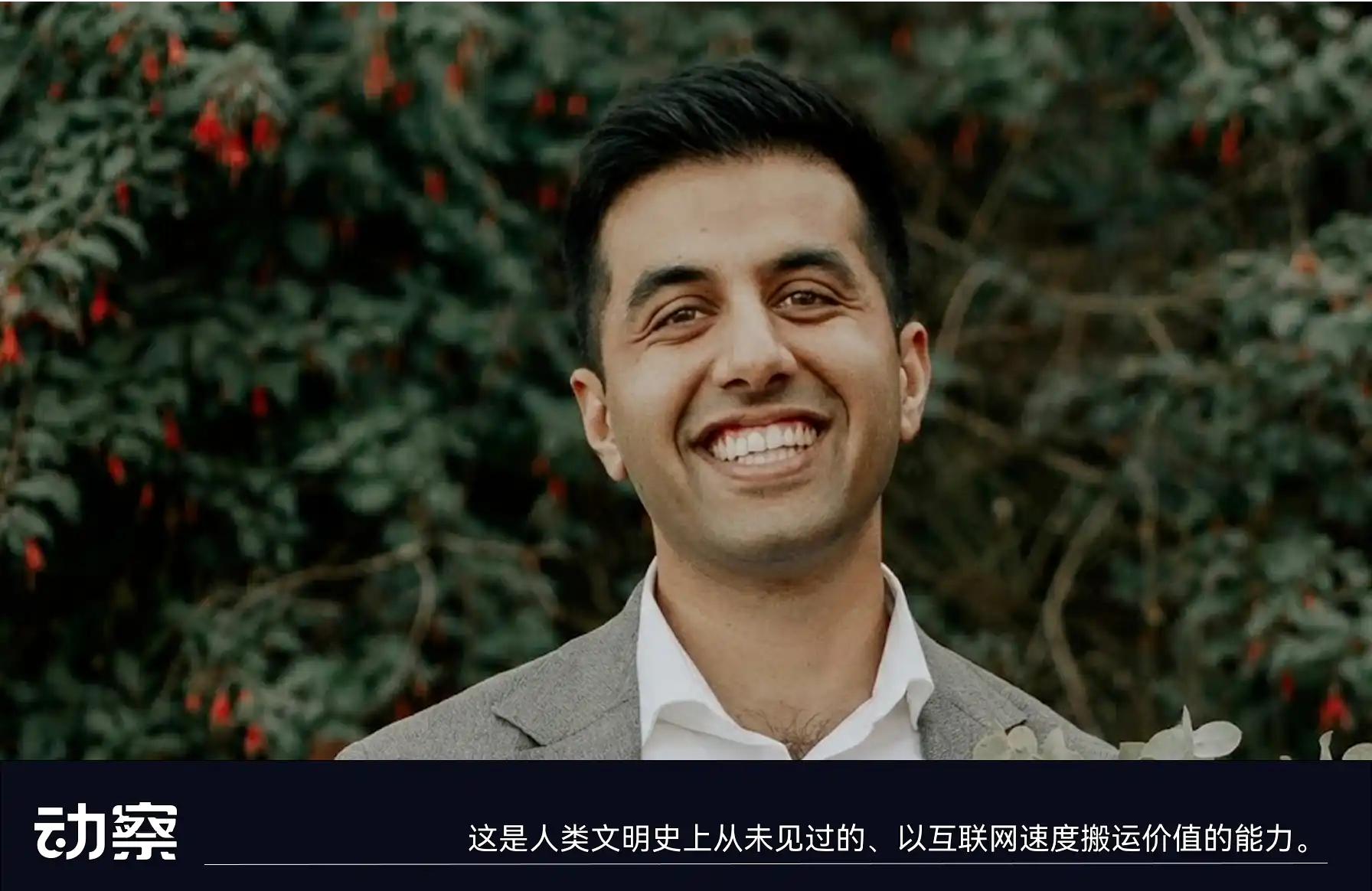
"Stablecoins: From Crypto Assets to the Infrastructure of Next-Generation Payments" The article explores the evolution of stablecoins, tracing their journey from speculative crypto assets to foundational infrastructure for global payments. The narrative is framed through the experience of Raj Parekh, former head of Visa's cryptocurrency division and now leading payments at Monad. The pivotal moment was Facebook's 2019 Libra project, which forced traditional finance to seriously consider crypto. At Visa, Parekh's team pioneered using USDC on Ethereum for settlements, solving major inefficiencies like the slow, costly T+2 settlement cycles and the need for large pre-funded accounts. A key insight was that while the technology was powerful, the underlying infrastructure was immature. Parekh left to found Portal Finance, aiming to abstract away blockchain's complexity for developers. However, he encountered a fundamental bottleneck: the need for a high-performance, EVM-compatible chain to make payments truly viable at scale. This led to Portal's acquisition by Monad Foundation. The article highlights a major shift in stablecoin business models. Early issuers like Tether and Circle profited from the interest on reserve assets. Newer models, accelerated by legislation like the GENIUS Act, are passing this yield directly to users, creating a new financial primitive: money that earns interest even while being transacted. This infrastructure enables a new era of global fintech, allowing companies to build for a worldwide audience from day one, unlike traditional banks limited by geography. The future excites Parekh most in two areas: the convergence of AI Agents with high-frequency finance for microsecond transactions, and the fusion of investment and payment accounts into a single, abstracted user experience. The ultimate goal is a future where value moves at the speed of the internet, as seamlessly as sending an email, completely invisible to the end-user.

比推12/26 15:17

How Are Stablecoins Evolving from Crypto Assets to New Payment Infrastructure?

比推12/26 15:17

活动图片