Similar Trends? Just an Illusion: Why Bitcoin Today Is Fundamentally Different from 2022
This article argues that comparing current Bitcoin price action to 2022 is a superficial and misleading analogy, as the underlying conditions are fundamentally different across three key areas.
First, the macroeconomic backdrop is the complete inverse. 2022 was defined by high inflation, aggressive interest rate hikes, and tightening liquidity environment, forcing capital into risk-off mode. In contrast, the current environment features declining CPI, an impending rate-cutting cycle, and central banks re-injecting liquidity, creating a strong risk-on appetite for assets like Bitcoin. Charts are presented showing Bitcoin's negative correlation with CPI and its positive correlation with US liquidity indices.
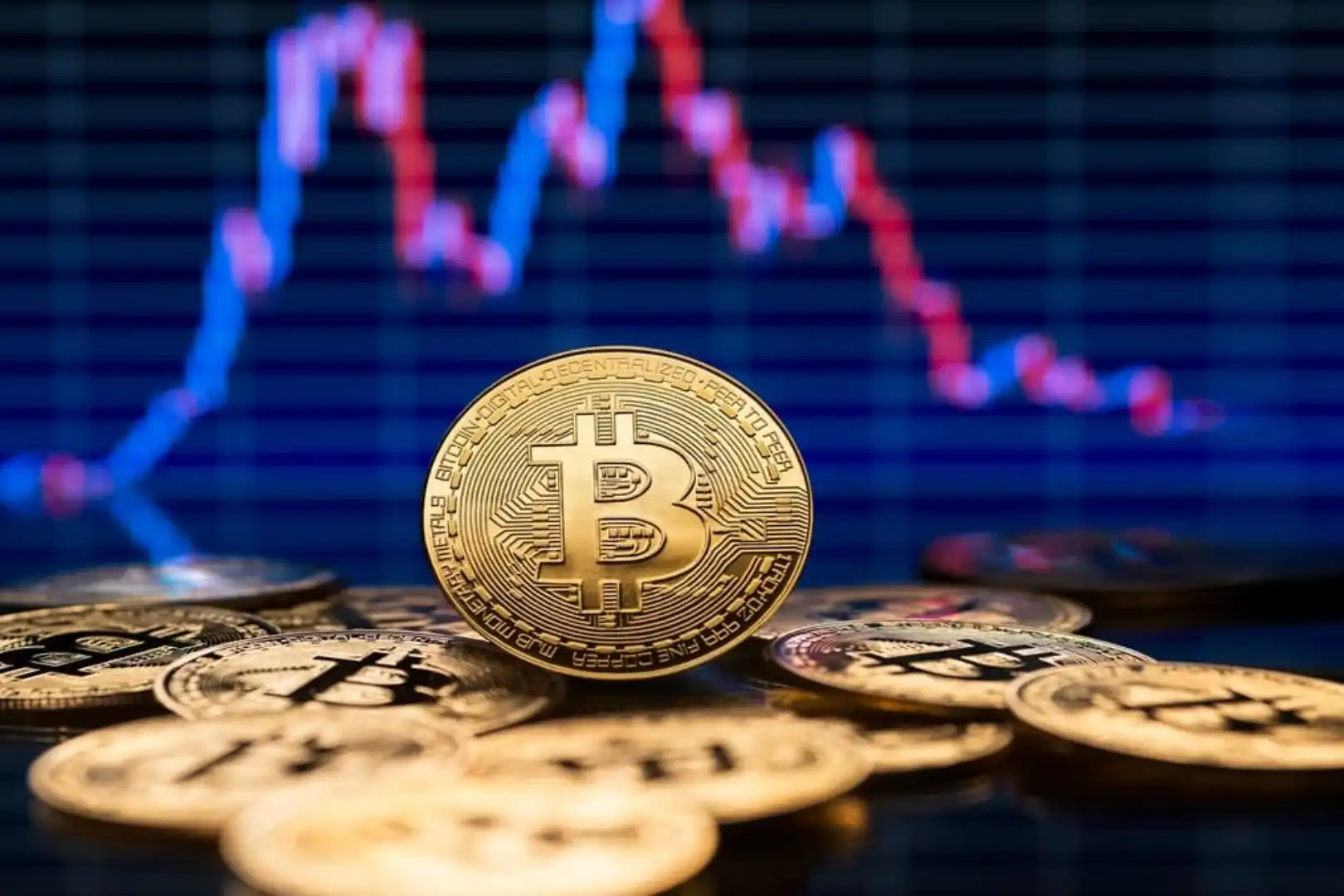
Second, the technical market structure differs significantly. The 2021-2022 period formed a bearish weekly "M-top" pattern, characteristic of a major cycle top. The recent pullback is framed as a potential "bear trap" within a larger bull market, with the $80,850-$62,000 zone acting as a major area of consolidation that offers a favorable risk-reward ratio for buyers.
Third, and most crucially, the investor base has structurally changed. The 2020-2022 market was retail-driven and highly speculative. Post-2023, the approval of Bitcoin ETFs has ushered in an "era of institutionalization," creating a new class of structural, long-term holders. This has locked up supply, drastically reduced volatility from historical highs of 80-150% to a current 30-60%, and provided a stable base of underlying demand.
The conclusion states that a repeat of the 2022 bear market would require a new major inflationary shock, a return to quantitative tightening by central banks, and a decisive break below $80,850. In the absence of these conditions, declaring a structural bear market is premature. The core difference is a shift from a "retail-driven, high-leverage" market to an "institution-driven, long-term holding" one.
marsbit01/20 10:10