# Authenticity Articoli collegati

Il Centro Notizie HTX fornisce gli articoli più recenti e le analisi più approfondite su "Authenticity", coprendo tendenze di mercato, aggiornamenti sui progetti, sviluppi tecnologici e politiche normative nel settore crypto.
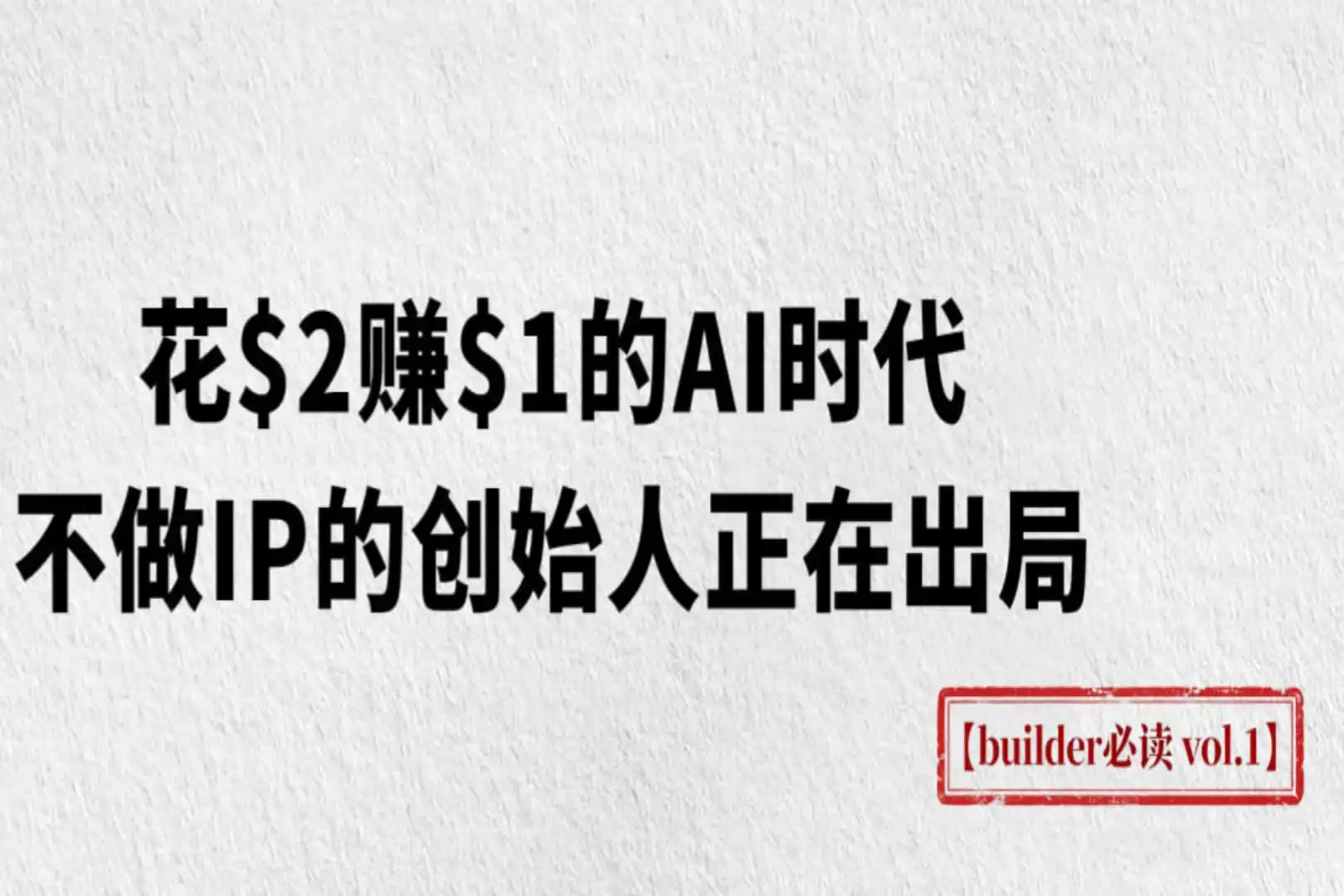
In the AI Era of Spending $2 to Earn $1, Founders Who Don't Build an IP Are Being Phased Out

In the AI era, founders who neglect building a personal IP are being left behind. Top VC firm a16z now runs an 8-week fellowship program to train storytellers and content creators for its portfolio companies, signaling a strategic shift. Key drivers: - Customer acquisition costs (CAC) have surged 222% over 10 years, with SaaS companies spending $2 to earn $1 in annual revenue. - AI has accelerated product homogenization, shrinking competitive advantages from years to just 3-12 months. - Consumers increasingly trust authentic human voices: 71% distrust AI-heavy brand communication, while 67% pay more for founder-aligned values. Case studies demonstrate the power of founder IP: - Sam Altman’s personal Twitter (4.5M followers) often outperforms OpenAI’s official account, amplifying the company’s narrative and valuation growth. - Perplexity CEO Aravind Srinivas, with zero marketing budget, grew valuation 133x to $21.2B through transparent, direct user engagement. - Midjourney, with just 10-15 employees, achieved $500M revenue by leveraging founder David Holz’s Discord community interactions. - Even non-founder IP like Duolingo’s brand personality (a “crazy” owl) drove user growth from 37M to 117M MAU. However, founder IP is a double-edged sword—Elon Musk’s influence boosted Grok’s market share but also contributed to a 53% drop in Tesla’s brand value due to controversial statements. The conclusion: Product strength is the foundation (the “1”), but founder IP is the multiplier (the “0”). In an era of rising CAC and AI-driven sameness, a founder’s authentic voice is becoming the most efficient growth lever and durable moat.

marsbitIeri 07:05

In the AI Era of Spending $2 to Earn $1, Founders Who Don't Build an IP Are Being Phased Out

marsbitIeri 07:05

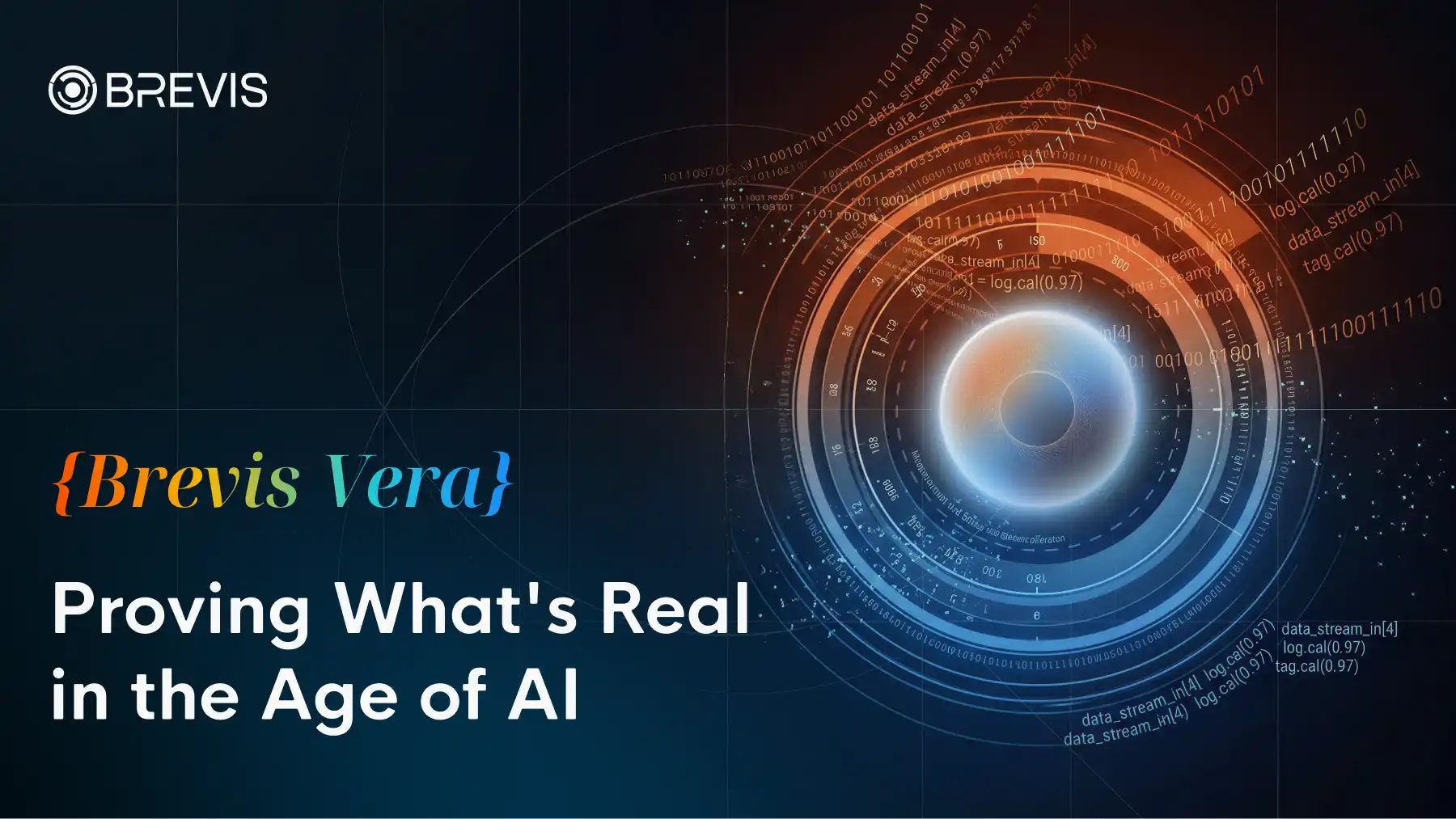
Brevis Vera is Now Live: Proving "Authenticity" in the Age of AI

Brevis Vera is an end-to-end media authenticity system that enables anyone to verify whether a published image or video originates from a real device and has been edited only in provable, compliant, and legitimate ways. It combines hardware-backed C2PA credentials—which cryptographically bind media to its source device at the time of capture—with zero-knowledge proofs (generated via Brevis Pico zkVM) that attest to the integrity of the entire editing process. Unlike AI-based deepfake detection methods, which are reactive and often lag behind generative advances, Vera takes a proactive approach by allowing media to cryptographically prove its origin and the transformations it has undergone. It addresses the "editing gap" where traditional signatures break after any modification, such as cropping or color adjustment. Vera integrates with open-source editing tools to generate proofs that verify three key claims: the output is derived from the signed original, only permitted edits were applied, and no hidden or malicious changes were introduced. The proofs are generated locally, verifiable by anyone, and preserve the privacy of both the source material and the editing workflow. The system is now live, with initial support for common image transformations. Brevis is working to integrate Vera into mainstream consumer editing applications and has open-sourced the reference implementation.

marsbit03/09 12:37

Brevis Vera is Now Live: Proving "Authenticity" in the Age of AI

marsbit03/09 12:37

活动图片