Polymarket 2025: In-Depth Report on Six Profit Models, Starting from 95 Million On-Chain Transactions

marsbitPubblicato 2025-12-29Pubblicato ultima volta 2025-12-29

Introduzione

This report analyzes six proven profit strategies on Polymarket, a decentralized prediction market with over 95 million transactions and $21.5 billion in nominal volume in 2025. Based on an analysis of 86 million on-chain transactions, the strategies are: 1. **Information Arbitrage**: Exemplified by a French trader who made $85M on the 2024 US election by conducting unique "neighbor effect" polls, exploiting systematic market pricing errors. 2. **Cross-Platform Arbitrage**: Earning risk-free profits by capitalizing on price discrepancies for the same event across different prediction markets (e.g., Polymarket vs. Kalshi), netting over $40M collectively. 3. **High-Probability "Bonding"**: Consistently buying high-probability outcomes (e.g., >95% certainty) for steady, short-term returns, with potential yields exceeding 1800% annualized. 4. **Liquidity Providing (LP)**: Acting as a market maker to earn spreads and rewards, though returns have diminished post-2024 election due to increased competition and lower rewards. 5. **Domain Specialization**: Achieving high win rates (e.g., 96%) by developing deep expertise in a niche area (e.g., sports, specific event mentions), making infrequent but high-conviction bets. 6. **Speed Trading**: Using automated systems and low-latency tech to profit from brief information advantages, a strategy increasingly dominated by institutional players. The analysis concludes that successful traders systematically identify market inefficienci...

Original Author: Lin Wanwan's Cat (X: @linwanwan823)

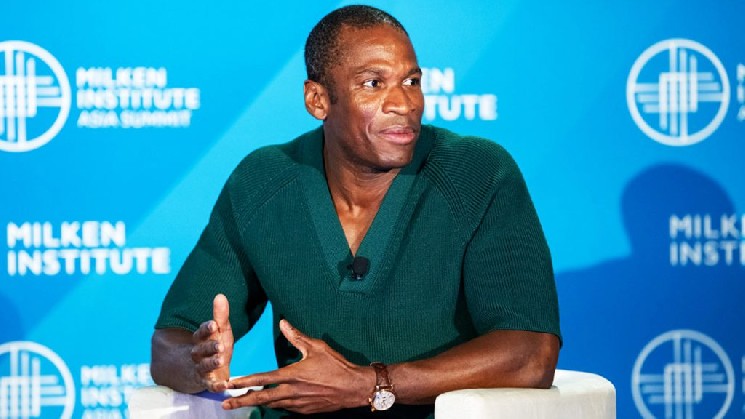
On the night of the 2024 U.S. election, a French trader netted $85 million on Polymarket.

This figure surpassed the annual performance of the vast majority of hedge funds.

Polymarket, a decentralized prediction market that has processed over $9 billion in trading volume and attracted 314,000 active traders, is redefining the boundaries of "voting with money."

But first, we must be honest: prediction markets are a zero-sum game.

Only 0.51% of Polymarket wallets have achieved profits exceeding $1,000.

So, what did the winners do right?

I recently wrote a series of strategies and attempted to systematically analyze over 86 million on-chain transactions,

(Data is based on academic research from IMDEA Networks Institute, covering complete on-chain records of over 86 million transactions and 17,218 market conditions from April 1, 2024, to April 1, 2025.

According to Dune Analytics data, Polymarket processed over 95 million transactions in 2025, with a nominal trading volume exceeding $21.5 billion, though there is some double-counting.)

dissecting the position logic and entry/exit timing of top traders,

and summarizing six proven profitable strategies: from the French whale's "neighbor poll" information arbitrage to a high-probability bond strategy with 1800% annualized returns; from cross-platform spread capture to a niche specialization approach with a 96% win rate.

Our retrospective analysis reveals that the common trait of top traders is not "predictive ability,"

but three things:

systematically capturing market mispricing,近乎偏执的严格风险管理, and the patience to build a碾压级 information advantage in a single领域.

If you've read this far, I suspect that sooner or later in 2026, you will try it yourself.

Of course, this is not a guide on "how to gamble,"

but rather aims to provide a systematic strategic framework and replicable methodological reference for prediction market participants, especially beginners.

Keywords: Prediction Markets; Polymarket; Trading Strategies; Arbitrage; Risk Management; Blockchain

I will cover this in five parts. If you only want to see the strategies, jump directly to Part Three.

I. Research Background

II. Evaluation Dimensions and Criteria

III. Six Core Strategies for 2025

IV. Position Management and Strategy

V. Conclusion

I. Research Background

In October 2025, ICE, the parent company of the NYSE, wrote a $2 billion check to Polymarket, valuing it at $9 billion.

A month later, Polymarket acquired a CFTC-licensed exchange, officially returning to the U.S. The "gray area project" expelled by regulators three years prior had become a darling of traditional finance.

The turning point was the 2024 election.

When all mainstream polls were saying "too close to call," Polymarket's odds steadily pointed to Trump. $3.7 billion in bets ultimately predicted the result earlier and more accurately than professional polling agencies. Academia began re-examining an old question: Does forcing people to "put their money where their mouth is" truly elicit more honest judgments?

The first thirty years of the internet created three types of infrastructure: search engines tell you "what happened," social media tells you "what others think," and algorithmic recommendations tell you "what you might want to see." But one piece was always missing: a place that could reliably answer "what will happen next."

Polymarket is filling this gap and has become crypto's first truly breakout application, targeting the rigid demand for "information pricing."

When media outlets start checking odds before writing news, when investors start consulting the market for decisions, when political teams start monitoring Polymarket instead of polls.

It is evolving from gambling toward a form of "pricing consensus."

A market that makes Wall Street pay, regulators relent, and polls sweat is worth serious study.

II. Research Methods and Evaluation Criteria

2.1 Data Sources

This study uses multiple data sources for cross-validation:

(1) Polymarket official leaderboard data;

(2) Polymarket Analytics third-party analysis platform (updated every 5 minutes);

(3) PolyTrack trader tracking tool;

(4) Dune Analytics on-chain data dashboard;

(5) Chainalysis blockchain analysis reports.

Data covers the complete on-chain records of over 86 million transactions and 17,218 market conditions from April 2024 to December 2025.

2.2 Evaluation Dimensions and Weights

Strategy evaluation uses a multi-dimensional comprehensive assessment system, including:

Absolute Profitability (Weight 30%):

Core metric is cumulative profit and loss (PnL),统计策略产生的总利润金额. Data shows that wallets with PnL exceeding $1,000 account for only 0.51% of the total, and whale accounts with trading volume over $50,000 account for only 1.74%.

Risk-Adjusted Returns (Weight 25%):

Calculating metrics like Return on Investment (ROI) and Sharpe Ratio. Excellent traders typically maintain a 60-70% win rate while controlling single-position risk exposure to 20-40% of total capital.

Strategy Replicability (Weight 20%):

Assessing the systematic and rule-based nature of the strategy. Profits purely reliant on insider information or luck are excluded.

Sustainability and Stability (Weight 15%):

Examining the strategy's consistency across different market cycles, excluding "one-hit wonder" gambling-style gains.

Scalability (Weight 10%):

Analyzing the strategy's applicability at larger capital scales, considering liquidity constraints and market impact costs.

2.3 Exclusion Criteria

The following situations are excluded from the best strategy评选:

(1) Suspected market manipulation, such as the UMA token governance attack in March 2025, where a whale holding 5 million UMA tokens (25% voting power) manipulated the settlement of a market worth $7 million;

(2) Gambling-style trades with single positions exceeding 40-50% of capital;

(3) Unverifiable or non-replicable "black box" strategies;

(4) Insider trading relying on non-public information.

III. Review of the Six Core Profit Strategies for 2025

1. Information Arbitrage Strategy: When a Frenchman Understood the Election Better Than All U.S. Polling Agencies

In the early hours of November 5, 2024, when CNN and Fox News anchors were still cautiously saying "the race is tight,"

an anonymous account, Fredi9999, was already showing an unrealized gain of over $50 million.

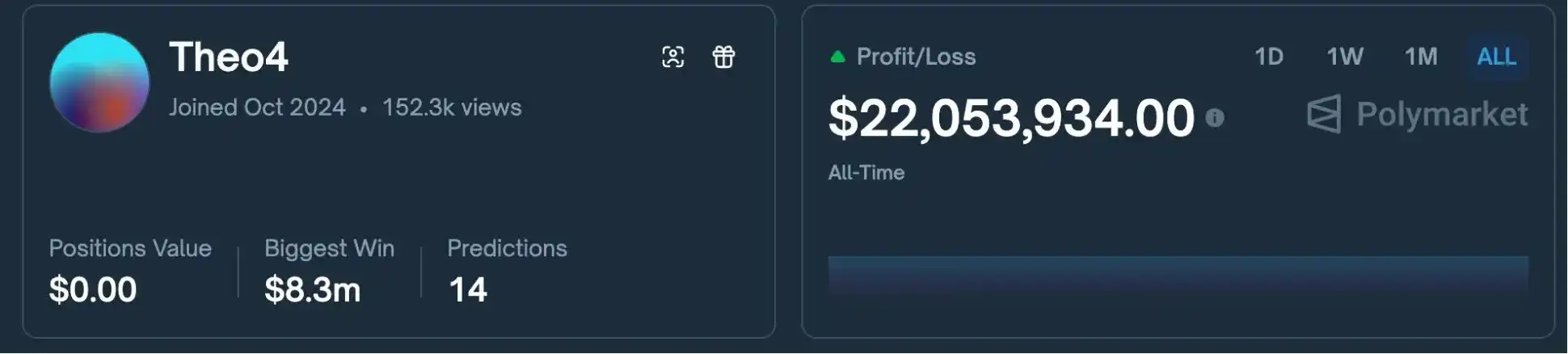
A few hours later, Trump declared victory. This account, along with its 10 associated wallets, ultimately harvested $85 million in profits.

The person behind the account was Théo, a French trader who had previously worked on Wall Street.

When all mainstream polls showed Harris and Trump neck and neck,

he did something seemingly crazy: sold almost all his liquid assets, raised $80 million, and went all-in on Trump winning.

Théo didn't ask voters "who are you voting for," but commissioned YouGov to conduct a special poll in the swing states of Pennsylvania, Michigan, and Wisconsin, asking: "Who do you think your neighbor will vote for?"

The logic of this "neighbor effect" poll was simple: some people are ashamed to admit they support Trump, but they don't mind saying their neighbor does.

The results were "stunningly in favor of Trump." The moment he got the data, Théo went from a 30% position to All-in.

This case reveals the essence of information arbitrage: not knowing more than others, but asking the right questions. Théo spent less than $100,000 on the poll for an $85 million return.

This might be the highest ROI market research in human history. He currently ranks first in total profits on Polymarket.
Replicability Assessment: The barrier to information arbitrage is extremely high, requiring original research methodology, large capital, and the psychological fortitude to stick to your judgment when "everyone says you're wrong." But its core idea—finding systematic biases in market pricing—applies to any contentious prediction market.

2. Cross-Platform Arbitrage Strategy: The Art of "Picking Up Money" Between Two Markets

If information arbitrage is an "intellectual game," cross-platform arbitrage is "manual labor": tedious, mechanical, but almost risk-free.

Its principle is simple enough for a child to understand: the same event sells for $45 in Store A and $48 in Store B. You buy both sides to hedge, profiting from the差价 regardless of the outcome.

From April 2024 to April 2025, academic research recorded a number: arbitrageurs extracted over $40 million in "risk-free profits" from Polymarket. The top three wallets alone made $4.2 million.

A real案例: On a certain day in 2025, for the question "Will Bitcoin break $95,000 within one hour?", the YES price was $0.45 on Polymarket, while the NO price for the same event on competitor Kalshi was $0.48.

A smart trader bought both sides simultaneously for a total cost of $0.93. Whether Bitcoin rose or not, he would get back $1, a 7.5% risk-free return, realized in one hour.

But there is a "critical detail": the definition of the "same event" may differ between platforms.

During the 2024 U.S. government shutdown event, a group of arbitrageurs found that Polymarket resolved "shutdown occurred" (YES), while Kalshi resolved "shutdown did not occur" (NO).

Their supposedly guaranteed hedged positions lost money on both sides.

Reason? Polymarket's settlement standard was "OPM announces shutdown," while Kalshi required "actual shutdown lasting over 24 hours."

Arbitrage isn't just picking up money blindly. Behind every cent of price difference lies the detail of settlement rules.

Replicability Assessment: This is the lowest barrier to entry among the six strategies. All you need is accounts on multiple platforms, some starting capital, and the patience to compare spreads. There are even open-source arbitrage bot codes on GitHub. However, as institutional capital floods in, the arbitrage window is visibly narrowing.

3. High-Probability Bond Strategy: Turning "Almost Certain" into a Business with 1800% Annualized Returns

Most people come to Polymarket for the thrill: betting on dark horses, predicting upsets.

But the real "smart money" does the exact opposite: they专门 buy things that are "already in the bag."

Data shows that over 90% of large orders exceeding $10,000 on Polymarket occur at prices above $0.95. What are these "whales" doing? They are "Bonding," buying almost certain events like bonds.

An example: Three days before the December 2025 Fed meeting, the YES contract for "a 25 basis point rate cut" was at $0.95. Economic data was clear, Fed officials' speeches heavily hinted—no room for surprise. You spend $0.95 to buy, get back $1 upon settlement three days later, a 5.2% return in 72 hours.

5% doesn't sound like much? Do the math: if you can find two such opportunities per week, that's 52 weeks × 2 times × 5% = 520% simple return per year. Considering compounding, annualized returns easily exceed 1800%. And the risk you take is接近 zero.

Some traders, using this strategy, make only a few trades per week and earn over $150,000 annually.

Of course, "almost certain" is not "absolutely certain."

The biggest enemy of the bond strategy is the black swan, those 0.01% probability surprises. One mistake can wipe out the profits of dozens of successes. So the core skill of top bond players is not finding opportunities, but identifying "false certainty": things that look like sure bets but hide risks.

Replicability Assessment: This is the most suitable strategy for beginners. It requires no deep research, no speed advantage, just patience and discipline. But its profit ceiling is also the lowest. When your capital reaches a certain size, there simply aren't enough 95%+ opportunities in the market for you to "harvest."

4. Liquidity Provider (LP) Strategy: Just Earning "Toll Fees"? Not That Simple

Why does the casino always win? Because it doesn't bet against you; it just takes a cut.

On Polymarket, some people choose to "be the casino" rather than "be the gambler"—they are Liquidity Providers (LPs).

The LP's job: place both buy and sell orders on the order book, earning the spread in between. For example, you place a buy order at $0.49 and a sell order at $0.51. No matter who trades, you earn the $0.02 difference. You don't care about the event outcome, only if someone trades.

Polymarket sees new markets every day. New markets are characterized by: poor liquidity, wide spreads, many retail traders. For LPs, this is heaven. Data shows that providing liquidity in new markets can yield annualized equivalent returns of 80%-200%.

A trader named @defiance_cr was interviewed by Polymarket官方, detailing how he built an automated market-making system. At its peak, this system generated $700-800 in profit daily.

He started with $10,000 capital, initially earning about $200 per day. As the system optimized and capital grew, profits increased to $700-800 daily. The core was utilizing Polymarket's liquidity reward program, where placing orders on both sides of the market could yield nearly 3x the rewards.
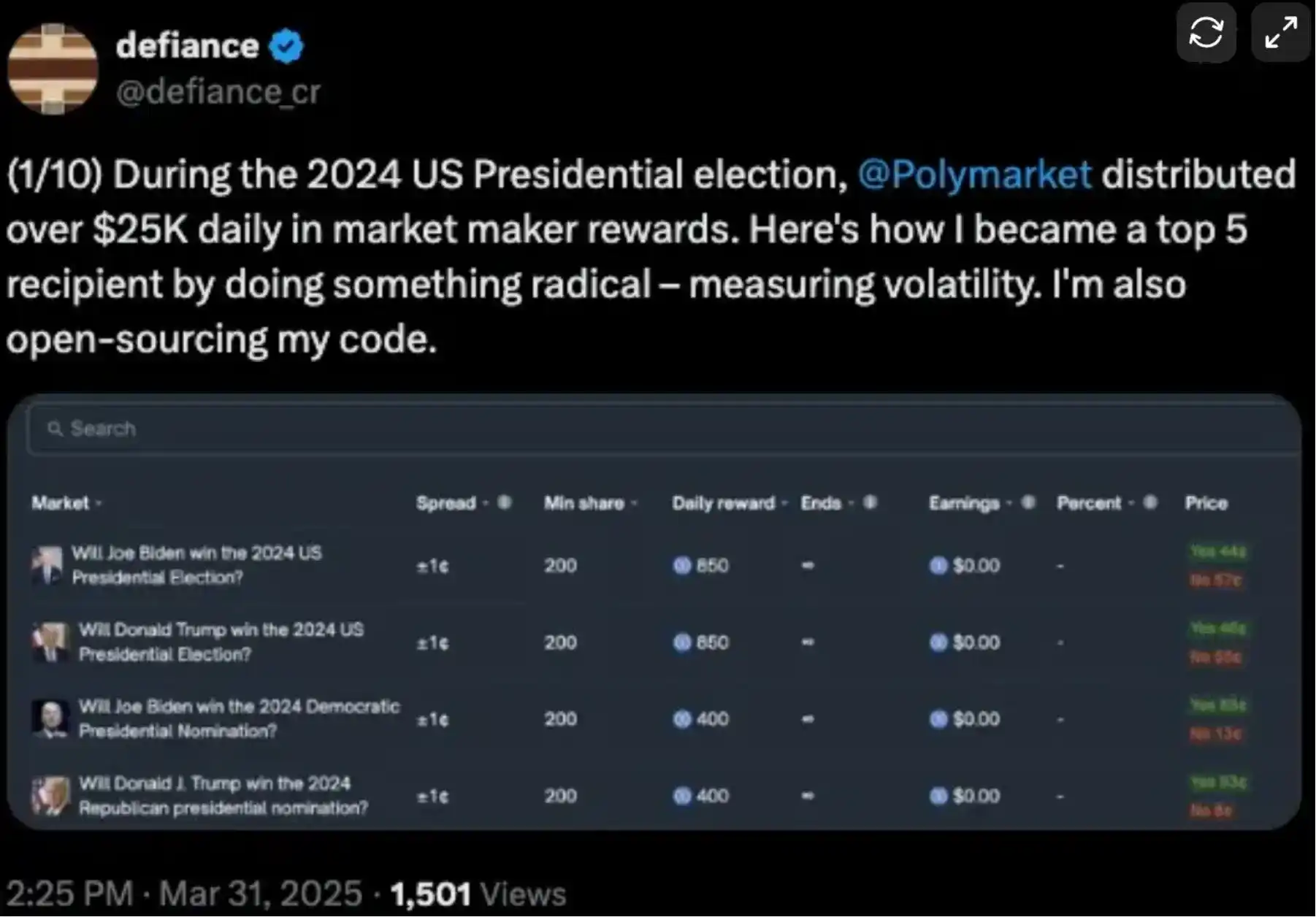
His system consisted of two core modules: a data collection module pulling historical prices from the Polymarket API, calculating volatility indicators, estimating expected returns per $100 invested, and sorting by risk-adjusted returns; a trade execution module automatically placing orders based on preset parameters—narrow spreads for liquid markets, wide spreads for volatile markets.

But after the election, Polymarket's liquidity rewards significantly decreased.

The LP strategy remained viable in late 2025, but with lower returns and increased competition. The cost of high-frequency trading infrastructure is higher than an average employee's salary. High-end VPS infrastructure needs to be hosted near Polymarket's servers. Quant algorithms are optimized for fast execution.

So don't envy "those traders making $200,000 a month确实存在. They are the top 0.5%."

This combination of "market making + prediction" is the standard for high-level players.

Replicability Assessment: The LP strategy requires a deep understanding of market microstructure, including order book dynamics, spread management, inventory risk control, etc. It's not as mechanical as arbitrage, nor does it require unique insight like information arbitrage, but sits between, requiring skill, but skill that can be learned.

5. Niche Specialization Strategy: The 10,000-Hour Rule in Prediction Markets

An interesting phenomenon on the Polymarket leaderboard: the most profitable people are almost all "specialists." They are not generalists who know a little about everything, but experts with a碾压级 advantage in a narrow field.

Look at some real cases:

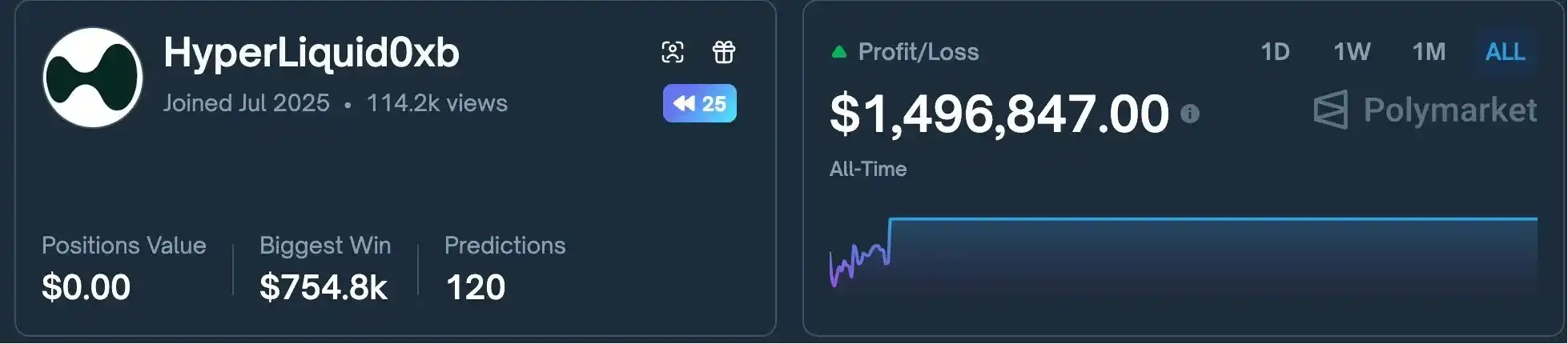
Sports Market Dominator HyperLiquid0xb: Total profits over $1.4 million, single largest gain of $755,000 from predicting a baseball game. His familiarity with MLB data rivals that of professional analysts, allowing him to quickly adjust judgments mid-game based on pitcher rotations, weather changes.
Mention Market Wizard Axios: Maintains a terrifying 96% win rate in markets like "Will Trump say 'crypto' in his speech?". His method is simple but extremely time-consuming: analyze all past public speeches of the target person,统计 the frequency and context of specific words, build a prediction model. While others are "gambling," he is "calculating."
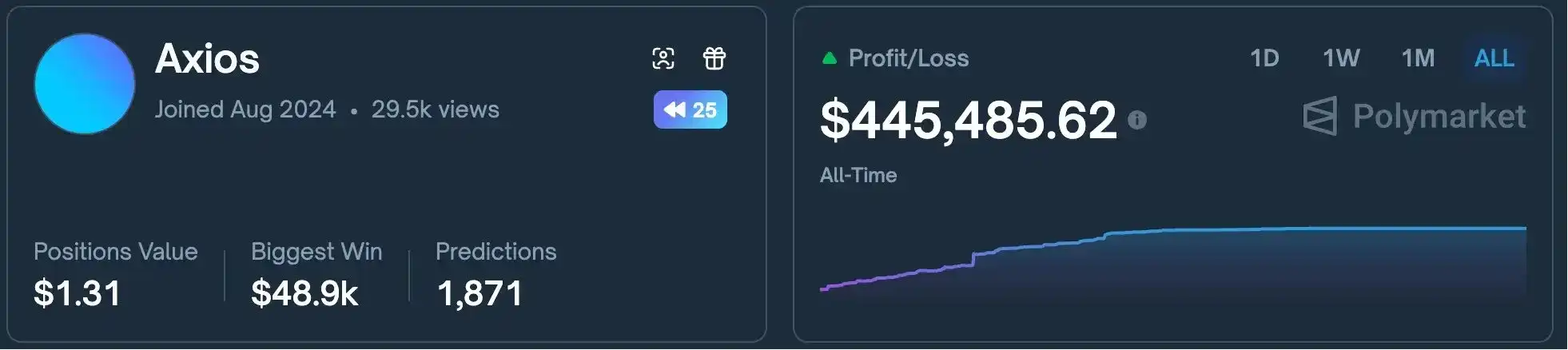
These cases share a common point: expert traders may only engage in 10-30 trades per year, but each has extremely high confidence and profit potential.

So specialization is more profitable than breadth.

Of course, I also saw a sports expert, SeriouslySirius, lose $440,000 on a single World Series bet, followed by losses in a series of events.
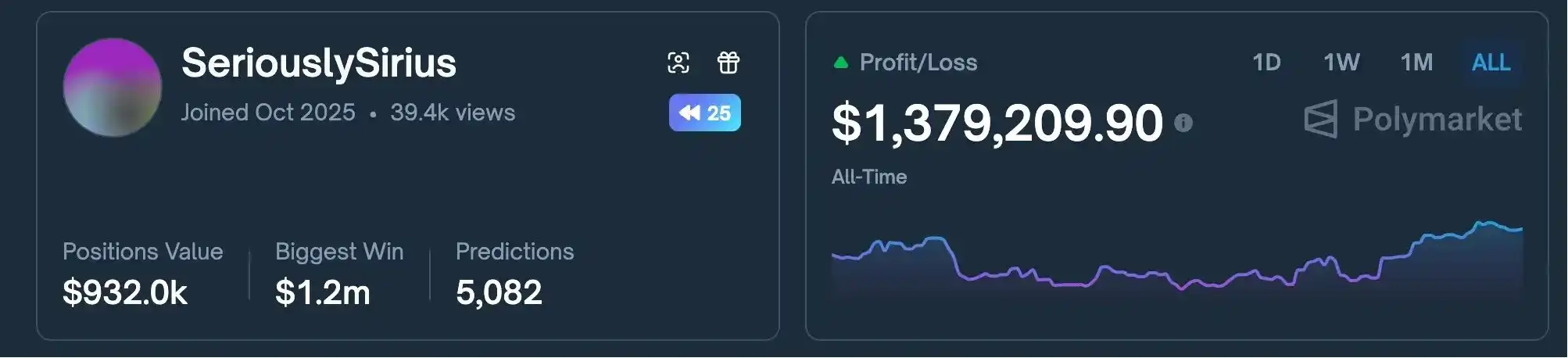
If you are only "somewhat knowledgeable," you are giving money to the experts. Of course,所谓的“懂”, is also another form of gambling.

Replicability Assessment: This is the strategy requiring the most time investment, but also the one with the highest barriers. Once you build an information advantage in a field, it's hard to replicate.建议 choosing an area where you already have knowledge or professional experience.

6. Speed Trading Strategy: Beating the World to the Punch

One Wednesday afternoon in 2024 at 2 PM, Fed Chair Powell began speaking. Within 8 seconds of him saying "we will adjust policy at the appropriate time," the price of the "Fed December rate cut" contract on Polymarket jumped from $0.65 to $0.78.

What happened in those 8 seconds? A small group of "speed traders," monitoring the live feed with preset triggers, placed their orders before the average person could even "understand" what Powell said.

Trading legend GCR once said the core of speed trading is "reaction." It exploits the time window between information generation and its digestion by the market, usually only a few seconds to minutes.

This strategy is particularly effective in "Mention markets." For example, "Will Biden mention China in his speech today?" If you can know the answer 30 seconds faster than others (by monitoring the White House live stream instead of waiting for news alerts), you can build a position before the price moves.

Some quant teams have industrialized this strategy. According to on-chain data analysis, between 2024-2025, top algorithmic traders executed over 10,200 speed trades, generating累计 $4.2 million in profits. Their tools include: low-latency API access, real-time news monitoring systems, preset decision rule scripts, and capital distributed across multiple platforms.

But speed trading is becoming increasingly difficult. As more institutional capital enters, the arbitrage window has compressed from "minutes" to "seconds," making it almost impossible for retail to participate. It's an arms race, and散户 tools are far inferior to institutions.

Replicability Assessment: Unless you have a technical background and time to invest in developing a trading system, it's not recommended. The alpha in speed trading is disappearing fast, leaving little room for retail. If you must try, start practicing in low-competition niche markets (like local elections, niche sports).

IV. Risk Management and Strategy Portfolio

4.1 Position Management Principles

Successful traders generally follow these position management principles:

Hold 5-12 uncorrelated positions simultaneously; Mix short-term (days) and long-term (weeks/months) holdings;

Keep 20-40% of capital as reserve for new opportunities;

Single trade risk exposure not exceeding 5-10% of total capital.

Over-diversification (30+ positions) dilutes returns, while over-concentration (1-2 positions) is too risky.

The optimal number of positions is usually between 6-10.

4.2 Strategy Portfolio Suggestions

Strategy allocation suggestions based on risk appetite are as follows.

  • Conservative Investors: 70% Bond Strategy + 20% Liquidity Providing + 10% Copy Trading.
  • Balanced Investors: 40% Niche Specialization + 30% Arbitrage + 20% Bonds + 10% Event-Driven.
  • Aggressive Investors: 50% Information Arbitrage + 30% Niche Specialization + 20% Speed Trading.

Regardless of the combination, avoid allocating over 40% of capital to a single event or a group of highly correlated events.

V. Conclusion

2025 was a pivotal year for Polymarket's transition from fringe experiment to mainstream finance.

The six盈利 strategies reviewed here—information arbitrage, cross-platform arbitrage, high-probability bonds, liquidity providing, niche specialization, and speed trading—represent proven sources of alpha in prediction markets.

In 2026, prediction markets will face fiercer competition and higher专业化门槛.

It is recommended that newcomers focus on: (1) Choosing a vertical field where they can build an information advantage; (2) Starting with small-scale bond strategies to accumulate experience; (3) Using tools like PolyTrack to跟踪和学习头部交易者的模式; (4) Maintaining close attention to regulatory changes and platform rule updates.

The essence of prediction markets is a "truth discovery mechanism powered by monetary votes."

In this market, the true edge comes not from luck, but from better information, more rigorous analysis, and more rational risk management. May this review provide you with a systematic map for navigating this new world.

References

[1] Chainalysis. "Polymarket Whale Analysis Report." November 2024.

[2] The Free Press. "How a French Whale Made $85 Million off Trump's Win." November 2024.

[3] Polymarket Analytics. "Trader Leaderboard and Performance Metrics." December 2025.

[4] PolyTrack. "Best Polymarket Traders to Follow 2025." November 2025.

[5] Dune Analytics. "Prediction Market Volume and Open Interest Data." September 2025.

[6] Wall Street Journal. "The French Trader Who Bet Big on Trump." November 2024.

[7] Bloomberg. "Trump Whale's Polymarket Haul Boosted to $85 Million." November 2024.

[8] CBS News 60 Minutes. "How a French 'whale' made over $80 million on Polymarket." December 2025.

Original Article Link

Domande pertinenti

QWhat are the six core profit strategies identified in the Polymarket 2025 report?

AThe six core profit strategies are: 1. Information Arbitrage, 2. Cross-Platform Arbitrage, 3. High-Probability Bond Strategy, 4. Liquidity Providing, 5. Domain Specialization, and 6. Speed Trading.

QWhat was the key insight behind the French trader Théo's successful $85 million information arbitrage bet on the 2024 U.S. election?

AThéo's key insight came from a unique poll he commissioned that asked voters in swing states 'Who do you think your neighbor will vote for?' instead of who they would vote for themselves. This 'neighbor effect' poll revealed a significant, hidden bias towards Trump that mainstream polls missed.

QWhat is the main risk associated with the seemingly low-risk Cross-Platform Arbitrage strategy?

AThe main risk is that different platforms may have subtly different definitions or settlement criteria for what constitutes the 'same event'. A trader's hedged position can lose money on both sides if one platform resolves to YES and another to NO based on these differing rules.

QAccording to the report, what is the common characteristic of the most profitable traders, beyond prediction skill?

AThe most profitable traders systematically identify market pricing errors, practice extremely strict and近乎偏执 (paranoid) risk management, and patiently build a crushing information advantage in a single, specialized domain.

QWhat recommendation does the report give to new entrants for building experience in 2026?

AThe report recommends that new entrants should: 1. Focus on a vertical domain where they can build an information advantage, 2. Start by accumulating experience with small-scale Bond strategies, 3. Use tools like PolyTrack to learn from the patterns of top traders, and 4. Maintain close attention to regulatory changes and platform rule updates.

Letture associate

AI "Transfer Station" Earning Millions Monthly? Five Questions Uncover the Truth of Token Arbitrage

The article "AI 'Transfer Station' Earns Millions Monthly? Five Questions Uncover the Truth of Token Arbitrage" explores the emerging business of API token transfer stations, which profit from global AI service price disparities and access barriers. These intermediaries purchase low-cost tokens from overseas AI providers (e.g., OpenAI, Claude) through grey-market methods—such as exploiting enterprise credits, bulk accounts, or subscription benefits—and resell them to Chinese users at a markup. Key drivers include the high cost of using top AI models (e.g., Claude Code costs ~$5 per million tokens), the performance gap between domestic and foreign models, and mismatches between subscription and API pricing. However, the practice carries significant risks: upstream token sources may be unstable or illegal; user data passing through intermediaries can be harvested or injected with hidden prompts; and models might be downgraded without disclosure. The market is evolving, with some operators now exporting cheaper Chinese models (e.g., Qwen3.5 at ~$0.11 per million tokens) to overseas users, leveraging price gaps. Yet, sustainability is low due to compliance crackdowns, instability, and reputational risks. Users are advised to employ detection methods (e.g., prompt adherence tests) and avoid sensitive data usage. The authors caution that while transfer stations offer short-term arbitrage, they lack long-term reliability and security compared to official APIs.

marsbit9 min fa

AI "Transfer Station" Earning Millions Monthly? Five Questions Uncover the Truth of Token Arbitrage

marsbit9 min fa

The Cost of an 11.5% Annualized Return: Will MicroStrategy's STRC Face a Moment of Reckoning?

This article analyzes the potential risks associated with MicroStrategy's (MSTR) use of structured financial products like STRC to leverage its BTC exposure. While these tools have enabled impressive returns (e.g., 11.5% annualized) and fueled significant capital inflows ($13.5B outstanding), they also create substantial annual dividend obligations (~$400M). The author argues that this structure, while effective in a bull market, could become a liability if BTC price stagnates or declines. The core risk is a potential negative feedback loop: the growing dividend burden from continued STRC issuance may eventually outweigh the benefits of increased BTC holdings. To meet these obligations, MicroStrategy might need to use new issuance proceeds for dividends instead of buying more BTC, which could disappoint equity investors. If the market capitalization (mNAV) falls below the value of its BTC holdings, the company could be forced to sell BTC instead of issuing new shares, potentially triggering a panic. The author estimates a potential inflection point in 6 months, where annual dividend costs reach $3-4B. At that stage, CEO Michael Saylor might face a difficult choice: sell BTC to meet obligations or sacrifice the credibility of the preferred shares by halting dividends. The article concludes that this financial engineering, while powerful, could ultimately "backfire" on MicroStrategy if market conditions turn.

marsbit1 h fa

The Cost of an 11.5% Annualized Return: Will MicroStrategy's STRC Face a Moment of Reckoning?

marsbit1 h fa

Trading

Spot
Futures

Articoli Popolari

Cosa è $S$

Comprendere SPERO: Una Panoramica Completa Introduzione a SPERO Mentre il panorama dell'innovazione continua a evolversi, l'emergere delle tecnologie web3 e dei progetti di criptovaluta gioca un ruolo fondamentale nel plasmare il futuro digitale. Un progetto che ha attirato l'attenzione in questo campo dinamico è SPERO, denotato come SPERO,$$s$. Questo articolo mira a raccogliere e presentare informazioni dettagliate su SPERO, per aiutare gli appassionati e gli investitori a comprendere le sue basi, obiettivi e innovazioni nei domini web3 e crypto. Che cos'è SPERO,$$s$? SPERO,$$s$ è un progetto unico all'interno dello spazio crypto che cerca di sfruttare i principi della decentralizzazione e della tecnologia blockchain per creare un ecosistema che promuove l'impegno, l'utilità e l'inclusione finanziaria. Il progetto è progettato per facilitare interazioni peer-to-peer in modi nuovi, fornendo agli utenti soluzioni e servizi finanziari innovativi. Al suo interno, SPERO,$$s$ mira a responsabilizzare gli individui fornendo strumenti e piattaforme che migliorano l'esperienza dell'utente nello spazio delle criptovalute. Questo include la possibilità di metodi di transazione più flessibili, la promozione di iniziative guidate dalla comunità e la creazione di percorsi per opportunità finanziarie attraverso applicazioni decentralizzate (dApps). La visione sottostante di SPERO,$$s$ ruota attorno all'inclusività, cercando di colmare le lacune all'interno della finanza tradizionale mentre sfrutta i vantaggi della tecnologia blockchain. Chi è il Creatore di SPERO,$$s$? L'identità del creatore di SPERO,$$s$ rimane piuttosto oscura, poiché ci sono risorse pubblicamente disponibili limitate che forniscono informazioni dettagliate sul suo fondatore o fondatori. Questa mancanza di trasparenza può derivare dall'impegno del progetto per la decentralizzazione—un ethos che molti progetti web3 condividono, dando priorità ai contributi collettivi rispetto al riconoscimento individuale. Centrando le discussioni attorno alla comunità e ai suoi obiettivi collettivi, SPERO,$$s$ incarna l'essenza dell'empowerment senza mettere in evidenza individui specifici. Pertanto, comprendere l'etica e la missione di SPERO rimane più importante che identificare un creatore singolo. Chi sono gli Investitori di SPERO,$$s$? SPERO,$$s$ è supportato da una varietà di investitori che vanno dai capitalisti di rischio agli investitori angelici dedicati a promuovere l'innovazione nel settore crypto. Il focus di questi investitori generalmente si allinea con la missione di SPERO—dando priorità a progetti che promettono avanzamenti tecnologici sociali, inclusività finanziaria e governance decentralizzata. Queste fondazioni di investitori sono tipicamente interessate a progetti che non solo offrono prodotti innovativi, ma contribuiscono anche positivamente alla comunità blockchain e ai suoi ecosistemi. Il supporto di questi investitori rafforza SPERO,$$s$ come un concorrente degno di nota nel dominio in rapida evoluzione dei progetti crypto. Come Funziona SPERO,$$s$? SPERO,$$s$ impiega un framework multifunzionale che lo distingue dai progetti di criptovaluta convenzionali. Ecco alcune delle caratteristiche chiave che sottolineano la sua unicità e innovazione: Governance Decentralizzata: SPERO,$$s$ integra modelli di governance decentralizzati, responsabilizzando gli utenti a partecipare attivamente ai processi decisionali riguardanti il futuro del progetto. Questo approccio favorisce un senso di proprietà e responsabilità tra i membri della comunità. Utilità del Token: SPERO,$$s$ utilizza il proprio token di criptovaluta, progettato per servire varie funzioni all'interno dell'ecosistema. Questi token abilitano transazioni, premi e la facilitazione dei servizi offerti sulla piattaforma, migliorando l'impegno e l'utilità complessivi. Architettura Stratificata: L'architettura tecnica di SPERO,$$s$ supporta la modularità e la scalabilità, consentendo un'integrazione fluida di funzionalità e applicazioni aggiuntive man mano che il progetto evolve. Questa adattabilità è fondamentale per mantenere la rilevanza nel panorama crypto in continua evoluzione. Coinvolgimento della Comunità: Il progetto enfatizza iniziative guidate dalla comunità, impiegando meccanismi che incentivano la collaborazione e il feedback. Nutrendo una comunità forte, SPERO,$$s$ può affrontare meglio le esigenze degli utenti e adattarsi alle tendenze di mercato. Focus sull'Inclusione: Offrendo basse commissioni di transazione e interfacce user-friendly, SPERO,$$s$ mira ad attrarre una base utenti diversificata, inclusi individui che potrebbero non aver precedentemente interagito nello spazio crypto. Questo impegno per l'inclusione si allinea con la sua missione generale di empowerment attraverso l'accessibilità. Cronologia di SPERO,$$s$ Comprendere la storia di un progetto fornisce preziose intuizioni sulla sua traiettoria di sviluppo e sui traguardi. Di seguito è riportata una cronologia suggerita che mappa eventi significativi nell'evoluzione di SPERO,$$s$: Fase di Concettualizzazione e Ideazione: Le idee iniziali che formano la base di SPERO,$$s$ sono state concepite, allineandosi strettamente con i principi di decentralizzazione e focus sulla comunità all'interno dell'industria blockchain. Lancio del Whitepaper del Progetto: Dopo la fase concettuale, è stato rilasciato un whitepaper completo che dettaglia la visione, gli obiettivi e l'infrastruttura tecnologica di SPERO,$$s$ per suscitare interesse e feedback dalla comunità. Costruzione della Comunità e Prime Interazioni: Sono stati effettuati sforzi attivi di outreach per costruire una comunità di early adopters e potenziali investitori, facilitando discussioni attorno agli obiettivi del progetto e ottenendo supporto. Evento di Generazione del Token: SPERO,$$s$ ha condotto un evento di generazione del token (TGE) per distribuire i propri token nativi ai primi sostenitori e stabilire una liquidità iniziale all'interno dell'ecosistema. Lancio della Prima dApp: La prima applicazione decentralizzata (dApp) associata a SPERO,$$s$ è stata attivata, consentendo agli utenti di interagire con le funzionalità principali della piattaforma. Sviluppo Continuo e Partnership: Aggiornamenti e miglioramenti continui alle offerte del progetto, inclusi partnership strategiche con altri attori nello spazio blockchain, hanno plasmato SPERO,$$s$ in un concorrente competitivo e in evoluzione nel mercato crypto. Conclusione SPERO,$$s$ rappresenta una testimonianza del potenziale del web3 e delle criptovalute di rivoluzionare i sistemi finanziari e responsabilizzare gli individui. Con un impegno per la governance decentralizzata, il coinvolgimento della comunità e funzionalità progettate in modo innovativo, apre la strada verso un panorama finanziario più inclusivo. Come per qualsiasi investimento nello spazio crypto in rapida evoluzione, si incoraggiano potenziali investitori e utenti a ricercare approfonditamente e a impegnarsi in modo riflessivo con gli sviluppi in corso all'interno di SPERO,$$s$. Il progetto mostra lo spirito innovativo dell'industria crypto, invitando a ulteriori esplorazioni delle sue innumerevoli possibilità. Mentre il percorso di SPERO,$$s$ è ancora in fase di sviluppo, i suoi principi fondamentali potrebbero effettivamente influenzare il futuro di come interagiamo con la tecnologia, la finanza e tra di noi in ecosistemi digitali interconnessi.

75 Totale visualizzazioniPubblicato il 2024.12.17Aggiornato il 2024.12.17

Cosa è $S$

Cosa è AGENT S

Agent S: Il Futuro dell'Interazione Autonoma in Web3 Introduzione Nel panorama in continua evoluzione di Web3 e criptovalute, le innovazioni stanno costantemente ridefinendo il modo in cui gli individui interagiscono con le piattaforme digitali. Uno di questi progetti pionieristici, Agent S, promette di rivoluzionare l'interazione uomo-computer attraverso il suo framework agentico aperto. Aprendo la strada a interazioni autonome, Agent S mira a semplificare compiti complessi, offrendo applicazioni trasformative nell'intelligenza artificiale (AI). Questa esplorazione dettagliata approfondirà le complessità del progetto, le sue caratteristiche uniche e le implicazioni per il dominio delle criptovalute. Cos'è Agent S? Agent S si presenta come un innovativo framework agentico aperto, progettato specificamente per affrontare tre sfide fondamentali nell'automazione dei compiti informatici: Acquisizione di Conoscenze Specifiche del Dominio: Il framework apprende in modo intelligente da varie fonti di conoscenza esterne ed esperienze interne. Questo approccio duale gli consente di costruire un ricco repository di conoscenze specifiche del dominio, migliorando le sue prestazioni nell'esecuzione dei compiti. Pianificazione su Lungo Orizzonte di Compiti: Agent S impiega una pianificazione gerarchica potenziata dall'esperienza, un approccio strategico che facilita la suddivisione e l'esecuzione efficiente di compiti complessi. Questa caratteristica migliora significativamente la sua capacità di gestire più sottocompiti in modo efficiente ed efficace. Gestione di Interfacce Dinamiche e Non Uniformi: Il progetto introduce l'Interfaccia Agente-Computer (ACI), una soluzione innovativa che migliora l'interazione tra agenti e utenti. Utilizzando Modelli Linguistici Multimodali di Grandi Dimensioni (MLLM), Agent S può navigare e manipolare senza sforzo diverse interfacce grafiche utente. Attraverso queste caratteristiche pionieristiche, Agent S fornisce un framework robusto che affronta le complessità coinvolte nell'automazione dell'interazione umana con le macchine, preparando il terreno per innumerevoli applicazioni nell'AI e oltre. Chi è il Creatore di Agent S? Sebbene il concetto di Agent S sia fondamentalmente innovativo, informazioni specifiche sul suo creatore rimangono elusive. Il creatore è attualmente sconosciuto, il che evidenzia sia la fase embrionale del progetto sia la scelta strategica di mantenere i membri fondatori sotto anonimato. Indipendentemente dall'anonimato, l'attenzione rimane sulle capacità e sul potenziale del framework. Chi sono gli Investitori di Agent S? Poiché Agent S è relativamente nuovo nell'ecosistema crittografico, informazioni dettagliate riguardanti i suoi investitori e sostenitori finanziari non sono documentate esplicitamente. La mancanza di approfondimenti pubblicamente disponibili sulle fondazioni di investimento o sulle organizzazioni che supportano il progetto solleva interrogativi sulla sua struttura di finanziamento e sulla roadmap di sviluppo. Comprendere il supporto è cruciale per valutare la sostenibilità del progetto e il suo potenziale impatto sul mercato. Come Funziona Agent S? Al centro di Agent S si trova una tecnologia all'avanguardia che gli consente di funzionare efficacemente in contesti diversi. Il suo modello operativo è costruito attorno a diverse caratteristiche chiave: Interazione Uomo-Computer Simile a Quella Umana: Il framework offre una pianificazione AI avanzata, cercando di rendere le interazioni con i computer più intuitive. Mimando il comportamento umano nell'esecuzione dei compiti, promette di elevare le esperienze degli utenti. Memoria Narrativa: Utilizzata per sfruttare esperienze di alto livello, Agent S utilizza la memoria narrativa per tenere traccia delle storie dei compiti, migliorando così i suoi processi decisionali. Memoria Episodica: Questa caratteristica fornisce agli utenti una guida passo-passo, consentendo al framework di offrire supporto contestuale mentre i compiti si sviluppano. Supporto per OpenACI: Con la capacità di funzionare localmente, Agent S consente agli utenti di mantenere il controllo sulle proprie interazioni e flussi di lavoro, allineandosi con l'etica decentralizzata di Web3. Facile Integrazione con API Esterne: La sua versatilità e compatibilità con varie piattaforme AI garantiscono che Agent S possa adattarsi senza problemi agli ecosistemi tecnologici esistenti, rendendolo una scelta attraente per sviluppatori e organizzazioni. Queste funzionalità contribuiscono collettivamente alla posizione unica di Agent S all'interno dello spazio crittografico, poiché automatizza compiti complessi e multi-fase con un intervento umano minimo. Man mano che il progetto evolve, le sue potenziali applicazioni in Web3 potrebbero ridefinire il modo in cui si svolgono le interazioni digitali. Cronologia di Agent S Lo sviluppo e le tappe di Agent S possono essere riassunti in una cronologia che evidenzia i suoi eventi significativi: 27 Settembre 2024: Il concetto di Agent S è stato lanciato in un documento di ricerca completo intitolato “Un Framework Agentico Aperto che Usa i Computer Come un Umano”, mostrando le basi per il progetto. 10 Ottobre 2024: Il documento di ricerca è stato reso pubblicamente disponibile su arXiv, offrendo un'esplorazione approfondita del framework e della sua valutazione delle prestazioni basata sul benchmark OSWorld. 12 Ottobre 2024: È stata rilasciata una presentazione video, fornendo un'idea visiva delle capacità e delle caratteristiche di Agent S, coinvolgendo ulteriormente potenziali utenti e investitori. Questi indicatori nella cronologia non solo illustrano i progressi di Agent S, ma indicano anche il suo impegno per la trasparenza e il coinvolgimento della comunità. Punti Chiave su Agent S Man mano che il framework Agent S continua a evolversi, diversi attributi chiave si distinguono, sottolineando la sua natura innovativa e il potenziale: Framework Innovativo: Progettato per fornire un uso intuitivo dei computer simile all'interazione umana, Agent S porta un approccio nuovo all'automazione dei compiti. Interazione Autonoma: La capacità di interagire autonomamente con i computer attraverso GUI segna un passo avanti verso soluzioni informatiche più intelligenti ed efficienti. Automazione di Compiti Complessi: Con la sua metodologia robusta, può automatizzare compiti complessi e multi-fase, rendendo i processi più veloci e meno soggetti a errori. Miglioramento Continuo: I meccanismi di apprendimento consentono ad Agent S di migliorare dalle esperienze passate, migliorando continuamente le sue prestazioni e la sua efficacia. Versatilità: La sua adattabilità attraverso diversi ambienti operativi come OSWorld e WindowsAgentArena garantisce che possa servire un'ampia gamma di applicazioni. Man mano che Agent S si posiziona nel panorama di Web3 e delle criptovalute, il suo potenziale per migliorare le capacità di interazione e automatizzare i processi segna un significativo avanzamento nelle tecnologie AI. Attraverso il suo framework innovativo, Agent S esemplifica il futuro delle interazioni digitali, promettendo un'esperienza più fluida ed efficiente per gli utenti in vari settori. Conclusione Agent S rappresenta un audace passo avanti nell'unione tra AI e Web3, con la capacità di ridefinire il modo in cui interagiamo con la tecnologia. Sebbene sia ancora nelle sue fasi iniziali, le possibilità per la sua applicazione sono vaste e coinvolgenti. Attraverso il suo framework completo che affronta sfide critiche, Agent S mira a portare le interazioni autonome al centro dell'esperienza digitale. Man mano che ci addentriamo nei regni delle criptovalute e della decentralizzazione, progetti come Agent S giocheranno senza dubbio un ruolo cruciale nel plasmare il futuro della tecnologia e della collaborazione uomo-computer.

416 Totale visualizzazioniPubblicato il 2025.01.14Aggiornato il 2025.01.14

Cosa è AGENT S

Come comprare S

Benvenuto in HTX.com! Abbiamo reso l'acquisto di Sonic (S) semplice e conveniente. Segui la nostra guida passo passo per intraprendere il tuo viaggio nel mondo delle criptovalute.Step 1: Crea il tuo Account HTXUsa la tua email o numero di telefono per registrarti il tuo account gratuito su HTX. Vivi un'esperienza facile e sblocca tutte le funzionalità,Crea il mio accountStep 2: Vai in Acquista crypto e seleziona il tuo metodo di pagamentoCarta di credito/debito: utilizza la tua Visa o Mastercard per acquistare immediatamente SonicS.Bilancio: Usa i fondi dal bilancio del tuo account HTX per fare trading senza problemi.Terze parti: abbiamo aggiunto metodi di pagamento molto utilizzati come Google Pay e Apple Pay per maggiore comodità.P2P: Fai trading direttamente con altri utenti HTX.Over-the-Counter (OTC): Offriamo servizi su misura e tassi di cambio competitivi per i trader.Step 3: Conserva Sonic (S)Dopo aver acquistato Sonic (S), conserva nel tuo account HTX. In alternativa, puoi inviare tramite trasferimento blockchain o scambiare per altre criptovalute.Step 4: Scambia Sonic (S)Scambia facilmente Sonic (S) nel mercato spot di HTX. Accedi al tuo account, seleziona la tua coppia di trading, esegui le tue operazioni e monitora in tempo reale. Offriamo un'esperienza user-friendly sia per chi ha appena iniziato che per i trader più esperti.

833 Totale visualizzazioniPubblicato il 2025.01.15Aggiornato il 2025.03.21

Come comprare S

Discussioni

Benvenuto nella Community HTX. Qui puoi rimanere informato sugli ultimi sviluppi della piattaforma e accedere ad approfondimenti esperti sul mercato. Le opinioni degli utenti sul prezzo di S S sono presentate come di seguito.

活动图片