On the Eve of the Bank of Japan's Interest Rate Hike, Why Did Bitcoin Fall First?

marsbitPubblicato 2025-12-17Pubblicato ultima volta 2025-12-17

Introduzione

On December 15, Bitcoin fell over 5% to $85,616, while gold remained nearly unchanged. The drop was not due to crypto-specific news but was instead linked to expectations around the Bank of Japan’s (BOJ) upcoming interest rate decision. The BOJ was widely expected to raise rates from 0.5% to 0.75% on December 19—its highest rate in 30 years. This triggered a unwind of the "yen carry trade," a strategy where investors borrow cheap yen to invest in higher-yielding assets like U.S. stocks, bonds, and cryptocurrencies. Higher Japanese interest rates reduce the profitability of this trade, forcing global funds to sell assets—including Bitcoin—to repay yen-denominated loans. Bitcoin, being highly liquid and volatile, is often among the first to be sold. Historically, BOJ rate hikes have correlated with significant Bitcoin declines. For example, after the July 2024 hike, BTC fell 23% in a week. This reaction underscores Bitcoin’s shifting identity: once considered "digital gold," it now behaves more like a high-risk asset correlated with tech stocks. Since the approval of U.S. spot Bitcoin ETFs in early 2024, institutional investors have treated Bitcoin as part of a broader risk-asset portfolio, selling it alongside stocks during market stress. While the BOJ’s decision was largely anticipated, its wording could influence market volatility. If the bank signals further tightening, additional selling pressure may follow. However, some analysts believe the impact may be milder this t...

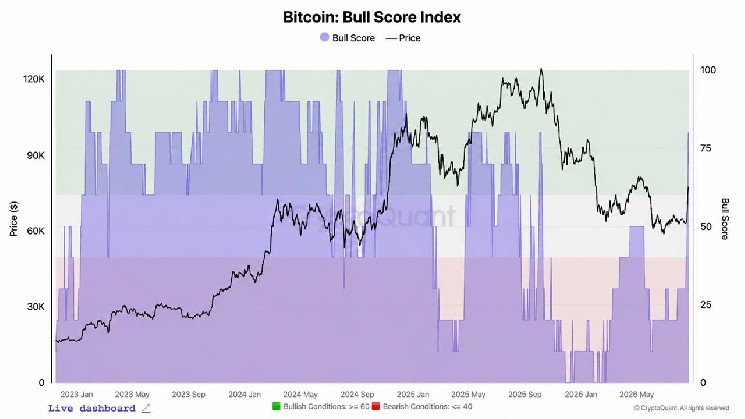
On December 15, Bitcoin fell from $90,000 to $85,616, a single-day drop of over 5%.

There were no major negative events or bad news that day, and on-chain data showed no abnormal selling pressure. If you only looked at crypto news, it was hard to find a "plausible" reason.

But on the same day, gold was quoted at $4,323 per ounce, down only $1 from the previous day.

One fell 5%, the other barely moved.

If Bitcoin is "digital gold," a tool to hedge against inflation and fiat currency depreciation, its performance in the face of risk events should be more like gold's. But this time, its movement clearly resembled that of high-beta tech stocks in the Nasdaq.

What drove this round of decline? The answer may lie in Tokyo.

The Butterfly Effect from Tokyo

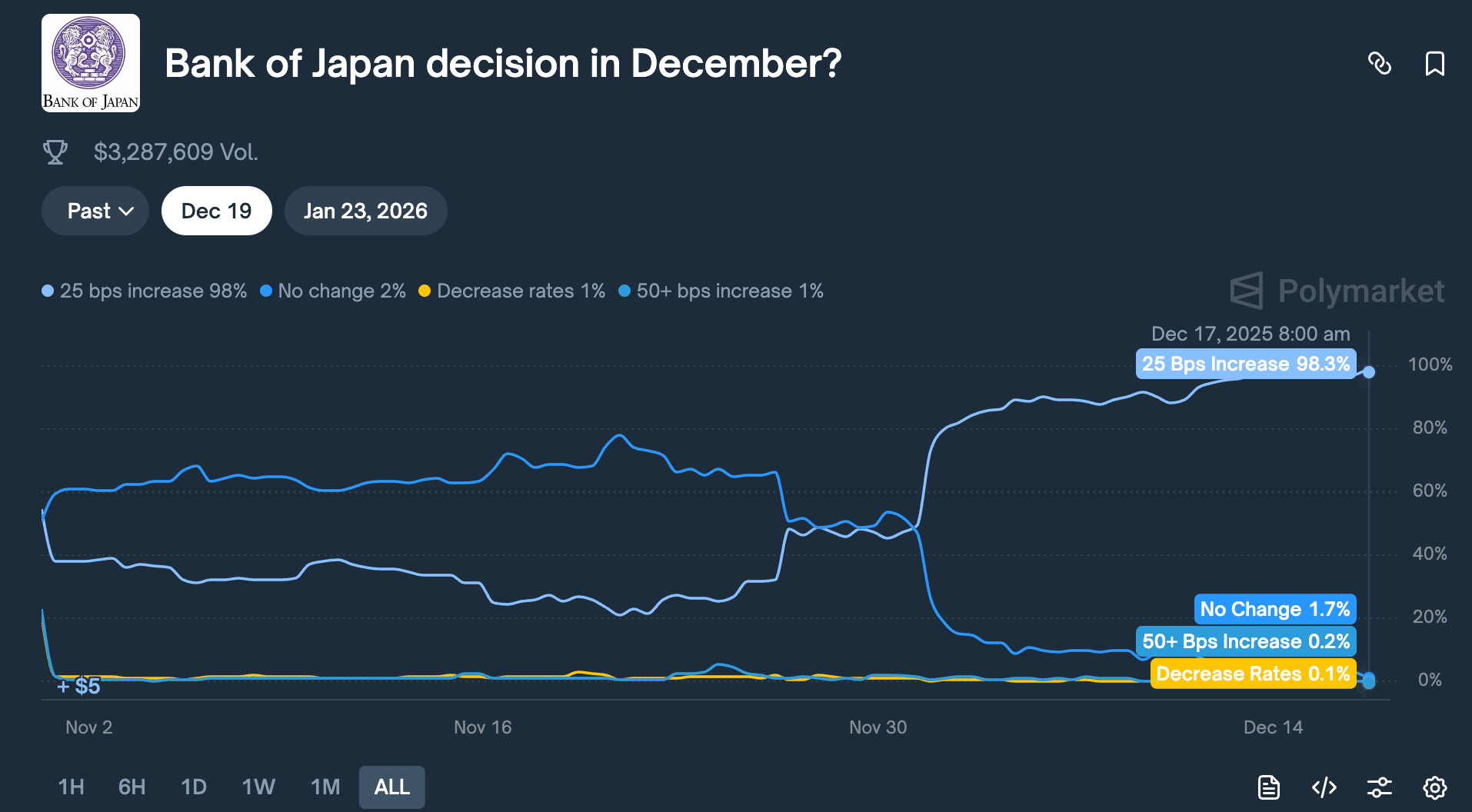
On December 19, the Bank of Japan will hold its monetary policy meeting. The market expects it to raise interest rates by 25 basis points, increasing the policy rate from 0.5% to 0.75%.

0.75% doesn't sound high, but this is Japan's highest interest rate in nearly 30 years. On prediction markets like Polymarket, traders have priced the probability of this rate hike at 98%.
Why would a decision by a central bank far away in Tokyo cause Bitcoin to drop 5% in 48 hours?

This starts with something called the "yen carry trade."

The logic is actually quite simple:

Japanese interest rates have long been near zero or even negative, making it almost free to borrow yen. As a result, global hedge funds, asset management institutions, and trading desks borrow large amounts of yen, convert it to US dollars, and then buy higher-yielding assets, such as US Treasury bonds, US stocks, or cryptocurrencies.

As long as the return on these assets is higher than the cost of borrowing yen, the interest rate differential is profit.

This strategy has existed for decades and is so large that its size is difficult to measure precisely. Conservative estimates are in the hundreds of billions of dollars; some analysts believe it could be as high as trillions if derivative exposures are included.

Additionally, Japan has a special status:

It is the largest foreign holder of US Treasury bonds, holding $1.18 trillion in US debt.

This means that changes in Japanese fund flows directly affect the world's most important bond market, which in turn impacts the pricing of all risk assets.

Now, as the Bank of Japan decides to raise interest rates, the underlying logic of this game is being shaken.

First, the cost of borrowing yen rises, narrowing the arbitrage spread; more troublesome is that rate hike expectations will push the yen higher, and these institutions originally borrowed yen and converted it to dollars to invest.

Now, to repay the loans, they must sell their dollar-denominated assets and buy back yen. The more the yen appreciates, the more assets they need to sell.

This "forced selling" doesn't pick a time or a specific asset. Whatever has the best liquidity and is easiest to liquidate gets sold first.

Therefore, it's easy to see why Bitcoin, traded 24/7 with no price limits and relatively shallower market depth compared to stocks, is often the first to be sold off.

Looking back at the timeline of the Bank of Japan's previous rate hikes, this speculation is somewhat corroborated by the data:
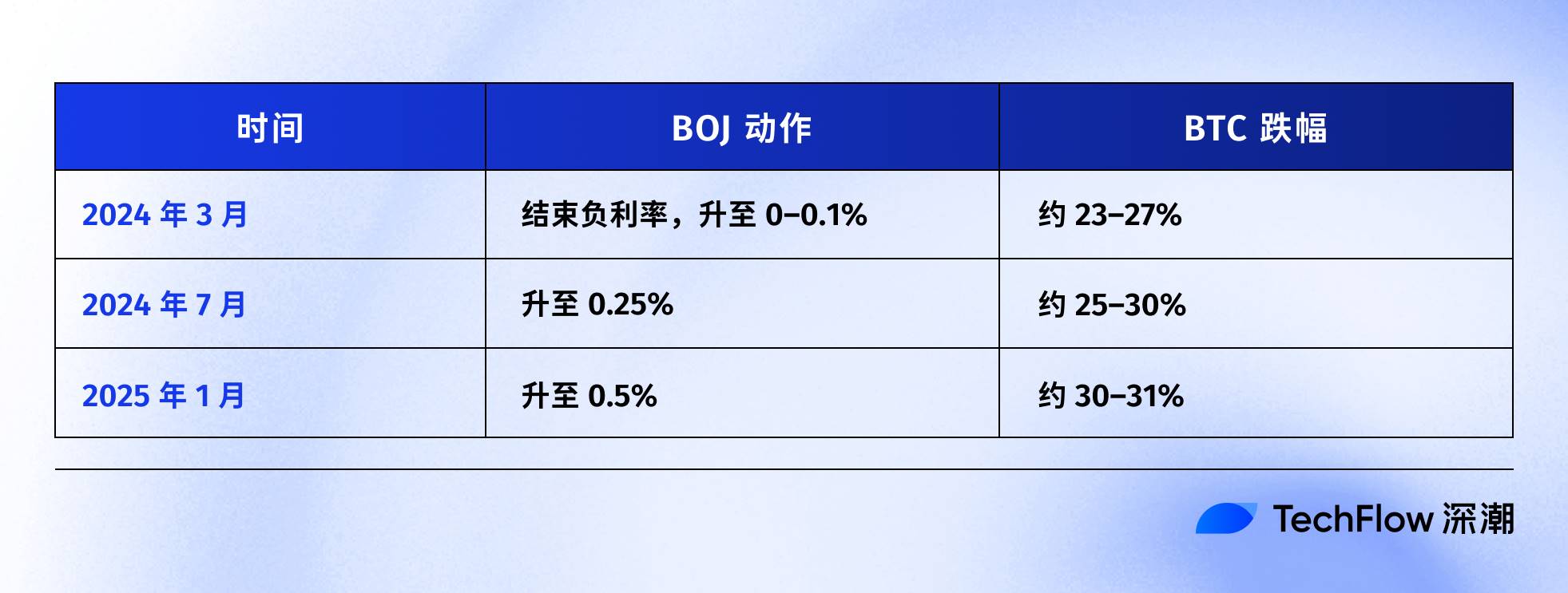
The most recent instance was on July 31, 2024. After the BOJ announced a rate hike to 0.25%, the yen appreciated against the dollar from 160 to below 140. BTC fell from $65,000 to $50,000 within the following week, a drop of about 23%, wiping $60 billion in market value from the entire crypto market.

According to statistics from several on-chain analysts, BTC experienced drawdowns of over 20% following each of the past three Bank of Japan rate hikes.

The specific start and end points and time windows for these numbers vary, but the direction is highly consistent:

Every time Japan tightens monetary policy, BTC is hit hard.

Therefore, the author believes that what happened on December 15 was essentially the market "front-running." Even before the decision on the 19th was announced, funds had already begun to withdraw early.

That day, US BTC ETFs saw a net outflow of $357 million, the largest single-day outflow in nearly two weeks; over $600 million in leveraged long positions were liquidated in the crypto market within 24 hours.

This is likely not panic selling by retail investors, but the chain reaction of carry trade unwinding.

Is Bitcoin Still Digital Gold?

The previous section explained the mechanism of the yen carry trade, but one question remains unanswered:

Why is BTC always the first to be sold and hurt?

A common explanation is BTC's "good liquidity and 24/7 trading," which is true, but it's not sufficient.

The real reason is that BTC has been repriced over the past two years: it is no longer an "alternative asset" independent of traditional finance, but is now welded into Wall Street's risk exposure.

In January of last year, the U.S. SEC approved spot Bitcoin ETFs. This was a milestone the crypto industry had waited a decade for, allowing trillion-dollar asset management giants like BlackRock and Fidelity to compliantly include BTC in their clients' investment portfolios.

The money did come. But along with it came an identity shift: the holders of BTC changed.

Previously, BTC was bought by crypto-native players, retail investors, and some aggressive family offices.

Now, BTC is bought by pension funds, hedge funds, and asset allocation models. These institutions also hold US stocks, US bonds, and gold, and manage "risk budgets."

When the overall portfolio needs to reduce risk, they don't just sell BTC or just sell stocks; they reduce positions proportionally across the board.

Data shows this binding relationship.

In early 2025, the 30-day rolling correlation between BTC and the Nasdaq 100 index once reached 0.80, the highest level since 2022. In contrast, before 2020, this correlation typically hovered between -0.2 and 0.2, essentially uncorrelated.
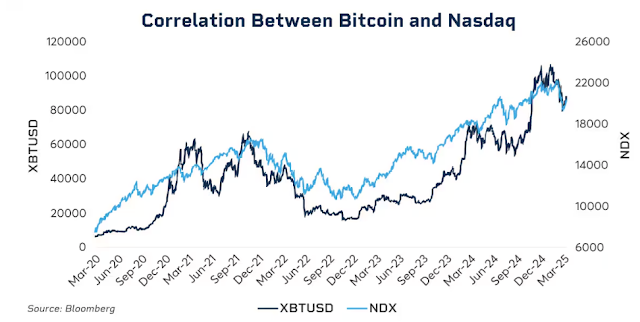
More notably, this correlation significantly increases during periods of market stress.

The March 2020 pandemic crash, the Fed's aggressive rate hikes in 2022, tariff concerns in early 2025... Every time risk-off sentiment surged, the linkage between BTC and US stocks tightened.

Institutions in a panic don't distinguish between "this is a crypto asset" and "this is a tech stock"; they only see one label: risk exposure.

This leads to an awkward question: is the digital gold narrative still valid?

If you extend the timeline, gold has risen over 60% year-to-date in 2025, its best performance since 1979; BTC has drawn down over 30% from its high during the same period.

Two assets both touted as hedges against inflation and fiat depreciation have charted completely opposite curves in the same macro environment.

This isn't to say BTC's long-term value is problematic; its five-year compound annual growth rate still far exceeds that of the S&P 500 and Nasdaq.

But at this current juncture, its short-term pricing logic has changed: it is a high-volatility, high-beta risk asset, not a safe haven.

Understanding this is key to understanding why a 25-basis-point hike by the Bank of Japan could cause BTC to drop thousands of dollars in 48 hours.

It's not because Japanese investors are selling BTC, but because when global liquidity tightens, institutions reduce all risk exposures using the same logic, and BTC happens to be the most volatile and easiest-to-liquidate link in this chain.

What Will Happen on December 19?

At the time of writing this article, there are two days left until the Bank of Japan's monetary policy meeting.

The market has treated the rate increase as a foregone conclusion. The yield on Japan's 10-year government bond has risen to 1.95%, an 18-year high. In other words, the bond market has already priced in the tightening expectations.

If the rate hike is already fully expected, will there still be an impact on the 19th?

Historical experience says: yes, but the intensity depends on the wording.

The impact of a central bank decision is never just about the number itself, but the signal it sends. A 25-basis-point hike accompanied by BOJ Governor Ueda saying "we will carefully assess future moves based on data" in the press conference would allow the market to breathe a sigh of relief;

If he says "inflation pressures persist, and further tightening cannot be ruled out," that could be the start of another wave of selling.

Japan's current inflation rate is around 3%, above the BOJ's 2% target. The market's worry isn't about this one rate hike, but whether Japan is entering a sustained tightening cycle.

If the answer is yes, the unwinding of the yen carry trade isn't a one-time event, but a process that could last for months.

However, some analysts believe this time might be different.

First, speculative positioning on the yen has shifted from net short to net long. The sharp drop in July 2024 was partly because the market was caught off guard, with large amounts of funds still shorting the yen. Now the positioning direction has reversed, limiting the room for unexpected appreciation.

Second, Japanese government bond yields have been rising for most of the year, from 1.1% at the start of the year to nearly 2% now. In a sense, the market has "already raised rates itself," and the Bank of Japan is merely acknowledging an established fact.

Third, the Federal Reserve just cut rates by 25 basis points; the general direction of global liquidity is easing. Japan is tightening against the trend, but if dollar liquidity is sufficiently abundant, it might partially offset the pressure from the yen side.

These factors don't guarantee that BTC won't fall, but they might mean the decline won't be as extreme as in previous instances.

Looking at the performance after previous BOJ rate hikes, BTC typically bottomed out within one to two weeks after the decision, then entered a period of consolidation or rebound. If this pattern still holds, the window from late December to early January might see the highest volatility, but it could also present opportunities to buy after mispriced sell-offs.

Accepted, Influenced

Stringing the previous sections together, the logical chain is actually quite clear:

Bank of Japan rate hike → Unwinding of yen carry trade → Global liquidity tightens → Institutions reduce positions according to risk budget → BTC, as a high-beta asset, is sold first.

In this chain, BTC didn't do anything wrong.

It was simply placed in a position it cannot control: the end of the global macro liquidity transmission chain.

You might find it acceptable, but this is the new normal in the ETF era.

Before 2024, BTC's price movements were mainly driven by crypto-native factors: halving cycles, on-chain data, exchange dynamics, regulatory news. Back then, its correlation with US stocks and bonds was low, and to some extent, it indeed resembled an "independent asset class."

After 2024, Wall Street arrived.

BTC was incorporated into the same risk management framework as stocks and bonds. Its holder structure changed, and its pricing logic followed suit.

BTC's market capitalization surged, rising from a few hundred billion dollars to $1.7 trillion. But it also brought a side effect: BTC's immunity to macro events disappeared.

A single sentence from the Fed or a decision by the Bank of Japan can cause it to fluctuate over 5% within hours.

If you believe in the "digital gold" narrative, believing it can provide shelter in turbulent times, then the price action in 2025 is somewhat disappointing. At least at this current stage, the market is not pricing it as a safe-haven asset.

Perhaps this is just a phase of misalignment. Maybe institutionalization is still in its early stages, and once allocation ratios stabilize, BTC will rediscover its own rhythm. Perhaps the next halving cycle will once again prove the dominance of crypto-native factors...

But until then, if you hold BTC, you need to accept a reality:

You are simultaneously holding an exposure to global liquidity. What happens in a conference room in Tokyo might determine your account balance next week more than any on-chain metric.

This is the cost of institutionalization. Whether it's worth it or not, everyone has their own answer.


Domande pertinenti

QWhy did Bitcoin drop by 5% on December 15, 2025, despite no negative events in the crypto space?

AThe drop was primarily driven by market anticipation of the Bank of Japan's (BOJ) potential interest rate hike. Investors engaged in yen carry trades began unwinding their positions, leading to forced selling of liquid assets like Bitcoin to cover their exposures, as Bitcoin is highly sensitive to global liquidity shifts and functions as a high-beta risk asset in institutional portfolios.

QWhat is the 'yen carry trade' and how does it impact Bitcoin?

AThe yen carry trade involves borrowing low-cost Japanese yen (due to near-zero interest rates) to invest in higher-yielding assets like U.S. stocks, bonds, or cryptocurrencies. When the BOJ raises rates, borrowing costs increase, and yen appreciation forces traders to sell these assets (including Bitcoin) to repay loans, causing downward pressure on Bitcoin's price.

QHow has Bitcoin's correlation with traditional risk assets changed since the approval of U.S. spot Bitcoin ETFs?

ASince the approval of U.S. spot Bitcoin ETFs in early 2024, Bitcoin's correlation with traditional risk assets like the Nasdaq 100 has significantly increased. Its 30-day rolling correlation reached 0.80 in 2025, compared to near-zero levels pre-2020, as institutional investors now manage Bitcoin within broader risk-budget frameworks and liquidate it alongside stocks during market stress.

QWhy is Bitcoin more vulnerable to sell-offs during events like BOJ rate hikes compared to gold?

ABitcoin is more vulnerable because it is treated as a high-beta, liquid risk asset by institutional investors, who prioritize selling it during liquidity crunches to reduce overall portfolio risk. Gold, by contrast, retains its status as a safe-haven asset and shows minimal correlation to such events, as seen in its stable price during the same period.

QWhat factors might determine the severity of Bitcoin's reaction to the BOJ's December 19, 2025 rate decision?

AThe severity depends on the BOJ's forward guidance: if the bank signals further tightening, it could trigger sustained selling pressure. However, factors like pre-priced bond yields, shifted yen speculative positions (from net short to net long), and concurrent Fed easing may mitigate the impact, potentially leading to a less extreme decline than in previous BOJ hike episodes.

Letture associate

Trading

Spot
Futures

Articoli Popolari

Cosa è $S$

Comprendere SPERO: Una Panoramica Completa Introduzione a SPERO Mentre il panorama dell'innovazione continua a evolversi, l'emergere delle tecnologie web3 e dei progetti di criptovaluta gioca un ruolo fondamentale nel plasmare il futuro digitale. Un progetto che ha attirato l'attenzione in questo campo dinamico è SPERO, denotato come SPERO,$$s$. Questo articolo mira a raccogliere e presentare informazioni dettagliate su SPERO, per aiutare gli appassionati e gli investitori a comprendere le sue basi, obiettivi e innovazioni nei domini web3 e crypto. Che cos'è SPERO,$$s$? SPERO,$$s$ è un progetto unico all'interno dello spazio crypto che cerca di sfruttare i principi della decentralizzazione e della tecnologia blockchain per creare un ecosistema che promuove l'impegno, l'utilità e l'inclusione finanziaria. Il progetto è progettato per facilitare interazioni peer-to-peer in modi nuovi, fornendo agli utenti soluzioni e servizi finanziari innovativi. Al suo interno, SPERO,$$s$ mira a responsabilizzare gli individui fornendo strumenti e piattaforme che migliorano l'esperienza dell'utente nello spazio delle criptovalute. Questo include la possibilità di metodi di transazione più flessibili, la promozione di iniziative guidate dalla comunità e la creazione di percorsi per opportunità finanziarie attraverso applicazioni decentralizzate (dApps). La visione sottostante di SPERO,$$s$ ruota attorno all'inclusività, cercando di colmare le lacune all'interno della finanza tradizionale mentre sfrutta i vantaggi della tecnologia blockchain. Chi è il Creatore di SPERO,$$s$? L'identità del creatore di SPERO,$$s$ rimane piuttosto oscura, poiché ci sono risorse pubblicamente disponibili limitate che forniscono informazioni dettagliate sul suo fondatore o fondatori. Questa mancanza di trasparenza può derivare dall'impegno del progetto per la decentralizzazione—un ethos che molti progetti web3 condividono, dando priorità ai contributi collettivi rispetto al riconoscimento individuale. Centrando le discussioni attorno alla comunità e ai suoi obiettivi collettivi, SPERO,$$s$ incarna l'essenza dell'empowerment senza mettere in evidenza individui specifici. Pertanto, comprendere l'etica e la missione di SPERO rimane più importante che identificare un creatore singolo. Chi sono gli Investitori di SPERO,$$s$? SPERO,$$s$ è supportato da una varietà di investitori che vanno dai capitalisti di rischio agli investitori angelici dedicati a promuovere l'innovazione nel settore crypto. Il focus di questi investitori generalmente si allinea con la missione di SPERO—dando priorità a progetti che promettono avanzamenti tecnologici sociali, inclusività finanziaria e governance decentralizzata. Queste fondazioni di investitori sono tipicamente interessate a progetti che non solo offrono prodotti innovativi, ma contribuiscono anche positivamente alla comunità blockchain e ai suoi ecosistemi. Il supporto di questi investitori rafforza SPERO,$$s$ come un concorrente degno di nota nel dominio in rapida evoluzione dei progetti crypto. Come Funziona SPERO,$$s$? SPERO,$$s$ impiega un framework multifunzionale che lo distingue dai progetti di criptovaluta convenzionali. Ecco alcune delle caratteristiche chiave che sottolineano la sua unicità e innovazione: Governance Decentralizzata: SPERO,$$s$ integra modelli di governance decentralizzati, responsabilizzando gli utenti a partecipare attivamente ai processi decisionali riguardanti il futuro del progetto. Questo approccio favorisce un senso di proprietà e responsabilità tra i membri della comunità. Utilità del Token: SPERO,$$s$ utilizza il proprio token di criptovaluta, progettato per servire varie funzioni all'interno dell'ecosistema. Questi token abilitano transazioni, premi e la facilitazione dei servizi offerti sulla piattaforma, migliorando l'impegno e l'utilità complessivi. Architettura Stratificata: L'architettura tecnica di SPERO,$$s$ supporta la modularità e la scalabilità, consentendo un'integrazione fluida di funzionalità e applicazioni aggiuntive man mano che il progetto evolve. Questa adattabilità è fondamentale per mantenere la rilevanza nel panorama crypto in continua evoluzione. Coinvolgimento della Comunità: Il progetto enfatizza iniziative guidate dalla comunità, impiegando meccanismi che incentivano la collaborazione e il feedback. Nutrendo una comunità forte, SPERO,$$s$ può affrontare meglio le esigenze degli utenti e adattarsi alle tendenze di mercato. Focus sull'Inclusione: Offrendo basse commissioni di transazione e interfacce user-friendly, SPERO,$$s$ mira ad attrarre una base utenti diversificata, inclusi individui che potrebbero non aver precedentemente interagito nello spazio crypto. Questo impegno per l'inclusione si allinea con la sua missione generale di empowerment attraverso l'accessibilità. Cronologia di SPERO,$$s$ Comprendere la storia di un progetto fornisce preziose intuizioni sulla sua traiettoria di sviluppo e sui traguardi. Di seguito è riportata una cronologia suggerita che mappa eventi significativi nell'evoluzione di SPERO,$$s$: Fase di Concettualizzazione e Ideazione: Le idee iniziali che formano la base di SPERO,$$s$ sono state concepite, allineandosi strettamente con i principi di decentralizzazione e focus sulla comunità all'interno dell'industria blockchain. Lancio del Whitepaper del Progetto: Dopo la fase concettuale, è stato rilasciato un whitepaper completo che dettaglia la visione, gli obiettivi e l'infrastruttura tecnologica di SPERO,$$s$ per suscitare interesse e feedback dalla comunità. Costruzione della Comunità e Prime Interazioni: Sono stati effettuati sforzi attivi di outreach per costruire una comunità di early adopters e potenziali investitori, facilitando discussioni attorno agli obiettivi del progetto e ottenendo supporto. Evento di Generazione del Token: SPERO,$$s$ ha condotto un evento di generazione del token (TGE) per distribuire i propri token nativi ai primi sostenitori e stabilire una liquidità iniziale all'interno dell'ecosistema. Lancio della Prima dApp: La prima applicazione decentralizzata (dApp) associata a SPERO,$$s$ è stata attivata, consentendo agli utenti di interagire con le funzionalità principali della piattaforma. Sviluppo Continuo e Partnership: Aggiornamenti e miglioramenti continui alle offerte del progetto, inclusi partnership strategiche con altri attori nello spazio blockchain, hanno plasmato SPERO,$$s$ in un concorrente competitivo e in evoluzione nel mercato crypto. Conclusione SPERO,$$s$ rappresenta una testimonianza del potenziale del web3 e delle criptovalute di rivoluzionare i sistemi finanziari e responsabilizzare gli individui. Con un impegno per la governance decentralizzata, il coinvolgimento della comunità e funzionalità progettate in modo innovativo, apre la strada verso un panorama finanziario più inclusivo. Come per qualsiasi investimento nello spazio crypto in rapida evoluzione, si incoraggiano potenziali investitori e utenti a ricercare approfonditamente e a impegnarsi in modo riflessivo con gli sviluppi in corso all'interno di SPERO,$$s$. Il progetto mostra lo spirito innovativo dell'industria crypto, invitando a ulteriori esplorazioni delle sue innumerevoli possibilità. Mentre il percorso di SPERO,$$s$ è ancora in fase di sviluppo, i suoi principi fondamentali potrebbero effettivamente influenzare il futuro di come interagiamo con la tecnologia, la finanza e tra di noi in ecosistemi digitali interconnessi.

75 Totale visualizzazioniPubblicato il 2024.12.17Aggiornato il 2024.12.17

Cosa è $S$

Cosa è AGENT S

Agent S: Il Futuro dell'Interazione Autonoma in Web3 Introduzione Nel panorama in continua evoluzione di Web3 e criptovalute, le innovazioni stanno costantemente ridefinendo il modo in cui gli individui interagiscono con le piattaforme digitali. Uno di questi progetti pionieristici, Agent S, promette di rivoluzionare l'interazione uomo-computer attraverso il suo framework agentico aperto. Aprendo la strada a interazioni autonome, Agent S mira a semplificare compiti complessi, offrendo applicazioni trasformative nell'intelligenza artificiale (AI). Questa esplorazione dettagliata approfondirà le complessità del progetto, le sue caratteristiche uniche e le implicazioni per il dominio delle criptovalute. Cos'è Agent S? Agent S si presenta come un innovativo framework agentico aperto, progettato specificamente per affrontare tre sfide fondamentali nell'automazione dei compiti informatici: Acquisizione di Conoscenze Specifiche del Dominio: Il framework apprende in modo intelligente da varie fonti di conoscenza esterne ed esperienze interne. Questo approccio duale gli consente di costruire un ricco repository di conoscenze specifiche del dominio, migliorando le sue prestazioni nell'esecuzione dei compiti. Pianificazione su Lungo Orizzonte di Compiti: Agent S impiega una pianificazione gerarchica potenziata dall'esperienza, un approccio strategico che facilita la suddivisione e l'esecuzione efficiente di compiti complessi. Questa caratteristica migliora significativamente la sua capacità di gestire più sottocompiti in modo efficiente ed efficace. Gestione di Interfacce Dinamiche e Non Uniformi: Il progetto introduce l'Interfaccia Agente-Computer (ACI), una soluzione innovativa che migliora l'interazione tra agenti e utenti. Utilizzando Modelli Linguistici Multimodali di Grandi Dimensioni (MLLM), Agent S può navigare e manipolare senza sforzo diverse interfacce grafiche utente. Attraverso queste caratteristiche pionieristiche, Agent S fornisce un framework robusto che affronta le complessità coinvolte nell'automazione dell'interazione umana con le macchine, preparando il terreno per innumerevoli applicazioni nell'AI e oltre. Chi è il Creatore di Agent S? Sebbene il concetto di Agent S sia fondamentalmente innovativo, informazioni specifiche sul suo creatore rimangono elusive. Il creatore è attualmente sconosciuto, il che evidenzia sia la fase embrionale del progetto sia la scelta strategica di mantenere i membri fondatori sotto anonimato. Indipendentemente dall'anonimato, l'attenzione rimane sulle capacità e sul potenziale del framework. Chi sono gli Investitori di Agent S? Poiché Agent S è relativamente nuovo nell'ecosistema crittografico, informazioni dettagliate riguardanti i suoi investitori e sostenitori finanziari non sono documentate esplicitamente. La mancanza di approfondimenti pubblicamente disponibili sulle fondazioni di investimento o sulle organizzazioni che supportano il progetto solleva interrogativi sulla sua struttura di finanziamento e sulla roadmap di sviluppo. Comprendere il supporto è cruciale per valutare la sostenibilità del progetto e il suo potenziale impatto sul mercato. Come Funziona Agent S? Al centro di Agent S si trova una tecnologia all'avanguardia che gli consente di funzionare efficacemente in contesti diversi. Il suo modello operativo è costruito attorno a diverse caratteristiche chiave: Interazione Uomo-Computer Simile a Quella Umana: Il framework offre una pianificazione AI avanzata, cercando di rendere le interazioni con i computer più intuitive. Mimando il comportamento umano nell'esecuzione dei compiti, promette di elevare le esperienze degli utenti. Memoria Narrativa: Utilizzata per sfruttare esperienze di alto livello, Agent S utilizza la memoria narrativa per tenere traccia delle storie dei compiti, migliorando così i suoi processi decisionali. Memoria Episodica: Questa caratteristica fornisce agli utenti una guida passo-passo, consentendo al framework di offrire supporto contestuale mentre i compiti si sviluppano. Supporto per OpenACI: Con la capacità di funzionare localmente, Agent S consente agli utenti di mantenere il controllo sulle proprie interazioni e flussi di lavoro, allineandosi con l'etica decentralizzata di Web3. Facile Integrazione con API Esterne: La sua versatilità e compatibilità con varie piattaforme AI garantiscono che Agent S possa adattarsi senza problemi agli ecosistemi tecnologici esistenti, rendendolo una scelta attraente per sviluppatori e organizzazioni. Queste funzionalità contribuiscono collettivamente alla posizione unica di Agent S all'interno dello spazio crittografico, poiché automatizza compiti complessi e multi-fase con un intervento umano minimo. Man mano che il progetto evolve, le sue potenziali applicazioni in Web3 potrebbero ridefinire il modo in cui si svolgono le interazioni digitali. Cronologia di Agent S Lo sviluppo e le tappe di Agent S possono essere riassunti in una cronologia che evidenzia i suoi eventi significativi: 27 Settembre 2024: Il concetto di Agent S è stato lanciato in un documento di ricerca completo intitolato “Un Framework Agentico Aperto che Usa i Computer Come un Umano”, mostrando le basi per il progetto. 10 Ottobre 2024: Il documento di ricerca è stato reso pubblicamente disponibile su arXiv, offrendo un'esplorazione approfondita del framework e della sua valutazione delle prestazioni basata sul benchmark OSWorld. 12 Ottobre 2024: È stata rilasciata una presentazione video, fornendo un'idea visiva delle capacità e delle caratteristiche di Agent S, coinvolgendo ulteriormente potenziali utenti e investitori. Questi indicatori nella cronologia non solo illustrano i progressi di Agent S, ma indicano anche il suo impegno per la trasparenza e il coinvolgimento della comunità. Punti Chiave su Agent S Man mano che il framework Agent S continua a evolversi, diversi attributi chiave si distinguono, sottolineando la sua natura innovativa e il potenziale: Framework Innovativo: Progettato per fornire un uso intuitivo dei computer simile all'interazione umana, Agent S porta un approccio nuovo all'automazione dei compiti. Interazione Autonoma: La capacità di interagire autonomamente con i computer attraverso GUI segna un passo avanti verso soluzioni informatiche più intelligenti ed efficienti. Automazione di Compiti Complessi: Con la sua metodologia robusta, può automatizzare compiti complessi e multi-fase, rendendo i processi più veloci e meno soggetti a errori. Miglioramento Continuo: I meccanismi di apprendimento consentono ad Agent S di migliorare dalle esperienze passate, migliorando continuamente le sue prestazioni e la sua efficacia. Versatilità: La sua adattabilità attraverso diversi ambienti operativi come OSWorld e WindowsAgentArena garantisce che possa servire un'ampia gamma di applicazioni. Man mano che Agent S si posiziona nel panorama di Web3 e delle criptovalute, il suo potenziale per migliorare le capacità di interazione e automatizzare i processi segna un significativo avanzamento nelle tecnologie AI. Attraverso il suo framework innovativo, Agent S esemplifica il futuro delle interazioni digitali, promettendo un'esperienza più fluida ed efficiente per gli utenti in vari settori. Conclusione Agent S rappresenta un audace passo avanti nell'unione tra AI e Web3, con la capacità di ridefinire il modo in cui interagiamo con la tecnologia. Sebbene sia ancora nelle sue fasi iniziali, le possibilità per la sua applicazione sono vaste e coinvolgenti. Attraverso il suo framework completo che affronta sfide critiche, Agent S mira a portare le interazioni autonome al centro dell'esperienza digitale. Man mano che ci addentriamo nei regni delle criptovalute e della decentralizzazione, progetti come Agent S giocheranno senza dubbio un ruolo cruciale nel plasmare il futuro della tecnologia e della collaborazione uomo-computer.

435 Totale visualizzazioniPubblicato il 2025.01.14Aggiornato il 2025.01.14

Cosa è AGENT S

Come comprare S

Benvenuto in HTX.com! Abbiamo reso l'acquisto di Sonic (S) semplice e conveniente. Segui la nostra guida passo passo per intraprendere il tuo viaggio nel mondo delle criptovalute.Step 1: Crea il tuo Account HTXUsa la tua email o numero di telefono per registrarti il tuo account gratuito su HTX. Vivi un'esperienza facile e sblocca tutte le funzionalità,Crea il mio accountStep 2: Vai in Acquista crypto e seleziona il tuo metodo di pagamentoCarta di credito/debito: utilizza la tua Visa o Mastercard per acquistare immediatamente SonicS.Bilancio: Usa i fondi dal bilancio del tuo account HTX per fare trading senza problemi.Terze parti: abbiamo aggiunto metodi di pagamento molto utilizzati come Google Pay e Apple Pay per maggiore comodità.P2P: Fai trading direttamente con altri utenti HTX.Over-the-Counter (OTC): Offriamo servizi su misura e tassi di cambio competitivi per i trader.Step 3: Conserva Sonic (S)Dopo aver acquistato Sonic (S), conserva nel tuo account HTX. In alternativa, puoi inviare tramite trasferimento blockchain o scambiare per altre criptovalute.Step 4: Scambia Sonic (S)Scambia facilmente Sonic (S) nel mercato spot di HTX. Accedi al tuo account, seleziona la tua coppia di trading, esegui le tue operazioni e monitora in tempo reale. Offriamo un'esperienza user-friendly sia per chi ha appena iniziato che per i trader più esperti.

849 Totale visualizzazioniPubblicato il 2025.01.15Aggiornato il 2025.03.21

Come comprare S

Discussioni

Benvenuto nella Community HTX. Qui puoi rimanere informato sugli ultimi sviluppi della piattaforma e accedere ad approfondimenti esperti sul mercato. Le opinioni degli utenti sul prezzo di S S sono presentate come di seguito.

活动图片